A safari in Africa in January can be the best trip of your life or a week of wet tracks and hidden animals, and the difference is almost entirely about which region you choose. East Africa sits in a drier gap between its two rainy seasons; southern Africa is in the middle of its hot, green summer. This guide shows you what each region is really like in January, where the wildebeest are, what to book first and how to finish on a beach.

When to Go guides
Choose your country, then your month
24 country guides, each about 100 pages: every month rated for weather, crowds and prices, region by region, with a 7-day booking plan. Six guides per region bundle.
Browse the 24 guides · $19 eachRegion bundles: Europe, Asia & Pacific, Sun Souks & Safari, Americas · $47 each
For a safari in Africa in January, northern Tanzania is the headline choice: the wildebeest herds gather on the short-grass plains of the southern Serengeti around Lake Ndutu ahead of calving, and Arusha averages only about 50 mm of rain in January compared with about 360 mm in April. Kenya’s Masai Mara is also in a drier spell, with strong big-cat viewing but no river crossings. Kruger and the Okavango are in their wet, green summer: lush and full of birds, but hotter and with thicker cover.
✅ Key takeaways
- ✓Base a January safari in northern Tanzania if you want the Great Migration: the herds are on the plains south of Lake Ndutu from about December and gather there to calve between January and March.
- ✓Don’t expect Mara River crossings in January: the migration reaches Kenya’s Masai Mara around July and heads back south around October.
- ✓Kruger in January is hot (Skukuza averages about 33 °C by day) and wet (around 111 mm of rain), so plan game drives for early morning and late afternoon.
- ✓Rwanda’s gorilla permits cost US$1,500 per person and the minimum age is 15, so book through the official Irembo platform well before your dates.
- ✓Zanzibar is a natural add-on: January averages about 74 mm of rain over roughly six days, against about 409 mm in April.
Why a Safari in Africa in January Depends on Which Half of the Continent You Choose
The simplest way to plan is to remember that East Africa and southern Africa have opposite calendars. In Kenya and northern Tanzania, January falls between the short rains of late in the year and the long rains that arrive around March to May. In South Africa, Botswana and Zambia, January is high summer: hot, humid and rainy, with afternoon thunderstorms.
Neither is “wrong”. They just give you different safaris. East Africa in January is about big herds on open grassland. Southern Africa in January is about green landscapes, breeding birds and dramatic storm skies, with the trade-off that grass and leaves are taller and animals are spread out.
| Region | January conditions | What you’ll see | Our call |
|---|---|---|---|
| Southern Serengeti and Ndutu, Tanzania | Drier spell; Arusha averages about 28 / 10 °C and 50 mm of rain | Wildebeest and zebra herds gathering on the calving grounds, with predators following | The top January pick |
| Ngorongoro Crater, Tanzania | Drier spell; crater floor at about 1,800 m | Buffalo, lion, and a small population of black rhino | Excellent add-on to Ndutu |
| Masai Mara, Kenya | Between the short rains (Nov–Dec) and long rains (Apr–May) | Resident lions, cheetahs, leopards; no migration crossings | Very good, quieter than peak season |
| Kruger, South Africa | Hot and wet: Skukuza about 33 / 20 °C and 111 mm of rain | Green bush, breeding birds, storm light | Good for value and birders |
| Okavango Delta, Botswana | Main rains (December to March), afternoon storms | Green-season game, birds; the flood comes later | For return visitors and photographers |
| Volcanoes NP, Rwanda | Mountain forest; trekking runs on fixed daily permits | Mountain gorillas | Add-on for a once-in-a-lifetime hour |
🗓️ Free: a 12-Month Map for your country
Every month on one page: best weeks, shoulder weeks and the ones to skip. Print it or keep it on your phone.
≈50 mm
January rain in Arusha, the gateway to northern Tanzania
≈360 mm
April rain in Arusha, at the height of the long rains
≈33 °C
average January high in Kruger’s Skukuza
US$1,500
Rwanda gorilla permit per person
🧰 Try it while you read: a free tool for this trip
Free trip timing tool
Rainy Season Risk
Check how wet a month usually is, with rainfall and rain days by month.
Loading the tool…
Tanzania’s Calving Plains: The Headline Safari in Africa in January
If you can only do one thing on a January safari, make it the southern Serengeti. This is where the Great Migration spends the start of the year, and it’s the one time when the herds stay in roughly the same area for weeks.
The wildebeest move back south from Kenya around November and usually reach the short-grass plains of the south-eastern Serengeti in December. The area around Lake Ndutu, near Olduvai Gorge, is the calving ground where wildebeest and zebras gather between January and March, and the herds use the plains south of the lake from December through to May. The birthing itself is concentrated: around half a million calves are born within a few weeks, usually peaking in February. Predators know this, so lions, cheetahs and hyenas are part of the January picture too.
Weather works in your favour. Arusha, where most northern-circuit safaris start, averages around 28 °C by day and 10 °C at night in January, with about 50 mm of rain. By March that rises to about 170 mm, and April averages about 360 mm. January sits before the long rains, which is why it’s one of the best months for this region. The official Tanzania National Parks page for the Serengeti describes the park as home to the last great annual mammal migration on earth.

The Smart Timing Bundle
Pick the month, book in the right order, pack once
Six printable timing tools for any trip: the Trip Timing Planner, When to Book, When NOT to Go, the Shoulder Season Playbook, the family timing guide and the Packing by Season System.
See the bundle · $37Six products, $100 separately · Digital download · All sales final
Ngorongoro Crater: the easy second stop
The Ngorongoro Crater sits on most routes between Arusha and the southern Serengeti. Its floor covers about 260 km², it’s about 610 m deep, and the floor itself is about 1,800 m above sea level. Buffalo stay in the crater year-round, and it’s home to a small population of black rhino. Some of the wildebeest and zebra leave during the wet season, but a day in the crater still adds species you may not see on the plains.
Arusha (1 night)
Arrive, rest, and meet your guide. Most northern-circuit safaris start here.
Ngorongoro Crater (1 day, 1 night on the rim)
A full day on the crater floor. Pack a warm layer: mornings at this altitude are much cooler than on the plains.
Ndutu and the southern Serengeti (3 nights)
Base yourself near the herds and drive out each morning and late afternoon, when predators are most active.
Optional: fly to Zanzibar (3–5 nights)
Short flights connect the northern safari circuit and the coast, so you can end on the beach rather than on a long drive.
Thinking about a different time of year in Tanzania? Our September safari in Tanzania guide covers the dry-season version of the same parks.
When to Go: Tanzania & Zanzibar
Choosing between a January calving safari, the dry-season months or a later beach trip? This guide sets out Tanzania and Zanzibar month by month (rain, heat, wildlife highlights and crowds) so you can match the safari and the coast to the right dates.
See When to Go: Tanzania & Zanzibar · $19 →Digital download · All sales final
Kenya’s Masai Mara in January: Big Cats Without the Migration Crowds
The Masai Mara is a strong January choice for one simple reason: it’s in a drier spell and quieter than the migration months. Just be clear about what you’re getting.
The Mara has two rainy seasons: the long rains for about six to eight weeks in April and May, and the short rains for about four weeks in November and December. January falls in the gap. The wildebeest are not here, though: the herds usually reach the Mara around July and head back south around October. What you do get is the resident wildlife. Lions are found in large numbers, cheetahs hunt on the open savanna, leopards use the riverine trees and all of the Big Five can be seen.
Kruger in January: Green, Hot and Full of Birds
Kruger in January is the summer safari: green, hot and humid, with afternoon storms and a lot of new life. It’s a very different experience from the dry-winter safari most guidebooks recommend, and it suits some travellers better.
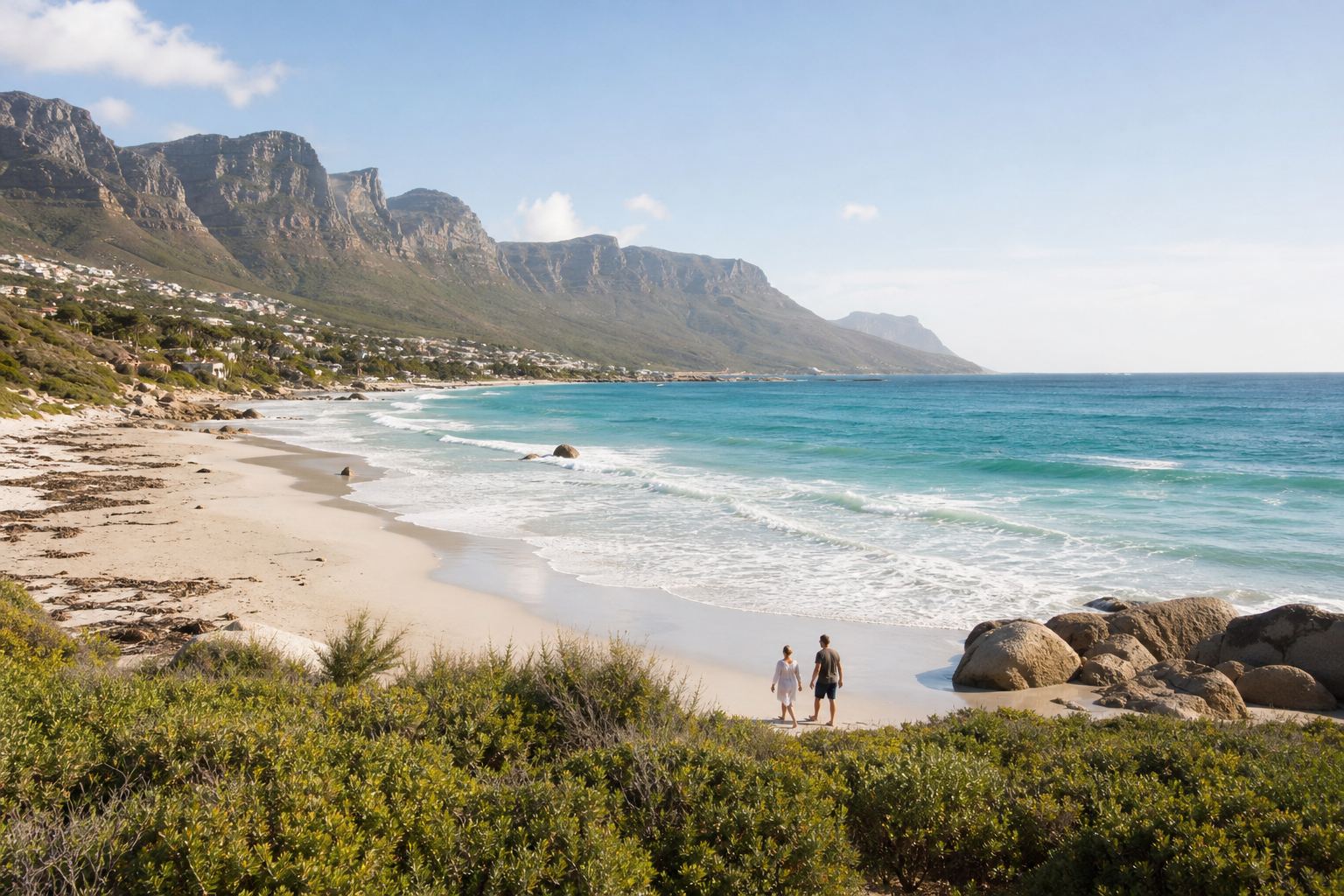
At Skukuza in the south, the January average is about 33 °C by day and 20 °C at night, with around 111 mm of rain. The north of the park is generally two to three degrees warmer. The park is huge, at around 19,500 km², and South African National Parks lists more than 500 bird species on its Kruger National Park page. Most bird species breed in summer, when the rains bring food. September and October, by contrast, are the driest months, and that’s when animals concentrate around water.
In our view, the honest trade-off is this: you’ll see fewer animals per hour than in the dry winter, because water is everywhere and the vegetation is thick. But the bush is beautiful, the light after a storm is superb, and the birding is at its best.
- Plan drives early and late: the middle of the day is hot and animals rest in the shade.
- Pack for rain and heat: a light rain jacket, breathable clothes and sun protection.
- Bring binoculars: January is a strong month for birding, and you’ll use them constantly.
Botswana’s Okavango in January: The Green-Season Trade-off
The Okavango Delta is a world-class safari, but January is not its classic month. Here’s why, and why some people go anyway.
Most of the local rain falls between December and March, mainly as heavy afternoon thunderstorms. The famous flood is a separate event: it carries rain from the Angolan highlands and spreads slowly through the delta, peaking between June and August, during the dry winter. That’s when animals gather from far away around the water. In January, the delta is green and the rain is local, so wildlife is more spread out.

The complete kit
Every country guide, every timing tool
All 24 When to Go country guides, the six Smart Timing tools and every 12-Month Map, with a Start Here that tells you what to open first.
See the kit · $127The five bundles cost $225 separately · Digital download · All sales final
Gorillas in Rwanda: The One-Hour Add-on Worth Planning Around
A gorilla trek is often added to an East African safari, and January works as part of a wider trip. The logistics are fixed and simple, but the permit is the bottleneck.
According to Visit Rwanda’s gorilla tracking page, trekking takes place in Volcanoes National Park, permits cost US$1,500 per person per day, and the minimum age is 15. Visitors gather at the park headquarters in Kinigi at 7 a.m. Permits can be booked on the government’s Irembo platform or through a licensed operator.
Safari Then Beach: Finishing in Zanzibar
January is one of the better months to pair a Tanzanian safari with Zanzibar, because the island is hot and relatively dry before the long rains.
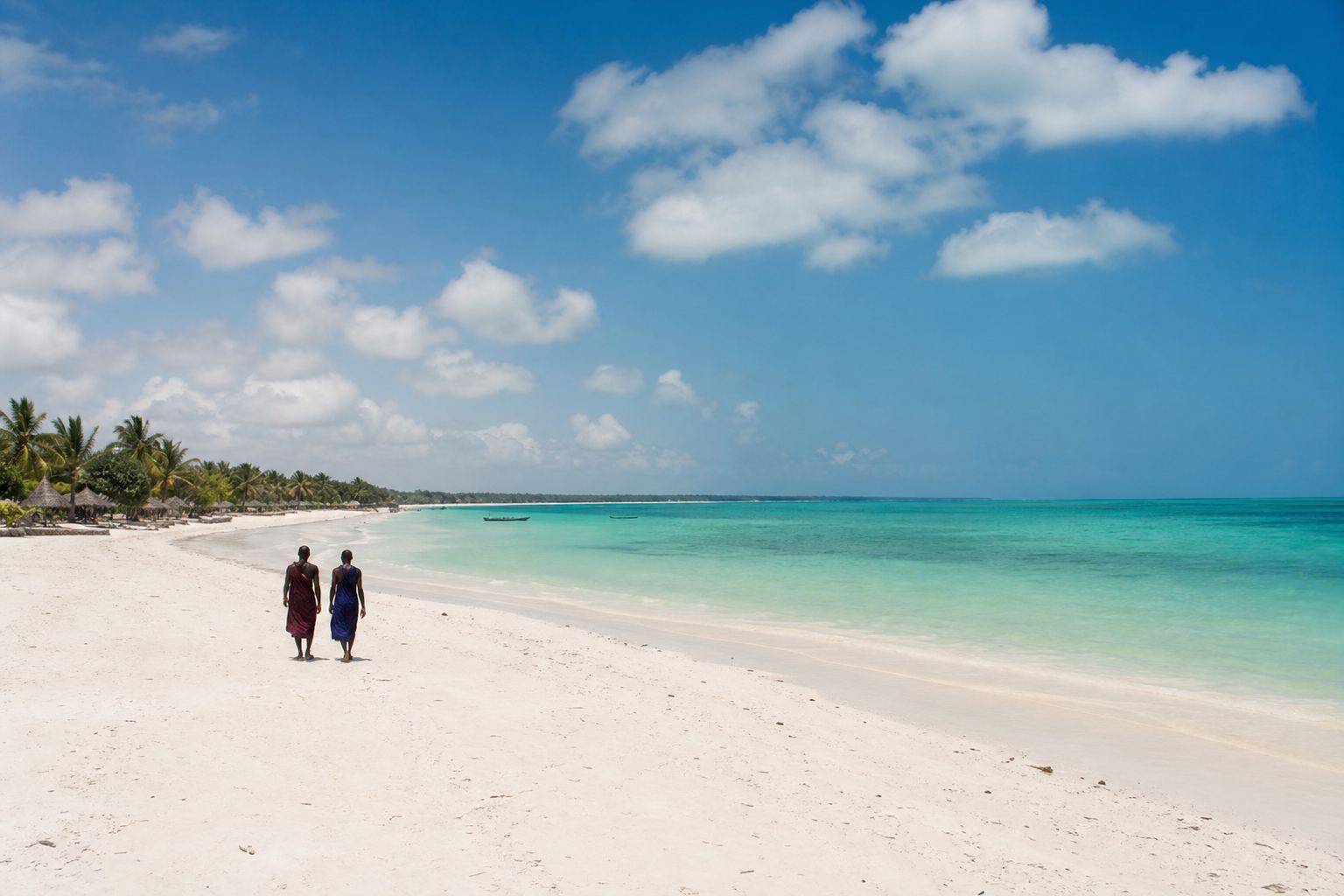
Zanzibar City averages about 32.6 °C by day and 24.5 °C at night in January, with around 74 mm of rain on about six days. Compare that with April, when the same station averages around 409 mm on about 18 days. That’s why the safari-plus-beach combination works so well at the start of the year. Our best time to visit Zanzibar guide covers the island month by month, the how to get to Zanzibar guide explains the flight and ferry options, and our Zanzibar itinerary helps you split your nights between Stone Town and the beaches.
How to Book a Safari in Africa in January Without Losing Your First Choice
January is calving season in northern Tanzania, so camps near the herds are in demand and the order you book in matters more than the price you pay. Lock in the scarce things first.
Choose the region, then the camp
Decide between the calving plains, the Mara, Kruger or the Okavango using the table above, then pick a camp in the right area. A great lodge in the wrong place won’t help you.
Secure gorilla permits first, if you want them
They’re limited by day. Everything else can be built around that date.
Book camps near the herds
For Ndutu in January, camps close to the calving plains are the ones to secure first. Ask your operator whether the camp moves seasonally.
Then flights and the beach extension
Once the safari dates are fixed, book international flights and add Zanzibar nights at the end.
Keep one buffer day
Rain can make tracks slow and light aircraft can be delayed. A spare day protects your connecting flight.
In January, choose the region first, then the camp. The right place in a modest lodge beats a beautiful lodge in the wrong place.
Not set on January yet? Our free Best Month Finder compares months for your destination and travel style, and our guide to winter wildlife spotting in January covers wildlife trips beyond Africa.
5 January Safari Mistakes Even Experienced Travellers Make
1. Booking the Masai Mara for the migration
The river crossings happen in the second half of the year. In January, the herds are in the southern Serengeti. Book the right park for the month.
2. Treating southern Africa like East Africa
Kruger and the Okavango are in their hot, wet summer in January. That’s fine if you want green landscapes and birds, but don’t expect dry-season concentrations around waterholes.
3. Forgetting the altitude at Ngorongoro
The crater floor is about 1,800 m above sea level and lodges sit on the rim above it. Bring a fleece for early starts, even if the plains are hot by lunchtime.
4. Leaving gorilla permits to the end
Permits are limited and cost US$1,500 each. Get the date first, then plan the rest of the trip around it.
5. Packing every hour with drives
Midday heat in January sends animals into the shade. Rest in the middle of the day and save your energy for the first and last light.
Safari in Africa in January: Questions Travellers Ask
A safari in Africa in January comes down to one decision: East Africa’s dry-gap herds or southern Africa’s green summer. Choose the region first and everything else falls into place. For more ideas, browse our best travel destinations in January, our wildlife travel guides and Africa travel guides, see the top wildlife experiences in February, or plan any other month from the month-by-month travel planner.
Free download
See the whole year before you book
Our free 12-Month Map puts every month for one country on four pages: when the weather works, when the crowds and prices peak, and the weeks to skip.
- 24 countries to choose from
- Region-by-region verdicts
- Printable PDF
Your download page opens as soon as you sign up. 24 countries available.
Compare the whole month
Where to go in January
Every destination rated for January on one page: weather, crowds and price level, with the places to skip.