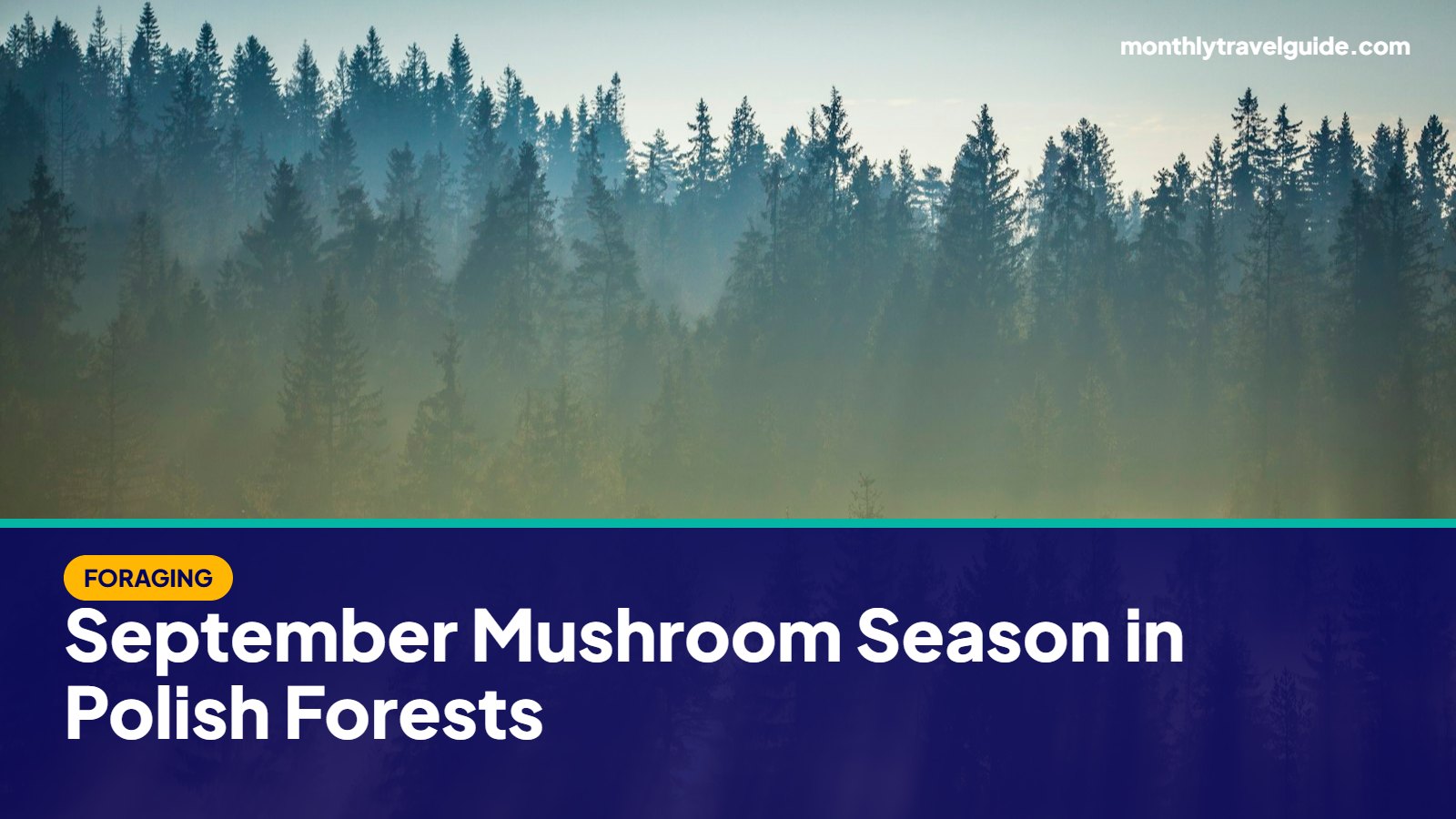
Mushroom picking in Poland reaches its peak in September, when cool nights, regular rain and still-mild afternoons fill the pine and mixed forests with the fungi that Polish families have gathered for generations. Grzybobranie, the mushroom hunt, is a genuine national habit. Most Polish forests belong to the State Forests and are open to walkers, but there are clear rules about where you may go and what you may take. This guide covers when to go, where to pick, what the law allows and how to stay safe.

When to Go guides
Choose your country, then your month
24 country guides, each about 100 pages: every month rated for weather, crowds and prices, region by region, with a 7-day booking plan. Six guides per region bundle.
Browse the 24 guides · $19 eachRegion bundles: Europe, Asia & Pacific, Sun Souks & Safari, Americas · $47 each
Key takeaways
✓Peak timing
Polish foragers usually see the best harvests in September and October, a few days after good rain followed by mild weather.
✓Open forests
Most forests are run by the State Forests and are open on foot; there is no national quantity limit for personal picking.
✓Closed areas
Young plantations up to 4 m, seed stands, wildlife refuges, national parks and nature reserves are off-limits outside designated places.
✓Free checks
Sanitary-epidemiological stations offer free assessment of wild mushrooms by trained mushroom experts during the season.
✓The real danger
The death cap causes the most dangerous poisonings in Poland, and symptoms can take more than ten hours to appear.
✓Ticks
Tick activity has a second peak in September, so long trousers, repellent and a body check matter as much as the basket.
Why September Is Peak Season for Mushroom Picking in Poland
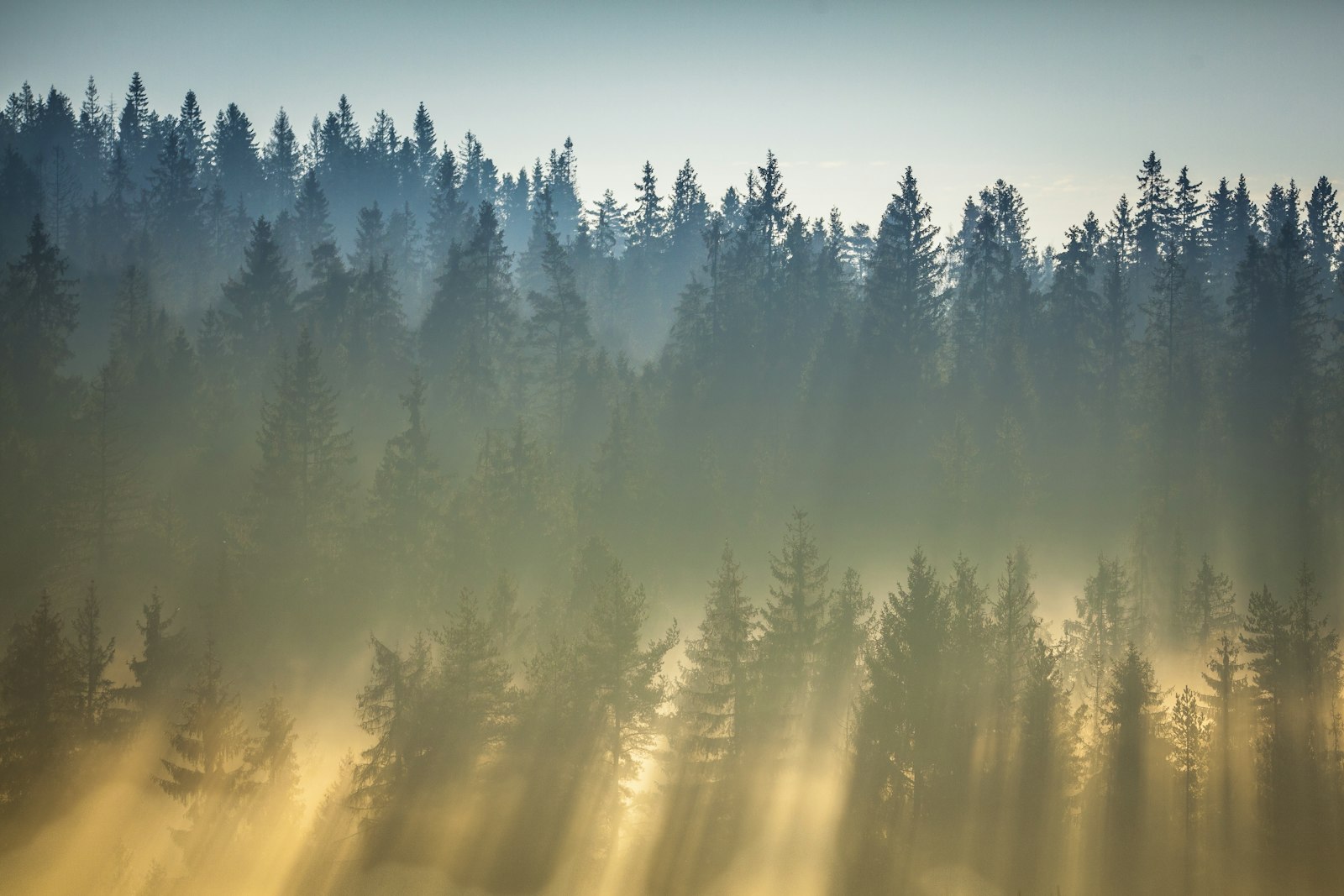
This section explains why September stands out. Polish mushroom season lasts several months, from the first finds in late spring to the last after the first frosts, but most foragers agree that September and October bring the biggest and most varied harvests, according to the forest-food producer Leśne Skarby. The Polish Tourism Organisation also describes September as the time when the forests are full of the familiar species families look for.
The reason is weather. Mushrooms need moisture and warmth together, and late summer supplies both: soils still hold summer heat, nights cool and rain returns. Porcini often appear a few days after significant rain, and bay boletes do well when rain is followed by a warm spell, so watch the rain rather than the calendar. A dry September can be thin; a wet, mild one can be exceptional.
Different traditional finds follow slightly different calendars. Leśne Skarby notes that chanterelles start in June and are usually most plentiful in July and August, porcini are most abundant in August and September, bay boletes peak in September and October and can continue until the first frosts, saffron milk caps run from late August into November, and honey fungus appears from August to November after rain when temperatures sit around 10 to 15 °C. Treat these as season markers, not as an identification guide: many edible species have toxic look-alikes.
Polish mushroom season, month by month
Usual pattern · rain decides each year
May
First finds only, scattered
SkipJune
Early season begins
Go with careJuly
Summer flush after rain
Go with careAugust
Season building, porcini rising
GoSeptember
Usual peak, widest variety
GoOctober
Strong late season
GoNovember
Late species, frosts end it
Go with careDec to Apr
Off season
SkipWant to compare September with other months for a wider Poland trip? The free Best Month Finder ranks months for any destination, and the Shoulder Season Detector shows the quieter weeks around a peak.
🧰 Try it while you read: a free tool for this trip
Free trip timing tool
Price Calendar
A twelve-month view of price pressure, from cheapest to most expensive months.
Loading the tool…
September Weather in Poland and What It Means on the Forest Floor
This section gives September’s long-term averages. Poland is mild rather than warm: cool at dawn and wet often enough to keep the season going.
| Place | Average high / low | Rain in September | What it means for foragers |
|---|---|---|---|
| Warsaw | About 19 °C / 9.5 °C | About 50 mm on 8 days | Mild days; bring a layer for early starts |
| Kraków | About 19.5 °C / 9 °C | About 65 mm on 9 days | Good base for the southern uplands and foothills |
| Gdańsk | About 17 °C / 9 °C | About 65 mm on 9 days | Cooler coast; Pomeranian pine forests nearby |
| Białystok | About 18 °C / 7.5 °C | About 55 mm on 9 days | Cold mornings in the north-east; dress warmly |
| Zakopane (850 m) | About 16 °C / 6.5 °C | About 110 mm on 11 days | Wettest and coolest; mountain weather changes fast |
🗓️ Free: a 12-Month Map for your country
Every month on one page: best weeks, shoulder weeks and the ones to skip. Print it or keep it on your phone.
Source: Climates to Travel, September averages. Expect about 5.5 hours of sunshine a day and a mix of bright spells and damp mornings, which suits mushrooms well.

The Smart Timing Bundle
Pick the month, book in the right order, pack once
Six printable timing tools for any trip: the Trip Timing Planner, When to Book, When NOT to Go, the Shoulder Season Playbook, the family timing guide and the Packing by Season System.
See the bundle · $37Six products, $100 separately · Digital download · All sales final
Where You Can and Cannot Pick: The Rules in Polish Forests
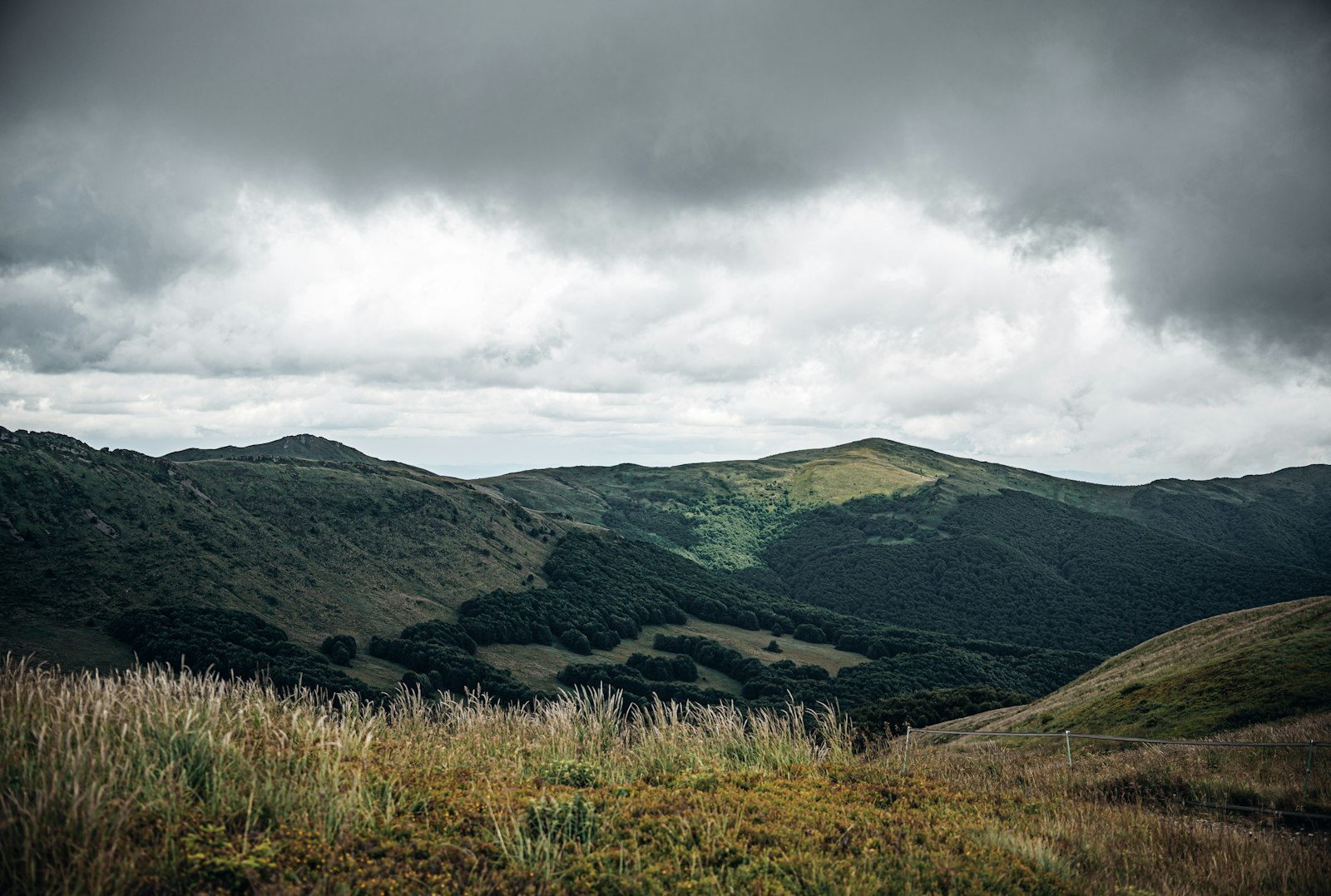
This section covers what the law and the State Forests actually say, so you can pick with a clear conscience. Picking mushrooms for your own use is free in Poland’s open forests, and the State Forests note that there is no quantity limit, while asking visitors to respect the forest. The limits are about place and behaviour, not weight.
| Area | Can you pick? | What to know |
|---|---|---|
| Open State Forests | Yes, for personal use | Walk in; park only where allowed, as most forest roads are closed to cars |
| Young plantations up to 4 m tall | No: permanent entry ban | These are the only permanently banned areas that are signposted |
| Seed stands, experimental plots, wildlife refuges, springs, erosion areas | No: permanent entry ban | Not marked with signs, so follow paths and forest district maps |
| Areas under a temporary ban | No | Set by the forest district for fire risk, storm damage or forestry work; marked with signs giving reason and duration |
| National parks | No, except places designated by the park director | The Nature Conservation Act bans collecting wild fungi in parks and reserves |
| Nature reserves | No, except places designated by the regional environmental director | Check the reserve’s own rules before you go |
| Private forests | Ask the owner | Rules differ; do not assume access |
Sources: the Forest Act’s entry bans, summarised by the Bolesławiec forest district; Art. 15 of the Nature Conservation Act via ArsLege; visitor rules from the State Forests.
The Forest Act also bans destroying fungi or mycelium, digging into the ground, raking up the forest litter, littering, letting dogs run loose, camping outside designated sites and making unnecessary noise. Open fires and other activities that could start a fire are banned inside the forest and within 100 m of its edge. The State Forests add a practical point: kicking over inedible or wormy mushrooms damages the forest, so leave anything you do not want exactly where it stands. Protected fungi species must never be picked.
Important
Where to Go: Forest Types and Regions That Suit September
This section helps you choose a forest rather than a single secret spot. Polish foragers think first in forest types, because each type tends to produce different finds, and only then in regions.
Pine and spruce
Coniferous forests are classic ground for porcini, bay boletes and slippery jacks, according to Leśne Skarby.
Mixed forest
Pine, spruce and oak together are named by Leśne Skarby as the best all-round habitat, especially sunny spots with soft moss and ferns.
Deciduous and mixed
Birch boletes, chanterelles and honey fungus are typical here, and the Polish Tourism Organisation names these forests for the most commonly picked species.
Pine on sandy soil
Sandy pine forests are where foragers look for saffron milk caps, often near young trees, which may themselves sit in a fenced plantation you cannot enter.
For a named example, the Wielkopolska region around Poznań is well known for picking. Poznań Magazine lists the large Noteć Forest (Puszcza Notecka), a pine forest with birch and oak stretching from Skwierzyna towards Oborniki and Rogoźno, and Puszcza Zielonka, the closest big forest to Poznań, where competition on weekends can be fierce. Similar large pine and mixed forests cover much of northern and western Poland, so wherever you are based, the nearest big State Forest is usually the right first try.
Avoid picking near busy roads, dumps or sprayed farmland, as the Białystok sanitary station advises, and remember that many famous forests are national parks. Walk the park, pick outside it; our guide to national parks in September covers more parks at their best now.
Plan around the season, not the calendar
The Shoulder Season Playbook
A September forest trip is shoulder-season travel at its best: the summer crowds have gone, the weather is mild and the land is at its most generous. The Playbook shows how to find those in-between weeks for any destination, judge whether the weather trade-off suits your plans and decide when to commit, so your next trip lands in the right window by design.
See The Shoulder Season Playbook →Digital download · All sales final
How to Go Mushroom Picking in Poland Safely
This section is the practical routine, based on the advice Poland’s sanitary-epidemiological stations (sanepid) publish every season.
Pick only what you know
Take only species you can identify with complete confidence. Never judge a mushroom by taste or folk tests.
Skip the very young and the very old
Very young mushrooms without developed features are the most common cause of tragic mistakes, and overripe ones can cause food poisoning, according to the Włocławek station.
Twist out the whole mushroom
Ease the whole fruit body out of the ground, including the base, and cover the hole with litter or soil so the mycelium does not dry out. Experts need the whole mushroom to identify it.
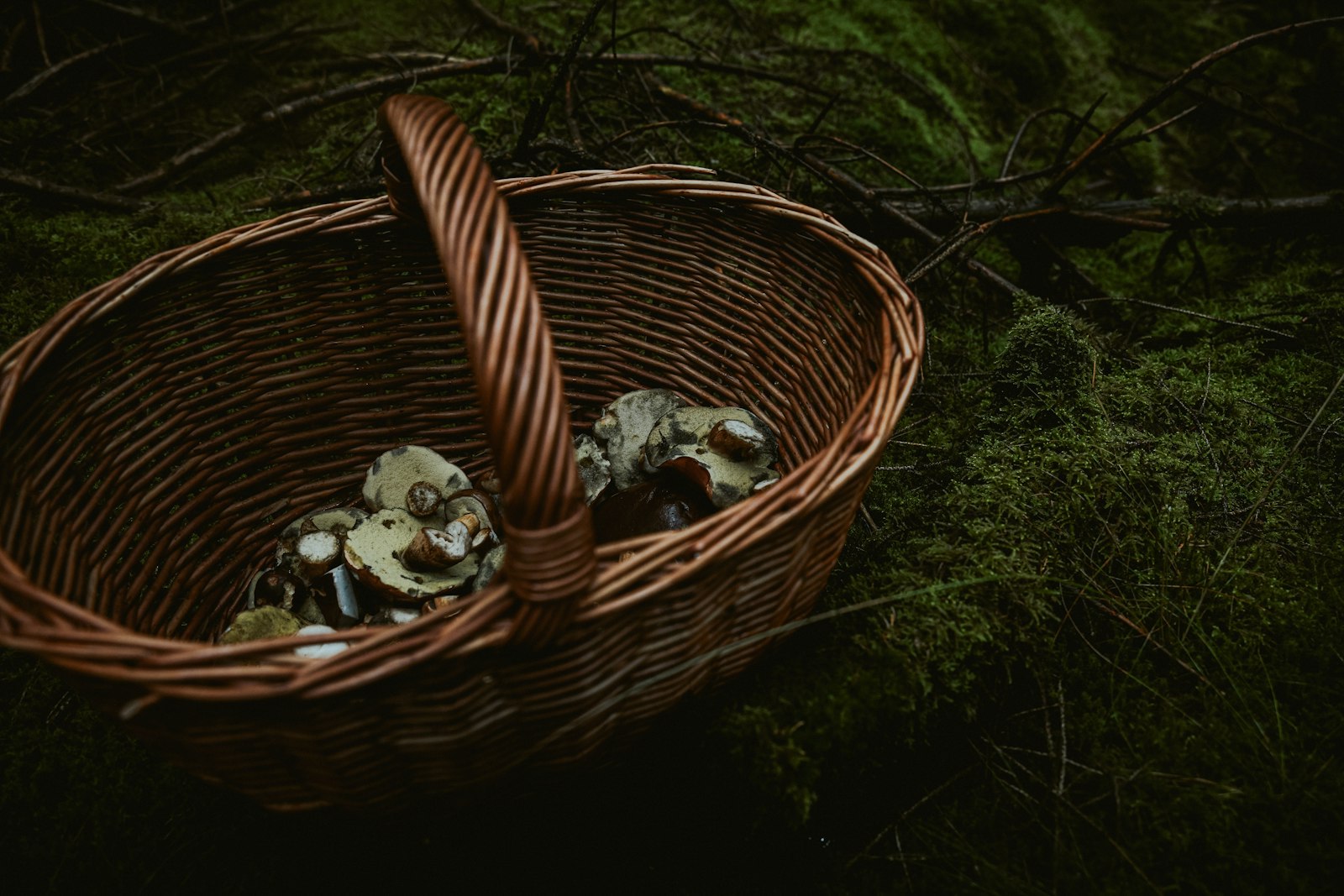
Use a basket, never a plastic bag
Breathable containers keep mushrooms firm; plastic makes them spoil.
Keep doubtful finds separate
Carry anything uncertain in a separate container.
Get them checked the same day
Take fresh, whole, uncleaned mushrooms to a sanepid station for a free assessment by a mushroom expert, and follow the expert’s verdict.
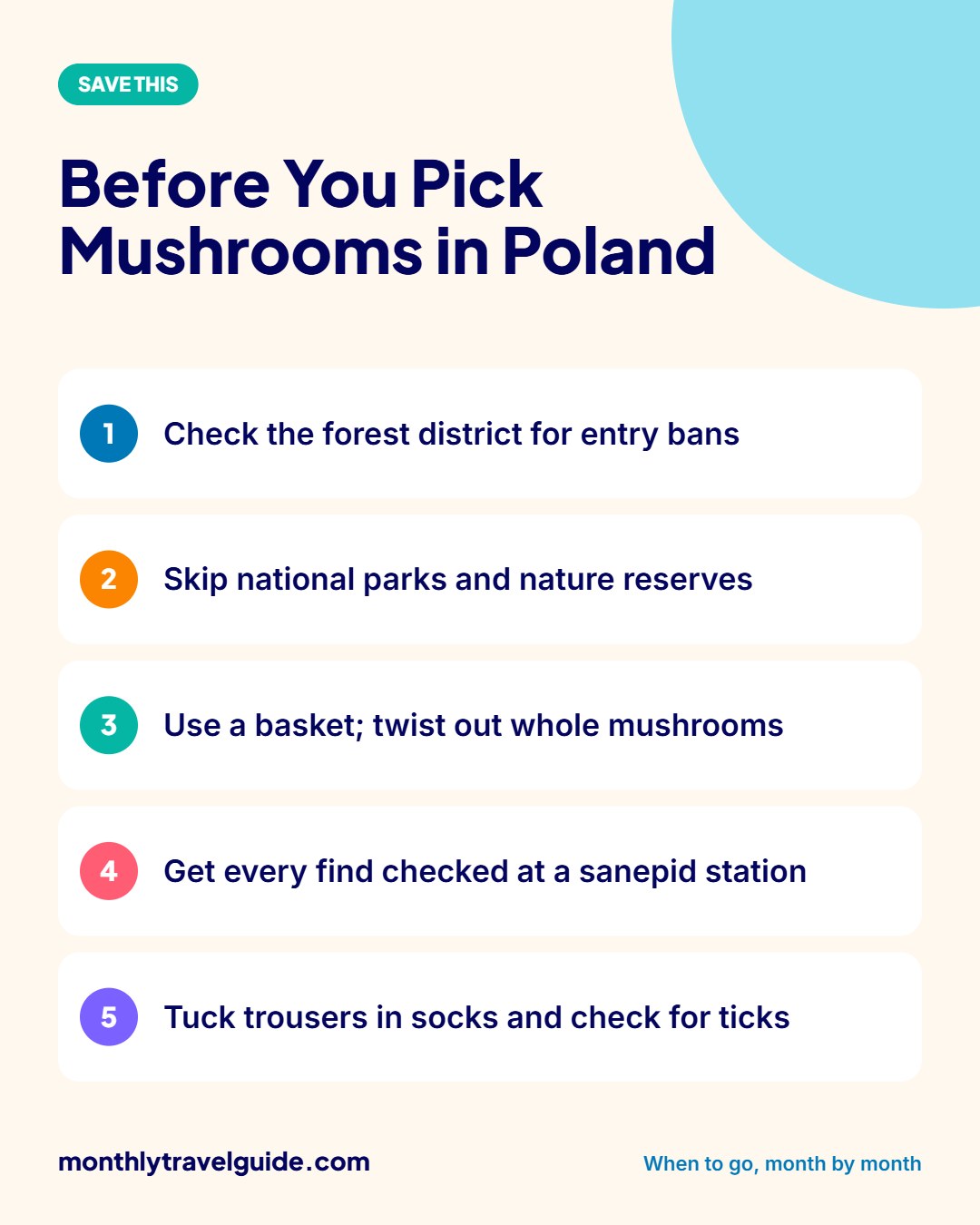
The free checks are the single most useful service for visitors. The Gdańsk sanitary station states plainly that mushroom assessment is free; mushroom experts (grzyboznawcy) can assess fresh and dried mushrooms, while mushroom classifiers assess only fresh ones. At the Włocławek station, for example, advice is given on weekdays in the morning, and only fresh mushrooms pulled out whole are accepted; cleaned, cut, cooked, frozen or pickled mushrooms are refused. Hours and locations differ from station to station, so look up your local one before you pick (PSSE Gdańsk, PSSE Włocławek).
Warning
Wild mushroom dishes are not recommended for children or older people. Medical guidance on mp.pl notes that Poland records several hundred mushroom poisonings a year, some of them fatal.

The complete kit
Every country guide, every timing tool
All 24 When to Go country guides, the six Smart Timing tools and every 12-Month Map, with a Start Here that tells you what to open first.
See the kit · $127The five bundles cost $225 separately · Digital download · All sales final
Ticks, Hunting Season and Other September Hazards
This section covers the risks that have nothing to do with your basket.
Ticks. According to the Milicz sanitary station, tick activity in Poland peaks from March to June and again in September, and usually ends only when average temperatures fall below about 5 to 7 °C in October or November. Ticks can carry Lyme disease and tick-borne encephalitis. Wear long trousers tucked into socks, long sleeves and light colours, use a repellent as directed, and check your whole body, children’s hair included, before you go indoors. Remove any tick quickly with tweezers or a tick tool, and see a doctor if a spreading red rash or fever follows. People who spend a lot of time in forests may want to ask a doctor about the tick-borne encephalitis vaccine before travelling (PSSE Milicz).
Wet ground and lost bearings. Dew soaks shoes quickly, and large flat forests make it easy to lose your way while looking down. Wear waterproof boots, carry an offline map and a charged phone, note where you parked and respect any temporary closure signs.
When Not to Go, and the Better Month If You Want Something Else
This section is the honest part. September is the best month for most visitors who want to join a Polish mushroom hunt, but some trips are better planned around a different time or a different place.
| Avoid | Why | What to do instead |
|---|---|---|
| Picking after a long dry spell | Few mushrooms grow without moisture | Wait for a few days after soaking rain |
| Any national park as a picking spot | Collecting fungi is banned outside designated places | Walk the park, pick in the State Forest outside it |
| Forests under a temporary entry ban | Fire risk, storm damage or forestry work | Check the forest district website and choose another area |
| Popular forests near big cities on weekends | Heavy competition from local foragers | Go on a weekday or drive further out |
| Eating anything unchecked | Toxic look-alikes and delayed symptoms | Visit a sanepid station first |
If you want
Chanterelles in quantity
Go in July or August, when Leśne Skarby says chanterelle yields are usually highest.
If you want
The latest, coldest-weather finds
Go in October or early November, when bay boletes, saffron milk caps and honey fungus can continue until the frosts.
If you want
Warm weather with a forest walk
Go in late August, when days are warmer and porcini are already rising.
If you want
Autumn colour with fewer foragers
Go in mid to late October, when the leaves turn and the peak weekend rush has eased.
Not sure whether your dates fall in a bad week for weather or crowds? Run them through the free When Not to Go checker, and use the When to Book calculator to time flights and rooms for a September trip.
From Forest to Table: Mushrooms in Polish Cooking and Markets
This section covers what happens after the hunt, and how to enjoy wild mushrooms if you would rather not pick at all. Mushrooms run through Polish home cooking: the Polish Tourism Organisation mentions bigos, the hunter’s stew, mushroom soup and pierogi filled with mushrooms and sauerkraut, and many families dry part of the harvest for the winter and for festive dishes.
If you do not pick yourself, buy carefully. The Białystok voivodeship sanitary station explains that fresh wild mushrooms may be sold to consumers only in shops or at markets and only with a certificate (atest) issued by a mushroom classifier or expert. Mushrooms from unknown roadside sellers have no such check, and their origin is unknown, so the safer choice is a market stall or shop that can show the certificate. Ask, and walk away if there is none (WSSE Białystok).
Restaurants are the easy way in: a mushroom dinner after a morning forest walk gives you the season with no identification risk. For a city base with good autumn food, see our guide to European cities in September, and for a wider route, our overview of Europe in September.
September also suits the rest of a Poland trip, with calmer city sights after the summer holidays. Our September travel guide and our page on how to avoid crowds in September may help, and so may our page on northern lights in September.
5 Common Mistakes on a Polish Mushroom Hunt
1. Trusting an app or a photo
Apps and pictures cannot rule out a toxic look-alike such as the death cap. Let a sanepid expert decide.
2. Picking in a national park
Collecting fungi in national parks and reserves is banned outside designated places, so the most famous forest is often the one where you cannot pick.
3. Bringing a plastic bag and cutting off the base
Plastic makes mushrooms spoil, and a cut-off base can remove features an expert needs.
4. Ignoring forest signs and closed roads
Plantations, temporary bans and closed forest roads are signposted; ignoring them can bring a fine.
5. Forgetting the ticks
September is Poland’s second tick peak. Tucked-in trousers, repellent and a body check prevent most problems.
Mushroom Picking in Poland: FAQ
When is mushroom season in Poland?
Mushroom season in Poland runs from late spring into November, but the usual peak is September and October. Chanterelles start earlier, from June, while porcini are most abundant in August and September and bay boletes continue until the first frosts. Each year depends on rain: the best flushes usually come a few days after good rain followed by mild weather.
Is it legal to pick mushrooms in Poland?
Yes. Picking mushrooms for personal use is free in Poland’s open forests, and the State Forests set no quantity limit. You may not pick in national parks or nature reserves outside designated places, in young plantations up to 4 m tall, seed stands or wildlife refuges, or in areas under a temporary entry ban. Protected species must never be picked.
Can tourists get mushrooms checked in Poland?
Yes. Sanitary-epidemiological stations, known as sanepid, offer free mushroom assessments by trained experts during the season. Bring fresh, whole, uncleaned mushrooms that were twisted out of the ground in one piece. Cut, cooked or pickled mushrooms are usually refused. Hours and locations differ, so check your nearest station’s page before you go picking.
What is the most dangerous mushroom in Poland?
The death cap causes the most dangerous mushroom poisonings in Poland, according to sanitary station guidance. It can be confused with edible species, including the parasol mushroom. Symptoms may appear after a few hours, but sometimes only after more than ten, when serious damage may already be under way. Anyone feeling ill after eating wild mushrooms should seek emergency help immediately.
Where is the best mushroom picking in Poland?
Large pine and mixed forests are the best general bet, especially mossy, airy ground that is moist but not swampy. Around Poznań, the Noteć Forest and Puszcza Zielonka are well-known picking areas. Much of northern and western Poland has similar State Forests. Avoid national parks for picking, and stay away from busy roads, dumps and sprayed fields.
Can you buy wild mushrooms safely in Poland?
Yes, if you buy from a shop or market stall that holds a certificate, or atest, issued by a mushroom classifier or expert, as Polish rules require for fresh wild mushrooms sold to consumers. Roadside sellers usually cannot show where their mushrooms came from or that anyone has checked them. When in doubt, eat seasonal mushroom dishes in restaurants instead.
The Bottom Line
September is the best month for mushroom picking in Poland: the forests are at their most productive, the weather is mild and the rules are simple once you know them. Pick only in open forest, carry a basket, check every doubtful find at a sanepid station and watch for ticks. For more trips built around food and seasons, browse our food travel guides.
Free download
The 12-Month Map, free
The whole year for one country on four printable pages, so you can see the right months before you read anything else.
- Good, shoulder and avoid months at a glance
- Region by region, not one average for the whole country
- Prints cleanly on US Letter
Your download page opens as soon as you sign up. 24 countries available.