The best places to visit in Asia in July are the ones the monsoon misses: Bali and its neighbours in their dry season, Hokkaido in Japan’s cool north, Ladakh behind the Himalayas, and the open steppe of Mongolia. Much of South and Southeast Asia is in the middle of its wet season, with Mumbai averaging about 710 mm of rain in July and Phuket about 215 mm. This guide sorts Asia region by region into go, go with care and skip, with the numbers behind every call.

When to Go guides
Choose your country, then your month
24 country guides, each about 100 pages: every month rated for weather, crowds and prices, region by region, with a 7-day booking plan. Six guides per region bundle.
Browse the 24 guides · $19 eachRegion bundles: Europe, Asia & Pacific, Sun Souks & Safari, Americas · $47 each
The short answer
Go to Bali for dry, sunny beach weather (about 29 °C and 4 rain days), Hokkaido for mild Japanese summer (about 25 °C), Ladakh for high-desert trekking (about 26 °C by day, almost no rain) or Mongolia for the steppe and the Naadam festival, usually held from 11 to 13 July. Treat Uzbekistan and Honshu as heat trips, and skip India’s west coast and Thailand’s Andaman coast for beaches.
Key takeaways
- July is the heart of the southwest monsoon, so the rule for Asia is simple: choose places the rain belt doesn’t reach.
- Bali is in its dry season from about April to October, with roughly 10 hours of sun a day and a sea near 27 °C in July.
- Hokkaido sits outside Japan’s usual rainy-season zone and stays milder than Tokyo or Kyoto, though August and the odd typhoon can bring rain.
- Ladakh is a high desert at about 3,500 m in Leh, so the monsoon stops at the Himalayas and the roads from Manali and Srinagar are normally open.
- Mongolia’s summer is its best and rainiest season, so pack for short showers on the steppe and real heat in the Gobi.
- Mumbai and Phuket are the clearest skips for a beach or city trip: heavy rain, little sun and, on the Andaman coast, rough seas.
Asia in July: the verdict board
Go, go with care or skip, based on long-term July averages
Bali
Dry season, 29 °C, sea 27 °C
GoHokkaido
About 25 °C, outside the usual rainy-season zone
GoLadakh
Behind the Himalayas, roads open
GoMongolia steppe
Green, mild, Naadam 11 to 13 July
GoGobi Desert
About 31 °C highs, heat spells
Go with careSamarkand, Uzbekistan
About 34.5 °C, often near 39.5 °C
Go with careTokyo and Kyoto
Hot and humid summer
Go with carePhuket and the Andaman coast
215 mm rain, rough sea
SkipMumbai and India’s west coast
710 mm rain, 2.5 h sun a day
SkipThe best places to visit in Asia in July at a glance
This section puts the main July options side by side, from the Indonesian islands to the Indian monsoon coast. Figures are long-term July averages from Climates to Travel; the crowd column is an editorial judgement of a typical July, not a measured statistic.
| Place | Day / night | July rain | Sun or sea | Verdict |
|---|---|---|---|---|
| Bali (south coast) | About 29 °C / 24 °C | About 50 mm, 4 days | About 10 h sun, sea about 27 °C | Go |
| Sapporo, Hokkaido | About 25 °C / 18 °C | About 90 mm, 9 days | Sea about 18 °C | Go |
| Asahikawa (central Hokkaido) | About 26 °C / 16 °C | About 130 mm, 10 days | Inland | Go |
| Leh, Ladakh (3,500 m) | About 26 °C / 12 °C | About 15 mm, 2 days | High-altitude sun | Go |
| Ulaanbaatar, Mongolia | About 25 °C / 14 °C | About 70 mm, 17 days | Short showers | Go |
| Sainshand, Gobi Desert | About 31 °C / 18 °C | About 30 mm, 5 days | Hot and dry | Go with care |
| Samarkand, Uzbekistan | About 34.5 °C / 20 °C | About 2 mm, 1 day | About 12 h sun | Go with care |
| Phuket, Thailand | About 32 °C / 24 °C | About 215 mm, 17 days | About 5 h sun, rough sea | Skip for beaches |
| Mumbai, India | About 30 °C / 25 °C | About 710 mm, 21 days | About 2.5 h sun | Skip |
🗓️ Free: a 12-Month Map for your country
Every month on one page: best weeks, shoulder weeks and the ones to skip. Print it or keep it on your phone.
Sources: Climates to Travel pages for Bali, Hokkaido, Leh, Mongolia, Samarkand, Phuket and Mumbai. A rain day means a day with some rain; in Ulaanbaatar many of those days bring a short shower, while in Mumbai they bring the full monsoon.
🧰 Try it while you read: a free tool for this trip
Free trip timing tool
Rainy Season Risk
Check how wet a month usually is, with rainfall and rain days by month.
Loading the tool…
Bali and Indonesia: the dry side of the equator
This section covers Indonesia, where July falls in the dry season for Bali and the islands around it. South of the equator, the seasons run the other way from mainland Asia, so July is one of Bali’s sunniest months of the year.
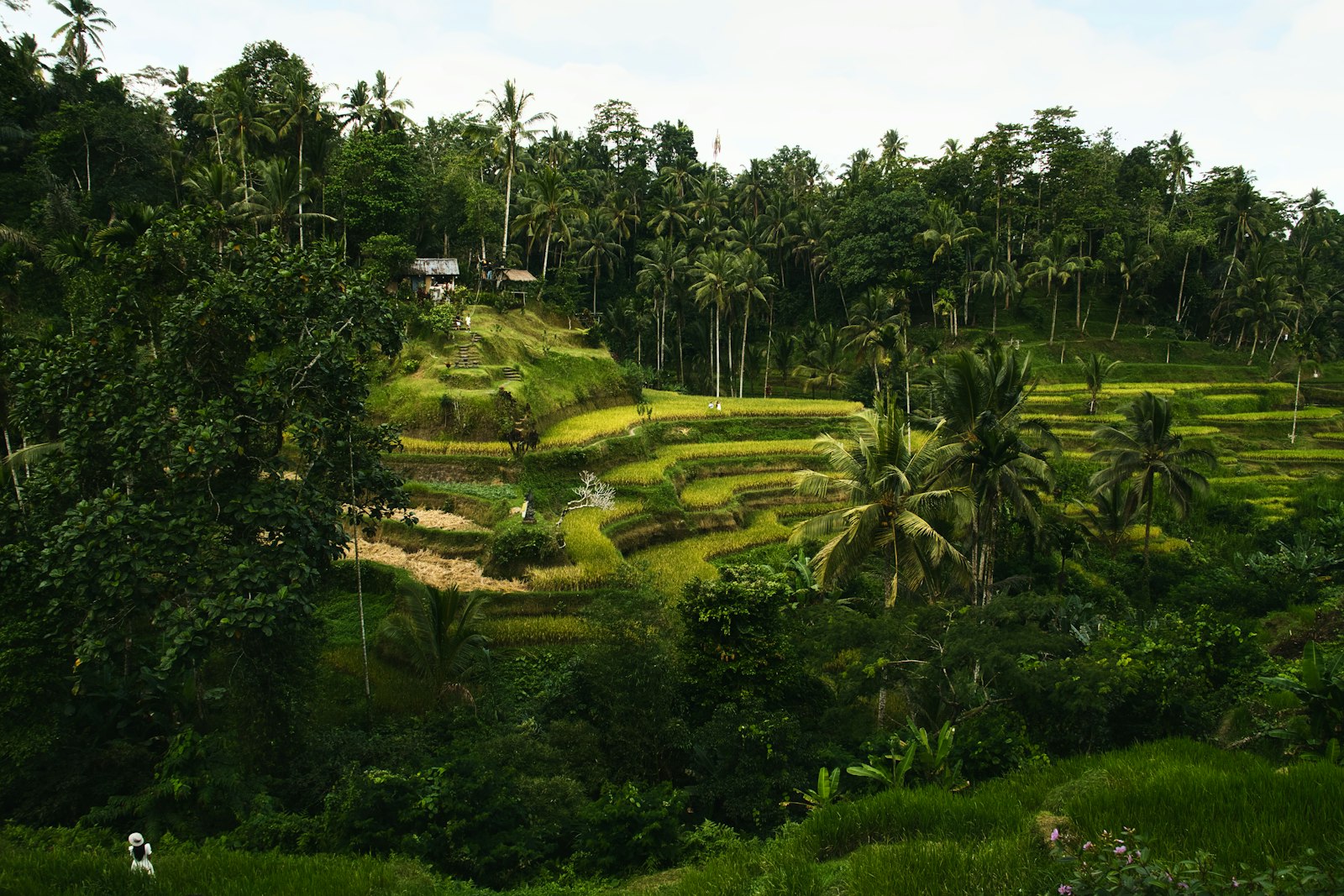
According to Climates to Travel, Bali has a relatively dry season from April to October. July near Denpasar averages about 29 °C by day and 24 °C at night, with about 50 mm of rain over 4 days, roughly 10 hours of sunshine a day and a sea near 27 °C. The same source names June to September as the beach season and August as the driest month, so July sits right in the best window. Showers can still happen, and the interior is cloudier and rainier than the coast; hill towns above 1,000 m, such as Bedugul and Kintamani, turn cool in the evening.
What the dry season means on the ground
Dry season is also high season. July sits in the middle of it, so the beaches of the south, the rice terraces around Ubud and the sunset temples fill up, and the best-located rooms go early. Book beds and any island transfers as soon as your dates are fixed, and keep the famous viewpoints for the first hour after sunrise. Prices change through the season, so check before you book.
Beyond Bali
Bali belongs to the Lesser Sunda Islands, a chain that runs east towards Lombok, Sumbawa and Flores. If you want wilder landscapes than the south of Bali, our Flores travel guide covers the island’s own timing, and our guide to Bali in September shows how the island changes as the dry season winds down.

The Smart Timing Bundle
Pick the month, book in the right order, pack once
Six printable timing tools for any trip: the Trip Timing Planner, When to Book, When NOT to Go, the Shoulder Season Playbook, the family timing guide and the Packing by Season System.
See the bundle · $37Six products, $100 separately · Digital download · All sales final
Hokkaido: Japan’s cool, green summer
This section covers Japan, where July splits the country. Most of Honshu is hot and humid, while Hokkaido, the northern island, has the mildest summer in the country.
Climates to Travel gives Sapporo an average July high of about 25 °C and a low of about 18 °C, with about 90 mm of rain over 9 days and a sea near 18 °C. Inland Asahikawa runs a little warmer by day, at about 26 °C, and wetter, at about 130 mm. The page describes Hokkaido’s summer as decidedly milder than the rest of Japan, where sweltering heat dominates, and recommends mid-May to mid-September as the main travel window. Mid-July to mid-August can still bring hot, muggy spells, and a typhoon may pass.
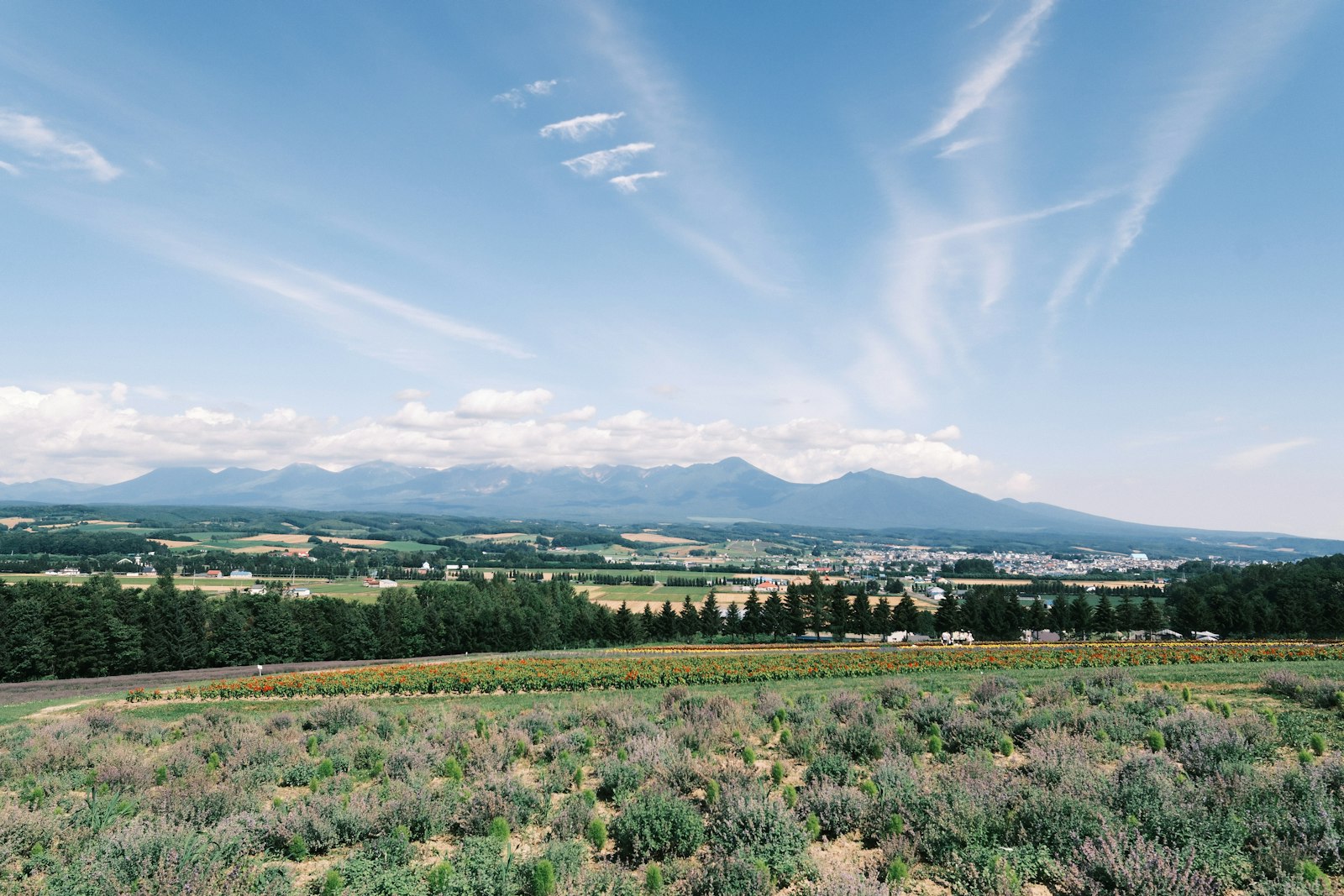
According to LIVE JAPAN’s Hokkaido summer guide, Hokkaido is not included in Japan’s typical rainy season zone, rainfall tends to rise in August, and July is when the lavender fields bloom across the Furano countryside. Temperatures occasionally reach about 30 °C, but the average stays close to 25 °C. That makes July the easiest month for the island’s flower farms, lakes and volcano walks, and a good escape if the rest of your Japan trip is in steamy Tokyo or Kyoto.
Ladakh and Mongolia: high, dry and wide open
This section covers the two great summer-only destinations of inner Asia. Both are at their warmest and most accessible in July, and both sit far from the coastal monsoon.
Ladakh: the rain shadow of the Himalayas
Leh sits at about 3,500 m, and Climates to Travel explains that the Indian monsoon does not arrive there because the Himalayas block the humid winds. July averages about 26 °C by day and 12 °C at night, with only about 15 mm of rain over 2 days, although the odd shower does reach the valley. The roads from Srinagar and Manali are normally snow-free from June to mid-October, which is why July is a prime month for overland trips and treks.

The catch is altitude, not weather. Arriving by air puts you at 3,500 m in a few hours, so plan two or three easy days in Leh before any trek or high pass. The same source notes that July and August are the warmest months, which suits the high routes but can make low-level walks around Leh feel hot in the middle of the day.
Mongolia: green steppe and the Naadam festival
For Mongolia, Climates to Travel names June to August as the best time to visit, when nights stay above freezing on the plateau. Ulaanbaatar averages about 25 °C by day and 14 °C at night in July, with about 70 mm of rain over 17 days, because summer is also the rainiest season. In practice that means short showers on a green steppe rather than days of grey skies. The Gobi is a different trip: Sainshand averages about 31 °C, and heatwaves in low areas can reach 38 to 40 °C.

July is also festival month. According to UNESCO’s Silk Road programme, Naadam is held every year from 11 to 13 July across Mongolia, built around horse racing, wrestling and archery. It’s the busiest week of the year for flights, guides and camps, so book early if you want to be there, or travel either side of it if you’d rather have the countryside quieter. Use our Festival Month Matcher to line up other trips with festival weeks.
Go with care: Uzbekistan’s Silk Road cities and Japan’s main island
This section is about places that work in July only if you plan around the heat.

The complete kit
Every country guide, every timing tool
All 24 When to Go country guides, the six Smart Timing tools and every 12-Month Map, with a Start Here that tells you what to open first.
See the kit · $127The five bundles cost $225 separately · Digital download · All sales final
Samarkand and the Silk Road
Central Asia is dry in July, but it is hot. Climates to Travel gives Samarkand an average July high of about 34.5 °C and a low of about 20 °C, with the warmest days usually reaching about 39.5 °C, roughly 12 hours of sunshine a day and almost no rain. The same page describes April and October as very mild months, which is why spring and autumn are the easier seasons for long days on foot among the madrasas and bazaars.
01
See the monuments at opening time
Plan the big squares and mausoleums for the first hours of the morning, when the stone hasn’t heated up yet.
02
Rest through the afternoon
Use the hottest hours for a long lunch, a museum or a rest, and head out again in the early evening.
03
Carry water and shade
With about 12 hours of sun and almost no cloud, a hat, sunscreen and a refillable bottle matter more than anything else you pack.
Tokyo, Kyoto and the rest of Honshu
Honshu is the opposite of Hokkaido in July: the same Climates to Travel page notes that sweltering heat dominates across the rest of Japan in summer. Cities still work if you sightsee early and late and use air-conditioned museums and trains in the middle of the day, but if comfort matters, put most of a July Japan trip in Hokkaido and keep Tokyo and Kyoto short.
Skip in July: where the monsoon hits hardest
This section is the honest part. These places aren’t closed in July, but for a beach or sightseeing trip the weather works against you.
| Place | The July problem | Better choice in July | Better month to go |
|---|---|---|---|
| Mumbai and India’s west coast | About 710 mm of rain over 21 days and about 2.5 hours of sun a day | Ladakh | January to February, or mid-October to late November |
| Phuket and Thailand’s Andaman coast | About 215 mm of rain over 17 days, about 5 hours of sun, rough sea and dangerous currents | Bali | Late December to March |
| Honshu for long walking days | Sweltering summer heat | Hokkaido | Spring or autumn |
| Gobi for heat-sensitive travellers | About 31 °C highs, heat spells up to about 40 °C in low areas | The central steppe | June or late August |
Climates to Travel describes Mumbai’s monsoon as running from June to early October, with more than 300 mm of rain in each month from June to September, and names January and February as the best months, with mid-October to late November also good. For Phuket, it explains that the southwest monsoon lasts from May to October, that the Andaman coast gets heavier monsoon rain than the Gulf of Siam coast, and that the sea can be rough with dangerous currents in summer. Surfers are the exception: west-facing beaches get bigger waves from June to September.
Not sure whether your own dates fall in a bad month? Run them through our free Is This a Bad Month to Go? checker or check the cyclone and typhoon calendar with the Storm Season Check before you book anything non-refundable.
Planning a July trip to Asia: route ideas and a better month for each goal
This section turns the verdicts into plans, then shows which month to choose if July isn’t the right fit for what you want.
Three July routes that follow the dry weather
- ✓ Beach and culture: 10 to 14 days in Bali, coast first, then the hills around Ubud
- ✓ Japan without the heat: a short stay in Tokyo, then most of the trip in Hokkaido
- ✓ High Asia: Delhi to Leh by air, two or three rest days, then treks or a road trip in Ladakh
- ✓ Steppe and festival: Ulaanbaatar for Naadam, then the central steppe, with the Gobi only if you handle heat well

| If you want… | July is… | Better month |
|---|---|---|
| Thai islands on the Andaman coast | Wet, with rough seas | Late December to March |
| Mumbai, Goa and India’s west coast | Peak monsoon | January to February |
| Samarkand on foot | Very hot and sunny | April or October |
| Bali with fewer people | Dry but busy | May or October |
| Hokkaido flowers | Lavender season | July is the month |
| Mongolia without the festival crowds | Busy around Naadam | June or late August |
For August options across the region, read our cheap places to visit in Asia in August, and if you’re still choosing a continent, compare this guide with Europe destinations in July and Africa in July.
5 mistakes people make with a July trip to Asia
1. Treating all of Southeast Asia as one climate
Bali and Phuket are both tropical islands, but in July one is dry and the other is in the monsoon. Check each stop on its own, because the equator flips the seasons.
2. Booking Bali late
July is dry season and high season at once. The best-placed rooms and island transfers go early, so book as soon as your dates are set.
3. Flying into Leh and trekking the next day
Leh is at about 3,500 m. Two or three slow days before any trek or high pass make the rest of the trip far more comfortable.
4. Expecting dry days on the Mongolian steppe
Ulaanbaatar sees about 17 days of some rain in July. Pack a waterproof layer and warm clothes for the nights, even though the days are mild.
5. Planning midday walks in Samarkand or Tokyo
With highs around 34.5 °C in Samarkand and sweltering heat in Tokyo, the middle of the day is for rest. Move the walking to morning and evening.
Best places to visit in Asia in July: FAQ
Where is the best place to go in Asia in July?
Bali is the best all-round choice for beach weather in July, with about 29 °C, 4 rain days and a sea near 27 °C. For cooler options, Hokkaido averages about 25 °C and Ladakh about 26 °C with almost no rain. Mongolia is at its greenest and hosts the Naadam festival, usually from 11 to 13 July.
Which part of Asia is not rainy in July?
The dry places in July are south of the equator, behind high mountains or far inland. Bali averages about 50 mm of rain in July, Leh in Ladakh about 15 mm, and Samarkand in Uzbekistan almost none. Hokkaido sits outside Japan’s usual rainy-season zone. Mumbai, by contrast, averages about 710 mm, and Phuket about 215 mm.
Is July a good time to visit Bali?
Yes. July is in Bali’s dry season, which runs roughly from April to October, with about 10 hours of sun a day, about 4 rain days and a sea near 27 °C. It’s also one of the busiest months, so book beds and transfers early and visit the best-known temples and rice terraces soon after sunrise.
Is Japan too hot in July?
Much of Japan is hot and humid in July, especially Tokyo, Kyoto and the rest of Honshu. Hokkaido is the exception: Sapporo averages about 25 °C by day and 18 °C at night, and the island sits outside the usual rainy-season zone. If you’re travelling in July, spend most of the trip there and keep the big cities short.
Is July a good time to visit Thailand?
July is in the southwest monsoon, so it’s a weak month for beaches on the Andaman coast. Phuket averages about 215 mm of rain over 17 days, about 5 hours of sun a day, and the sea can be rough with dangerous currents. Surfers like the bigger waves. For a classic beach trip, late December to March is far better.
When is the Naadam festival in Mongolia?
Naadam is held every year from 11 to 13 July across Mongolia, with horse racing, wrestling and archery at its heart. It’s the busiest week of the Mongolian summer, so flights, camps and guides fill early. Ulaanbaatar averages about 25 °C by day in July, with short showers, so bring a light waterproof and a warm layer.
The Bottom Line
The best places to visit in Asia in July are the dry exceptions to the monsoon: Bali for sun and sea, Hokkaido for a cool Japanese summer, Ladakh for the high desert, and Mongolia for the steppe and Naadam. Plan Uzbekistan and Honshu around the heat, and leave India’s west coast and the Andaman islands for their dry season. For more ideas, browse our best travel destinations in July guides, the best places to travel in July and our list of cool travel destinations in July.
Monthly Travel Guide
Plan Asia and the Pacific month by month
The Asia & Pacific Bundle brings together six When to Go guides: Japan, Thailand, Bali, Vietnam, Australia and Hawaii. Each one rates every month for weather, sea, crowds and prices, with the best windows and the weeks to avoid, so you can match each trip to its dry season.
Get The Asia & Pacific BundleDigital download · All sales final
Free download
See the whole year before you book
Our free 12-Month Map puts every month for one country on four pages: when the weather works, when the crowds and prices peak, and the weeks to skip.
- 24 countries to choose from
- Region-by-region verdicts
- Printable PDF
Your download page opens as soon as you sign up. 24 countries available.