The best travel destinations in Africa in July are the dry-season safari countries of the east and south, where the grass is short, the bush is thin and animals gather near water. July is when the wildebeest herds usually reach the northern Serengeti and the Maasai Mara, when the Okavango Delta is at its fullest, and when Rwanda’s gorilla forests are at their driest. It’s also the month that rules out a lot of the continent: Marrakech and the Nile valley bake at 38 to 42 °C, and Cape Town is in its wet winter. Below: nine places that work in July, real averages, and where to skip.

Key takeaways
- 1July is the heart of the dry season in East and Southern Africa, so rain is rare in most safari parks and the bush is thin enough to spot animals easily.
- 2The Mara River crossings usually start around July, but the timing depends on the rains; plan at least three nights in one area rather than chasing a single date.
- 3Safari mornings are cold: expect about 7 to 11 °C at dawn in Kruger, Botswana and the Maasai Mara, so pack a warm jacket for open vehicles.
- 4July is peak season, so the best camps, gorilla permits and light-aircraft seats sell out early; book six to twelve months ahead if you can.
- 5Zanzibar is the easy beach add-on: about 29 °C, a 26 °C sea and a steady south-east breeze.
- 6Skip Marrakech, the Sahara edge and Luxor in July unless you can handle 38 to 42 °C; go to Morocco’s Atlantic coast instead.
60 mm
July rain in the Maasai Mara, its driest month
2
rain days in an average July at Skukuza, Kruger
0 mm
July rain in Windhoek, Namibia
26 °C
sea temperature off Zanzibar in July
The Best Travel Destinations in Africa in July: Region-by-Region Table
This section puts every candidate on one screen so you can compare them quickly. Numbers are long-term averages for July from Climates to Travel, Weather2Travel and SafariBookings; single years vary. Read across for the places on your shortlist.
| Place | Day / night | July rain | Verdict |
|---|---|---|---|
| Maasai Mara, Kenya | About 25 °C / 11 °C | About 60 mm, the driest month | Go: migration usually arrives |
| Northern Serengeti, Tanzania | About 26 °C / 14 °C (Serengeti) | About 15 mm, 6 rain days | Go: crossings usually begin |
| Ngorongoro rim, Tanzania | About 19 °C / 8 °C | About 10 mm | Go: bring a warm jacket |
| Okavango Delta (Maun), Botswana | About 26 °C / 9 °C | Little to none | Go: flood peak |
| Kruger (Skukuza), South Africa | About 26 °C / 7 °C | About 12 mm, 2 rain days | Go: dry winter game viewing |
| Windhoek and Etosha area, Namibia | About 23 to 24 °C / 7 °C | 0 mm | Go: cold nights |
| Volcanoes NP (Musanze), Rwanda | About 24 °C / 11 °C | About 15 mm, 3 rain days | Go: driest month |
| Bwindi area (Kabale), Uganda | About 24 °C / 9 °C | About 20 mm, 2 rain days | Go: dry season |
| Zanzibar, Tanzania | About 29 °C / 22 °C | About 50 mm, 8 rain days | Go: dry and breezy |
| Essaouira and Agadir, Morocco | About 22 to 26 °C / 18 to 19 °C | Almost none | Go: windy, cool sea |
| Marrakech, Morocco | About 38 °C / 21 °C | Almost none | Avoid: extreme heat |
| Luxor, Egypt | About 41 °C / 26 °C | None | Avoid: extreme heat |
| Cape Town, South Africa | About 17 °C / 8 °C | About 164 mm, 13 rain days | Wet winter: city only |
🗓️ Free: a 12-Month Map for your country
Every month on one page: best weeks, shoulder weeks and the ones to skip. Print it or keep it on your phone.
Sources for the table: Maasai Mara, Tanzania, Namibia, Rwanda, Uganda, Morocco in July, Egypt in July and Essaouira; Cape Town and Kruger figures from Weather2Travel South Africa and Skukuza; Botswana from Climates to Travel Botswana.
🧰 Try it while you read: a free tool for this trip
Free trip timing tool
Is This a Bad Month to Go?
Pick a country and a month. See if it is a month to skip, what goes wrong, and the better month next to it.
Loading the tool…
9 Best Travel Destinations in Africa in July, Ranked by What You Want
This section covers the nine places that genuinely work in July, from the migration to the beach. Each card says what July does to the place and who should pick it.
Maasai Mara, Kenya
Migration arrives
July is the Mara’s driest month, with about 60 mm of rain and highs near 25 °C. Climates to Travel notes that the wildebeest and zebra usually reach the park in July, with August and September the surest months. Nights can drop below 10 °C.
Best for: First safaris, short trips from Nairobi, migration herds on open plains.
Northern Serengeti, Tanzania
Crossings usually begin
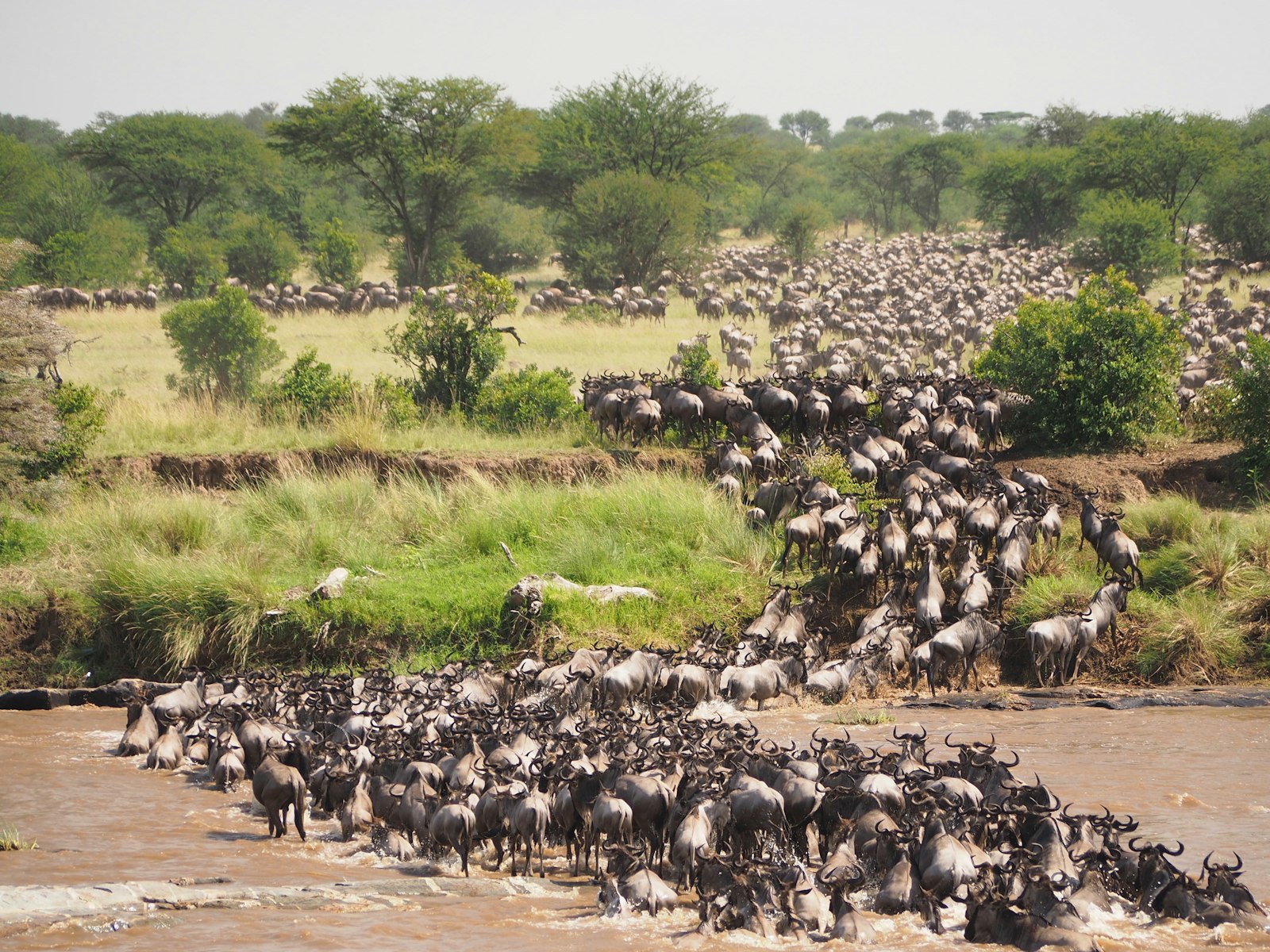
According to Asilia’s migration calendar, the head of the herd usually reaches the Kogatende area in the northern Serengeti in July, ready to cross the Mara and Sand rivers. The crossings usually start around July, but the date depends on the rains. July rain is low, about 15 mm.
Best for: River crossings, longer Tanzania itineraries, pairing with Zanzibar.
Okavango Delta, Botswana
Flood peak
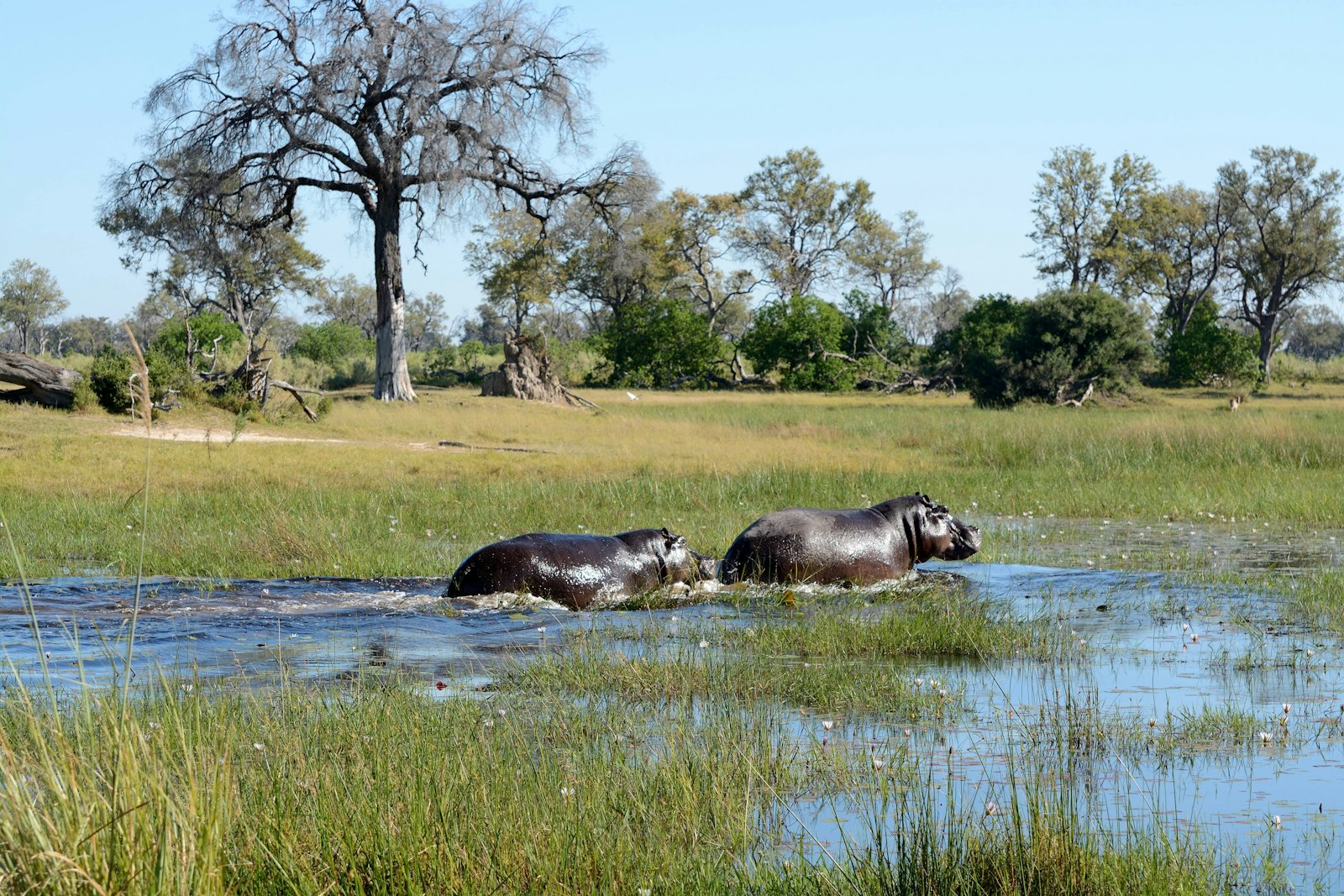
The delta’s flood runs against the seasons: rain falls in Angola months earlier, and the water reaches the delta between about March and May. According to Okavango.com, the flood peaks around July, so channels are full and mokoro trips run while the surrounding land is dry. Maun averages about 26 °C by day and 9 °C at night.
Best for: Water safaris, mokoro trips, combining wet channels with dry-land game.
Kruger National Park, South Africa
Dry winter game viewing
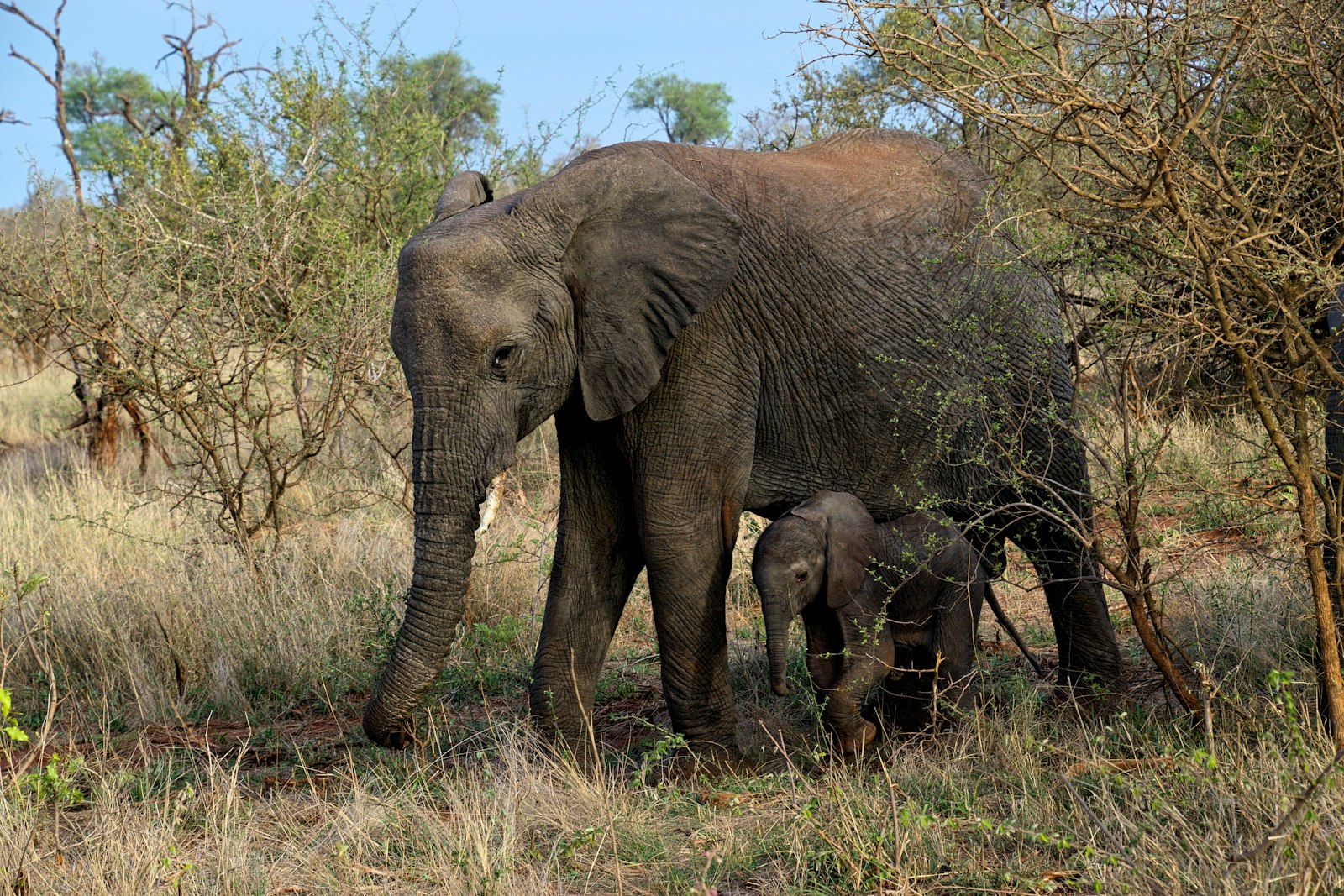
SafariBookings describes July rain in Kruger as extremely rare, and Weather2Travel gives Skukuza about 12 mm, two rain days and nine hours of sun a day. Afternoons reach about 26 °C, but mornings average about 11 °C and dawn can be colder. Thin bush and drying waterholes make animals easier to find.
Best for: Self-drive safaris, families, first safaris.
Namibia (Etosha and the central plateau)
Dry, clear, cold nights
Climates to Travel recommends May to August for Namibia as a whole: winter is dry everywhere, and Windhoek gets no rain in an average July. Days reach about 23 to 24 °C, but light frosts are possible on the plateau. The coast at Swakopmund is cool and often foggy in the morning.
Best for: Road trips, photography, dry-season waterhole viewing.
Volcanoes National Park, Rwanda
Driest month
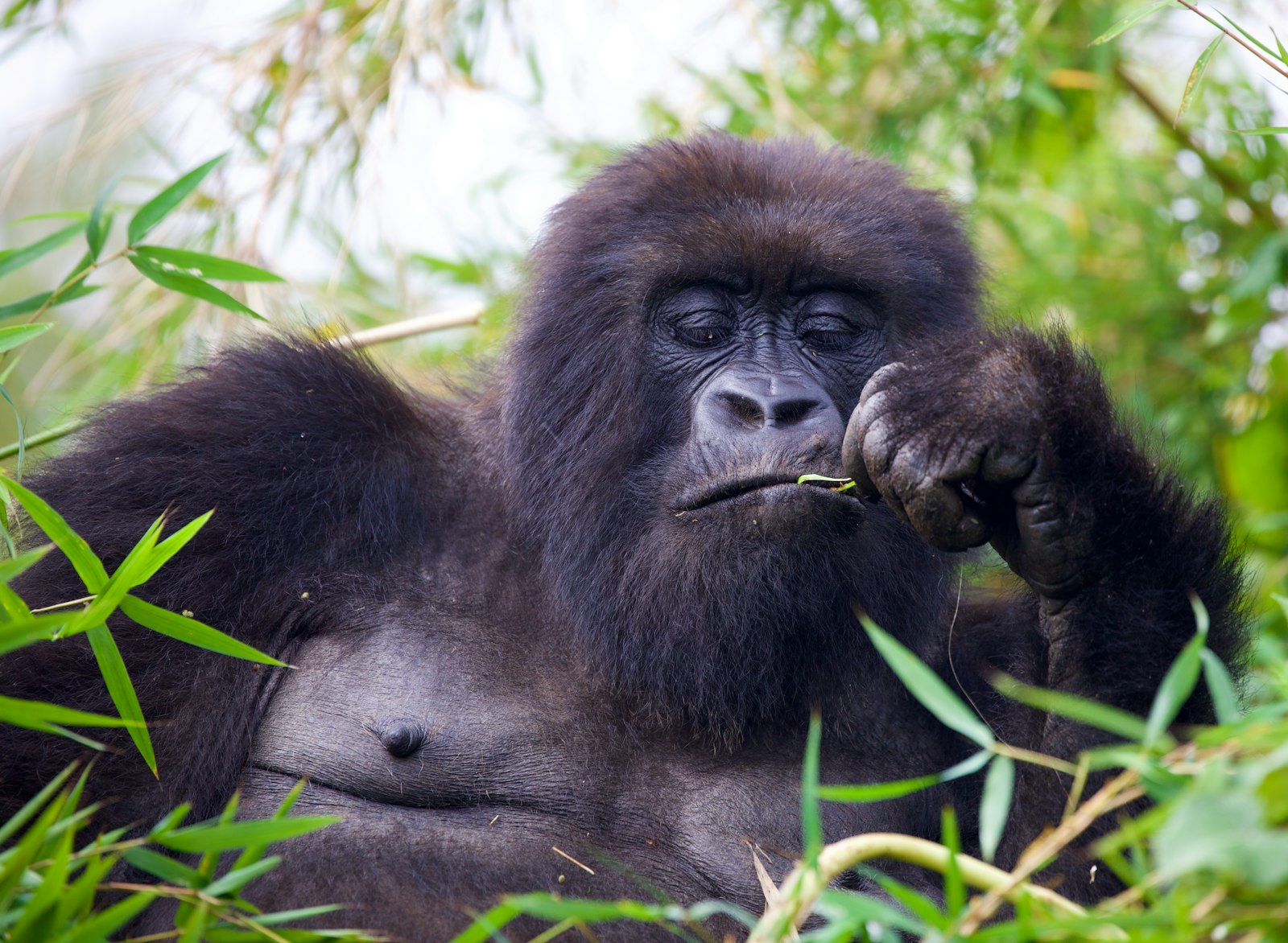
Climates to Travel names July Rwanda’s driest month. Musanze, the town nearest the park, averages about 24 °C by day and 11 °C at night, with about 15 mm of rain. Drier trails make the gorilla trek easier, but nights in the Virunga foothills are cold.
Best for: Gorilla trekking, golden monkeys, short add-ons to an East African safari.
Bwindi and the south-west, Uganda
Dry season
Kabale, near Bwindi, is one of the driest parts of south-west Uganda, and June and July are its driest months: about 20 mm of rain over two days in July. Highs sit near 24 °C with nights near 9 °C. Uganda pairs gorillas with chimpanzees and classic savannah parks.
Best for: Gorillas plus chimpanzees, travellers who want a longer primate trip.
Zanzibar, Tanzania
Dry and breezy
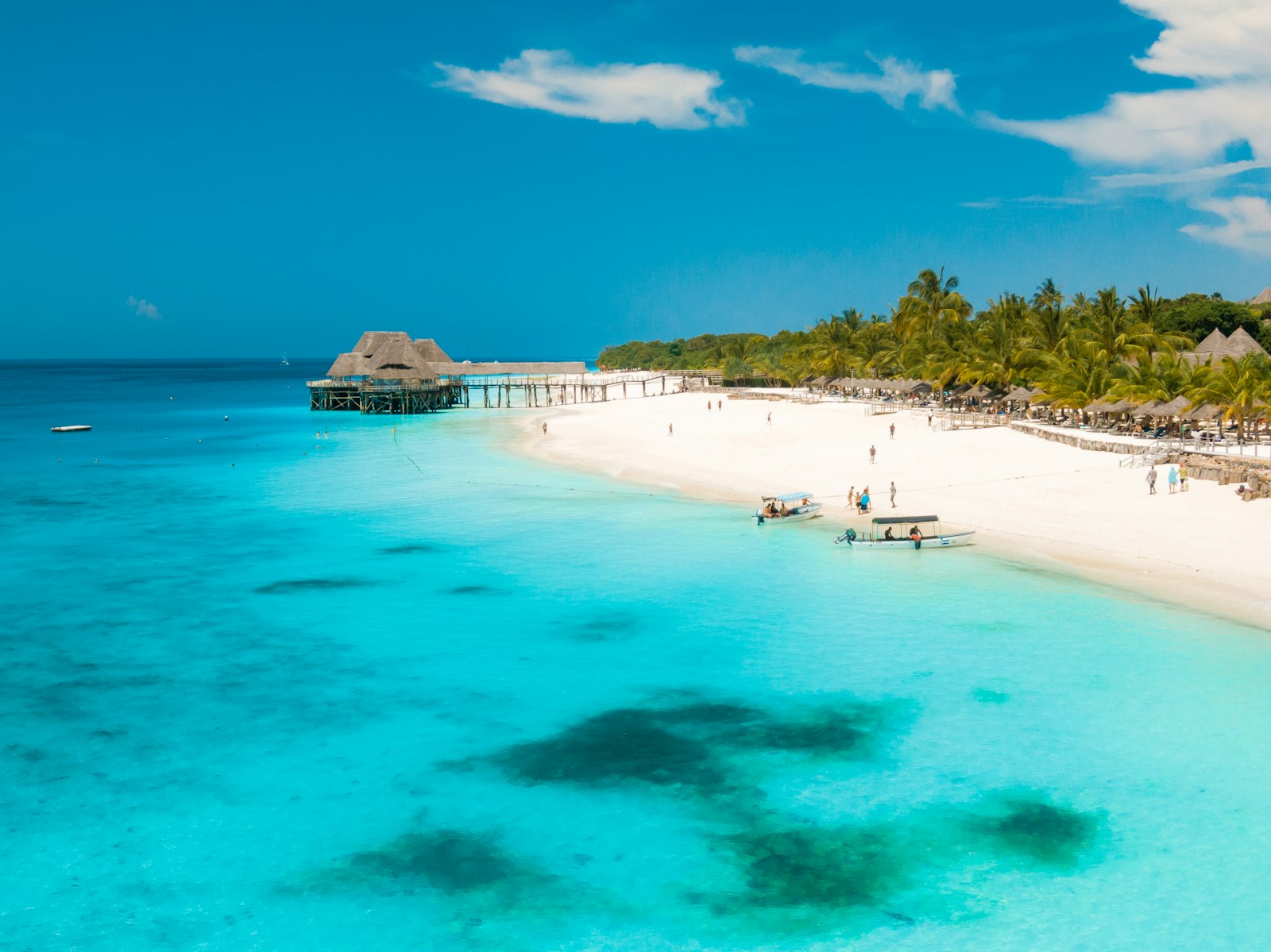
July on Zanzibar averages about 29 °C by day and 22 °C at night, with a 26 °C sea and eight hours of sun. The south-east trade wind, the kusi, blows from about June to October and keeps the island fresh; the south-east coast is the windiest (see the best time to visit Zanzibar). About 50 mm of rain falls over eight days, mostly in short showers.
Best for: A beach finish after a Tanzania or Kenya safari, kitesurfing on the east coast.
Morocco’s Atlantic coast (Essaouira and Agadir)
Cool and windy
While Marrakech averages about 38 °C in July, Essaouira sits near 22 °C and Agadir near 26 °C. Essaouira’s afternoon wind is strongest in summer and the sea is about 21 °C, cool for swimming. It’s the only part of North Africa that’s comfortable in July.
Best for: Windsurfing, kitesurfing, medina walks without the inland heat.
The Great Migration in July: Crossings, Crowds and Where to Stay
This section covers the trip most people plan around July: the wildebeest river crossings. The herds don’t follow a calendar. They follow the grass and the rain, so July can be spectacular one year and quiet the next.
According to Asilia’s month-by-month migration calendar, the herds move through the Western Corridor and Grumeti in June, the lead herds reach the northern Serengeti in July, and the crossings usually start around July depending on the rains. Asilia’s river-crossing guide places the main Mara River crossings from late July through August into early September. Crossings can take hours or even days: the herd gathers on the bank and hesitates until one animal goes first.
The crowd problem at the crossings
Peak season brings vehicles. Africa Geographic’s reserve-or-conservancy guide notes that vehicle numbers at a single crossing can run into double figures during peak weeks in the Maasai Mara National Reserve, where off-road driving isn’t allowed and night drives aren’t permitted. The private conservancies around the reserve cap bed numbers, allow guided off-road driving and offer night drives; the Mara Triangle applies a five-vehicle limit per sighting.

The Smart Timing Bundle
Pick the month, book in the right order, pack once
Six printable timing tools for any trip: the Trip Timing Planner, When to Book, When NOT to Go, the Shoulder Season Playbook, the family timing guide and the Packing by Season System.
See the bundle · $37Six products, $100 separately · Digital download · All sales final
Stay put for three nights or more
Crossings are unpredictable. Staying in one area for several nights gives your guide time to read the herds instead of driving between lodges.
Pick a camp near the river
In Tanzania, base yourself around Kogatende and the Lamai area; in Kenya, look at camps close to the Mara River or in the Mara Triangle.
Mix reserve days with conservancy days
Spend crossing days by the river and quieter days in a conservancy, where vehicle numbers at each sighting are lower.
Treat a crossing as a bonus
Even without a crossing, July in the north means huge herds, predators and open plains. Plan the trip to be good either way.
Late July and August usually give the best odds. For the full August picture, read our guide to the Great Migration river crossings in August.
Planning the north?
When to Go: Tanzania & Zanzibar
Rates every month for the Serengeti, Ngorongoro, Kilimanjaro and Zanzibar: rain, heat, crowds, where the herds usually are and the weeks to avoid. Heading south instead? When to Go: South Africa covers Kruger, the Cape and the whale coast month by month.
Get When to Go: Tanzania & Zanzibar →Digital download · All sales final
Southern Africa in July: Delta Floods, Cold Mornings and Clear Skies
This section covers Botswana, South Africa and Namibia, which are in their dry winter in July. With no rain, animals depend on rivers and waterholes, and the leafless bush hides very little.
Botswana: water in a dry land
July is the odd month when the Okavango is both wet and dry. The flood that started in the Angolan highlands is at or near its peak, according to Okavango.com’s flood-cycle guide, while the land around it hasn’t seen rain for months. That pulls game onto the islands and the floodplain edges. Days are about 26 °C in Maun and Kasane, but SafariBookings gives early mornings of about 7 °C, colder in the Kalahari.
July safari packing check
- ☐ A warm fleece and a windproof jacket for dawn drives
- ☐ Gloves, a beanie and a scarf for open vehicles
- ☐ Layers you can peel off by mid-morning
- ☐ Sunscreen and a wide hat: the winter sun is strong
- ☐ Lip balm and moisturiser for dry air
- ☐ Neutral colours; avoid bright white on dusty tracks
Gorilla Trekking in July: Rwanda and Uganda in the Dry Season
This section covers the primate add-on. Gorillas live in mountain rainforest, so rain is possible in any month, but July is the driest stretch in both countries.
In Rwanda, Climates to Travel names June and July the best months and July the driest. In Uganda, the south-west around Kabale has its driest months in June and July. Drier trails mean less mud on steep slopes, which matters because a trek can take anything from under an hour to several hours, depending on where the gorilla family is.
Where Not to Go in July: The Heat Belt and the Wet Cape
This section is the honest part of the guide. July is a great safari month, but some popular African destinations are at their worst. Here’s where to hold back, and what to do instead.
| Place | Why July is hard | Better month or swap |
|---|---|---|
| Marrakech and the Atlas foothills | About 38 °C highs; midday sightseeing is exhausting | Swap to Essaouira or Agadir, or go in spring or autumn |
| Ouarzazate and the Sahara edge | About 39 °C at Ouarzazate and Errachidia | Autumn to spring for desert camps |
| Luxor and Aswan | About 41 to 42 °C; temple visits only at dawn | Winter: see Egypt in December |
| Cairo | About 35 °C with warm nights | October to April |
| Cape Town for beaches | About 17 °C, 13 rain days, a 15 °C sea | November to March |
| Hermanus for whales | Season opens in June, but peak is later | September to October |
Morocco’s interior figures come from Climates to Travel; Egypt’s from the same source; Cape Town’s from Weather2Travel. For a cooler Egypt or Morocco, our Egypt in December and Morocco in December guides show what winter does to both.
Cape Town and the whales
Cape Town is in its rainy winter in July, with cold fronts bringing grey, windy days. Whale watching is starting along the coast: according to Hermanus’s whale FAQ, the whales begin arriving in May, the official season runs from June to the end of November, and the peak is September and October. A July visit can bring early sightings, but if whales are the point, read our Hermanus whale season guide and go later.
Not sure if your exact dates fall in a bad month? Run them through our free Is This a Bad Month to Go? checker.

The complete kit
Every country guide, every timing tool
All 24 When to Go country guides, the six Smart Timing tools and every 12-Month Map, with a Start Here that tells you what to open first.
See the kit · $127The five bundles cost $225 separately · Digital download · All sales final
Better Month If You Want Something July Can’t Give
This section helps if July doesn’t fit your priorities. Some of Africa’s best experiences peak in other months, and switching can save money as well.
| If you want… | July is… | Better choice |
|---|---|---|
| The highest odds of a Mara River crossing | Good, but early | August to September |
| Wildebeest calving in the southern Serengeti | The wrong season | February |
| Lower safari prices | Peak season, highest rates | Shoulder months on either side of the dry season |
| Whales in large numbers at Hermanus | Early season | September to October |
| Warm swimming on Morocco’s coast | Cool sea, about 21 °C at Essaouira | Agadir, which is warmer than Essaouira |
| A Nile cruise | Too hot | Winter |
For August ideas, see our guide to the best travel destinations in Africa in August. To compare any destination across the whole year, use the free Best Month Finder.
Booking a July Trip to Africa: Timing, Prices and Permits
This section covers when to book. July is peak season in nearly every safari country, so the date you book matters almost as much as the date you travel.
6–12
months ahead to book popular camps for July
3+
nights in one migration area for crossing odds
1
gorilla permit first, then flights
Prices change; check before you book. Expect high-season rates at most lodges, and fewer discounts. Light-aircraft seats between parks fill early too. Summer school holidays in Europe and North America add demand in July and August.
4 Common Mistakes With a July Trip to Africa
1. Booking one night for the crossings
A crossing can happen at dawn, at noon or not at all for days. One night near the river is a lottery. Three or four nights in the same area gives you real odds.
2. Packing for African heat
July is winter in the south and cool at altitude in the east. Dawn drives at 7 to 11 °C in an open vehicle are cold. Bring a fleece, a jacket, gloves and a hat.
3. Leaving bookings until spring
The best migration camps, Okavango lodges and gorilla permits for July often sell out many months ahead. If your dates are fixed, book as early as you can.
4. Adding Marrakech or Luxor as an easy extra
At 38 to 42 °C, a city stop in Morocco’s interior or Egypt’s Nile valley can wipe out a day. Use the Moroccan coast in July, or save the Nile for winter.
Best Travel Destinations in Africa in July: FAQ
The Bottom Line
The best travel destinations in Africa in July are its dry-season safari regions, from the migration in the Mara and northern Serengeti to the Okavango flood, Kruger, Namibia and the gorilla forests, with Zanzibar as the beach finish. Book early, pack for cold mornings and leave the Moroccan interior, the Nile valley and Cape Town’s beaches for cooler or drier months. For more ideas this time of year, browse our best travel destinations in July.
Free download
See the whole year before you book
Our free 12-Month Map puts every month for one country on four pages: when the weather works, when the crowds and prices peak, and the weeks to skip.
- 24 countries to choose from
- Region-by-region verdicts
- Printable PDF
Your download page opens as soon as you sign up. 24 countries available.