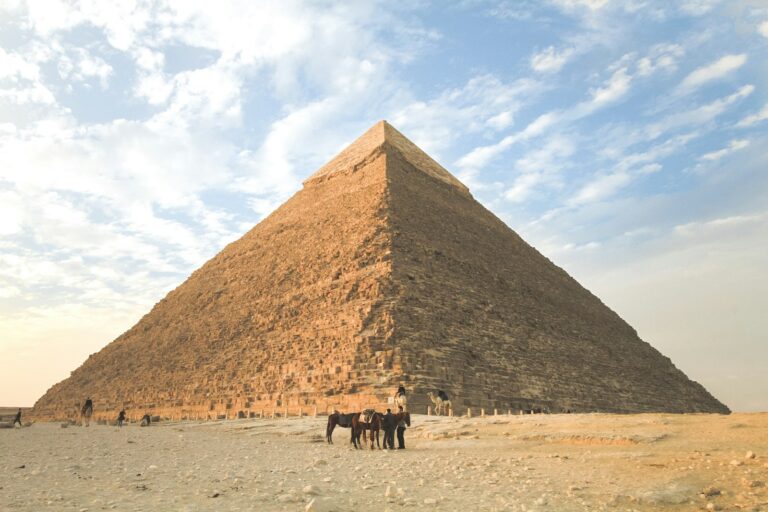
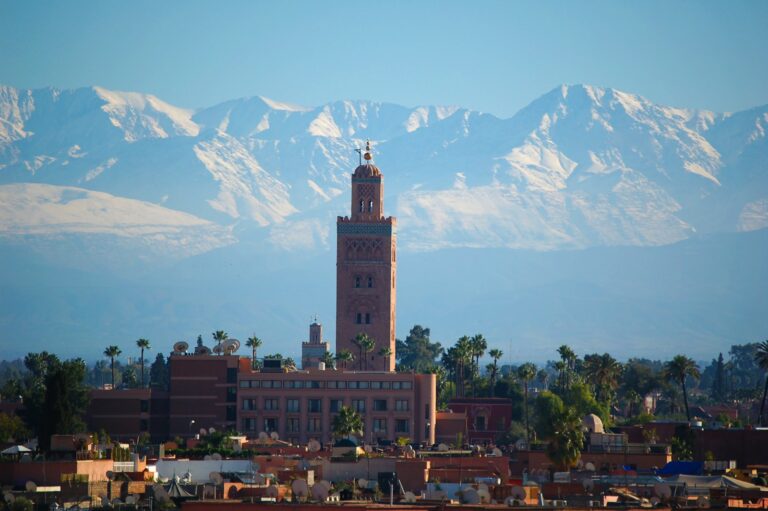
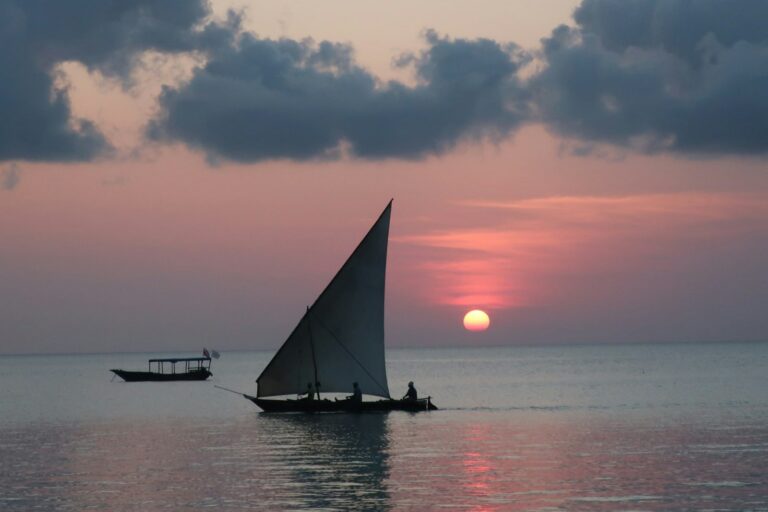
Africa in August is the heart of the dry season across most of the east and south of the continent, which makes it one of the strongest safari months of the whole year. The Great Migration herds are usually in Kenya’s Masai Mara and Tanzania’s northern Serengeti, Botswana and Zimbabwe see almost no rain, and Zanzibar is sunny and breezy. The catches are real too: crowds and full camps at the famous parks, cold dawn game drives, wet winter weather in Cape Town and serious heat in Morocco and Egypt. This guide sorts the places that work in August from the ones that only work with care.

When to Go guides
Choose your country, then your month
24 country guides, each about 100 pages: every month rated for weather, crowds and prices, region by region, with a 7-day booking plan. Six guides per region bundle.
Browse the 24 guides · $19 eachRegion bundles: Europe, Asia & Pacific, Sun Souks & Safari, Americas · $47 each
Quick answer
The best places to visit in Africa in August are the Masai Mara and northern Serengeti for the migration river crossings, Botswana’s Okavango Delta and Chobe, Zimbabwe’s Hwange and Mana Pools, Namibia, Kruger and Zanzibar. All are in their dry season. Book early, pack for cold mornings, and skip inland Morocco, the Nile valley and Ethiopia’s highlands, which are hot or wet.
Key takeaways
The main Mara River crossings usually run from late July through August and into early September, but the timing depends on the rains.
Botswana gets about 2.7 mm of rain in August on average, with around 10.5 hours of sun a day.
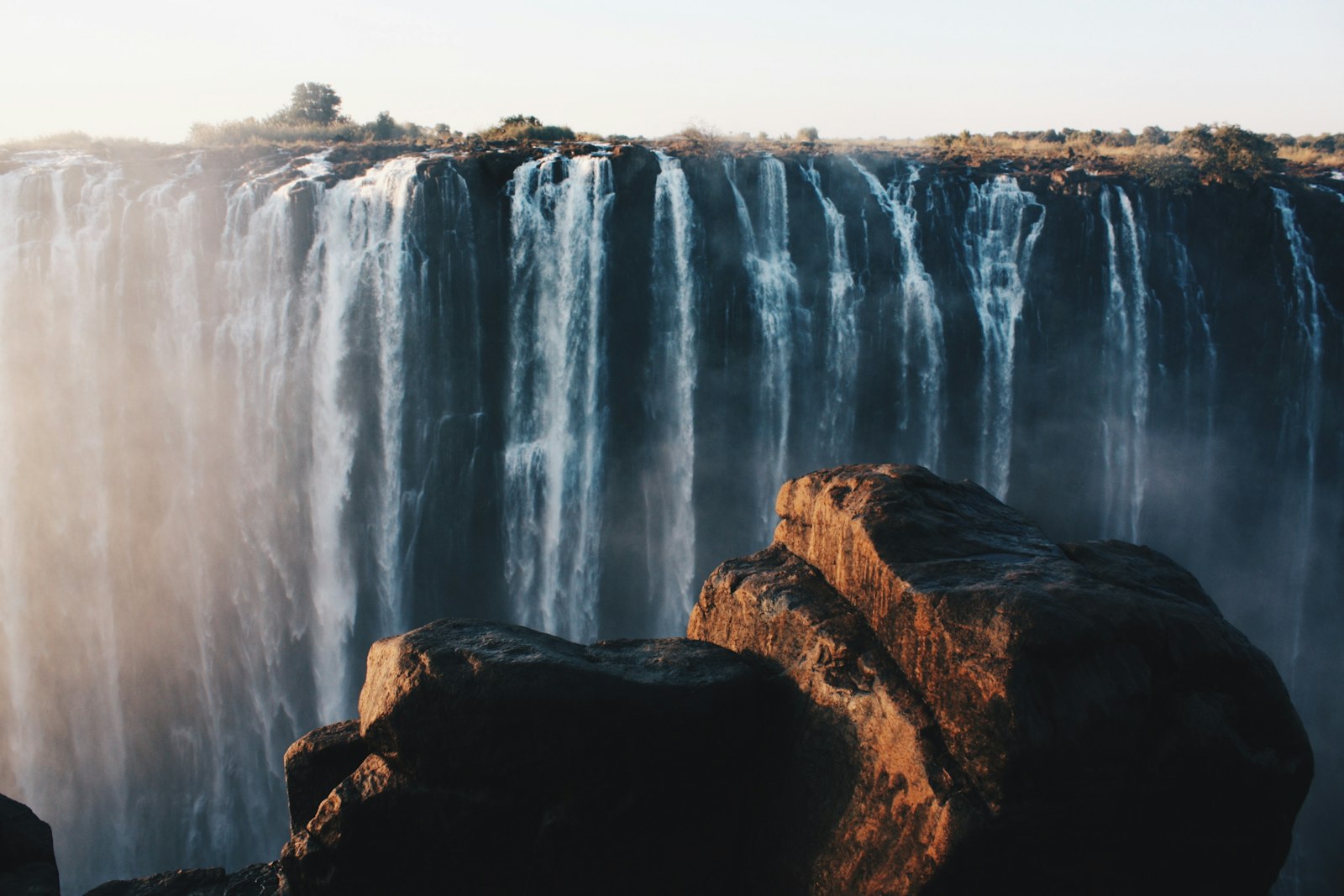
Victoria Falls drops toward its low-water period from mid-August, so the spray is lighter and the views are clearer.
Dawn game drives in open vehicles are cold across southern Africa; lows of about 10 to 12 °C are normal.
Zanzibar is dry and breezy, and August is one of its busiest months.
Cape Town is in its wet winter, while the whale season at Hermanus is already under way.
Africa in August: Where to Go, Place by Place
This section rates the main destinations for an August trip, from the safari parks to the beaches and the big cities. The verdicts weigh weather, wildlife and crowds together, so a place with fine weather but heavy crowds can still land on Go with care.
August verdict board
Average high / low °C
Masai Mara, Kenya
25° / 11°
GoRiver crossings, busy vehicles
Northern Serengeti
27° / 15°
GoHerds near Kogatende
Okavango Delta
30° / 12°
GoHigh water, dry skies
Chobe, Botswana
30° / 12°
GoElephants on the river
Hwange & Mana Pools
Dry
GoWaterholes, floodplain game
Victoria Falls
30° / 11°
GoWater dropping, less spray
Namibia
26° / 10°
GoDry, cold nights, foggy coast
Kruger
27° / 9°
GoDry, thin bush, clear views
Zanzibar
29° / 21°
Go with careSunny but very busy
Rwanda & Uganda
Dry season
Go with careGorilla permits sell out
Cape Town & Hermanus
17° / 8°
Go with careRainy, but whales arrive
Moroccan coast
26° / 19°
Go with careAgadir and Essaouira only
Marrakech & Fez
35° to 37°
SkipToo hot for long walks
Luxor & Aswan
41° / 26°
SkipExtreme heat in the Nile valley
Ethiopian highlands
Rainy
SkipKiremt rains, about 290 mm
Long-term averages from Climates to Travel and Weather2Travel, rounded. Luxor and Fez figures are approximate; inland Morocco varies by city.
🧰 Try it while you read: a free tool for this trip
Loading the month picker…
The Great Migration in August: Masai Mara and Serengeti
This section covers the trip most people mean when they search for Africa in August: the wildebeest herds on the Kenya–Tanzania border. According to Asilia Africa, the main Mara River crossings run from late July through August and into early September, mostly from south to north, with some herds crossing back. Masai Mara Travel says larger herds move into the Mara from about mid-July, and calls mid-July to late August the best window.
The weather helps. Climates to Travel gives the Masai Mara an average of about 25 °C by day and 11 °C at night in August, with about 80 mm of rain; the park has no truly dry month, but rain is at its lowest from June to September. In the northern Serengeti, the same source lists about 27 °C by day and 15 °C at night, with about 30 mm of rain.
| Masai Mara (Kenya) | Northern Serengeti (Tanzania) | |
|---|---|---|
| August weather | About 25 / 11 °C, about 80 mm | About 27 / 15 °C, about 30 mm |
| Herds in August | Crossings on the Mara River and its tributaries | Herds around Kogatende, crossing the Mara River |
| Crowd level | High at the famous crossing points | Lower, but rising |
| Best for | Shorter trips, easy access from Nairobi | Fewer vehicles, longer stays |
| Plan around | Several nights in one area; crossings can take hours | Remote camps book out early |
🗓️ Free: a 12-Month Map for your country
Every month on one page: best weeks, shoulder weeks and the ones to skip. Print it or keep it on your phone.
Important
Crossings are not timetabled. A herd can gather on the bank for hours and turn away. Stay at least three or four nights near the river. The Mara Triangle asks drivers to keep their distance so they do not block the herd, and says that driving closer than 25 metres counts as harassment.
For a full planning breakdown, read our guide to the Great Migration river crossings in August.

Botswana and Zimbabwe: The Dry-Season Heartland
This section covers the two countries where August may be the single most reliable safari month. Rain all but disappears, the bush thins out and wildlife gathers at the few sources of water left.
In Botswana, Climates to Travel puts August highs at about 30 °C in Maun and Kasane with lows of about 12 °C, and an average of just 2.7 mm of rain across the country. The Okavango Delta is still flooded, because the water arrives from the Angolan highlands months after it falls: Okavango.com says the flood reaches the delta from March to May and stays high until about September. That gives you a rare mix of dry skies and full channels for mokoro trips. Along the Chobe River, elephants gather at the water during the dry season, from about May to October (Chobe National Park overview).

The Smart Timing Bundle
Pick the month, book in the right order, pack once
Six printable timing tools for any trip: the Trip Timing Planner, When to Book, When NOT to Go, the Shoulder Season Playbook, the family timing guide and the Packing by Season System.
See the bundle · $37Six products, $100 separately · Digital download · All sales final

Zimbabwe follows the same rhythm. SafariBookings rates Hwange as excellent from July to October, when the waterholes become gathering points and the thinning vegetation makes animals easier to see; it also warns that early morning drives in open vehicles are cold. In Mana Pools, Wilderness notes that the big mammals return to the Zambezi floodplain as the water recedes, and that southern carmine bee-eaters arrive and nest in the riverbanks between August and October. Walking safaris and canoeing on the Zambezi are the classic ways to see it.
| Park | Why August works | Watch out for |
|---|---|---|
| Okavango Delta | High water plus dry weather; mokoro and boat trips | Cold dawns, camps booked early |
| Chobe riverfront | Large elephant herds at the river | Busy boat traffic near Kasane |
| Hwange | Animals concentrated at waterholes | Cold open-vehicle drives |
| Mana Pools | Floodplain game, walking and canoeing | Remote access; plan transfers |
| South Luangwa (Zambia) | Rain stops from June; bush parched by August | Heat rises toward October |
For deeper context, compare it with our guide to Africa in July, when the same parks are a little greener and quieter.
Victoria Falls in August: Less Spray, Clearer Views
This section explains why August is a balanced month at the falls between Zambia and Zimbabwe. Zambia Tourism says the Zambezi is in full flow in March and April, when spray soaks you and can hide the view, and that water levels are at their lowest between mid-August and mid-January.
That makes August a middle point: plenty of water still pours over the edge, but the curtain of mist is thinner, so photos are easier and you won’t need to be drenched to see the gorge. In Livingstone on the Zambian side, Climates to Travel gives August averages of about 30 °C by day and 11 °C at night, with no rain at all. The swim at the lip of the falls on Livingstone Island depends on the water level, so check which pool is open for your dates.
Namibia in August: Dunes, Etosha and Cold Desert Nights
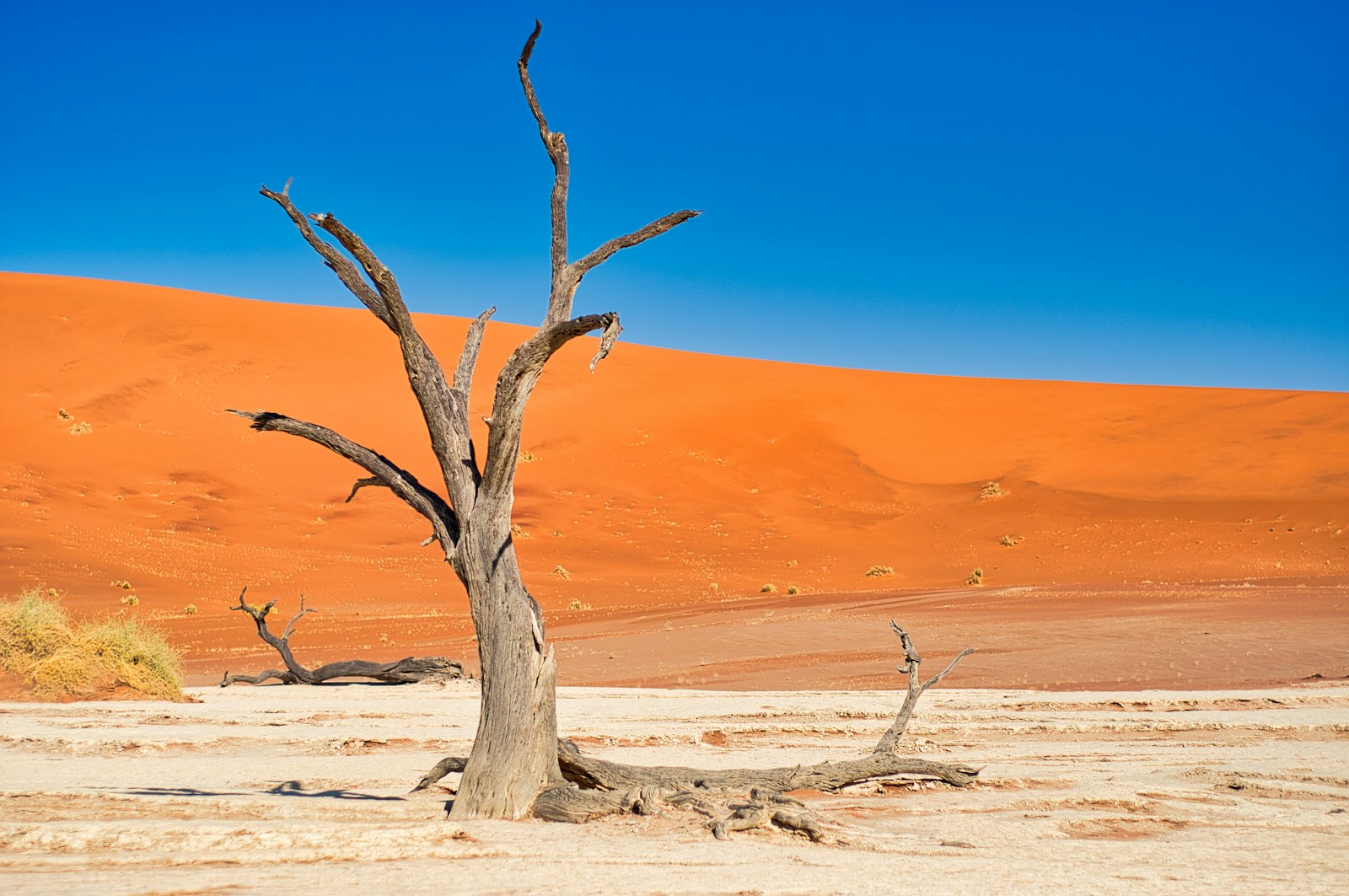
This section covers Namibia, one of the driest and clearest countries to visit in August. Climates to Travel gives Windhoek an average of about 26 °C by day and 10 °C at night, with no meaningful rain, while the coast at Swakopmund is far cooler at about 16 / 9 °C and the Atlantic sits near 14 °C.
Those numbers explain how to plan. Inland, dry air makes for sharp light on the red dunes of the Namib and easy game viewing at Etosha’s waterholes, where animals queue for water as the season dries. Nights in the desert and on the plateau can be close to freezing, so pack a warm layer for sunrise walks. On the coast, fog is common in the mornings, so treat Swakopmund as a stopover rather than a beach trip.
Beaches and Islands: Zanzibar, Madagascar and the Moroccan Coast
This section looks at the coast, for anyone who wants to end a safari with sea and sand.
Zanzibar is the obvious choice. Climates to Travel lists August at about 29 °C by day and 21 °C at night, with about 50 mm of rain over 8 days, around 8 hours of sun and a sea of about 25.5 °C; the south-east trade wind, the kusi, keeps the air fresh. The trade-off is people: The Africa Specialists names August as the island’s busiest month. Humpback whales pass the island from about July to October, with a peak from late July to mid-August, according to a study listed by the IWC Whale Watching Handbook. Read our best time to visit Zanzibar before you book.
Madagascar is split in two. Climates to Travel says the west and the highlands are dry in August, with Morondava near the Avenue of the Baobabs almost rainless, while the east coast stays wet, and humpbacks are usually seen off Sainte-Marie from about July to September. Morocco’s Atlantic coast is the north’s best August escape: Climates to Travel puts Agadir at about 26 / 19 °C, and the same source notes Essaouira stays near 22 °C but is windy in summer afternoons, with a cool sea of about 21 °C.

The complete kit
Every country guide, every timing tool
All 24 When to Go country guides, the six Smart Timing tools and every 12-Month Map, with a Start Here that tells you what to open first.
See the kit · $127The five bundles cost $225 separately · Digital download · All sales final
| Coast | August weather | Best for | Catch |
|---|---|---|---|
| Zanzibar | About 29 / 21 °C, sea about 25.5 °C | Beach after a Tanzania safari | Busiest month; book early |
| Western Madagascar | Dry, sunny | Baobabs, dry-season road trips | East coast wet |
| Agadir, Morocco | About 26 / 19 °C | Easy beach week | Sea cool, about 21 °C |
| Essaouira, Morocco | About 22 / 18 °C | Wind and kitesurfing | Strong afternoon wind |
| Red Sea, Egypt | About 35 to 38 °C | Diving in warm water | Very hot on land |
For more sea and sand ideas across the world, see our best beach destinations in August.
South Africa in August: Kruger, Whales and Wild Flowers
This section covers South Africa, which splits sharply in August. The north-east is dry and clear; the Cape is in the middle of its rainy winter, yet that same season brings whales and flowers.
In Kruger, Weather2Travel gives Skukuza about 27 °C by day and 9 °C at night, with about 9 mm of rain on 2 days and around 9 hours of sun. Thin bush and dry waterholes make it one of the easiest months for game viewing without a long-haul flight to a remote camp. Cape Town is a different story: Weather2Travel lists about 17 / 8 °C and about 163 mm of rain on 14 days, with a sea of about 15 °C.
The upside of the Cape winter is wildlife and colour. Southern right whales arrive in Walker Bay from around May, and the official season at Hermanus runs from June to the end of November, with a peak in September and October (Xplorio Hermanus); see our full Hermanus whale season. North of Cape Town, the Namaqualand wild flower season usually falls between August and October, depending on the winter rain (Namaqualand overview).
Choose your half
Kruger and the north-east for dry safari weather; the Cape for whales, wine and flowers.
Book camps early
August overlaps with school holidays in parts of the world; popular rest camps and lodges fill.
Pack for both
A down layer for dawn drives, a rain jacket for the Cape.
Watch the flower reports
Namaqualand blooms move with rain, so keep a flexible day or two.
Leave buffer days
Winter storms on the Cape coast can cancel boat trips and close mountain roads.

Prices change; check before you book. To compare costs across the continent, our guide to cheaper places in Africa in August covers the cheaper options in detail.
Gorillas, Lakes and Other Strong August Picks
This section gathers the trips that sit outside the classic safari circuit but still work well in August.
Gorilla trekking
Rwanda and Uganda are in their main dry season from June to September, so forest trails are firmer. Duma Explorer notes that permits sell out fastest in these months, so book well ahead.
Lake Malawi
The cool dry season runs from about mid-May to August, with clear skies and calm days, though temperatures start to climb late in the month.
South Luangwa, Zambia
Rain stops completely from June, and by August the bush is parched and animals stay close to the Luangwa River.
Tanzania’s southern parks
Ruaha and Nyerere are in their best season from June to October, with far fewer vehicles than the north.
If nature is the whole point of the trip, our round-up of nature trips in August adds options beyond Africa.
When Not to Go: The August Trips to Rethink
This section is the honest part. A few popular African trips are at their worst in August, and some are only uncomfortable rather than impossible.
| Avoid | Why | Better month |
|---|---|---|
| Marrakech and Fez sightseeing | Afternoons of about 35 to 37 °C make long medina walks hard | October, or March to May |
| Luxor and Aswan | Highs of about 41 °C in the Nile valley | November to February |
| Ethiopia’s highlands | Kiremt rains; Addis Ababa gets about 290 mm in August | November to February |
| Cape Town beach holiday | Wet winter, sea about 15 °C | January to March |
| A last-minute Mara crossing trip | The best camps near the river book far ahead | Book many months out, or go in early July |
Sources: Climates to Travel for Morocco, Climates to Travel for Egypt and Climates to Travel for Ethiopia. Not sure about your own dates? Run them through the free When Not to Go checker.
Better Month If You Want Something Else
This section helps if August doesn’t fit what you’re after.
| If you want | Go instead in | Why |
|---|---|---|
| Wildebeest calving in the Serengeti | February | Hundreds of thousands of calves are born in a short window in the southern plains |
| Peak whale behaviour at Hermanus | September to October | The season’s peak, with more whales close to shore |
| Cooler Moroccan cities | October | Heat eases while days stay sunny |
| A quieter Zanzibar | June or September | Still dry, with fewer people than August |
| The full roar of Victoria Falls | March to April | Peak flow, heavy spray |
Planning a wider trip? Our August travel guide compares the whole world for the month, and the free Best Month Finder helps you match any destination to its strongest weeks.
5 Common Mistakes When Planning Africa in August
1. Booking too late
August is peak season for the Mara, the Serengeti, Botswana and Zanzibar. The best-placed camps and the gorilla permits in Rwanda and Uganda are often gone many months ahead. Fix your dates first, then book the hardest piece.
2. Packing for heat only
Africa means hot to many travellers, but August dawns in Botswana, Namibia and Zimbabwe can be close to freezing in the desert and around 10 °C elsewhere. Open vehicles add wind chill. Bring a fleece, a warm hat and gloves.
3. Expecting a crossing on a set day
The herds move with the rain and the grass, not the calendar. Rushing in for one night near the Mara River often means seeing none. Give yourself several nights in one place.
4. Treating Morocco and Egypt like the safari countries
North Africa is in its hottest stretch. A week of city sightseeing in Marrakech or a Nile cruise in August is hard work. Stick to the coast or move those trips to the cooler months.
5. Ignoring the Cape winter
Cape Town is rainy and cool in August, with a cold sea. Go for whales, wine and flowers, and pair it with a dry safari area.
Africa in August: FAQ
QIs August a good time to go to Africa?
Yes, for most of East and Southern Africa. August is in the dry season in Kenya, Tanzania, Botswana, Zimbabwe, Zambia, Namibia and northern South Africa, so wildlife gathers near water and rain is rare. The exceptions are the Cape, which is in its wet winter, Ethiopia’s highlands, which are rainy, and inland Morocco and Egypt, which are very hot.
QWhere is the Great Migration in August?
In August the herds are usually on the border of Kenya and Tanzania, in the Masai Mara and the northern Serengeti around Kogatende. The main Mara River crossings usually run from late July through August and into early September. Timing depends on the rains, so stay several nights near the river rather than counting on one day.
QWhich African country is best for safari in August?
Kenya and Tanzania are best if you want the migration river crossings. Botswana is best for dry weather with water still in the Okavango Delta and elephants on the Chobe River. Zimbabwe’s Hwange and Mana Pools are strong for waterhole viewing and walking. Kruger in South Africa is the easiest self-drive choice, with very little rain in August.
QWhat is the weather like in Africa in August?
It depends on the region. Safari areas in the south and east are mostly dry and sunny, with days of about 25 to 30 °C and cold nights of about 9 to 15 °C. Cape Town is cool and wet at about 17 / 8 °C. Marrakech reaches about 37 °C and Luxor about 41 °C. Zanzibar sits near 29 °C with a sea of about 25.5 °C.
QIs August a good time to visit Zanzibar?
Yes. August is one of Zanzibar’s driest and sunniest months, with about 50 mm of rain, highs near 29 °C and a fresh south-east breeze. Humpback whales can pass the island from about July to October. The catch is crowds: August is one of the busiest months, so book rooms and ferry or flight connections well ahead.
QIs Morocco too hot in August?
Inland Morocco is very hot in August, with Marrakech at about 37 °C in the afternoon and Fez not far behind, which makes long medina walks and desert trips tiring. The Atlantic coast is far milder: Agadir is about 26 °C and Essaouira about 22 °C, though windy. Sightsee early, rest at midday, or save the cities for October.
The Bottom Line
The short version: Africa in August is about the dry south and east, from the Mara River crossings to the Okavango, Hwange, Namibia, Kruger and a beach week in Zanzibar. Book early, pack for cold mornings, and keep Morocco to the coast and Egypt for winter. For more ideas, browse our best travel destinations in August.
Plan every trip, not just this one
The Smart Timing Bundle
The tools behind good timing: when to book, when not to go, how to use the shoulder seasons and how to plan around school holidays. Use them for August in Africa and for every trip after it.
See the Smart Timing Bundle →Digital download · All sales final
Free download
Which month for your country?
Get the free 12-Month Map: every month marked good, shoulder or avoid, region by region, on four printable pages.
- Greece to Japan, Morocco to Peru: 24 countries
- See the crowd and price peaks before you book
- Free, no purchase needed
Your download page opens as soon as you sign up. 24 countries available.