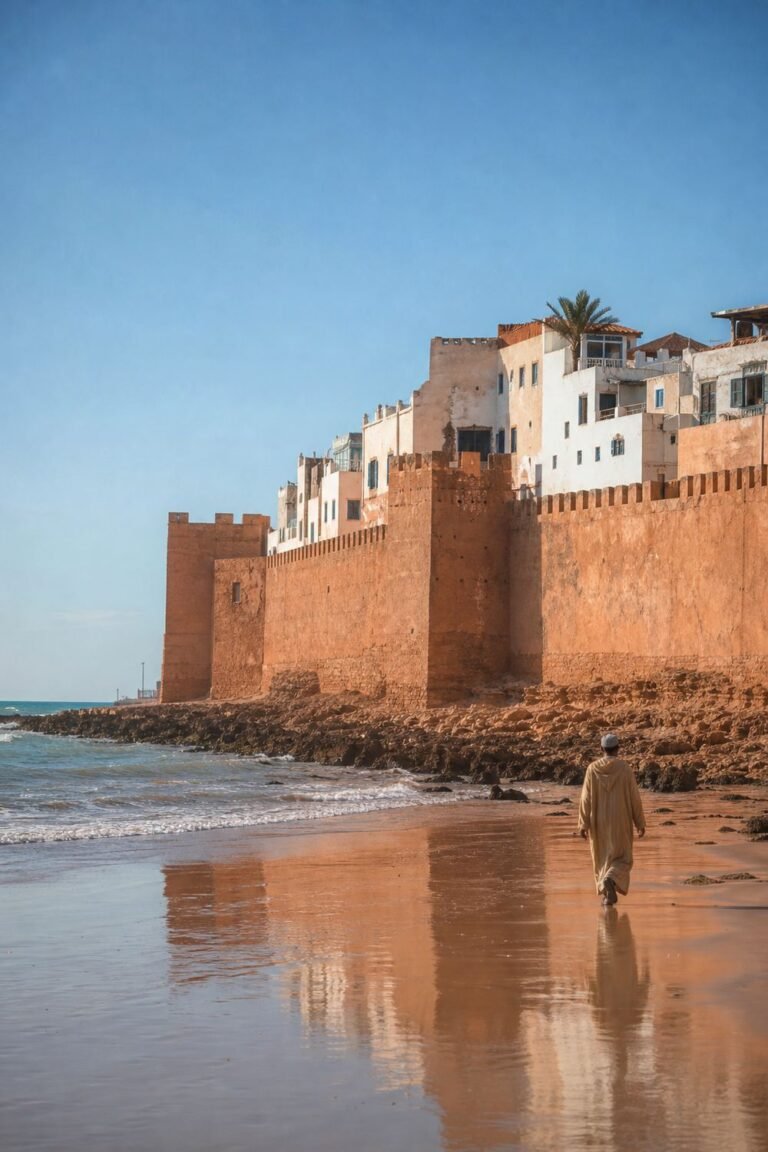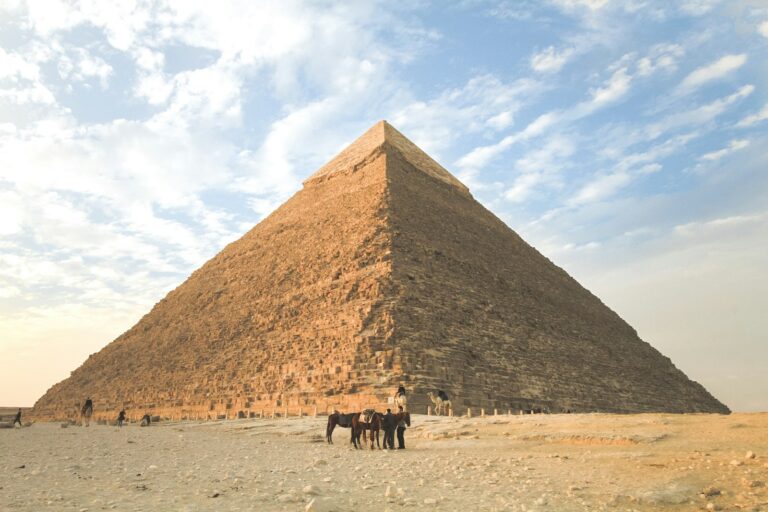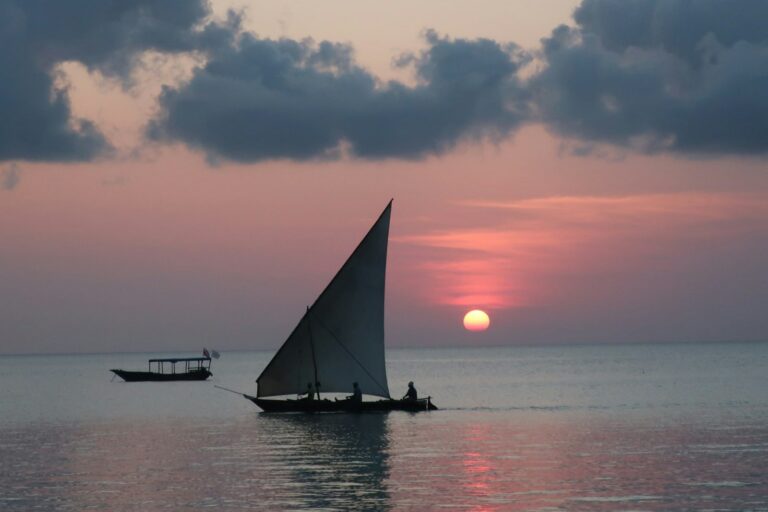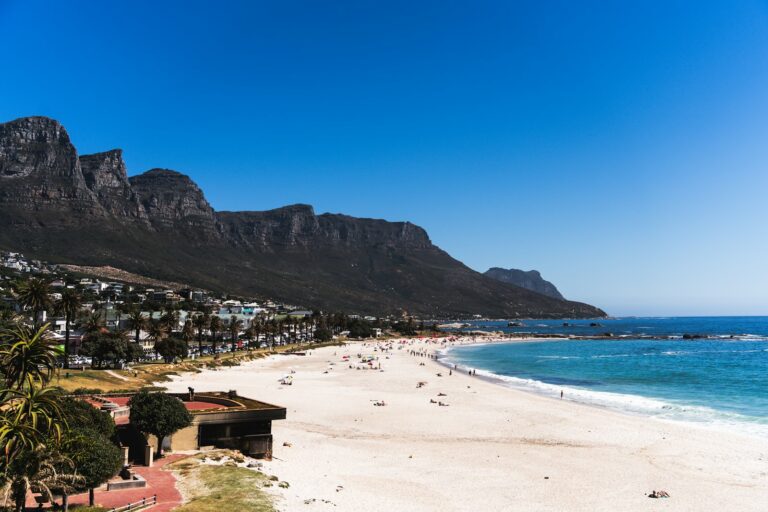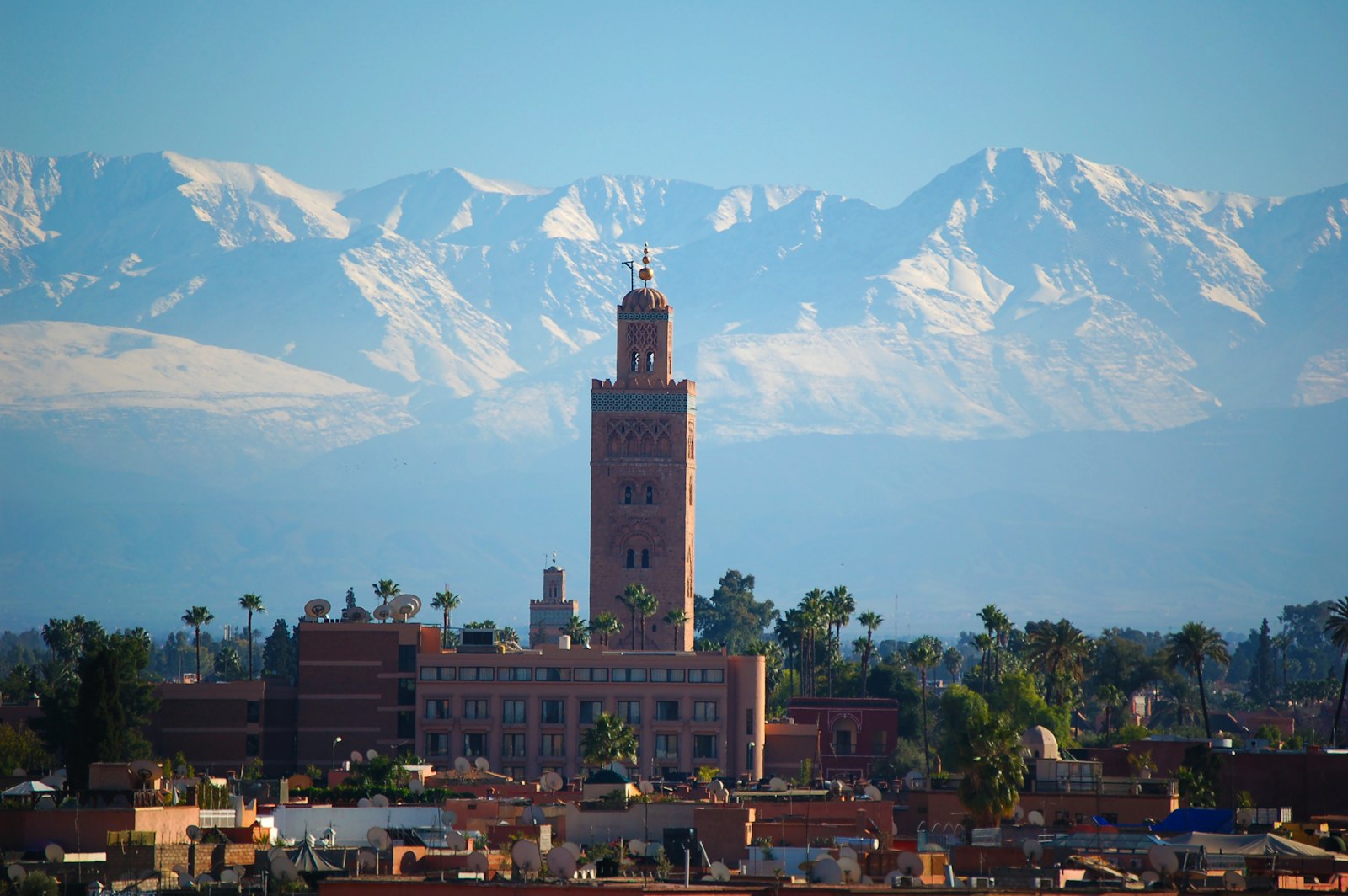
Morocco in January is a month of bright, short days and cold nights. Marrakech and the Atlantic south are sunny and mild by day, the Sahara is dry with near-freezing nights, the High Atlas is under snow and the north, around Chefchaouen and Tangier, takes the winter rain. It is one of the quietest months of the year once the New Year week is over, and with warm layers packed, one of the best for a classic loop of cities, mountains and desert.
Quick answer
Yes, go, and pack for winter nights. Marrakech averages about 19 °C by day and 6 °C at night, Agadir about 21 °C, and the desert is dry and sunny with nights near freezing. The north is the wettest region and the High Atlas is snowy. Mid-January is quiet and good value.
Key facts
- Sunny and mild by day: Marrakech averages about 19 °C, Agadir about 21 °C, with seven to eight hours of sun.
- Cold after dark: average lows are about 6 °C in Marrakech, 4 °C in Fes and 2 to 4 °C at the edge of the Sahara.
- Wettest in the north: Tangier averages about 100 mm over ten days, against about 5 mm in Ouarzazate.
- Snow in the mountains: Oukaimeden, at 2,600 to 3,200 m, averages about nine snowy days in January.
- Quiet after the New Year week: mid-January is usually one of the calmest, best-value stretches of the year.
Morocco in January: Weather, Crowds and Prices by Region
This section is the reference table. In January the winter rain arrives from the Atlantic and falls mostly in the north and on the mountains, while the south and the desert stay dry. Altitude matters as much as latitude: Fes, Ouarzazate and the desert towns sit between about 500 and 1,150 m, so clear skies bring cold nights. Read across for the place where you plan to sleep.
| Region (station) | Day / night | Rain | Sea | Sun per day | Crowds | Price level |
|---|---|---|---|---|---|---|
| Marrakech (460 m) | About 19 °C / 6 °C | About 30 mm, mostly light | — | About 7 h | Medium | Medium |
| Fes (580 m) | About 16 °C / 4 °C | About 7 days, 60 mm | — | About 7 h | Low | Low to medium |
| Chefchaouen area (Tetouan) | About 17 °C / 9 °C | About 8 days, 95 mm | About 16 °C | About 6 h | Low | Low |
| Tangier | About 17 °C / 8 °C | About 10 days, 100 mm | About 16 °C | About 5 h | Low | Low to medium |
| Casablanca | About 18 °C / 9 °C | About 8 days, 65 mm | About 18 °C | About 6 h | Low | Medium |
| Essaouira | About 18.5 °C / 11 °C | About 7 days, 45 mm | About 18 °C | About 7 h | Low to medium | Medium |
| Agadir | About 21 °C / 8 °C | About 5 days, 40 mm | About 18 °C | About 8 h | Medium | Medium |
| Ouarzazate (1,150 m) | About 17 °C / 2.5 °C | About 2 days, 5 mm | — | About 8 h | Low | Low to medium |
| Sahara: Merzouga area (Errachidia, 1,035 m) | About 16 °C / 3 °C | About 2 days, 10 mm | — | Sunny | Medium | Medium |
| Sahara: Zagora | About 20 °C / 4 °C | About 4 mm | — | Sunny | Low to medium | Low to medium |
| Middle Atlas (Ifrane, 1,650 m) | About 9 °C / −1 °C | About 8 days, 125 mm | — | About 6 h | Medium at weekends | Medium |
| High Atlas (Oukaimeden, 2,600 m+) | About 5.5 °C / −3 °C | About 9 snowy days | — | Variable | Medium at weekends | Medium |
🗓️ Free: the 12-Month Map for Morocco
Every month on one page: best weeks, shoulder weeks and the ones to skip. Print it or keep it on your phone.
Temperatures, rain, sea and sunshine are long-term January averages from Climates to Travel, rounded; Zagora comes from Climate-data via Wikipedia, and Oukaimeden from a mountain station series published by the International Association of Climatology. Marrakech’s rain days are mostly light showers: the Menara airport normals count only about three days with 1 mm or more. Daylight runs from about 10 hours at the start of the month to about 10.5 at the end. Crowd and price levels are the Monthly Travel Guide editorial team’s ratings, not statistics.
21 °C
average afternoon in Agadir
7 h
of sun a day in Marrakech
2.5 °C
average low in Ouarzazate
100 mm
of rain in Tangier, the wettest city
🧰 Try it while you read: a free tool for this trip
Free trip timing tool
Best Month Finder
Pick a country and your priorities; get the three months that suit you best.
Loading the tool…
Region by Region: Where to Go in Morocco in January
This section gives each main region a verdict and the details behind it. The rule of thumb is simple: the further south and the lower you go, the drier and milder January becomes; the further north and the higher you climb, the more rain, snow and cold you meet.
Marrakech
Marrakech is the easiest place to be in January. Afternoons average about 19 °C with around seven hours of sun, ideal for walking the souks, the Bahia Palace and the gardens without summer heat. Nights fall to about 6 °C, and the Menara airport record low is −3.6 °C, so evenings on the square call for a jacket. On clear days the snow-capped High Atlas stands behind the city, one of the classic winter views in North Africa.
Riads are beautiful but often cool inside: traditional houses open onto an open-air courtyard. When you book, ask whether rooms have heating, and whether the roof terrace is in use in winter.
Agadir, Taghazout and the south coast
The south coast has the warmest January days in Morocco. Agadir averages about 21 °C in the afternoon with about eight hours of sun, and Sidi Ifni, further south, has nights near 14 °C. The Atlantic is about 18 °C, cool enough that most visitors swim only briefly or in a wetsuit; this is a coast for sunshine, long beach walks and surfing rather than lazy swims. Winter usually brings the most consistent swells around Taghazout and Tamraght, the main surf season of the year.
When to Go: Morocco
Coast, cities, mountains or desert?
Every month across Morocco rated for heat, crowds and prices, region by region, with Ramadan and festival timing explained and a 7-day booking plan.
See the Morocco guide · $19112 pages · PDF, US Letter and A4 · Digital download · All sales final
Essaouira
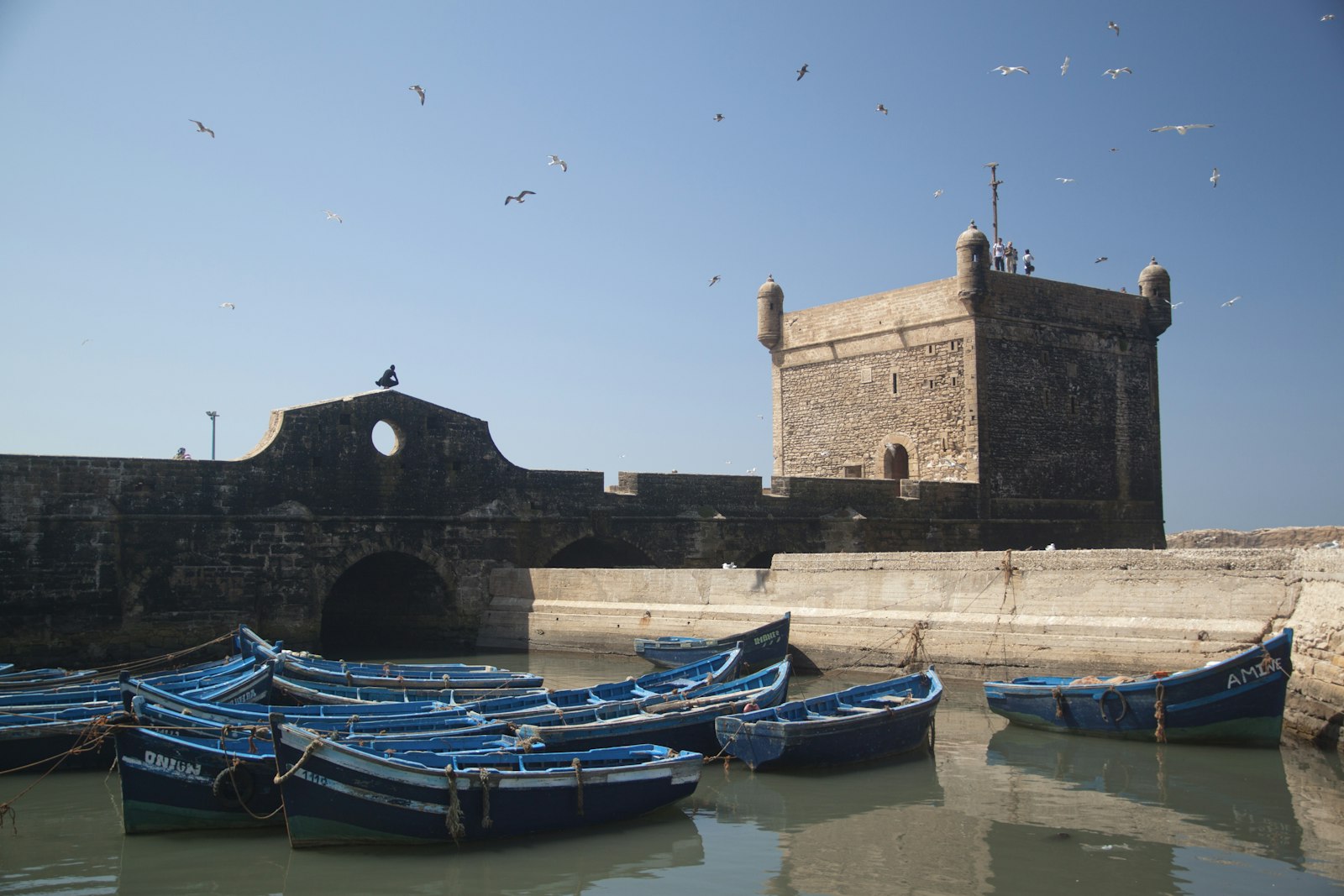
Essaouira has the mildest nights in the country at about 11 °C, with afternoons near 18.5 °C and a sea of about 18 °C. The trade wind that makes the town famous for kitesurfing is strongest in summer, so winter is often calmer, but expect around seven showery days and some grey mornings. It works well as two or three slow days between Marrakech and Agadir.
The Sahara: Merzouga and Zagora
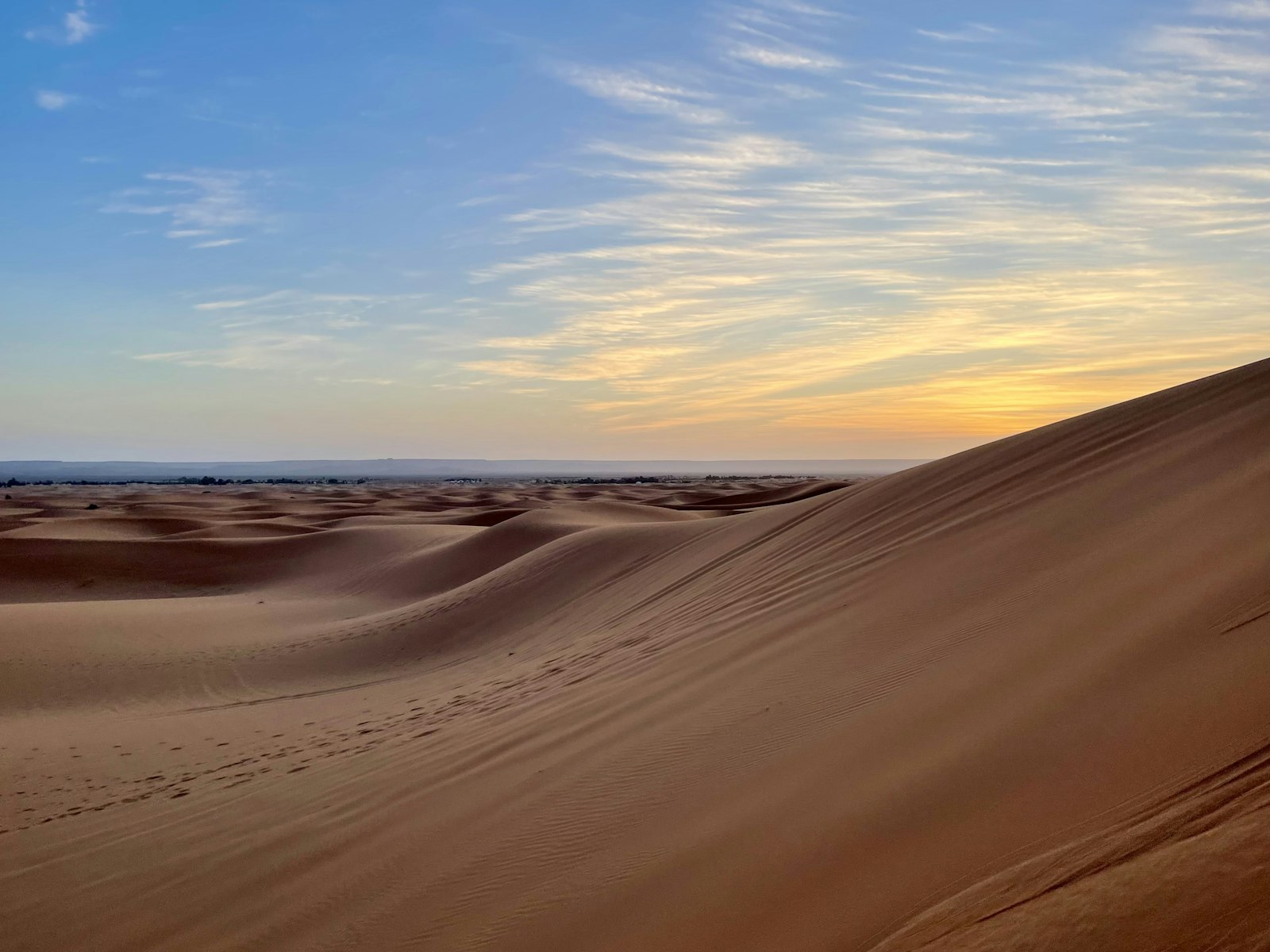
January is one of the best months for the desert if you pack properly. Days are dry and bright: Errachidia, the nearest station to Merzouga, averages about 16 °C by day and Zagora about 20 °C, with almost no rain. The catch is the night. Averages fall to about 3 °C in Errachidia, 4 °C in Zagora and 2.5 °C in Ouarzazate, and in an open dune camp it can feel colder. Good camps provide thick blankets, but bring a hat, a down layer and warm socks for sunrise.
Merzouga is a long day’s drive from Marrakech over the Tizi n’Tichka pass, so most trips take three days with two nights on the road; Zagora is closer. Book camps early for the New Year week, when they fill first.
Fes and Meknes
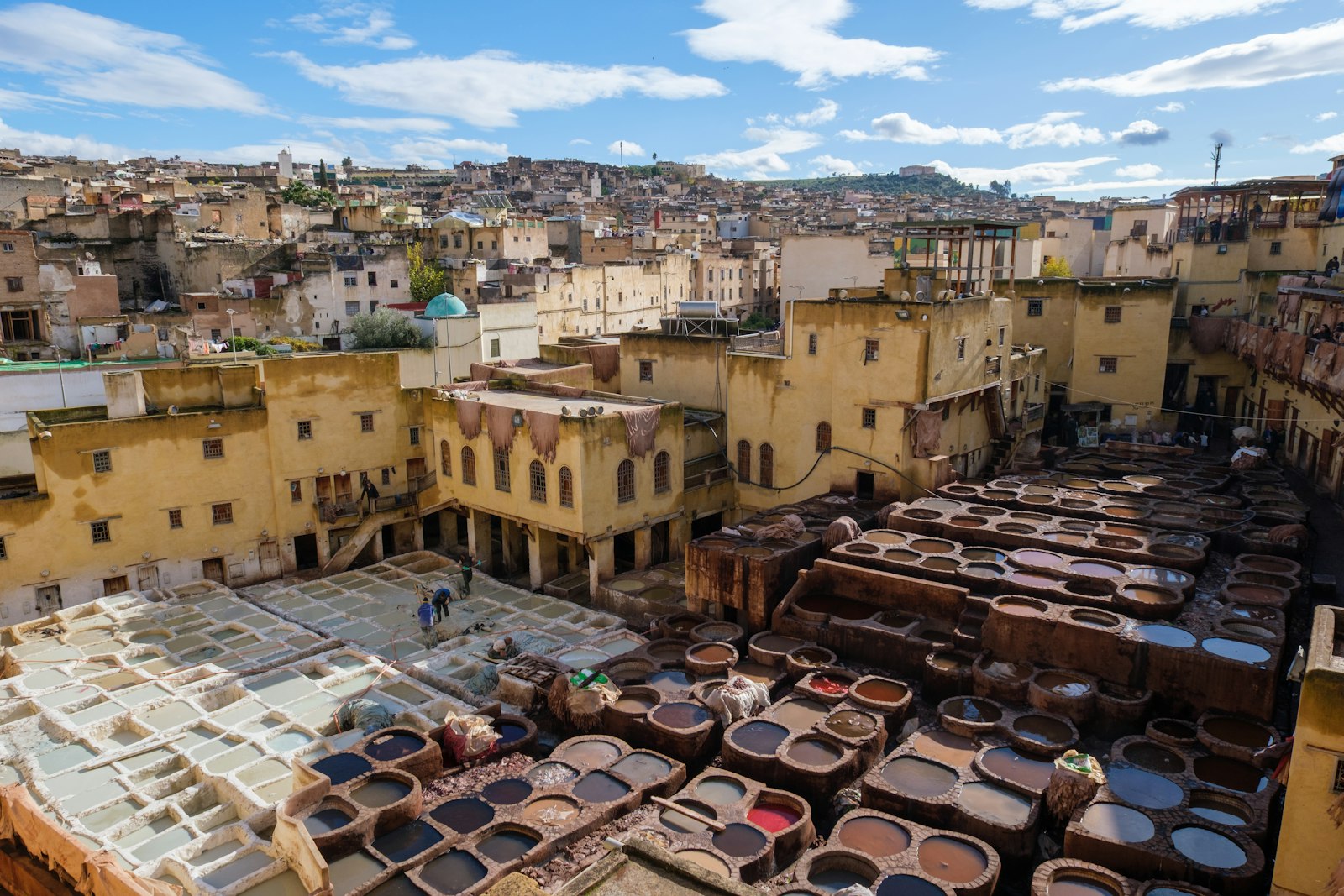
Fes is a bit cooler and rainier than Marrakech: about 16 °C in the afternoon, 4 °C at night and around 60 mm of rain over seven days. That still leaves plenty of clear, crisp days for the medina, the tanneries and Volubilis, and the lanes are far quieter than in spring. Pack a waterproof layer and shoes with grip, because medina paving is slippery after rain, and pick a riad with heating.
Plan the other eleven months
When to Go: Morocco
January suits the south and the desert, but Morocco’s seasons pull in different directions: the coast is best in summer, the desert in spring and autumn, the mountains from late spring, and Ramadan moves through the calendar. When to Go: Morocco rates every month for each region, with weather, sea, crowd and price seasons, festival weeks and the dates to avoid.
See When to Go: MoroccoDigital download · All sales final
The High Atlas: Imlil, Toubkal and Oukaimeden
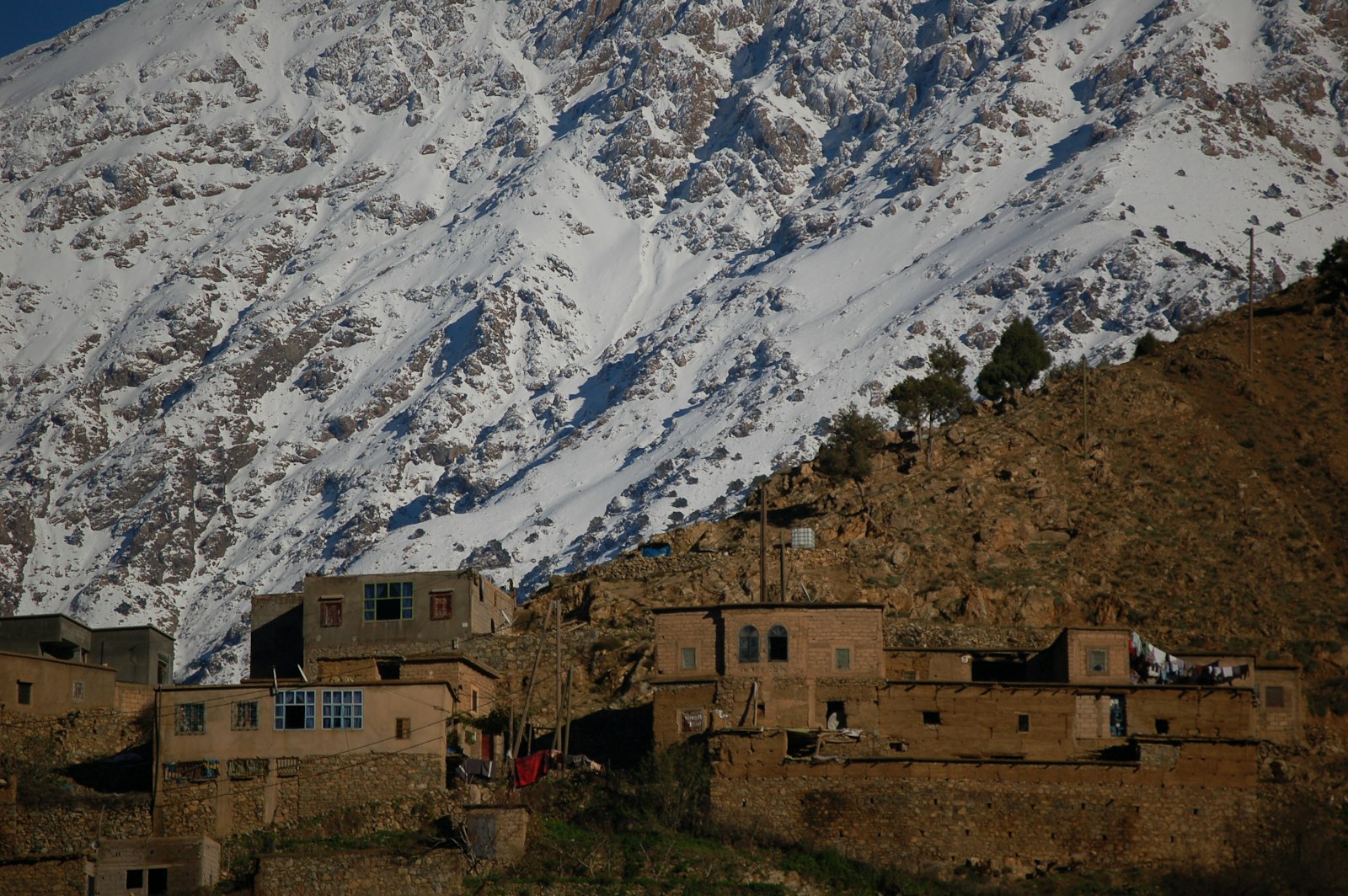
January is the heart of the snow season. Oukaimeden, about 80 km from Marrakech, has its ski area between about 2,600 and 3,200 m, and its station records about nine snowy days in January, with average highs near 5.5 °C and lows near −3 °C. Snow cover varies widely from winter to winter, so treat skiing as a bonus rather than the reason for the trip.
Imlil and the lower valleys make a fine day or overnight trip from Marrakech, with snowy peaks above walnut terraces. Winter ascents of Toubkal, at 4,167 m, are mountaineering: they need crampons, an ice axe, a licensed mountain guide and a flexible day for weather. Mountain roads, including the Tizi n’Tichka towards Ouarzazate, can close for a few hours after heavy snow.
Chefchaouen, Tangier and the north
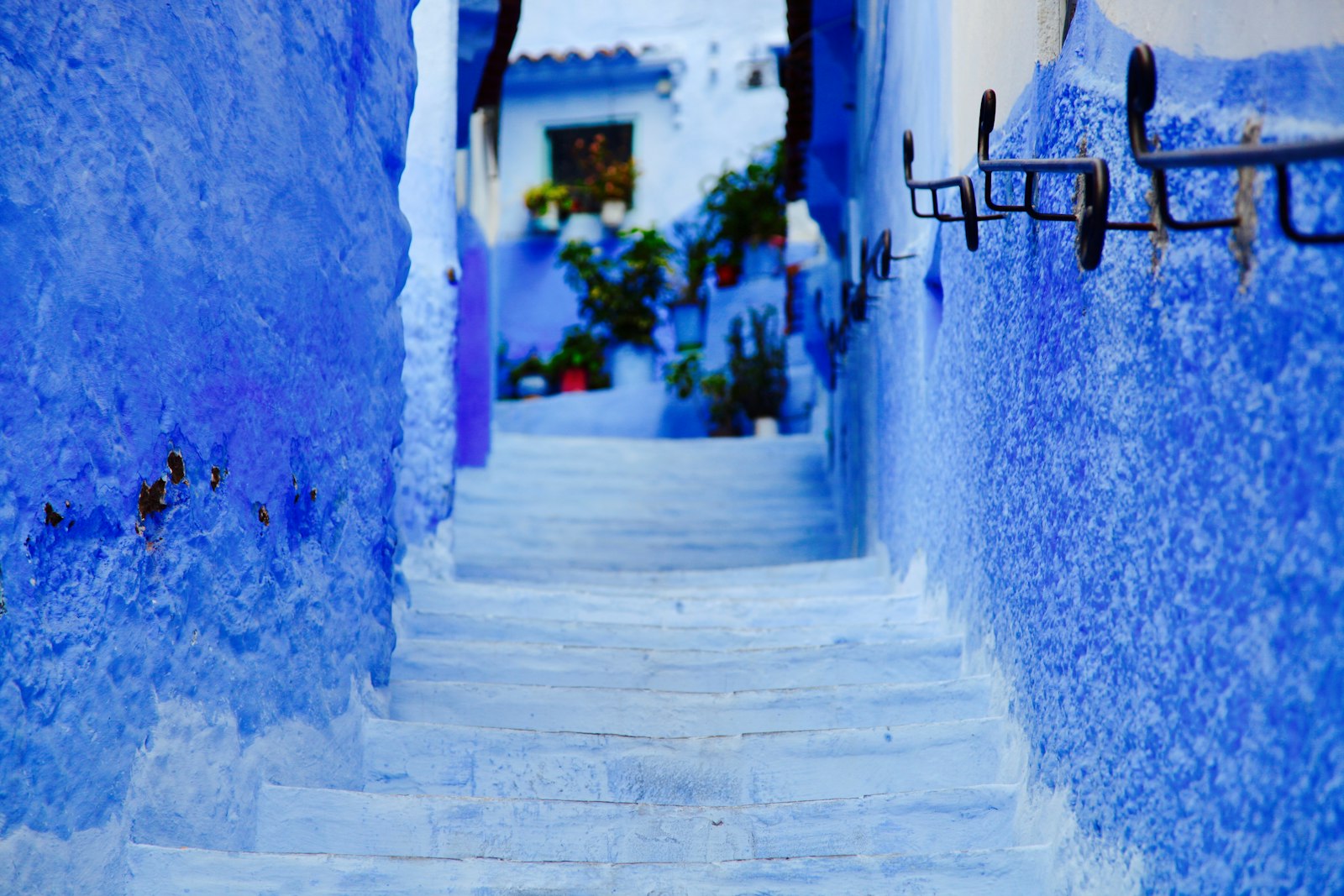
The north takes most of Morocco’s winter rain. Tangier averages about 100 mm over ten days and Tetouan, the nearest station to Chefchaouen, about 95 mm over eight. Chefchaouen sits at about 600 m in the Rif, so it is cooler at night than the coast. The blue lanes are photogenic in any light and empty in January, but build in a spare day for a dry spell and stay somewhere with heating.
January Dates: New Year, the Quiet Middle and Ramadan
This section shows how the month usually runs, because the week you travel matters as much as the region.
| Dates | What happens | Crowds | Price level |
|---|---|---|---|
| About 28 December to 4 January | Christmas and New Year visitors from Europe; Marrakech riads and desert camps at their fullest | High | High |
| 1 January | New Year’s Day, a public holiday | High in Marrakech | High |
| 11 January | Proclamation of Independence Day, a public holiday | Moroccan weekend trips | Medium |
| About 13 to 14 January | Yennayer, the Amazigh New Year, now a public holiday | Moroccan weekend trips | Medium |
| About 5 to 31 January | Usually the calmest stretch of the winter | Low to medium | Low to medium |
Ramadan follows the Islamic lunar calendar, which is 10 to 11 days shorter than the solar year, so the fasting month moves earlier each year and falls partly or wholly in January in some years. Check the dates for your travel year. During Ramadan, many cafés and restaurants in the medinas close by day and open after sunset, while hotels and tourist restaurants keep serving; Morocco also usually sets its clocks back one hour for the month.

The Smart Timing Bundle
Pick the month, book in the right order, pack once
Six printable timing tools for any trip: the Trip Timing Planner, When to Book, When NOT to Go, the Shoulder Season Playbook, the family timing guide and the Packing by Season System.
See the bundle · $37Six products, $100 separately · Digital download · All sales final
⚑ Timing tip
For the best mix of quiet and value, travel between about 6 and 31 January. If your dates include the New Year week, book desert camps, riads in the Marrakech medina and Merzouga transfers first, as they are the first things to sell out.
For the month before, read Morocco in December, and to compare other places this winter, see where to go in January.
Who Morocco in January Suits, and When Not to Go
This section is the honest one. January suits travellers who value clear light, low crowds and fair prices over warm evenings:
Morocco in January is a good fit for
- ✓Culture-first trips to Marrakech, Fes and the Kasbah route
- ✓Desert trips for travellers happy to dress for a cold night
- ✓Winter sun walkers and surfers on the south coast
- ✓Snow lovers and guided walkers in the High Atlas
- ✓Couples and families who prefer quiet sites and medinas
A swimming holiday
The Atlantic is about 18 °C and the north is cooler still.
Warm evenings outdoors
Nights drop to about 6 °C in Marrakech and near freezing in the desert.
An easy Toubkal summit
Winter ascents need ice gear, a guide and spare days.
Dry days in Chefchaouen and Tangier
The north has eight to ten rain days in January.
Better month if you want…
Warm sea for swimming
About July to October
Desert nights without frost
About March to May or October to November
A Toubkal summit without ice gear
About June to September
Green valleys and blossom
About February to April
Dry weather in the north
About May to September
Snow in the High Atlas
January and February
Comparing winter sun nearby? See the Canary Islands in January, January winter sun destinations or mild winter escapes, and use the free 12-Month Map to compare any destination month by month.
What to Pack for Morocco in January
This section is the short list. Pack for two seasons in one day: sunny, mild afternoons and cold mornings and nights, with extra warmth for the desert and the mountains.
Pack and book for Morocco in January
- ✓A warm jacket or light down layer, a fleece and a hat for nights
- ✓Thermal base layers and warm socks for a desert camp
- ✓A light waterproof and shoes with grip for Fes and the north
- ✓Sunglasses and sunscreen: the winter sun is strong at altitude
- ✓Layers that cover shoulders and knees for medinas and villages
- ✓Riads with heating and New Year desert camps booked early
Common Mistakes With a January Morocco Trip
1. Packing for Africa instead of for winter
Afternoons are mild, but nights average about 6 °C in Marrakech and close to freezing in Ouarzazate and the desert, and many riads and guesthouses are only lightly heated. A proper warm layer is the single most important item in the bag.
2. Choosing a riad without asking about heating
Traditional riads are built around an open courtyard, which is lovely in May and chilly in January. Ask before you book whether rooms have heating or air conditioning that warms, and favour smaller rooms off the courtyard.
3. Planning a beach holiday
The south coast is sunny and pleasant for walking, but the sea is about 18 °C. Plan Agadir and Essaouira for light, food, surf and slow days, and save swimming holidays for summer and early autumn.
4. Booking a winter Toubkal climb as an easy trek
At 4,167 m, Toubkal in January is a snow and ice climb. Go with a licensed guide, hire crampons and an ice axe, and keep a spare day for weather, or stay lower around Imlil for snowy valley walks.
Morocco in January: FAQ
Is January a good time to visit Morocco?
Yes, for most travellers. Marrakech, the south coast and the desert are sunny, with afternoons from about 16 to 21 °C and very little rain in the south. Nights are cold, the north is the wettest region and the High Atlas is snowy. After the New Year week, crowds thin and prices are usually among the lowest of the year.
How cold is Marrakech in January?
Marrakech averages about 19 °C in the afternoon and 6 °C at night, with around seven hours of sun a day. Mornings and evenings feel cold, especially in riads built around open courtyards, and the record low is below freezing. Bring a warm jacket, a fleece and a scarf, and ask your riad about heating before you book.
Is the Sahara too cold in January?
It is cold at night but not too cold to go. Near Merzouga, days average about 16 °C and nights about 3 °C; Zagora is a little warmer by day. Good desert camps provide thick blankets, and a down layer, a hat and warm socks make the night comfortable. In return you get dry air, clear skies and sharp starry nights.
Does it snow in Morocco in January?
Yes, in the mountains. The High Atlas above Marrakech and the Middle Atlas around Ifrane usually have snow in January. Oukaimeden, about 80 km from Marrakech, averages around nine snowy days in the month. The cities and the desert do not get snow, but mountain roads such as the Tizi n’Tichka can close briefly after heavy falls.
Can you swim in Morocco in January?
Only if you like cool water. The Atlantic is about 18 °C at Agadir, Essaouira and Casablanca and about 16 °C around Tangier, so most visitors swim briefly or wear a wetsuit to surf. Heated hotel pools are the more comfortable option. For warm sea swimming, plan the coast between about July and October instead.
Is January cheap for a Morocco trip?
It depends on the week. The days around New Year are among the busiest and most expensive of the year in Marrakech and the desert. From about the first week of January to the end of the month, demand usually drops, riads and tours are easier to book and rates are often lower. Check the Ramadan dates for your year, too.
Where is the warmest place in Morocco in January?
The south Atlantic coast is warmest. Agadir averages about 21 °C in the afternoon with around eight hours of sun, and Sidi Ifni and Tan Tan further south have mild nights of about 12 to 14 °C. Zagora, at the edge of the desert, is also near 20 °C by day, but its nights are far colder, at about 4 °C.
The Bottom Line
Morocco in January rewards travellers who dress for the night: sunny, mild afternoons in Marrakech and on the south coast, dry and bright days in the Sahara, snowy peaks in the High Atlas and quiet medinas everywhere after the New Year week. The north is the one region where rain is likely. Your next step is to check whether Ramadan touches your dates, then book heated riads and desert camps first and shape the route so that the coldest nights fall in the best-equipped places.
Country guide
Time your whole Morocco trip
When to Go: Morocco covers all twelve months for the imperial cities, the Atlantic coast, the mountains and the Sahara, with rain and heat seasons, sea temperatures, desert nights, snow, Ramadan and festival timing and the weeks to avoid, so every stop on your route lands in its best season.
Digital download · All sales final
Free download
The 12-Month Map, free
The whole year for one country on four printable pages, so you can see the right months before you read anything else.
- Good, shoulder and avoid months at a glance
- Region by region, not one average for the whole country
- Prints cleanly on US Letter
Your download page opens as soon as you sign up. 24 countries available.