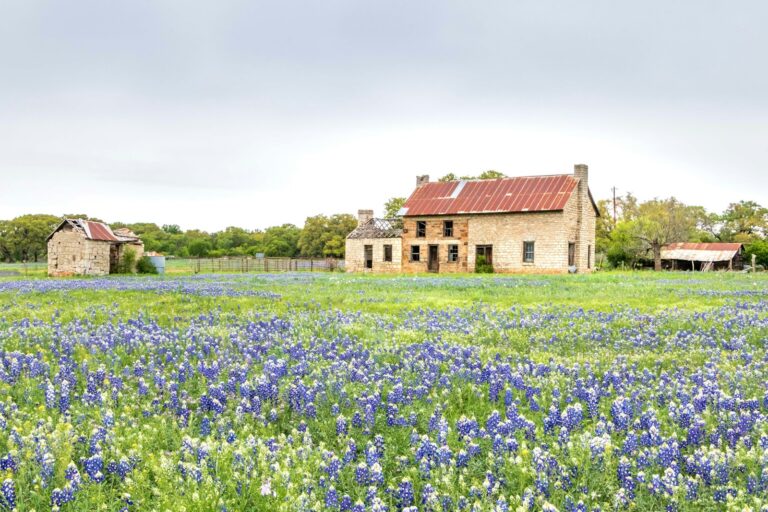
The best family-friendly vacation spots are only half the decision: the other half is the week you book, because school holidays can turn an easy trip into long queues, full beaches and sold-out rooms. This guide picks ten destinations that work well with children, from the Algarve and Tenerife to Orlando, Costa Rica, Oahu and Lapland, and gives each one a best month for families. It also maps the school-holiday crowd weeks that matter most, so you can see when each place is calm and when half the families of a country arrive at once. Weather figures are long-term averages, and every year differs.

When to Go guides
Choose your country, then your month
24 country guides, each about 100 pages: every month rated for weather, crowds and prices, region by region, with a 7-day booking plan. Six guides per region bundle.
Browse the 24 guides · $19 eachRegion bundles: Europe, Asia & Pacific, Sun Souks & Safari, Americas · $47 each
School-holiday pressure by month
Book the calm months, dodge the red ones
Jan
New Year rush ends
Feb
Half-term, Presidents’ Day
Mar
US spring break
Apr
Easter, Semana Santa
May
Golden Week, late half-term
Jun
Quietest school month
Jul
Summer holidays start
Aug
Peak, plus Obon
Sep
Schools back
Oct
Autumn half-term
Nov
Calm until Thanksgiving
Dec
Christmas and New Year
CalmBusy weeksCrowded
A general guide built from UK, US, Japanese, Costa Rican, South African and Australian school and public holiday patterns. Exact dates move every year and differ by region.
Quick answer
For a family trip, aim for the weeks just outside the school holidays: June in the Algarve, September in Crete and Bali, October on Oahu, November in Tenerife and Japan, February in Orlando, Cape Town and Lapland, and March in Costa Rica. Avoid US spring break in March, Easter week, the late-July to August peak, and the Christmas to New Year fortnight unless you book very early.
Key takeaways
The same beach can feel twice as busy in a school-holiday week as in the week before it, so the date matters as much as the place.
English schools usually break for about six weeks from late July, with half-terms in mid-February, late May and late October.
Spring break at Walt Disney World usually builds from early March into mid-April, and Easter week is one of the busiest of the year.
In Costa Rica, Semana Santa fills beach hotels, closes banks and offices and doubles road times to the Pacific coast.
Japan’s Golden Week, from 29 April to 5 May, and Obon in mid-August are the two weeks families should plan around there.
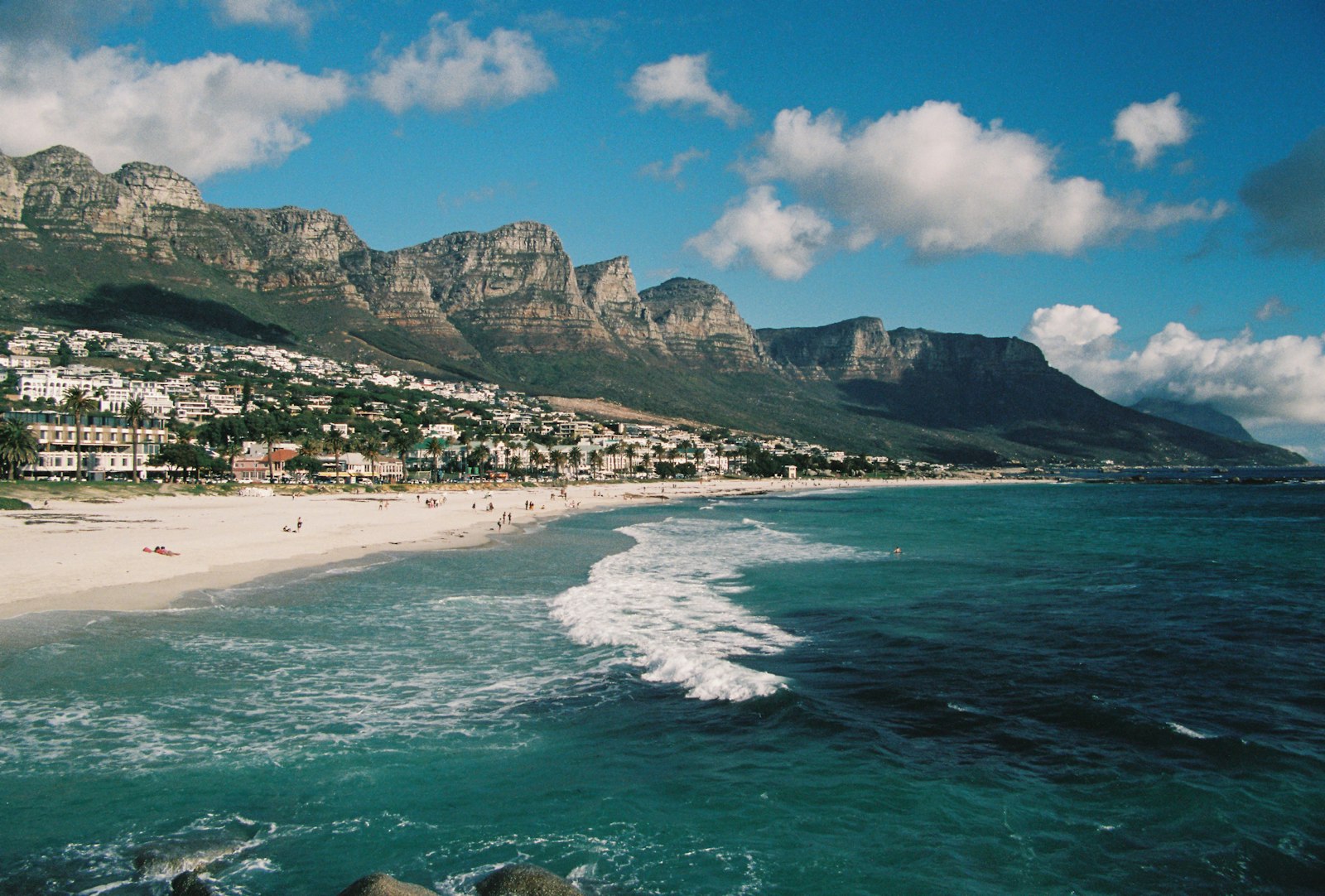
Family-Friendly Vacation Spots at a Glance
This section gives each of the ten destinations a best month for families and flags the weeks to handle with care. The verdict tiles show the month we would book first, and the second pill shows the school-holiday period that fills each place.
Best month and crowd weeks, by destination
No. 1
Algarve, Portugal
Go June
Go with care Late July to August
No. 2
Tenerife, Canary Islands
Go November
Go with care Late-October half-term
No. 3
Crete, Greece
Go September
Go with care Late July to August
No. 4
Lapland, Finland
Go February
Go with care Christmas weeks, mid-Feb half-term
No. 5
Orlando, Florida
Go February
Go with care Mid-March to Easter
No. 6
Costa Rica
Go March
Go with care Semana Santa, Christmas
No. 7
Oahu, Hawaii
Go October
Go with care Christmas to New Year
No. 8
Japan
Go November
Go with care Golden Week, Obon
No. 9
Bali, Indonesia
Go September
Go with care July and August
No. 10
Cape Town, South Africa
Go February
Go with care December to mid-January
Weather figures in each section below are monthly averages, so plan one flexible day into any family trip.
🧰 Try it while you read: a free tool for this trip
Free trip timing tool
Family Trip Timing Score
Score any country and month out of 10 for a family trip.
Loading the tool…
Short-Haul Family-Friendly Vacation Spots in Europe
This section covers four destinations that are a short flight for most European families: two sunny beach choices, one island with history, and one winter trip. All four are busiest when the British and other European school holidays line up.
1. The Algarve, Portugal: best in June
The Algarve’s sheltered coves, flat sandy beaches and short transfers make it one of the easiest family beach trips in Europe. In June, Faro averages about 25 °C by day and 15 °C at night, with about 11 hours of sunshine and only two or three rainy days, according to Weather2Travel. The sea is still cool at about 19 °C, so younger children may prefer a heated pool for long swims. The UV index is very high at about 9, so plan shade around midday.
June also sits before the English summer holiday, which usually starts in late July and lasts about six weeks (English school holidays). By August the sea warms to about 21 °C, but beaches and rooms fill. Late May half-term is a busy week too.
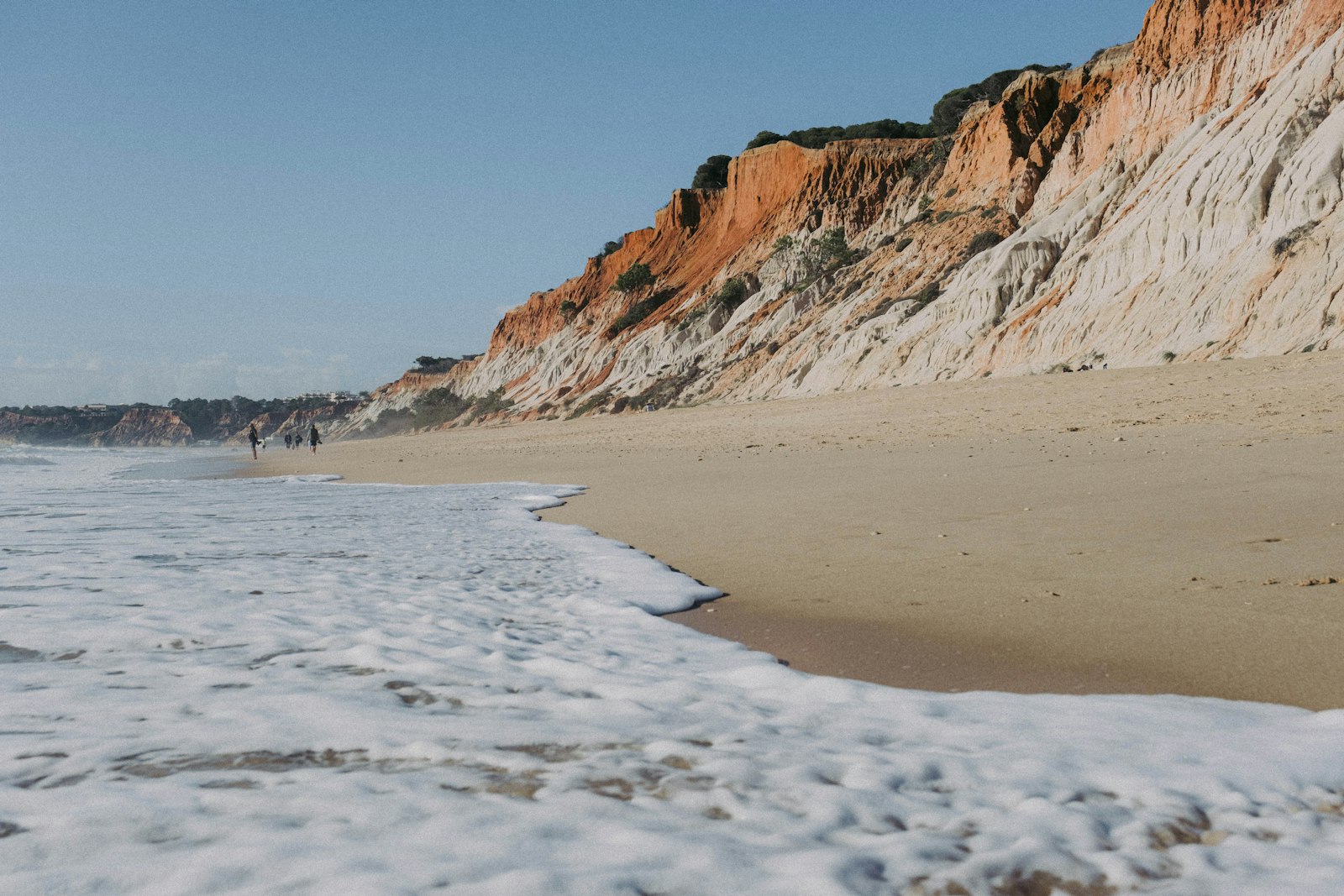
2. Tenerife, Canary Islands: best in November
Tenerife works in every month, which is why it fills up in every school holiday. November is the sweet spot: Santa Cruz de Tenerife averages about 24 °C by day and 18.5 °C at night, with a sea temperature of about 22 °C (Santa Cruz de Tenerife climate data). Days are shorter than in summer, but there is enough sun for the beach every day.

The Smart Timing Bundle
Pick the month, book in the right order, pack once
Six printable timing tools for any trip: the Trip Timing Planner, When to Book, When NOT to Go, the Shoulder Season Playbook, the family timing guide and the Packing by Season System.
See the bundle · $37Six products, $100 separately · Digital download · All sales final
The busy weeks are the October half-term, which for most of England falls in the last week of October (Wego), and the Christmas fortnight. The island’s carnival is usually held in February or early March, with its own children’s contests, if you want a festival trip rather than a quiet one.
3. Crete, Greece: best in September
Crete mixes easy beaches with sites children actually remember, such as Bronze Age palaces and Venetian harbours. In September, Heraklion averages about 25 °C by day and 18 °C at night, with a sea temperature of about 24 °C, about 10 hours of sun and around one rainy day (Weather2Travel). The sea is at its warmest of the year, and the summer crowds thin as schools go back.
Late July and August bring peak crowds and hard midday heat. In October the sea is still about 22 °C, a good choice for the autumn half-term.
4. Lapland, Finland: best in February
Lapland is the classic winter family trip, and the question is less about weather than daylight and crowds. Rovaniemi averages about −7 °C by day and −13 °C at night in February, but it gets about 57 hours of sunshine that month, compared with about 15 hours in January (Rovaniemi climate data). Husky season usually runs from November to April, and Santa Claus Village sits about 8 km north-east of Rovaniemi on the Arctic Circle.
The weeks around Christmas are the darkest of the year and a favourite time for Santa trips, so they book up early. In February, avoid the English half-term week in mid-February if you can, and pack proper thermal layers for small children, who lose heat faster than adults.

Theme Parks, Wildlife and Islands in the Americas
This section covers three long-haul favourites for families: the theme parks of Orlando, the wildlife of Costa Rica and the calm beaches of Oahu. Here, US school calendars and local holidays set the crowd weeks.
5. Orlando, Florida: best in February
Orlando’s theme parks are built for children, but queues decide how much of them you see. February is the best compromise: highs of about 24 °C, lows of about 12 °C and roughly 52 mm of rain over about eight days. Spring break is the pressure point. Disney Tourist Blog says crowds usually build from early March into mid-April, with mid-March and Easter week among the busiest of the year.
Presidents’ Day, the third Monday in February, often comes with a school break, so avoid that long weekend. Later in the year, the Atlantic hurricane season runs from 1 June to 30 November, with most activity from mid-August to mid-October (National Hurricane Center). Early November is mild and calmer, until Thanksgiving week brings the biggest crowds of the month.
6. Costa Rica: best in March
Costa Rica gives children sloths, monkeys, turtles and warm surf in one trip. The dry season runs roughly from late December to April and is most reliable on the Pacific side; the Caribbean coast has no true dry season. Responsible Travel notes that national parks and beaches are very busy in January and February, so March is the best balance of sun and space.

The complete kit
Every country guide, every timing tool
All 24 When to Go country guides, the six Smart Timing tools and every 12-Month Map, with a Start Here that tells you what to open first.
See the kit · $127The five bundles cost $225 separately · Digital download · All sales final
The week to watch is Semana Santa, the week before Easter. According to The Tico Times, hotels on both coasts can fill completely, government offices and banks close, many supermarkets cut their hours, and drivers heading to the Pacific should allow double the normal travel time. If Easter falls in March, move your trip to the weeks after it. July is another option: Guanacaste often has a short drier spell, and green turtles nest at Tortuguero.
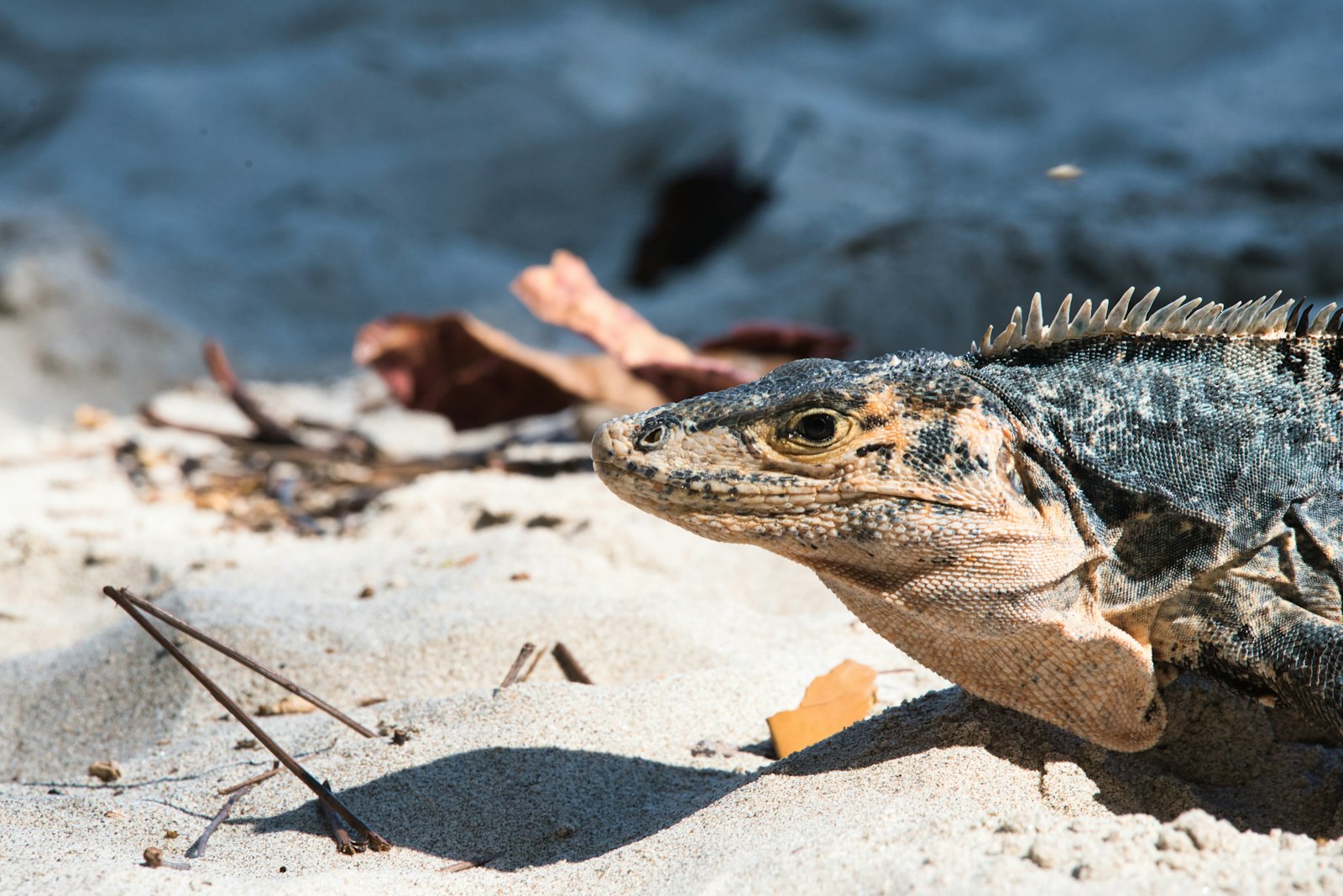
7. Oahu, Hawaii: best in October
Oahu suits families who want warm water, easy snorkelling and short drives. In October, Honolulu averages about 30.5 °C by day and 23 °C at night, with a sea temperature of about 26.5 °C. It is a shoulder month, after the summer holidays and before the winter rush. Winter surf season runs from November to April, when north shores get big, dangerous swells and south shores stay small (Hawaii Ocean Safety), so pick south-shore beaches with young children in winter.
Book the popular sights ahead: Hanauma Bay takes online reservations two days ahead at 7 a.m. and is closed on Mondays and Tuesdays, and Diamond Head needs reservations for non-residents. The Christmas to New Year fortnight is another busy family period, so book early if those are your only dates.
Long-Haul Family Trips to Asia and Africa
This section covers three destinations that reward a longer trip: Japan for cities and trains, Bali for beaches and culture, and Cape Town for beaches, mountains and penguins. Each has its own local holiday calendar to work around.
8. Japan: best in November
Japan is safe, clean and full of things children love, from bullet trains to animal parks. November is our pick: Tokyo averages about 17 °C by day and 10 °C at night, with about 95 mm of rain over eight days, and the maple season in Kyoto usually runs from mid-November to early December (Climates to Travel). September is hotter, wetter and a peak typhoon month.
Avoid Golden Week, from 29 April to 5 May, when trains, airports and sights are very crowded and rooms book out well in advance (Japan Guide). Obon, usually around mid-August, is another heavy travel week.
9. Bali, Indonesia: best in September
Bali works well for families thanks to calm beaches in the south, rice terraces and temple visits that fit into half-days. In September, it averages about 30 °C by day and 24 °C at night, with about 40 mm of rain over three days and a sea temperature of about 27 °C (Climates to Travel). The dry season usually runs from April to October.
July and August are the busiest months, and prices can creep up in late September when Australian families arrive for their school holidays. Go in early to mid-September for the best mix. From November to March the wet season brings heavy afternoon storms; January is the wettest month.
10. Cape Town, South Africa: best in February
Cape Town gives families beaches, Table Mountain, penguins at Boulders Beach and day trips to the winelands in one base. February averages about 27 °C by day and 16.5 °C at night, with only about two rainy days (Cape Town climate data). The south-easter, known as the Cape Doctor, can blow hard in spring and summer, so keep a sheltered beach in mind for windy days.
December and January are high season, and they line up with the long South African school summer holiday, so beaches and attractions are at their busiest. By February local schools are back and the days are still long, warm and mostly dry. Note that the Atlantic beaches stay cool for swimming all year, so many families swim on the False Bay side.
School Holiday Crowd Weeks to Plan Around
This section lists the holiday periods that move crowds and prices at family destinations. You may have to travel in one of them, but knowing which ones overlap with your destination lets you pick the quieter of two options.
| Holiday period | Usual timing | Where it hits hardest |
|---|---|---|
| English February half-term | Mid-February, one week | Lapland, Tenerife, ski resorts |
| US Presidents’ Day weekend | Third Monday in February | Orlando, US parks |
| US spring break | Early March to mid-April | Orlando, Florida beaches, Hawaii |
| Easter and Semana Santa | March or April, moves each year | Costa Rica, Spain, the Algarve, Crete |
| Golden Week | 29 April to 5 May | Everywhere in Japan |
| English summer holidays | Late July, about six weeks | Algarve, Crete, Tenerife, Bali |
| Obon | Around mid-August | Japanese trains and resorts |
| Australian spring holidays | Late September to early October | Bali |
| English October half-term | Usually the last week of October | Tenerife, Crete, Orlando |
| Christmas and New Year | Late December to early January | Lapland, Cape Town, Hawaii, Orlando |
🗓️ Free: a 12-Month Map for your country
Every month on one page: best weeks, shoulder weeks and the ones to skip. Print it or keep it on your phone.
Sources: English school holidays and Wego for UK dates; Disney Tourist Blog for spring break; Japan Guide for Golden Week. Dates differ by region and school, so always check your own school calendar first. Prices change; check before you book.
Tip
Tied to school holidays? Fly out on a weekday a few days after the break starts, or come home a few days early. Airports and bookings are usually calmer than on the first Saturday.

Want a quick read on any destination and month? The free Best Month Finder shows the strongest months for a place, and the Festival Month Matcher flags festival weeks and holiday clashes.
When Not to Go: Weeks That Test Families
This section is the honest part. None of these weeks rules a trip out, but each makes travel with children harder, and most have a better alternative close by.
| Avoid | Why | Do this instead |
|---|---|---|
| Orlando in mid-March and Easter week | Peak spring break crowds and long waits | Go in February, outside Presidents’ Day weekend |
| Costa Rica’s Pacific coast in Semana Santa | Full hotels, closed banks, double road times | Go in early March or the week after Easter |
| Japan in Golden Week | Trains and rooms booked out | Go in mid-May or November |
| Crete and the Algarve in August | Peak heat and peak crowds | Go in June or September |
| Bali from November to March | Wet season with heavy storms | Go from April to October |
| Oahu’s north shore in winter | Big, dangerous surf | Stay on the south shore, or go in October |
| Lapland on the weekends before Christmas | Most popular, darkest weeks | Go in February or March |
Not sure about your own dates? Run them through the free When Not to Go checker or check storm timing with the Storm Season Check.
Better Month If You Want Something Else
This section helps if your family has a different goal from a calm beach week.
If you want
Warm sea above everything
Go to Crete or Bali in September, or Oahu in October. The water is at or near its warmest and the summer rush is over.
If you want
Snow and huskies
Go to Lapland in February or March, when the days are longer. Our family trips in February covers more winter options.
If you want
A safari with children
Look at the dry season in southern and eastern Africa; our guide to safaris with kids explains minimum ages and timing.
If you want
A summer holiday you cannot move
Choose cooler, greener places; our list of family destinations in August and family islands for October half-term helps.
Long flights are often the hardest part of a trip with small children. Our guide to flying with kids covers seats, timing and what to carry on board.
5 Common Mistakes When Choosing a Family Trip
1. Choosing the place before the week
Many families pick a destination, then find that their only free week is its busiest. Start with your possible dates, then match them to the destinations that are calm in that week.
2. Forgetting other countries’ holidays
Your own school calendar is only part of the picture. US spring break fills Orlando, Golden Week fills Japan, Semana Santa fills Costa Rica’s beaches and Australian holidays reach Bali in late September.
3. Planning outdoor days around the midday sun
In June in the Algarve or September in Bali, the UV index is very high. Put beach time in the morning and late afternoon and use the middle of the day for a long lunch, a nap or the pool in the shade.
4. Booking a tight connection with tired children
A missed connection is harder with children than without them. On long-haul routes, allow generous layovers, and for the first night book somewhere close to the airport if you land late.
5. Ignoring sea conditions
Warm air does not always mean safe swimming. Winter surf on Oahu’s north shore, exposed west-facing beaches on the Algarve and windy days in Cape Town all call for a sheltered beach with lifeguards.
Family-Friendly Vacation Spots FAQ
What is the best month for a family vacation?
For most families, the best months are the shoulder weeks next to the school holidays: June and September in Europe, October and November for winter sun, and February for Orlando, Cape Town or Lapland. Weather is still good, but the busiest school-holiday crowds have not arrived or have already gone home. If you must travel in a holiday, pick its first or last days.
Where is the best place to go on vacation with kids?
It depends on age and interests. For young children, short flights and calm beaches such as the Algarve or Tenerife are easiest. For theme parks, Orlando is hard to beat. For wildlife, Costa Rica is a strong pick. Older children often love Japan for its trains and cities, or Cape Town for beaches, mountains and penguins.
How do you avoid crowds during school holidays?
Check which holidays affect your destination, not just your own. Travel on weekdays, start or end the trip a few days before or after the main weekend, and book popular sights such as Hanauma Bay or theme park rides as soon as reservations open. Choose places in their shoulder season, where the holiday crowds are smaller, rather than their peak month.
When is spring break busiest at Disney World?
Spring break crowds at Walt Disney World usually build from early March and run into mid-April. Mid-March, when many large school districts share the same week, and Easter week are among the busiest of the year, with long waits and high demand. January and February outside the Presidents’ Day long weekend are much calmer for families with flexible dates.
Which family-friendly vacation spots are good in winter?
For winter sun, Tenerife has about 24 °C highs in November, Oahu stays warm all year, and Orlando is mild in February. Cape Town is in its summer from December to March, with February the calmer month after local school holidays. For snow, Lapland is the classic choice, with huskies and Santa Claus Village near Rovaniemi.
Is it cheaper to travel just outside school holidays?
Often, yes, but prices change from year to year and route to route, so compare before you book. Demand drops sharply once schools are back, which tends to ease room and flight availability. The week after a holiday is usually calmer than the week before it, because many families try to stretch their trip by leaving early.
The Bottom Line
The best family-friendly vacation spots become much easier when you book the right week: June in the Algarve, September in Crete and Bali, October on Oahu, November in Tenerife and Japan, February in Orlando, Lapland and Cape Town, and March in Costa Rica. Check both your own school calendar and the destination’s holidays before you commit. For more ideas, browse our family vacation guides.
Three timing guides in one
The Smart Timing Bundle
Bring the core timing tools together: when to book, when not to go and how to use shoulder season, so every family trip lands in the calm weeks rather than the crowded ones, wherever you decide to go.
Digital download · All sales final
Free download
The 12-Month Map, free
The whole year for one country on four printable pages, so you can see the right months before you read anything else.
- Good, shoulder and avoid months at a glance
- Region by region, not one average for the whole country
- Prints cleanly on US Letter
Your download page opens as soon as you sign up. 24 countries available.