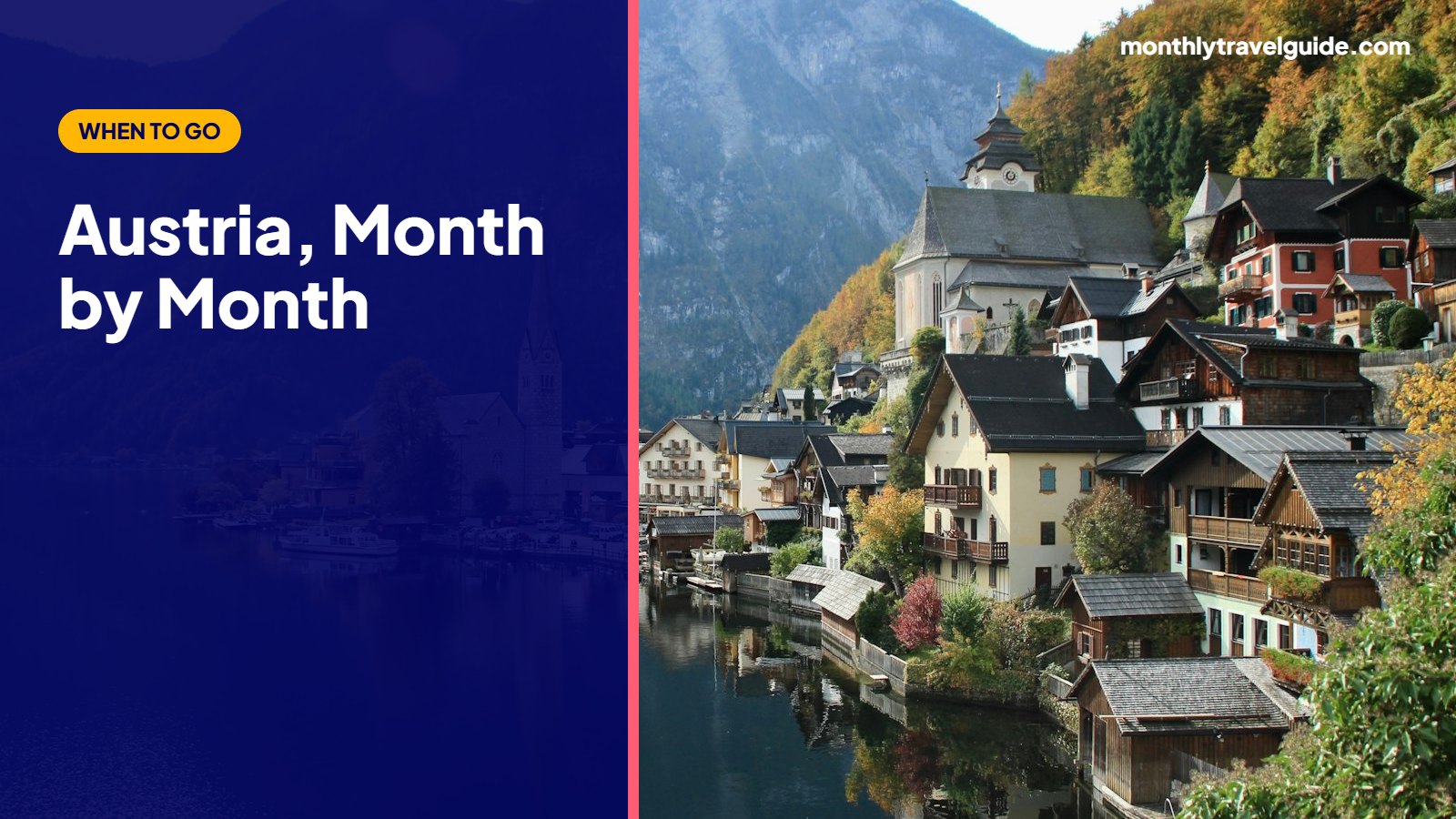
The best time to visit Austria is from May to June or in September, when Vienna sits at about 21 to 25 °C, the Alpine roads and huts are open and the summer crowds have not yet arrived or have just gone home. If you want snow, the ski season runs from about December to early April, and March gives you longer, milder days on the slopes. The hardest months are November, with grey, foggy valleys and most Alpine high roads closed, and late July to August, when rain peaks in the mountains and the lakes, Salzburg and Hallstatt are at their busiest. This guide covers the whole year: a 12-month table, the climate zones, festivals, school holidays and the weeks to avoid.
When to Go guides
Choose your country, then your month
24 country guides, each about 100 pages: every month rated for weather, crowds and prices, region by region, with a 7-day booking plan. Six guides per region bundle.
Browse the 24 guides · $19 eachRegion bundles: Europe, Asia & Pacific, Sun Souks & Safari, Americas · $47 each
Quick answer
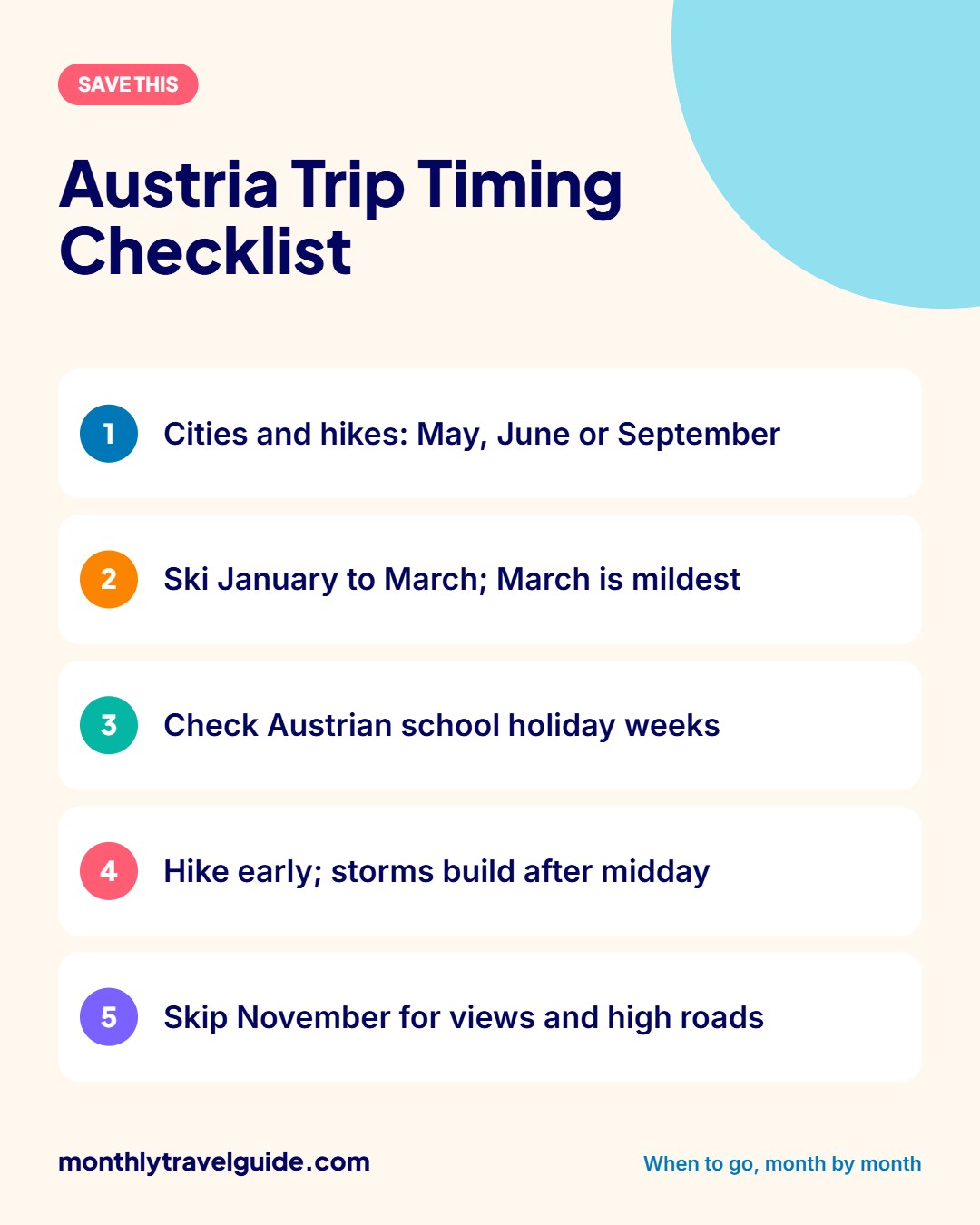
For cities, lakes and hiking, go in late May, June or September: warm days, open high roads and huts, and fewer people than in July and August. For skiing, go from January to March, with March the mildest. For Christmas markets, go from late November to 23 December. Avoid November if you want views, and book early if you must travel in August.
Key takeaways
Austria has two climates: moderately continental in Vienna and the hill towns, and alpine in the high mountains.
Summer is the wettest season almost everywhere, mostly from afternoon thunderstorms; winter is the driest.
Salzburg gets about 1,205 mm of rain a year, close to twice Vienna’s 670 mm.
The Grossglockner High Alpine Road is open from the start of May to the start of November.
Austrian summer school holidays last about nine weeks, from early or mid-July to early or mid-September.
Ski resorts usually have snow from November to April; March brings longer, less cold days.
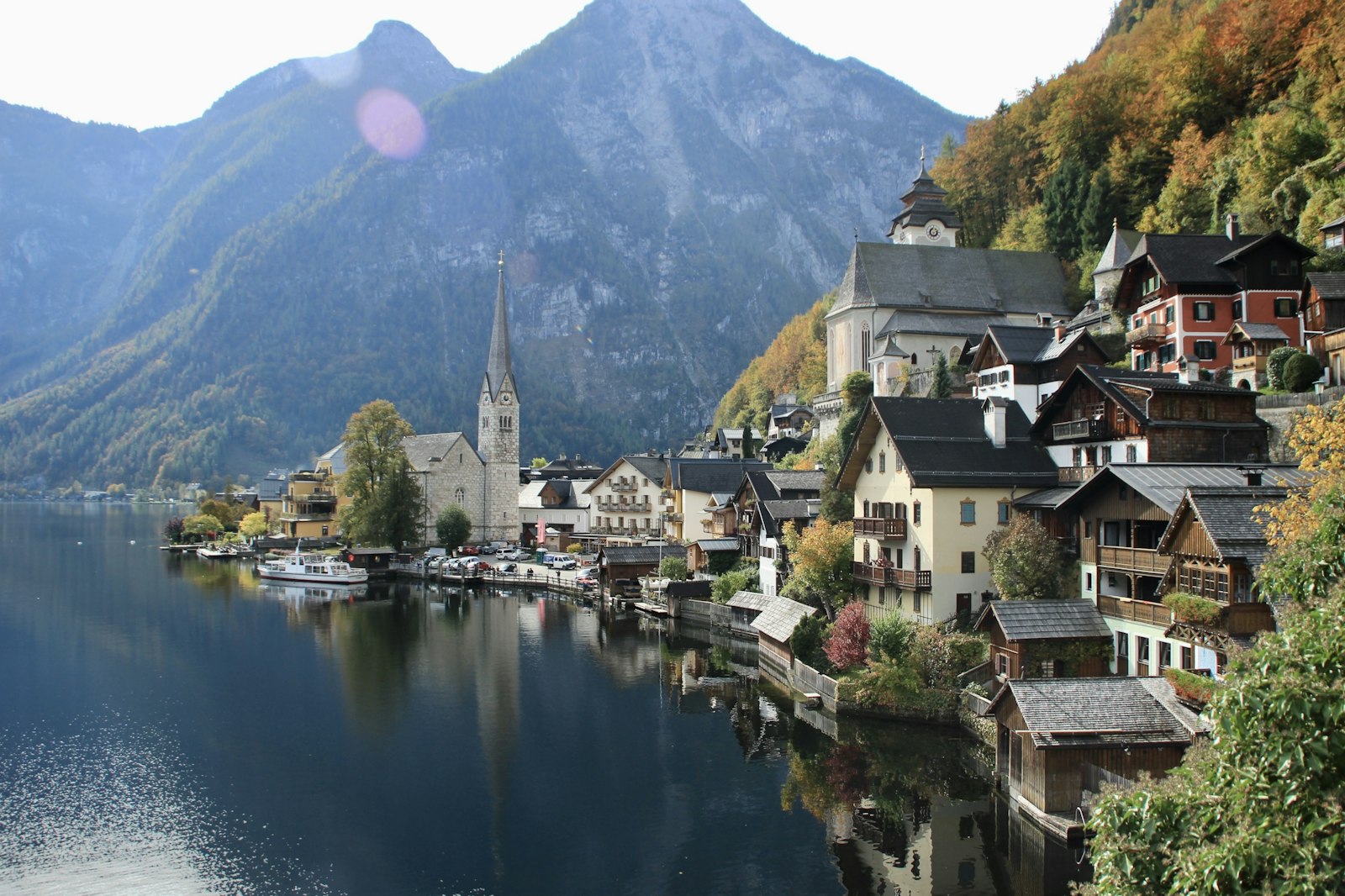
Best Time to Visit Austria: The Year at a Glance
This section rates all twelve months for a first trip that mixes cities, lakes and mountains. The verdict tiles assume you want reliable sightseeing weather; skiers should read the winter months the other way round.
Austria month verdicts
Sightseeing view
Jan
Ski peak, balls, cold cities
Go with careFeb
Skiing; school half-term weeks
Go with careMar
Long ski days, quiet cities
GoApr
Easter, changeable, high roads shut
Go with careMay
Green valleys, open Alpine road
GoJun
Long days, festivals, warm lakes
GoJul
Holiday crowds, storms
Go with careAug
Wettest Alps, busiest lakes
Go with careSep
Settled, mild, harvest begins
GoOct
Autumn colour, cattle drives
GoNov
Fog, grey, between seasons
SkipDec
Christmas markets, early snow
GoVerdicts from Climates to Travel averages, Austrian tourist board event dates and the school holiday pattern.
The pattern is simple once you see it. Late spring and early autumn give the best mix of weather, open mountain roads and space. Winter is excellent if you came for snow, markets or concerts, and poor if you want long walks and views. High summer works, but you share it with the whole of Europe’s school holidays and with the year’s heaviest mountain rain.
🧰 Try it while you read: a free tool for this trip
Free trip timing tool
What Kind of Traveller Are You?
Seven quick taps pick your travel type, then show the countries and months where it shines.
Loading the tool…
Austria Month by Month: Weather, Crowds and Verdict
This section gives the numbers behind the verdicts. Temperatures are average highs and lows for Vienna and Innsbruck, the capital in the east and the Tyrolean city in the Alps, with monthly rain for each, from the long-term climate normals on Climates to Travel.
| Month | Vienna °C (rain) | Innsbruck °C (rain) | Crowds | Verdict |
|---|---|---|---|---|
| January | 3 / −3 (40 mm) | 4 / −5 (45 mm) | High in ski resorts, low in cities | Ski, concerts, balls |
| February | 6 / −2 (40 mm) | 7 / −4 (35 mm) | Busy slopes in half-term weeks | Ski; book school-break weeks early |
| March | 11 / 1 (50 mm) | 12 / 0 (60 mm) | Moderate | Best spring skiing; quiet cities |
| April | 16 / 5 (45 mm) | 16 / 4 (60 mm) | Busy at Easter | Changeable; good city month |
| May | 21 / 10 (75 mm) | 21 / 8 (90 mm) | Moderate | Top month for cities and valleys |
| June | 25 / 14 (70 mm) | 24 / 12 (125 mm) | Rising | Top month; showers in the Alps |
| July | 27 / 15 (80 mm) | 25 / 13 (135 mm) | High | Warm; storms and crowds |
| August | 26 / 15 (70 mm) | 25 / 13 (145 mm) | Highest | Lakes and festivals; book early |
| September | 21 / 11 (65 mm) | 20 / 9 (90 mm) | Falling after mid-month | Top month for hiking and wine |
| October | 15 / 6 (45 mm) | 16 / 5 (70 mm) | Moderate | Colour, cattle drives, cooler nights |
| November | 9 / 2 (45 mm) | 9 / 0 (60 mm) | Low | Fog and grey; markets start late |
| December | 4 / −2 (45 mm) | 4 / −4 (50 mm) | High in market weeks | Christmas markets, early ski |
🗓️ Free: a 12-Month Map for your country
Every month on one page: best weeks, shoulder weeks and the ones to skip. Print it or keep it on your phone.
Two things stand out. First, Vienna is dry all year compared with the Alps: it gets about 670 mm of rain a year, while Innsbruck gets about 965 mm and Salzburg about 1,205 mm. Second, the mountains get most of their rain in summer, so a July or August hiking week is far more likely to meet a thunderstorm than a September one. Climates to Travel notes that the most intense storms come in mid-summer and usually build in the afternoon.
Tip
In the Alps, plan summits and high trails for the morning and be down by early afternoon from June to August. Valley towns, museums and lake swims fill the rest of the day. The free When Not to Go checker checks any month for heat, storms and other weather risks.
Austria’s Regions and Climate Zones
This section explains why the best month changes with where you go. Austria is small, but the climate shifts a lot between the Danube plain, the pre-Alpine lakes, the high Alps and the warmer south.
Vienna and the Danube
Moderately continental and the driest region. Highs about 25 to 27 °C in summer; winters cold, with snow less common than in the mountains. Valleys can sit under fog in late autumn and winter.
Best: May, June, September
Salzburg and the lakes
Wet: Salzburg gets about 155 mm of rain in June and again in August. Locals call the steady drizzle Schnürlregen, string rain. Summer lakes warm to about 20 to 27 °C.
Best: June, September
Tyrol and the high Alps
Alpine. Snow usually falls from November to April at about 1,300 m. Summer is green and wet; above 3,000 m highs stay near freezing even in July.
Best: Jan to Mar (ski), late Jun to Sep (hike)
Styria and Carinthia
Graz and Klagenfurt get very dry winters, about 20 to 25 mm in January, and stormy summers with about 130 mm in August. Klagenfurt’s January highs are only about 2 °C.
Best: May, June, September
Sources: Climates to Travel for the climate zones, regional rainfall, snow at St Anton, valley fog and the föhn; the Austrian tourist board for lake temperatures. The föhn is a warm, dry wind that drops down from the mountains; when it blows from the south, temperatures can jump suddenly and snow can melt fast.

The Smart Timing Bundle
Pick the month, book in the right order, pack once
Six printable timing tools for any trip: the Trip Timing Planner, When to Book, When NOT to Go, the Shoulder Season Playbook, the family timing guide and the Packing by Season System.
See the bundle · $37Six products, $100 separately · Digital download · All sales final
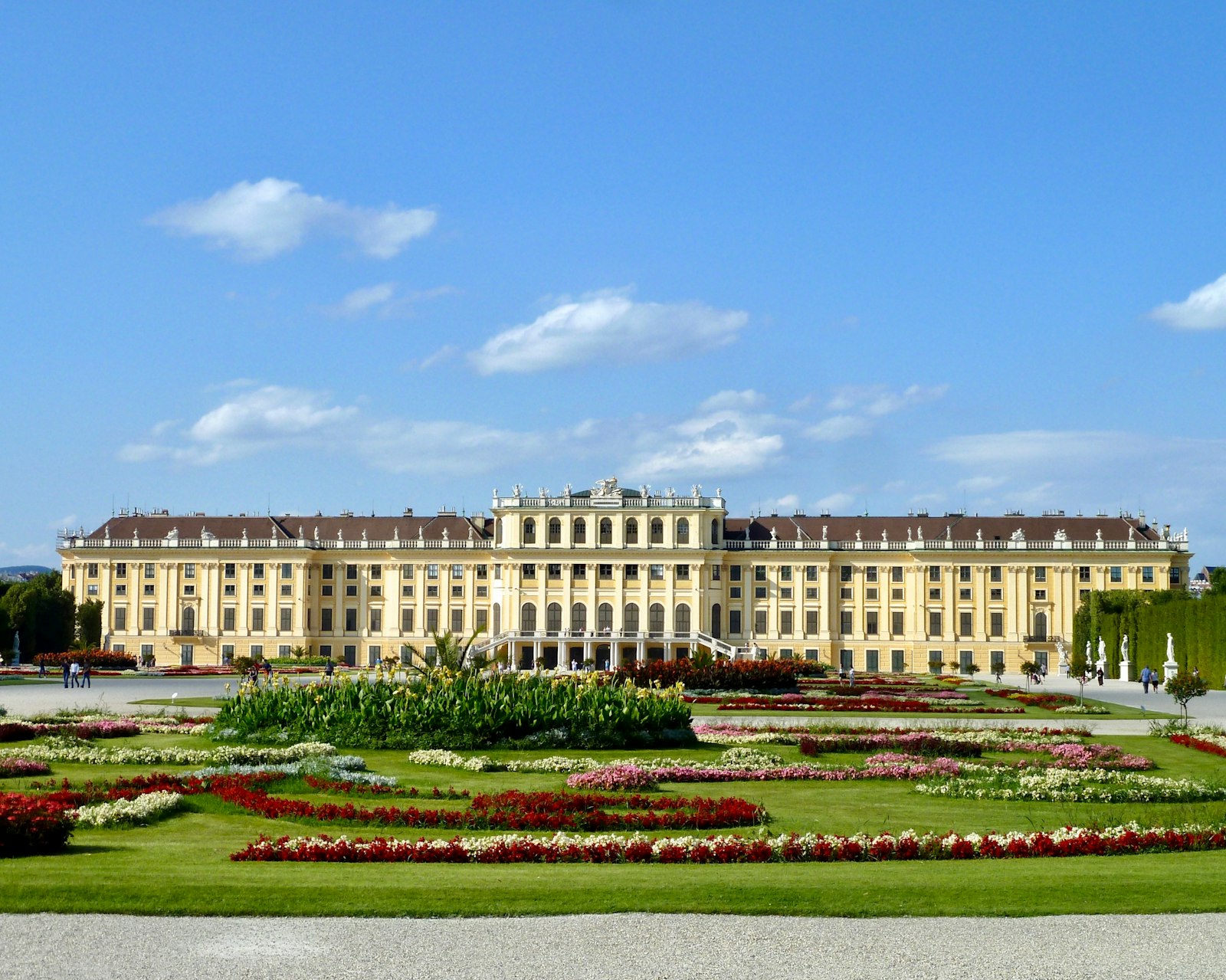
Vienna rewards almost any month that is not November. Spring and autumn are ideal for long walks between palaces, museums and coffee houses, while winter swaps the gardens for concerts, balls and markets. Climates to Travel names May, June and September as the best months for city visits and calls December to February cold and dull for sightseeing. For a city-by-city look at autumn, see our guide to European cities in September, and for spring city breaks, read places to visit in Europe in May.
Festivals and Events in Austria, Month by Month
This section lists the events that shape demand for rooms. Dates move a little each year, so treat them as usual timings and check the official calendars before you book.
January
New Year’s Concert in Vienna on 1 January; the Hahnenkamm World Cup ski race in Kitzbühel, usually mid-January; Mozart Week in Salzburg, usually late January around Mozart’s birthday on 27 January.
January to Lent
The Vienna ball season. It is usually said to open in mid-November and runs until the start of Lent, with the busiest weeks in January and February.
Late June
Donauinselfest, a free open-air music festival on the Danube Island in Vienna, usually over three days.
Late July to August
The Salzburg Festival of opera, concerts and drama, about five to six weeks, and the Bregenz Festival on its floating stage on Lake Constance, which usually starts in late July.
September to October
Almabtrieb, the return of decorated cattle from the high pastures to the valleys. Dates vary by region and weather.
Late November to December
Christmas markets open in late November. Krampus runs take place around 5 December. The Salzburg Christkindlmarkt usually runs from the Thursday before the first Sunday of Advent to 1 January.
Sources: the events and traditions pages of the Austrian tourist board; Salzburger Festspiele for the Salzburg Festival; Salzburg tourist board for the Salzburg Christmas market dates. Our guide to Salzburg’s music festivals covers Mozart Week, Easter, Whitsun and summer in detail, and Salzburg month by month shows how the city changes through the year.
Festival weeks push up demand in one town, not the whole country. Salzburg in August and Vienna in market season fill fast, while a valley an hour away can feel quiet. Run your dates through the free Festival Month Matcher to see what else is on.
Month-by-Month Quick Notes
This section adds the detail behind each month, in short notes you can scan before you choose dates.
January and February
Peak ski season, with the coldest weather of the year. Cities are calm outside the ball nights. February days are already noticeably longer than December’s, and Climates to Travel points out that this makes it a better ski month than the darkest weeks.
March
Often the sweet spot for skiing: long, sunny days and less cold, with snow still good at altitude. Cities are quiet before Easter.
April
A mixed month. Low resorts close, high roads stay shut, and the weather swings between spring days and snow showers. Easter weeks are busy. Hellbrunn’s trick fountains in Salzburg open again in late March.
May and June
The Grossglockner High Alpine Road reopens at the start of May, valleys turn green and days are long. Higher hiking trails can hold snow into June.
July and August
Warmest weather, warm lakes and the big festivals, but also the busiest weeks and the most rain in the mountains.
September
Settled, mild and quieter once Austrian schools are back. One of the best months for hiking, lakes, wine country and cities.
October
Golden larches, cattle drives and harvest food. Mountain roads and huts start to close later in the month.
November and December
November is the low point. December brings snow to the mountains and lights to the cities, with markets from late November.
The high roads are a good example of how much the season matters. The Grossglockner High Alpine Road is open from the start of May to the start of November and closes all winter because the snow makes it impassable. In summer it opens as early as 5:30 in the morning, so you can be on the pass before the coaches arrive.
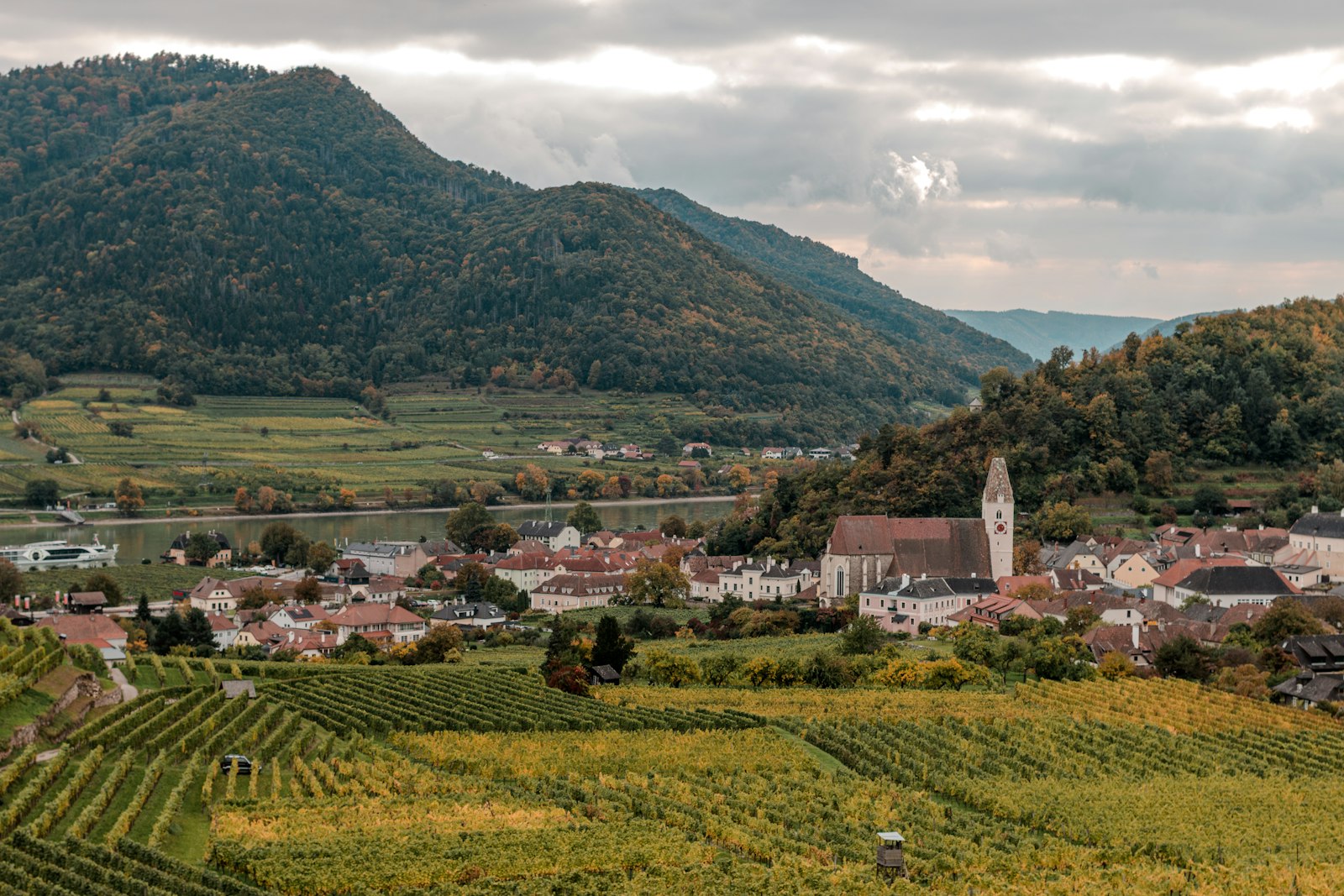
The Wachau Valley, west of Vienna, is a good example of a region that peaks outside high summer. Its vineyard slopes are at their best from late spring to the autumn harvest, and a September or October visit pairs mild days with the grape harvest. If you want the same kind of trip across more of the continent, our pick of Europe destinations in July covers the warm end of the season.
When Not to Go to Austria
This section is the honest part. Austria works all year, but some weeks can spoil a trip if you choose them by accident.
| Avoid | Why | Do this instead |
|---|---|---|
| November for scenery | Grey skies, valley fog, high roads closed, ski season not yet started | Go in late September or October |
| August at the lakes and Hallstatt | Peak school holidays across Europe; Hallstatt has seen estimates of 10,000 to nearly 30,000 visitors a day | Go in June or September, early or late in the day |
| Alpine hikes in mid-afternoon in July | Thunderstorms build most afternoons in the mountains | Start at dawn, finish by early afternoon |
| February half-term weeks for skiing | Austrian semester breaks fill resorts, staggered across three weeks of February | Ski in March or in January after the holidays |
| Late April to early May for high routes | Snow still on high trails; the Alpine road opens only at the start of May | Go from late June for high trails |
Sources: Expatica for the school holiday pattern; Wikipedia for the Hallstatt visitor estimates, also covered in our guide to Hallstatt in December.
The complete kit
Every country guide, every timing tool
All 24 When to Go country guides, the six Smart Timing tools and every 12-Month Map, with a Start Here that tells you what to open first.
See the kit · $127The five bundles cost $225 separately · Digital download · All sales final
Important
Austrian school holidays drive prices and crowds more than the weather does. The semester break takes about a week in February, staggered by state. Easter takes about a week and a half. Summer lasts about nine weeks: Vienna, Lower Austria and Burgenland usually break up in early July and return in early September, and the other states a week later. There is also an autumn week around 1 November and about two weeks at Christmas.
Not sure about your dates? The free Shoulder Season Detector finds the calmer weeks either side of the peak, and the When to Book calculator shows how far ahead to book for any month.
Better Month by Travel Style
This section matches the month to the kind of trip you want, because the best time to visit Austria for a skier is the worst for a hiker.
If you want
City break
May, June or September in Vienna, Salzburg and Graz; December for markets and concerts.
If you want
Skiing
January to March, with March for longer, milder days. Ski Arlberg around St Anton and Lech is the largest connected ski area in Austria.
If you want
Hiking and huts
Late June to September, with September the most settled and the least crowded.
If you want
Lakes and swimming
July and August, when lakes warm to about 20 to 27 °C; late June and early September are calmer.
If you want
Road trips over the passes
June and September, when the high roads are open and traffic is lighter.
If you want
Christmas markets
From late November to 23 December; weekdays are calmer than Saturdays. See our list of December food markets.
If Salzburg is your base, our three days in Salzburg fits neatly into a May, June or September trip, and Hellbrunn’s trick fountains run from late March to 1 November. Prices change; check before you book.
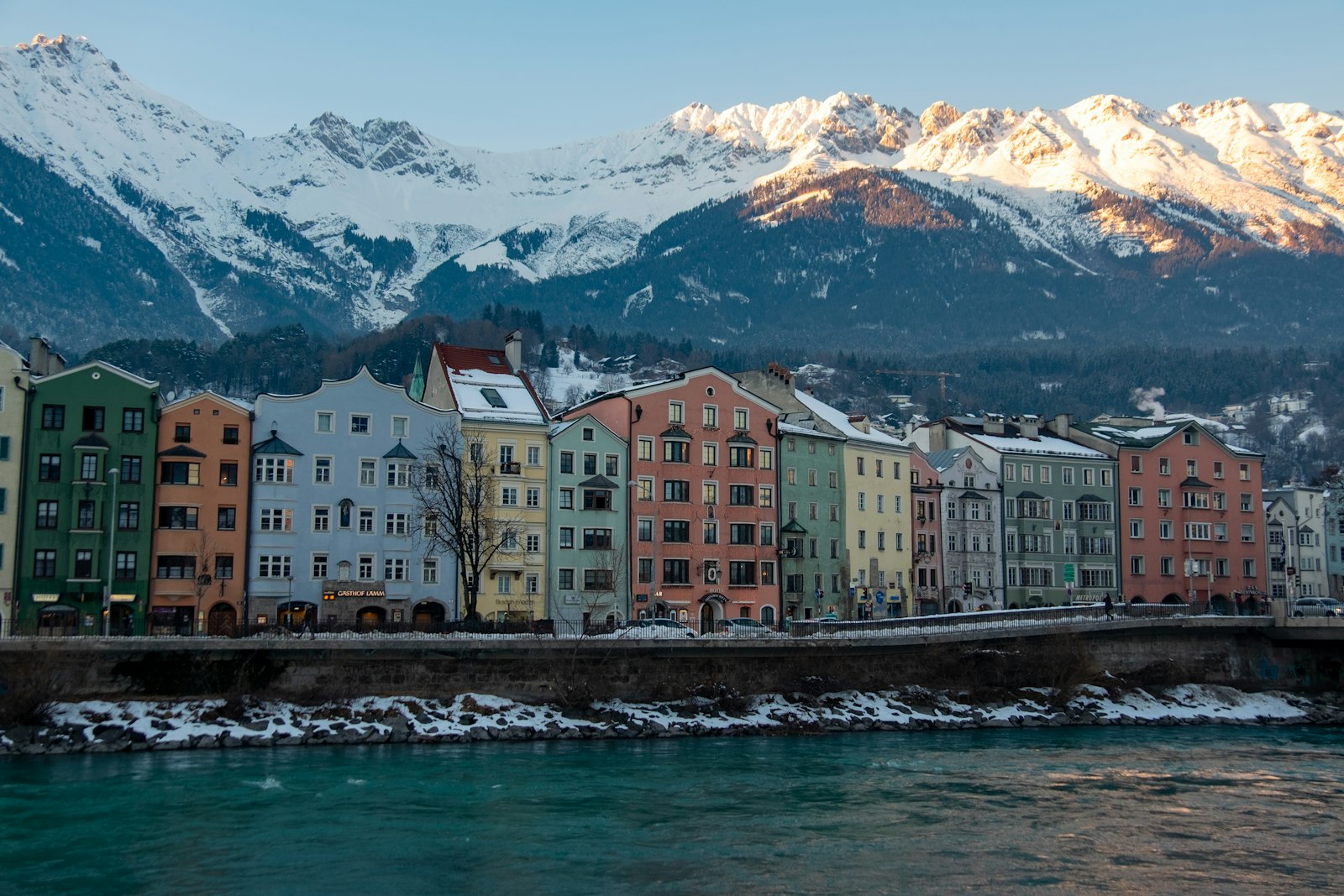
Innsbruck shows the Alpine pattern well: the city sits at about 580 m with mountains close on every side, so you can ski in the morning in winter or hike from town in summer. Its rain doubles from about 60 mm in April to about 125 to 145 mm a month from June to August, which is why September often feels like the better summer month.
5 Common Mistakes When Timing an Austria Trip
1. Planning high Alpine routes for May
Valleys look green in May, but high trails and huts often still hold snow and many are not open yet. Save the high routes for late June to September.
2. Treating summer as the dry season
In most of Austria, summer is the wettest time of year, and the rain comes in afternoon thunderstorms. Build in flexible half-days and start mountain walks early.
3. Forgetting the school holiday calendar
February half-term weeks fill ski resorts and July and August fill the lakes. Check the Austrian and neighbouring countries’ holidays before you lock in dates.
4. Visiting Hallstatt at midday in peak season
Day coaches crowd the village in the middle of the day. Arrive early, stay the night or visit outside summer for a calmer experience.
5. Choosing November for a scenic road trip
November is the grey gap between seasons: fog sits in the valleys, the Alpine road is closed and the ski lifts have not started. Go in October instead.
Best Time to Visit Austria: FAQ
What is the best month to visit Austria?
September is the best single month for most travellers. Vienna averages about 21 °C, Alpine trails and roads are still open, the lakes are warm and the crowds fall away once Austrian schools go back. May and June are close behind. For skiing, choose January to March, with March giving the longest and mildest days on the slopes.
What is the cheapest time to go to Austria?
The quietest weeks are usually November, the weeks after Easter in spring, and late October once mountain hotels start to close. Cities are calm in January and March outside events. Ski resorts cost most in school holiday weeks, especially February half-term and Christmas. Prices change, so compare dates with a timing tool and check before you book.
When is the rainy season in Austria?
Austria has no single rainy season, but summer is the wettest time almost everywhere, mostly from afternoon thunderstorms. Innsbruck gets about 145 mm of rain in August against about 35 mm in February, and Salzburg about 155 mm in June and August. Vienna is the driest major city, with about 40 to 80 mm a month across the year.
When is ski season in Austria?
The main ski season runs from about December to early April. At around 1,300 m, as at St Anton, snow usually falls from November to April, and sometimes in October and May. January and February are the coldest months with the most reliable cover. March brings longer, sunnier and less cold days, which many skiers prefer.
Is Austria worth visiting in winter?
Yes, if you want snow, culture or Christmas markets. Ski resorts, the Vienna ball season and concerts make winter busy and festive. Cities are cold, with Vienna highs around 3 to 4 °C, and valleys can be foggy. The Grossglockner High Alpine Road is closed from the start of November to the start of May.
When do the Christmas markets open in Austria?
Most Christmas markets open in late November and run until about 23 or 24 December, with some open to 1 January. The Salzburg Christkindlmarkt usually starts on the Thursday before the first Sunday of Advent and closes on 1 January. Krampus runs are held around 5 December. Weekday evenings are calmer than Saturdays.
The Bottom Line
The best time to visit Austria is late May to June or September for cities, lakes and hiking, and January to March for skiing, with late November to December for the markets. Skip November for scenery and plan around August crowds and afternoon storms in the Alps. For more country timing guides, browse our country guides.
Every month, every trip
The Complete Travel Timing System
The full kit for choosing dates: every country guide, region bundle and timing tool in one set, so you can compare Austria with the rest of Europe, see the crowd and weather weeks side by side and book the right month the first time.
Digital download · All sales final
Free download
Which month for your country?
Get the free 12-Month Map: every month marked good, shoulder or avoid, region by region, on four printable pages.
- Greece to Japan, Morocco to Peru: 24 countries
- See the crowd and price peaks before you book
- Free, no purchase needed
Your download page opens as soon as you sign up. 24 countries available.