
Europe destinations in July split cleanly in two: the south is at its hottest and busiest, while the north has its longest days, greenest hills and warmest water of the year. Seville averages about 36 °C by day, Athens about 33 °C, and heatwaves push both higher, while Bergen, Reykjavik and Edinburgh sit at a comfortable 15 to 20 °C. This guide rates 13 places as go, go with care or skip, with the numbers behind each call.

When to Go guides
Choose your country, then your month
24 country guides, each about 100 pages: every month rated for weather, crowds and prices, region by region, with a 7-day booking plan. Six guides per region bundle.
Browse the 24 guides · $19 eachRegion bundles: Europe, Asia & Pacific, Sun Souks & Safari, Americas · $47 each
36 °C
average July high in Seville
33 °C
average July high in Athens
15 °C
average July high in Reykjavik
20 h
of daylight in Iceland in July
Key takeaways
- 1July is the hottest month in most of southern Europe and the busiest month almost everywhere, so the question is not where is quiet but where the conditions suit your trip.
- 2The north is the comfortable choice: Bergen, Edinburgh, Dublin and Reykjavik average 15 to 20 °C by day, with long evenings but regular showers.
- 3Seville, Athens and Rome are workable only if you sightsee early and late, rest through the afternoon and book timed tickets well ahead.
- 4The Acropolis has closed during the hottest hours in past heatwaves, so build a spare morning into any Athens plan.
- 5For warm swimming, the Adriatic and Aegean are at about 24 to 25 °C, while Atlantic coasts like Lisbon and San Sebastián stay much cooler.
- 6If the Mediterranean is the goal and the dates are flexible, June or September usually give you the same sea with less heat and fewer people.
Europe destinations in July at a glance: the region table
This section puts 13 July destinations on one screen, from the fjords to Andalusia. The temperature and rain figures are long-term averages from Climates to Travel; the crowd column is our editorial judgement of a typical July, not a measured statistic.
| Place | Day / night | Rain days | Sea | Crowds | Verdict |
|---|---|---|---|---|---|
| Bergen and the western fjords (Norway) | About 20 °C / 12 °C | About 15 | About 14 °C | High | Go |
| Reykjavik and south Iceland | About 15 °C / 9 °C | About 10 | About 10 °C | High | Go |
| Edinburgh and the Highlands (Scotland) | About 19 °C / 11 °C | About 11 | About 14 °C | Very high in August, high in July | Go |
| Dublin and the west coast (Ireland) | About 19 °C / 11 °C | About 11 | About 15 °C | High | Go |
| Tallinn and the Baltic coast (Estonia) | About 22 °C / 13 °C | About 9 | About 16 °C | Moderate to high | Go |
| Brittany (Brest) | About 21 °C / 13 °C | About 10 | About 17 °C | High on the coast | Go |
| San Sebastián and the Basque coast | About 22 °C / 16 °C | About 10 | About 21 °C | High | Go |
| Dolomites (valleys, 1,200 to 1,500 m) | About 20 to 28 °C / 10 to 15 °C | Frequent afternoon storms | — | High from mid-July | Go, start early |
| Lisbon | About 28 °C / 18 °C | About 0 to 1 | About 20 °C | High | Go with care |
| Dubrovnik and the Croatian coast | About 30 °C / 23 °C | About 3 | About 24 °C | Very high | Go with care |
| Rome | About 31 °C / 19 °C | About 2 | About 25 °C (coast) | Very high | Go with care |
| Athens | About 33 °C / 23 °C | About 1 | About 24 °C | Very high | Go with care |
| Seville | About 36 °C / 20 °C | 0 | — | Moderate to high | Skip unless you love heat |
🗓️ Free: a 12-Month Map for your country
Every month on one page: best weeks, shoulder weeks and the ones to skip. Print it or keep it on your phone.
All the climate figures come from Climates to Travel’s city pages for Bergen, Iceland, Edinburgh, Dublin, Tallinn, Brest, San Sebastián, Lisbon, Dubrovnik, Rome, Athens and Seville; the Dolomites valley range comes from a Dolomites hut-to-hut hiking guide. A rain day means a day with some rain, not a wet day: in the north, July showers often pass in an hour or two.
🧰 Try it while you read: a free tool for this trip
Free trip timing tool
Is This a Bad Month to Go?
Pick a country and a month. See if it is a month to skip, what goes wrong, and the better month next to it.
Loading the tool…
Go: the north is at its best in July
This section covers the places where July is close to the best month of the year.
Go
Norwegian fjords
About 20 °C in Bergen, late light, and every fjord ferry and mountain road open.
Go
Iceland
About 15 °C, green valleys, roughly 20 hours of daylight and the highland roads opening.
Go
Scotland and Ireland
About 19 °C, long evenings and the best odds of dry spells, with showers in between.
Go
Baltic, Brittany, Basque coast
Warm, not hot: 21 to 22 °C days and cool sea breezes.
Norway’s fjords: long days, full timetables, peak demand
Western Norway is mild in July. Bergen averages about 20 °C by day and 12 °C at night, with a sea near 14 °C. It’s also wet: about 15 days in July bring some rain, so pack a waterproof whatever the forecast says. According to Fjord Tours’ summer guide, the midnight sun lasts in Tromsø from late May to mid-July, and from Bodø northward the sun stays above the horizon for more than a month; further south it doesn’t set until after 10 pm.
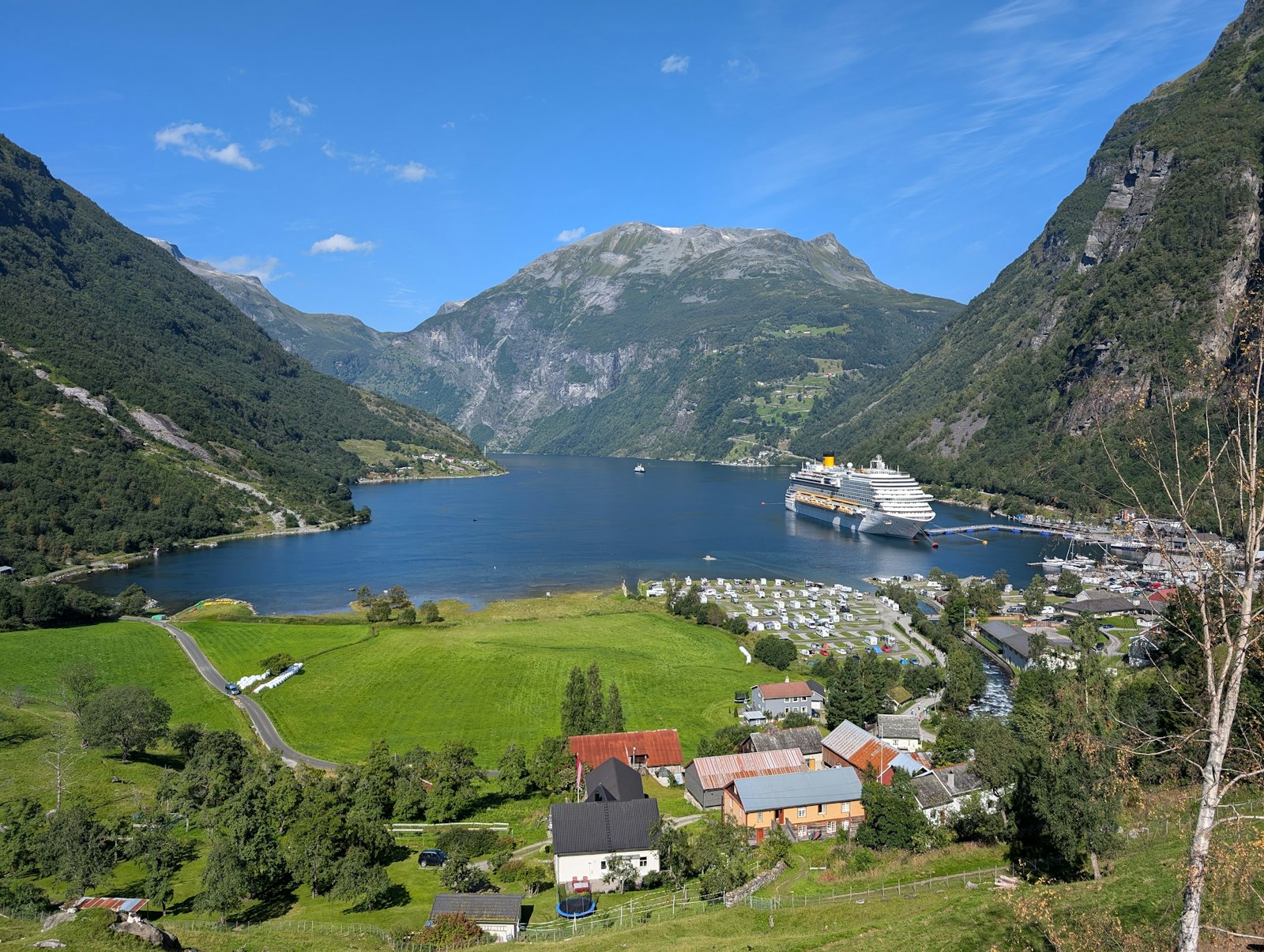
July is also Norway’s own holiday month. The same source advises booking accommodation, trains and fjord cruises three to five months ahead, and notes that June and August see noticeably fewer visitors. The famous sights, such as Flåm, Geirangerfjord and Preikestolen, are busiest in the middle of the day.
Iceland: green, bright and fully open
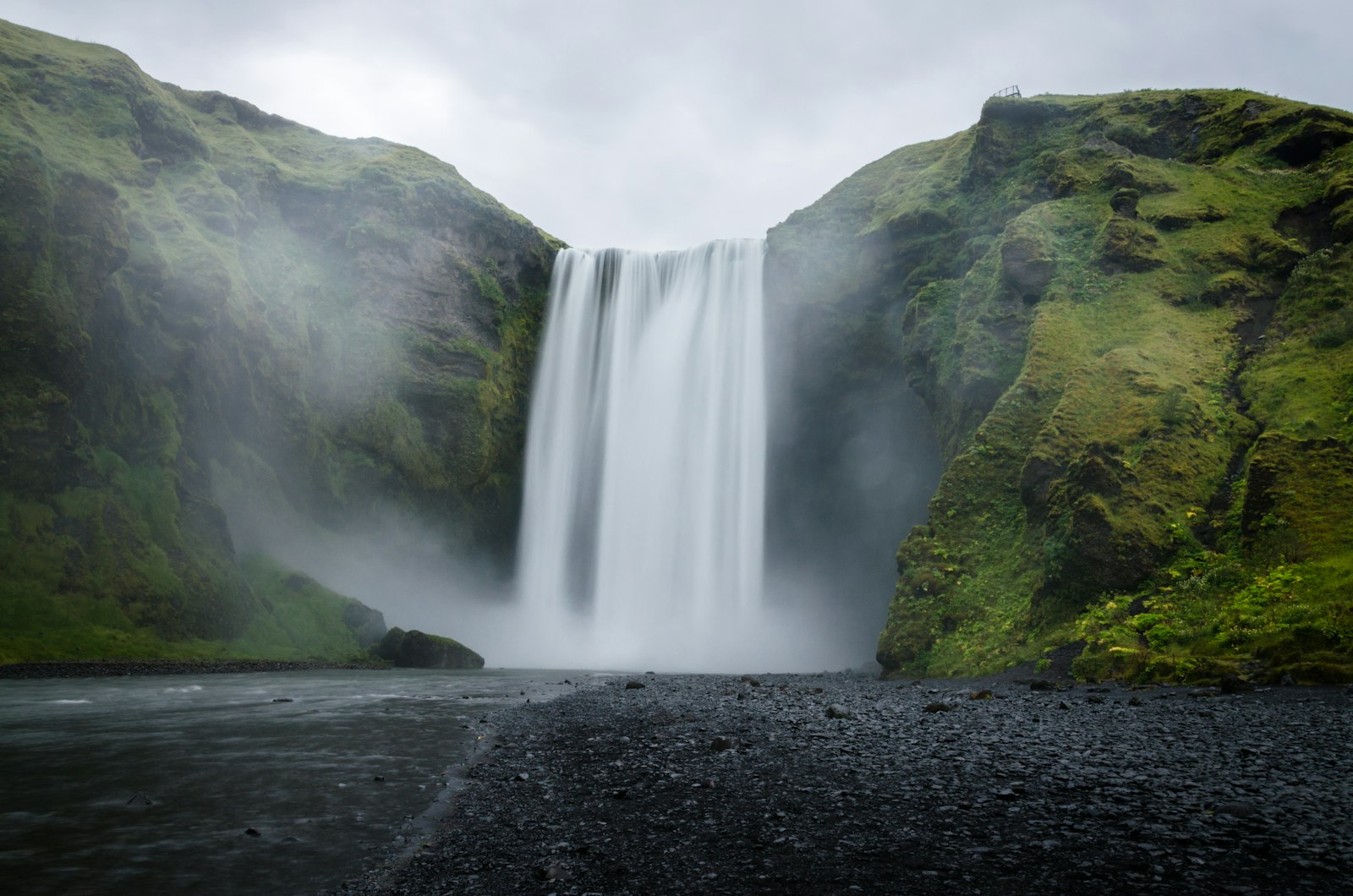
Iceland’s July is cool but reliable for travel. Reykjavik averages about 15 °C by day and 9 °C at night with about 10 days of some rain, and the national figure is close to 20 hours of daylight from sunrise to sunset. The north is often a little drier: Akureyri averages about 7 rain days in July. The highland F-roads usually open between early June and July as the snow melts, and Dangerous Roads says most are passable by early July, though interior routes can open later. Check road.is before you set off each day.

The Smart Timing Bundle
Pick the month, book in the right order, pack once
Six printable timing tools for any trip: the Trip Timing Planner, When to Book, When NOT to Go, the Shoulder Season Playbook, the family timing guide and the Packing by Season System.
See the bundle · $37Six products, $100 separately · Digital download · All sales final
Scotland, Ireland and the Baltic coast
Edinburgh and Dublin both average about 19 °C by day and 11 °C at night in July, with around 11 days of some rain and five and a half hours of sun a day. Edinburgh’s festivals usually fill the city in August, so July is the calmer of its two peak months. Further east, Tallinn is warmer and sunnier, about 22 °C with roughly 10 hours of sun a day and close to 18 hours of daylight, and the Baltic sea reaches about 16 °C.
Brittany and the Basque coast
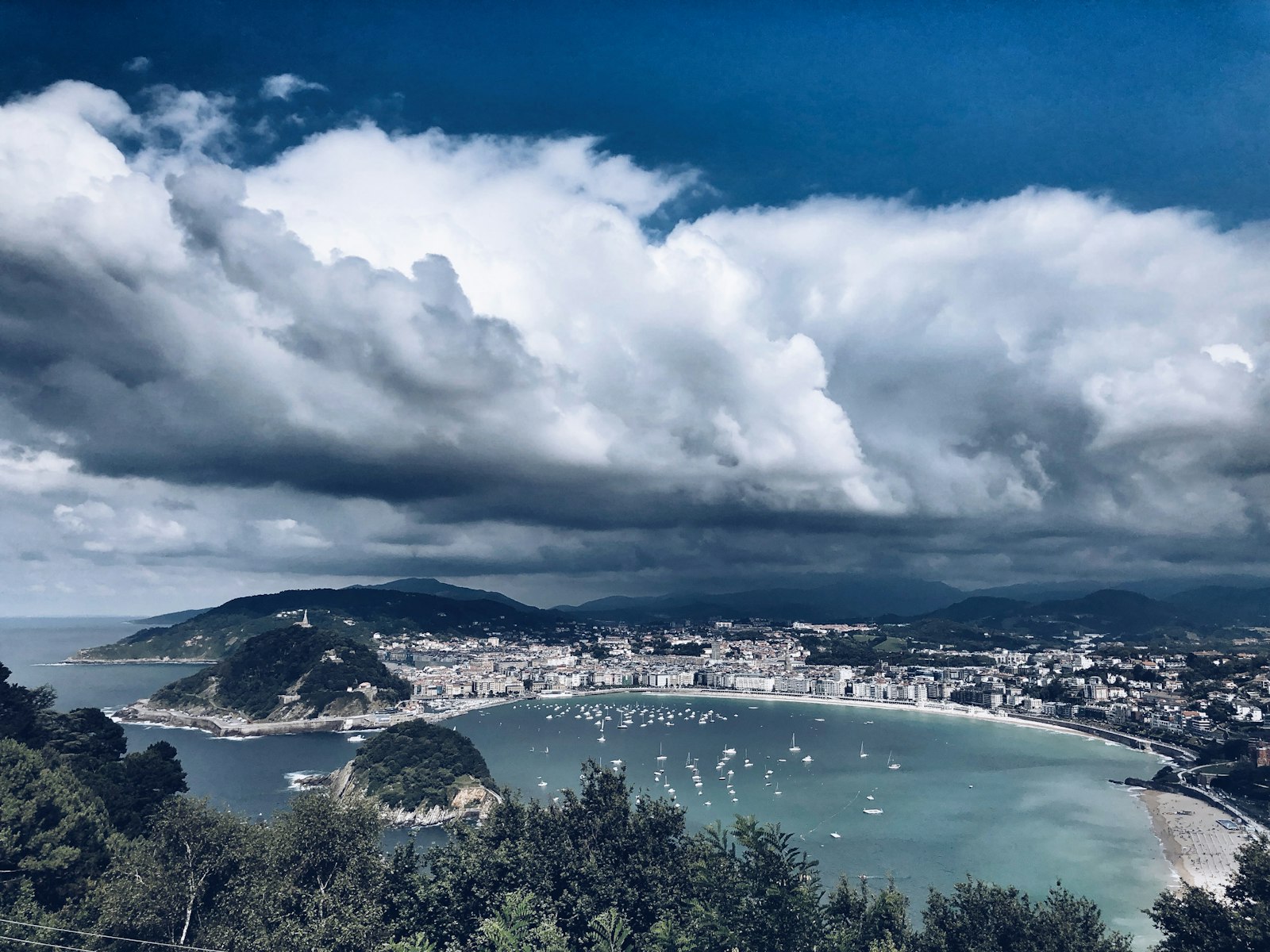
The French and Spanish Atlantic coasts give you summer without the furnace. Brest averages about 21 °C with a sea near 17 °C. San Sebastián sits around 22 °C by day and 16 °C at night, with a sea near 21 °C, which Climates to Travel calls cool for swimming. Both see about 10 days of some rain. Southerly winds occasionally bring a day or two of intense heat, with highs around 35 °C.
For more cool-weather ideas beyond Europe, see our cool travel destinations in July, and if you’re weighing smaller cities against the famous names, our list of underrated cities to visit in July is a good next read.
The Alps and Dolomites in July: peak hiking with a storm clock
This section covers the high mountains, where July is the start of the main hiking season. The catch is the afternoon weather and the mid-month crowds.
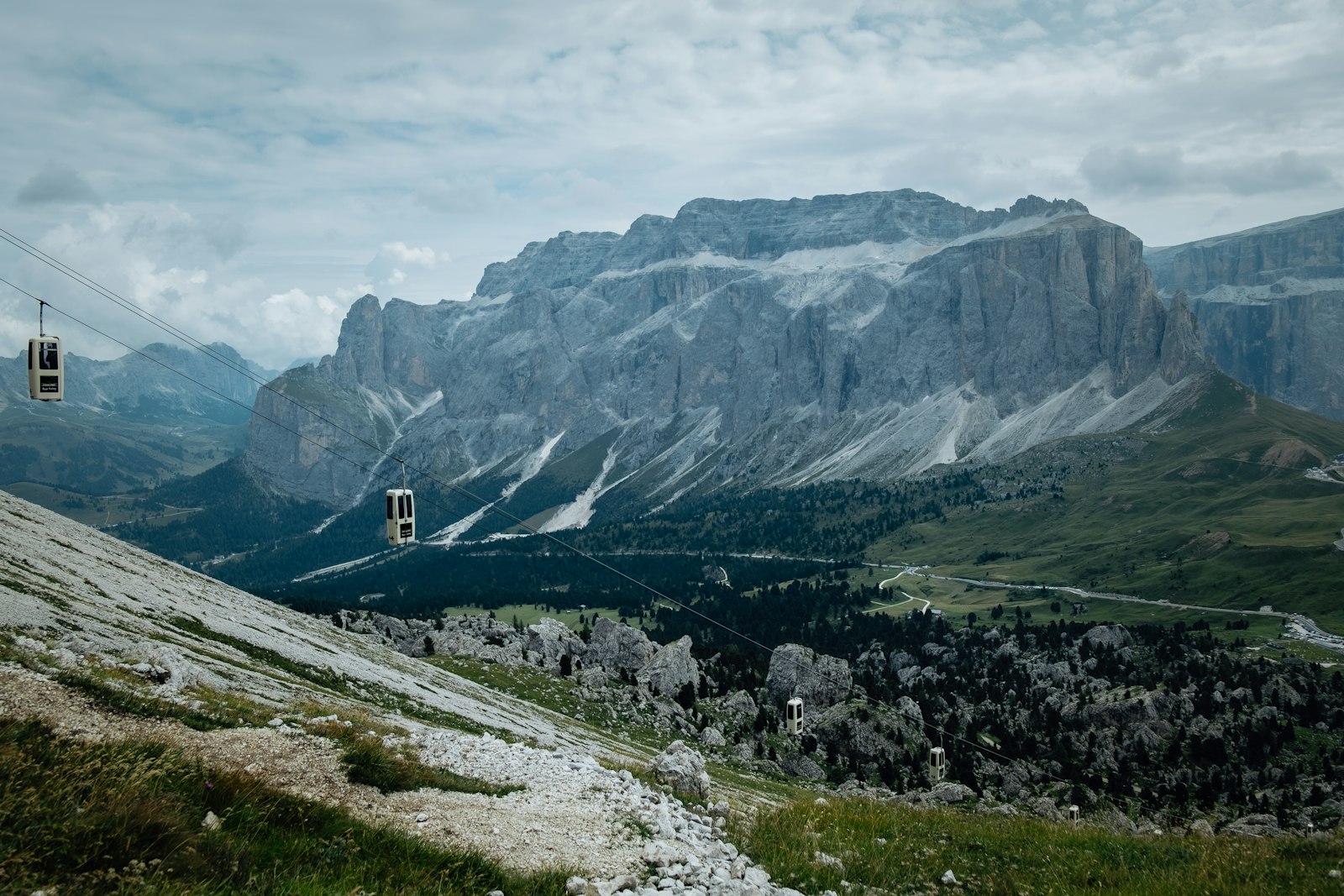
According to a Dolomites hut-to-hut guide, valley towns between 1,200 and 1,500 m see about 20 to 28 °C by day and 10 to 15 °C at night, while the high trails above 2,000 m sit around 12 to 18 °C. Mornings are usually clear; clouds build from late morning and thunderstorms often arrive in the afternoon, bringing lightning, hail and a sudden drop in temperature. The same guide notes trails get noticeably busier from mid-July as Italian, German and Austrian school holidays begin, and that the first half of the month is slightly quieter.
Start walking at first light
Be on the trail by 7 or 8 am, so the long climbs are done before the heat and the clouds build.
Be past the high point by about 1 pm
Plan routes so ridges, passes and via ferrata sections are behind you before afternoon storms usually arrive.
Book huts and valley beds early
Popular huts on the Alta Via routes and around Cortina fill up for July; reserve as soon as your dates are set.
Go with care, or skip: Rome, Athens, Seville and the Mediterranean in July
This section is about southern Europe, where July is dry, sunny and hot. Most need a plan; one is a skip.
Go with care
Rome
About 31 °C, regular 34 to 35 °C days and warm, sticky nights in the centre.
Go with care
Athens and the Greek coast
About 33 °C, heatwaves near 40 °C, and site closures in extreme heat.
Go with care
Lisbon and Dubrovnik
Lisbon is milder at about 28 °C; Dubrovnik is hot and very crowded.
Skip
Seville and inland Andalusia
About 36 °C on average, often far hotter, and almost no rain to break it.
Athens and the Acropolis
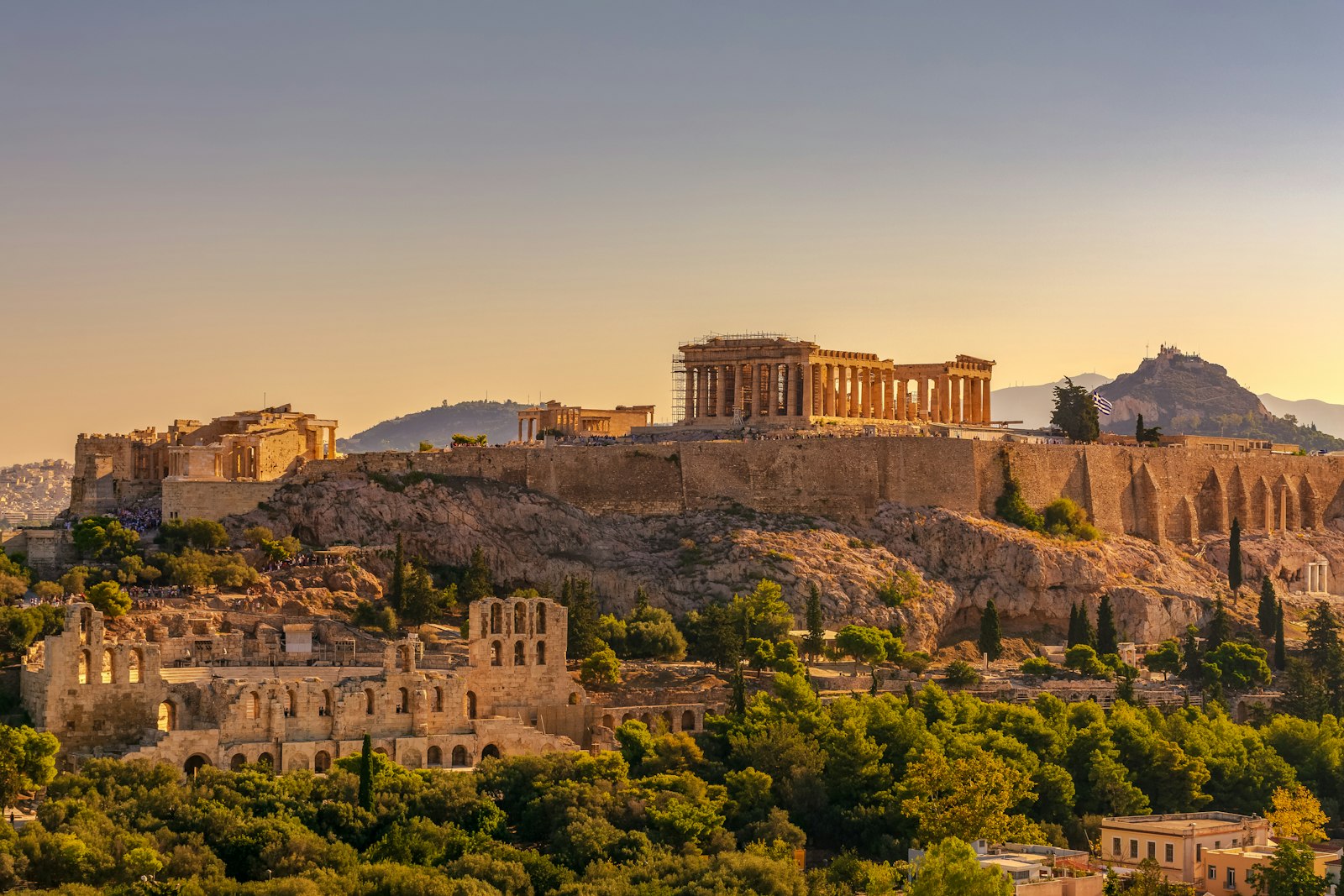
Athens averages about 33 °C by day and 23 °C at night in July, with almost no rain and a sea near 24 °C. Climates to Travel notes that the city often reaches 35 to 36 °C in July and August and can climb to about 40 °C in heatwaves. In severe heatwaves the Greek Ministry of Culture has closed the Acropolis during the hottest hours for the safety of workers and visitors; Al Jazeera reported one such closure until 5 pm, and earlier closures ran from about noon to 5 pm. If the Acropolis is the reason for your trip, book the earliest entry and keep a second morning free.
Rome
Rome averages about 31 °C by day, with hot days commonly reaching 34 to 35 °C and nights in the centre often staying above 20 °C. The afternoon ponentino breeze helps more in districts near the sea than in the historic centre. The Colosseum works on timed, name-bound tickets: Untold Italy’s ticket guide advises booking several weeks ahead from June to August and bringing ID that matches the ticket. The coast near Ostia offers a sea of about 25 °C if you need a cool-down day.
Seville and inland Spain
Seville is the clearest skip. The July average high is about 36 °C, hot days typically reach about 42 °C, and it almost never rains. If you’re set on Andalusia, go in spring or autumn instead, and if Spain must be July, head for the Basque coast.

The complete kit
Every country guide, every timing tool
All 24 When to Go country guides, the six Smart Timing tools and every 12-Month Map, with a Start Here that tells you what to open first.
See the kit · $127The five bundles cost $225 separately · Digital download · All sales final
Lisbon and the Croatian coast
Lisbon is the gentlest of the southern capitals, with about 28 °C by day, almost no rain and about 11 and a half hours of sun, though heatwaves can push it to 36 to 38 °C. Its Atlantic sea is cool, about 20 °C. Dubrovnik is the opposite: a warm Adriatic at about 24 °C but daytime highs near 30 °C and very heavy crowds in the walled old town. Our guide to the best beach destinations in July covers more coastal options.
When to Go: Iceland
July is Iceland’s busiest month, but it isn’t the only good one. This guide rates all twelve months for daylight, weather, road access, crowds and prices, with the best windows for the highlands, whales, puffins and the northern lights, and the weeks to avoid.
Get When to Go: Iceland →Digital download · All sales final
How to handle heat and crowds in southern Europe in July
This section is the toolkit for anyone going south anyway: walk in the cool hours, queue online, and spend the hottest part of the day in the shade.
| Time of day | What to do | Why |
|---|---|---|
| 7 to 11 am | Major outdoor sites, old towns, viewpoints | Coolest hours and the shortest queues |
| 11 am to 2 pm | Museums, churches, covered markets | Indoor, shaded and often cooler |
| 2 to 6 pm | Long lunch, siesta, pool or sea | The hottest part of the day; outdoor sites can be closed in heatwaves |
| 6 to 10 pm | Second round of sightseeing, evening walks, dinner | Temperatures fall and cities come back to life |
July heat checklist for the south
- ☐ Book timed entries for the Colosseum, the Acropolis and other headline sites as soon as your dates open
- ☐ Choose the earliest slot of the day for every outdoor ticket
- ☐ Pick a hotel with air conditioning and, ideally, a pool or a short walk to the sea
- ☐ Carry a refillable water bottle and use public fountains where they’re available
- ☐ Wear a hat, light long sleeves and sunscreen; the sun is strongest from late morning to mid-afternoon
A better month if you want the Mediterranean without the heat
This section is for travellers whose dates aren’t fixed. July is the right month for the north and the mountains, but for many southern trips June or September gives you more for less effort.
| If you want… | July is… | Better month |
|---|---|---|
| Greek islands and the Acropolis | Hot, very busy, with heatwave closures possible | June or September |
| Rome and the Vatican on foot | Hot and crowded; sightseeing only early and late | May, June or late September |
| Seville and Andalusia | Usually too hot for comfortable walking | Spring or autumn |
| Croatian coast and Dubrovnik | Warm sea, heavy crowds | June or September |
| Norway’s fjords with fewer people | Peak Norwegian holiday month | June or August |
| Quieter Dolomites trails | Busy from mid-July | The first half of July, or September |
September is especially strong on the Mediterranean because the sea keeps its summer warmth after the air cools. To see which shoulder weeks suit your own destination, use our free Shoulder Season Detector, and see cheap places to visit in Europe in August if August is your only window.
When NOT to go: who should skip Europe in July
This section is the honest part. July is a fine month for many trips, but these travellers will usually be happier with different dates or a different map:
| Traveller | The July problem | What to do instead |
|---|---|---|
| Heat-sensitive travellers, young children, older travellers | Southern highs of 31 to 36 °C on average, more in heatwaves | Go north, or move the trip to June or September |
| Anyone wanting quiet famous sites | Peak season almost everywhere | Book the first entry of the day, or choose shoulder months |
| Budget travellers set on the Mediterranean | Peak demand for flights and beds | Compare shoulder months; prices change, so check before you book |
| Walkers planning long city days in Seville or Athens | Midday walking is hard work in this heat | Split each day around a long afternoon break |
| Northern lights hunters | Nights are too bright across Iceland and northern Norway | Late September to March |
Not sure if your month is a bad one? Run it through our free Is This a Bad Month to Go? checker before you book anything non-refundable.
5 mistakes people make with a July trip to Europe
1. Planning midday sightseeing in the south
A noon visit to the Roman Forum in July is hard going. Move outdoor sites to the first slot of the morning and save the afternoon for museums or rest.
2. Leaving timed tickets until arrival
Headline sites use timed entry, and the July slots go first. Book as soon as your dates open, and keep the confirmation and the matching ID together.
3. Packing only for summer in the north
Bergen sees about 15 days of some rain in July and Reykjavik nights drop to about 9 °C. A waterproof jacket and a warm layer matter more than a second pair of shorts.
4. Expecting warm Atlantic swimming
Lisbon’s sea is about 20 °C and San Sebastián’s about 21 °C, both much cooler than the Aegean or Adriatic. If warm water is the point, pick Greece, Croatia or southern Italy.
5. Ignoring the afternoon storm clock in the mountains
In the Dolomites and the Alps, storms usually build after midday. Start early, finish the high sections before about 1 pm, and don’t treat a clear morning as a promise for the afternoon.
Europe destinations in July: FAQ
The Bottom Line
The smartest Europe destinations in July are in the north and the mountains, where long days and mild weather make it one of the best months of the year; the south still works, but only with early starts, booked tickets and a long afternoon break. Fix your region first, then book transport and timed entries as early as you can. For more ideas by month, browse our best travel destinations in July guides and our list of the best places to travel in July.
Free download
Which month for your country?
Get the free 12-Month Map: every month marked good, shoulder or avoid, region by region, on four printable pages.
- Greece to Japan, Morocco to Peru: 24 countries
- See the crowd and price peaks before you book
- Free, no purchase needed
Your download page opens as soon as you sign up. 24 countries available.