Most “where to go in February” lists are about beaches and snow. If what you really want is temples, pyramids, medinas and old capitals, the logic changes: you want the month when the sites are cool enough to walk all day and quiet enough to actually see. This guide picks the historical places to visit in February where that month genuinely works, gives you the average temperatures from long-term climate records, and flags the bookings and closures that catch people out.

The complete kit
Every country guide, every timing tool
All 24 When to Go country guides, the six Smart Timing tools and every 12-Month Map, with a Start Here that tells you what to open first.
See the kit · $127The five bundles cost $225 separately · Digital download · All sales final
The best historical places to visit in February are the ones that are too hot or too busy for most of the year: Luxor and Giza in Egypt, Petra in Jordan, Fez in Morocco, Angkor in Cambodia, Ayutthaya in Thailand, Agra in India and Sri Lanka’s ancient cities, all in their dry, cooler season. Rome, Athens, Istanbul and Andalusia are cool but quiet, Kyoto is cold and calm, and Mexico City is dry and mild. Avoid planning the Inca Trail: it closes every February.
✅ Key takeaways
- ✓Hot-climate sites are February’s big win: Luxor averages about 25 °C by day and almost no rain, compared with brutal summer heat.
- ✓In Greece and Italy, state museums and archaeological sites are free on the first Sunday of the month, so plan around that day or avoid it if you hate crowds.
- ✓Mediterranean capitals are cool and sometimes wet in February (Rome about 14 °C, Istanbul about 9 °C), so build each day around one outdoor site and one indoor museum.
- ✓The classic Inca Trail closes for maintenance in February, but Machu Picchu itself stays open: go by train or pick another month for the trek.
- ✓Check weekly closures before you fix dates: the Taj Mahal, for example, is closed every Friday.
Why February Is Quietly the Best Month for History Trips
February does two useful things at once. In the desert and tropical belt it brings the coolest, driest weather of the year, which matters when a site means four hours on open stone with little shade. And in Europe it’s deep low season, so the queues that define the Colosseum or the Acropolis in summer shrink to something you can live with.
25° / 9°C
Luxor average high / low in February · 77° / 48°F
≈0.7
rainy days in Siem Reap (Angkor) in an average February
1st Sunday
free state museums and sites in Greece (Nov–Mar) and Italy
17 days
with rain in Cusco in an average February: its wettest stretch
The trade-off is simple. Cold-climate history cities (Kyoto, Istanbul, Rome) give you quiet but ask you to dress properly and plan indoor time. Warm-climate history sites give you comfortable weather but are in peak season, so they’re busier and need booking.
🧰 Try it while you read: a free tool for this trip
Free trip timing tool
What Kind of Traveller Are You?
Seven quick taps pick your travel type, then show the countries and months where it shines.
Loading the tool…
The 14 Historical Places to Visit in February, at a Glance
Here’s the whole list in one table, so you can shortlist by climate before reading the details. Highs and lows are average daily figures for February.
| Destination | Feb high / low | Why February works | Watch out for |
|---|---|---|---|
| Rome, Italy | 14° / 3°C | Low season, shorter queues | Rain on about 7 days |
| Athens, Greece | 14° / 7°C | Free first Sunday, quiet Acropolis | Showers, wind on the hill |
| Istanbul, Türkiye | 9° / 4°C | Mosques and museums without crowds | Wet, grey, occasional snow |
| Seville & Granada, Spain | 18° / 7°C (Seville) | Mild, sunny city days | Alhambra sells out: book |
| Luxor & Giza, Egypt | 25° / 9°C (Luxor) | Coolest, driest season | Peak season crowds |
| Petra, Jordan | 13° / 3°C | Comfortable walking temperatures | Cold mornings, rare rain |
| Fez, Morocco | 17° / 4°C | Pleasant medina days | Chilly nights, some rain |
| Angkor, Cambodia | 34° / 22°C | Dry season, almost no rain | Midday heat |
| Ayutthaya, Thailand | 34° / 25°C (Bangkok) | End of the cool, dry season | Hot by midday |
| Agra, India | 26° / 10°C | Dry and warm, cool mornings | Taj Mahal closed Fridays |
| Anuradhapura, Sri Lanka | 32° / 22°C | Drier months in the ancient cities | Heat on open sites |
| Kyoto & Nara, Japan | 10° / 2°C | Quiet temples, plum blossom season starts | Cold, occasional snow |
| Mexico City & Teotihuacan | 24° / 10°C | Dry season, sunny days | Altitude, strong sun |
| Cusco & Machu Picchu, Peru | 20° / 8°C | Green, fewer visitors | Wettest month, Inca Trail closed |
Europe’s Old Capitals in Their Quietest Month
Southern Europe in February is cool, sometimes rainy and, for history lovers, excellent value in time. The rule that makes it work: one big outdoor site in the morning, one museum when the weather turns.
1. Rome, Italy: the Forum without the furnace
Rome averages around 14 °C by day and 3 °C at night in February, with rain on roughly seven days of the month. That’s perfect weather for the long walk from the Colosseum through the Roman Forum and up the Palatine, which is miserable in July heat. On wet days, switch to the Vatican Museums, the Capitoline Museums or the Pantheon.

When to Go guides
Choose your country, then your month
24 country guides, each about 100 pages: every month rated for weather, crowds and prices, region by region, with a 7-day booking plan. Six guides per region bundle.
Browse the 24 guides · $19 eachRegion bundles: Europe, Asia & Pacific, Sun Souks & Safari, Americas · $47 each
Italy’s Ministry of Culture runs Domenica al museo, free entry to state museums and archaeological sites on the first Sunday of every month. It’s a genuine saving, but it also brings local crowds, so treat it as a choice: go for the free day, or avoid that Sunday for the big sites.
2. Athens, Greece: the Acropolis at walking pace
Downtown Athens averages about 14 °C by day and 7 °C at night in February. The Acropolis is exposed and windy, so go early, wear grippy shoes (the marble is slick after rain) and finish at the Acropolis Museum. Greece’s Ministry of Culture lists free admission to state sites and museums on the first Sunday of each month from November to March, so the first Sunday of February is one of those days.
3. Istanbul, Türkiye: Byzantium and the Ottomans indoors
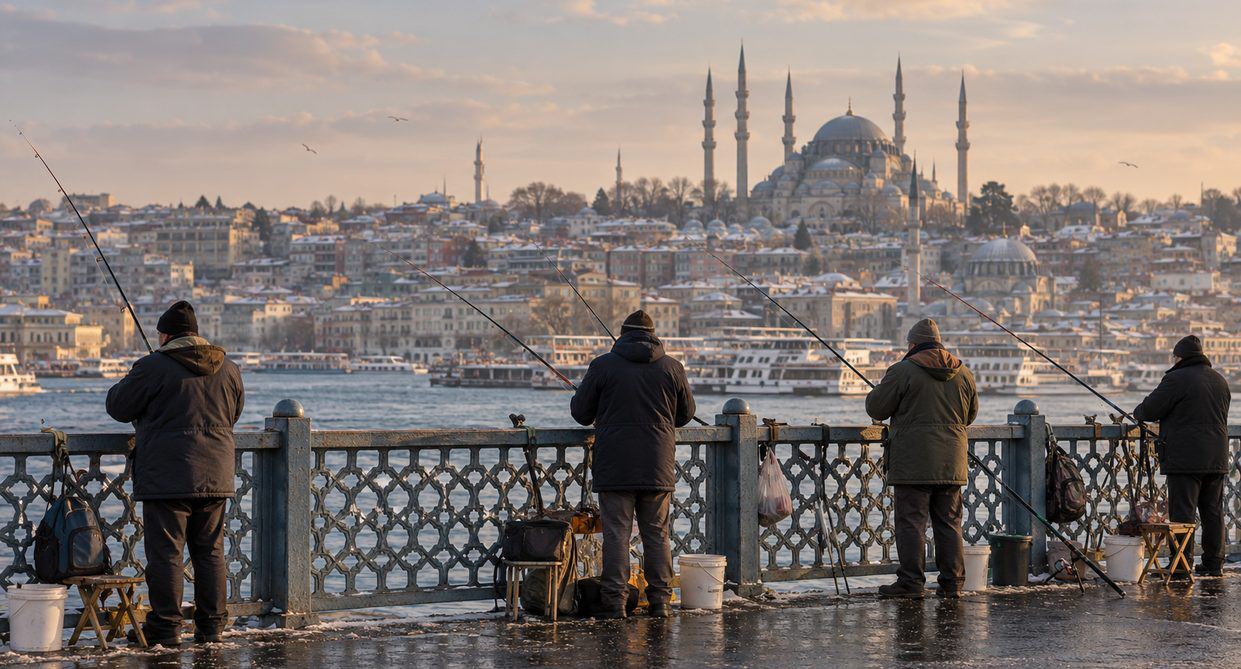
Istanbul is the coldest city on this list: about 9 °C by day and 4 °C at night, with precipitation on around 15 days and a few snowy days in an average February. Its great history, though, is mostly under a roof: Hagia Sophia, the Blue Mosque, the Basilica Cistern, Topkapı Palace’s rooms and the Archaeology Museums. Bring a headscarf if you’re planning mosque visits, and a proper waterproof.
4. Seville and Granada, Spain: Moorish Andalusia in mild sunshine
Seville is the warm one in Europe: around 18 °C by day and 7 °C at night in February, with about 198 hours of sunshine in the month. That’s comfortable for the Real Alcázar, the cathedral and the old Jewish quarter. Granada, a couple of hours inland, is colder and higher, but the Alhambra in February light is worth it. Buy Alhambra tickets online in advance: the Nasrid Palaces run on their own entry schedule, and popular slots go first.
Egypt, Jordan and Morocco: February Is Prime Time
These are the destinations where February isn’t just acceptable, it’s close to ideal. The desert sites are cool enough to explore on foot from mid-morning to sunset. The cost is company: this is high season, so book early and arrive at the gates when they open.
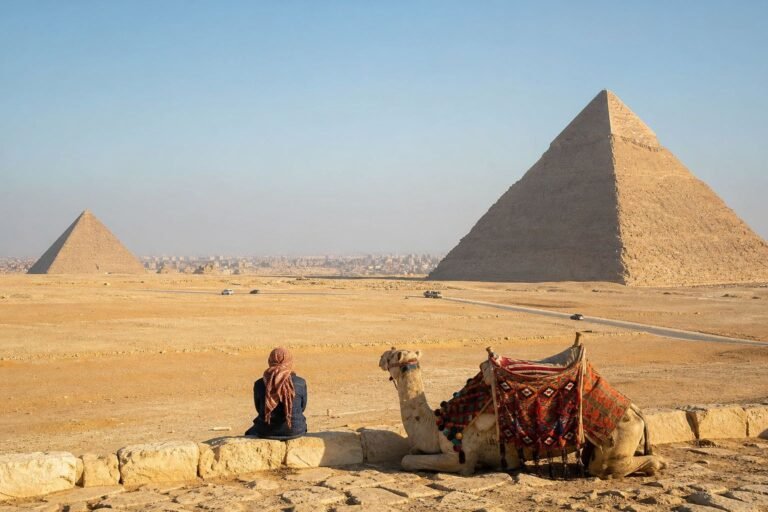
5. Luxor and Giza, Egypt: temples and tombs in the cool season
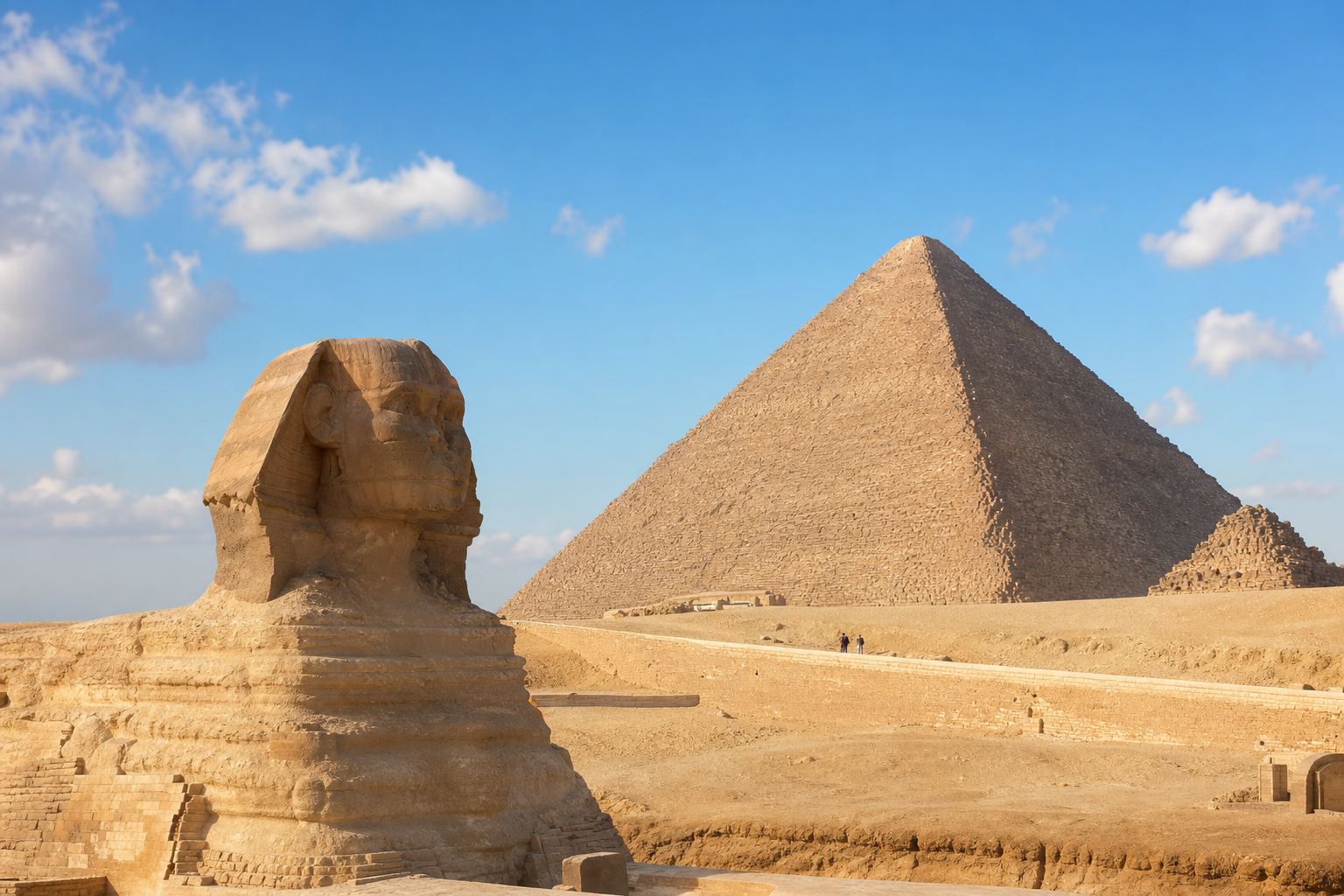
Luxor averages about 25 °C by day and 9 °C at night in February, with virtually no rain and nearly 280 hours of sunshine in the month. That’s the window for Karnak, the Valley of the Kings and the west-bank temples, which can be punishing in summer. Start the west bank at opening time, and take a layer for the early mornings and evenings on the Nile. Around Cairo, the Giza pyramids and Sphinx make a natural first or last stop.
6. Petra, Jordan: cool walks, cold mornings
Wadi Musa, the town at Petra’s gate, sits at about 1,050–1,450 m, so February is colder than people expect: around 13 °C by day and 3 °C at night. That’s perfect for the long walk through the Siq to the Treasury and the climb to the Monastery, which is a slog in summer heat. Dress in layers and expect the occasional wet day. Two days on site is better than one.
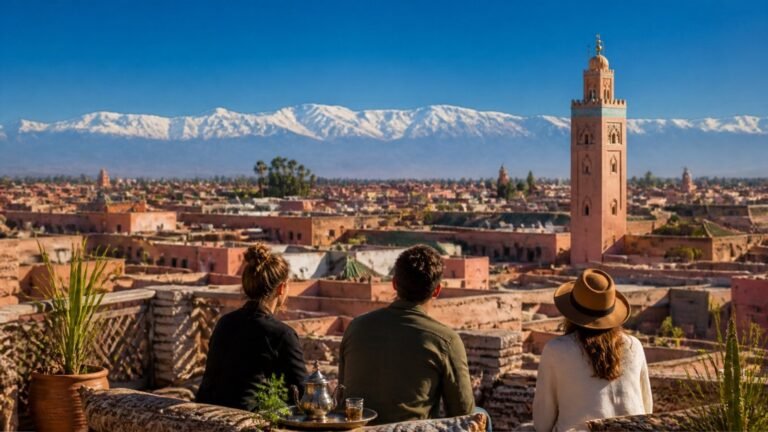
7. Fez, Morocco: the medina at a comfortable pace
Fez’s old city, Fes el-Bali with Fes Jdid, is a UNESCO World Heritage Site, and al-Qarawiyyin, founded in 857, is recognised as the oldest continually operating degree-awarding institution. February brings mild days around 17 °C, cold nights around 4 °C and rain on six or seven days. Riads can be chilly, so ask whether rooms are heated before you book. A local guide for your first morning saves hours of getting lost.
When to Go: Egypt
Weighing February against March or November for the Nile Valley? This guide sets out Egypt month by month: temperatures at the big sites, crowd levels, Red Sea conditions and what each season suits, so you choose your dates with the heat and the queues in mind.
See When to Go: Egypt · $19 →Digital download · All sales final
For more on this region in February, read our guides to the Middle East in February and the best places to visit in Africa in February.

The Smart Timing Bundle
Pick the month, book in the right order, pack once
Six printable timing tools for any trip: the Trip Timing Planner, When to Book, When NOT to Go, the Shoulder Season Playbook, the family timing guide and the Packing by Season System.
See the bundle · $37Six products, $100 separately · Digital download · All sales final
Asia’s Great Temple Sites in the Dry Season
For South and Southeast Asia, February sits in the dry season, which means blue skies and paths you can walk without wading. It’s hot, though, so the rhythm is the same everywhere: sunrise starts, a long lunch break, and back out for late-afternoon light.
8. Angkor, Cambodia: dry, hot and golden
Siem Reap, the gateway town for Angkor, averages about 34 °C by day and 22 °C at night in February, with under one rainy day in an average month. You’ll want a multi-day pass, a driver or tuk-tuk for the distances, and an early start: Angkor Wat at dawn, the Bayon and Ta Prohm in the morning, and the outer temples after the midday heat.
9. Ayutthaya, Thailand: a former capital as a day trip
Ayutthaya, founded around 1350 as the second capital of Siam after Sukhothai, lies about 90 km north of Bangkok. Its ruined monasteries and towers make a straightforward day trip. February is the tail of Bangkok’s cool, dry season, but “cool” is relative: about 34 °C by day. Go early, cover the main temples by bicycle or tuk-tuk, and rest at midday.
10. Agra, India: the Taj Mahal in its best light
Agra averages about 26 °C by day and 10 °C at night in February, with almost no rain: comfortable days and crisp mornings, ideal for the Taj Mahal at sunrise and Agra Fort afterwards. The one rule that ruins itineraries: the Taj Mahal complex is closed on Fridays. Check your dates before you book trains.
11. Anuradhapura, Sri Lanka: the ancient sacred city
The Sacred City of Anuradhapura, a UNESCO World Heritage Site, averages about 32 °C by day and 22 °C at night in February, with rain on around four days. It pairs naturally with the other ancient cities of Sri Lanka’s cultural heartland. Cover the vast site by bicycle, wear clothes that cover shoulders and knees, and remember shoes come off at sacred areas, so sunrise and late afternoon save your feet from hot stone.
12. Kyoto and Nara, Japan: cold, calm and almost empty
Kyoto averages about 10 °C by day and 2 °C at night in February, with occasional snow. It’s one of the quietest times to see the temples, and a light dusting on a golden pavilion or a moss garden is a real bonus. Plum blossom season starts in February; Kitano Tenmangū’s plum festival is usually held in late February. Nara, an easy day trip, adds the great Buddha hall and the deer park.
Our February travel spots in Asia guide covers the region more broadly, including beaches to pair with a temple trip.
Hot-climate history in February, cold-climate history with a plan: that one rule picks your destination.
The Americas: One Easy Win and One Honest Warning
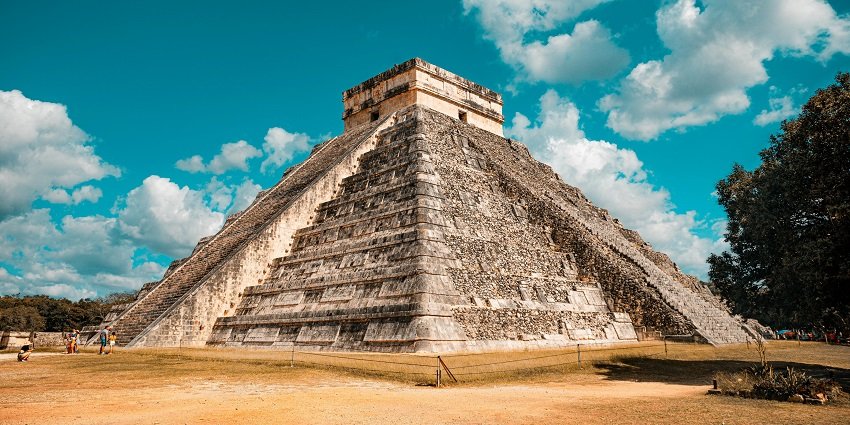
13. Mexico City and Teotihuacan: dry season at altitude
Mexico City is in its dry season in February, averaging about 24 °C by day and 10 °C at night, with only around two days of rain. The rainy season runs from May to October, so February is a safe bet. Teotihuacan, a UNESCO site about 40 km north-east of the city, is home to the Pyramid of the Sun (about 65 m high) and the Pyramid of the Moon. Go early: there’s little shade, the sun is strong at altitude and the afternoons get busy.
14. Cusco and Machu Picchu, Peru: the one February gets wrong
This is where most February lists mislead you. Cusco’s February averages about 20 °C by day and 8 °C at night, but it’s the heart of the rainy season, with rain on about 17 days of the month. Peru’s protected-areas authority closes the classic Inca Trail routes for maintenance through the end of February, reopening on 1 March, as Peru’s state news agency Andina reports. Machu Picchu itself stays open.
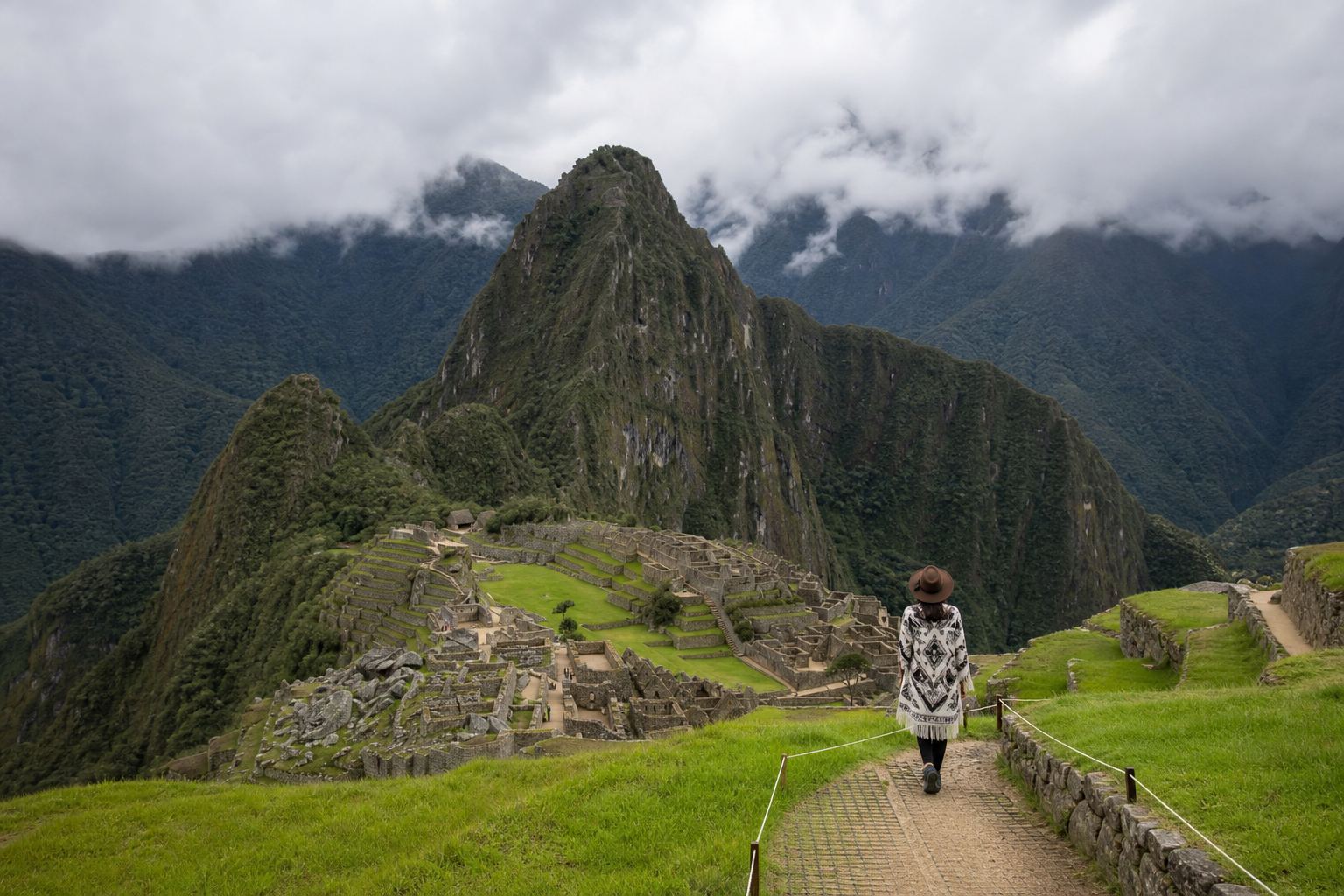
So if you go in February, go by train, carry a real rain jacket, and accept that clouds may hide the view for part of the day. The reward is lush green terraces and fewer people. If the trek is the point of your trip, choose another month. Our South America in February guide covers the drier alternatives on the continent.
Match the Destination to the Kind of History You Love
A list of fourteen is only useful if you can narrow it fast. Use this table: find the kind of history that excites you, then check the climate column against what you’ll enjoy.
The complete kit
Every country guide, every timing tool
All 24 When to Go country guides, the six Smart Timing tools and every 12-Month Map, with a Start Here that tells you what to open first.
See the kit · $127The five bundles cost $225 separately · Digital download · All sales final
| If you love… | Go to | February feel |
|---|---|---|
| Pharaohs, tombs and temples | Luxor and Giza | Warm, dry, sunny; busy |
| Rock-cut cities and long walks | Petra | Cool days, cold nights |
| Classical Greece and Rome | Athens, Rome | Cool, some rain, quiet |
| Islamic architecture and medinas | Fez, Istanbul, Granada | Mild to cold, some rain |
| Jungle temples and lost capitals | Angkor, Ayutthaya | Hot and dry |
| Mughal monuments | Agra | Warm, dry, crisp mornings |
| Zen gardens and wooden temples | Kyoto and Nara | Cold, calm, occasional snow |
| Pre-Columbian cities | Mexico City and Teotihuacan | Dry, sunny, mild |
If festivals matter as much as monuments, February also brings Carnival season and, often, Lunar New Year. Our roundup of cultural festivals around the world in February and the Festival Month Matcher help you line the two up, or avoid the crowds that come with them.
How to Plan a February History Trip in Five Steps
History trips go wrong in predictable ways: a closure day, a sold-out slot, a site visited at the worst hour. These five steps prevent most of them.
Pick the climate first, then the site
Decide whether you want warm (Egypt, Southeast Asia, India) or are happy in cool, wet cities (Rome, Istanbul, Kyoto). That one choice halves the list.
Check weekly closures and free days
Note fixed closures (the Taj Mahal on Fridays) and free first Sundays in Greece and Italy. Put them in your calendar before booking transport.
Book timed tickets for the headline site
For the Alhambra and the busiest museums, buy online as soon as dates are firm. Peak-season sites in Egypt and Jordan also deserve early hotel booking.
Give each big site a full morning
Arrive at opening time. You get cooler air in hot places, better light everywhere and the quietest hour of the day.
Hire a guide for the first visit
A licensed local guide on day one turns a field of stones into a story, and makes the rest of the trip easier to read on your own.
For the best of the month beyond history, see our main guide to the best travel destinations in February, or, for city-based history, the best cities to explore in February.
Common Mistakes on February History Trips
🥾 Booking the Inca Trail for February
The classic routes are closed all month for maintenance. Go to Machu Picchu by train in February, or move the trek to the drier months.
📅 Ignoring weekly closures
The Taj Mahal is closed on Fridays, and many museums close one day a week. Check every headline site’s days before booking trains and flights.
🧥 Packing for “warm” Petra or Fez
Both are cold at night in February: Petra’s average low is around 3 °C. Bring a warm layer even for a desert trip.
☀️ Visiting hot sites at midday
Angkor, Ayutthaya and Anuradhapura are 32–34 °C by afternoon even in February. Go at sunrise, rest at lunch, return for late light.
🎟️ Treating free Sundays as quiet days
First Sundays in Greece and Italy save money but draw local crowds. If you hate queues, visit the big sites on another day.
February History Trip FAQ
The best historical places to visit in February are the ones that are too hot or too crowded the rest of the year, so let the climate pick the region and the closures pick the dates. Browse more ideas in our best travel destinations in February section and our cultural trips guides, compare warm European getaways in February, or plan any other month from the month-by-month travel planner.
Free download
See the whole year before you book
Our free 12-Month Map puts every month for one country on four pages: when the weather works, when the crowds and prices peak, and the weeks to skip.
- 24 countries to choose from
- Region-by-region verdicts
- Printable PDF
Your download page opens as soon as you sign up. 24 countries available.