September looks easy on paper. It’s warm, the summer crowds are thinning, and the trails are still open. The catch is range: a single September day in the mountains can start in a T-shirt and end in sleet. Packing for adventure travel in September means packing for that spread, without hauling a winter wardrobe up every hill. This guide gives you the layering system, the ten essentials adjusted for the month, region-by-region conditions, kit lists by activity, the airport rules for batteries and liquids, and a checklist you can print.

When to Go guides
Choose your country, then your month
24 country guides, each about 100 pages: every month rated for weather, crowds and prices, region by region, with a 7-day booking plan. Six guides per region bundle.
Browse the 24 guides · $19 eachRegion bundles: Europe, Asia & Pacific, Sun Souks & Safari, Americas · $47 each
Packing for adventure travel in September comes down to three layers and a short list of safety basics. Pack a breathable base layer, a warm mid-layer (fleece or light insulated jacket) and a fully waterproof shell, plus hat and gloves for anything above the treeline. Add the ten essentials: navigation, sun protection, a headlamp, first aid, extra food and water treatment. Then adjust for the region: midge nets in Scotland, rain gear in the tropics and storm-season plans in the Caribbean.
✅ Key takeaways
- ✓Pack for the coldest, wettest hour of your trip, not the average day: in September those two can be 15 degrees apart.
- ✓A waterproof shell, a warm mid-layer and a hat and gloves earn their space on almost every September adventure, even ones that start in sunshine.
- ✓Days are noticeably shorter than in July, so a headlamp moves from optional to essential on any long hike.
- ✓Check region-specific risks before you pack: hut closures in the Alps, midges in Scotland, monsoon tail-ends in the Himalaya and the hurricane peak in the Caribbean.
- ✓Spare lithium batteries and power banks must travel in your carry-on, never in checked luggage.
Why Packing for Adventure Travel in September Is Harder Than Summer
September is a hinge month. In the northern hemisphere, summer weather is still around in the valleys while autumn has already arrived on the tops; in the tropics, rainy seasons and storm seasons are often at or near their peak. Your kit has to cover both ends.
A few numbers show how wide the spread is. Reykjavík’s long-term September averages are about 11 °C by day and 6 °C at night, with around 15 days of measurable rain or drizzle. In the Atlantic, the official hurricane season runs from June to November, and NOAA describes activity spiking from mid-August to mid-October, with the statistical peak day on 10 September. Meanwhile in the Alps, the mountain huts on the Tour du Mont Blanc generally close in the first or second week of September.
11° / 6°C
Reykjavík avg high / low in September · 52° / 43°F
≈15
September days with measurable rain in Reykjavík
10 Sept
statistical peak day of the Atlantic hurricane season
Early Sept
when most Tour du Mont Blanc huts close
| Region | What September is like | Pack this on top of the basics |
|---|---|---|
| Alps (Tour du Mont Blanc and similar treks) | Settled spells are common, but huts start closing in early-to-mid September and cold fronts bring snow to high passes | Warm insulated jacket, waterproofs, gloves and hat; check which huts are still open before you set off |
| Iceland | Cool and wet: about 11 °C by day and 6 °C at night in Reykjavík, frequent rain and wind; dark enough again for the aurora | Fully waterproof jacket and trousers, warm mid-layer, quick-dry layers, swimwear for pools and hot springs |
| Scottish Highlands | Midge season generally runs until early September, so the second half of the month is usually calmer; weather changes fast | Head net and insect repellent for early September, waterproof boots, a spare dry layer in a dry bag |
| Andes (Inca Trail, Cusco region) | Still within the May-to-September dry season; days can be bright but nights are colder than most people pack for | Warm sleeping layer or down jacket, beanie, sun hat and high-factor sunscreen for the altitude |
| Nepal Himalaya | Monsoon runs roughly June to September; the autumn trekking season starts as the rain clears, usually late in the month | Rain shell, pack cover, quick-dry clothes and flexible dates if you go early in the month |
| Caribbean and US Gulf coast | At or near the statistical peak of hurricane season, with hot, humid days | Light rain jacket, quick-dry clothing, insect repellent, and a plan for storm-related changes |
🧰 Try it while you read: a free tool for this trip
Free trip timing tool
Packing by Season Generator
A packing checklist built from the month's temperature, rain and sea.
Loading the tool…
The Three-Layer System, Sized for September
Layering is the reason experienced hikers pack lighter than beginners in shoulder season. Instead of one heavy coat, you carry three thin layers that each do one job and can be added or removed in a minute. Get these three right and almost every other item on your list becomes a small extra.
Base layer: move sweat, stay dry
A close-fitting top in merino wool or synthetic fabric that wicks moisture away from your skin. Avoid cotton: it holds sweat and chills you as soon as you stop. In September, a short-sleeve base plus a long-sleeve one covers most trips.
Mid-layer: trap warmth
A fleece or a light synthetic or down insulated jacket. This is the layer you put on at a summit, at lunch or around camp. If you only have room for one warm item, choose a packable insulated jacket: it squashes small and works as a pillow.
Shell: stop wind and rain
A waterproof, breathable jacket with a proper hood, plus waterproof over-trousers for wet regions. “Water-resistant” is not enough for Iceland, Scotland or the Alps in September; look for taped seams and a hood that moves with your head.
Extremities: the cheap insurance
A warm hat, light gloves and a neck tube weigh almost nothing and make the biggest difference on a cold ridge. Add a sun hat and sunglasses: September sun at altitude is still strong.
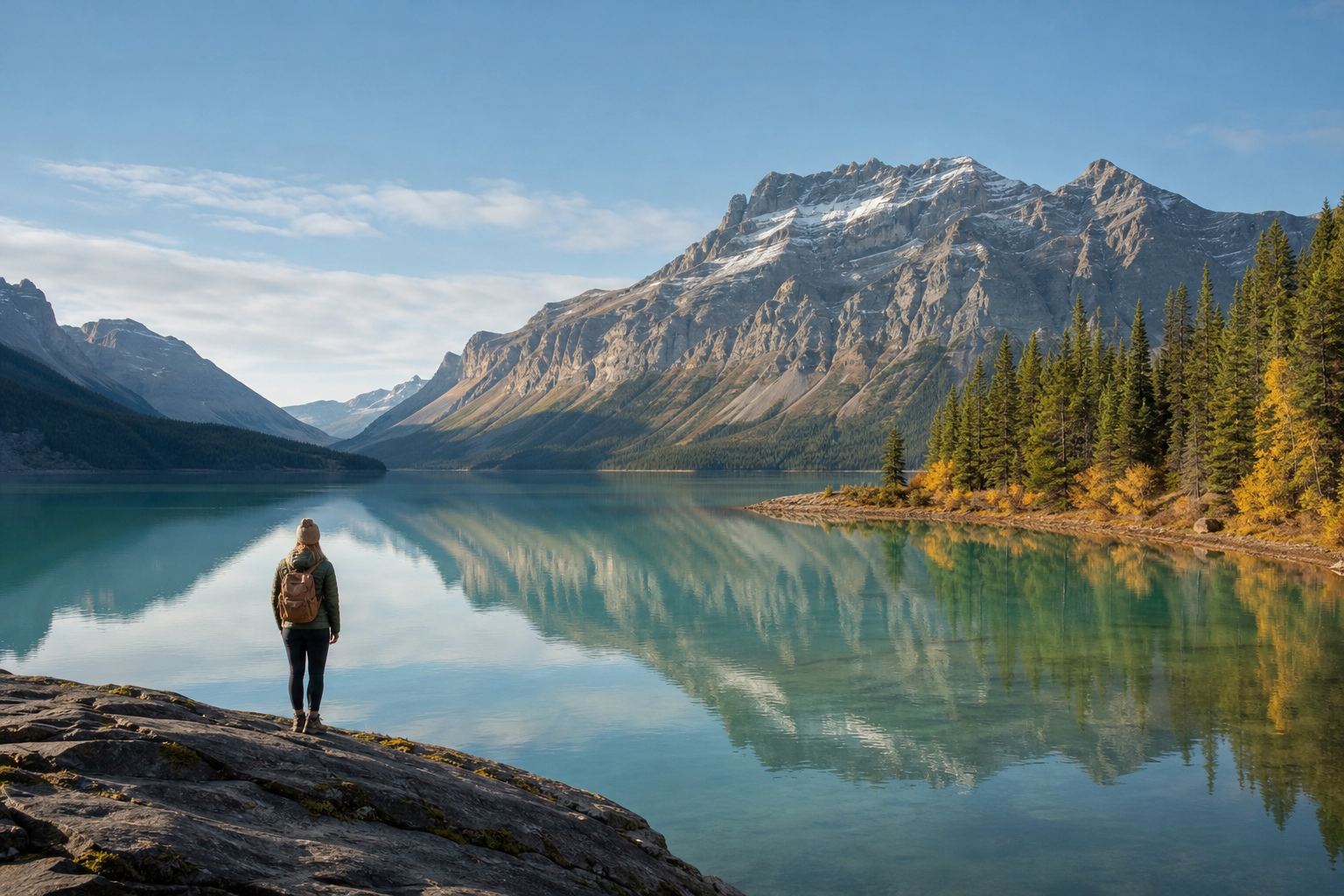
The rule that makes it work: put the mid-layer on before you feel cold, and take the shell off before you sweat hard. Most September chills come from stopping in damp clothes.
The Ten Essentials, Adjusted for September
The US National Park Service publishes a list called the Ten Essentials: the core items every hiker should carry, whatever the length of the walk. It’s a sensible baseline anywhere in the world. What changes in September is how much each item matters, because days are shorter and the weather is less predictable than in midsummer.

The Smart Timing Bundle
Pick the month, book in the right order, pack once
Six printable timing tools for any trip: the Trip Timing Planner, When to Book, When NOT to Go, the Shoulder Season Playbook, the family timing guide and the Packing by Season System.
See the bundle · $37Six products, $100 separately · Digital download · All sales final
| Essential (NPS list) | Why it matters more in September | What to pack |
|---|---|---|
| Navigation | Fog and early dusk make paths harder to follow; signal can be patchy | Offline maps on your phone plus a paper map and compass as backup |
| Sun protection | UV is still strong, especially at altitude and on water | Sunglasses, sunscreen, sun hat |
| Extra clothing | The gap between morning and evening temperatures is wide | Warm layer, hat, gloves, rain shell |
| Illumination | Days are noticeably shorter than in July; a delay can end in the dark | Headlamp with fresh or charged batteries |
| First-aid supplies | Fewer people on trails late in the season means help can take longer | Pre-made kit adapted to your trip, blister care, personal medication |
| Fire | A signal and a heat source if you are stuck | Waterproof matches or lighter, fire starter (check local fire rules) |
| Repair kit and tools | Gear fails more in wet, cold conditions | Small knife or multi-tool, duct tape wrapped round a bottle or pole |
| Nutrition | Cold burns energy; short days push you to keep moving | At least one extra day of no-cook, high-energy food |
| Hydration | Cooler air hides thirst | Water plus a filter or purification tablets |
| Emergency shelter | Getting caught out after dark is colder than in summer | Emergency blanket or bivy bag; tent on multi-day trips |
For a deeper look at the trails themselves and the September weeks that suit each one, see our guide to the best hikes in September, and if your trip is built around US parks, the best national parks to visit in September covers the reservation rules too.
What to Pack for Each Kind of September Adventure
Layers and the ten essentials go on every trip. Each kind of adventure then adds a short list of its own; use the one that fits your plan.
Hut-to-hut treks and long day hikes
You’re carrying everything on your back for hours, so weight matters. A 25 to 35 litre pack is usually enough when beds and meals are provided. Add a light sleeping-bag liner, earplugs, a small quick-dry towel, a lightweight pair of camp shoes and cash in case card machines fail. Trekking poles take strain off your knees on long descents, which matter more as the season’s early snow and wet rock make paths slippery. On the Tour du Mont Blanc, the Chamonix tourist office is blunt: “waterproofs are essential”, and light boots and shorts are fine only with warm clothes in your pack.
Camping and backpacking
Nights are where September camping catches people out. Choose a sleeping bag rated a few degrees below the lowest night temperature you expect, and an insulated sleeping mat, because cold ground draws heat out of you all night. Sleep in a warm hat and a dry set of clothes kept only for the tent. Shorter evenings mean more time in camp in the dark, so a spare headlamp battery is worth its weight.
High-altitude treks: Andes and Himalaya
At altitude the sun burns and the nights bite. September sits inside the Andean dry season, which brings clear days around Cusco and the Inca Trail but cold nights that many travellers underestimate. Pack a down jacket or warm insulated layer for evenings, a beanie, thermal leggings, high-factor sunscreen, lip balm with SPF and good sunglasses.
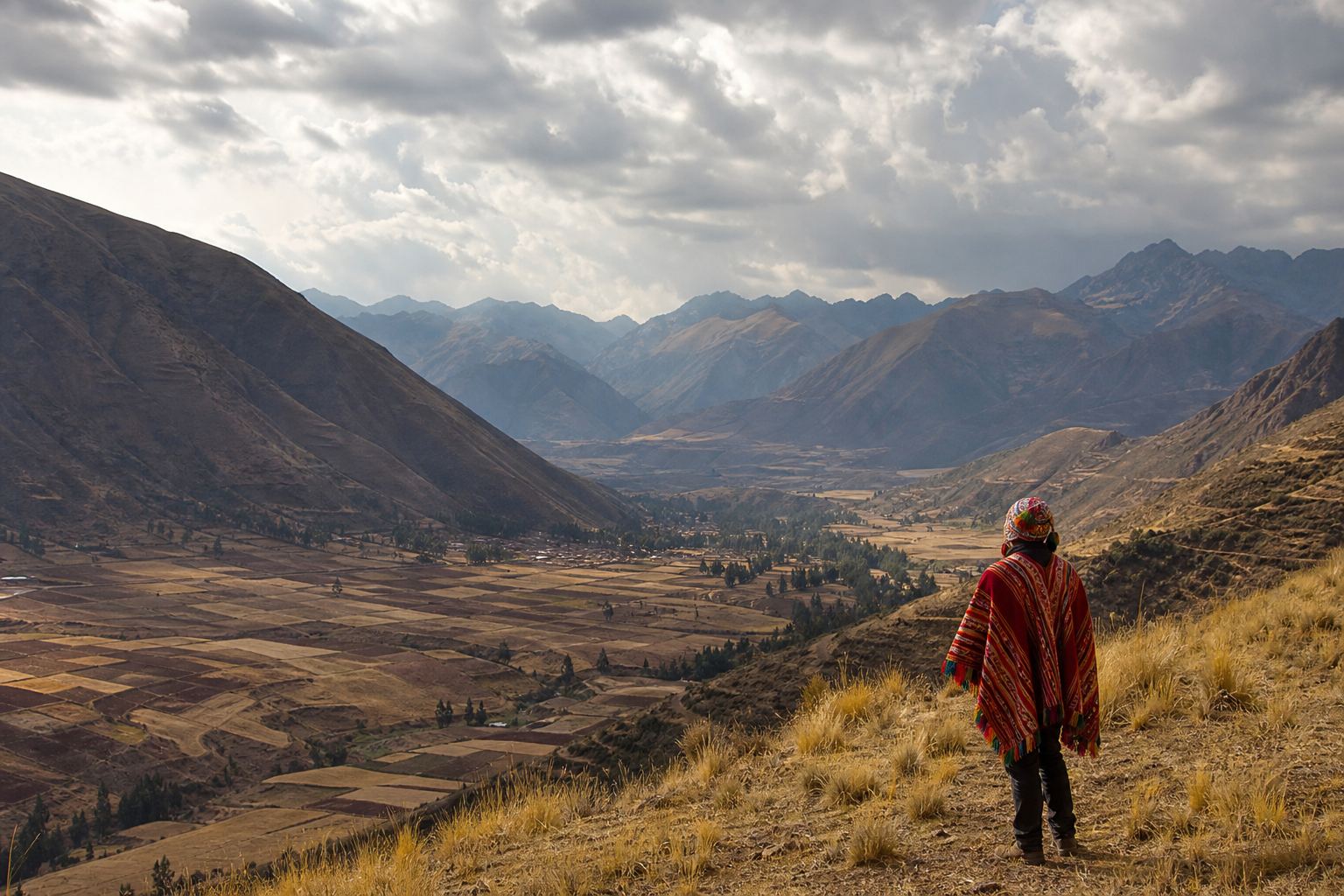
In Nepal, the picture is different: the summer monsoon usually runs from June to September, and the autumn trekking season begins as it clears, often late in the month. If you trek in the first half of September, pack as for rain: a reliable shell, a rain cover for your pack, quick-dry clothing, dry bags inside your pack and spare socks.
Wet tropics and storm-season coasts
In hot, humid places the problem is the opposite: staying dry and cool rather than warm. Pack light quick-dry clothing, a thin rain jacket, sandals that can get wet, insect repellent and a dry bag. In the Caribbean and on the US Gulf coast, September is at or near the hurricane peak, so travel insurance that covers weather disruption, a printed list of your bookings and a power bank fully charged before any storm warning are part of the packing list too.
Not sure whether your destination is in its storm season at all? The free Storm Season Check tool shows the risky months for each region before you book.
Scotland and other midge country
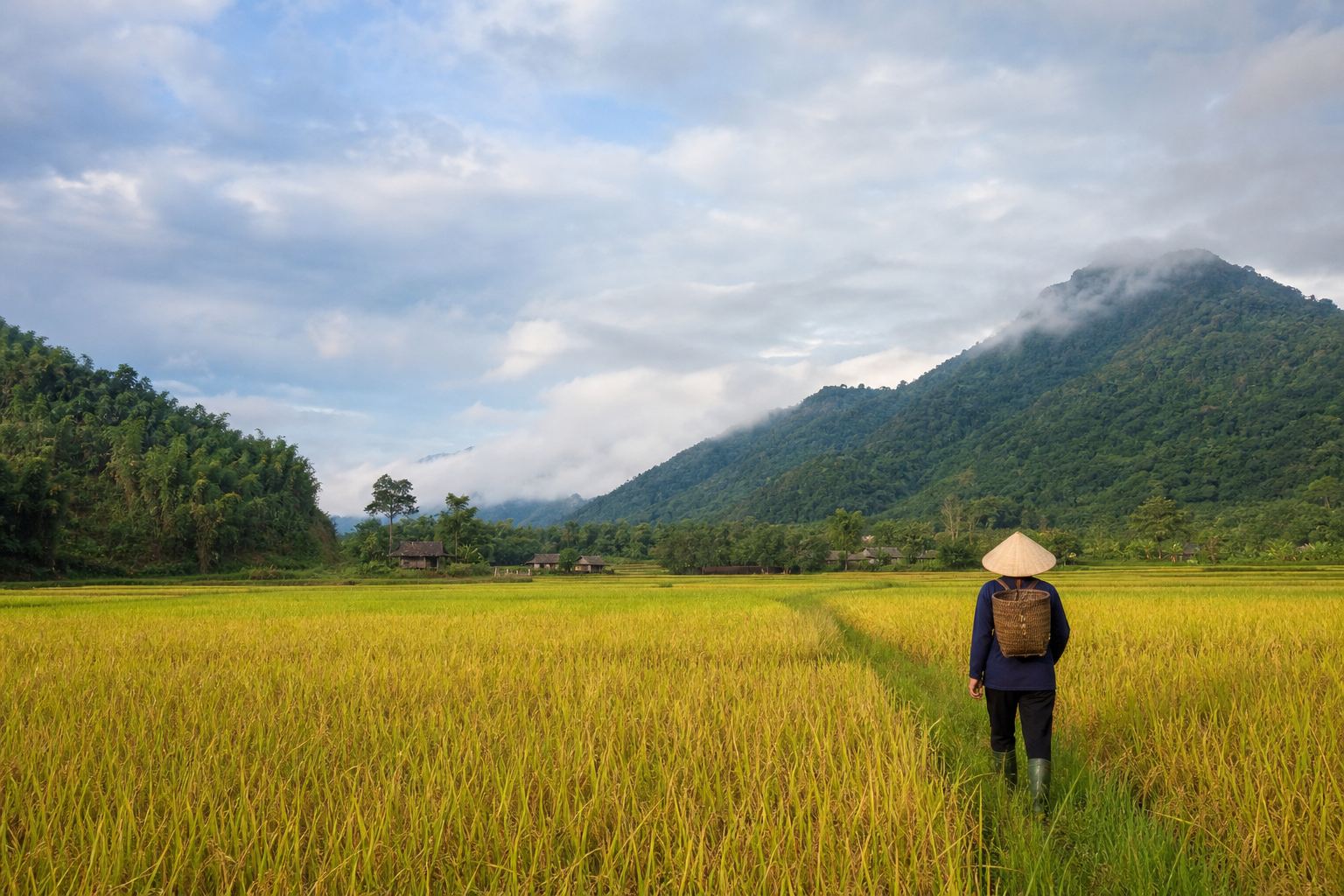
The Highland midge is tiny, and in still, damp conditions there can be clouds of them. Walking operators on the West Highland Way say the biting season generally runs until early September, which is why later September is a favourite time to walk there. If you go in the first week or so of the month, cover your skin (long sleeves, trousers tucked into socks), carry a head net and use an insect repellent.

The complete kit
Every country guide, every timing tool
All 24 When to Go country guides, the six Smart Timing tools and every 12-Month Map, with a Start Here that tells you what to open first.
See the kit · $127The five bundles cost $225 separately · Digital download · All sales final
When NOT to Go · $17
September packing is easier when you already know which places are in storm, monsoon or heavy-rain season. This guide sets out the months to avoid for the world’s most visited places, and why, so you can pick a destination whose September works for your plans before you buy a single piece of kit.
See When NOT to Go →Digital download · All sales final
Getting Your Adventure Kit Through the Airport
Batteries, stove fuel, knives and liquids all have airport rules. These are the ones that catch adventure travellers most often.
Spare batteries and power banks go in your carry-on
The US Federal Aviation Administration’s PackSafe rules for lithium batteries say spare lithium batteries and power banks must travel in carry-on baggage only, with terminals protected against short circuits (original packaging, tape or a case). Rechargeable batteries are limited to 100 Wh each without airline approval. If your cabin bag is taken at the gate, take the batteries out first.
Liquids: 100 ml containers in one quart-size bag
At US security, liquids, gels, creams and pastes in your carry-on must be in containers of 3.4 oz (100 ml) or less, in one quart-size bag. Sunscreen, insect repellent and toiletries count. Bigger bottles go in checked luggage, or buy them on arrival.
Fuel and gas canisters stay home
Under FAA rules, all forms of camp-stove fuel, including compressed gas canisters, liquid fuel and fuel tabs, are forbidden in both carry-on and checked bags, and so is a stove or bottle with fuel residue in it. Buy fuel at your destination, and check that your stove fits the canisters sold there.
Knives and poles: check before you fly
Knives and multi-tools with blades belong in checked luggage. Rules on trekking poles in the cabin vary between countries and have changed over time, so pack them in your hold bag unless you have checked the current rule for every airport on your route.
Footwear, Feet and the Small Things That End Trips Early
More September adventures are cut short by sore feet and soaked socks than by bad weather. A few small choices prevent most of it.
- Boots you’ve already walked in. Break new boots in for at least several walks at home. A trip is the worst place to discover a pressure point.
- Waterproof boots for wet regions, breathable shoes for dry ones. Waterproof membranes are worth it in Iceland, Scotland and the Alps in September. On dry, hot trails, trail-running shoes dry faster and weigh less.
- Two pairs of hiking socks per day on long treks. Change into the dry pair at lunch. Merino or synthetic, never cotton.
- Blister kit at the top of your pack. Tape or blister plasters go on at the first hot spot, not after the blister forms.
Pack for the coldest, wettest hour of the trip, then take out anything that only helps on the nicest one.
If you’re travelling light on a mixed trip (a city, then the mountains), our guide to packing light without sacrificing comfort shows how to make one bag do both.
A Printable Checklist for Packing for Adventure Travel in September
Use this as your final check the night before you leave. Pack the clothing column first, then the essentials, then the extras for your type of trip. For a list tuned to your exact destination and dates, try the free Packing by Season Generator.
| Clothing | Safety and essentials | Extras by trip type |
|---|---|---|
| 2 base layers (short and long sleeve) | Offline maps + paper map and compass | Huts: sleeping-bag liner, earplugs, camp shoes |
| Fleece or insulated jacket | Headlamp + spare batteries | Camping: sleeping bag rated below expected lows, insulated mat |
| Waterproof jacket with hood | First-aid and blister kit | Altitude: down jacket, SPF lip balm, beanie |
| Waterproof over-trousers | Water bottle + filter or tablets | Tropics: quick-dry clothes, sandals, dry bag |
| Quick-dry hiking trousers | Extra day of high-energy food | Scotland early September: head net, repellent |
| Thermal leggings | Emergency blanket or bivy | Storm season: insurance details, charged power bank |
| Warm hat, gloves, sun hat | Sunscreen and sunglasses | Trekking poles, gaiters |
| Hiking socks (2 pairs per day for treks) | Lighter or waterproof matches | Swimwear for hot springs and lakes |
Common Mistakes When Packing for September Adventures
Packing for the forecast in town
The valley forecast is not the ridge forecast. Temperatures drop as you climb and wind makes it feel colder still. Check the mountain forecast for the height you’ll actually reach, and pack the warm layer even if town looks sunny.
Treating “water-resistant” as waterproof
A soft-shell or wind jacket keeps out a shower, not a full day of Icelandic or Highland rain. If the region has frequent September rain, pack a fully waterproof shell and over-trousers.
Forgetting how fast daylight shrinks
September evenings arrive sooner than you expect after a summer of long days. Start long hikes early, know your turnaround time and always carry a headlamp.
Assuming everything is still open
Huts, campsite cafés, ferries and mountain buses often run reduced timetables or close during September. Check the last date for anything your route depends on before you pack your food and fuel.
FAQ: Packing for Adventure Travel in September
Packing for adventure travel in September is really about one habit: plan for the worst hour, not the average day, and let three good layers do the work. For more September ideas, browse our best travel destinations in September and adventure travel guides, explore Iceland’s volcanic landscapes in September or adventure destinations in South America for September, or plan another month with the month-by-month travel planner.
Free download
See the whole year before you book
Our free 12-Month Map puts every month for one country on four pages: when the weather works, when the crowds and prices peak, and the weeks to skip.
- 24 countries to choose from
- Region-by-region verdicts
- Printable PDF
Your download page opens as soon as you sign up. 24 countries available.