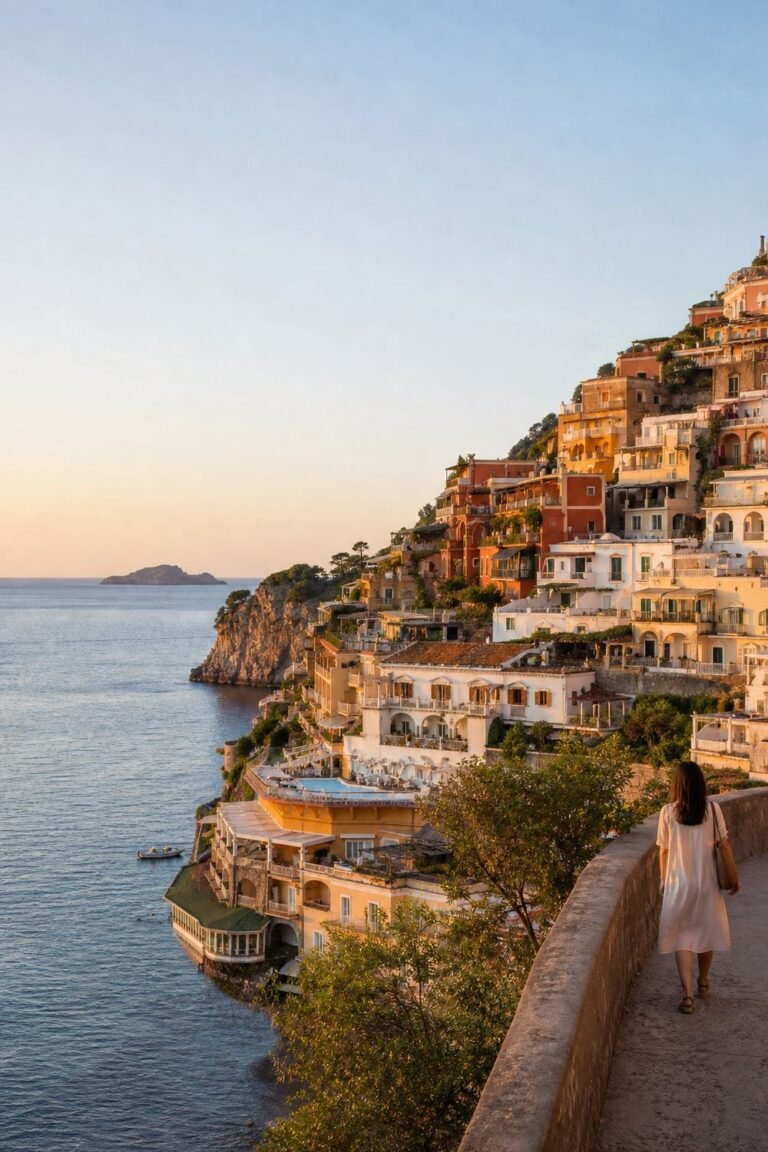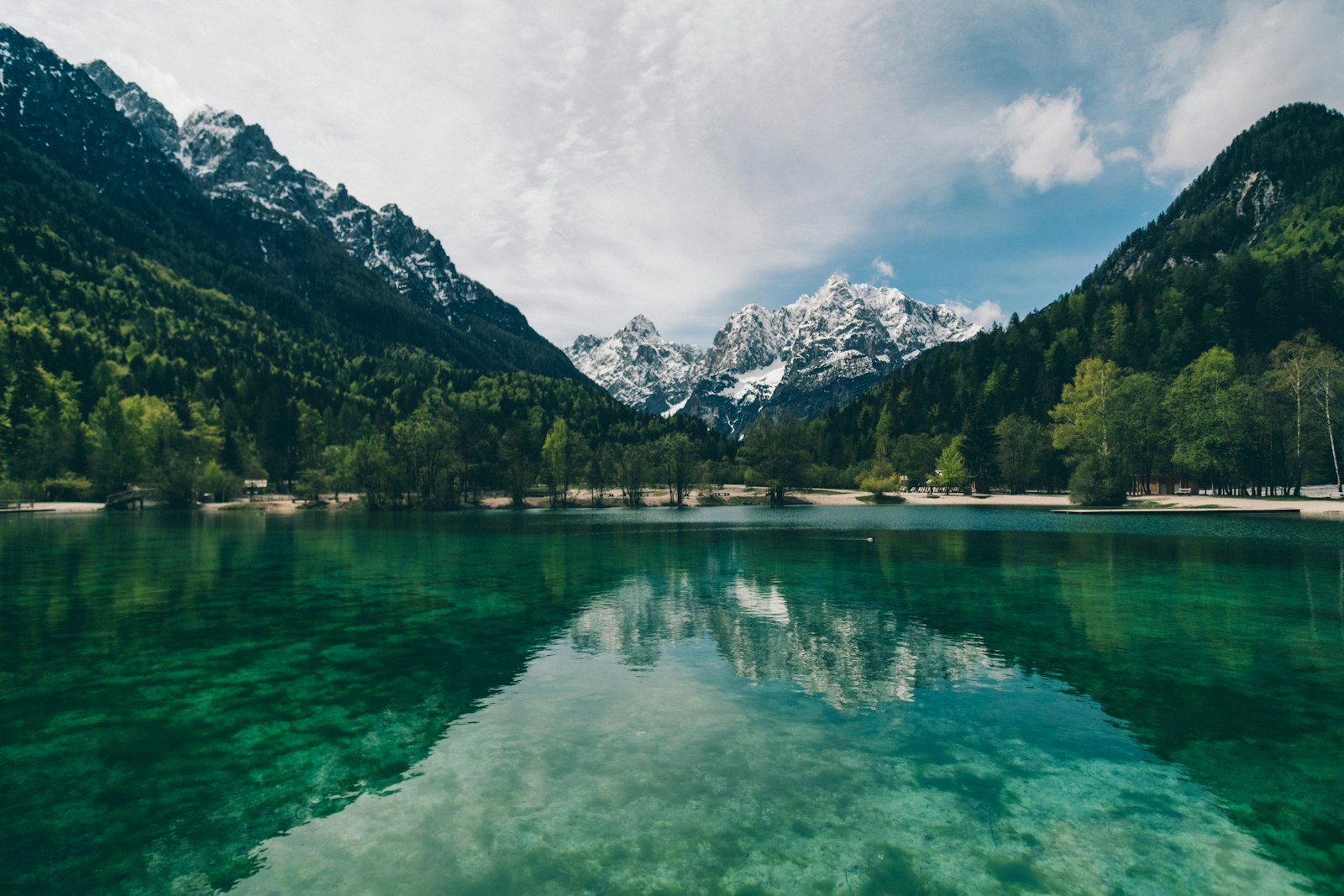
Kotor in March is the version of the bay most visitors never see: a walled town you can cross without a queue, a fortress path you share with a handful of people, and room rates far below summer. It is also one of the wettest corners of Europe in one of its wetter months. Both things are true, and a good March trip is built around both. This guide gives you the real numbers and a plan that still works when it rains.

When to Go guides
Choose your country, then your month
24 country guides, each about 100 pages: every month rated for weather, crowds and prices, region by region, with a 7-day booking plan. Six guides per region bundle.
Browse the 24 guides · $19 eachRegion bundles: Europe, Asia & Pacific, Sun Souks & Safari, Americas · $47 each
Kotor in March is mild, quiet and wet. Long-term averages for the bay are about 16 °C by day and 7 °C at night, with rain on around 13 days and roughly 200 mm in the month. Crowds are thin, accommodation typically costs 30 to 60 per cent less than in summer, the Old Town, the fortress and the boats to Our Lady of the Rocks all operate, and the sea, at 13 to 14 °C, is too cold for swimming.
✅ Key takeaways
- ✓Expect spring temperatures and winter rainfall: pack a proper waterproof and plan one indoor option for every outdoor one.
- ✓Climb the fortress on your first dry morning rather than saving it; the 1,350 steps are slippery when wet and the view needs a clear sky.
- ✓Stay inside or just outside the Old Town, where restaurants and cafés stay open all year; smaller villages around the bay are still half shut.
- ✓Treat Lovćen as weather-dependent: the summit can hold snow and the mausoleum sometimes closes for snow or wind.
- ✓If you want beach weather or a full menu of boat tours, come from May; if you want Kotor to yourself, March delivers.
What Kotor in March Is Really Like: Temperatures, Rain and Light
March on the Bay of Kotor feels like spring in the afternoon and winter when a front comes through. The nearest long-term climate record, from Herceg Novi at the mouth of the bay, shows how quickly the season turns between February and April.
| Bay of Kotor (Herceg Novi normals) | February | March | April |
|---|---|---|---|
| Average daily high | 13.7 °C (57 °F) | 15.9 °C (61 °F) | 19.3 °C (67 °F) |
| Average nightly low | 4.8 °C (41 °F) | 7.0 °C (45 °F) | 9.9 °C (50 °F) |
| Precipitation | about 195 mm | about 199 mm | about 159 mm |
| Days with rain | 13 | 13 | 12 |
| Sunshine hours | about 114 | about 160 | about 192 |
🗓️ Free: a 12-Month Map for your country
Every month on one page: best weeks, shoulder weeks and the ones to skip. Print it or keep it on your phone.
Two numbers matter most. Sixteen degrees is comfortable walking weather, and 160 hours of sunshine means plenty of bright days. But 199 mm of rain is a lot: the mountains behind the bay catch Adriatic weather, and this coast is among the wettest areas in Europe. The warm, humid jugo wind brings the heaviest rain in spring and autumn. It tends to arrive in bursts, often a day or two of downpours followed by washed-clean sunshine, so the pattern is closer to "some days lost, some days perfect" than to steady drizzle.
16 °C / 61 °F
average March daytime high
13 days
with some rain, on average
13–14 °C
sea temperature: too cold to swim
11 → 12½ hrs
daylight, start to end of March
🧰 Try it while you read: a free tool for this trip
Free trip timing tool
Rainy Season Risk
Check how wet a month usually is, with rainfall and rain days by month.
Loading the tool…
Why March Works: Crowds and Prices Compared With Summer
The case for March is mostly about what isn’t there. In July and August, cruise ships call daily; on the busiest days five or six can be in the bay at once, putting up to 15,000 passengers into a small walled town, and temperatures inside the walls reach 30 to 35 °C. The Old Town is at its most crowded between about 10 a.m. and 3 p.m. In March you get the same streets with thin crowds, no queue at the fortress gate and parking that is easy to find.
| March | Mid-July to mid-August | |
|---|---|---|
| Crowds in the Old Town | Thin; quiet by evening | Heaviest of the year, 10 a.m. to 3 p.m. |
| Daytime temperature | around 16 °C | 30 to 35 °C inside the walls |
| Accommodation | typically 30 to 60% below summer rates | Peak prices |
| Restaurants and tours | Old Town open; some elsewhere closed until April or May | Everything open |
| Swimming | No: sea 13 to 14 °C | Yes |
| Rain | Frequent, sometimes heavy | Rare |
Prices follow the crowds. Two independent local guides put March accommodation at roughly 30 to 60 per cent below summer rates, and flights are usually cheaper too. If that trade suits you, you’ll find the same logic in other southern European towns this month, from Matera in southern Italy to Split on the Croatian coast. Our Shoulder Season Detector shows where else the quiet weeks fall.
March gives you Kotor at a third of the crowd and half the price. The rain is what you pay instead.
Kotor Old Town and the Fortress Climb in Early Spring
The Old Town is the reason to come, and it is fully open in March. Kotor and the inner bay are a UNESCO World Heritage site, listed as the Natural and Culturo-Historical Region of Kotor for their fortified towns, palaces and monastic buildings set against terraced mountainsides. The town is small: a triangle of stone lanes and squares behind 4.5 km of walls, with a 12th-century cathedral, St Tryphon, at its centre. Many monuments were badly damaged by an earthquake in the late seventies and restored with UNESCO support. Give it half a day with no fixed route; getting slightly lost is the point.

The Smart Timing Bundle
Pick the month, book in the right order, pack once
Six printable timing tools for any trip: the Trip Timing Planner, When to Book, When NOT to Go, the Shoulder Season Playbook, the family timing guide and the Packing by Season System.
See the bundle · $37Six products, $100 separately · Digital download · All sales final
The fortress: 1,350 steps to the view
The walk up to the fortress of St John (San Giovanni) is the one thing everybody does, and March is a comfortable month to do it.
Pick your morning
Go on the first dry, clear morning of your stay. The stone steps are polished and uneven, and wet limestone is slippery. Low cloud can hide the bay completely.
Know the numbers
About 1,350 steps climb to the fortress at roughly 260 metres above the sea. Most people take 45 minutes to an hour to go up and one and a half to two hours for the round trip.
Expect a ticket
The official path through the walls is ticketed; recent visitor reports put the fee at about €15, paid at the gate near the north (River Gate) side. Carry a card and some cash.
Wear real shoes
Sturdy shoes with grip, a layer for the wind at the top and water. In March you won’t need the dawn start that summer heat demands.
Pause at the church
The small Church of Our Lady of Remedy, part-way up, is the classic photo stop if you don’t want to go the whole way.
When NOT to Go
Kotor is a textbook case of a place where the month you pick changes everything: peak cruise days and 35 °C in the walls, or quiet lanes and rain. When NOT to Go is our guide to the weeks worth sidestepping, for crowds, heat, storms and peak prices, so you can pick dates with open eyes. Montenegro isn’t one of our country guides; this is the product that fits the question.
See When NOT to Go · $17 →Digital download · All sales final
Perast and Our Lady of the Rocks Without the Queue
Perast is the best half-day from Kotor in any month, and in March you’ll have its waterfront almost to yourself. The village is a single line of baroque stone palaces and churches along the water, about a 20-minute drive from Kotor, or around 30 minutes on the local Blue Line bus, which usually runs hourly from Monday to Saturday and less often on Sundays for a euro or two.
Two islets sit just offshore. Our Lady of the Rocks is man-made: according to local legend, sailors found an image of the Virgin on a rock here in the 15th century, and the island was built up around it over generations with stones and scuttled boats. The custom continues each July, when residents row out at sunset to add more stones. The chapel dates from 1630, and its small museum typically charges about €2. The second islet, St George, holds a monastery and is closed to visitors.
- Boats: small boats cross from the Perast waterfront in under ten minutes, wait for you and bring you back. They run all year; expect to pay around €5 to €8 per person return.
- In town: the bell tower of St Nicholas, 55 metres tall, and the Perast Museum in the Bujović Palace (about €5, cash, closed Sundays according to recent reports).
- March caveat: winter is very quiet in Perast and some cafés and restaurants stay shut. Eat lunch in Kotor if you find nothing open, or ask your boatman who is serving.
Lovćen in March: Cable Car, Hairpins and the Snow Question
Lovćen National Park rises straight behind Kotor, and in March it is still a mountain in late winter. The famous sight is the Njegoš Mausoleum on Jezerski vrh, at 1,657 metres, reached by a final climb of 461 steps and typically costing about €5 plus a €3 park entry. It is officially open year-round, weather permitting, but it sometimes closes because of snow or high wind, and December to March is described locally as a season of snow on the peaks and limited access.
You have two ways up. The old road from Kotor climbs through 25 numbered hairpin bends; it is narrow, takes about an hour to the park, and is no place to be in fog or on ice. The alternative is the cable car from Dub, just outside Kotor, to Kuk on the Lovćen ridge, a ride of about 11 minutes that costs roughly €23 return. Neither is worth doing on a cloudy day: the entire reward is the view.
A 3-Day Kotor in March Itinerary With a Rain Plan
Three days covers the bay comfortably at March pace. The order below is the ideal; the right-hand column is what to do when the weather disagrees.
| Day | Dry-day plan | Wet-day swap |
|---|---|---|
| 1 | Old Town on foot in the morning; fortress climb late morning; walk the free stretch of walls along the river towards evening. | Cathedral of St Tryphon, the Maritime Museum, long lunch; save the fortress for the next clear morning. |
| 2 | Bus or drive to Perast; boat to Our Lady of the Rocks; bell tower and museum; back to Kotor for dinner. | Perast still works in light rain: the crossing is short and the museum is indoors. In a downpour, stay in Kotor and move this to day 3. |
| 3 | Lovćen by cable car or road if the ridge is clear; otherwise a slow walk along the shore to Dobrota for sunset. | Cafés, the shoreline promenade between showers, and whatever you postponed. |
From late March the bay also starts to flower. Camellias have been grown in the gardens of Stoliv, across the water from Kotor, since sailors brought them home, and the local Camellia Days festival usually begins in the second half of March and continues into spring with a flower show, a ball and events in Kotor and Stoliv. Kotor’s winter carnival, by contrast, usually takes place in late January or early February, so it is over before March. For more places that bloom early, see our guide to the best places to see spring blooms.
Getting There and Getting Around in Low Season
Access is the one part of a March trip that is harder than in summer. Montenegro’s coastal airport, Tivat, is only a few kilometres from Kotor, but about four-fifths of its traffic falls between May and September, and winter schedules are thin. Podgorica, the capital’s airport, has more year-round flights and is the usual fallback. Check both before you fix dates, and expect a connection through a hub.
- Without a car: Kotor, Perast and the cable car are all manageable by bus and taxi. This is the low-stress option for a three-day stay.
- With a car: useful for Lovćen by road and for exploring the bay shore. Parking near the Old Town is easy in March.
- Money: Montenegro uses the euro. Carry cash for buses, boats and small museums.
- Where to sleep: inside the Old Town for atmosphere, or along the shore at Dobrota for views and quieter nights. Both are walkable to dinner.
What to Pack for a Wet Adriatic Spring
Pack for a mild day that can turn wet and windy within an hour. A waterproof jacket with a hood beats an umbrella on the fortress steps and in the bora, the cold north-easterly wind that can gust hard through the bay. Add shoes with grip that can get wet, a warm mid-layer for evenings near 7 °C, and sunglasses for the bright spells. Leave the swimwear unless your hotel has a heated pool. Our Packing by Season Generator will build a list for your dates, and these packing tips for travelling light help keep it to a cabin bag.

The complete kit
Every country guide, every timing tool
All 24 When to Go country guides, the six Smart Timing tools and every 12-Month Map, with a Start Here that tells you what to open first.
See the kit · $127The five bundles cost $225 separately · Digital download · All sales final
When Not to Go to Kotor
The weeks to think twice about are at the opposite end of the calendar. From about mid-July to mid-August, Kotor has its worst crowding and its highest temperatures and prices; if summer is your only option, arrive early in the morning or after 3 p.m., when cruise passengers have gone. November to February is the rainiest stretch, with short days and the most closures around the bay. March sits just after that: better light and warmer afternoons, but still a real chance of losing a day or two to rain, and not the month for swimming, boat tours to sea caves or a guaranteed trip up Lovćen. For those, May, June and September are the safer picks. You can check whether your month is a bad one for any country we cover, or browse the when not to go hub.
4 Mistakes First-Time March Visitors Make
Booking a one-night stop
With rain on roughly 13 days of the month, one night is a coin toss. Two or three nights almost always include a clear morning for the fortress.
Staying in a quiet village for the views
In March many places outside Kotor are still shut, and you will be driving in the dark to find dinner. Base yourself in or beside the Old Town.
Fixing Lovćen to a date
Pre-booking a mountain day in March invites a white-out. Keep it floating and decide over breakfast.
Expecting the summer bay
No swimming, fewer boat tours, shorter opening hours. Come for stone, views and quiet, and March will not disappoint you.
Kotor in March: Frequently Asked Questions
Kotor in March is a simple bargain: you accept some rain and give up the sea, and in return you get one of the Adriatic’s great walled towns at its quietest and cheapest. Stay three nights, climb on the first clear morning and let the weather order the rest. For more ideas, browse the best travel destinations in March and our Europe travel guides, look across the border with our Croatia guide, compare Colmar in March for a different kind of old town, or go north for Lofoten in March. Any other month starts at the month-by-month travel planner.
Free download
Which month for your country?
Get the free 12-Month Map: every month marked good, shoulder or avoid, region by region, on four printable pages.
- Greece to Japan, Morocco to Peru: 24 countries
- See the crowd and price peaks before you book
- Free, no purchase needed
Your download page opens as soon as you sign up. 24 countries available.