This Portugal seafood guide follows the coast from the Minho to the Algarve and tells you what to eat, where to eat it and, above all, when. Portugal’s fish and shellfish are seasonal: fresh sardines belong to summer, goose barnacles disappear from the southwest coast in autumn, and the grape harvest in the Douro and Vinho Verde country lands in September. Get the timing right and the same trip that serves frozen fish in February serves charcoal-grilled sardines on bread in June. Below you’ll find the coastal regions, the seafood calendar, the wine regions and harvest months, and the weeks to avoid.

Portugal coast · food timing
Eat the coast in the right month
The best overall window is June and September: sardines are in season, the sea is at its warmest, and in September the vines are ready to pick.
Sardines
Late May to early October
Wine harvest
Mid-September to early October
Fewer crowds
May, June, late September
Quick answer
The best time for a seafood trip in Portugal is June or September. Fresh sardines run from about late May to early October, June brings the Lisbon and Porto saints' festivals, and September adds the grape harvest in the Douro and Vinho Verde regions. Shellfish such as clams and octopus are eaten year round, but goose barnacles from the southwest coast stop from September to December.
Key takeaways
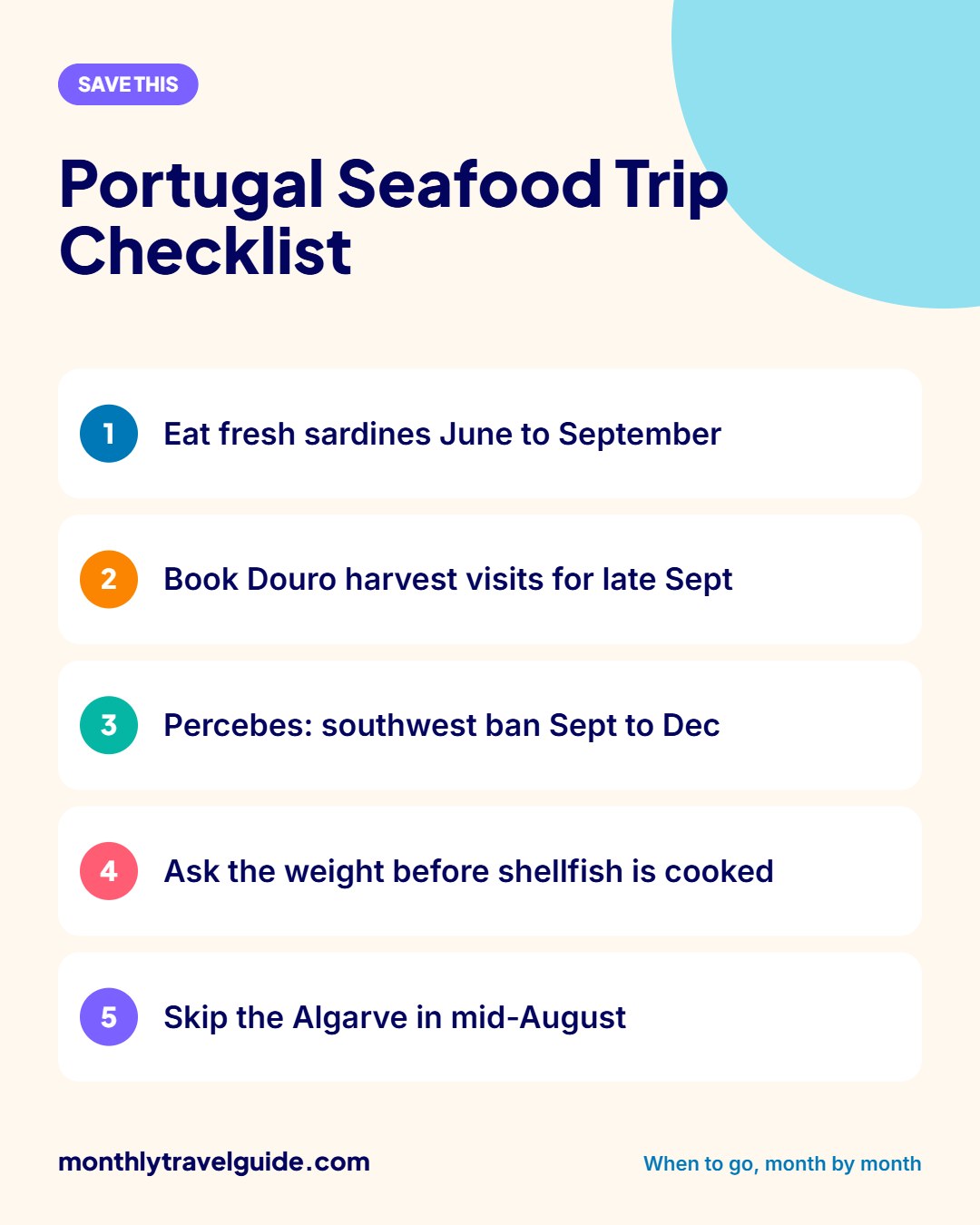
- Fresh sardines are a summer fish: roughly late May to early October, and outside that window restaurant sardines are usually frozen.
- June is festival month, with Saint Anthony in Lisbon on 13 June and the São João night in Porto on 23 June, both built around grilled sardines.
- Goose barnacles (percebes) cannot be harvested in the southwest Alentejo and Costa Vicentina park from September to December.
- The Douro grape harvest usually falls in the second half of September; Vinho Verde picks from about mid-September to early October.
- July and August are the driest and hottest months on the whole coast, and the busiest; October to February bring rain, heavy in the north.
- Each coastal town has a speciality: octopus in Matosinhos, cockles in Nazaré, fried cuttlefish in Setúbal, clams and oysters around the Ria Formosa.
Portugal Seafood Guide: What Is in Season, Month by Month
This section gives you the seafood and wine calendar for the Portuguese coast in one view. The verdict on each tile weighs three things: what is fresh, how the weather behaves at the table outside, and how crowded the coast gets.
Coastal food calendar
Pink = best months
Based on sardine and percebes seasons from Cooking Lisbon, DGRM and Portugal Resident, harvest timing from Taste Porto and Wine Travel Guides, and climate averages from Climates to Travel. Every year differs.
Most of what you’ll eat on the coast is available all year: clams, mussels, octopus, cuttlefish, prawns and the fish of the day arrive at the market whenever the boats can go out. What changes with the season is a short list of headline foods, and the sardine is the biggest of them. The sardine fishery is closed for part of each year and reopens in spring under rules set by the fisheries authority, DGRM, which also stops purse-seine boats for 48 hours every weekend. In one recent season it reopened in early May after almost five months closed.
Winter is not a bad time to eat in Portugal; it is a bad time to eat sardines. From November to March the coast turns to stews, rice dishes and shellfish, and many people find the cataplanas and fish soups more satisfying in cool weather than in August heat.
🧰 Try it while you read: a free tool for this trip
Free trip timing tool
What Kind of Traveller Are You?
Seven quick taps pick your travel type, then show the countries and months where it shines.
Loading the tool…
Sardines: The Summer Fish
This section covers Portugal’s most famous seafood, when to eat it fresh and where the big sardine nights happen. According to Cooking Lisbon, sardine season runs roughly from late May to early October, the fish are most plentiful in the summer months, and the sardines you are served outside the season are usually frozen, which tastes different.
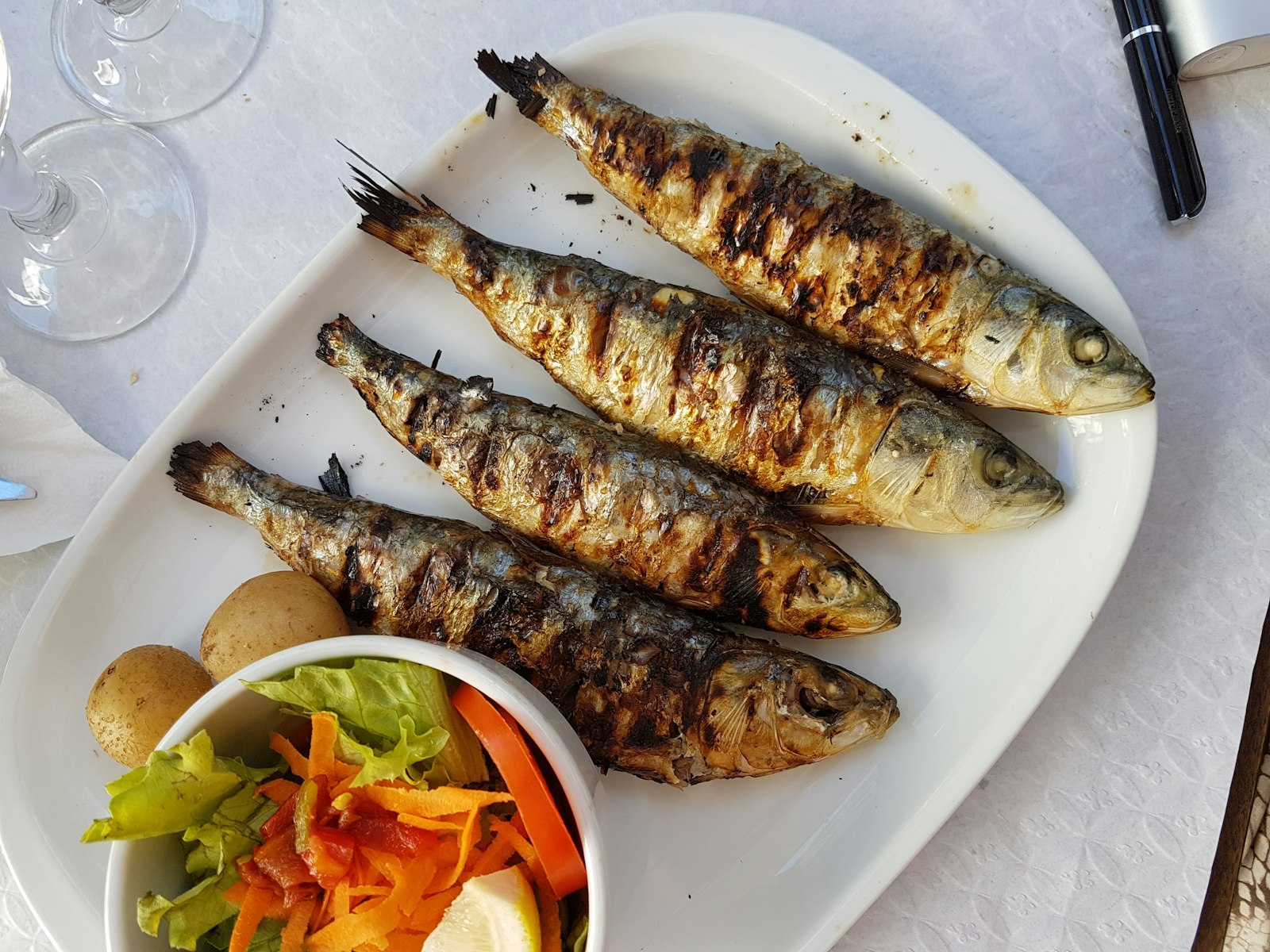
The classic way to eat them is simple. Whole sardines are grilled over charcoal with coarse salt until the skin crisps, then served with boiled or smashed potatoes, a mixed salad or a salad of roasted peppers. At street parties they come on a slice of bread (sardinha no pão) that soaks up the juices. In a restaurant you’d use a knife and fork; at a festival stall, your hands are fine.
| When | Where | What happens |
|---|---|---|
| 13 June, with parties all month | Lisbon (Alfama, Graça, Madragoa, Bica) | Saint Anthony festival; sardine grills fill the old neighbourhoods |
| Night of 23 June | Porto | São João: sardines on cornbread (broa), basil pots, fireworks over the Douro |
| Usually early August | Portimão, Algarve | Sardine festival by the river near the old fish market, in the evenings |
| June to October | Peniche and the west coast | A sardine town with its own festivals through the season |
🗓️ Free: the 12-Month Map for Portugal
Every month on one page: best weeks, shoulder weeks and the ones to skip. Print it or keep it on your phone.
Sources: Cooking Lisbon for the Lisbon festival, Taste Porto for São João, Portugal Resident for the Portimão festival and Tour Tailors for Peniche.

The Smart Timing Bundle
Pick the month, book in the right order, pack once
Six printable timing tools for any trip: the Trip Timing Planner, When to Book, When NOT to Go, the Shoulder Season Playbook, the family timing guide and the Packing by Season System.
See the bundle · $37Six products, $100 separately · Digital download · All sales final
Tip
If fresh sardines matter to you, go between June and September and ask whether they are fresh (frescas). A menu that shows sardines in January almost always means frozen fish. Canned sardines, on the other hand, are eaten all year and make a light souvenir.
If you want the fish without the party, late June after the festivals and the first half of September are calmer and still fully in season.
The Coastal Regions and What Each One Cooks
This section takes the coast from north to south and names the speciality of each stretch. Portugal’s shoreline is short enough to cover in a week by car or train, and each region has a dish worth building a stop around.
| Region or town | Known for | Best timing |
|---|---|---|
| Matosinhos (next to Porto) | Octopus, anchovies, grilled fish beside a big fishing port | June to September for outdoor grills |
| Nazaré | Cockles in stews, soups and garlic and white wine sautés | May to June or September |
| Peniche | Sardines grilled over charcoal | June to October |
| Ericeira | Sole, pan-fried or baked | May to October |
| Setúbal | Choco frito (fried cuttlefish), seafood platters | All year |
| Sesimbra and Arrábida | Caldeirada, monkfish rice, cataplana | Spring and autumn, to skip summer traffic |
| Sines and the Alentejo coast | Grouper stew and grouper cataplana | May to October |
| Southwest Alentejo and Costa Vicentina | Goose barnacles (percebes) | January to August; none from September to December |
| Olhão and Tavira (Ria Formosa) | Sea bass, clams, oysters, razor clams | All year; spring and autumn for mild days |
Sources: Tour Tailors for the town specialities, Taste of Lisboa for the Arrábida and Sesimbra dishes and Portugal Resident for the percebes ban.
The north: Porto, Matosinhos and the Minho
Matosinhos is the seafood suburb of Porto, a short ride from the centre, with a large port that feeds a busy fish market. Octopus is cooked many ways here, and fresh anchovies are seared with lemon or salted for salads. The sea is cold, about 14 to 19 °C through the year according to Climates to Travel, so this is a coast for eating rather than swimming. Combine it with the Vinho Verde country inland, where the light white wine is made to go with exactly this kind of food.
The centre: Nazaré, Peniche and Ericeira
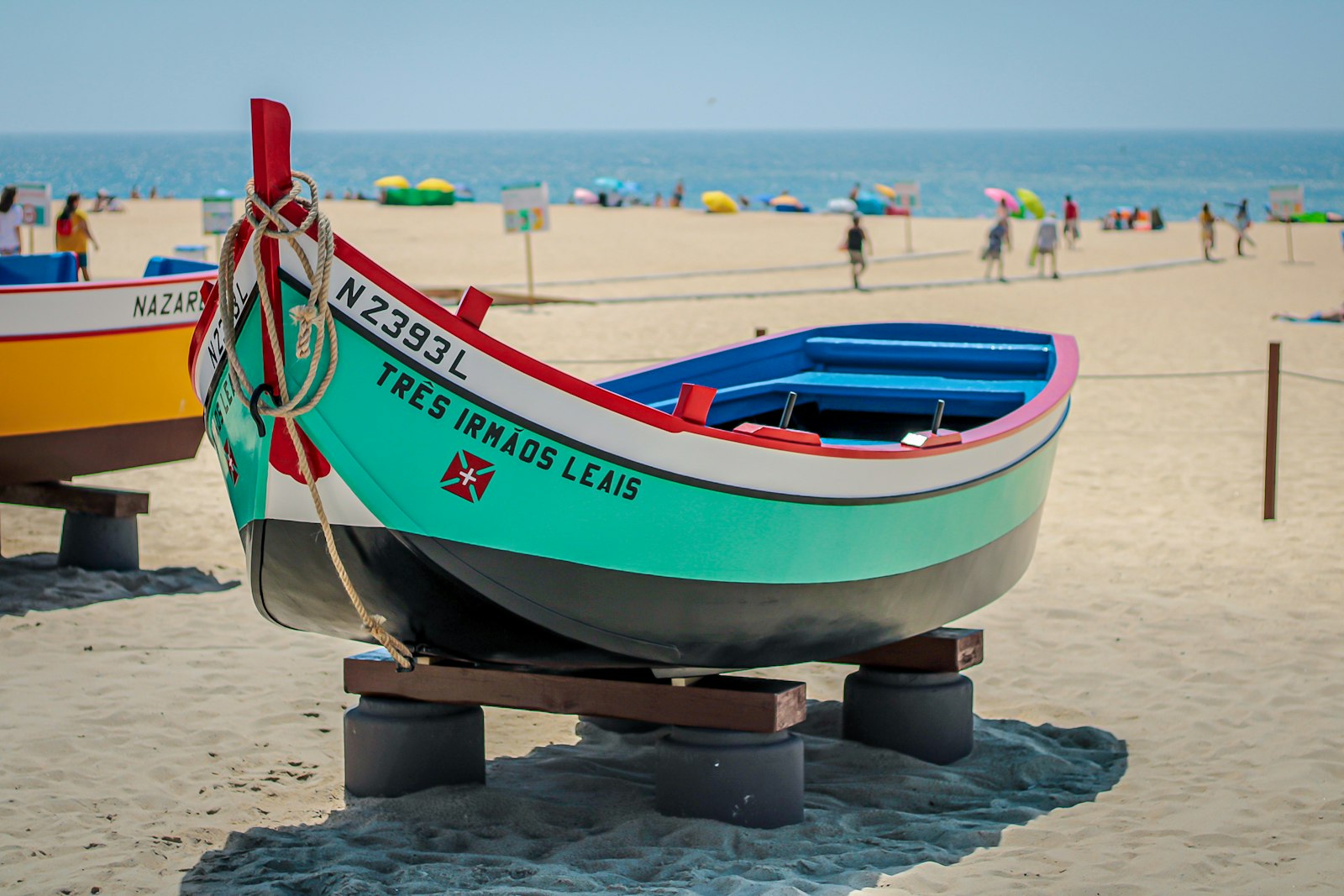
The Atlantic towns north of Lisbon are working fishing ports with beaches attached. Nazaré is known for cockles, Peniche for sardines and Ericeira for sole. Visit midweek in June or September for an easier table near the water.
Lisbon and the Setúbal Peninsula
South of the Tagus, Setúbal is the home of choco frito: strips of cuttlefish in a thin batter, fried and served with chips, salad and lemon. Visit Lisboa, the Lisbon tourism board, notes that much of the cuttlefish used today is imported because the local catch cannot meet demand, so the dish is the same in any month. Around the Arrábida hills, Sesimbra and Portinho serve fisherman’s stew, monkfish rice and cataplana, and Taste of Lisboa mentions oysters from the Sado river and Moscatel de Setúbal, a sweet fortified wine served at the end of the meal.
The Algarve and the Alentejo coast
In the far southwest, the cliffs around Sagres and Cape St Vincent are percebes country. In the east, the Ria Formosa lagoon around Olhão and Tavira supplies clams, oysters and razor clams; Taste Porto notes that razor clams are in sharp decline, so treat them as a treat rather than a staple. For the beaches and towns of the region, see our guide to the best places to visit in the Algarve.
Goose Barnacles and Other Shellfish: Timing the Rarities
This section covers the seafood with real seasons beyond sardines. Goose barnacles, known as percebes, look like small dragon claws and taste of the open sea. They grow on wave-battered rocks, and harvesters climb down cliffs at low tide with a bladed tool to chip them off between waves.
The rules are strict. Fine Dining Lovers reports that the harvest needs a licence and is capped at 20 kilos a day. In the Natural Park of the Southwest Alentejo and Costa Vicentina, Portugal Resident reports that collection is prohibited between September and December, so the barnacles can recover. The village of Vila do Bispo holds a percebes festival before the ban; in recent years it has been held in June or September, so check the date before you plan around it.

The complete kit
Every country guide, every timing tool
All 24 When to Go country guides, the six Smart Timing tools and every 12-Month Map, with a Start Here that tells you what to open first.
See the kit · $127The five bundles cost $225 separately · Digital download · All sales final
Important
Percebes are one of the most expensive items on any Portuguese menu and are sold by weight. Prices change; check before you order, and ask for the weight on the plate. They are usually boiled and served lukewarm: twist off the leathery skin and eat the pink flesh inside.
Other shellfish are less seasonal for a visitor. Clams are served à Bulhão Pato, with garlic, coriander and olive oil; bean clams (conquilhas) come from the Algarve and Alentejo beaches; spider crab and brown crab are served stuffed; and scarlet prawns are a Porto favourite. Taste Porto lists them all, and notes that mussels are thought of as a summer dish.
Wine Regions and Harvest Months on the Seafood Coast
This section covers the three wine areas that sit closest to the seafood coast, what they make and when the grapes come in. Harvest, called vindima, is the most popular time for a wine visit, but it is working time for the farms, so plan ahead.
Vinho Verde
Northwest, inland from Porto to the Spanish border
Light, crisp whites with a slight fizz; Alvarinho, Loureiro, Trajadura, Avesso
Harvest: About 10 September to early October
Douro
The terraced river valley east of Porto
Port and dry reds and whites
Harvest: Usually the second half of September
Setúbal Peninsula
South of Lisbon, around Arrábida
Moscatel de Setúbal and table wines
Harvest: Late summer to early autumn
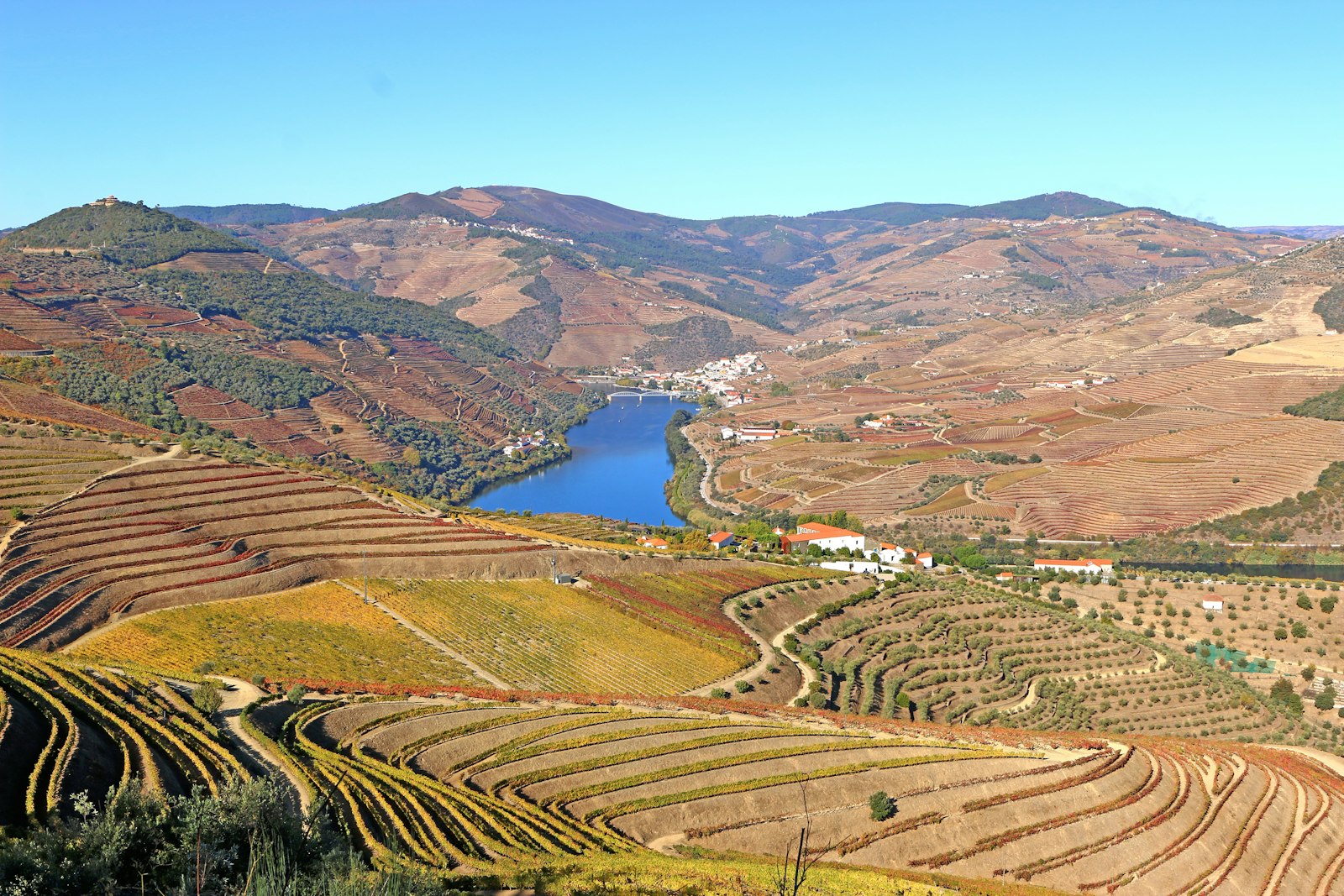
For Vinho Verde, Wine Travel Guides splits the region into nine subregions, from Monção e Melgaço on the Minho river, home of Alvarinho, down to Amarante, and gives harvest windows of about 15 September to 5 October for Alvarinho and 10 September to 1 October for Loureiro. In the Douro, Taste Porto says the harvest usually takes place in the second half of September, with no fixed date because the weather decides, and that harvest programmes at the wineries are limited and need booking in advance. Great Wine Capitals adds that picking starts early in the morning and a hot afternoon or heavy rain can change the next day’s plan.
The pairing is natural. A cold glass of Vinho Verde with grilled sardines or clams is the everyday match in the north, and a small glass of Moscatel de Setúbal after a seafood rice is the south’s version of dessert. Prices change; check before you book any winery visit.
Portugal Seafood Guide: Weather, Crowds and How to Plan
This section puts the food calendar next to the weather. The coast has a mild Atlantic climate, but the north is far wetter than the south, and summer is very dry everywhere.
| Month | Porto high / rain | Lisbon high / rain | Faro high / rain | Sea at Faro |
|---|---|---|---|---|
| January | 14 °C / 160 mm | 15 °C / 110 mm | 16.5 °C / 60 mm | 16.5 °C |
| April | 18 °C / 115 mm | 20 °C / 70 mm | 20.5 °C / 35 mm | 16.5 °C |
| June | 22.5 °C / 45 mm | 26 °C / 15 mm | 26.5 °C / 5 mm | 19.5 °C |
| August | 25 °C / 25 mm | 28.5 °C / 5 mm | 29 °C / 0 mm | 21.5 °C |
| September | 23.5 °C / 70 mm | 26 °C / 40 mm | 26 °C / 30 mm | 21.5 °C |
| October | 21 °C / 140 mm | 22.5 °C / 115 mm | 23.5 °C / 55 mm | 20.5 °C |
| December | 15 °C / 195 mm | 15 °C / 105 mm | 17.5 °C / 110 mm | 17.5 °C |
Source: long-term averages from Climates to Travel. Every year differs, and rain in the north comes mostly from November to February.
A simple plan for a first coastal food trip is seven to ten days from Porto to the Algarve. Start with two nights in Porto for Matosinhos and a day in the Vinho Verde or Douro country, drive or take the train south through Nazaré or Peniche, spend two or three nights around Lisbon with a day in Setúbal and Arrábida, then finish in the Algarve, east around the Ria Formosa or west towards Sagres.
Not sure your dates work? Try the free Best Month Finder for the best months to travel, or the Shoulder Season Detector to see when the coast is busy but not packed.
When Not to Plan a Seafood Trip
This section is the honest part. You can eat well on the Portuguese coast in any month, but some weeks work against a food-focused trip.
| Avoid | Why | Do this instead |
|---|---|---|
| Sardines between November and April | Out of season; usually frozen | Order clams, octopus, stews and rice dishes |
| Percebes in the southwest from September to December | Harvest is banned in the natural park | Go from late spring to August |
| Algarve in mid-August | Hottest, busiest weeks; long waits for tables | Go in June or the second half of September |
| The north from November to February | Porto’s wettest months; outdoor grills close | Go from May to early October |
| A walk-in Douro harvest visit | Harvest programmes are limited | Book ahead for late September |
For a quick check of any dates, use the free When Not to Go checker.
A Better Month If You Want Something Else
This section helps if the seafood coast is one part of a wider trip with other goals.
Warm sea for swimming
Go in August or early September, when the Algarve sea reaches about 21 °C.
Festivals and street food
Go in June for Saint Anthony in Lisbon and São João in Porto.
Wine and food together
Go in the second half of September for the Douro and Vinho Verde harvest.
A quiet winter trip
Go in December for mild Lisbon days and seasonal food; see Portugal in December.
Island seafood
Try the Azores in late summer; see Pico Island in September.
Comparing Portugal with other countries? Our guides to Europe in May, Europe in July, European cities in September and warm places in Europe in November cover the rest of the European year.
4 Common Mistakes on a Portuguese Seafood Trip
1. Ordering sardines in winter
Sardines are a summer fish. From about November to April they are usually frozen, and they will not taste like the ones you were promised. Order what the coast does best in the cold months: stews, clams and seafood rice.
2. Forgetting that seafood is sold by weight
Shellfish, lobster, percebes and whole fish are often priced per kilo, and the menu number is not the bill. Ask for the weight before it is cooked, and decide on the size you want.
3. Turning up for the harvest without a booking
Harvest is short and wineries run a limited number of visits. If you want to pick grapes or tread them in a stone lagar in late September, book well ahead and stay flexible, because the weather can move the picking by days.
4. Spending the whole trip in the Algarve in August
The south coast in mid-August is hot, full and slow. The same seafood is available in June and September with more space at the table, and the north coast is cooler for long lunches.
Portugal Seafood Guide FAQ
The Bottom Line
The short version of this Portugal seafood guide: go in June for sardines and festivals or in September for sardines and the grape harvest, eat the speciality of each coastal town, and keep winter for stews and shellfish rather than grilled fish. For more on the country, browse our Portugal travel guides.
More than one country?
Time your whole European trip
The Europe Bundle brings the European When to Go guides together, with month-by-month weather, festival weeks, crowd peaks and when to book, so the Portuguese coast can sit next to the rest of your route in the weeks that suit each stop.
Digital download · All sales final
Free download
See the whole year before you book
Our free 12-Month Map puts every month for one country on four pages: when the weather works, when the crowds and prices peak, and the weeks to skip.
- 24 countries to choose from
- Region-by-region verdicts
- Printable PDF
Your download page opens as soon as you sign up. 24 countries available.