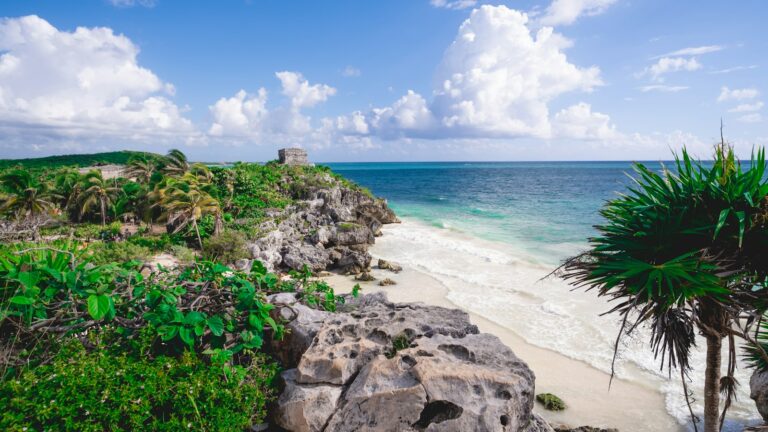
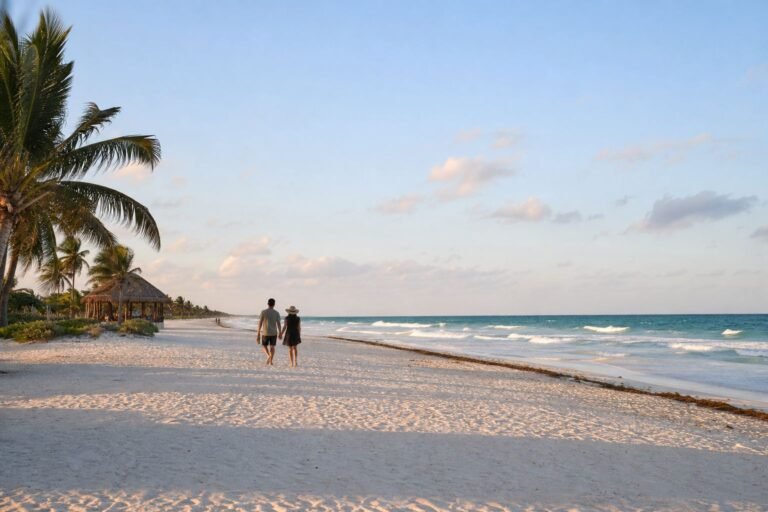
If you’re deciding where to travel in September, look for the sweet spot rather than the heat: places where the average high sits between about 20 and 28 °C, rain is still occasional and the summer crowds have started to thin. That describes a surprisingly long list, from Lisbon, Tuscany and the Dalmatian coast to Istanbul, Cappadocia, the Pacific Northwest and the high Andes. This guide compares them on temperature, rain days and crowd trend, rates each with a comfort score, and is just as clear about the places to avoid, from the Caribbean at hurricane peak to typhoon-season Japan.

When to Go guides
Choose your country, then your month
24 country guides, each about 100 pages: every month rated for weather, crowds and prices, region by region, with a 7-day booking plan. Six guides per region bundle.
Browse the 24 guides · $19 eachRegion bundles: Europe, Asia & Pacific, Sun Souks & Safari, Americas · $47 each
The September temperature band
Each bar runs from the average night low to the average day high. Teal bars stay under 28 °C, amber reach 28 °C, coral pass 30 °C. Long-term averages from Climates to Travel and Weather2Travel.
Key takeaways
- September’s best destinations are the ones that were too hot or too busy in August and now settle into highs of about 20 to 28 °C.
- The Mediterranean is the headline: Dubrovnik drops from about 30 °C in August to 26 °C, and the Adriatic sea stays near 23 to 24 °C.
- Inland and high places shine too, with Cappadocia, Vienna and Cusco giving warm days and cool, crisp nights.
- September is not perfect everywhere: Provence has its wettest month of the year, Seville still averages about 32 °C, and heatwaves can still happen early in the month.
- The Atlantic hurricane season peaks around 10 September, Japan’s worst typhoons have mostly landed in September, and South Asia’s monsoon only starts to withdraw in the second half of the month.
- Crowds ease noticeably once European school holidays end, but the first half of September is still busy on famous islands and coasts.
Where to travel in September: the comparison table
This section puts every recommended place on one screen with its September average high and low, its rain days and the way crowds usually change compared with August. The climate numbers are long-term averages; the crowd column is our editorial reading of a typical September, not a measured count.
| Place | High / low | Rain days | Crowds vs August | Verdict |
|---|---|---|---|---|
| Lisbon (Portugal) | About 27 °C / 17 °C | About 6 | Lower, still busy early in the month | Go |
| Florence and Tuscany (Italy) | About 27 °C / 15 °C | About 6 | Lower, still busy in Florence | Go |
| Dubrovnik and the Dalmatian coast (Croatia) | About 26 °C / 19 °C | About 6 | Clearly lower after the first week | Go |
| Santorini (Greece) | About 27 °C / 21 °C | About 1 | Lower but still high | Go |
| Istanbul (Türkiye) | About 26 °C / 18 °C | About 5 | Steady, less heat in queues | Go |
| Cappadocia (Türkiye) | About 27 °C / 9 °C | About 5 | Steady | Go |
| Avignon and Provence (France) | About 26 °C / 14 °C | About 5, but heavy | Clearly lower | Go with care |
| Vienna (Austria) | About 21 °C / 11 °C | About 7 | Lower | Go |
| Prague (Czechia) | About 20 °C / 9 °C | About 11 | Lower | Go |
| Essaouira (Morocco) | About 22 °C / 18 °C | About 2 | Lower | Go |
| Seattle and the Pacific Northwest (USA) | About 22 °C / 12 °C | About 8 | Lower after Labor Day | Go |
| Cusco and the Sacred Valley (Peru) | About 22 °C / 5 °C | About 5 | Lower than the July and August peak | Go |
| Seville and inland Andalusia (Spain) | About 32 °C / 18 °C | About 2 | Lower | Go with care |
🗓️ Free: a 12-Month Map for your country
Every month on one page: best weeks, shoulder weeks and the ones to skip. Print it or keep it on your phone.
Sources for the figures: Climates to Travel for Florence, Dubrovnik, Santorini, Istanbul and Cappadocia, Avignon, Vienna, Essaouira, Seattle, Cusco and Seville; Weather2Travel for Lisbon and Prague. A rain day counts any day with measurable rain, so it doesn’t mean the whole day is wet.
September comfort index
Our editorial rating out of five, based on the long-term averages in this guide: comfortable highs, dry days and how much the crowds ease after August. It is a reading aid, not a measured statistic.
Lisbon
Go
27 °C days, a cooler Atlantic at 19 °C and long, light evenings.
Dalmatian coast
Go
Four degrees cooler than August with a sea still near 23 °C.
Tuscany
Go
Warm days and cool evenings in the city and the hills.
Santorini
Go
Almost dry and warm; the meltemi wind can roughen the sea.
Istanbul
Go
Around 26 °C, comfortable for long walking days.
Cappadocia
Go
Warm days, cold dawns: dress in layers for the balloon hour.
Vienna and Prague
Go
Mild city weather; Prague has more showers.
Canadian Rockies
Go
Golden larches from mid-month, cold mornings.
Provence
Go with care
Its wettest month, with occasional heavy autumn rain.
Seville
Go with care
Still about 32 °C; October is the easier month.
Japan
Go with care
Lingering heat and the main typhoon risk.
Caribbean
Skip
The Atlantic hurricane season is at its peak.
🧰 Try it while you read: a free tool for this trip
Free trip timing tool
Beach Water Temperature Picker
Set the sea temperature you like; see which countries reach it in your month.
Loading the tool…
Southern Europe in September: the Mediterranean sweet spot
This section covers the classic September choice, the Mediterranean and Atlantic edge of southern Europe, where August heat gives way to warm, settled days and a sea that has been heating up all summer.
Lisbon: warm days and a cool Atlantic
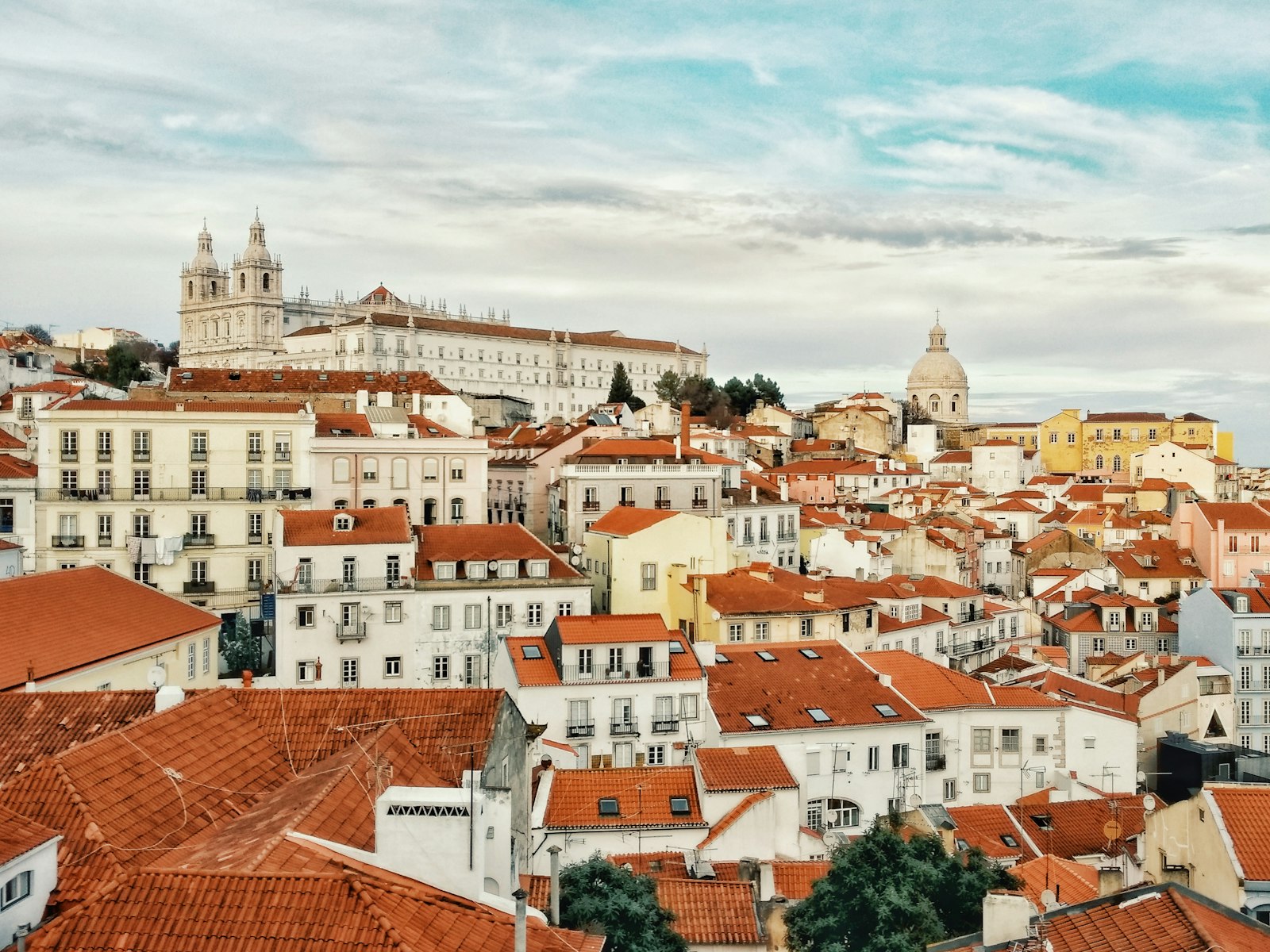
Lisbon averages about 27 °C by day and 17 °C at night in September, with roughly 9 hours of sunshine a day and about 6 days with some rain, according to Weather2Travel’s Lisbon page. The Atlantic is about 19 °C, which is refreshing rather than warm, so this is a city-and-viewpoints trip more than a swimming one. September evenings are long enough for a sunset at a miradouro, and the heat that sometimes hits in summer is less frequent.
For more city ideas across the continent, our guide to the best European cities to visit in September goes deeper on food and culture stops.
Florence and the Tuscan hills
Florence averages about 27 °C by day and 15 °C at night in September, with about 6 rain days and 7 hours of sunshine. Climates to Travel describes the month as having many fine days with pleasantly warm weather and cool evenings, and names September among the best times to visit. Cooler evenings make it a good month to stay out in the hill towns rather than only in the city.

The Smart Timing Bundle
Pick the month, book in the right order, pack once
Six printable timing tools for any trip: the Trip Timing Planner, When to Book, When NOT to Go, the Shoulder Season Playbook, the family timing guide and the Packing by Season System.
See the bundle · $37Six products, $100 separately · Digital download · All sales final
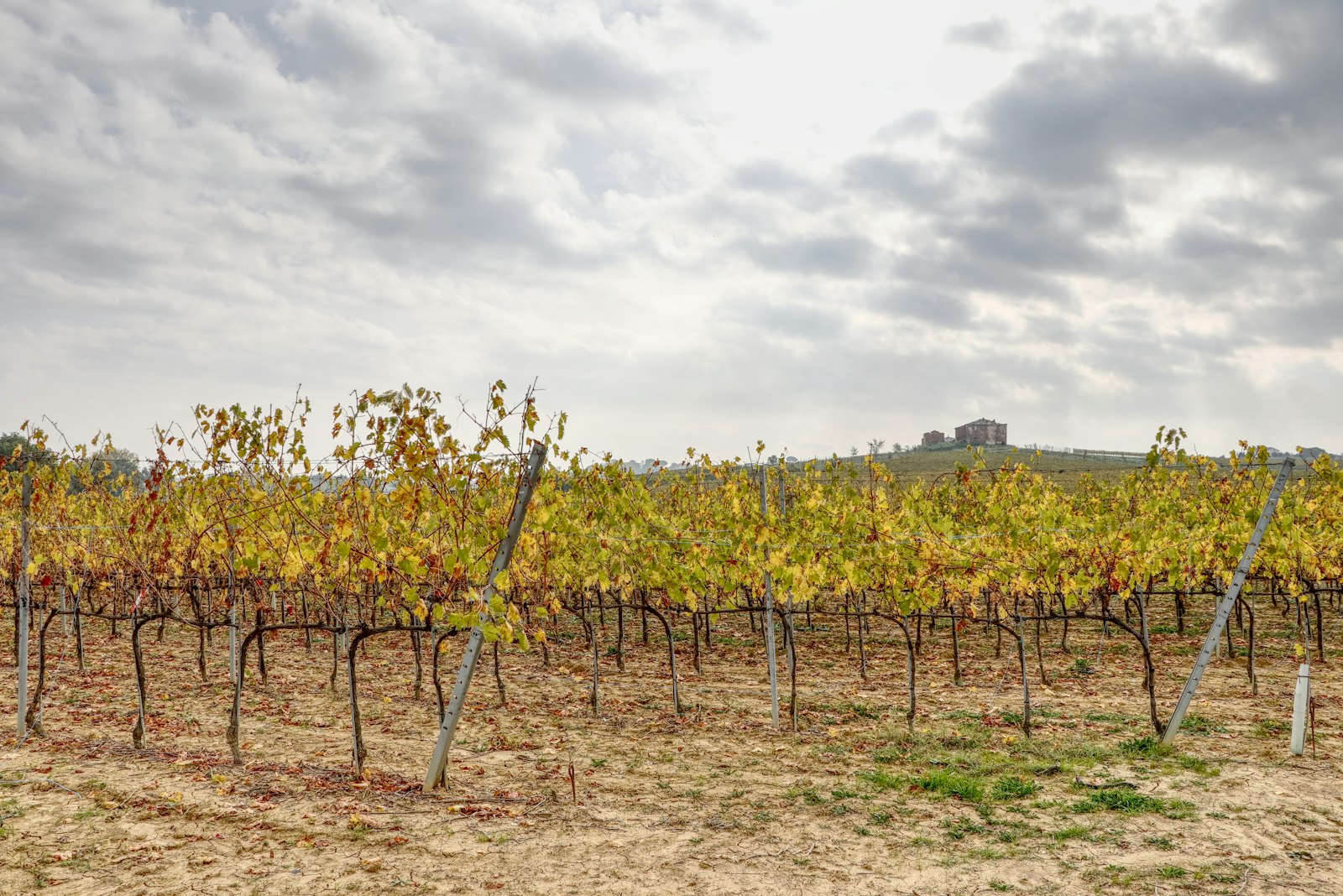
If Italy is your main target, our guide on why September suits Italy so well covers the regions one by one, and the Amalfi Coast road trip in September is a natural add-on for a coast leg.
Dubrovnik and the Dalmatian coast
The Croatian coast shows the September shift most clearly. Dubrovnik’s average high falls from about 30 °C in August to 26 °C in September, while the sea only drops from about 25 °C to 23 °C, so swimming stays easy. The trade-off is rain: September has about 6 rain days and roughly twice August’s rainfall, usually as short, heavy showers. Cruise days still crowd the old town, so check the port calendar and walk the walls at opening time.
Santorini and the Cyclades
Santorini averages about 27 °C by day and 21 °C at night in September, with only about 1 rain day and a sea near 24 °C. The Cyclades are exposed to the meltemi, a northerly wind that blows in spells of a few days; Climates to Travel notes it can make the air feel cooler but also make the sea rough. For a full island plan, see our Santorini in September guide.
Seville and Andalusia: wait for the second half
Andalusia is the exception in southern Europe. Seville still averages about 32 °C by day in September, and Climates to Travel places its summer from June to mid-September. October drops to about 27 °C, with the first autumn rains. If Andalusia is on your list, aim for the last week of September at the earliest, or take the coast and the mountains of Granada first.
Provence, Vienna and Prague: mild days with a rain caveat
This section covers the inland and central European options, where September brings city-walking temperatures and, in some places, the first real autumn rain.
Provence: comfortable heat, the year’s wettest month
Avignon cools from about 31 °C in August to 26 °C in September, which makes markets, hill villages and Roman sites far more pleasant. The catch is rain: according to Climates to Travel, September is Avignon’s wettest month, with about 95 mm spread over roughly 5 rain days, and autumn is the season when particularly heavy downpours can occur. Most days are still sunny; just keep a flexible plan and a covered option for each day.
Vienna and Prague
Vienna averages about 21 °C by day and 11 °C at night in September, with about 7 rain days and 6 hours of sunshine. Climates to Travel calls it a generally very mild month, with the warmest days around 28 °C. Prague is a degree or two cooler, at about 20 °C by day and 9 °C at night, but wetter, with about 11 days of some rain, according to Weather2Travel. Both are excellent walking cities in September: pack a light jacket for the evenings and an umbrella for Prague.
Istanbul, Cappadocia and Morocco’s Atlantic coast
This section covers the eastern Mediterranean and North Africa, where September takes the edge off the summer heat without ending the dry season.
Istanbul
Istanbul averages about 26 °C by day and 18 °C at night in September, with about 5 rain days and a sea near 22 °C, according to Climates to Travel’s Türkiye September page. The same source warns that heatwaves can still occur in Türkiye, mostly early in the month, so a late-September date is the safer choice if heat bothers you.

The complete kit
Every country guide, every timing tool
All 24 When to Go country guides, the six Smart Timing tools and every 12-Month Map, with a Start Here that tells you what to open first.
See the kit · $127The five bundles cost $225 separately · Digital download · All sales final
Cappadocia
Cappadocia sits on a high plateau, so September days are warm and nights are cold. Kayseri, the nearest station at about 1,050 m, averages about 27 °C by day but only 9 °C at night, with very little rain. That matters for the famous dawn balloon flights: you’ll be standing in the coldest hour of the day, so bring a warm layer even if afternoons feel like summer.

Essaouira and Morocco’s Atlantic coast
Morocco’s Atlantic coast is the cool corner of a hot country. Essaouira averages about 22 °C by day and 18 °C at night in September, with about 2 rain days and a sea near 21.5 °C. Climates to Travel notes the wind blows all year, especially as an afternoon breeze in summer, so it’s better for walks, seafood and the medina than for lying still on the sand.
Beyond Europe: the Pacific Northwest, the Rockies, New England and the Andes
This section covers the best September options outside Europe and the Mediterranean, where the month brings dry, clear weather and the first autumn colour.
Seattle and the Pacific Northwest
September is the end of the Pacific Northwest’s dry summer. Seattle averages about 22 °C by day and 12 °C at night, down from about 25 °C in August, with about 8 rain days, according to Climates to Travel. That’s the right temperature for hiking around Mount Rainier and the Olympic Peninsula, and the summer crowds thin after the US Labor Day holiday at the start of the month.
The Canadian Rockies: larch season
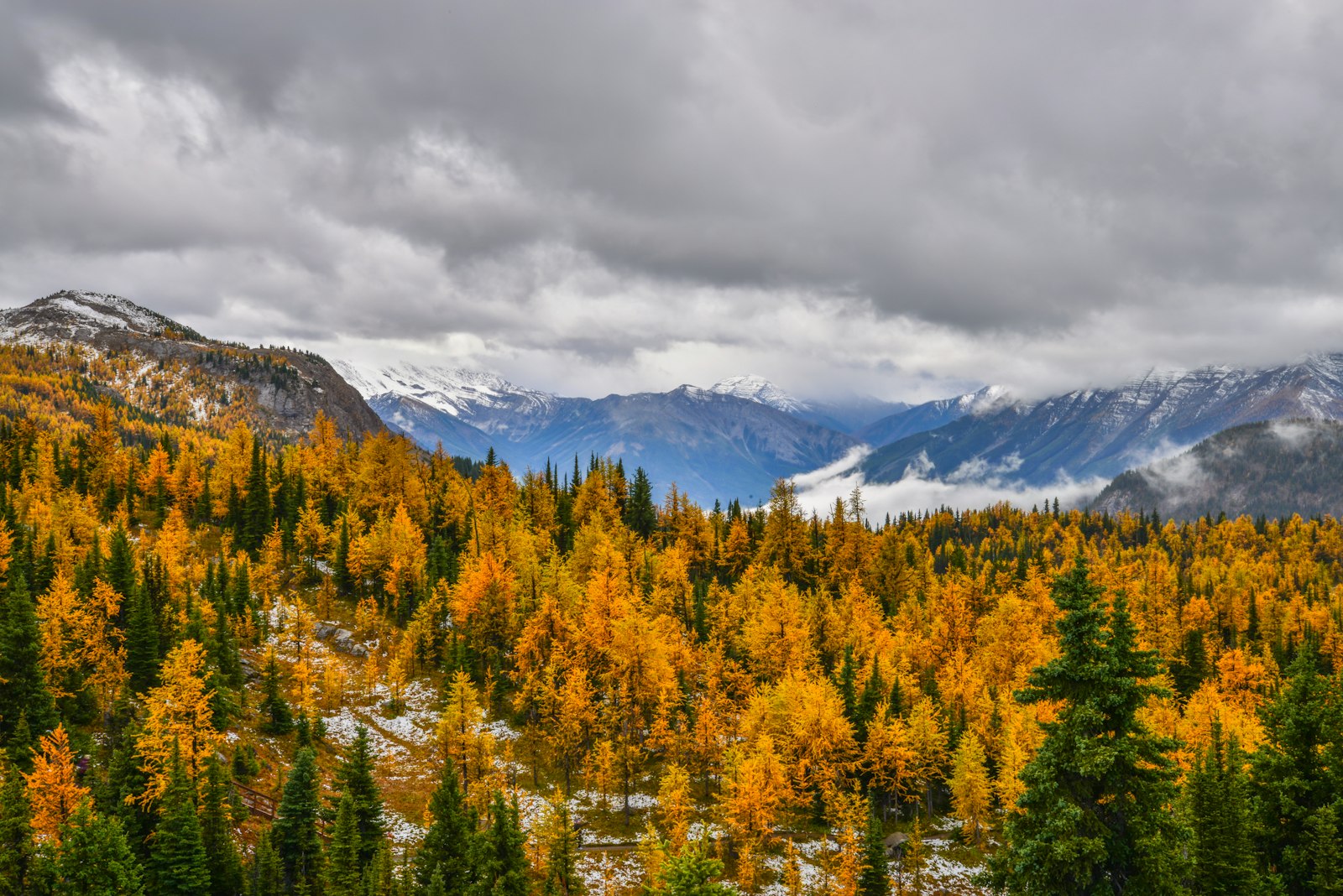
In Banff and Yoho, September is larch season. According to Travel Alberta, the best window for the golden larches is mid-September to early October, with the exact dates shifting with each season’s weather. Larch Valley is one of the most popular hikes, so start early; private vehicles can’t drive to Moraine Lake, so book the Parks Canada shuttle or a tour. Expect cold mornings and the possibility of early snow at altitude.
New England: the first colour arrives in the north
New England’s foliage starts in the far north. According to Hello Burlington, Vermont’s Northeast Kingdom usually turns first, peaking in mid to late September, two to three weeks before the rest of the state; higher central Vermont peaks in late September to early October, and the Lake Champlain valley and southern valleys in early to mid-October. For a late-September trip, head north and uphill.
Cusco and the Peruvian Andes
September is still dry season in the Peruvian Andes. Cusco, at about 3,300 m, averages about 22 °C by day and 5 °C at night, with about 5 rain days, according to Climates to Travel. Nights are cold at altitude, so pack warm layers for early starts on the Inca Trail or at Machu Picchu, and allow time to acclimatise.
Nature lovers have other September options too: the monarch butterfly migration along North America’s east and the start of the northern lights season in the far north.
When NOT to go: places to avoid in September
This section covers the destinations where September is a risky month. Each one can work with the right plan, but none should be booked without knowing the trade-off.
| Region | The September problem | What to do instead |
|---|---|---|
| Caribbean, Gulf of Mexico, Florida, the Bahamas | The Atlantic hurricane season peaks around 10 September | Book flexible fares and insurance, or move the trip to December to April |
| Japan | Lingering heat and the main typhoon period; most of the worst typhoons in the record landed in September | Go in late October or November, or keep flexible days |
| India, Nepal, Sri Lanka’s southwest | The monsoon only starts to withdraw from northwest India around 17 September | October and November for most of India and Nepal |
| Seville and inland Andalusia | Still about 32 °C average highs | October |
For the Atlantic, a local analysis by 13News Now notes that 10 September is the date that has most often had a tropical system in the Atlantic basin, and that storms keep forming after it. In Japan, Nippon.com reports that most typhoons form and make landfall from July to September, and that 11 of the 14 major typhoons in its list hit in September. In India, Down To Earth, citing the India Meteorological Department puts the normal start of the monsoon’s withdrawal from western Rajasthan at 17 September; the rest of the country clears later.
Not sure about your own destination? Run it through our free Storm Season Check and the Is This a Bad Month to Go? checker before you book anything non-refundable.
A better month if September isn’t right for your trip
This section is for travellers whose dates can move. September is the sweet spot for many places, but not all of them, and a few trips are simply better a month earlier or later.
| If you want… | September is… | Better month |
|---|---|---|
| Andalusia at walking temperature | Still hot, about 32 °C | October |
| Warmest possible Mediterranean sea | Still warm, about 23 to 24 °C | August, if you can take the crowds |
| Peak New England colour across the region | Only the far north is at peak | Early to mid-October |
| Japan without typhoon risk | Peak typhoon damage season | November |
| Golden larches with lower snow risk | Mid to late September is the main window | Stay with September; October gets colder |
To check the shoulder weeks for any destination, use our free Shoulder Season Detector. If you’re still looking for warm water above all, our September sun-seekers list covers the hottest beach options of the month, and Pico Island in the Azores is a quieter Atlantic alternative.
Common mistakes when planning a September trip
1. Assuming all of southern Europe has cooled down
Most of the Mediterranean is comfortable by September, but inland Andalusia still averages about 32 °C. Check the average high for the exact city, not the country.
2. Treating the first week like the last week
Early September can feel like August, with more heat and the tail of the school holidays. The second half of the month is usually calmer and cooler.
3. Ignoring storm seasons on the other side of the world
A cheap September fare to the Caribbean, Florida or Japan is cheap for a reason. If you go, buy flexible tickets and travel insurance, and watch the forecasts in the week before.
4. Packing only summer clothes
Plateau and mountain places such as Cappadocia, Cusco and the Rockies have warm days but cold nights and dawns. A warm layer weighs little and saves early starts.
5. Forgetting that September is still popular
Crowds ease, but famous places like Santorini, Dubrovnik and Florence remain busy. Book key entries and ferries early; prices change, so check before you book.
Where to travel in September: FAQ
Where is the best weather in September?
For comfortable weather, the best September choices are the Mediterranean and Atlantic edge of southern Europe: Lisbon, Florence, Dubrovnik, Santorini and Istanbul all average about 26 to 27 °C by day with few rain days. Further away, Seattle, Cusco and the Canadian Rockies are dry and clear. Avoid the Caribbean and Japan if storms worry you.
Is September a good month to travel?
Yes, for many destinations it’s one of the best. Southern Europe cools from its August peak, the sea stays warm, and crowds fall once school holidays end. It’s also the start of autumn colour in the far north of New England and the Rockies. The main exceptions are hurricane, typhoon and monsoon regions, where September is still a risky month.
Where is warm but not too hot in September?
Lisbon, Florence, Dubrovnik, Santorini and Istanbul all sit around 26 to 27 °C on average in September, with nights between about 15 and 21 °C. Cappadocia reaches about 27 °C by day but cools to about 9 °C at night. For milder city weather, Vienna and Prague average about 20 to 21 °C.
Is Europe still busy in September?
Less than in July and August, but still busy in the most famous places. European school holidays end at the start of the month, so the second half is usually calmer. Santorini, Dubrovnik and Florence remain popular, especially on cruise days and weekends. Book timed entries and ferries early, and visit headline sights at opening time.
Where should I avoid traveling in September?
Be careful with the Caribbean, the Gulf of Mexico and Florida, where the Atlantic hurricane season peaks around 10 September, and with Japan, where many of the worst typhoons on record arrived in September. India’s monsoon only starts to withdraw from the northwest around 17 September. Inland Andalusia is also still hot, at about 32 °C.
Is September a good time to visit the Greek islands?
Yes. Santorini averages about 27 °C by day and 21 °C at night in September, with about one rain day and a sea near 24 °C, which is still warm for swimming. The meltemi wind can blow in spells of a few days and make the sea rough. Crowds ease after the first week, though the islands stay popular.
The Bottom Line
The best answer to where to travel in September is wherever August was too hot or too crowded: southern Europe, the Turkish heartland, Morocco’s Atlantic coast, the Pacific Northwest and the Andes all hit their sweet spot in September. Avoid the storm belts, aim for the second half of the month where you can, and browse our best travel destinations in September for more ideas.
Free download
Which month for your country?
Get the free 12-Month Map: every month marked good, shoulder or avoid, region by region, on four printable pages.
- Greece to Japan, Morocco to Peru: 24 countries
- See the crowd and price peaks before you book
- Free, no purchase needed
Your download page opens as soon as you sign up. 24 countries available.