The best places to visit in Africa in February are spread across the whole continent, because February means very different things from north to south. In Morocco and Egypt it is the cool, comfortable heart of winter. In Cape Town it is high summer and almost rain-free. On the Serengeti it is calving season, and on Zanzibar it is a hot, mostly dry spell before the big rains of March. This guide picks the places that genuinely suit the month, gives you the numbers behind each one, and names the spots worth saving for later in the year.

When to Go guides
Choose your country, then your month
24 country guides, each about 100 pages: every month rated for weather, crowds and prices, region by region, with a 7-day booking plan. Six guides per region bundle.
Browse the 24 guides · $19 eachRegion bundles: Europe, Asia & Pacific, Sun Souks & Safari, Americas · $47 each
The best places to visit in Africa in February are the southern Serengeti in Tanzania for the wildebeest calving season, Zanzibar for beaches before the March rains, Cape Town and the Western Cape for dry summer weather, Marrakech and the Atlas for mild sunny days, Egypt’s Nile Valley before the heat, and The Gambia for dry-season sun. Victoria Falls is in high water but heavy spray, while Madagascar and Kenya’s Masai Mara migration are better in other months.
✅ Key takeaways
- ✓February sits inside the Serengeti’s calving window, when roughly 500,000 wildebeest calves are born on the southern short-grass plains in two to three weeks.
- ✓Cape Town averages about 27 °C by day in February with under 10 mm of rain, but the strong south-easterly wind can blow for days.
- ✓Marrakech is mild rather than hot (about 21 °C by day, 8 °C at night), and Luxor sits around 25 °C, compared with over 40 °C in July.
- ✓Zanzibar is hot and fairly dry in February; the main rainy season usually runs from March to May.
- ✓Skip Madagascar’s east coast in February: it is the heart of the warm, wet cyclone season.
Africa in February at a Glance: Which Region Fits Your Trip
Africa is too big to have one February. Start by choosing the kind of trip you want, then the region whose season matches it. The table below lays out the month across the main travel regions.
| Region | February season | Typical day / night | Best for |
|---|---|---|---|
| North Africa (Morocco, Egypt) | Cool, dry winter | Marrakech ≈21 / 8 °C · Luxor ≈25 / 9 °C | Cities, temples, desert, Atlas walks |
| East Africa (Tanzania, Zanzibar) | Short dry spell between rains | Zanzibar ≈34 / 24 °C | Calving safari plus beach |
| Southern Africa: Cape | Dry, sunny summer | Cape Town ≈27 / 17 °C | Coast, winelands, road trips |
| Southern Africa: interior | Rainy, green summer | Hot, humid, rainy | Birding, green landscapes, value |
| West Africa (The Gambia) | Dry season | Banjul ≈33 / 19 °C | Winter sun, river birding |
| Madagascar | Wet and cyclone season | Very wet on the east coast | Better from May |
🗓️ Free: a 12-Month Map for your country
Every month on one page: best weeks, shoulder weeks and the ones to skip. Print it or keep it on your phone.
≈500k
wildebeest calves born in the southern Serengeti in the calving window
304 hrs
average February sunshine in Cape Town
≈21°C
Marrakech average February high
≈1 mm
Banjul’s average February rainfall
If you’re choosing between Africa and other warm escapes, our round-up of the best warm travel destinations in February sets the wider options side by side, and our free Best Month Finder helps you check how February compares with other months for a single place.
🧰 Try it while you read: a free tool for this trip
Free trip timing tool
Festival Month Matcher
Choose a month and see the festivals and events our guides list for it.
Loading the tool…
East Africa: The Serengeti Calving Season and Zanzibar
East Africa gives you the strongest February combination on the continent: a world-class safari followed by a beach that is in one of its better months.
Southern Serengeti and Ndutu: the calving window
From about January to March, the great wildebeest herds graze the short-grass plains of the southeastern Serengeti. In February they give birth: roughly 500,000 calves arrive within two to three weeks. The new calves draw predators, which is why this is one of the most rewarding months for big-cat sightings. The herds stay in the south until the rains end in May, then move north-west towards the Grumeti River.
What this means for planning: base yourself in the southern Serengeti or the Ndutu area, not the north of the park. Camps close to the calving grounds are limited and are among the first to fill for February, so book the safari before anything else. For the full species-by-species picture, see our guide to the best wildlife safaris in February.

The Smart Timing Bundle
Pick the month, book in the right order, pack once
Six printable timing tools for any trip: the Trip Timing Planner, When to Book, When NOT to Go, the Shoulder Season Playbook, the family timing guide and the Packing by Season System.
See the bundle · $37Six products, $100 separately · Digital download · All sales final
Zanzibar: hot, bright and before the big rains
Zanzibar is warm all year, but February is one of its better beach months. Average highs are around 34 °C and lows around 24 °C, and rainfall averages about 65 mm, far less than March (about 150 mm) and April (well over 300 mm), when the main wet season peaks. North-east monsoon breezes help on the north and east coasts. Expect real heat at midday: plan Stone Town walks for the morning and keep the afternoon for the sea.
A Serengeti calving safari followed by four or five nights on Zanzibar is one of the classic February itineraries in Africa. For timing details on the island across the year, read our guide to the best time to visit Zanzibar.
When to Go: Tanzania & Zanzibar
Planning a calving safari or weighing February against another month? This guide walks you through Tanzania and Zanzibar month by month: where the herds usually are, which months are wet, when beaches are at their best and when camps fill first, so you can build the safari-and-beach trip around the right weeks.
See When to Go: Tanzania & Zanzibar · $19 →Digital download · All sales final
Southern Africa in February: Dry Cape, Green Interior
Southern Africa splits sharply in February. The Western Cape has a Mediterranean climate with hot, dry summers, so February is peak beach and road-trip weather. Most of the interior, including Kruger, Chobe and Victoria Falls, is in its rainy summer season: green, hot and often wet.
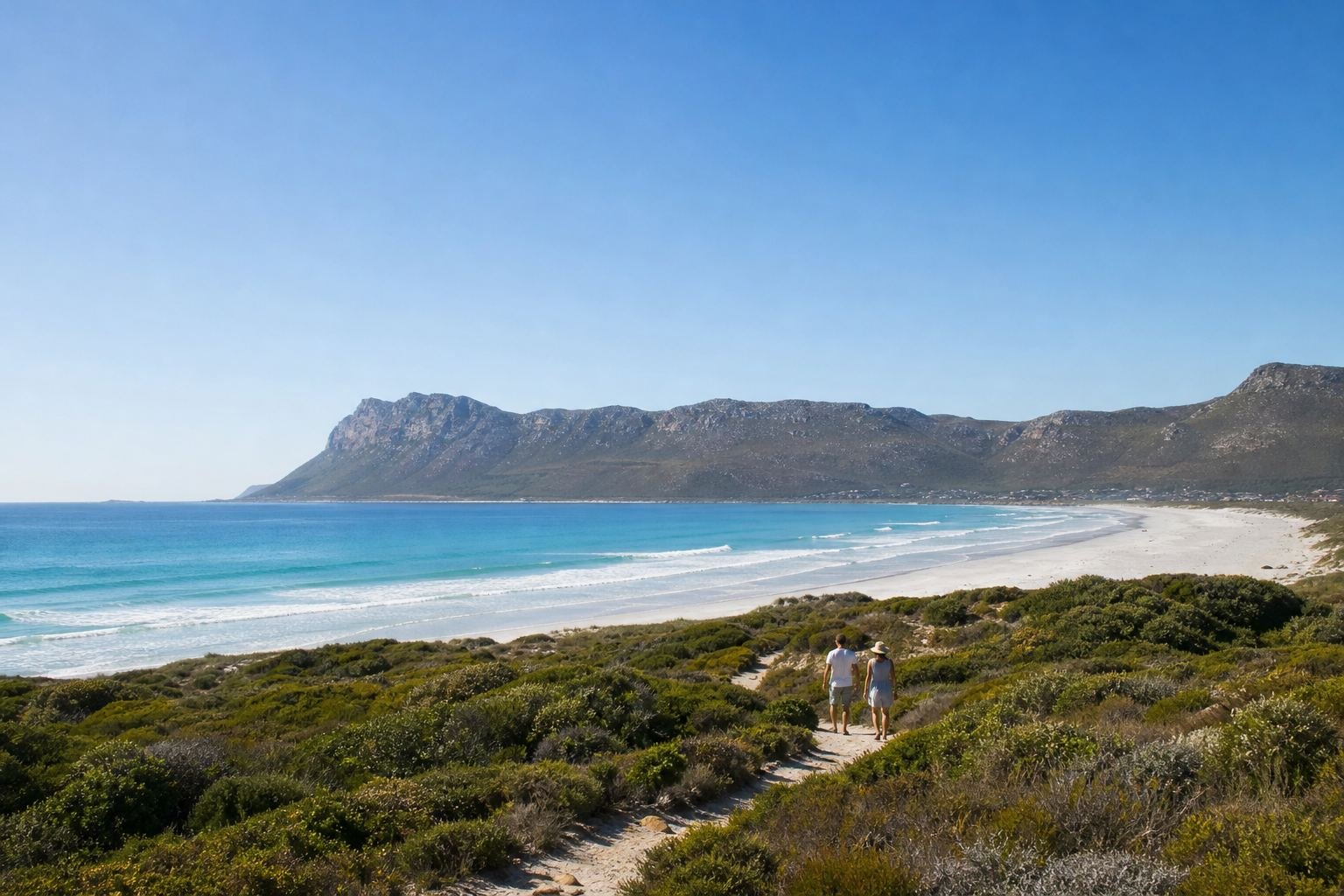
Cape Town and the Western Cape
Cape Town is one of the most reliable February picks in the whole continent. The long-term average is a high of about 27 °C and a low of about 17 °C, with under 10 mm of rain and around 300 hours of sunshine in the month. That is ideal for Table Mountain, the Cape Peninsula drive, the beaches on the Atlantic side and a few days in the Stellenbosch and Franschhoek winelands.
The one thing to plan around is wind. In spring and summer, a strong south-easterly known locally as the Cape Doctor can blow for days. It clears the air, but it can close the Table Mountain cableway and make some beaches unpleasant. Keep a flexible day for the mountain, and pick sheltered beaches on windy days.
Kruger and the bush in the green season
Kruger National Park’s rainy season runs through the southern summer, and February is hot and humid. The bush is thick and green and the landscapes are at their lushest, but tall grass and full waterholes spread game out, so sightings take more patience than in the dry winter. Kruger is also a malaria area. Talk to a travel health clinic about prevention well before you go.
A few private lodges operate inside Kruger under concessions, and private reserves bordering the park are a popular way to combine guided game drives with the national park, as described on the official SANParks Kruger page.
Victoria Falls and Chobe: high water, wet roads
The Zambezi’s flood season usually runs from February to May, peaking in April. February brings a rising, powerful flow, and the spray can climb more than 400 metres and be seen from far away. The catch: at high water, the spray can hide the face and foot of the falls, and you will get soaked on the viewing paths. Devil’s Pool, the famous swim on the lip of the falls, is usually only accessible between about September and December.
Nearby Chobe, in Botswana, is a different park in the rains. In the dry months, large elephant herds gather on the Chobe riverfront; in the wet season, many move away from the river towards the south-east of the park. February is better for birds and green scenery than for big riverfront elephant concentrations, and some roads get muddy.

The complete kit
Every country guide, every timing tool
All 24 When to Go country guides, the six Smart Timing tools and every 12-Month Map, with a Start Here that tells you what to open first.
See the kit · $127The five bundles cost $225 separately · Digital download · All sales final
North Africa: Morocco and Egypt in February
February is one of the most comfortable months to visit North Africa. The summer heat is months away, skies are mostly clear, and nights are cool enough to need a jacket.
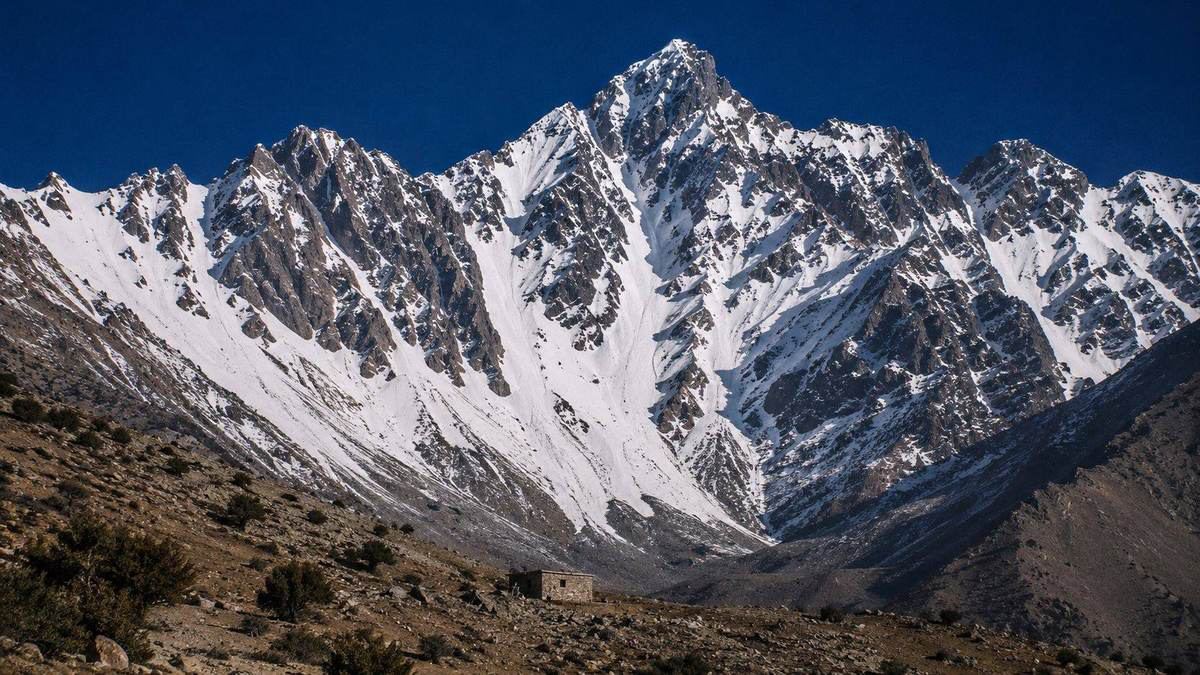
Marrakech, the Atlas and the desert
Marrakech averages about 21 °C by day and 8 °C at night in February, with around four rainy days in the month. That is good walking weather for the medina, the souks and the gardens. On clear days, the High Atlas usually shows a cap of snow on the horizon, and a day trip into the mountains brings colder air and quieter villages.
The Sahara is cold at night in February, so if you plan a night in a desert camp, bring a proper warm layer. Daytime is pleasant for camel walks and dune hikes, and you avoid the extreme heat of summer.
Egypt: the Nile Valley before the heat
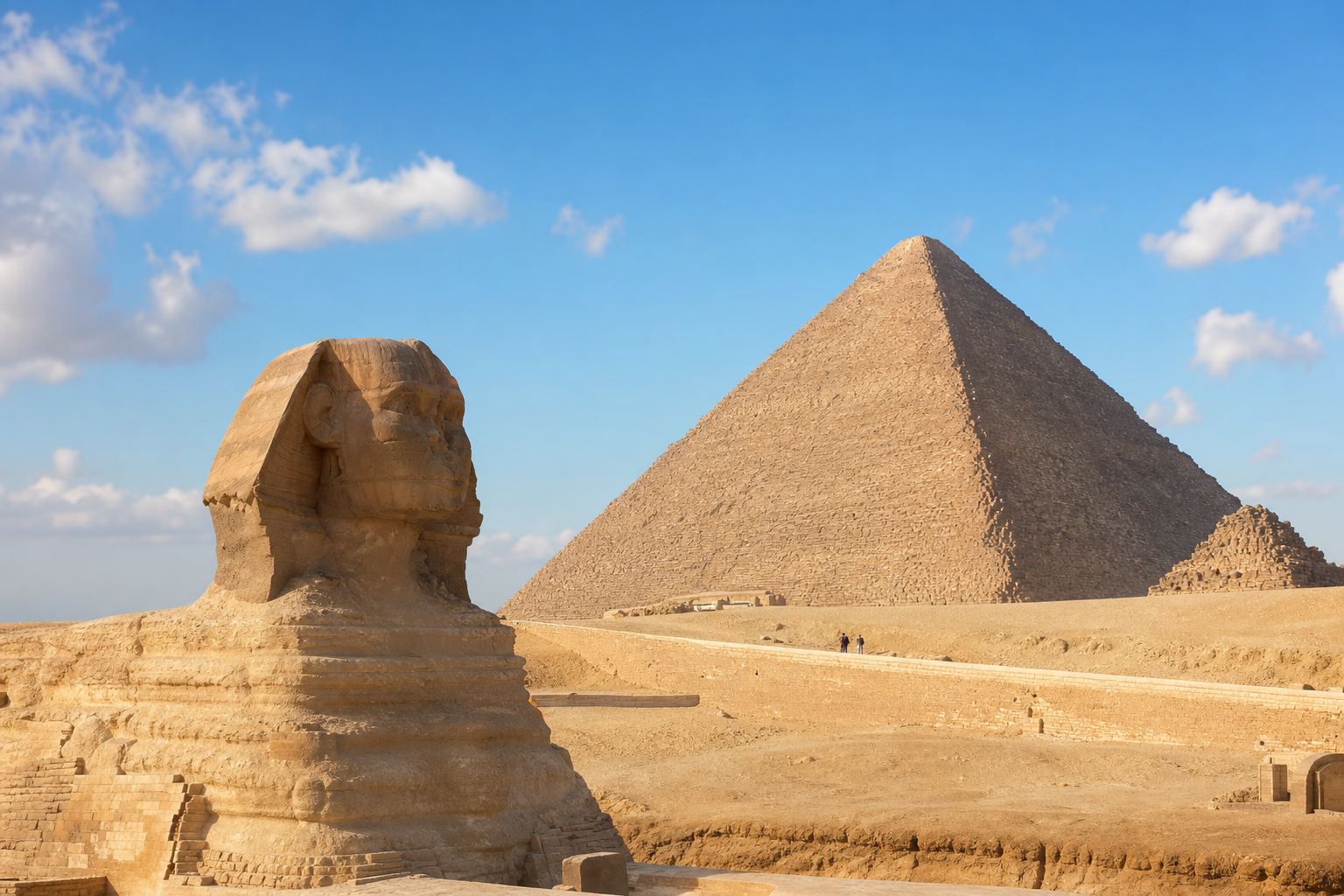
Egypt’s cool season is the reason so many travellers go in winter. In Luxor, February averages about 25 °C by day and 9 °C at night. Compare that with July, when highs average over 41 °C, and you can see why the Valley of the Kings, Karnak and a Nile cruise between Luxor and Aswan are far more enjoyable now. Cairo and Giza are cooler still.
Interested in events? Our cultural festivals in February round-up shows what is usually on around the world in the month.
West and Central Africa: Dry-Season Sun and Mountain Gorillas
The Gambia: winter sun on the river
The Gambia is a quieter February choice. Banjul’s dry season usually runs from November to May, and February averages about 33 °C by day and 19 °C at night, with almost no rain. That makes it a straightforward winter-sun trip, with Atlantic beaches and boat trips on the Gambia River for birdwatching.
Rwanda: gorilla trekking in Volcanoes National Park
Mountain gorilla trekking runs year-round in Rwanda’s Volcanoes National Park, in the north-west of the country, so a February trip is an easy add-on to an East Africa safari. The rules are strict, and you need to book early. According to Visit Rwanda’s official gorilla tracking page, the minimum age is 15, eight permits are issued per gorilla group per day, and visitors spend a strict maximum of one hour with the gorillas. The hike itself can take from 30 minutes to more than four hours. Permits are sold through the government’s Irembo platform or licensed tour operators, and the official permit price is listed on that page.
February in Africa rewards a simple rule: go north for culture and mild sun, east for the calving season, and to the Cape for summer.
Where Not to Go in Africa in February
Some famous places are simply in the wrong season. Knowing them saves you a disappointing trip.
🌀 Madagascar, especially the east
Madagascar’s warm, wet season runs from November to April, and destructive cyclones occur in this period. Toamasina on the east coast averages around 380 mm of rain in February over about 17 days. The dry season from May is a far better bet.
🐃 The Masai Mara for the migration
The Mara is open and good for resident wildlife, but the herds usually arrive between July and October. In February they are hundreds of kilometres south in Tanzania.
💦 Devil’s Pool at Victoria Falls
High water makes the famous lip-of-the-falls swim impossible. It is usually accessible from about September to December.
🐘 Chobe riverfront for huge elephant herds
The biggest riverfront gatherings are in the dry months. In February, many elephants have moved away from the river.
For the tools to check storm seasons yourself, our free Storm Season Check shows the riskier months for coasts and islands at a glance.
Three February Africa Itineraries That Work
10 days · Serengeti calving + Zanzibar
Fly into northern Tanzania, spend four or five nights in the southern Serengeti and Ndutu for the calving season, then fly to Zanzibar for Stone Town and four nights on the north or east coast.
12 days · Cape Town, winelands and coast
Five nights in Cape Town with a flexible Table Mountain day, two or three in Stellenbosch or Franschhoek, then a short Garden Route drive. Add Kruger only if you accept the green-season trade-offs.
9 days · Marrakech, Atlas and desert
Three nights in Marrakech, two in an Atlas village for walks, then a desert camp night with warm layers before returning through the mountains.
10 days · Cairo and the Nile
Two nights in Cairo for Giza and the museums, then fly south for a Luxor-to-Aswan Nile cruise, with early starts at the temples to beat the crowds.
If you’d prefer a cheaper beach week, our guide to affordable beach escapes in February includes options beyond Africa, and for animal-focused trips, our pick of whale watching and wildlife experiences in February covers the ocean side of the month.
Best Places to Visit in Africa in February: FAQ
The best places to visit in Africa in February share one thing: their season lines up with the month. Choose calving on the Serengeti, beach time on Zanzibar, summer in the Cape or mild sun along the Nile and in Marrakech, and leave Madagascar and the Mara crossings for later. For more ideas, browse our best travel destinations in February and Africa travel guides, see the best travel destinations in February worldwide, compare with a safari in Africa in January, or plan another month from the month-by-month travel planner.
Free download
See the whole year before you book
Our free 12-Month Map puts every month for one country on four pages: when the weather works, when the crowds and prices peak, and the weeks to skip.
- 24 countries to choose from
- Region-by-region verdicts
- Printable PDF
Your download page opens as soon as you sign up. 24 countries available.