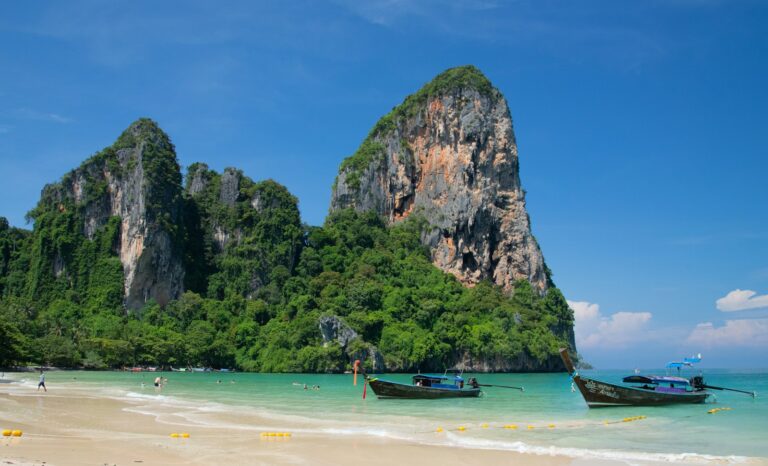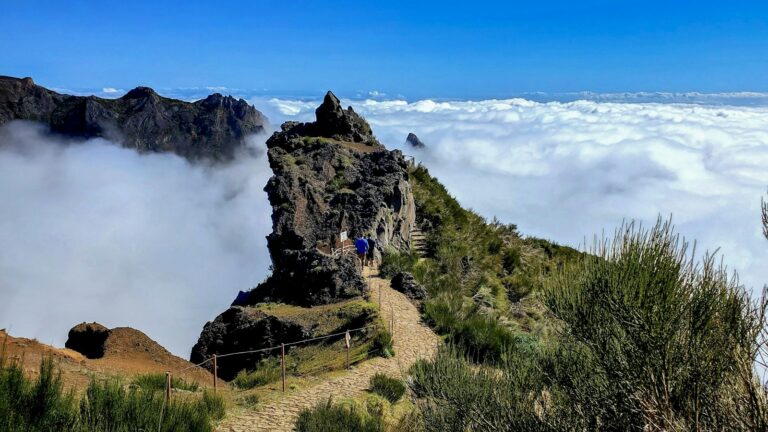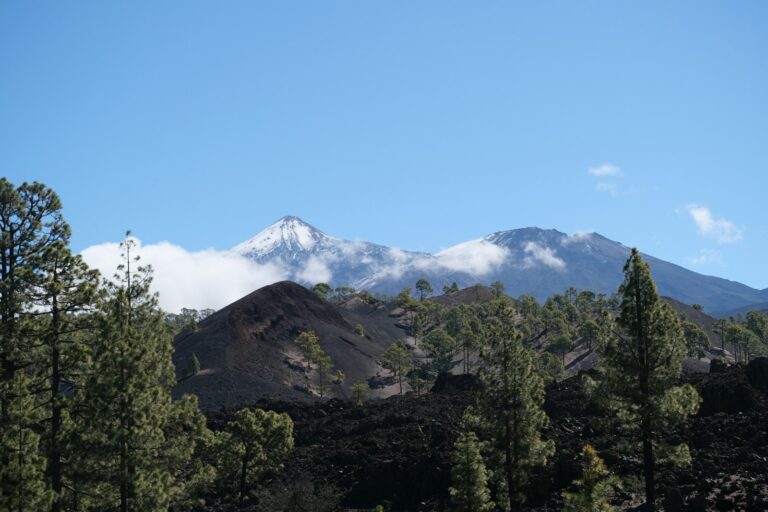
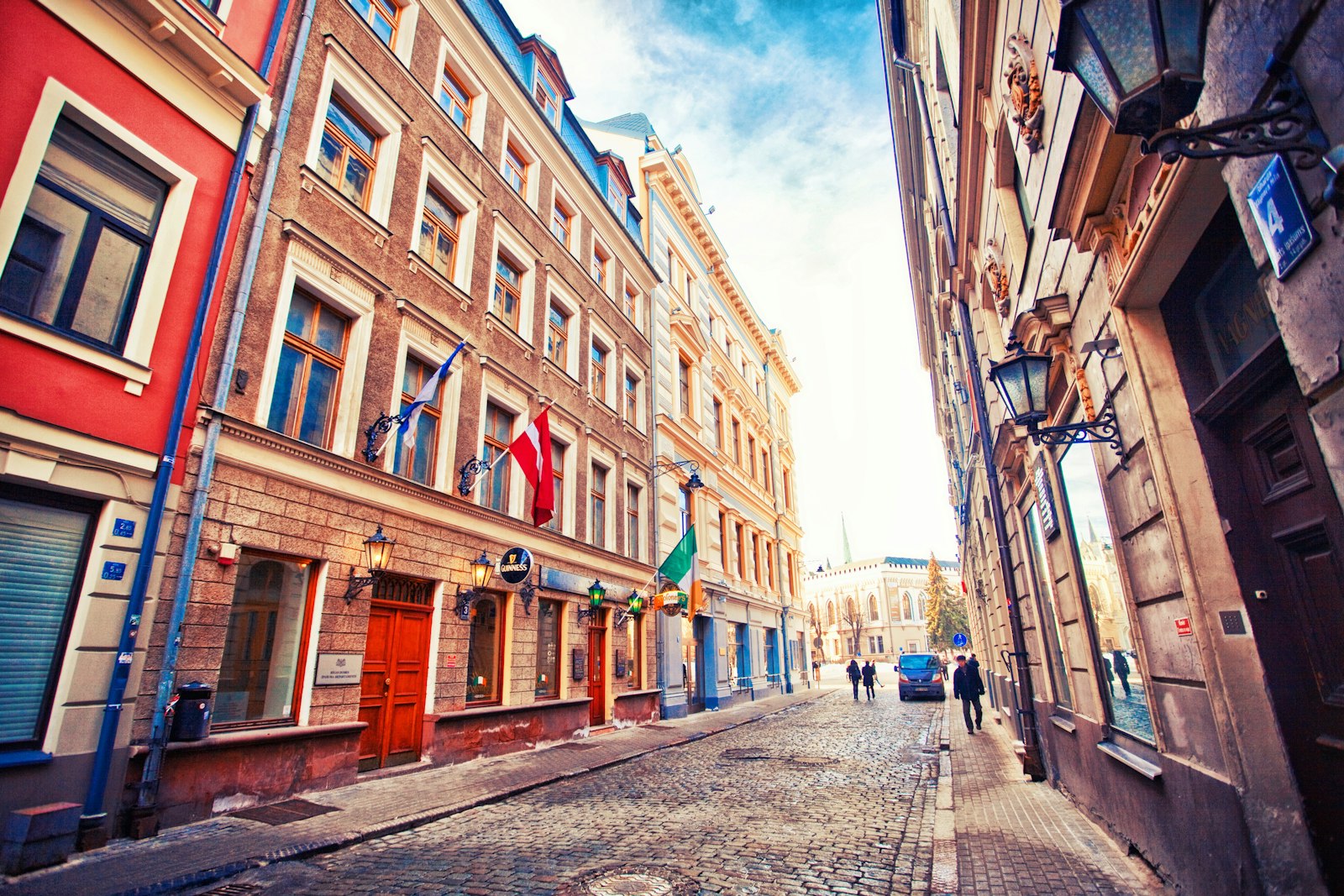
Most lists of hidden gems in Europe in January skip the one thing you need to know: what the weather will actually be like when you arrive. A pretty coastal town is a different trip at 16 °C and sunny than at 9 °C with a gale off the sea. This guide picks eight underrated places that genuinely work in January, gives each one’s real average temperatures, says who it suits and what the catch is, and shows you how to pair two of them into one easy trip.

When to Go guides
Choose your country, then your month
24 country guides, each about 100 pages: every month rated for weather, crowds and prices, region by region, with a 7-day booking plan. Six guides per region bundle.
Browse the 24 guides · $19 eachRegion bundles: Europe, Asia & Pacific, Sun Souks & Safari, Americas · $47 each
The best underrated European places for January are on the southern fringes: Cádiz and Ronda in Andalusia, Évora in Portugal’s Alentejo, Ortigia in Sicily and Nafplio in Greece, where daytime highs average roughly 14–16 °C. For a cooler, moodier trip, try Piran in Slovenia, Kotor in Montenegro or Gjirokastër in Albania. Expect quiet streets and low-season calm, but pack for rain and check that the places you want are open.
✅ Key takeaways
- ✓For the mildest January days, choose Cádiz or Ortigia, where average highs sit around 16 °C.
- ✓Check the night-time low, not just the daytime high: inland Évora and Nafplio’s plain drop to around 3–5 °C after dark.
- ✓The Bay of Kotor is beautiful but very wet in January, so bring a proper rain jacket and plan indoor backups.
- ✓Small towns run on reduced winter hours, so confirm opening times for anything that matters before you build a day around it.
- ✓Pair one small town with a nearby airport city (Évora with Lisbon, Nafplio with Athens) to keep travel days short.
Why January Suits Europe’s Quieter Towns
January is the month when small, popular-in-summer towns go back to belonging to the people who live there. The holiday rush has ended, summer crowds are months away, and places that feel squeezed in August have room again. That’s the real appeal: you see a town’s daily rhythm, not its peak-season performance.
The trade-off is honest weather and shorter hours. Here’s how to think about it before you pick:
- Daytime walkers: southern Iberia, Sicily and the Peloponnese give you the most comfortable hours outdoors.
- Atmosphere seekers: the Adriatic and the Albanian hills are cooler and wetter, but moody, quiet and dramatic.
- Budget travellers: January is a low-season month for many of these places. Our guide to January low-season travel deals shows how to make the most of that.
🧰 Try it while you read: a free tool for this trip
Free trip timing tool
Shoulder Season Detector
Find the months just before and after the peak: good weather, fewer people.
Loading the tool…
8 Hidden Gems in Europe in January at a Glance
Use this table to shortlist by weather first, then read the sections below for what each place is like and what to watch for.
| Place | Jan avg high / low | Best for | The catch |
|---|---|---|---|
| Cádiz, Spain | 16 / 10 °C | Mild sea walks, old-town food | Can be windy on the waterfront |
| Ronda, Spain | Cool; frosty nights (≈750 m up) | Gorge views, walking | Colder than the coast; rainy spells |
| Évora, Portugal | 14 / 5 °C | Roman and medieval history, Alentejo food | Chilly evenings inland |
| Ortigia (Syracuse), Sicily | 16 / 5 °C | Baroque streets on the sea | Rain days possible |
| Nafplio, Greece | 15 / 3 °C (Argos, 11 km) | Fortresses, harbour walks | Cold nights |
| Piran, Slovenia | 9 / 1 °C (Portorož) | Venetian squares, sea views | Cool; quieter evenings |
| Kotor, Montenegro | 13 / 5 °C (Herceg Novi) | Fjord-like bay, medieval walls | Very wet: about 231 mm in January |
| Gjirokastër, Albania | Cold, often wet | Ottoman stone houses, castle | Fewer services; for adventurous travellers |
🗓️ Free: a 12-Month Map for your country
Every month on one page: best weeks, shoulder weeks and the ones to skip. Print it or keep it on your phone.
Can’t decide between sunshine and atmosphere? Our free Best Month Finder helps you check whether January really is your month for a place, or whether a few weeks later would suit you better.
Southern Spain and Portugal: Cádiz, Ronda and Évora
Iberia’s south-west gives you the most dependable January daytime weather of the eight, and three very different towns within reach of each other.

The Smart Timing Bundle
Pick the month, book in the right order, pack once
Six printable timing tools for any trip: the Trip Timing Planner, When to Book, When NOT to Go, the Shoulder Season Playbook, the family timing guide and the Packing by Season System.
See the bundle · $37Six products, $100 separately · Digital download · All sales final
Cádiz: the mildest January on this list
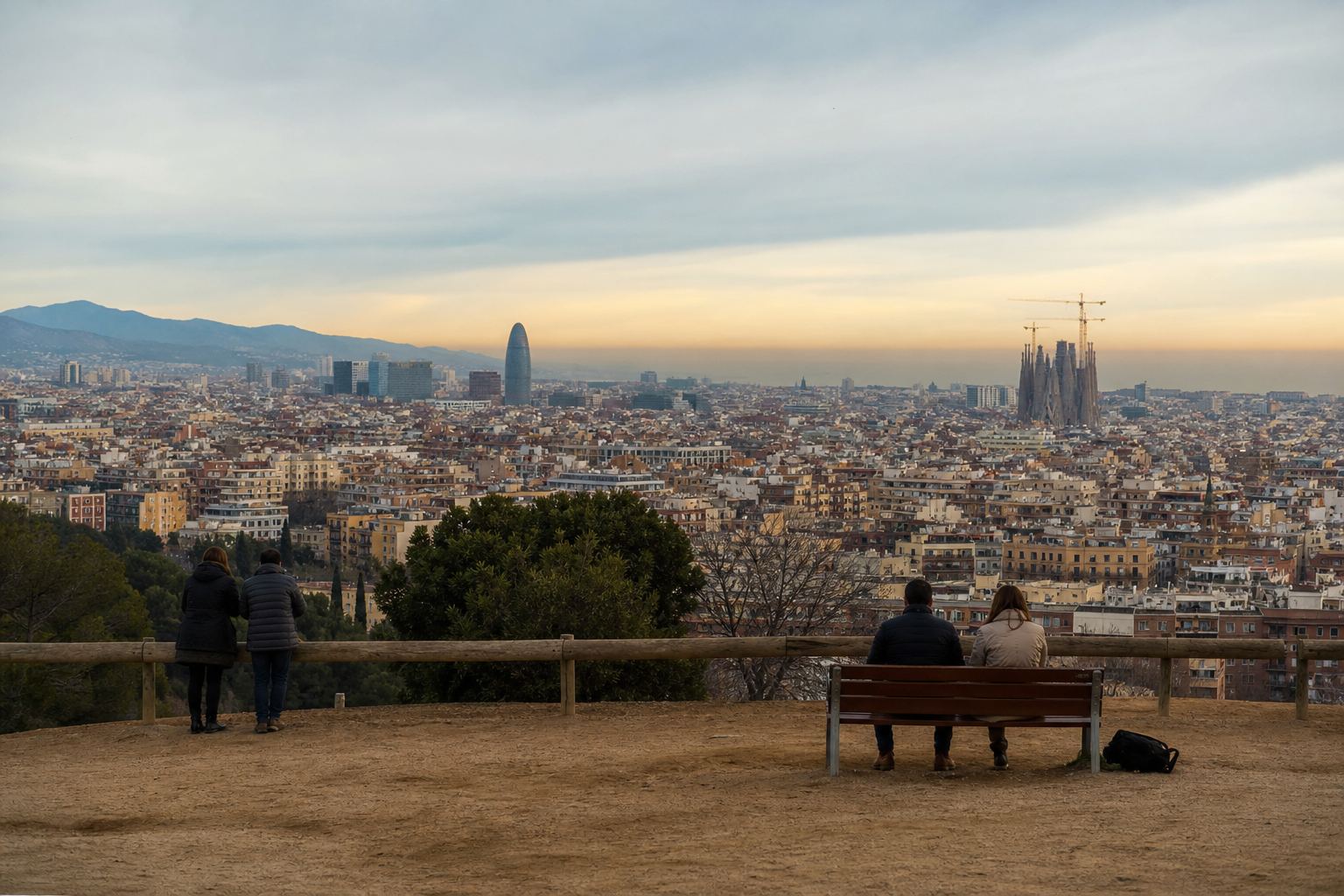
Cádiz sits almost surrounded by the Atlantic, and that water keeps January soft: an average high of 16.1 °C and a low of 9.6 °C, based on Spain’s AEMET normals, with sunshine for around 60% of possible daylight hours. It’s often described as one of the oldest continuously inhabited cities in Western Europe, and its narrow old-town streets open suddenly onto seafront promenades. Spend the day walking the waterfront loop and the market, and the evening in the old-town bars.
One timing tip: the Carnival of Cádiz runs for two weeks usually in February. January gives you the city before that rush, and if you want the party instead, simply shift your dates.
Ronda: a town split by a gorge
Ronda stands about 750 m up on a plateau, cut in two by El Tajo, a gorge more than 100 m deep. The Puente Nuevo bridge rises 120 m above the canyon floor, and the views from the paths below it are the reason to come. Altitude changes the weather, though. Winters here are moderately cool, with several nights below freezing, and the wider Serranía de Ronda gets over 1,000 mm of rain a year. Bring a warm layer for evenings and a waterproof for the gorge paths.
Évora: Roman temple, whitewashed lanes
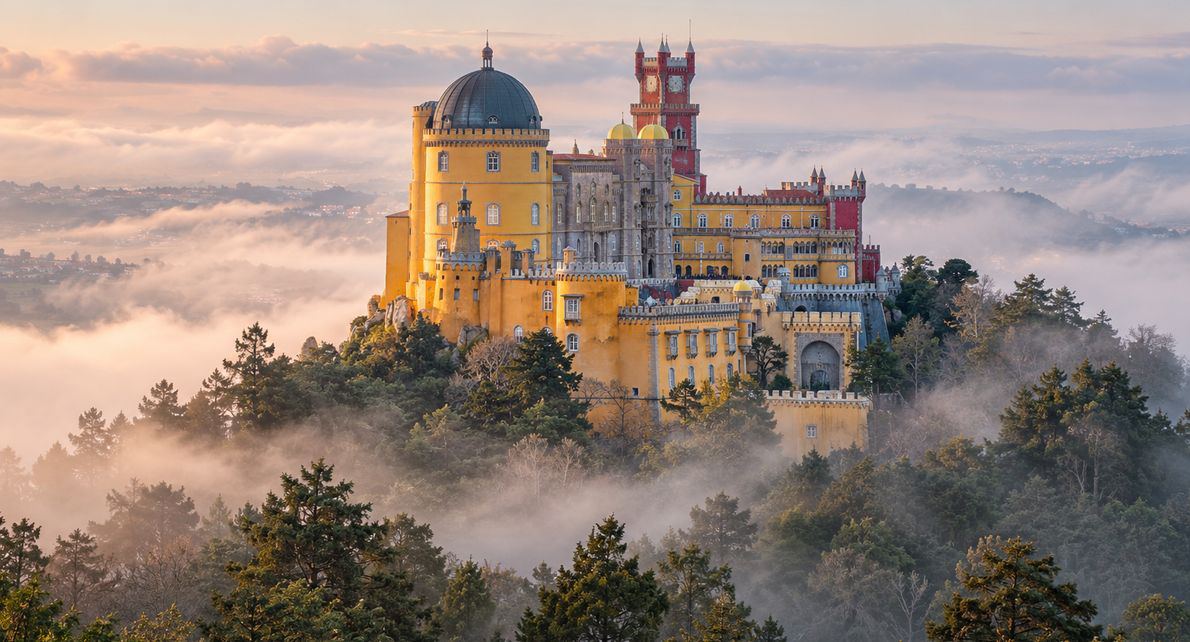
Évora, about 140 km from Lisbon in the Alentejo, has a historic centre on the UNESCO World Heritage List. The UNESCO listing for the Historic Centre of Évora highlights its whitewashed houses decorated with tiles and wrought-iron balconies. The landmarks are the 1st-century Roman Temple, often wrongly called the Temple of Diana, and the Chapel of Bones inside the Church of São Francisco, its walls lined with human bones. January averages are 14.1 °C by day and 4.5 °C at night (IPMA normals), so days are pleasant for walking, and evenings are for the region’s hearty food.
When to Go: Spain
If Cádiz or Ronda is on your list, this guide sets out Spain month by month: weather by region, crowd levels, festival months and the best weeks for city breaks, coast and countryside, so your dates match the trip you want.
See When to Go: Spain · $19 →Digital download · All sales final
Ancient Stones in Winter Light: Ortigia and Nafplio
Both are compact, walkable sea towns layered with Greek, Venetian and Baroque history, and both are at their most relaxed when the summer boats have gone.
Ortigia, Syracuse: Sicily’s island old town
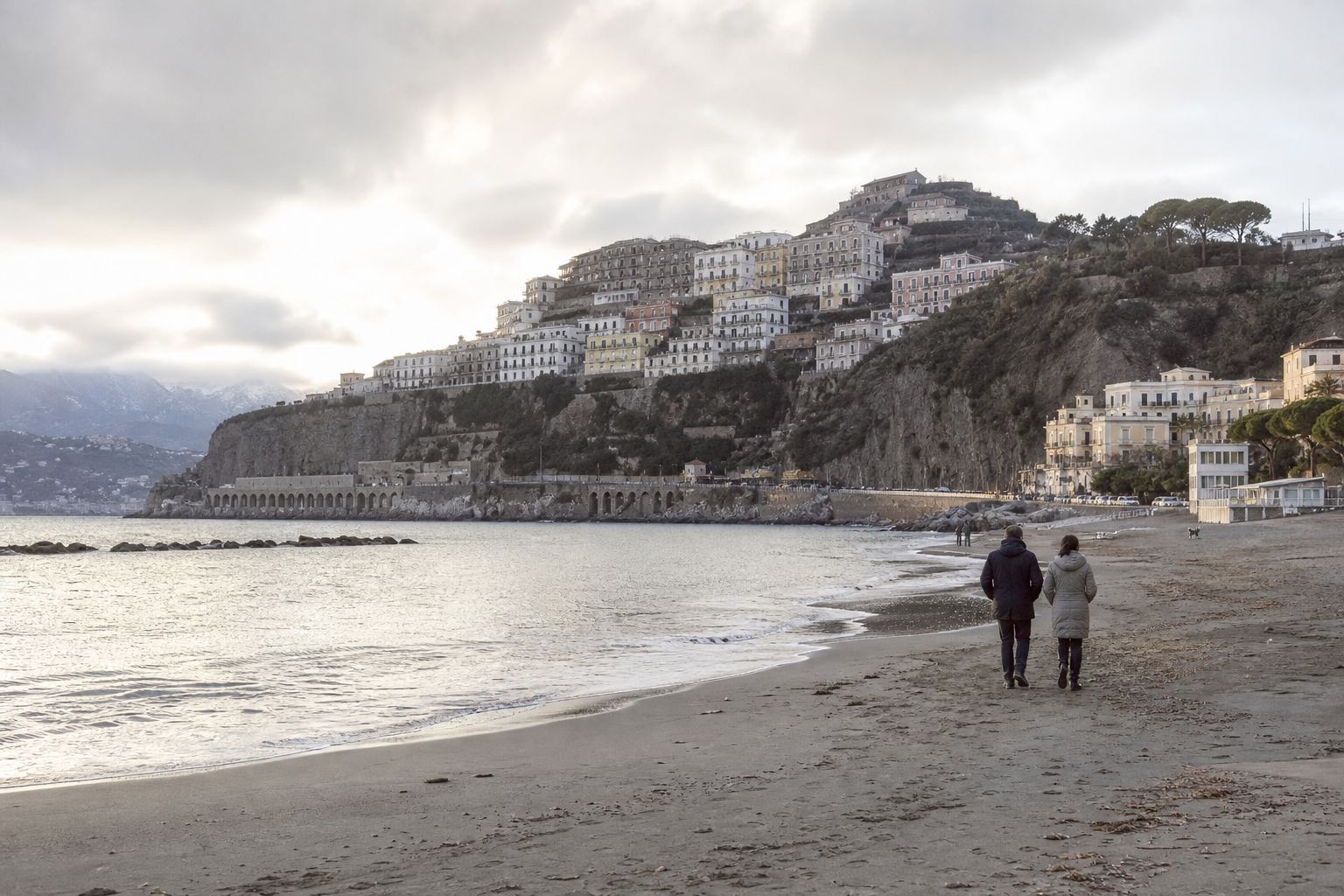
Ortigia is the small island where ancient Greek Syracuse was founded, now the city’s historic heart. Much of its honey-coloured Baroque look dates from the rebuilding after the great earthquake of the late 17th century, and Syracuse, together with the Necropolis of Pantalica, is a UNESCO World Heritage Site. Syracuse averages about 16 °C by day and 5 °C at night in January, with some rain. You can walk the whole island in an hour, which is exactly why it suits short January days: there’s always a café close by when a shower passes.
Nafplio: Greece’s first capital
Nafplio was the first capital of the modern Greek state, for several years in the early 19th century, before the capital moved to Athens. Above the old town sits Palamidi, a Venetian-built fortress on its hill; in the harbour floats the small Bourtzi fortification; and Acronauplia, the oldest part of town, holds walls from pre-classical times. Buses from Athens take roughly two hours to two hours twenty. The nearest published climate normals are for Argos, 11 km away: about 14.6 °C by day and 3 °C at night in January. Plan the fortress climb for midday, when it’s warmest.
The Adriatic Without the Crowds: Piran and Kotor
The eastern Adriatic is cooler and wetter in January than southern Iberia or Sicily, but these two towns have a quiet winter beauty the summer crowds never see.
Piran: a Venetian town on a Slovenian point
Piran belonged to the Republic of Venice for more than five centuries, until the end of the 18th century, which is why it looks so different from inland Slovenia. Life centres on Tartini Square, named after the composer and violinist born here, with his bronze statue overlooking it and St George’s Cathedral above. January is cool: the nearby Portorož station averages 9.3 °C by day and 1.3 °C at night (ARSO normals), with about 54 mm of rain. It suits a slow weekend of sea walks, seafood lunches and a climb to the cathedral for the view, rather than a beach break.

The complete kit
Every country guide, every timing tool
All 24 When to Go country guides, the six Smart Timing tools and every 12-Month Map, with a Start Here that tells you what to open first.
See the kit · $127The five bundles cost $225 separately · Digital download · All sales final
Kotor: medieval walls above a fjord-like bay
Kotor sits at the inner end of the Bay of Kotor, its old town wrapped by walls that run for about 4.5 km up the mountainside towards the Fortress of St John. The UNESCO listing for the Natural and Culturo-Historical Region of Kotor covers the bay’s fortified towns, palaces and monasteries. Be ready for rain, though. At Herceg Novi, at the mouth of the bay, January averages 13 °C by day and 4.8 °C at night with about 231 mm of rain in the month. Watch the forecast, climb the walls on a dry morning, and spend wet afternoons in the old town’s churches and cafés.
For a fuller plan of the bay’s towns, read our Bay of Kotor travel guide.
Gjirokastër: Albania’s Stone Town for Curious Travellers
Gjirokastër is the most adventurous pick here and, for many travellers, the most memorable. Its old houses rise up to five storeys, built of stone and roofed with flat slabs of dressed stone, which gives it the nickname “City of Stone”. The historic centre is on the UNESCO World Heritage List, jointly with Berat. Above it all, the fortress holds a clock tower, a church and a military museum.
Come prepared. January in the southern Albanian hills is cold and often wet, and a small town in deep low season has fewer services than the coast in summer. That’s part of the appeal: you’ll likely have the steep cobbled lanes and the castle views largely to yourself. Stay in a guesthouse in the old town, confirm heating when you book, and pack layers.
In January, the quiet is what you came for. Choose the weather you can live with, and the town gives you the rest.
How to Pair Two Hidden Gems in Europe in January Into One Trip
Small towns rarely have big airports, so the easiest January trips pair one of them with a well-connected city. These four pairings keep travel days short and give you a weather backup.
Lisbon + Évora (5–6 days)
Three or four days in Lisbon, then 140 km east to Évora for two nights of Roman stones and Alentejo cooking. Good for a first winter trip.
Cádiz + Ronda (5–6 days)
Start with mild sea air in Cádiz, then head inland to Ronda’s gorge. Pack one warmer layer for Ronda’s colder nights.
Athens + Nafplio (5 days)
Two or three days in Athens, then about two hours by bus to Nafplio for fortresses and harbour walks. Calm and easy without a car.
Kotor + Tivat base (4 days)
Tivat is about 10 km from Kotor, so a short transfer puts you in the bay. Build in a spare day for rain.
Prefer snow and half-timbering to sea and stone? Our pick of Europe’s winter villages in January, the Colmar guide and our tour of the Czech countryside cover the colder side of the continent. And if you’re happy to wait a few weeks, see the underrated places to visit in February.
5 Mistakes That Spoil a January Small-Town Trip
1. Judging a place by its daytime high
A 14 °C afternoon in Évora feels lovely; a 4 °C evening walk to dinner doesn’t. Pack for the low, and plan outdoor time around the warmest hours.
2. Assuming summer opening hours
Small towns often run reduced winter timetables for sights, boats and restaurants. Check the official site or ask your host the day before, and keep a second plan for each day.
3. Choosing a seaside town for a beach break
Cádiz, Piran and Kotor are wonderful by the sea in January, but they’re walking and eating trips, not swimming ones. If warm water is the goal, look further south.
4. Forgetting that rain changes the itinerary
Kotor’s January rainfall is several times Évora’s. Pick indoor backups before you arrive, so a wet morning becomes a museum morning, not a lost day.
5. Booking a room without asking about heating
Stone houses and seaside apartments built for summer can be cold in January. Ask whether the room has proper heating, and read recent winter reviews before you pay.
Quiet European Escapes in January: Your Questions
Looking for festive energy instead? Our pick of winter festivals in Europe in January and our guide to January destinations with a festive feel cover the livelier side of the month.
The best hidden gems in Europe in January aren’t the ones with the prettiest photos; they’re the ones whose January weather matches the trip you want. Pick mild Cádiz or Ortigia for long walks, moody Kotor or Gjirokastër for atmosphere, and you’ll come home having seen a town at its most genuine. For more ideas, browse our best travel destinations in January, explore more underrated destinations, or plan any other month from the month-by-month travel planner.
Free download
Which month for your country?
Get the free 12-Month Map: every month marked good, shoulder or avoid, region by region, on four printable pages.
- Greece to Japan, Morocco to Peru: 24 countries
- See the crowd and price peaks before you book
- Free, no purchase needed
Your download page opens as soon as you sign up. 24 countries available.