New Zealand hiking in September means walking in early spring, when the lowlands turn green, the coast is quiet and the high passes still carry winter snow. It’s the tail end of the Great Walks off-season, so the famous alpine tracks have no gas in the huts, fewer bridges and real avalanche risk, while the coastal and lower-level walks are open and calm. Pick the right track and September is a rewarding month; pick the wrong one and it becomes a mountaineering trip. This guide sorts the tracks that work from the ones to leave for summer.

When to Go guides
Choose your country, then your month
24 country guides, each about 100 pages: every month rated for weather, crowds and prices, region by region, with a 7-day booking plan. Six guides per region bundle.
Browse the 24 guides · $19 eachRegion bundles: Europe, Asia & Pacific, Sun Souks & Safari, Americas · $47 each
September in New Zealand, by altitude
Rule: stay low, stay coastal
Alpine passes and volcanic ridges
SkipRouteburn, Milford, Kepler tops, Tongariro Alpine Crossing
Snow, ice and avalanche paths. Only for people with winter alpine skills and gear, or with a guide.
Bush, lake and river tracks
Go with careLake Waikaremoana, Heaphy, Paparoa, Rakiura
Open all year, but cold huts, short days, rain and swollen streams. Book and pack for winter.
Coast and lowland walks
GoAbel Tasman Coast Track, short coastal and forest day walks
The easiest September choice: quiet tracks, heated huts on the Abel Tasman, mild days.
Based on Department of Conservation (DOC) guidance for the Great Walks season, which runs from about October or November to April.
Quick answer
September is early spring in New Zealand and still off-season for the Great Walks. Choose low-level and coastal tracks: the Abel Tasman Coast Track is open all year with heated huts, and Lake Waikaremoana, the Heaphy, the Paparoa and Rakiura can be walked with winter preparation. The Routeburn, Milford, Kepler and the Tongariro Alpine Crossing still have snow, ice and avalanche risk, so leave them to experienced alpine walkers or guided trips.
Key takeaways
DOC says five Great Walks can be walked all year with the right skills and gear: Lake Waikaremoana, Abel Tasman, Heaphy, Paparoa and Rakiura.
The Milford, Routeburn, Kepler, Tongariro Northern Circuit and Whanganui Journey have a set season, roughly October to April.
On the Routeburn, DOC names September and October as avalanche season, and avalanches can reach the track even when it looks clear.
The Tongariro Alpine Crossing is in winter conditions from May to late October; allow about 9 hours and carry crampons and an ice axe, or go guided.
September averages run from about 14 to 16 °C by day on the North Island coast, with roughly 12 hours of daylight.
Huts off-season lose most services: no gas, water turned off inside, no rangers on some tracks.

New Zealand Hiking in September: What the Weather Is Like
This section covers the conditions you’ll walk in. September is the first month of spring in New Zealand, but the mountains are still in winter mode and the weather can swing from mild sunshine to snow within a day.
| Place | Avg high | Avg low | Rain (mm) | What it means on the trail |
|---|---|---|---|---|
| Auckland | 16.4 °C | 10.2 °C | 105 | Mild; muddy forest tracks after rain |
| Tauranga | 16.4 °C | 8.5 °C | 90 | Pleasant coastal walking |
| Taupo (405 m) | 13.9 °C | 4.6 °C | 80 | Cold mornings; the volcanic plateau above is far colder |
| Wellington | 14.3 °C | 9.3 °C | 100 | Wind is the main issue on exposed ridges |
| Christchurch | 15.0 °C | 4.3 °C | 35 | Drier east coast; frosty starts |
| Hokitika (West Coast) | 13.7 °C | 5.8 °C | 255 | Very wet; rivers rise fast |
| Invercargill | 13.1 °C | 3.9 °C | 85 | Cool and changeable, the gateway to Rakiura |
🗓️ Free: a 12-Month Map for your country
Every month on one page: best weeks, shoulder weeks and the ones to skip. Print it or keep it on your phone.
Figures are long-term September averages from Climates to Travel. Across the country, September brings rain on about 11 days, around 5 hours of sunshine a day and about 12 hours of daylight. The sea sits near 13 °C, so coastal walks are for looking at the water, not swimming in it.
Two patterns matter more than the averages. First, the East and West differ sharply: the West Coast and Fiordland are among the wettest places in the country, while Canterbury and Central Otago are much drier. Second, height changes everything. Taupo town may sit near 14 °C by day, but the Tongariro Alpine Crossing above it climbs to 1,886 m at Red Crater, where snow, ice and strong wind are normal in September.
Note
Daylight is the hidden limit. With about 12 hours of light, a 9-hour winter crossing leaves little margin. Start at first light, carry a head torch and set a firm turnaround time.
🧰 Try it while you read: a free tool for this trip
Free trip timing tool
What Kind of Traveller Are You?
Seven quick taps pick your travel type, then show the countries and months where it shines.
Loading the tool…
The Great Walks Off-Season: What Changes Before October
This section explains why September is different from summer on New Zealand’s best-known multi-day tracks. The Department of Conservation runs a Great Walks season, and the rules, services and risks change sharply outside it.
According to the DOC Great Walks guide, five Great Walks can be done all year with the right skills, preparation and packing: Lake Waikaremoana, Abel Tasman, Heaphy, Paparoa and Rakiura. DOC adds that winter is generally a great time for the Heaphy and Abel Tasman. The Milford, Routeburn, Kepler, Tongariro Northern Circuit and the Whanganui River Journey have a set season from roughly October to April, and outside it DOC says they should only be tried by fit, experienced, well-equipped people, because facilities are greatly reduced and there are added hazards such as ice underfoot, river crossings and avalanches.
| What changes | Great Walks season | September (off-season) |
|---|---|---|
| Hut gas | Provided on the seasonal walks | Not provided on the Milford or Routeburn; bring a stove |
| Rangers | Hut rangers on duty | None at the Milford huts |
| Toilets and water | Flush toilets, running water | Pit toilets on the Milford; water turned off inside huts |
| Bridges | All in place | Avalanche-prone bridges removed on the Routeburn and Milford |
| Transport | Regular shuttles | Limited; no track shuttles to Glenorchy for the Routeburn |
| Avalanche risk | Low in summer | DOC does not manage it off-season; you assess it yourself |
Sources: DOC Routeburn off-season guide and DOC Milford Track May to October page.

The Smart Timing Bundle
Pick the month, book in the right order, pack once
Six printable timing tools for any trip: the Trip Timing Planner, When to Book, When NOT to Go, the Shoulder Season Playbook, the family timing guide and the Packing by Season System.
See the bundle · $37Six products, $100 separately · Digital download · All sales final
Bookings don’t disappear just because services do. The Milford huts still need a booking off-season, at a reduced cost, and the Lake Waikaremoana huts and campsites must be booked all year. Check each track’s DOC page before you set off.
Which Tracks Work in September: Track-by-Track Verdicts
This section rates the main tracks for a September walker without specialist alpine training. The verdict changes if you have avalanche skills and gear, or if you join a guided winter trip.
September track verdicts
For walkers without alpine skills
Abel Tasman Coast Track
Nelson Tasman
GoOpen all year, heated huts, calmer water
Lake Waikaremoana
Te Urewera, North Island
Go with careCold unheated huts, no winter water taxi
Heaphy Track
Kahurangi, top of the South
Go with careDOC rates winter well; West Coast rain
Paparoa Track
West Coast
Go with careYear-round, but wet and cold on the tops
Rakiura Track
Stewart Island
Go with careYear-round, muddy, cool and changeable
Coastal day walks
Both islands
GoLow, short, easy to bail out of
Tongariro Alpine Crossing
Central North Island
SkipWinter alpine route; guide recommended
Tongariro Northern Circuit
Central North Island
SkipSeasonal Great Walk; ice and snow
Routeburn Track
Fiordland and Mt Aspiring
SkipOver 32 avalanche paths; peak avalanche months
Milford Track
Fiordland
SkipOver 57 avalanche paths; bridges removed
Kepler Track
Fiordland
SkipSeasonal Great Walk with alpine tops
Whanganui Journey
Whanganui River
SkipRiver trip with an October to April season
Verdicts follow DOC guidance on year-round and seasonal Great Walks. Conditions change week to week; always check DOC track alerts.
The pattern is simple. Coast and bush tracks below the snowline are your September options; anything that crosses a high pass or a volcanic ridge belongs to the summer season unless you are trained and equipped for winter travel.
Coastal Walks: The Abel Tasman Coast Track in Early Spring
This section covers the safest multi-day choice for September. The Abel Tasman Coast Track, at the top of the South Island, runs along golden bays and through coastal forest, and DOC says it can be walked all year.
Off-season, the track is quieter, with fewer insects, calmer water and cooler temperatures, and all huts have heating, according to the DOC Abel Tasman page. DOC also names campsites with good afternoon sun for the cooler months: Anchorage, Bark Bay, Mosquito Bay, Awaroa and Totaranui. The track is busiest from October to April, so September gives you the same bays with far fewer people.
The one thing to plan around is the tide. The Awaroa estuary can only be crossed at low tide, so check a tide timetable before you set your daily stages, and build your day around that crossing rather than the other way round. Water at the huts and campsites isn’t treated, so boil it before use. The DOC Great Walks guide also points out that the Abel Tasman has several entry and exit points, which makes shorter trips of one or two days easy to arrange.
Tip
Spring weather on the coast can still turn cold and wet. Pack a warm layer for the evenings, a proper rain jacket and dry socks, and keep a spare day in case a front makes a long stage unpleasant. Our guide to packing for adventure trips in September covers layering and wet-weather kit.
Shorter coastal day walks on both islands follow the same logic: low height, easy exits and no avalanche terrain. They are the best way to fit a walk into a September road trip, and the free packing generator builds a kit list for cool, wet spring days.
North Island Tracks: Lake Waikaremoana and the Volcanic Plateau
This section covers the North Island, where September hiking splits in two: the forest and lake tracks are workable, while the volcanic plateau is still in winter.
Lake Waikaremoana
The Lake Waikaremoana track circles part of a large lake in Te Urewera and is a 3- to 4-day walk of around 46 km, according to Tourism New Zealand. Te Urewera is recognised in New Zealand law as a living person, and the tracks and huts are cared for by Te Uru Taumatua, the operational arm of Ngai Tuhoe. The track is open all year, but the DOC Waikaremoana page warns that cold, snow, strong wind and heavy rain can happen in any season, that hut bunkrooms have no heating, and that the water taxi usually runs only from October to April, so in September you need transport arranged at both ends.

The complete kit
Every country guide, every timing tool
All 24 When to Go country guides, the six Smart Timing tools and every 12-Month Map, with a Start Here that tells you what to open first.
See the kit · $127The five bundles cost $225 separately · Digital download · All sales final
The big climb is over the Panekiri ridge, which rises and falls about 600 m, with Puketapu trig at 1,180 m. That ridge is the coldest part of the walk in spring. Huts and campsites must be booked all year; there are four huts and five campsites on the route.
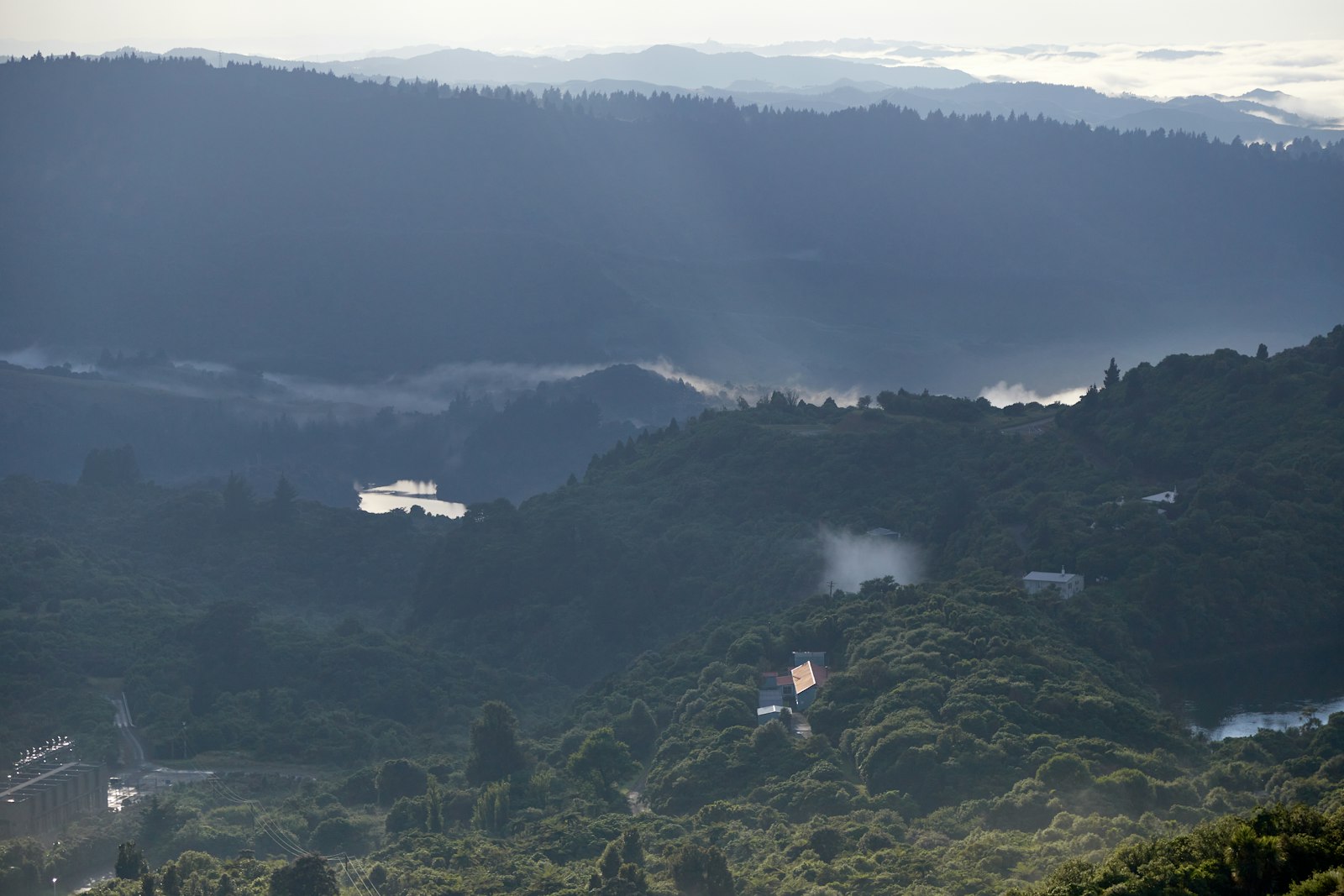
The Tongariro Alpine Crossing in September
The Tongariro Alpine Crossing is New Zealand’s most famous day walk, and in September it is a winter alpine route. The DOC Tongariro Alpine Crossing page says May to late October counts as winter, when the track is snow-covered and icy in places; allow about 9 hours instead of the 7 to 8 hours of summer. The route climbs to 1,886 m at Red Crater and crosses an active volcanic area, so stay on the marked track and keep well away from steam vents.
DOC recommends a guide in winter. Walking without one means carrying and knowing how to use crampons, an ice axe and a helmet, plus an avalanche transceiver, probe and shovel, a map and a personal locator beacon. Shuttles generally don’t run in winter, which adds a transport problem. Guided operators list June to October as winter season, with conditions that can be extreme on the Red Crater ridge, and their guides make the go or no-go call on the day.

For a warmer, easier North Island stop after a hike, see our guide to Rotorua in October, which covers the geothermal town at the start of the late-spring window.
Avalanche Risk on the South Island Alpine Tracks
This section covers the risk that rules out the Fiordland classics for most September walkers. It isn’t about how much snow you see on the path: it’s about the slopes far above it.
On the Routeburn, the DOC Routeburn guide counts over 32 avalanche paths, some of which can carry debris across the track, and names September and October as avalanche season. Avalanches start high above the track, so you can be hit even when there is little or no snow underfoot. DOC flies out two avalanche-prone bridges in early June and puts them back around late October to early November, and it does not manage avalanche risk outside the Great Walks season.
The Milford Track is even more exposed. The DOC Milford page lists over 57 avalanche paths, whose start zones can’t be seen from the track, says many side-stream bridges are removed over winter, and warns that the Clinton and Arthur valleys can become impassable in heavy rain. The route over McKinnon Pass is unmarked and often under deep snow. DOC asks for food for at least two extra days, an ice axe, crampons, a beacon, shovel and probe, and a personal locator beacon.
Warning
If you plan any alpine walk in September, read the DOC avalanche advice for Fiordland and check the New Zealand Avalanche Advisory forecast and the avalanche terrain class of your route before you go. If you have no avalanche training, choose a coastal or bush track instead, or book a guided trip.


The good news: the same valleys are superb from late October, once the bridges are back and the huts are serviced. If the Routeburn or Milford is the reason for your trip, move it a few weeks later and use September for the coast. For a similar choice in Europe, see the Swiss Alps in September.
When Not to Hike Where: September Red Flags
This section is the honest list. None of these rule out a New Zealand trip in September, but each can turn a planned walk into a risky one.
| Avoid | Why | Do this instead |
|---|---|---|
| Routeburn or Milford without alpine skills | Peak avalanche months; bridges removed; no hut services | Walk the Abel Tasman, or move the trip to the summer season |
| Tongariro Alpine Crossing alone and unequipped | Winter alpine route, about 9 hours, shuttles mostly not running | Join a guided winter trip or choose a lower forest walk |
| West Coast tracks in heavy rain | Hokitika averages about 255 mm in September; streams rise fast | Wait a day; carry food for extra days |
| The Awaroa crossing at the wrong tide | Only passable at low tide | Plan the day around the tide table |
| Long days with a late start | About 12 hours of daylight | Start at dawn and set a turnaround time |
Not sure if your dates and route are a good match? Run them through the free When Not to Go checker, and look for quieter in-between weeks with the Shoulder Season Detector.
Better Month If You Want Something Else
This section helps if September doesn’t fit the walk you have in mind.
If you want
The Fiordland Great Walks
Go in the Great Walks season, from late October or November to April, when bridges are in, huts are serviced and avalanche risk is low.
If you want
A summer Tongariro crossing
Go from November to April, when the crossing takes about 7 to 8 hours and summer shuttles run.
If you want
Warm beaches with your walks
Go in late summer; our guide to Australia and New Zealand in February covers the warm months on both sides of the Tasman.
If you want
Other September hikes
Compare September hiking trails around the world and Patagonia in September.
5 Common Mistakes on a September Hike in New Zealand
1. Treating early spring like summer
The calendar says spring, but the mountains still behave like winter. Snow, ice and avalanche risk on the high tracks last well into October, so plan by altitude rather than by the season’s name.
2. Judging avalanche risk by the snow on the path
On the Routeburn and Milford, avalanches start far above the track. A clear path does not mean a safe one; the forecast and the terrain do.
3. Expecting summer hut services
Off-season huts on the seasonal tracks have no gas, no running water inside and often no ranger. Bring a stove, fuel and a way to treat water.
4. Forgetting transport
Shuttles to the Routeburn and the Tongariro Alpine Crossing generally don’t run in winter, and the Waikaremoana water taxi usually starts in October. Sort out both ends of a one-way track before you start.
5. Ignoring tides and rivers
The Awaroa crossing on the Abel Tasman needs low tide, and West Coast streams can rise within hours. Read the tide table and be ready to wait out a flood.
New Zealand Hiking in September: FAQ
Is September a good time to hike in New Zealand?
Yes, if you choose the right tracks. September is early spring and off-season for the Great Walks, so coastal and low-level routes such as the Abel Tasman Coast Track are quiet and pleasant. The alpine Great Walks and the Tongariro Alpine Crossing still have snow, ice and avalanche risk, so they suit only experienced, well-equipped walkers or guided groups.
Can you do the Great Walks in September?
Some of them. DOC says Lake Waikaremoana, Abel Tasman, Heaphy, Paparoa and Rakiura can be walked all year with the right skills, preparation and gear. The Milford, Routeburn, Kepler, Tongariro Northern Circuit and Whanganui Journey have a season of roughly October to April, and outside it facilities are greatly reduced and hazards such as ice, river crossings and avalanches increase.
Can you walk the Tongariro Alpine Crossing in September?
Yes, but it is a winter alpine route at that time of year. DOC counts May to late October as winter, with snow and ice, and suggests allowing about 9 hours. You need crampons, an ice axe, a helmet and avalanche gear and the skills to use them. DOC recommends a guide in winter, and shuttles generally don’t run.
Is the Routeburn Track open in September?
The track stays open, but it is outside the Great Walks season and in avalanche season. DOC lists over 32 avalanche paths, removes two avalanche-prone bridges from early June to around late October, turns off running water inside the huts and provides no gas. It needs winter alpine skills, plus a transceiver, probe and shovel. Most walkers are better waiting until the season opens.
What is the weather like in New Zealand in September?
Mild on the coast and cold in the mountains. Average highs are about 16 °C in Auckland and Tauranga, about 14 °C in Wellington and about 15 °C in Christchurch, with lows from about 4 to 10 °C. Rain falls on about 11 days across the country, and the West Coast is much wetter, with around 255 mm at Hokitika.
What is the best easy hike in New Zealand in September?
The Abel Tasman Coast Track is the easiest multi-day choice. DOC says it can be walked all year, its huts are heated, and the off-season brings fewer insects, calmer water and far fewer people. Several entry and exit points let you walk just one or two days. Plan around low tide at the Awaroa estuary and boil water from huts and campsites.
The Bottom Line
The rule for New Zealand hiking in September is to stay low and coastal: walk the Abel Tasman or a forest and lake track, and leave the Fiordland passes and the Tongariro crossing to trained alpine walkers, guided groups or the summer season. Check DOC alerts, the avalanche forecast and the tides before every walk. For more ideas, browse our September travel destinations.
Every trip, every month
The Complete Travel Timing System
One kit for choosing when to go anywhere: best and worst months, shoulder weeks, storm and crowd seasons, and when to book, so a hiking trip like this one lands in the weeks when the tracks you want are open and the weather is on your side.
Digital download · All sales final
Free download
See the whole year before you book
Our free 12-Month Map puts every month for one country on four pages: when the weather works, when the crowds and prices peak, and the weeks to skip.
- 24 countries to choose from
- Region-by-region verdicts
- Printable PDF
Your download page opens as soon as you sign up. 24 countries available.