Knowing what to pack for Zanzibar starts with two facts: the island is hot and humid all year, and it is a mostly Muslim place where beachwear stays on the beach. Daytime highs sit between about 29 and 33 °C in every month, so the real difference between seasons is rain, wind and how warm the nights feel. Add the big tides on the east coast, a firm ban on plastic bags and the narrow lanes of Stone Town, and the list starts to look different from a standard beach trip. Below you’ll find the core list, what changes in each season, what to wear in town and on the sand, and the items people wish they had brought.

Quick answer
What should you not wear in Zanzibar?
Avoid short shorts, miniskirts, crop tops, strappy tops and see-through dresses away from the beach and your resort. In Stone Town and villages, cover from shoulders to knees. Men should not walk around shirtless in town. Official UK travel advice warns that the Zanzibar authorities can fine people for clothing they consider inappropriate in public, so keep beachwear for the sand.
Key facts
- Do I need reef shoes in Zanzibar? Yes, especially on the east coast at Paje, Jambiani, Kiwengwa or Matemwe.
- Can I bring zip-lock bags to Zanzibar? Plastic carrier bags are banned in Tanzania, and air arrivals can be asked to hand them over.
- Is it cold in Zanzibar at night? No, but it can feel fresh from June to September, when lows drop to about 21 to 22 °C and the southeast trade wind blows.
- Do I need a rain jacket in Zanzibar? From March to May, yes: April is the wettest month, with about 385 mm of rain, and May still gets about 255 mm.
Zanzibar packing by season
One island, four packing lists
Dec to Feb
Hot and dry
GoHighs 32 to 33 °C, calm seas. Pack the lightest linen and strong sun cover.
Mar to May
Long rains
SkipApril is the wettest month. Pack a rain shell and quick-dry everything.
Jun to Oct
Cool and dry
GoHighs near 29 to 30 °C, breezy, cooler nights. Add one light layer.
Nov to Dec
Short rains
Go with careShowers that tend to pass. A compact umbrella earns its space.
Season names and temperatures from long-term averages on Climates to Travel. Every year differs.
The short answer
Pack loose, breathable clothes that cover shoulders and knees for Stone Town and villages, swimwear for the beach only, reef shoes for low tide on the east coast, reef-safe sun protection, insect repellent and a light rain shell from March to May or November to December. Leave plastic bags at home: carry cloth or mesh bags instead, and keep only the clear bag for airline liquids.
Key takeaways
Highs stay between about 29 and 33 °C all year, so pack for heat in every month.
Cover shoulders to knees in Stone Town and villages; beachwear is for the beach and resort.
The east coast tide can pull back a kilometre or more, exposing coral and sea urchins: bring reef shoes.
Plastic carrier bags are banned in Tanzania, and air arrivals can be asked to hand them over.
April is the wettest month, with about 385 mm of rain; November is the wettest of the short rains.

What to Pack for Zanzibar: The Core List for Any Month
This section covers the items that go in the bag whatever the month. Zanzibar is warm enough that you’ll live in two or three outfits, so the smart move is fewer, lighter, faster-drying pieces plus a handful of things that are hard to find or overpriced on the island.
Clothes
☐ 3 to 4 loose cotton or linen tops, at least two with sleeves
☐ 2 pairs of long, light trousers or a maxi skirt
☐ 1 pair of knee-length shorts for resort days
☐ A large scarf, sarong or kanga to cover shoulders
☐ 2 swimsuits, so one can dry
☐ A thin long-sleeved shirt for sun and mosquitoes
Feet
☐ Reef or water shoes with a firm sole
☐ Sandals with a back strap for town and boats
☐ Flip-flops for the room and the pool
☐ Light trainers if you plan a forest walk or spice farm
Sun and health
☐ High-factor, reef-friendly sunscreen
☐ Wide-brimmed hat and polarised sunglasses
☐ Insect repellent and an after-bite cream
☐ Rehydration salts and your usual medicines
☐ Any malaria tablets your travel clinic advises
Bags and gear
☐ A foldable cloth or mesh tote (no plastic)
☐ A small dry bag for boat trips and showers
☐ A reusable water bottle
☐ Snorkel mask that fits you, if you snorkel a lot
☐ Head torch for power cuts and night walks
☐ Universal plug adapter and a power bank
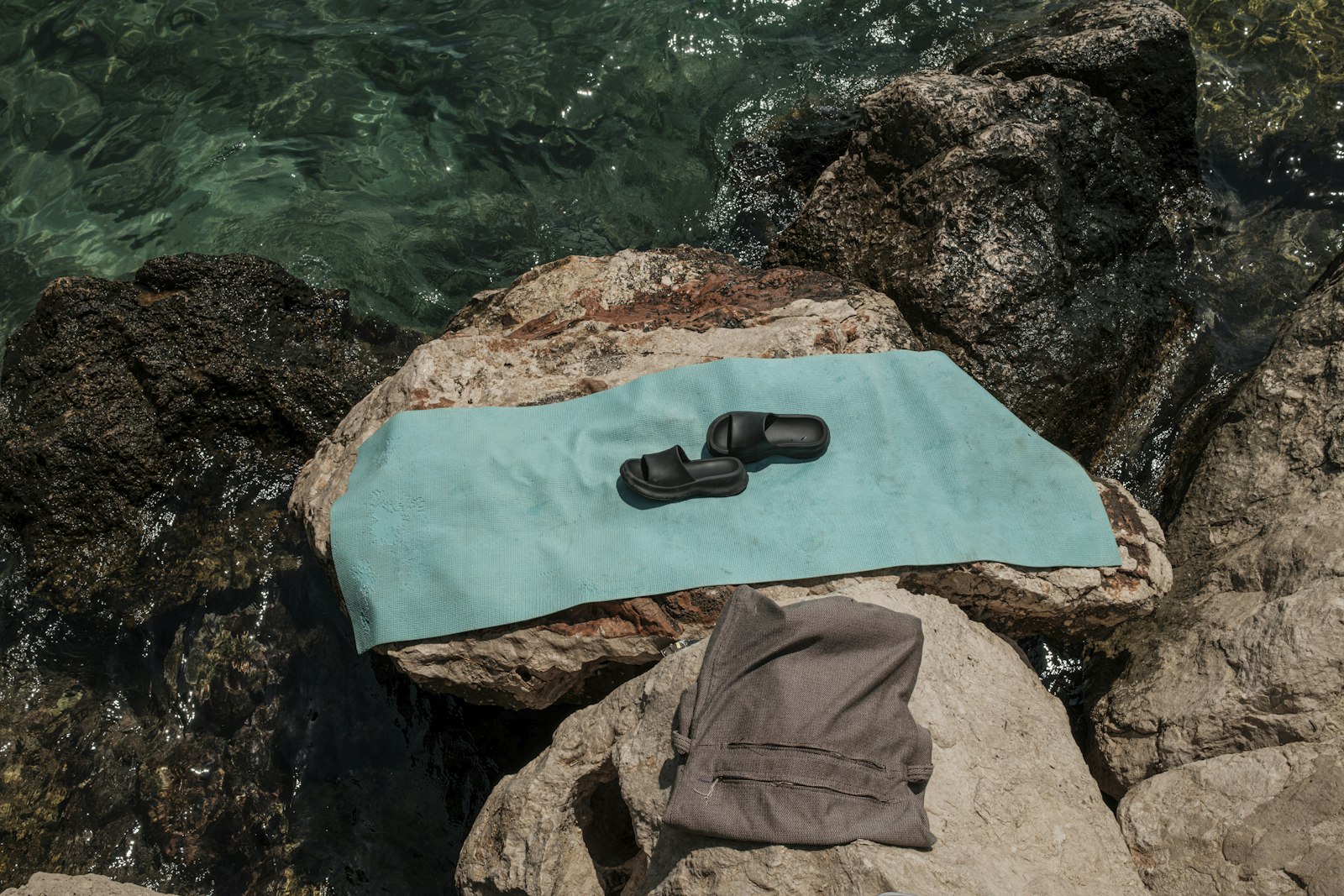
A large scarf or kanga, the printed cotton cloth sold in Stone Town markets, covers shoulders in town and doubles as a beach wrap. If you want a list built around your own dates, the free Packing Generator gives a starting point you can edit.
🧰 Try it while you read: a free tool for this trip
Free trip timing tool
Packing by Season Generator
A packing checklist built from the month's temperature, rain and sea.
Loading the tool…
What to Pack for Zanzibar by Season
This section explains what changes month by month. Temperatures barely move, but rain swings from about 50 mm in a dry month to about 385 mm in April, and the wind shifts direction twice a year. Those two things decide whether you need a rain shell, an extra layer or simply more sunscreen.
Zanzibar month verdicts for packing
Average high · monthly rain
Jan
33 °C · 85 mm
Hot, humid, mostly dry
GoFeb
33 °C · 55 mm
Hottest, calm seas
GoMar
33 °C · 150 mm
Rains start late in month
Go with careApr
31 °C · 385 mm
Wettest month by far
SkipMay
30 °C · 255 mm
Heavy showers, some closures
SkipJun
29 °C · 70 mm
Breezy, dry, fresher nights
GoJul
29 °C · 50 mm
Dry; strongest trade winds
GoAug
30 °C · 50 mm
Dry, coolest sea
GoSep
30 °C · 50 mm
Dry, sunny, windy
GoOct
31 °C · 95 mm
Warming, rain building late
GoNov
31 °C · 215 mm
Short rains peak
Go with careDec
32 °C · 185 mm
Showers ease late
Go with careLong-term averages from Climates to Travel. Verdicts weigh rain, wind and sea conditions for a beach and town trip.
| Season | Weather | Add to the core list | Leave out |
|---|---|---|---|
| Hot and dry (Dec to Feb) | Highs about 32 to 33 °C, humid, calm seas | Extra sunscreen, rash vest, electrolyte sachets, a second hat | Fleece, heavy denim |
| Long rains (Mar to May) | About 150 mm in March, 385 mm in April, 255 mm in May | Packable rain shell, quick-dry trousers, sandals that cope with mud, dry bag | Suede shoes, anything that takes days to dry |
| Cool and dry (Jun to Oct) | Highs about 29 to 31 °C, lows about 21 to 22 °C, about 50 mm a month | One light sweater or long-sleeved layer, windbreaker for boats, a shorty wetsuit if you feel the cold | A big umbrella |
| Short rains (Nov to Dec) | About 215 mm in November and 185 mm in December | Compact umbrella or light shell, repellent for damp evenings | Thick rain gear: showers tend to pass |
🗓️ Free: the 12-Month Map for Tanzania & Zanzibar
Every month on one page: best weeks, shoulder weeks and the ones to skip. Print it or keep it on your phone.
Figures from Climates to Travel, which describes the long rains from March to May with an April peak, a less intense short rainy season from mid-October to December, and a cooler, breezier stretch from May to August when southeast trade winds blow. Sea temperatures stay between about 25.5 °C in August and September and about 29.5 °C in March and April, so most swimmers never need a wetsuit.
Tip
The wind matters as much as the rain. The southeast kusi wind is strongest from about June to October and the northeast kaskazi blows from about December to March, according to Duma Explorer. In kusi months a windbreaker is handy on dhow trips and at Paje or Bwejuu, where kitesurfers gather. In kaskazi months the sea is calmer and the heat feels heavier, so pack lighter.
Rain on Zanzibar rarely lasts all day outside April and May, but when it does fall it is heavy. The Storm Season Check flags storm-season risk for any trip, and our guide to the best time to visit Zanzibar explains which months suit beaches, diving and Stone Town.
What to Wear in Stone Town and the Villages
This section covers modest dress, which is the part of a Zanzibar packing list that people most often get wrong. Zanzibar is a semi-autonomous part of Tanzania with a mostly Muslim population, and Stone Town, the old trading quarter on the west coast, is a living neighbourhood, not a resort.

The Smart Timing Bundle
Pick the month, book in the right order, pack once
Six printable timing tools for any trip: the Trip Timing Planner, When to Book, When NOT to Go, the Shoulder Season Playbook, the family timing guide and the Packing by Season System.
See the bundle · $37Six products, $100 separately · Digital download · All sales final
Fine in town
Loose trousers or a long skirt
Tops that cover shoulders
Knee-length shorts for men
A scarf over a bare back
Sandals with a strap
Keep for the beach
Swimwear and cover-ups that end high
Short shorts and miniskirts
Strappy or cropped tops
Going shirtless (men)
See-through beach dresses
The UK government’s travel advice for Tanzania asks visitors to dress modestly throughout Tanzania and warns that shorts or sleeveless tops away from tourist resorts on Zanzibar and Pemba, particularly in Stone Town, may cause offence, and that the Zanzibar authorities can fine people for clothing they consider inappropriate in public. Covering from shoulders to knees is the simple rule that keeps you clear of trouble.
Women do not need to cover their hair, except when a mosque or shrine visit asks for it. Loose linen and cotton are cooler than tight fabrics anyway. Men are fine in knee-length shorts in most places, and long trousers look better for an evening in a Stone Town restaurant.
Important
Ramadan moves about 11 days earlier each year, so check the dates before you pack. During the fasting month The EastAfrican says visitors are expected to dress even more modestly, with men in trousers or shorts that reach the knees and a scarf over any bare back, and to avoid eating and drinking in public during the day. Many daytime restaurants in Stone Town close; hotels and resorts usually keep serving.
Beach Kit and Low Tide: Why Reef Shoes Matter
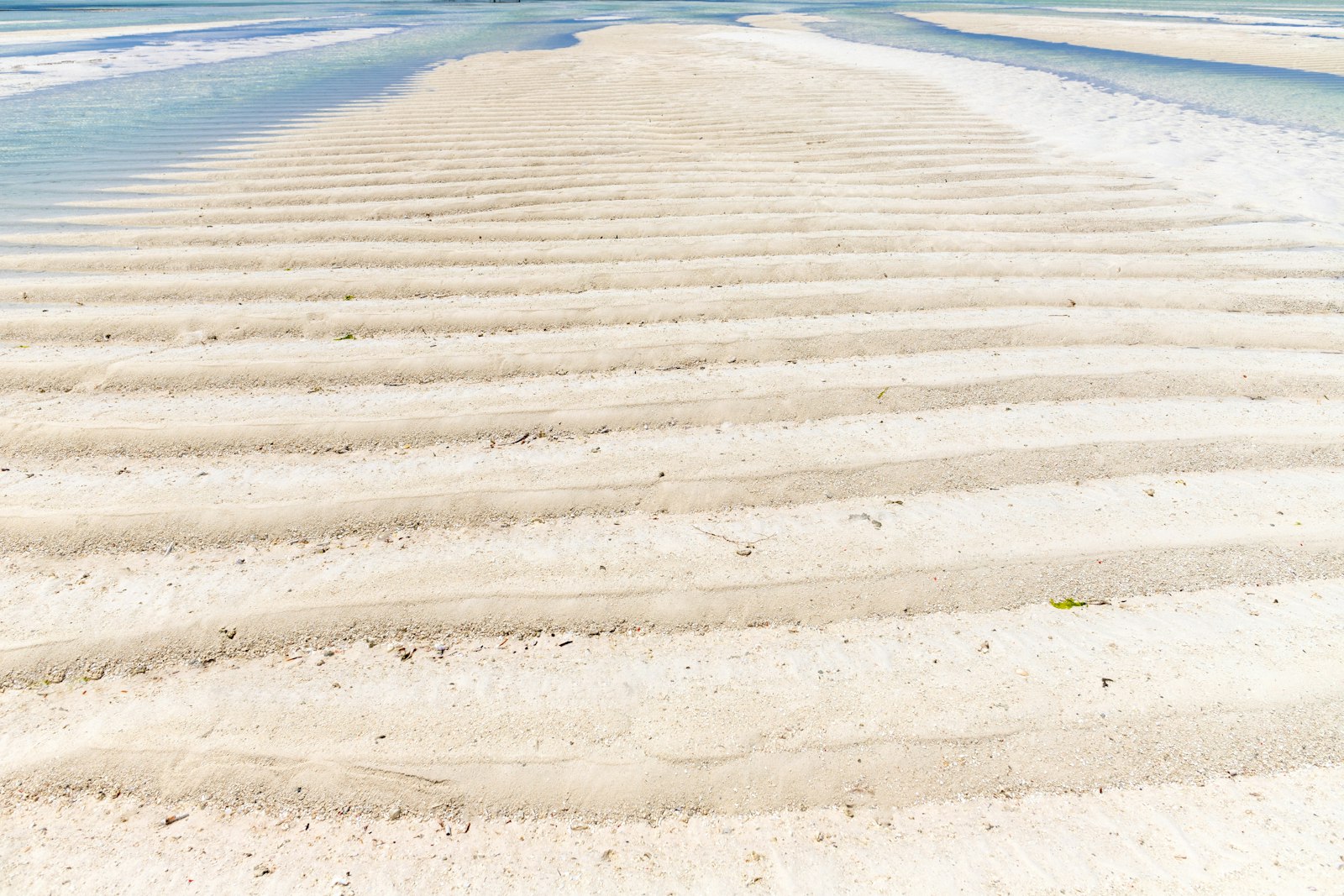
This section covers the beach side of the trip, and above all the tides. Zanzibar’s east coast, from Matemwe down through Kiwengwa, Paje and Jambiani, has a wide, shallow lagoon behind the reef. Twice a day the sea drains out of it, and the change can be dramatic.
According to a Zanzibar tides guide, the water can retreat enough to expose the seabed for up to about 1.5 to 2 km in some sections, spring tides around the full and new moon give the biggest range, and the uncovered reef and seagrass are home to starfish and sea urchins. The same guide recommends sturdy footwear to protect your feet from sharp coral. On the north coast, around Nungwi and Kendwa, the change is smaller and you can swim at most tides, as Jaynevy Tours notes.
Low-tide beach kit
Reef shoes
A firm, closed sole that drains fast. Thin neoprene socks tear on coral; flip-flops float off in the mud.
Tide table
Ask your hotel for the tide times of your stay. Swimming on the east coast is best around high tide.
Rash vest
Long low-tide walks and snorkelling over shallow reef leave backs and shoulders exposed for hours.
Dry bag
Sandbank and snorkelling trips usually end with a wade back to the boat.
Reef-friendly sunscreen
Choose a mineral formula and put it on early, so it soaks in before you enter the water.
Low tide is part of the coast’s character, the time to walk far out over warm sand with something on your feet. If you prefer to swim at any hour, base yourself in the north for part of the stay; visiting Zanzibar and Tanzania and Zanzibar in December help you split your nights.
Plastic Bag Rules: What to Leave at Home
This section covers Tanzania’s ban on plastic bags, which applies to visitors as well as residents. It catches people out at the airport, so it pays to sort your luggage before you leave home.
The Tanzanian government’s notice to travellers states that plastic carrier bags of any thickness may not be imported, exported, sold, stored or used, and that a desk at entry points enforces the rule. The UK travel advice adds that air arrivals can be asked to hand over all plastic bags, and that the ban does not cover the clear zip-lock bags used for airline liquids. Zanzibar runs its own environmental rules, and travel trade notices have reported strict enforcement on the island too, so treat every plastic bag as a risk.
| Instead of | Pack this |
|---|---|
| Plastic carrier bags for shoes or laundry | Cloth shoe bags and a mesh laundry bag |
| Duty-free goods in a plastic bag | Move items into your hand luggage before landing |
| Zip-lock bags for snacks or toiletries | Silicone pouches or a fabric wash bag; keep one clear bag for airline liquids only |
| Wet swimsuit in a plastic bag | A small roll-top dry bag |
| Shopping bags from home | A foldable cotton tote that fits in a pocket |
Note
Rules and how strictly they are applied can change. Check the latest official travel advice for Tanzania shortly before you fly, together with entry requirements, health advice and any insurance rule for Zanzibar.
Health, Money and Documents Checklist
This section covers the small, practical things that go in your day bag and hand luggage. None of them are heavy, and most are harder to sort out once you are on the island.
| Item | Why it matters on Zanzibar |
|---|---|
| Insect repellent and long sleeves | Mosquitoes are active at dusk all year and more so after rain; ask a travel clinic about malaria advice |
| Basic first-aid kit | Plasters and antiseptic for coral scrapes, plus rehydration salts for heat |
| Copies of passport and insurance | Keep paper and phone copies apart from the originals |
| Proof of required documents | Check visa, health and any island insurance rule on official sites before you fly |
| Some cash in small notes | Markets, small shops and tips often need cash; card use varies |
If Zanzibar is the beach end of a safari, pack for both in one bag: neutral colours for game drives, a warm fleece for early mornings on the mainland, and the light beach list above. Our Tanzania safari in September guide covers the mainland side of that trip.

The complete kit
Every country guide, every timing tool
All 24 When to Go country guides, the six Smart Timing tools and every 12-Month Map, with a Start Here that tells you what to open first.
See the kit · $127The five bundles cost $225 separately · Digital download · All sales final

What Not to Pack, and When Not to Go
This section is the honest part: some weeks make any packing list harder to get right. Plastic bags, heavy denim, piles of shoes and revealing town outfits can all stay at home.
| Avoid | Why | Better plan |
|---|---|---|
| April and May for a short beach trip | The long rains peak, with about 385 mm in April; some places close | Go from June to October or January to February |
| November on a tight schedule | The short rains peak at about 215 mm | Keep plans flexible or go in late January |
| Low tide walks without shoes | Coral and sea urchins are exposed for hours | Reef shoes and the tide table |
| Ramadan without checking dates | Daytime closures and stricter dress in town | Check the calendar and pack extra cover-ups |
Not sure whether your dates fall in a weak week? The free When Not to Go checker gives a quick answer.
Better Month If You Want Something Else
This section helps if your trip has one main goal and you can move the dates.
If you want
The lightest bag
January and February: hot, mostly dry, calm seas. Pack linen, swimwear and sun cover, little else.
If you want
Kitesurfing
June to October for the stronger kusi wind; add a shorty wetsuit and a windbreaker.
If you want
Cooler sightseeing in Stone Town
July to September, with highs near 29 to 30 °C and the driest skies.
If you want
Fewer visitors
Late May or early June as the rains fade; still pack a rain shell.
To keep the bag small whatever the month, the principles in our guide on how to travel light apply here too: plan outfits around one colour palette, wash as you go, and wear the bulkiest layer on the plane.
5 Common Packing Mistakes for Zanzibar
1. Packing only beachwear
Most visitors spend at least a day in Stone Town, and many pass through villages on the way to the coast. Without long, light trousers and a few tops with sleeves you end up buying a kanga in a hurry or feeling out of place.
2. Forgetting reef shoes
On the east coast the lagoon empties at low tide and coral, rock and sea urchins sit just under the sand. Bare feet and flip-flops are the most common reason for a cut foot on the first day.
3. Bringing plastic bags
Shoes, laundry and duty-free goods in plastic bags can be taken at the airport. Swap them for cloth and mesh bags before you leave home and keep only the clear bag for airline liquids.
4. Ignoring the season
A trip in April without a rain shell, or a June trip without a single long-sleeved layer for breezy evenings, makes the stay less comfortable. Check the month verdicts above and adjust two or three items.
5. Underestimating the sun
Highs of 29 to 33 °C, a light breeze and reflection from white sand make sunburn easy. A rash vest, a hat and plenty of reef-friendly sunscreen matter more than a fourth swimsuit.
What to Pack for Zanzibar: FAQ
What should you not wear in Zanzibar?
Avoid short shorts, miniskirts, crop tops, strappy tops and see-through dresses away from the beach and your resort. In Stone Town and villages, cover from shoulders to knees. Men should not walk around shirtless in town. Official UK travel advice warns that the Zanzibar authorities can fine people for clothing they consider inappropriate in public, so keep beachwear for the sand.
Do I need reef shoes in Zanzibar?
Yes, especially on the east coast at Paje, Jambiani, Kiwengwa or Matemwe. At low tide the sea can pull back a kilometre or more, uncovering coral, rocks, seagrass and sea urchins. Reef or water shoes with a firm sole protect your feet on long tide walks and when wading out to boats. On the north coast the tide matters less, but shoes still help on rocky stretches.
Can I bring zip-lock bags to Zanzibar?
Plastic carrier bags are banned in Tanzania, and air arrivals can be asked to hand them over. UK travel advice says the ban does not cover the clear zip-lock bags used for airline liquids, but travel trade notices have reported strict enforcement on Zanzibar. The safe approach is one clear bag for liquids and cloth or silicone pouches for everything else.
Is it cold in Zanzibar at night?
No, but it can feel fresh from June to September, when lows drop to about 21 to 22 °C and the southeast trade wind blows. One light sweater or long-sleeved shirt is enough for evenings and boat trips. From December to March nights stay warm, at about 24 to 25 °C, and humid, so a fan or air conditioning matters more than layers.
What should I wear in Stone Town?
Wear loose, light clothes that cover your shoulders and knees: linen trousers or a long skirt, a cotton shirt or T-shirt with sleeves, and comfortable sandals with a strap for the uneven lanes. Carry a scarf for a bare back or a mosque visit. During Ramadan dress even more modestly and avoid eating or drinking in public during the day.
Do I need a rain jacket in Zanzibar?
From March to May, yes: April is the wettest month, with about 385 mm of rain, and May still gets about 255 mm. In November and December a light shell or a compact umbrella is enough, since showers tend to pass. From June to October and in January and February you can usually leave rain gear at home and pack extra sun protection instead.
The Bottom Line
The best answer to what to pack for Zanzibar is a light bag built for heat, modesty and the sea: breathable clothes that cover shoulders and knees, beachwear for the beach only, reef shoes, strong sun protection and no plastic bags, plus a rain shell from March to May or in November. Match two or three items to your month and you are set. For more island planning, browse our Zanzibar travel guides.
Safari, beaches and the rains
Pick the right weeks for Tanzania and Zanzibar
When to Go: Tanzania & Zanzibar takes you through every month on the mainland and the island: weather, crowds, prices and the best windows for each kind of trip, so you can choose the right weeks first and then pack for them.
Digital download · All sales final
Free download
The 12-Month Map, free
The whole year for one country on four printable pages, so you can see the right months before you read anything else.
- Good, shoulder and avoid months at a glance
- Region by region, not one average for the whole country
- Prints cleanly on US Letter
Your download page opens as soon as you sign up. 24 countries available.