
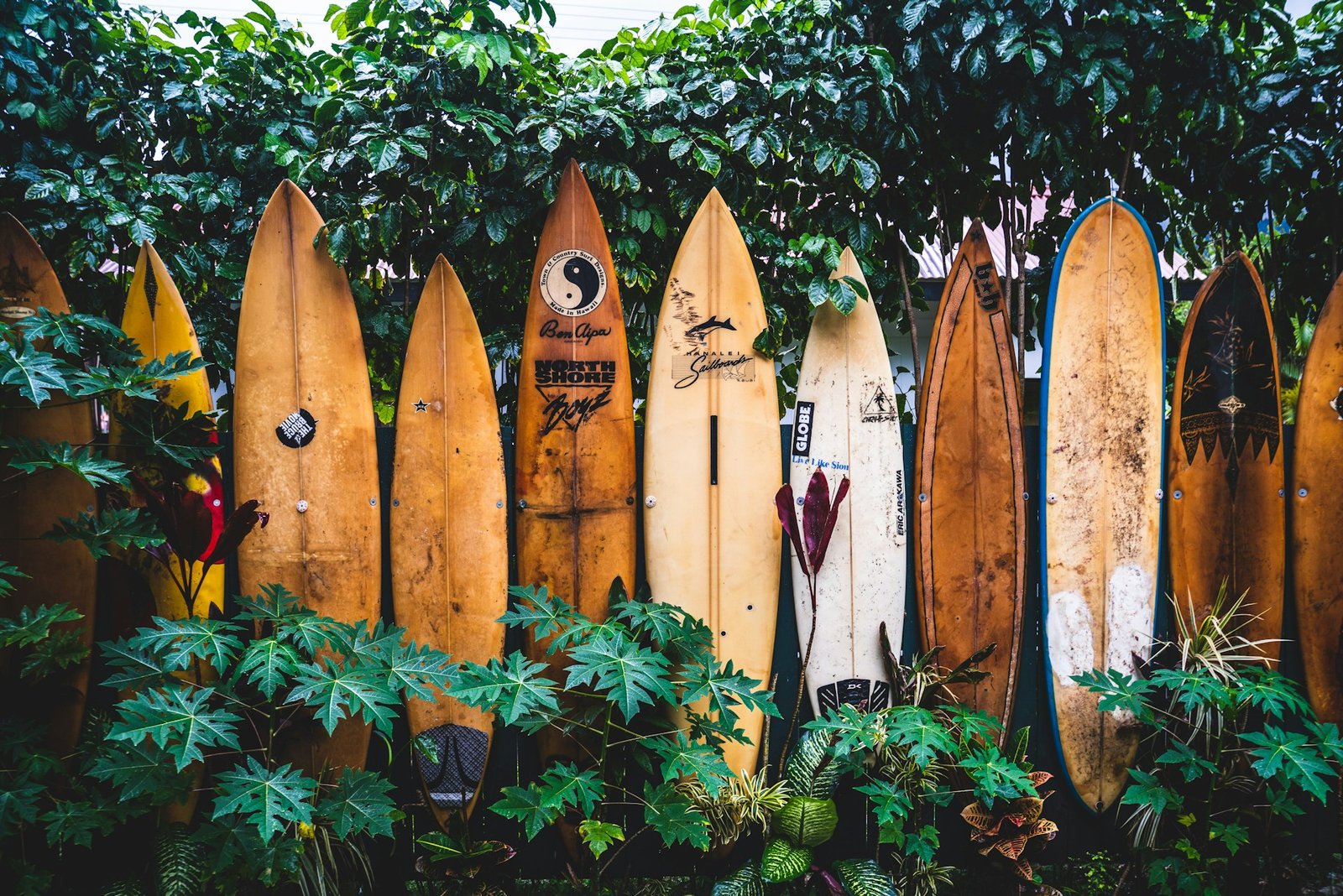
October is the month Hawaii’s surf changes direction. The summer south swells are fading, the first winter swells start reaching north shores, and the famous names can go from sleepy to serious in a day. This guide covers the famous surf spots in Hawaii for experienced surfers and for anyone who wants to watch from the sand: what each break needs, which shore it faces, what October usually brings it, and how to check the forecast before you commit a morning to the drive.

The famous surf spots in Hawaii are mostly on Oahu: Pipeline, Sunset Beach and Waimea Bay on the North Shore, which come alive on north swells from roughly November to April, and Waikīkī and Ala Moana Bowls on the South Shore, which work best on summer south swells. Maui adds Honolua Bay, Hoʻokipa and Peʻahi (Jaws). In October, Hawaii is between seasons, so check the official surf forecast by shore each morning.
✅ Key takeaways
- ✓October sits at the change of seasons: summer swells hit south shores from May to October, and winter brings huge north and west swells from November to April.
- ✓Pipeline, Sunset and Waimea are advanced-only breaks; in October they can be flat one week and powerful the next, so treat any early swell with full respect.
- ✓Waikīkī’s Canoes is the beginner wave among the famous names; Queens is a classic longboard wave, and both get crowded.
- ✓Jaws on Maui is a winter big-wave break, with its largest surf from December to March, so an October visit is usually a cliff-top look rather than a show.
- ✓Check the National Weather Service surf forecast for your shore every morning, and stay out of the water on high-surf days unless you’re truly experienced.
October Is Hawaii’s Swell Switch: What Each Shore Does
Hawaii’s surf depends on which way a coast faces, and October is when that balance shifts. According to Hawaiʻi Ocean Safety, summer runs from May through October, with frequent large swells on south shores and flat-to-small waves on north shores. Winter, from November through April, brings consistent huge and dangerous swells to north shores and high surf to many west shores.
| Shore | Summer (May–October) | Winter (November–April) | What October usually means |
|---|---|---|---|
| North (Pipeline, Sunset, Waimea, Hanalei) | Flat to small | Consistent huge, dangerous swells | Early winter swells can start to arrive |
| South (Waikīkī, Ala Moana) | Large swells can arrive frequently | Flat to small | The tail end of the south-swell season |
| West (Mākaha, Kona side) | North swells can wrap around | North swells can wrap around | Wrap from early north swells is possible |
| East (windward coasts) | Trade-wind waves, often rough | Trade-wind waves, often rough | Choppy when the trades blow |
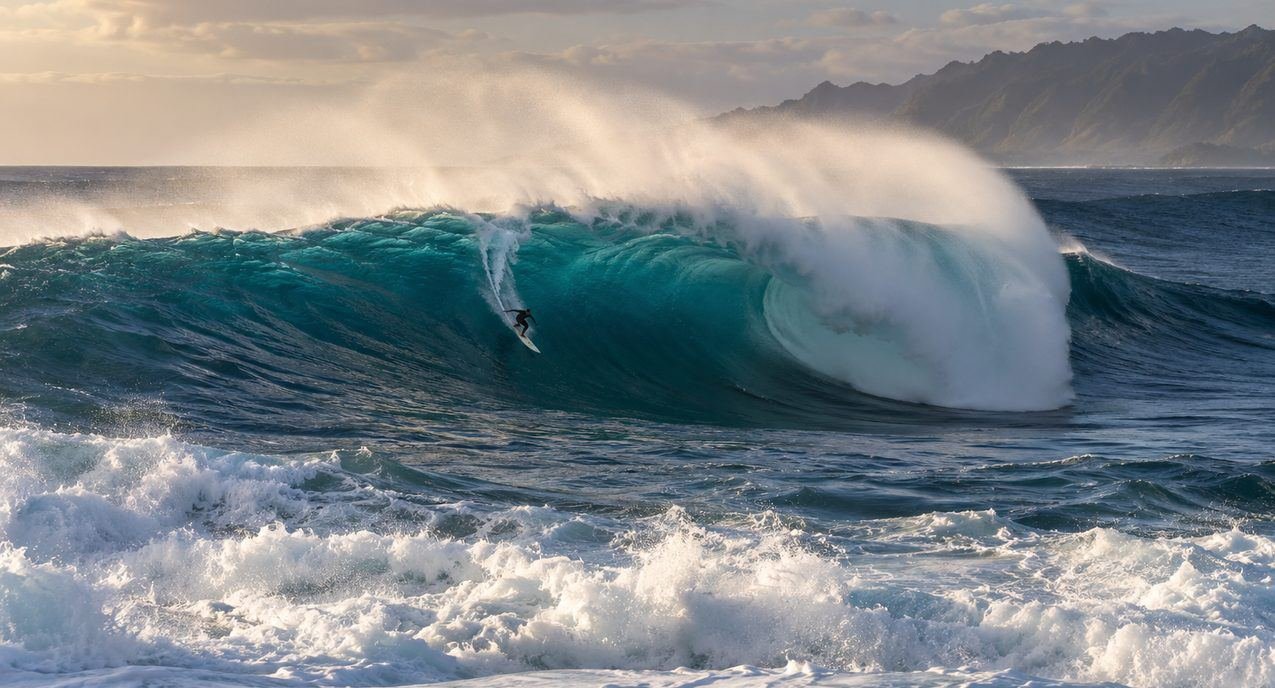
What this means for you: October can deliver good surf on more than one shore, but rarely the full winter spectacle. If you’re coming to surf the North Shore at its most consistent, or to watch the big contests, later months suit you better. If you’re an experienced surfer who wants options, October’s mix of a lingering south swell and the first north swells can be very rewarding.
May–Oct
summer season: south shores get the swells
Nov–Apr
winter season: huge north and west swells
20 ft
minimum open-ocean swell for the Eddie at Waimea
Dec–Mar
when Peʻahi (Jaws) gets its biggest waves
🧰 Try it while you read: a free tool for this trip
Free trip timing tool
Best Month Finder
Pick a country and your priorities; get the three months that suit you best.
Loading the tool…
Famous Surf Spots in Hawaii at a Glance
Here are the big names side by side. “October” describes what the season usually brings, not a promise: always check the day’s forecast.
| Spot | Island and shore | Level | October in brief | Watch from |
|---|---|---|---|---|
| Banzai Pipeline | Oahu, North Shore | Expert | Can wake up on early north swells | ʻEhukai Beach Park sand |
| Sunset Beach | Oahu, North Shore | Advanced | Early-season swells possible | Sunset Beach Park |
| Waimea Bay | Oahu, North Shore | Big-wave expert | Usually calm; giant surf is a winter event | The beach, far from the waterline |
| Waikīkī (Canoes, Queens) | Oahu, South Shore | Beginner to intermediate | End of the south-swell season | Kalākaua Avenue seawall and beach |
| Ala Moana Bowls | Oahu, South Shore | Intermediate to advanced | South swells still possible | Ala Moana Beach Park area |
| Mākaha | Oahu, West Shore | Intermediate and up | Year-round; wrap from north swells possible | Mākaha Beach Park |
| Honolua Bay | Maui, north-west | Advanced | Starts to see winter swells | Cliff-top along the trail |
| Peʻahi (Jaws) | Maui, North Shore | Big-wave pros only | Rarely its winter giants | Peʻahi overlook, access permitting |
| Hanalei Bay | Kauai, North Shore | Intermediate to advanced | Calm summer pattern fading | Hanalei Bay beach |
| Banyans and Lyman’s | Big Island, Kona coast | Experienced | Variable | Aliʻi Drive shoreline |
Oahu’s North Shore: Pipeline, Sunset and Waimea in October
Oahu’s North Shore, from Haleʻiwa to Sunset Beach, is where Hawaii’s big winter names live, and in October it’s just waking up. Expect some flat days, some fun days and, now and then, a serious early-season swell.
Banzai Pipeline: the world’s most famous reef
Pipeline breaks off ʻEhukai Beach Park in Pūpūkea, in shallow water over a sharp, cavernous reef. That’s what makes it so spectacular and so dangerous. The main wave is a left, often called First Reef. On a north swell the peak becomes an A-frame, with Backdoor peeling right at the same time. The best waves usually come on a strong north swell after a west swell has cleared sand off the reef.

The Smart Timing Bundle
Pick the month, book in the right order, pack once
Six printable timing tools for any trip: the Trip Timing Planner, When to Book, When NOT to Go, the Shoulder Season Playbook, the family timing guide and the Packing by Season System.
See the bundle · $37Six products, $100 separately · Digital download · All sales final
For experienced surfers: Pipeline isn’t a break to try because you’re in Hawaii. It draws professionals and experienced locals when it’s good, and the reef punishes mistakes. For spectators, the sand at ʻEhukai is one of the best places anywhere to watch big waves up close, but only on days when you stay well back from the water.
Sunset Beach: big, shifting and powerful
Sunset Beach is an advanced wave that comes alive when north swells are running in winter, with powerful waves and strong currents. It has long hosted major professional events. In October it can be small and friendly-looking, which is exactly when visitors underestimate it: currents remain strong even on modest days.
Waimea Bay: calm in summer, legendary in winter
In summer, Waimea is typically clear and calm. In winter, North Pacific storms send swells that can reach 40 feet, and the bay becomes one of the world’s great big-wave arenas. The Eddie Aikau big-wave contest only runs when open-ocean swells reach at least 20 feet, which is why it has been held so rarely. In October, Waimea is usually a swimming bay rather than a big-wave show, but an early swell can change that quickly.
Oahu’s South Shore: Waikīkī and Ala Moana Bowls
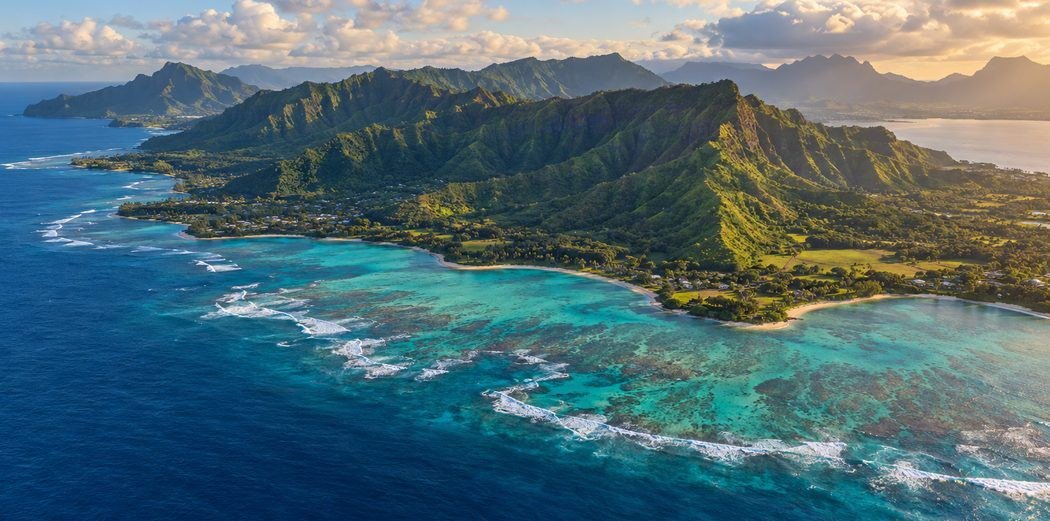
The South Shore is the summer side of Oahu, and October is usually the end of its season. Large south swells can still arrive, so it’s worth checking.
Waikīkī: Canoes, Queens and the long rolling break
Hawaiian royalty surfed Waikīkī on early longboards, and Duke Kahanamoku later made it a surfing hotspot. Its long, rolling waves suit longboarding, tandem surfing and beginners. Canoes is the beginner-friendly wave; Queens, next to it, is a world-class longboard wave. Both share the water with outrigger canoes and many other surfers, so the main hazards are collisions rather than size.
Ala Moana Bowls: the crowded classic
Ala Moana Bowls works best in summer and almost always has a crowd unless the surf is tiny. The reef is shallow and covered in spiky sea urchins, especially at low tide. It suits competent surfers who are comfortable in a busy line-up and know the etiquette.
When to Go: Hawaii
Surf seasons, ocean conditions, weather and crowds change a lot across the year. This guide walks through Hawaii month by month, so you can choose the month that suits the waves you want to surf or watch.
See When to Go: Hawaii · $19 →Digital download · All sales final
Maui: Honolua Bay, Hoʻokipa and Peʻahi (Jaws)
Maui’s famous breaks face north and north-west, so they follow the winter pattern. In October, they’re starting to wake up rather than at their peak.
Honolua Bay: the protected point
Honolua Bay, in West Maui, is a world-renowned surf break inside the 45-acre Honolua-Mokuleʻia Marine Life Conservation District. You reach the rugged coastline by a trail from a parking area beside the Honoapiʻilani Highway, and on clear days you can see Molokaʻi and Lānaʻi. It hosts a women’s surf competition in December. In October, look for early winter swells; on flat days, it’s a scenic stop rather than a surf session.
Hoʻokipa: the wind and wave arena
Hoʻokipa, on Maui’s north shore, is for advanced surfers, with strong wind and rip currents. Beginners should watch from the beach rather than paddle out.

The complete kit
Every country guide, every timing tool
All 24 When to Go country guides, the six Smart Timing tools and every 12-Month Map, with a Start Here that tells you what to open first.
See the kit · $127The five bundles cost $225 separately · Digital download · All sales final
Peʻahi (Jaws): a winter giant
Peʻahi, about three miles east of Pāʻia, is one of the world’s most famous big-wave breaks. It gets its largest waves from December to March, when they can exceed 60 feet, and surfers use both tow-in and paddle-in methods. Viewing is from the Peʻahi overlook at the end of Hahana Road, high on cliffs 100 to 150 feet above the break. The road is mostly unpaved, hard to drive when wet and has been closed in the past, so check current access before you go. In October, a big Jaws session is unusual.
Kauai and the Big Island: Hanalei Bay, Banyans and Honoliʻi
The famous breaks outside Oahu and Maui are best for experienced surfers who know reef waves and local etiquette.
Hanalei Bay, Kauai
Hanalei Bay is calm in summer and gets big surf in winter, so October is a month of change there. On small days, the bay is gentle and beautiful; when north swells arrive, its breaks are for experienced surfers only. Our guide to less crowded surf spots in Hawaii covers Kauai’s quieter options.
Banyans, Lyman’s and Honoliʻi, Big Island
On the Kona side, Banyans and Lyman’s, off Aliʻi Drive near Holualoa Bay, are experienced-only reef breaks, and they’re fun to watch from the shoreline. On the east side, Honoliʻi near Hilo is best left to local and advanced surfers.
How to Read an October Surf Forecast Before You Paddle Out or Drive
In October, the most important habit is checking which shore has the swell that day. A drive across the island to the North Shore is worth it only if the waves are there.
Open the official forecast
The National Weather Service Honolulu surf zone forecast gives surf heights for north, west, south and east facing shores on Kauai, Oahu, Maui and the Big Island, for the morning and afternoon.
Know how height is measured
The NWS gives surf height as the face of the wave, from trough to crest, in feet. If a local report or app gives a different number, check which scale it uses before you compare.
Look for advisories
High Surf Advisories and warnings show which shores are dangerous. If one is posted for your shore, novices and swimmers should stay out of the water there.
Match the shore to your level
Use the shore that suits you that day, not the spot you’d planned. Ocean Safety notes that a calmer beach is often available elsewhere on the same island.
Check again on the beach
Watch for 15 to 20 minutes before paddling out, and talk to the lifeguard about currents and sets.
Watching the Big Names Safely From the Shore
For many visitors, the best way to enjoy Hawaii’s famous surf is from the sand. A few simple rules keep spectating safe.
- Stay far from the waterline on big days. At Waimea and Pipeline, large sets can surge up the beach without warning.
- Don’t stand on wet rocks or ledges. If the rock is wet, waves reach it.
- Park only in marked spaces and never block the highway or driveways.
- Bring water, sun protection and patience. Good sets can be several minutes apart.
- Respect local surfers and photographers: give them space at the water’s edge.
If you’re travelling with children, our Hawaii with kids travel hacks cover lifeguarded beaches, drive times and October sunsets.
Common Mistakes When Visiting Hawaii’s Famous Surf Spots in October
1. Assuming October means big North Shore surf
The North Shore’s consistent giant swells are a winter feature, from November to April. October can bring early swells, but it can also be flat. Plan other activities as well.
2. Paddling out at Pipeline or Sunset because they look small
Small-looking days can still have strong currents and shallow reef. These are advanced breaks at any size.
3. Ignoring the South Shore
In October, a late south swell can make Waikīkī or Ala Moana better than the North Shore. Check every shore, not just the famous one.
4. Reading the forecast without knowing the scale
NWS heights are wave faces, trough to crest. Other reports may use a different scale. Know which you’re looking at before deciding what’s safe.
The complete kit
Every country guide, every timing tool
All 24 When to Go country guides, the six Smart Timing tools and every 12-Month Map, with a Start Here that tells you what to open first.
See the kit · $127The five bundles cost $225 separately · Digital download · All sales final
5. Getting too close as a spectator
On big days, sets can wash up the beach and over rocks. Stay well back and keep children close.
Famous Surf Spots in Hawaii: Your Questions Answered
The famous surf spots in Hawaii reward one habit above all: check which shore has the swell before you go. In October that might be the North Shore waking up or the South Shore’s last summer swell. For more Hawaii in October, see the best October surf spots in Hawaii, Hawaii beaches in October, Hawaii in October for families, planning a Hawaii trip with kids and Hawaii in October crowds, compare September surf spots in Hawaii, browse more best travel destinations in October, or plan any other month from the month-by-month travel planner.
Free download
The 12-Month Map, free
The whole year for one country on four printable pages, so you can see the right months before you read anything else.
- Good, shoulder and avoid months at a glance
- Region by region, not one average for the whole country
- Prints cleanly on US Letter
Your download page opens as soon as you sign up. 24 countries available.
[…] or Portuguese man-o’-war, before you go in. If surf is the reason for your trip, our guide to Hawaii’s most famous surf spots explains the […]