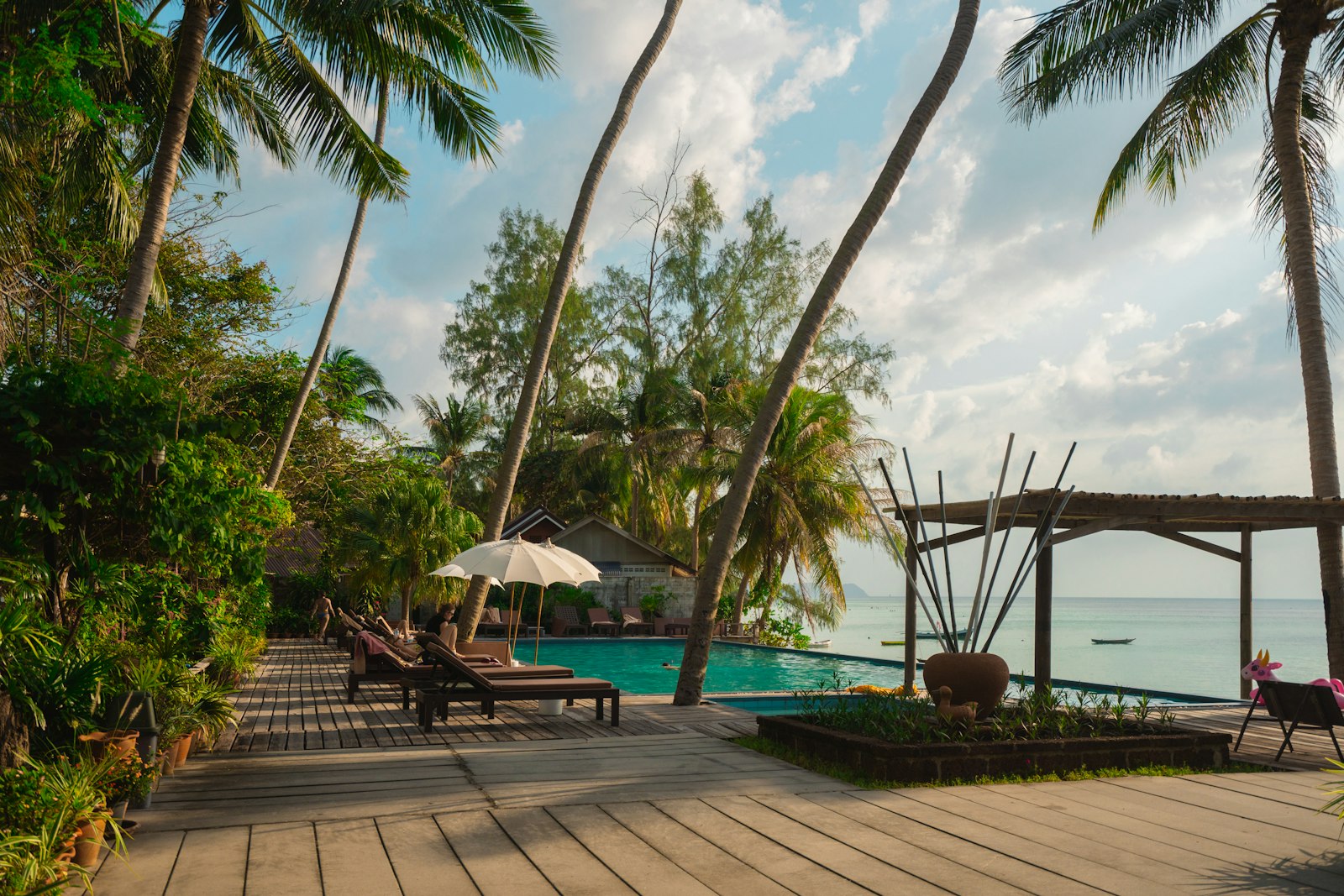
Most advice about luxury travel on a budget is a list of coupon sites and credit-card tricks. They help a little. What helps a lot is timing: the same five-star resort, the same suite and the same pool can cost very differently depending on the month you arrive, the night of the week and the type of rate you book. This guide shows you how to pick the right season for the luxury you want, which trade-offs come with it, and the booking habits that keep the price down once you’ve chosen your dates.

When to Go guides
Choose your country, then your month
24 country guides, each about 100 pages: every month rated for weather, crowds and prices, region by region, with a 7-day booking plan. Six guides per region bundle.
Browse the 24 guides · $19 eachRegion bundles: Europe, Asia & Pacific, Sun Souks & Safari, Americas · $47 each
Luxury travel on a budget works best when you book five-star places in their low or shoulder season, when demand and prices are lower: Dubai in the summer heat, the Caribbean coast in storm season, Bali in the wet season or European cities in January. Combine that with refundable rates you can rebook if prices fall, longer stays, weekday nights in leisure resorts and free hotel loyalty membership, and you pay far less for the same experience.
✅ Key takeaways
- ✓Choose the month before the hotel: the same luxury property is usually priced for demand, and demand drops when the weather is less popular.
- ✓Every low season has a reason. Dubai’s August averages about 42 °C, Bali gets around 388 mm of rain in January, and the Caribbean’s hurricane season peaks around 10 September.
- ✓Shoulder months, the weeks just before and after peak season, usually give you most of the good weather for less money and with fewer people.
- ✓Book refundable rates and check again closer to the date; if the price drops, rebook at the lower rate.
- ✓Join the hotel’s loyalty programme before you book: at Hilton, for example, membership is free and members get discounted room rates and free Wi-Fi.
Luxury Travel on a Budget Starts With the Calendar, Not the Coupon
Luxury hotels don’t charge one price all year. Their rates follow demand, and demand follows the weather, school holidays and events. So the most powerful money-saver is choosing a destination at a time when fewer people want to be there, and making sure the reason they stay away is one you can live with.
Every low season has a trade-off. Heat, rain, short days or storm risk are what keep demand down. The trick is matching the trade-off to the kind of luxury you want. If your idea of a five-star trip is a beautiful room, a great pool and long dinners, heat or rain may barely matter. If it’s long days on a beach or boat, it matters a lot.
| Destination | Low season | The trade-off | Suits you if… |
|---|---|---|---|
| Dubai | Summer (June–September) | Extreme heat: August averages about 42 °C by day | You want pools, spas, dining and indoor attractions |
| Caribbean coast and Mexico’s Riviera Maya | Hurricane season (1 June–30 November) | Storm risk, peaking mid-August to mid-October; more rain | You can book flexibly and insure the trip |
| Bali | Wet season (around December–March) | Heavy rain: about 388 mm in January vs 16 mm in August | You want villa time, spas and food more than beach days |
| Paris and other European cities | Winter (January–February) | Cold, grey days: Paris averages about 8 °C in January | You want museums, restaurants and grand hotels |
🗓️ Free: a 12-Month Map for your country
Every month on one page: best weeks, shoulder weeks and the ones to skip. Print it or keep it on your phone.
≈42 °C
Dubai’s average August high
≈388 mm
Bali’s average January rainfall
10 Sept
peak of the Atlantic hurricane season
≈59 hrs
of sunshine in Paris in January
🧰 Try it while you read: a free tool for this trip
Free trip timing tool
Price Calendar
A twelve-month view of price pressure, from cheapest to most expensive months.
Loading the tool…
Dubai in Summer: Five-Star Pools When the City Empties
Dubai is the classic example of a luxury destination with a clear low season. In summer, the heat is extreme: the August average high is about 42 °C, with record highs close to 49 °C. Most leisure travellers come in the cooler months instead, when February, for example, averages about 26 °C.

That’s exactly why summer can work for luxury on a budget. The things that make a five-star Dubai trip special (the hotel, the pool, the spa, the restaurants, the malls and indoor attractions) are all air-conditioned or shaded. Plan the day around the heat: a swim and breakfast early, indoor plans through the middle of the day, and the beach or pool again in the late afternoon.
The Caribbean Coast in Storm Season: Luxury With a Weather Plan
The Caribbean and Mexico’s Caribbean coast have a long, well-defined low season: the Atlantic hurricane season. According to the US National Hurricane Center’s hurricane climatology page, the official season runs from 1 June to 30 November, with a peak around 10 September and most activity between mid-August and mid-October.

The Smart Timing Bundle
Pick the month, book in the right order, pack once
Six printable timing tools for any trip: the Trip Timing Planner, When to Book, When NOT to Go, the Shoulder Season Playbook, the family timing guide and the Packing by Season System.
See the bundle · $37Six products, $100 separately · Digital download · All sales final
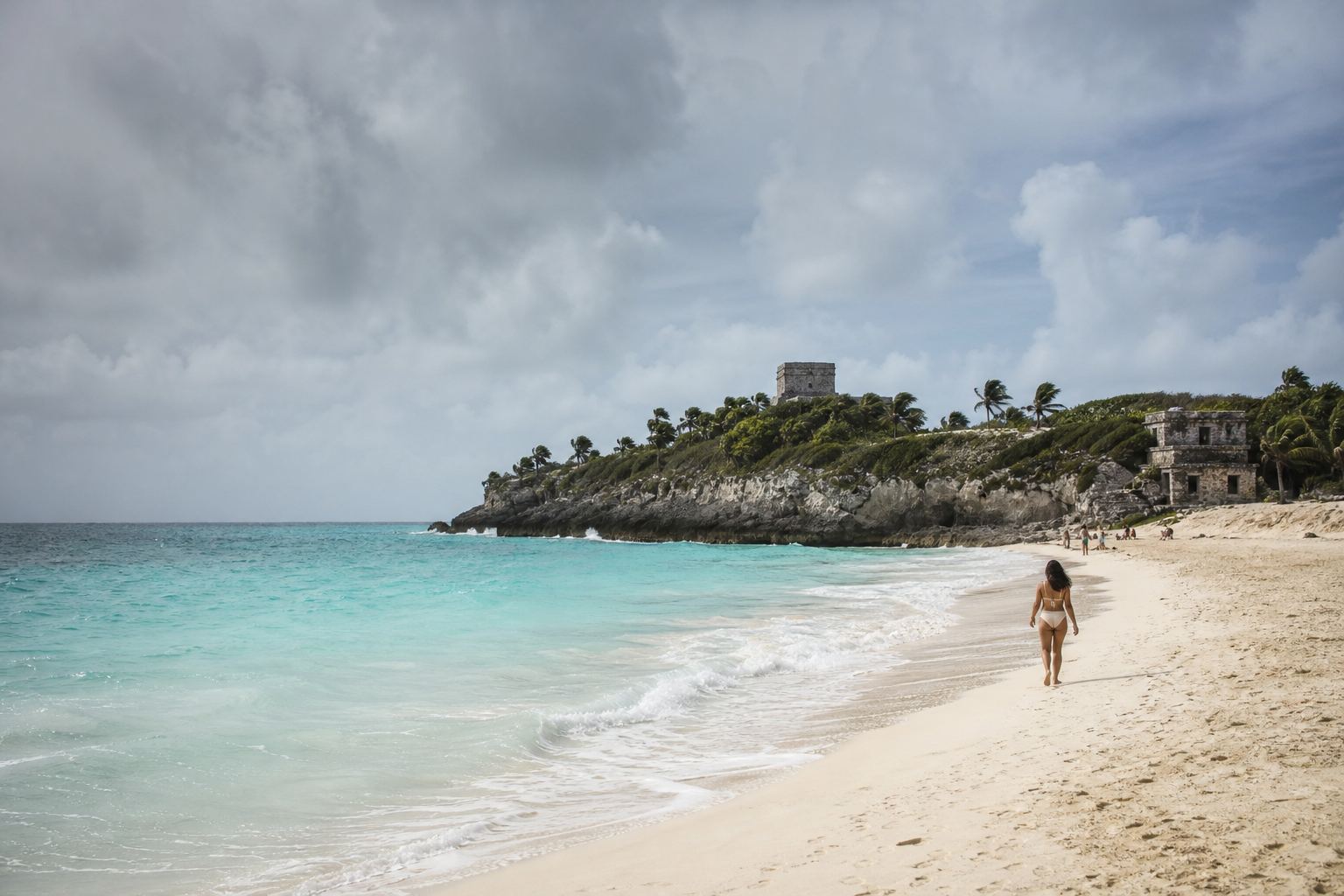
Rain follows the same pattern. Cancún averages about 223 mm of rain in September and 242 mm in October, against about 45 mm in March. So the risk isn’t spread evenly across the season. The early weeks of June and the second half of November are on the edges of the season, while September and early October sit right in the middle of it.
Pick the edges, not the peak
If you want low-season prices with lower risk, look at early June or late November rather than September.
Book refundable or changeable
Choose hotel rates you can cancel and flights you can change, so a storm forecast doesn’t cost you the trip.
Check your insurance wording
Read how your travel insurance treats hurricanes and when cover has to be bought to apply. Buy it when you book, not when a storm appears.
Watch the forecast for the week before
Follow the official forecasts and your hotel’s updates, and be ready to move your dates.
Bali in the Wet Season: Villas, Spas and Green Rice Terraces for Less
Bali’s wet season, roughly December to March, is when the island is at its greenest and its villas and resorts are at their quietest. It’s also very wet, so go in knowing what you’re getting.

At the airport near Denpasar, January averages about 388 mm of rain over around 19 days, and February about 299 mm over 17 days. August, at the height of the dry season, averages only about 16 mm. Temperatures barely change, with daytime highs around 31 °C in January. So the trade-off isn’t cold; it’s humidity, downpours and fewer beach hours.
That makes the wet season a good match for a certain kind of luxury: a private pool villa, long spa sessions, cooking classes and slow meals. If you want to spend every day diving, surfing or on boat trips, the dry months are the better choice.
The Shoulder Season Playbook
Want the good weather without the peak-season prices? This guide shows you how to find the in-between weeks for a destination, what changes in each shoulder season and how to judge whether the trade-off suits your trip, so you can book luxury stays when they cost less.
See The Shoulder Season Playbook · $19 →Digital download · All sales final
Europe’s Grand Hotels in Winter: Paris in January
European city breaks are the easiest place to try luxury on a budget, because the main attractions are indoors anyway. Winter is the low season for many cities, and Paris is a good example.

Paris averages about 8 °C by day and 3 °C at night in January, with only around 59 hours of sunshine in the whole month. In July, the average high is about 26 °C. Grey, chilly days are the trade-off, but museums, galleries, restaurants, theatres and the hotel itself don’t need sunshine. A grand hotel with a spa and a great bar feels at its best on a cold evening.
7 Booking Habits That Cut the Price of a Five-Star Stay
Once your dates are set, the way you book matters almost as much as the month. None of these require a special credit card or hours of research.
Compare weekday and weekend nights
Leisure resorts and business-district hotels can price weekdays and weekends very differently, in opposite directions. Price both before you fix your nights.
Book a refundable rate, then re-check
A refundable rate lets you rebook if the price drops before your trip. Set a reminder to check again a few weeks before arrival.
Look at longer stays
Many hotels run length-of-stay offers. Price four nights as well as three; sometimes the extra night costs little.
Join the hotel’s free loyalty programme
At Hilton, for example, membership is free and includes discounted member rates and free Wi-Fi. Check the same at any chain you book.
Book the room you want, not the upgrade you hope for
Upgrades are never guaranteed. Pay for the room category that makes the trip special and enjoy any upgrade as a bonus.
Spend where you’ll feel it
One night in a spectacular hotel at the end of a trip can feel more luxurious than a whole week in a slightly-better-than-average one.
Check what’s included
Breakfast, airport transfers and spa credits can change the real cost of a rate. Compare total prices, not headline prices.
Pick the season first, the hotel second and the rate third. That order saves more money than any discount code.
Loyalty Points and Premium Seats Without the Obsession
Points and miles can turn a good-value luxury trip into an outstanding one, but they work best as a top-up to smart timing, not a replacement for it.
Start with what’s free. Hotel loyalty programmes usually cost nothing to join and give you member perks from the first stay. Hilton Honors, for example, lists discounted room rates and free Wi-Fi for all members, and from its Silver tier upwards a fifth night free when you book a standard room entirely with points. Programmes differ, so read the benefits table of the chain you actually use.

The complete kit
Every country guide, every timing tool
All 24 When to Go country guides, the six Smart Timing tools and every 12-Month Map, with a Start Here that tells you what to open first.
See the kit · $127The five bundles cost $225 separately · Digital download · All sales final
For flights, premium economy is often the most sensible middle ground on long-haul routes: more space and comfort than economy, at a price closer to economy than business. Our guide to travelling for free using points and miles goes deeper into earning and redeeming, and our hotel booking tweaks guide covers smaller hotel tricks.
If you’re planning a whole trip from scratch, our guide on what to book first when planning a trip sets out the right order, and our top budget travel tips cover everyday savings beyond the hotel. For specific January ideas, see low-season travel deals in January.
5 Mistakes That Make Budget Luxury Travel Feel Cheap
1. Choosing a low season that ruins your main activity
A wet-season beach trip, a summer desert safari or a storm-peak sailing week saves money but loses the point of the trip. Match the trade-off to the luxury you actually want.
2. Booking non-refundable rates in storm season
Between mid-August and mid-October, the Atlantic hurricane season is at its most active. Flexible rates and proper insurance matter more than the last few dollars of discount.
3. Comparing headline prices instead of total prices
A cheaper room without breakfast, with paid transfers and resort fees can cost more than a higher rate that includes them. Add everything up before you decide.
4. Spreading the budget too thin
Five nights in average hotels often feel less special than three nights in an average one and two in a spectacular one. Concentrate the spend.
5. Booking once and never checking again
Prices move. If you hold a refundable rate, check again before the cancellation deadline and rebook if it has dropped.
Luxury Travel on a Budget: Questions Travellers Ask
Luxury travel on a budget isn’t about squeezing a five-star hotel for discounts; it’s about arriving when the hotel is waiting for guests. Choose the season and the trade-off first, then book smart. For more ideas, browse our luxury travel guides, budget travel guides and travel tips, see the best luxury experiences from city breaks to safaris, or plan any month from the month-by-month travel planner.
Free download
Which month for your country?
Get the free 12-Month Map: every month marked good, shoulder or avoid, region by region, on four printable pages.
- Greece to Japan, Morocco to Peru: 24 countries
- See the crowd and price peaks before you book
- Free, no purchase needed
Your download page opens as soon as you sign up. 24 countries available.