Stargazing in January has one big advantage in the Northern Hemisphere: the nights are long, so darkness arrives early and you can see a full sky without staying up until 2 a.m. The trick is finding places where those long nights are also clear and properly dark. This guide picks seven, from the Canary Islands’ observatory peaks to Death Valley and the Canadian Rockies, explains what each night sky is like in January, and shows how to plan around the Moon, the cloud forecast and the cold.

The complete kit
Every country guide, every timing tool
All 24 When to Go country guides, the six Smart Timing tools and every 12-Month Map, with a Start Here that tells you what to open first.
See the kit · $127The five bundles cost $225 separately · Digital download · All sales final
The best places for stargazing in January combine dark-sky protection with dry, settled winter weather: La Palma and Tenerife in the Canary Islands, Death Valley in California, the Moroccan Sahara and Jasper in the Canadian Rockies are strong Northern Hemisphere choices, while New Zealand’s Aoraki Mackenzie reserve works in southern summer despite shorter nights. Plan for the week around the new moon, check the cloud forecast each afternoon and dress for long, cold nights.
✅ Key takeaways
- ✓In the Northern Hemisphere, January nights are among the longest of the year, so darkness comes early and stargazing fits into a normal evening.
- ✓The Moon matters more than the month: plan your trip for the days around the new moon for the darkest skies.
- ✓Altitude helps: La Palma’s observatory sits above the cloud layer that often covers the coast.
- ✓Desert parks such as Death Valley are mild by day in January but cold after dark, so bring winter layers.
- ✓Avoid Chile’s Atacama in January and February, when the “Altiplanic winter” can bring cloud and storms.
Why Stargazing in January Works: Long Nights and Crisp Air
Three things help January. First, long nights: north of the equator, the sky is dark by early evening, which means families, photographers and anyone who does not want a 3 a.m. alarm can see a full sky after dinner. Second, the winter sky itself: Orion, the Pleiades and Sirius, the brightest star in the night sky, are high in the evening in January, and they are easy to find even for beginners. Third, cold, dry air in deserts and high mountains often gives sharp, steady views.
1st
Starlight Reserve: La Palma
2,400 m+
height of La Palma’s observatory
3.4M acres
Death Valley Dark Sky Park
20° / 6°C
Death Valley January high / low
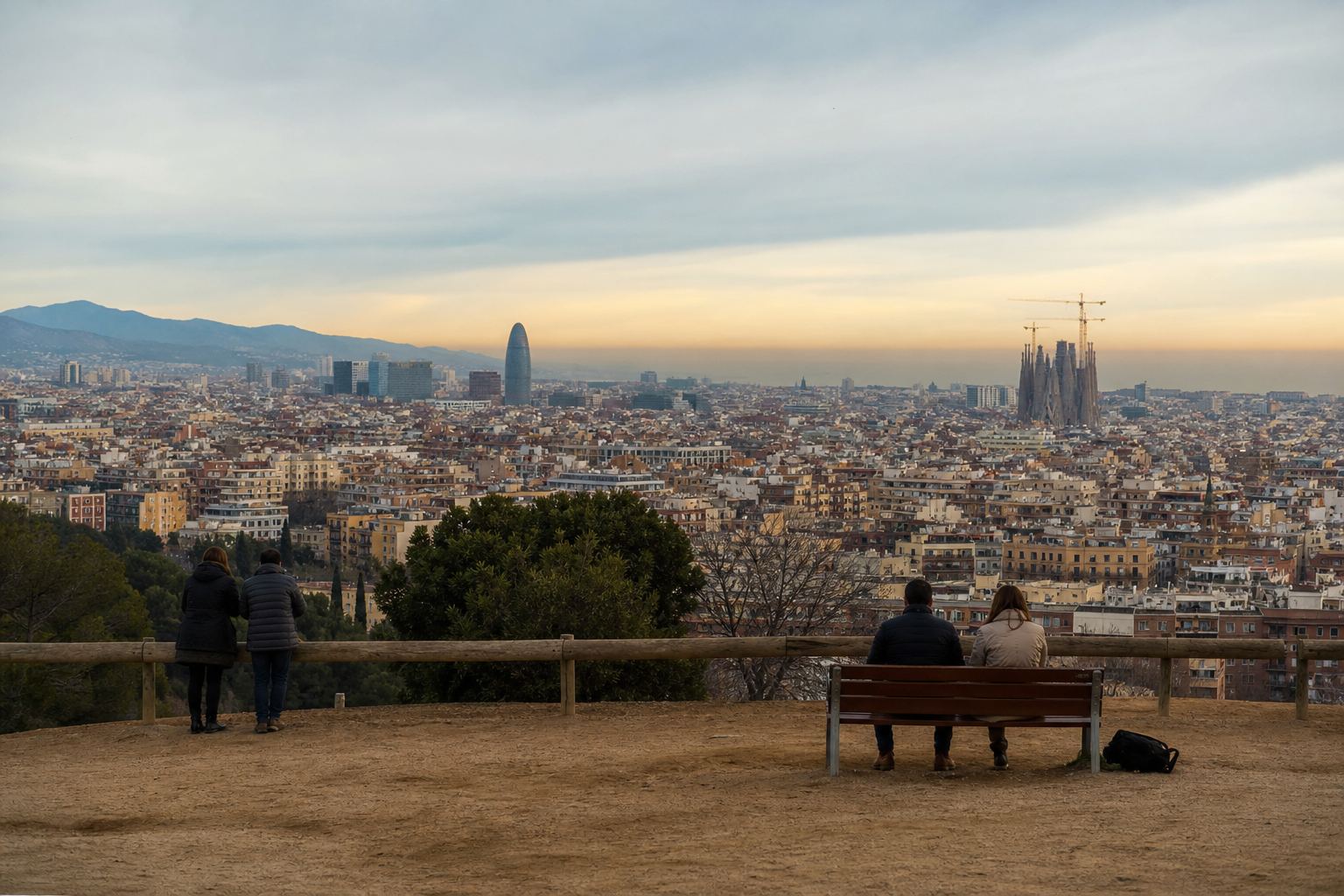
The catch is weather. Winter is also storm season in many places, so this guide favours spots that are either high enough to sit above the clouds, dry enough to be clear most nights, or protected by law from light pollution. Crisp, bright winter days often come with them: inland Spain, the Moroccan desert and the American Southwest are all known for clear winter light as well as dark skies.
🧰 Try it while you read: a free tool for this trip
Free trip timing tool
What Kind of Traveller Are You?
Seven quick taps pick your travel type, then show the countries and months where it shines.
Loading the tool…
La Palma: A Whole Island Built Around the Night Sky
If one place deserves to top a stargazing list, it is La Palma in the Canary Islands. A Sky Law in force since the late 1980s protects the quality of its night sky for astronomy, controlling outdoor lighting across the island, and La Palma describes itself as the world’s first Starlight Reserve. The island’s official Starlight Reserve page explains why: the Roque de los Muchachos Observatory sits at more than 2,400 m, above the “sea of clouds” that often blankets the coast, where the Atlantic keeps the air clear and stable.
For visitors, that means two levels of stargazing. On clear nights, the sky is dark from many villages and viewpoints across the island. On cloudy nights at the coast, the high roads towards the observatory can lift you above the cloud layer. Guided stargazing sessions with telescopes are widely offered; book one for your first clear night so you learn what you are looking at, then head out on your own.
Tenerife: Stars Above Spain’s Highest Peak
Tenerife is the easier option to reach, with more flights and hotels, and Teide National Park is one of the best places in the world for stargazing according to the island’s tourism board. Mount Teide rises to 3,718 m, Spain’s highest point, and the national park’s high volcanic plateau sits well above most coastal cloud. Many visitors combine a sunset over the crater landscape with a guided stargazing session afterwards.
The complete kit
Every country guide, every timing tool
All 24 When to Go country guides, the six Smart Timing tools and every 12-Month Map, with a Start Here that tells you what to open first.
See the kit · $127The five bundles cost $225 separately · Digital download · All sales final
In January, the summit of Teide is usually covered in snow, and the whole park can look white after a cold spell. The cable car runs to within about 200 m of the summit; the final climb needs a permit from the park offices. For stargazing, you do not need the summit at all: the high plateau gives wide, dark horizons. The Canaries are in high season in January, so book rooms and tours early.
When to Go: Spain
Weighing the Canaries in January against mainland Spain or a later month? This guide goes through Spain month by month, from crisp, quiet winter cities and Canary Islands sun to spring festivals and summer heat, so you can match your dates to the trip you want.
See When to Go: Spain · $19 →Digital download · All sales final
Death Valley: America’s Biggest Dark Sky Park in Its Mildest Month
Death Valley National Park is a Gold Tier International Dark Sky Park, the highest tier awarded, and at 3.4 million acres it has been described as the largest dark sky park in the world. It averages less than 2 inches of rain a year, and its skies are often cloudless. In summer, the heat makes the valley floor dangerous; in January, it becomes one of the most comfortable places in the US Southwest for a night outdoors.
January averages are about 20 °C (67 °F) by day and 6 °C (43 °F) at night, so you can hike in the afternoon and stargaze in a warm jacket after dinner. Pull off at any wide, dark area away from the main lodging areas, let your eyes adjust for 15 to 20 minutes and keep a red-light torch for walking. For another desert sky in Texas, see our guide to stargazing in Big Bend in December, and for red-rock country, Sedona’s winter retreats.
🌑
Plan for the new moon
The week around the new moon gives the darkest skies. A bright moon washes out the Milky Way and faint stars.
☁️
Read cloud, not just rain
A dry forecast can still be cloudy. Check the cloud-cover map in the afternoon before you drive out.
🔴
Keep red light only
Use a red torch or your phone’s night mode. White light resets your night vision in seconds.
🧥
Dress for standing still
Bring a hat, gloves and an extra layer, even in the desert. You will be still for an hour or more.
Morocco’s Sahara: Desert Nights and Atlas Snow
Morocco in January is the quietest, best-value month of the year, with empty monuments, snow on the Atlas Mountains and clear, crisp air. That clarity is what makes a night in the desert worthwhile. In the dunes of the south-east, far from city lights, the sky after dark is the main event, and desert camps are set up for exactly that.
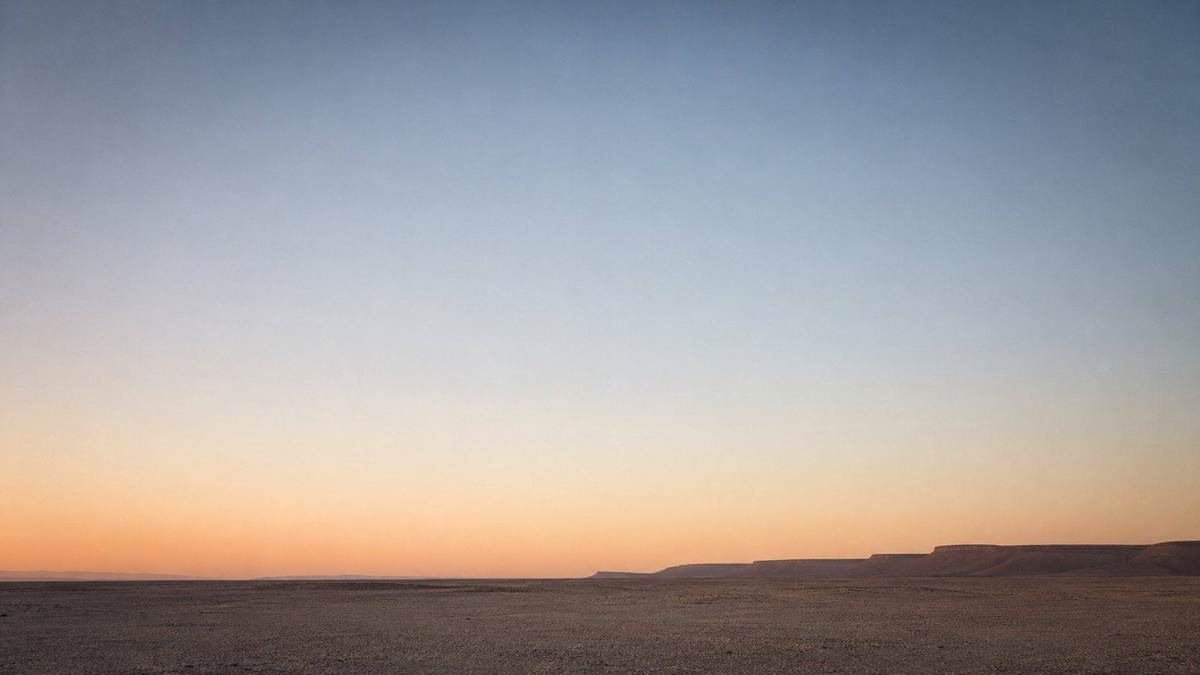
The price of those skies is cold. Desert nights in January drop sharply after sunset, and not every riad or camp is heated. Ask before you book whether rooms and tents are heated and whether extra blankets are provided, and pack a warm layer for the evening even if the day felt like spring. Our guide to mild winter destinations in January covers Morocco’s daytime side in more detail.
Jasper and the Canadian Rockies: Cold Skies and Aurora Chances
For a truly crisp winter sky, Jasper National Park in Alberta is a Dark Sky Preserve designated by the Royal Astronomical Society of Canada, and Destination Canada calls it the second largest and most accessible preserve in the world. Pyramid Lake, Maligne Lake and the area around Athabasca Falls are favourite viewing spots, and in winter the aurora borealis shows up more often, although it can appear at any time of year.
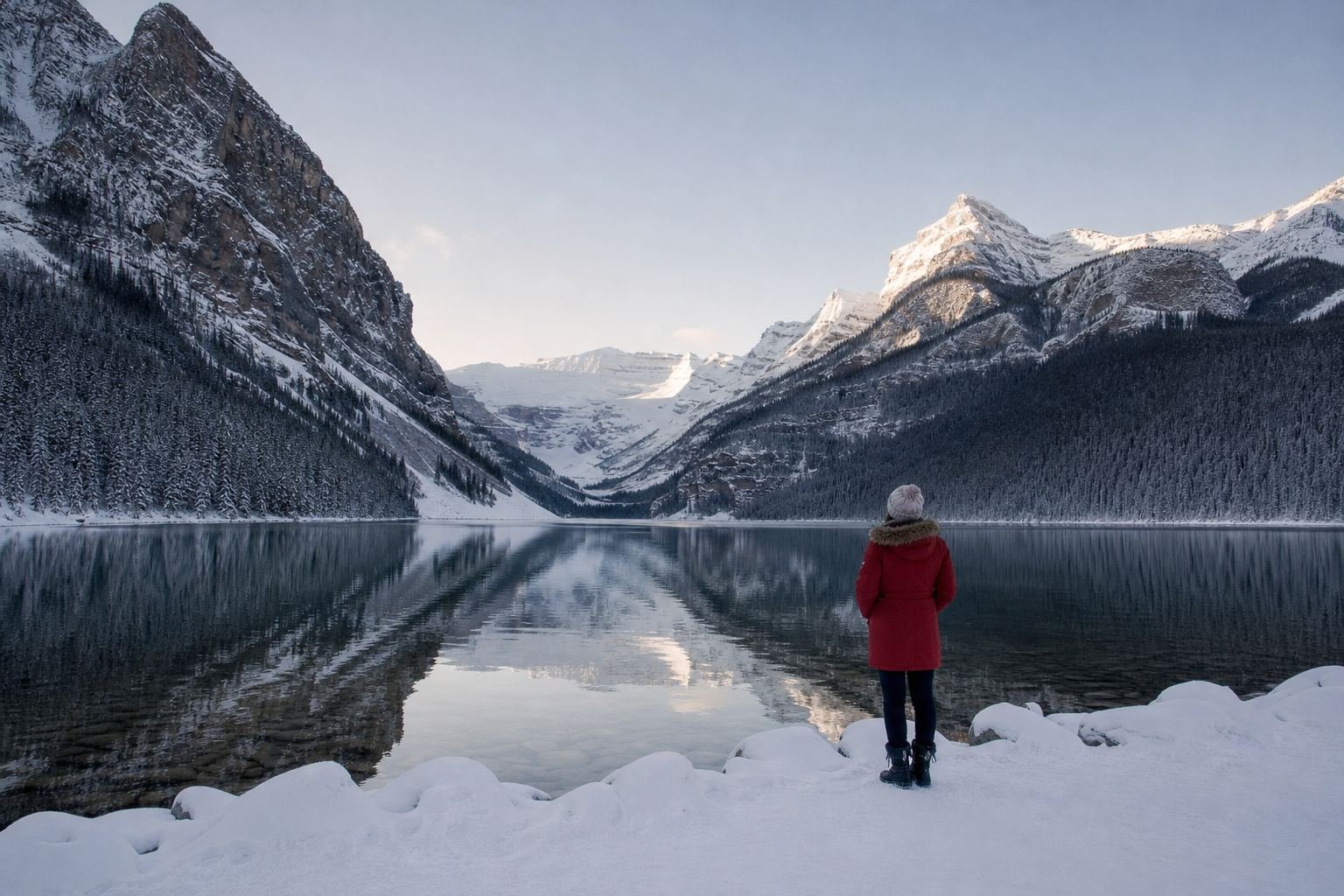
January in the Rockies means proper cold, deep snow and winter driving, so treat it as a winter trip first and a stargazing trip second: winter tyres, short drives after dark, and a warm base to come back to. If the aurora is your main goal, compare our Northern Lights Odds tool with trips such as Iceland in January and the northern lights in Norway in February.
Pick the darkest week first, the clearest place second, and the warmest jacket you own third.
Aoraki Mackenzie, New Zealand: Southern Summer Skies
South of the equator, January is summer, so stargazing works differently. New Zealand’s Aoraki Mackenzie International Dark Sky Reserve, around Lake Tekapo, is described as the largest gold-tier dark sky reserve in the world. In summer, nights are shorter and darkness comes later, so sessions start late in the evening, but clear summer nights still show star clusters, nebulae and planets, and the weather is far kinder for standing outside than a northern winter.
It suits travellers who want stargazing as part of a wider summer road trip, with lakes, hiking and mountain views by day. Book guided sessions ahead in peak summer, and plan for late nights rather than early ones.

The Smart Timing Bundle
Pick the month, book in the right order, pack once
Six printable timing tools for any trip: the Trip Timing Planner, When to Book, When NOT to Go, the Shoulder Season Playbook, the family timing guide and the Packing by Season System.
See the bundle · $37Six products, $100 separately · Digital download · All sales final
| Place | Why go in January | Night temperatures | Best for |
|---|---|---|---|
| La Palma, Canary Islands | Sky Law, observatory above the clouds | Mild at the coast, cold at altitude | Serious stargazers |
| Tenerife, Canary Islands | High plateau, easy flights | Cold in the national park | Sunset plus stars |
| Death Valley, USA | Gold Tier park, mild days | About 6 °C (43 °F) | Desert road trips |
| Moroccan Sahara | Clear winter air, quiet season | Cold; ask about heating | A desert night under the stars |
| Jasper, Canada | Dark Sky Preserve, aurora chances | Well below freezing | Winter lovers |
| Aoraki Mackenzie, NZ | Southern summer, gold-tier reserve | Mild | Summer road trips |
How to Plan a January Stargazing Trip in 5 Steps
Find the new moon
Look up the Moon’s phases for your month and aim for the days either side of the new moon.
Pick a place with a dark-sky status
Starlight reserves and dark sky parks control light pollution, so you do not need to drive far for a dark sky.
Stay several nights
Three or more nights gives you a real chance of at least one clear one, even in a good month.
Check the cloud forecast every afternoon
Decide each evening where to go, or whether to wait for tomorrow.
Dress and pack for the cold
Layers, a hat, gloves, a flask and a red torch. A reclining chair or mat makes an hour of looking up comfortable.
Our free Best Month Finder helps if you are still choosing a month, and the Packing by Season Generator builds a cold-night kit list for your dates.
When Not to Go: Clouds, Moonlight and the Atacama’s Wet Season
Some timing mistakes cost more stargazing than any choice of destination:
- Full-moon weeks: wherever you are, a bright moon hides the faint stars and the Milky Way. Avoid the few days either side of the full moon if you can.
- Chile’s Atacama in January and February: the world-famous desert has a wet spell called the Altiplanic winter in the middle of the southern summer, when moist air from Bolivia brings unsettled weather and even snow on the high volcanoes. Plan the Atacama for another month.
- Stormy coasts in midwinter: Atlantic Europe and much of northern Europe are often cloudy and wet in January; mountain and desert sites are a better bet.
- Holiday weeks in popular places: the Canaries are in high season in January, and the first week after New Year is busy almost everywhere.
Want to know whether your dates fall in a bad window? Check whether your month is a bad one with our free tool.
5 Stargazing Mistakes That Waste a Clear Night
1. Booking a full-moon week
It is the most common mistake. Check the Moon’s phase before you book flights.
2. Looking at your phone
Bright screens undo your night vision. Use red light and give your eyes 15 to 20 minutes to adjust.
3. Staying in the brightest part of town
A few kilometres away from town lights makes a dramatic difference. Choose rural lodging where you can step outside your door.
4. Underdressing in the desert
Warm January afternoons in Death Valley or the Sahara turn into cold nights. Pack winter layers anyway.
5. Planning only one night
One night is a gamble on the weather. Two or three nights turns it into a plan. For more winter ideas under open skies, see our best January hiking trails and winter wonderland destinations in January.
Stargazing in January: Your Questions Answered
Stargazing in January rewards a simple plan: the right Moon, the right place, and enough nights to beat the clouds. For more winter ideas, browse our best travel destinations in January and nature travel guides, see the northern lights in March, or plan any other month from the month-by-month travel planner.
Free download
See the whole year before you book
Our free 12-Month Map puts every month for one country on four pages: when the weather works, when the crowds and prices peak, and the weeks to skip.
- 24 countries to choose from
- Region-by-region verdicts
- Printable PDF
Your download page opens as soon as you sign up. 24 countries available.