The best time to visit Albania is late May to June and September to early October, when the coast is warm, the sea is swimmable and the old towns are comfortable to walk. July and August bring the warmest sea and the biggest crowds, with inland heat that can pass 35 °C. November is the wettest month in most of the country, and from November to March many beach towns close down. This guide sets out every month, the three climate zones, the festivals and the weeks to avoid.

When to Go guides
Choose your country, then your month
24 country guides, each about 100 pages: every month rated for weather, crowds and prices, region by region, with a 7-day booking plan. Six guides per region bundle.
Browse the 24 guides · $19 eachRegion bundles: Europe, Asia & Pacific, Sun Souks & Safari, Americas · $47 each
Quick answer
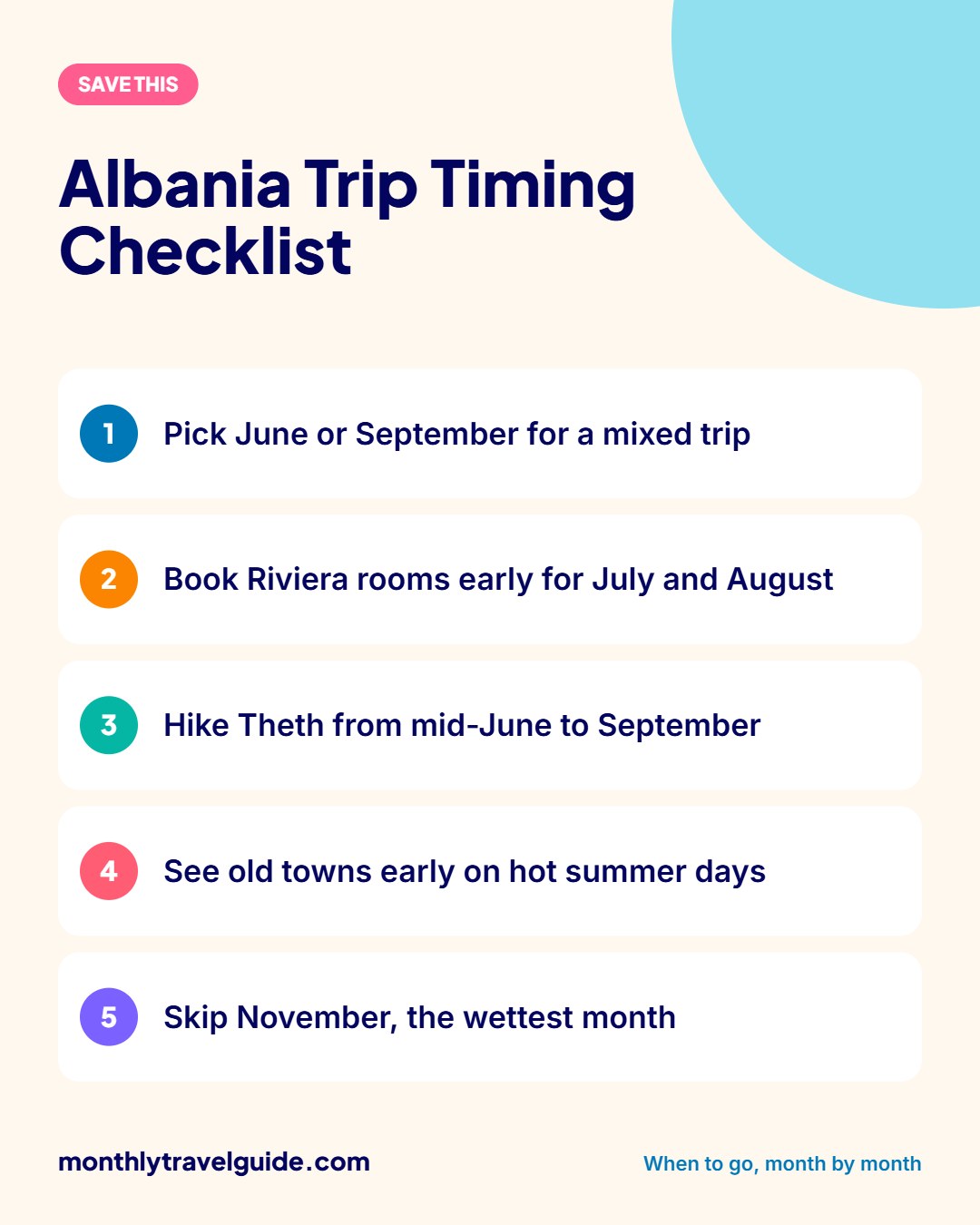
For a mixed trip of beaches, old towns and mountains, go in June or September. The sea is warm enough to swim, highs sit around 26 to 30 °C, and the Theth and Valbona trails are usually clear of snow. Choose July and August only for a pure beach holiday, and book early. Skip November, the wettest month, and expect closed beach towns from December to March.
Key takeaways
Albania has three climate zones: a Mediterranean coast and plain, a slightly more continental interior, and cold, snowy mountains.
July and August are the driest months; Gjirokastër averages about 10 mm of rain in each.
The sea off Vlorë reaches about 24 °C in July and 25 °C in August, and stays near 24 °C in September.
November is the wettest month at most stations, with about 210 mm in Tirana and 235 mm in Gjirokastër.
The Valbona to Theth hike is usually walkable from June to September; snow can linger into May.
Summer Day (Dita e Verës) on 14 March is a public holiday, celebrated most in Elbasan.
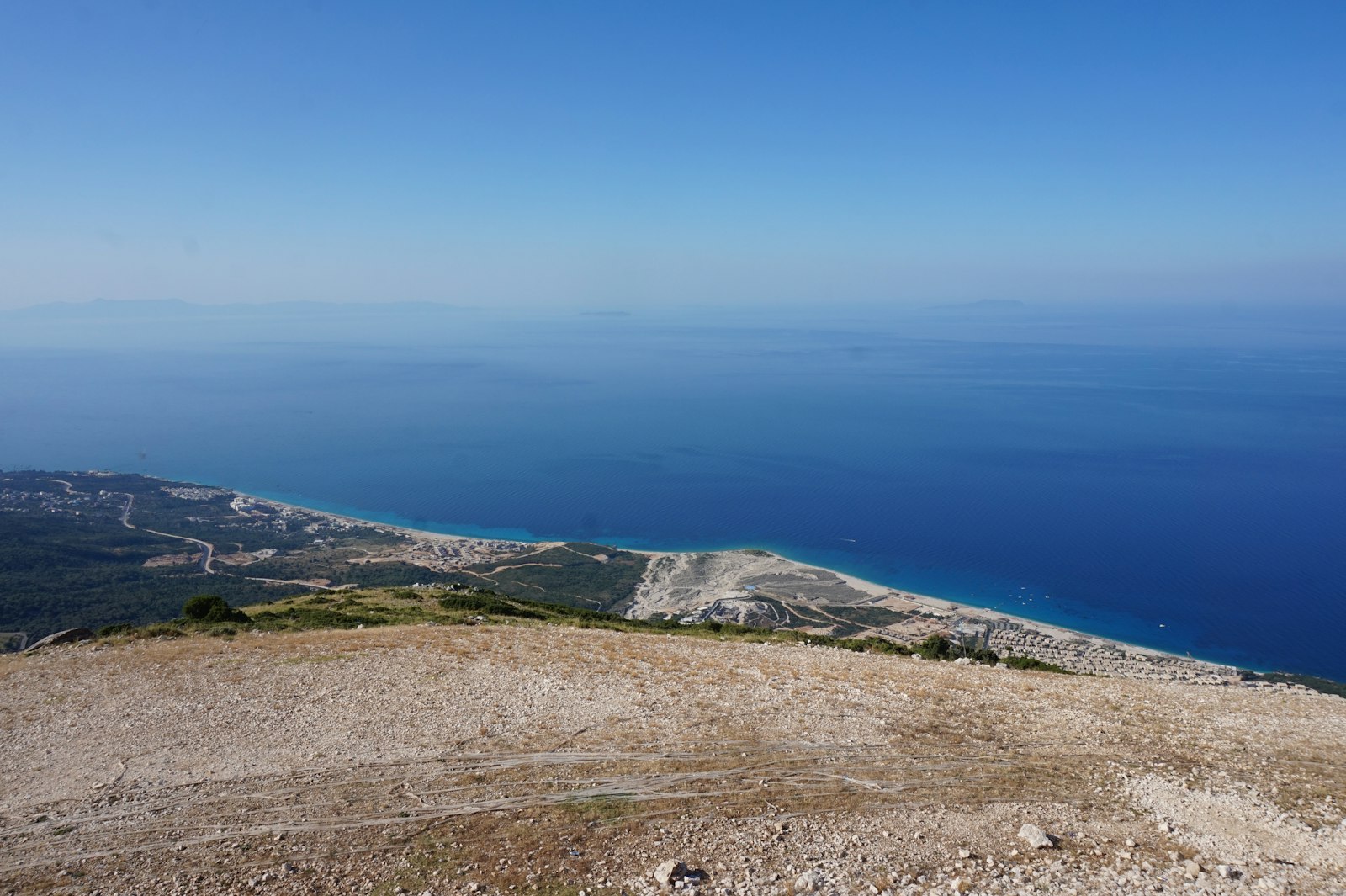
Best Time to Visit Albania: Month Verdicts at a Glance
This section gives a one-line verdict for every month, so you can see the shape of the year before the details. The verdicts assume a first trip that mixes the coast with at least one old town, not a pure beach week or a mountain trek.
Albania month by month
Jan
Go with careCold, wet, quiet cities
Feb
Go with careWet; low prices in Tirana
Mar
Go with careSummer Day on 14 March
Apr
GoGreen hills, cool sea
May
GoWarm days, empty beaches
Jun
GoSea warm, best all-round
Jul
Go with careHot, crowds build
Aug
Go with carePeak crowds, warmest sea
Sep
GoWarm sea, fewer people
Oct
GoMild; rain in the second half
Nov
SkipWettest month
Dec
Go with careRainy; festive Tirana
If you only have one window, June is the safest single month: dry, warm, and the sea has had a few weeks to heat up. September is a close second and often better for swimming. Use the free Best Month Finder to match your own priorities against the year.
🧰 Try it while you read: a free tool for this trip
Free trip timing tool
What Kind of Traveller Are You?
Seven quick taps pick your travel type, then show the countries and months where it shines.
Loading the tool…
Albania Weather and Crowds, Month by Month
This section puts the numbers side by side. Highs, lows and rainfall are long-term averages for Tirana from Climates to Travel; the sea temperature is for Vlorë, which the same source says is close to the climate of Sarandë in the far south.
| Month | Tirana high / low | Tirana rain | Sea (Vlorë) | Crowds | Verdict |
|---|---|---|---|---|---|
| January | 12 / 2 °C | 135 mm | 14 °C | Very low | Cities only |
| February | 14 / 3 °C | 150 mm | 14 °C | Very low | Cities only |
| March | 17 / 6 °C | 130 mm | 14 °C | Low | Cities, Summer Day |
| April | 20 / 9 °C | 115 mm | 15 °C | Low | Old towns, hiking low down |
| May | 25 / 13 °C | 120 mm | 18 °C | Moderate | Good all-round |
| June | 29 / 17 °C | 85 mm | 22 °C | Rising | Best all-round |
| July | 32 / 19 °C | 30 mm | 24 °C | High | Beach, mountains |
| August | 33 / 18 °C | 30 mm | 25 °C | Peak | Beach only, book early |
| September | 28 / 15 °C | 60 mm | 24 °C | Falling | Best for swimming |
| October | 23 / 11 °C | 105 mm | 21 °C | Low | Old towns, early in the month |
| November | 18 / 7 °C | 210 mm | 18 °C | Very low | Avoid |
| December | 14 / 3 °C | 175 mm | 16 °C | Low | Tirana city break |
🗓️ Free: a 12-Month Map for your country
Every month on one page: best weeks, shoulder weeks and the ones to skip. Print it or keep it on your phone.
Two patterns stand out. Rain is a winter story: Tirana gets about 30 mm in each of July and August, then about 210 mm in November. And the sea lags the air, so it is still about 24 °C in September when the air has cooled to the high 20s. Daylight runs from about 9 hours in December to about 15 in June and July.
Albania’s Climate Zones: Coast, Interior and Mountains
This section explains why one month can be perfect in one part of Albania and poor in another. The country is small, but it climbs from sea level to Mount Korab at 2,764 m, and the weather changes fast with height.
In practice this means you can split a trip by season. In June or September, spend the hot middle of the day by the sea and move inland for the old towns early in the morning or late in the afternoon. In July and August, the mountains in the north are the cool escape. In spring, the old towns and lower hills are green and pleasant while the sea is still too cool for most swimmers.

The Smart Timing Bundle
Pick the month, book in the right order, pack once
Six printable timing tools for any trip: the Trip Timing Planner, When to Book, When NOT to Go, the Shoulder Season Playbook, the family timing guide and the Packing by Season System.
See the bundle · $37Six products, $100 separately · Digital download · All sales final
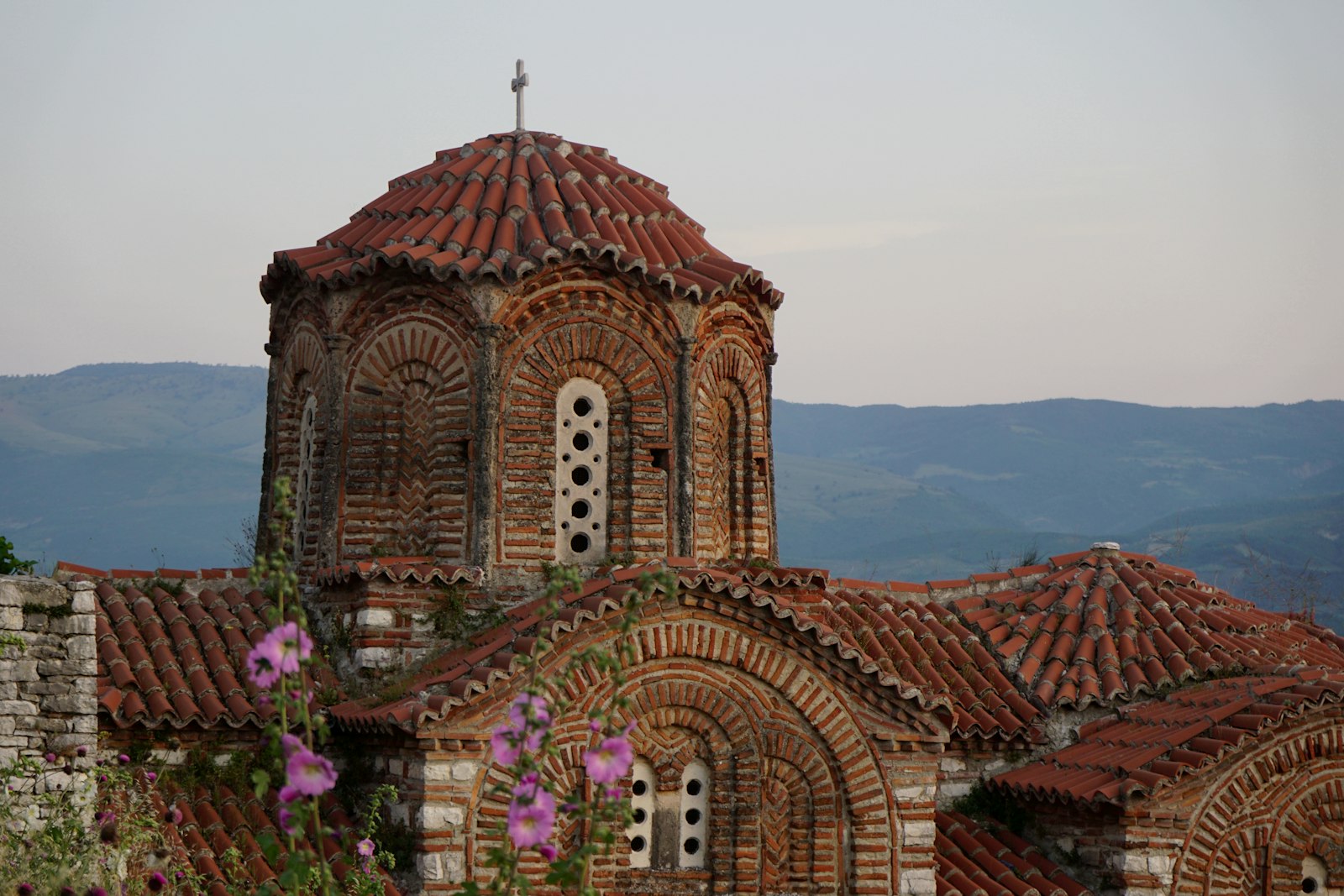
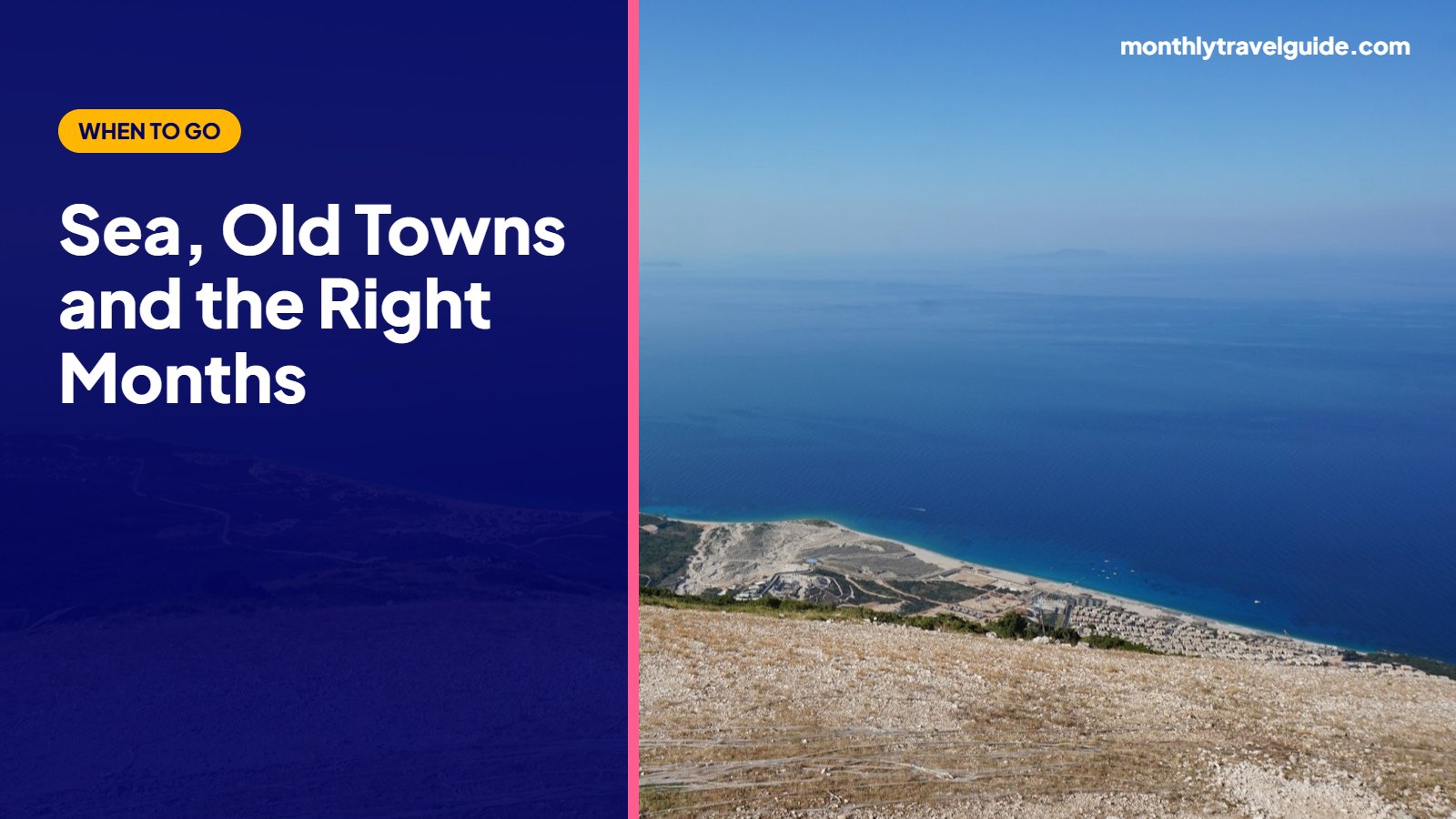
The Albanian Riviera: When the Sea Is Right
This section covers the beach coast between Vlorë and the Greek border, the main reason many people come. The sea warms from about 18 °C in May to about 22 °C in June, 24 °C in July and 25 °C in August, then holds near 24 °C in September and 21 °C in October, according to Climates to Travel.
August is hot as well as busy. Sarandë averages about 32 °C by day in August with only about 15 mm of rain, and Gjirokastër, inland, about 35 °C (Climates to Travel, August). In September, Sarandë drops to about 26 °C by day, with about 70 mm of rain over roughly six days and the sea still near 25 °C (Climates to Travel, September). The first autumn storms become more likely in the second half of that month.
Crowds follow the school calendar. Ksamil and the beaches near Sarandë are at their most crowded in July and August, and a travel guide from WeRoad describes that period as busy, expensive and noisy in the evenings. It names June as the best month for most visitors and September as arguably the best overall, with crowds thinning after the first week. Many restaurants and some rooms begin closing from mid-October, and from November to March most tourist facilities in Ksamil shut. Butrint, the ancient site just to the south, keeps longer opening hours from April to October.
Tip
Ferries from Corfu to Sarandë take about 35 to 45 minutes, with several sailings a day in summer, and flights to Corfu are mostly seasonal from about April to October. Book the crossing ahead for July and August.
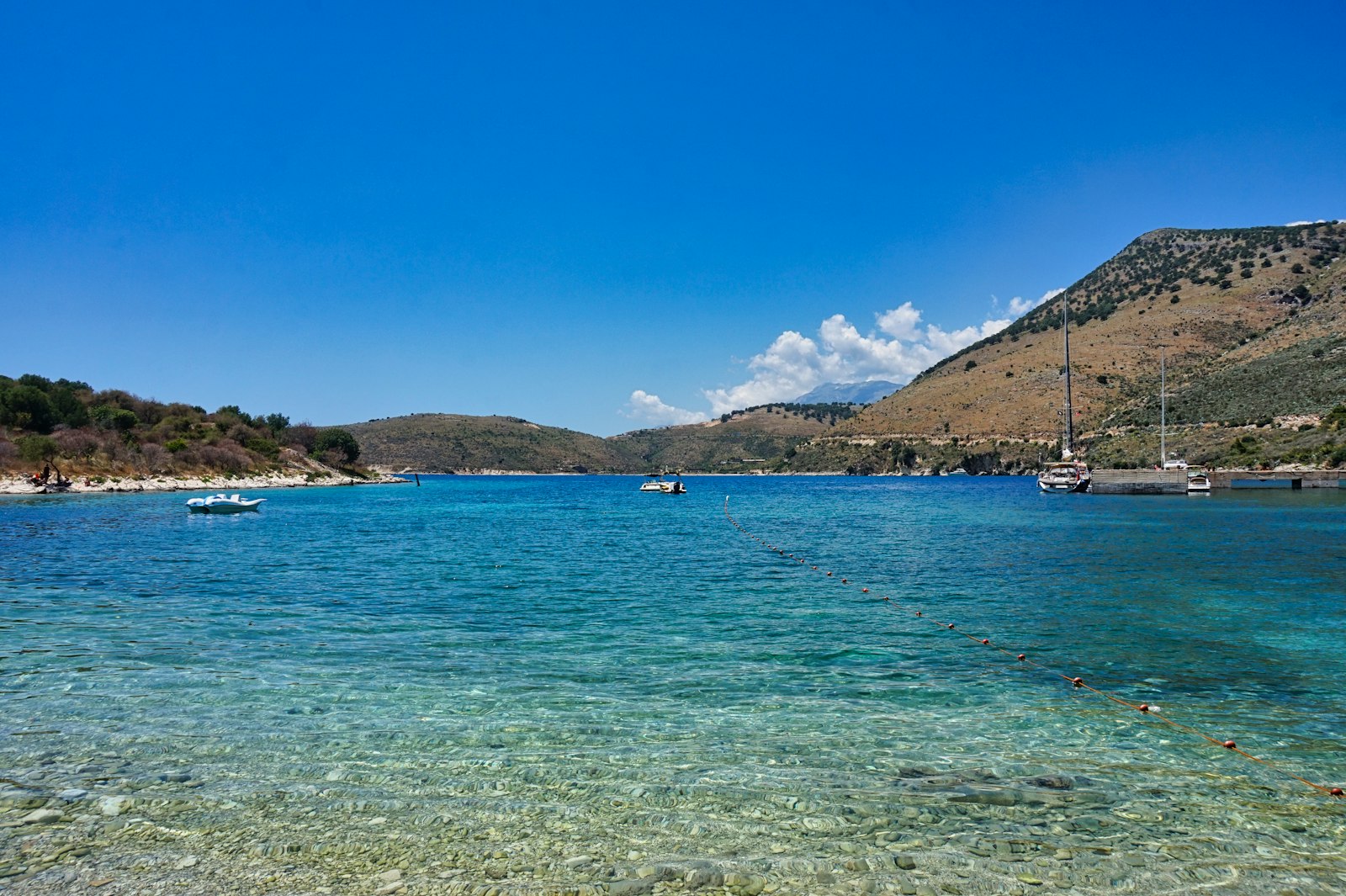
The Albanian Alps: Theth, Valbona and the Hiking Season
This section is for walkers. The Accursed Mountains in the far north are the coolest part of the country in summer, but snow sets the calendar. The hiking season on the Valbona to Theth route, according to Wander-Lush, usually runs from May to the end of October, with mid to late June to September the safe window. Snow and ice can still cover the trail in May, and winter crossings are not practical for most walkers.
The classic crossing takes about 7 to 8 hours and climbs to about 1,800 m, so start early and expect afternoon storms in high summer. July and August are the busiest months on the trail; June and September are quieter. The Lake Koman ferry, the scenic approach from the south, runs a short season, usually from about mid-April to early November, and needs booking in advance.
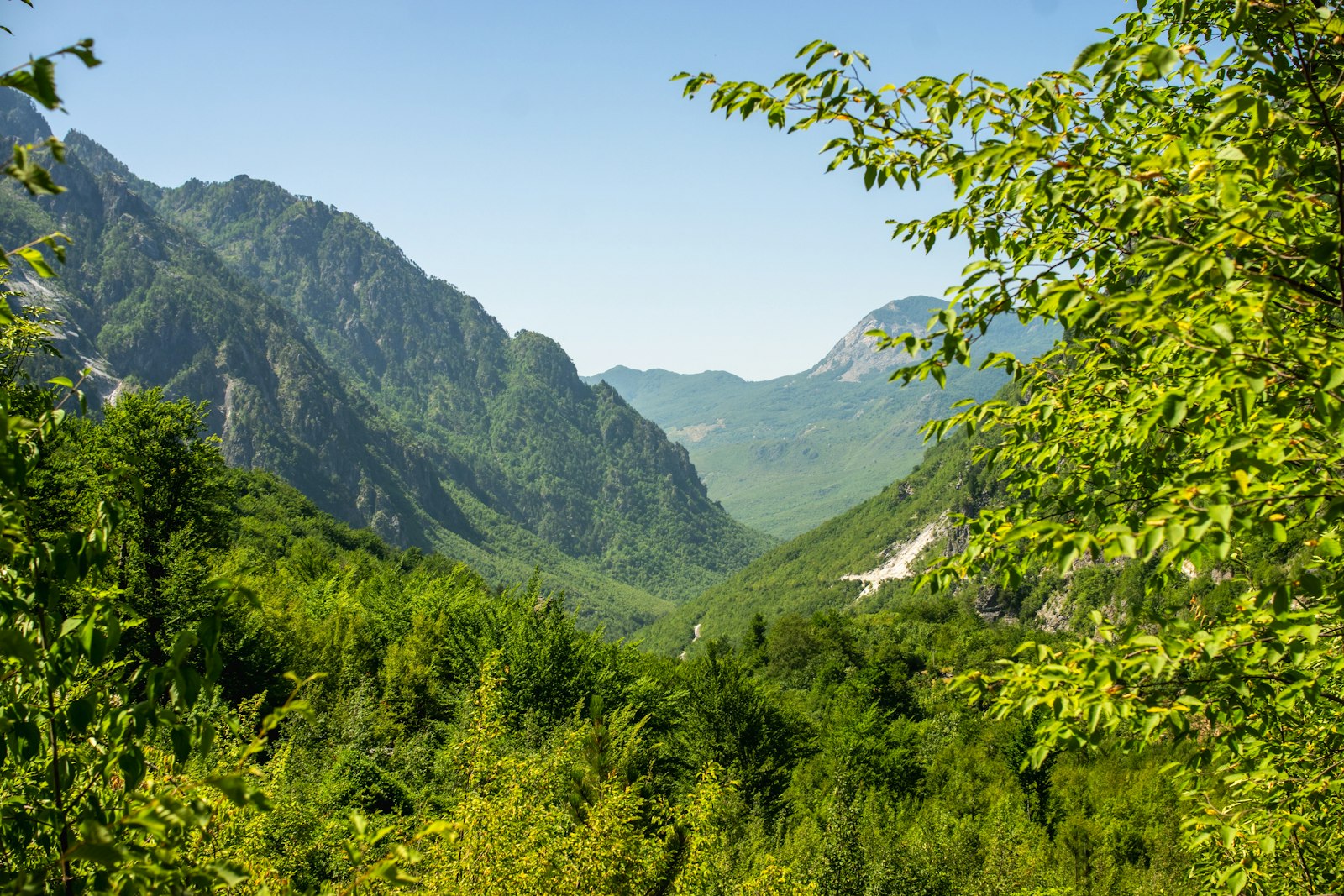
For trekking routes elsewhere in the region, our Bay of Kotor travel guide covers the steep bay just over the border in Montenegro, and our best time to visit Croatia shows how the same mountains look from the Croatian side of the Adriatic.
Albania Festivals and Holidays by Month
This section lists the dates that change a trip, either because a town fills up or because there is something worth seeing. Exact dates move, so check close to travel.
14 March
Summer Day (Dita e Verës)
A pagan spring festival and a public holiday, rooted in the Elbasan area and marked across the country. Families bake ballokume, a corn-flour cookie, and wear red and white bracelets (Visit Tirana).
Usually in May
Përmet folklore festival
Traditional music, dance and costume in the southern town of Përmet (Chasing the Donkey).
Usually in August
Korça Beer Festival
A free festival of several days with music and food in the eastern city of Korçë.
Usually in September
Gjirokastër National Folklore Festival
Held only every few years at Gjirokastër Castle, with music and dance from around the country. Check whether it falls in your year.
28 November
Independence Day
The main national holiday, with celebrations nationwide. Expect closures and busy domestic travel.
July and August
Summer holidays
School holidays in Albania run for about 13 weeks, and families from across the region head to the coast.
To check whether your dates clash with a festival anywhere on your route, use the free Festival Month Matcher.
Best Time to Visit Albania by Season: Quick Notes
This section turns the table into plain advice for each part of the year, with the practical checks that matter most.

The complete kit
Every country guide, every timing tool
All 24 When to Go country guides, the six Smart Timing tools and every 12-Month Map, with a Start Here that tells you what to open first.
See the kit · $127The five bundles cost $225 separately · Digital download · All sales final
Spring: March to May
March is cool and still wet, with about 130 mm in Tirana, but Summer Day on 14 March gives the month some life. April and May turn the hills green and suit Berat, Gjirokastër and walks at lower levels. The sea is only about 15 to 18 °C, too cool for most swimmers, though some coastal businesses start reopening in May.
Summer: June to August
June is the sweet spot, with highs near 29 °C in Tirana and a sea near 22 °C. July and August are the driest months and the warmest for swimming, but also the busiest and hottest: inland plains can pass 35 °C, and heat waves can push the coast towards 40 °C. This is the time for the northern mountains.
Autumn: September to November
September keeps the warm sea and loses much of the crowd after the first week. Early October is mild and good for old towns, though rain picks up in the second half of the month. November is the wettest month at most stations, and many coastal businesses have closed for the winter.
Winter: December to February
Winter is mild on the coast, with highs around 13 to 15 °C, but wet, with frequent rain days. The mountains are snowy and the high passes closed. Tirana works well for a short city break, and cold snaps can occasionally push coastal temperatures well below freezing.
Want one list of the weeks to skip on your dates? Our guide to Mediterranean beaches in September covers more Mediterranean shores, and the free When Not to Go checker checks any month in seconds.
Planning the dates
The Smart Timing Bundle
Albania rewards good timing more than most places: the same beach can be empty or packed a fortnight apart. The bundle brings together the core timing tools, from when to book to which weeks to avoid and how to use the shoulder season, so you can place a trip like this one in the right weeks.
Digital download · All sales final
When Not to Go to Albania
This section is the honest part. Albania works in most months, but some weeks can spoil a trip if you choose them by accident.
| Avoid | Why | Do this instead |
|---|---|---|
| November | Wettest month: about 210 mm in Tirana and 235 mm in Gjirokastër | Go in late September or early October |
| Ksamil in late July and August | Most crowded weeks on the Riviera, busy and noisy in the evenings | Go in June or after the first week of September |
| The coast from December to March | Most beach facilities and many rooms closed | Make it a Tirana and old towns trip, or wait for May |
| Inland sightseeing at midday in August | Gjirokastër averages about 35 °C, with hotter heat waves | Walk the old towns early and late, or go in May or September |
| The Valbona to Theth hike before June | Snow and ice can linger on the trail into May | Plan the crossing for mid-June to September |
Budget travellers should note that peak weeks change prices sharply on the coast. Prices change; check before you book. Our cheap places in Europe in August and affordable September trips compare Albania with other good-value countries.
Better Month If You Want Something Else
This section matches the month to your style of trip, since the best time to visit Albania depends on what you want from it.
If you want
A beach holiday
July or August for the warmest sea, but September for warm water with fewer people.
If you want
Old towns and history
April to June or late September to early October, when Berat and Gjirokastër are comfortable to walk.
If you want
Mountain hiking
Mid-June to September in the Albanian Alps; June and September are quieter on the trail.
If you want
A city break in Tirana
Spring or autumn; winter works if you don’t mind rain.
If you want
Festivals
Mid-March for Summer Day, or August for the Korça Beer Festival.
If you want
Fewer people overall
May or late September. Our guide to underrated places in August lists more quiet options.
Thinking about a late-season trip instead? Our guide to warm places in Europe in November compares Albania’s neighbours for November sun.
5 Common Mistakes When Timing an Albania Trip
1. Treating the whole country as one climate
The coast, the interior and the mountains have very different seasons. A perfect beach day in Sarandë can coincide with snow on the Valbona trail in May, or with 35 °C heat in Gjirokastër in August. Plan each part of the route for its own best month.
2. Arriving on the coast in winter or early spring
From November to March, most tourist facilities in the beach villages close and the sea is about 14 to 16 °C. If you travel then, base yourself in Tirana and the old towns and treat the coast as a scenic drive.
3. Booking August without a plan
July and August are the busiest weeks on the Riviera, and ferries from Corfu and rooms in Ksamil fill early. Book well ahead, or shift your dates to June or the second week of September.
4. Starting the mountain crossing late in the day
The Valbona to Theth hike takes most walkers 7 to 8 hours and climbs to about 1,800 m. Summer afternoons can bring thunderstorms. Start early, check the forecast and the trail locally, and don’t attempt it in snow.
5. Ignoring the second half of October
Early October can be lovely, but rain becomes more frequent later in the month, and November is the wettest month in most of the country. If your dates are flexible, travel earlier rather than later.
Best Time to Visit Albania: FAQ
What is the best month to visit Albania?
June and September are the best months for most visitors. Both have warm, mostly dry weather, a sea warm enough to swim in, and fewer people than July and August. June has longer days and greener hills; September has slightly warmer water, at about 24 to 25 °C. Late May and early October also work well for old towns and walking.
Is Albania too hot in August?
It can be. Inland, Gjirokastër averages about 35 °C in August and Tirana about 33 °C, and heat waves can push the coast towards 40 °C. On the Riviera, Sarandë averages about 32 °C with a sea near 26 °C, which suits a beach holiday. Sightseeing in the old towns is best early in the morning or late in the afternoon.
When is the rainy season in Albania?
Rain falls mainly from October to April, with November the wettest month at most stations. Tirana averages about 210 mm in November and 175 mm in December, compared with about 30 mm in each of July and August. The mountains are wetter still, and some slopes receive more than 2,000 mm of rain a year, much of it as winter snow.
Is Albania worth visiting in winter?
Yes, for a city and culture trip, but not for the beach. Winter is mild on the coast, with highs around 13 to 15 °C, but rain days are frequent and most tourist facilities in the beach villages close from November to March. Tirana, Berat and Gjirokastër are quiet and easy to explore, while the high mountains are snowy and largely closed.
When can you swim in the sea in Albania?
The swimming season runs from about June to early October. The sea off Vlorë is about 22 °C in June, 24 °C in July, 25 °C in August, 24 °C in September and 21 °C in October. In April and May it is about 15 to 18 °C, which most people find too cool. September is often the best balance of warm water and fewer crowds.
When is the best time to hike Theth and Valbona?
Mid to late June through September is the safest window for the Valbona to Theth crossing. The season can begin in May and run to the end of October, but snow and ice may linger on the trail in May, and heavy rain can close it. July and August are the busiest months; June and September are quieter. Book guesthouses and the Koman ferry ahead.
The Bottom Line
The best time to visit Albania for most trips is June or September, with late May and early October close behind, when the sea is warm, the old towns are pleasant and the mountain trails are open. Keep July and August for a pure beach holiday booked early, and avoid November rain. For more country timing guides, browse our country guides.
Every month, every region
The Complete Travel Timing System
If Albania is one stop on a bigger trip, the complete kit brings together the country guides, the timing tools and the bundles in one place, so you can see the best and worst weeks for each destination, when to book and when the shoulder season starts.
See the Complete Travel Timing System →Digital download · All sales final
Free download
Which month for your country?
Get the free 12-Month Map: every month marked good, shoulder or avoid, region by region, on four printable pages.
- Greece to Japan, Morocco to Peru: 24 countries
- See the crowd and price peaks before you book
- Free, no purchase needed
Your download page opens as soon as you sign up. 24 countries available.