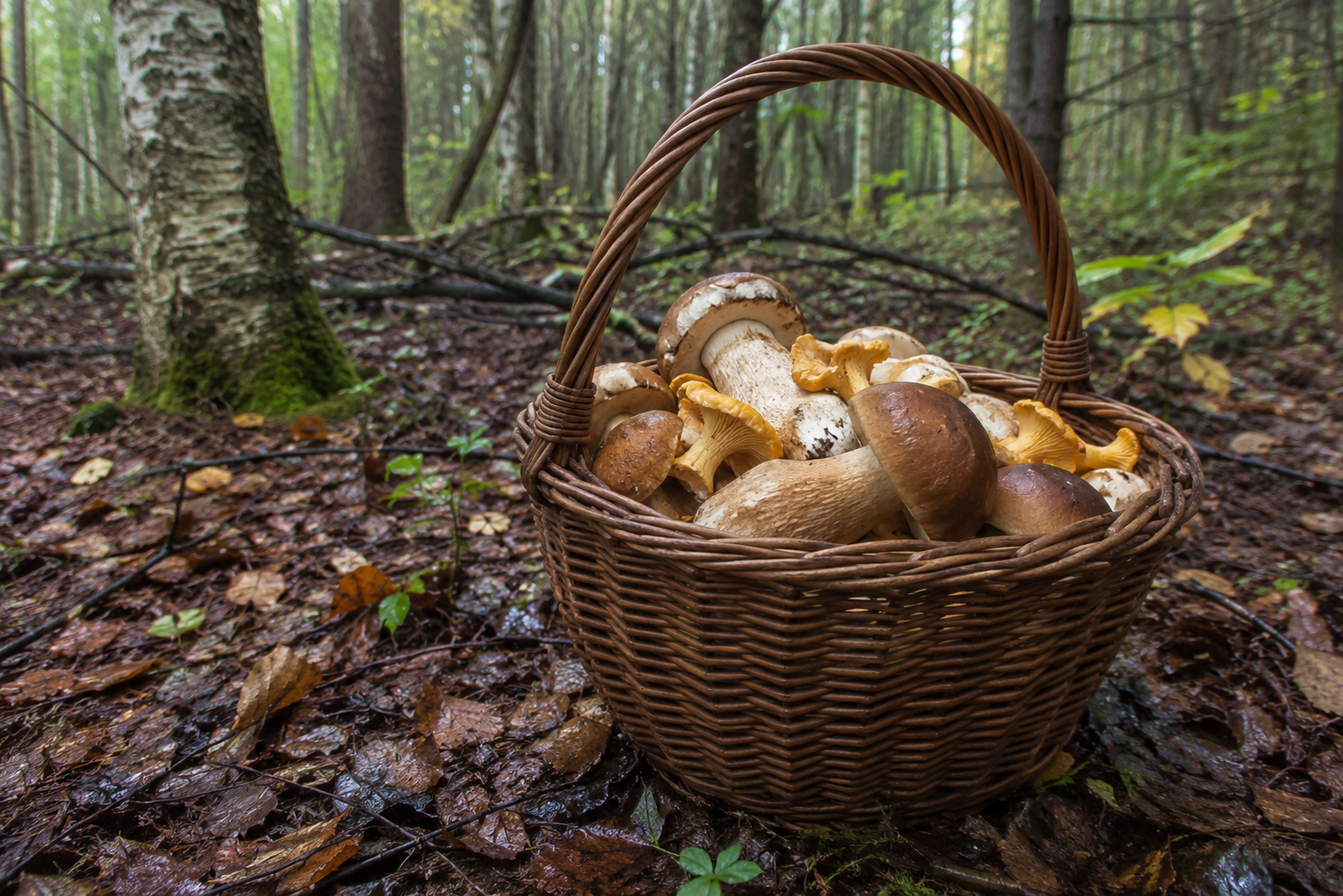
Every September, something happens in Poland that has nothing to do with a festival calendar and everything to do with rain. Mushroom picking in Poland in September isn’t a tourist activity that got invented for Instagram — it’s a national habit that predates the country’s borders, and most visitors drive right past it without knowing it’s happening in the trees fifty meters off the road. You don’t need a ticket. You don’t need to book a table. You need a basket, a pair of boots, and the patience to walk slowly.
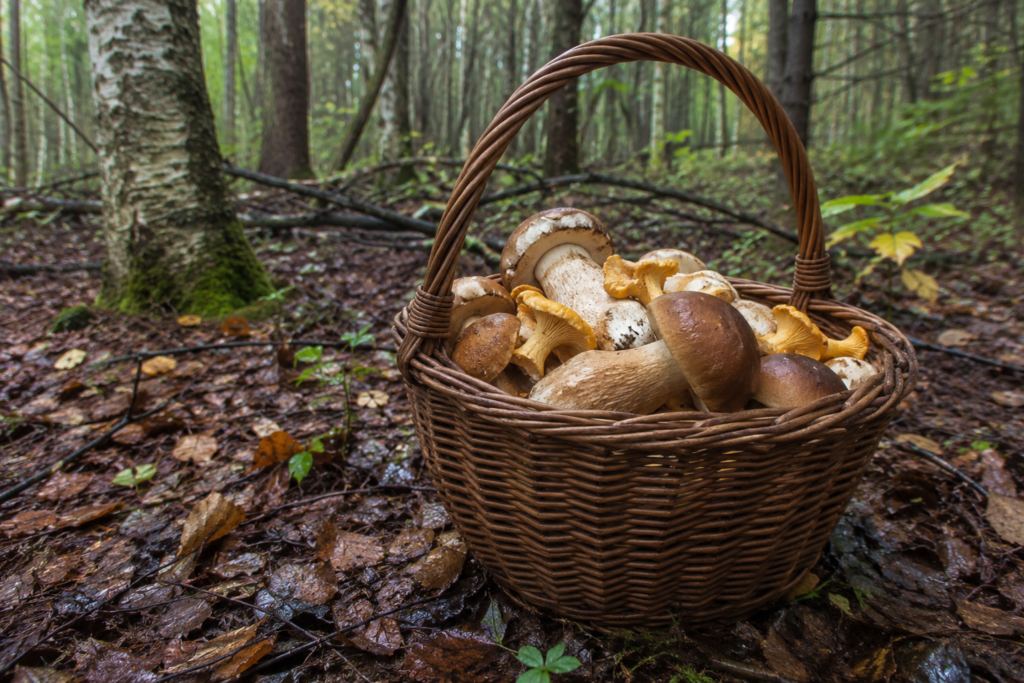
Here’s the direct answer: the best time for mushroom picking in Poland is from late August through October, with September the single most reliable month — especially the first two weeks, and especially two to four days after rain. Head to public forests near Kampinos, Białowieża, or the Tuchola Forest, bring a wicker basket rather than a plastic bag, and treat identification as something you outsource to a local, a guide, or a market — not something you guess at.
Key Takeaways
September is peak grzybobranie season in Poland, and picking in public forests for personal use is free and legal — no permit required.
The best haul comes two to four days after rainfall, not on the sunniest day of your trip.
Never eat anything you can’t identify with total certainty — book a guided forage or have your haul checked locally instead.
Kraków’s Stary Kleparz market sells inspected wild mushrooms on Saturdays if you’d rather buy than forage.
Białowieża, Kampinos, and the Tuchola Forest each offer a genuinely different kind of forest and a different kind of trip.
A basket beats a bag — it lets spores fall back into the forest as you walk, which is how Poland has kept doing this for generations.
Mushroom Picking in Poland in September: Why This Exact Month Matters
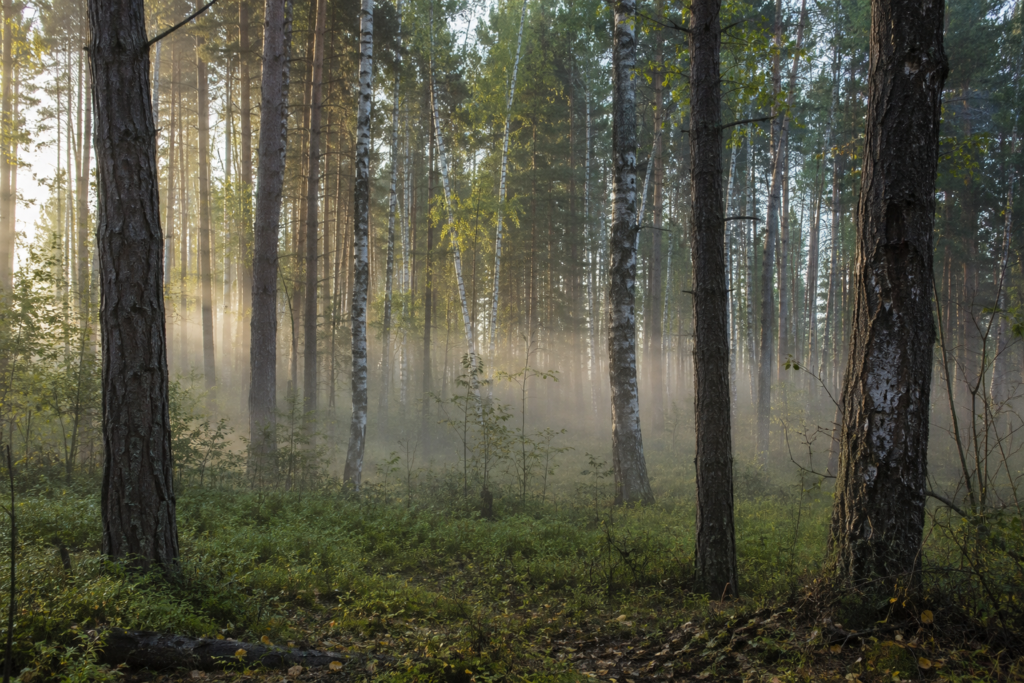
Ask a Polish grandmother when to go looking for mushrooms and she won’t check a calendar — she’ll check the sky. Grzybobranie, the tradition of forest mushroom foraging, runs roughly from late August into October, but September is where it peaks. The soil is still warm from summer, the nights are cooling down, and — this is the part that actually matters — early autumn tends to bring the steady, soaking rain that mushrooms need to fruit in volume. A dry September produces a thin season. A wet one produces baskets so full people are giving mushrooms away to neighbors.

Six regional clocks, twelve months, the calendar that moves and the cost curve — with the months that go wrong named rather than skipped.
See what's insideThis isn’t a niche hobby. It’s closer to a national reflex. Multi-generation families head out together on weekend mornings, and the good spots get passed down like recipes — quietly, and usually only to blood relatives. You’ll notice this the moment you ask a Pole directly where they pick. Most will smile, change the subject, or tell you a forest name so large it’s functionally useless as a tip. That’s not rudeness. That’s just how seriously this is taken.
For a traveler, the appeal isn’t really about the eating, though the eating is good. It’s the walk itself — slow, quiet, eyes on the ground, no phone reception to speak of in the deeper forest blocks. Most visitors to Poland spend September in Kraków’s Old Town or on a Warsaw city break and never once step into the tree line ten minutes outside either city. That’s the gap this guide is for.
If quiet, tree-covered escapes are already your kind of travel — the same instinct that draws people to Paris’s hidden gardens and green spaces — this is simply a wilder, muddier version of the same idea, and it belongs on the same shortlist as any other September destination you’re weighing up. Part of why the tradition runs so deep is practical history, not sentiment. For much of the twentieth century, forest foraging in Poland wasn’t a weekend hobby so much as a genuine food source — free protein and flavor during periods when store shelves weren’t reliable. That habit never really left, even as the economy changed. What you’re joining, if you go, isn’t a revival or a tourist reenactment. It’s a continuous practice that simply never stopped being useful, which is a different feeling entirely from most “traditional” experiences sold to visitors.
💡 Tip: Check the rain radar before you check the sun forecast. A grey, damp week is a better mushroom week than a sunny, dry one — plan your forest day for two to four days after the last real rainfall.
Where to Go: The Forests That Don’t Need a Private Invitation
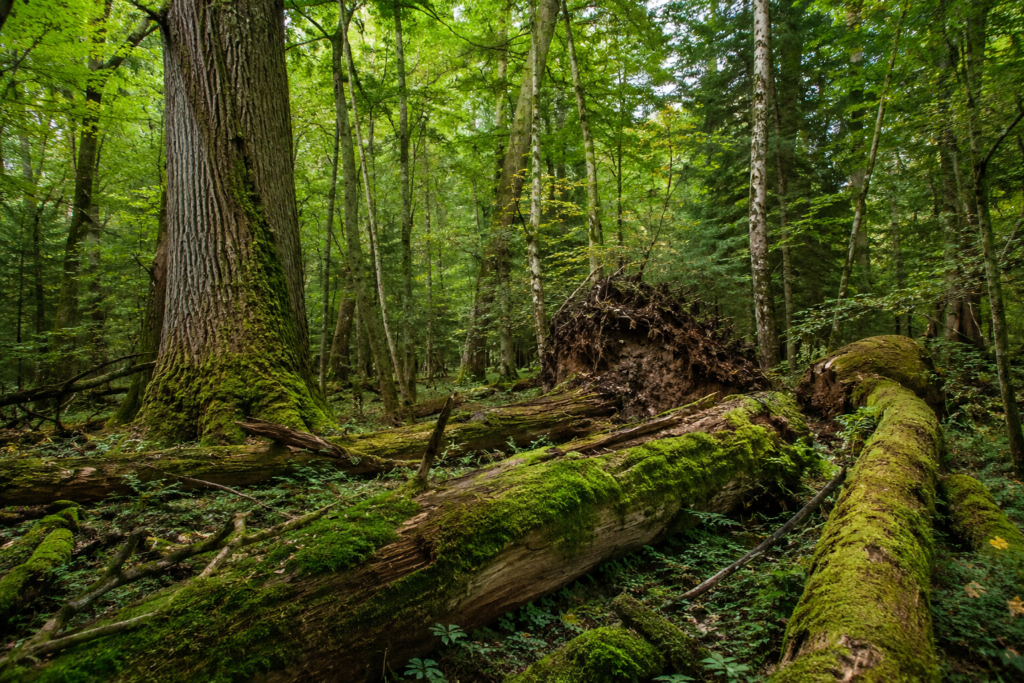
Poland guards its personal mushroom spots, but the country is also enormous and roughly 30% forested, so you don’t need a secret map. You need a big block of public forest and a bit of a walk away from the parking area. Four regions consistently deliver, and each gives you a completely different kind of trip.
Kampinos National Park, just west of Warsaw, is the easiest option if you’re based in the capital. It’s a mix of forest, dune, and marsh close enough for a half-day trip, though picking is restricted inside the strictly protected core zones — stick to the buffer forest sections, which are extensive and well marked. Białowieża Forest, on the eastern border with Belarus, is Europe’s last major remnant of primeval lowland forest and a UNESCO World Heritage Site — the mushroom hunting here comes with old-growth oak and hornbeam, bison in the surrounding reserve, and a genuinely different feeling than a managed woodland. The Tuchola Forest (Bory Tucholskie) in Pomorskie, in Poland’s north, is one of the country’s largest continuous forest complexes and a longtime local favorite — sandy pine forest that produces excellent boletes in a good year, and Pomorskie’s regional tourism board lists it among the region’s best-known foraging grounds. And if you’re based around Kraków, the forests ringing the city and stretching toward the Beskid foothills are close, varied, and easy to reach without a car.
| Region | Nearest base | Best for |
|---|---|---|
| Kampinos National Park | Warsaw (30–40 min) | Easy half-day trips, no car needed with a bus connection |
| Białowieża Forest | Białystok (2 hrs from Warsaw) | Primeval old-growth forest, bison, a multi-day trip |
| Tuchola Forest | Bydgoszcz or Gdańsk | Serious quantity, sandy pine forest, lake-district combo trip |
| Kraków foothill forests | Kraków | First-timers, short trips, easy return to the city for dinner |
In every case, the rule is the same: public forests in Poland are free to enter and free to forage in for personal, non-commercial use. You don’t need to ask permission at a gate, because there usually isn’t one. What you do need is to stay out of strictly protected reserve zones (marked, and enforced with fines) and to leave anything that looks rare, unusually colored, or protected exactly where it is.
Getting to any of these is more straightforward than it sounds. Kampinos is reachable by local bus from central Warsaw in well under an hour, so it doesn’t require a rental car at all. Białowieża is the outlier — it takes real commitment, typically a train to Białystok followed by a bus or transfer, which is exactly why it rewards a multi-day stay rather than a day trip. The Tuchola Forest sits conveniently between Bydgoszcz and the Baltic coast, so it pairs naturally with a coastal add-on around Gdańsk if you have a week rather than a long weekend. And if you’d rather stay closer to lakes than pine forest, the Mazury lake district in the northeast is a quieter fifth option, popular with Polish families for exactly this activity, though it gets less written up in English simply because fewer foreign visitors think to look there.
The Mushrooms Worth Knowing (and the One Rule That Keeps You Safe)
Here’s an uncomfortable truth most travel guides skip past: people die from mushroom misidentification every single year, including experienced pickers. This isn’t a scare tactic, it’s just the honest baseline for this activity. So before the fun part, the rule — the only rule that actually matters: never eat a wild mushroom you can’t identify with total, verified certainty, and never take a stranger’s word for it, including a well-meaning fellow tourist’s.
⚠️ Important: Some of Poland’s most poisonous mushrooms closely resemble prized edible ones. Confident-looking identification apps and forum photos are not a substitute for a trained local classifier. Treat every wild mushroom as unidentified until a professional says otherwise.
The good news: Poland has built an entire informal safety net around this exact problem, because the tradition is so widespread. Many towns still run seasonal, free inspection points — often at a pharmacy or a local sanitary station — where a trained classifier will look through your basket and tell you what’s safe. It’s worth asking your host or hotel whether one operates nearby during your visit; availability varies by town and by year, so treat it as something to confirm locally rather than something you can count on in every location.
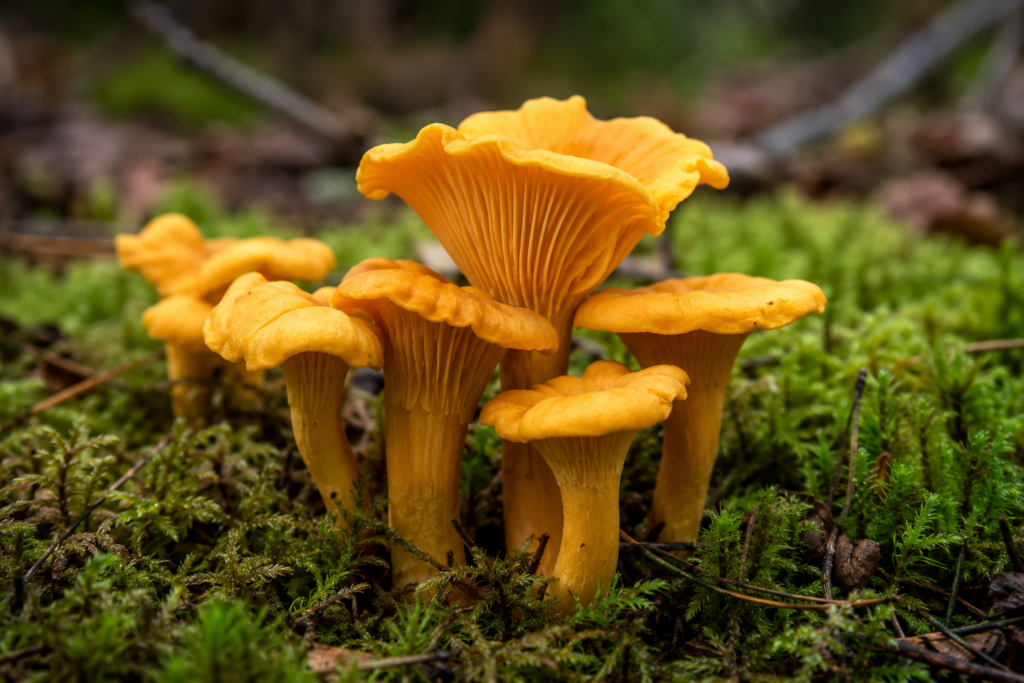
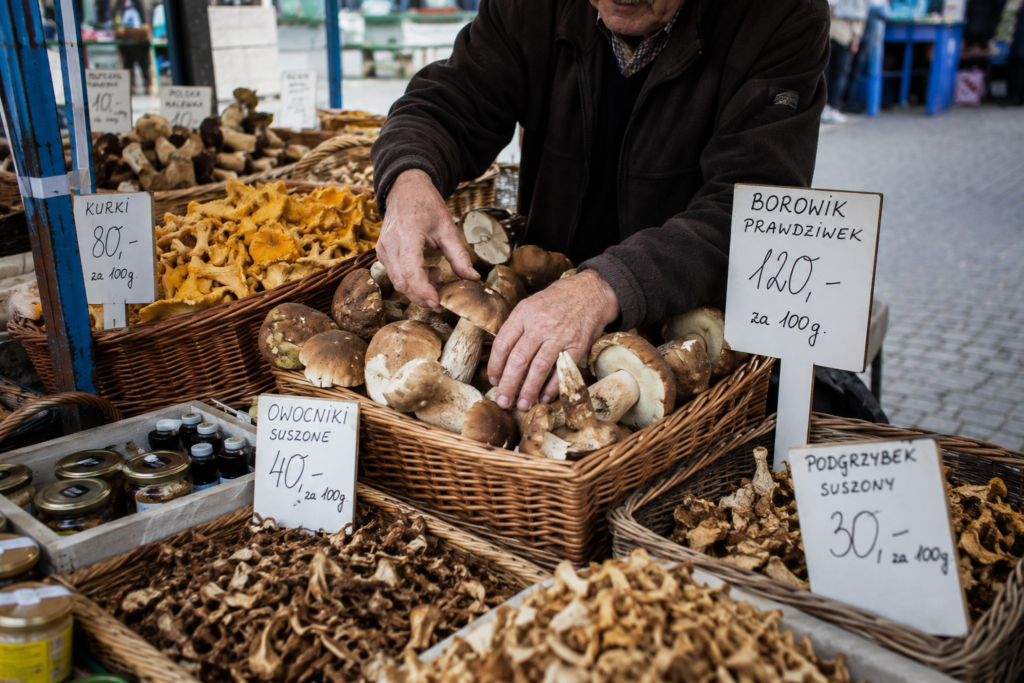
As for what you’re actually looking for, a handful of species make up most of what ends up in a Polish kitchen: borowik (porcini, the most prized of all), kurki (golden chanterelles, easy to spot, hard to confuse with anything dangerous), podgrzybki (a broader family of boletes), and maślaki (slippery jacks, common in pine forest). Poland’s official tourism board lists the Bay Bolete, Parasol Mushroom, and Birch Bolete among the most commonly picked varieties nationally, which lines up with what you’ll typically be shown on a guided forage. None of these are meant as an identification manual — that’s precisely the job you hand to a guide, a classifier, or a market stallholder. Your job is to recognize that these names exist, so you know what you’re being shown, and to never skip the verification step.
How to Forage Without Guessing: Guided Options That Do the Work for You
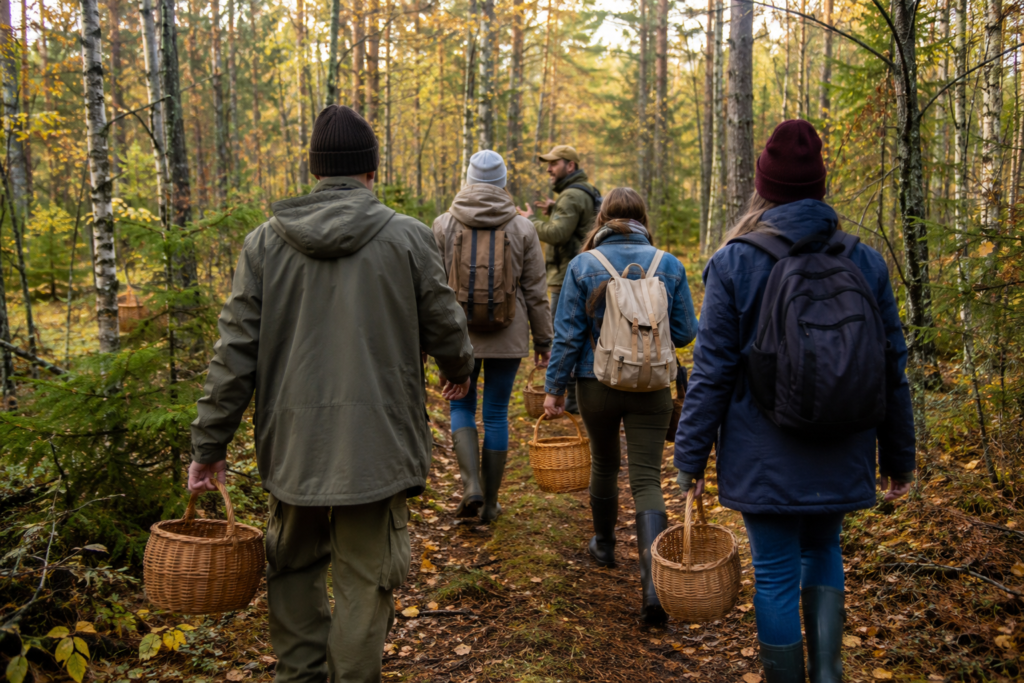
If you’d rather not gamble the whole afternoon on guesswork, a guided foraging trip solves the problem cleanly. Small operators based in Kraków and Warsaw run seasonal mushroom-picking outings aimed specifically at visitors — a local drives you out to a forest that isn’t overpicked, walks you through what’s edible on the day, and usually finishes with lunch cooked from whatever you found. One Kraków-based operator that comes up repeatedly in traveler reviews is Discover Poland, which has run custom foraging trips for small international groups; treat any operator name as a starting point for your own research rather than a fixed recommendation, since small tour businesses change hands and offerings shift year to year.
What you’re paying for isn’t really the mushrooms — it’s the local knowledge of where to look, the identification safety net, and, frankly, permission to enter someone’s understanding of “their” forest for a day. A three-to-four-hour guided forage is a realistic block of time: long enough to actually fill a basket, short enough to leave you the rest of the day free.
📝 Note: If a guided forage isn’t available on your dates, the fallback that still gets you real, safely identified mushrooms is a Saturday morning at a proper produce market — more on that below.
What a September Foraging Day Actually Looks Like
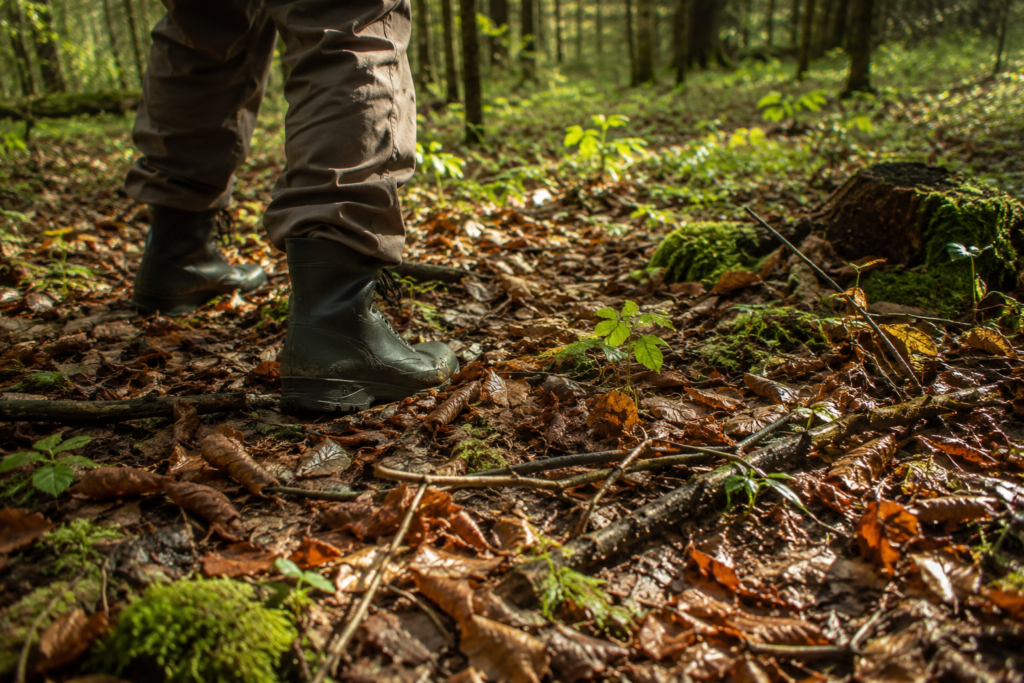
Strip away the romance and a good foraging day follows a pretty consistent shape, whether you’re doing it solo with a guide-led route or joining an organized trip.
Early start, before 8am
Mushrooms are easiest to spot in low morning light, and serious local pickers are already out — arriving early also means you’re not walking ground that’s already been picked over.
Slow walking, eyes down
This is not a hike. Good foragers move at a fraction of normal walking pace, scanning leaf litter, the base of trees, and mossy patches rather than the trail ahead.
Basket, not a bag
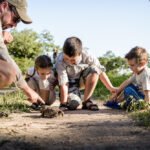
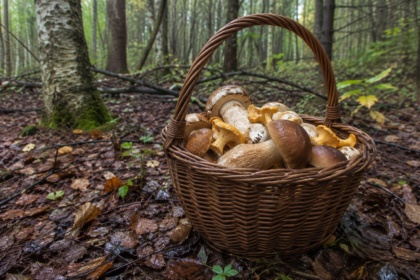
A wicker basket lets air circulate so your haul doesn’t sweat and spoil, and lets spores drop back onto the forest floor as you walk — a plastic bag does neither.
Identification check, then lunch
Everything gets verified before it touches a pan. Then, typically, a simple lunch — mushroom soup or mushrooms fried with onion — using exactly what came out of that forest that morning.
“People guard their special mushroom-gathering spots with their lives. Your best bet is to make some Polish friends and persuade them to take you along.”
— a common sentiment among longtime visitors trying to get a straight answer out of a local
Where to Eat What You Find (or Didn’t Find)
If you’d rather taste the season than pick it yourself — a fine option, and one that fits right alongside anything else in our food travel coverage — September and October in Poland are when mushrooms show up everywhere on menus, from milk-bar canteens to serious restaurants. Zupa grzybowa (mushroom soup, often made with dried porcini and a touch of cream) is the dish to order. Pierogi z grzybami — dumplings filled with mushroom and often sauerkraut or potato — are the handheld version. And bigos, the slow-cooked hunter’s stew of cabbage, meat, and mushroom, tends to appear on autumn menus as the weather turns.
If you didn’t forage yourself, or want to compare what you found against verified specimens, Kraków’s Stary Kleparz market is the place to go, ideally on a Saturday morning. Vendors sell fresh, pickled, and dried wild mushrooms that have already been through informal quality checks, which makes it a genuinely safe way to buy and taste the real thing without the risk of foraging blind. Food-focused travelers who enjoyed hunting down plant-based cafés in Paris will recognize the same market-hopping instinct here, just with a basket of porcini instead of a pastry box. A large share of what’s picked in September isn’t eaten that week at all, either — Polish households commonly dry their haul for use months later, particularly in the mushroom-based dishes served at the Christmas Eve Wigilia supper. A September forest walk, in other words, is quietly setting the table for December.
Building It Into a Longer Poland Itinerary
Nobody needs to fly to Poland purely to pick mushrooms, and that’s actually the point — this is the rare “when to go” activity that slots into a trip you were probably already planning. A realistic week looks like two or three nights in Kraków (Old Town, the Wieliczka Salt Mine, an evening in Kazimierz), a day trip out to the surrounding forests for a morning foraging walk, then a train north to Warsaw for two more nights with a half-day in Kampinos before you fly home. If you’ve got a full week to ten days, extending north to the Tuchola Forest and the Baltic coast around Gdańsk turns the same idea into a proper regional loop rather than a single side trip.
The same logic applies whether you’re building a Poland-only week or treating this as one stop on a longer Central European route — the planning approach isn’t so different from mapping out a self-planned Italy itinerary, just with a forest morning instead of a museum morning as the anchor. Solo travelers in particular tend to enjoy this trip; if you’re weighing options, it sits comfortably alongside the destinations covered in our solo travel guide for women, since guided foraging groups are an easy, low-pressure way to meet people without the trip revolving around it. The trick is treating the forest morning as a fixed appointment rather than something to squeeze in if the weather’s nice. Book it — or at least commit to it on your itinerary — before you plan the rest of the day around it, the same way you’d block out time for a major museum or a day trip to a specific town. Everything else in Poland in September (mild days, thin crowds, good hotel rates) works around that one morning just fine.
Planning Your Mushroom Picking Trip to Poland in September: Flights, Bases, and Budget
Poland is one of Europe’s better-value trips even before you factor in that the main activity here costs nothing beyond a bus ticket and a basket. Kraków and Warsaw both have well-connected international airports, and September fares tend to sit below the July–August peak without yet hitting the shoulder-season lull of late October. Base yourself in one city for four to five nights rather than trying to chain multiple regions together — Kraków if Białowieża-style old growth appeals less than easy access to the Beskid foothills and a lively Old Town at night, Warsaw if you want Kampinos twenty minutes away and better rail connections north toward the Tuchola Forest and the Baltic coast.
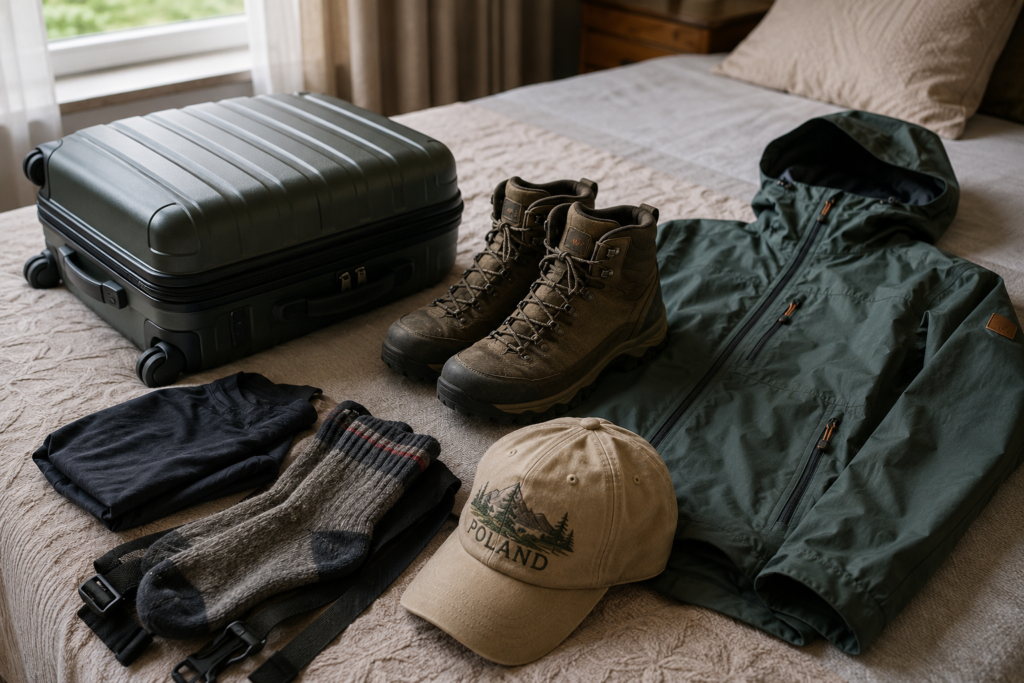
A realistic daily budget for food and local transport runs modest by Western European standards, and accommodation in September — after the summer peak, before the Christmas market season — tends to be some of the best-value of the whole year; our hotel booking tweaks guide covers how to squeeze even more value out of shoulder-season rates like these. Flying in from further afield, it’s a short enough hop from most of Europe that jet lag isn’t a real factor, though our jet lag adjustment guide is worth a look if you’re arriving from further away. Pack for genuine forest walking rather than city sightseeing: waterproof boots with ankle support, a rain shell (September forest days are often damp, which is exactly what you want for the mushrooms), and a collapsible basket if you’re bringing one from home rather than buying a Polish wicker one as a souvenir — our general packing hacks guide covers the rest of the list.
Late Aug–Oct
Full foraging season window
2–4 days
After rain = best picking window
~30%
Of Poland is forested
Before You Book Anything
Know Every Country’s Best Month, Not Just Poland’s
“When To Go: The Travel Timing Atlas” scores 50 countries across the four factors that actually decide whether a trip works — weather, crowds, price, and events — so you’re never guessing whether September, October, or next spring is the smarter call.
See the Travel Timing Atlas →Common Mistakes People Make Mushroom Picking in Poland
- Picking on the sunniest day of the trip. Sunshine feels like good travel weather, but it’s the worst mushroom weather. Dry ground three weeks running produces almost nothing — check when it last rained, not what the sky looks like today.
- Trusting an identification app over a person. Photo-matching apps are improving, but they still misidentify look-alike species, and a misidentification here can be fatal, not just disappointing. Use them for curiosity, never for a final decision.
- Bringing a plastic bag instead of a basket. Mushrooms sweat and start breaking down in plastic within hours, and you lose the spore-dispersal benefit of a basket, which matters if you care about the forest still producing next year.
- Assuming a “no signage” area means no restrictions. Strictly protected reserve zones inside national parks like Kampinos and Białowieża are enforced with real fines, even where the boundary isn’t obvious from the trail. Check a park map before you set out.
- Asking a stranger in the forest where the good spots are. You’ll get a vague answer at best, and it can come across as intrusive — Poles guard these locations the way other cultures guard family recipes. Book a guide instead of hoping for a tip-off.
Frequently Asked Questions
Planning More Than One Trip This Year?
The Complete Travel System bundles the Timing Atlas with an 86-page emergency-handling guide and an AI trip-planning prompt library — 311 pages covering when to go, how to plan it, and what to do when something goes wrong.
Explore the Complete Travel System →Mushroom picking in Poland in September rewards exactly the kind of traveler most itineraries don’t leave room for — the one willing to walk slowly, get their boots wet, and let a local decide what’s safe to eat. Skip it, and you’ve still had a good trip to Poland. Build one damp forest morning into the plan, and you’ve had the trip most visitors never even knew was on the table. If this kind of under-the-radar September pick appeals to you, our guide to seeing the northern lights in September follows the same logic in a completely different direction.
Stop planning trips the hard way.
Get the best of all three of our travel books in one free 21-page PDF — crisis protocols, country timing scorecards, and 5 AI travel-planning prompts.
Free · Instant download · No spam, ever