Australia beaches in September split the country in two: the tropical north is warm, dry and sunny at the end of its dry months, while the south is still cool from winter, with sea temperatures that suit a walk more than a long swim. Cairns, Townsville, the Whitsundays and Broome sit near 28 to 32 °C by day with very little rain, and the sea there is about 24 to 26 °C. Sydney, Perth and the southern cities sit near 17 to 22 °C, with water around 13 to 19 °C. September is also the last full month of humpback whale season on the east and west coasts, and the weeks just before the marine stinger season begins in the tropics.
Quick answer
For a swimming holiday in September, head north of the Tropic of Capricorn: Cairns and Port Douglas, Townsville, the Whitsundays and Broome on the west coast all average 28 to 32 °C with sea temperatures of about 24 to 26 °C and very little rain. Brisbane and the Gold Coast are mild but the water is cooler. Sydney and the south are better for coastal walks and whale watching than for swimming.
Key takeaways
- The sea is warm enough for comfortable swimming north of the Tropic of Capricorn; to the south it is cool.
- Broome averages about 0 mm of rain in September and Cairns about 30 mm over four days.
- Queensland’s higher-risk marine stinger season runs from November to May, but stingers are present all year in tropical waters.
- Humpbacks pass Hervey Bay from July to mid-October; Queensland lists June to November for whale watching overall.
- In the Northern Territory, crocodiles make any water in their range unsafe unless a sign says otherwise.
- NSW volunteer beach patrols usually start in late September and run to late April.

Australia Beaches in September: The Verdict by Region
This section rates each major beach region for a September trip, from best to weakest for swimming. The verdicts assume you want to get in the water; if you are happy with cool sand, wildlife and empty headlands, the southern coasts move up a step.
September beach verdicts
For swimming · north to south
Cairns and Port Douglas
GoAbout 29 °C, sea 25 °C, little rain; swim in nets or a stinger suit.
Townsville and Magnetic Island
GoAbout 28 °C, sea 24 °C and one of the driest spots on the coast.
The Whitsundays
GoWarm, settled sailing weather and the tail of whale season.
Broome and Cable Beach
GoAbout 32 °C, sea 26 °C and almost no rain at all.
Ningaloo Coast
GoHot and dry, with humpback swim tours running from Coral Bay and Exmouth.
Darwin and the Top End
SkipWarm, but crocodiles and stingers make the sea a place to look at.
Gold Coast and Byron Bay
Go with careMild 22 to 24 °C days, sea about 22 °C; whales offshore.
Brisbane day beaches
Go with careAbout 24 °C by day, cooler water; better for islands and walks.
Sydney beaches
Go with careAbout 21 °C, sea 19 °C; coastal walks and the first patrol weekends.
Perth beaches
Go with careAbout 21 °C but the wettest of the big cities in September, sea 19 °C.
Melbourne and Adelaide
SkipHighs of about 17 to 19 °C and sea at 13 to 14 °C.
Tasmania
SkipAbout 16 °C and sea at 12 °C: beautiful, but not beach weather.
The pattern is simple. The further north you go on either coast, the warmer and drier September gets, and the more the stinger and crocodile rules matter. The further south you go, the safer and calmer the water often looks, but the colder it feels. Pick your beach for the trip you actually want.
🧰 Try it while you read: a free tool for this trip
Free trip timing tool
Beach Water Temperature Picker
Set the sea temperature you like; see which countries reach it in your month.
Loading the tool…
September Weather and Sea Temperatures, Coast by Coast
This section gives the numbers behind the verdicts: long-term September averages for the main beach towns and cities. Use them to set expectations, not as a forecast.
| Place | Day high | Night low | Rain (days) | Sea |
|---|---|---|---|---|
| Darwin | 33 °C | 23 °C | 15 mm (2) | 28 °C |
| Broome | 32 °C | 19 °C | 0 mm (1) | 26 °C |
| Cairns | 29 °C | 19 °C | 30 mm (4) | 25 °C |
| Townsville | 28 °C | 18 °C | 10 mm (1) | 24 °C |
| Brisbane | 24 °C | 12 °C | 30 mm (4) | 22 °C |
| Byron Bay | 22 °C | 15 °C | 45 mm (6) | 22 °C |
| Sydney | 22 °C | 12 °C | 60 mm (6) | 19 °C |
| Perth | 21 °C | 9 °C | 80 mm (11) | 19 °C |
| Adelaide | 19 °C | 9 °C | 45 mm (8) | 14 °C |
| Melbourne | 17 °C | 7 °C | 55 mm (10) | 13 °C |
| Hobart | 16 °C | 6 °C | 55 mm (10) | 12 °C |
🗓️ Free: the 12-Month Map for Australia
Every month on one page: best weeks, shoulder weeks and the ones to skip. Print it or keep it on your phone.
Source: Climates to Travel, rounded. Weather2Travel gives similar daytime highs, such as 27 °C for Cairns, 24 °C for Brisbane and 20 °C for Sydney and Perth, and puts Sydney’s sea at about 18 °C with around seven hours of sunshine a day. Climates to Travel sums it up plainly: the sea is warm enough for swimming in the part of Australia north of the Tropic of Capricorn.
Note
Sea temperature is the number most people forget. A 24 °C day in Brisbane feels warm on the sand, but 22 °C water is brisk for a long swim, and 19 °C in Sydney or Perth is cold for most visitors without a wetsuit. If swimming is the point of the trip, look at the last column first.
The Tropical North: Cairns, Townsville and the Whitsundays
This section covers the Queensland tropics, the most reliable place for warm-water beach days in September. Days are hot but not yet humid, rain is light, and the sea sits at about 24 to 25 °C.
Cairns and the beaches to the north, such as Palm Cove and Port Douglas, average about 29 °C with only about 30 mm of rain over four days. Townsville is drier still, with about 10 mm, and Magnetic Island sits a short ferry ride offshore. The Whitsundays combine sheltered bays, island beaches and sailing water, and Queensland’s official tourism site lists July to September as the best time for whale watching there (Queensland tourism). That makes September the last good month for a sail-and-whales trip in the islands.

The Smart Timing Bundle
Pick the month, book in the right order, pack once
Six printable timing tools for any trip: the Trip Timing Planner, When to Book, When NOT to Go, the Shoulder Season Playbook, the family timing guide and the Packing by Season System.
See the bundle · $37Six products, $100 separately · Digital download · All sales final
Warning
Marine stingers are present in tropical Queensland waters all year, and the risk is higher from November to May, according to the Queensland Government. Even in September, swim at patrolled beaches between the red-and-yellow flags, use the stinger nets where they are provided, and consider a full-body lycra suit. If someone is stung, pour vinegar on the sting and call Triple Zero (000).
For island hopping, the Whitsundays and the reef islands off Cairns give the warmest water and the calmest bays. On the mainland, the beaches with seasonal stinger nets are the easiest choice for families, because you can swim inside a marked area with lifeguards nearby.
If you are combining the reef with Southeast Asia, compare the timing with Bali in September and Phuket in September, where September falls in a different weather pattern.
Western Australia: Broome, Cable Beach and Ningaloo
This section covers the north-west coast, which has the driest September weather of any beach region in the country. Broome averages about 32 °C by day, 19 °C at night, about 0 mm of rain and a sea of about 26 °C.
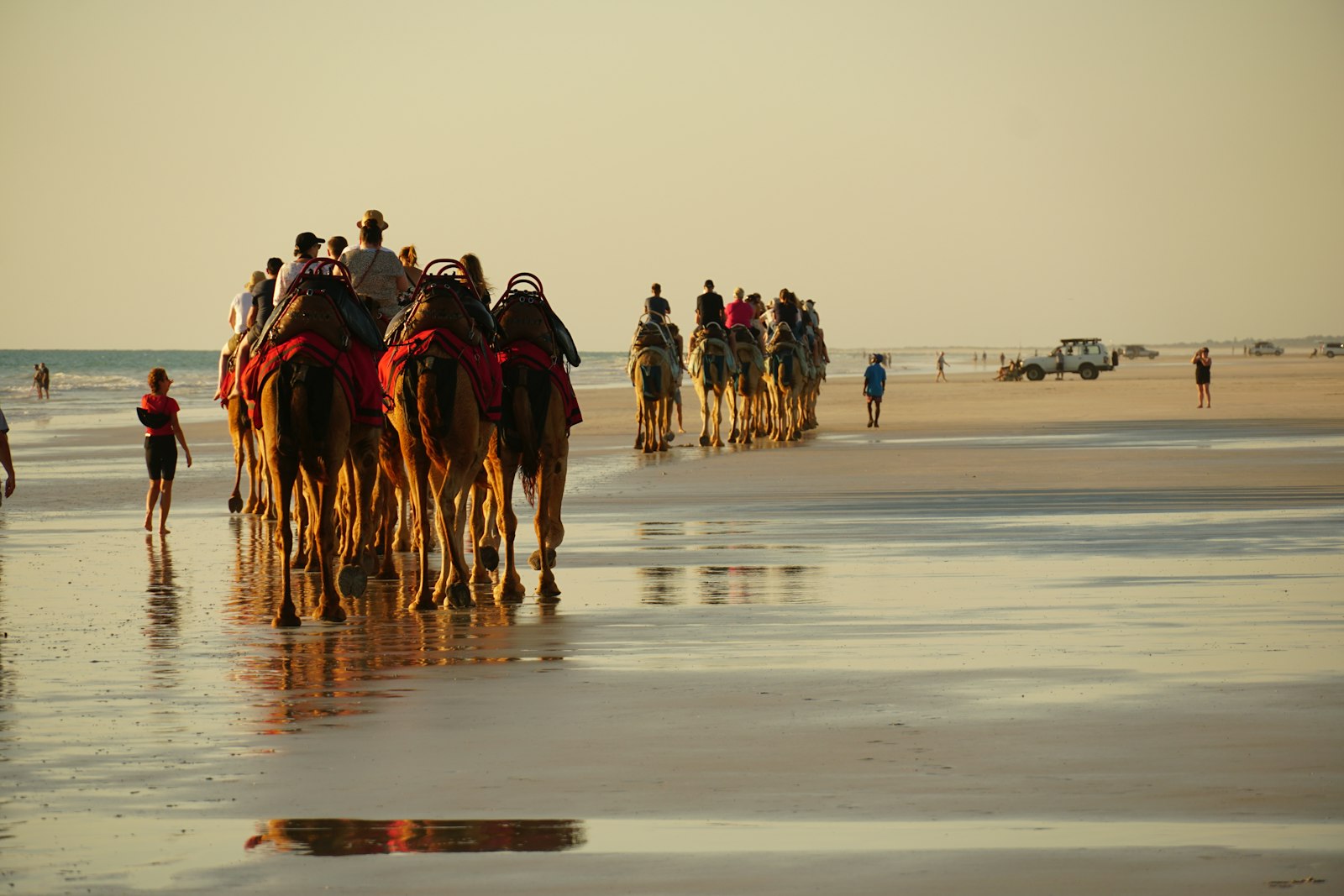
Cable Beach is the classic Broome scene: a long sweep of pale sand and camel strings at sunset. The Shire of Broome describes Irukandji and box jellyfish stings in Broome as rare and preventable, and says lifeguards run two stinger drags a day at Cable Beach during the beach season, with five stinger relief stands placed at beaches around town (Shire of Broome). Swim near the lifeguards and you are in the safest stretch.
Further south along the Coral Coast, Ningaloo Reef runs close to shore at Coral Bay and Exmouth. Western Australia’s Coral Coast tourism site says humpback whale swim tours typically run from July to October in Coral Bay and from August to October in Exmouth, with the exact dates depending on the migration (Australia’s Coral Coast). The same source notes that whale shark swims usually end in early August, so September is for humpbacks, not whale sharks.
Tip
Treat whale swim dates as a window, not a promise. Tours depend on where the whales are, and wind can cancel a day at sea. Build two spare days into a Ningaloo stay and book the swim for early in your visit, so you have room to move it.
Whale Season on the Beach: Where to Watch in September
This section lists the best beach towns for whale watching in September. Humpbacks travel from feeding grounds in the Antarctic to breeding and nursing waters in tropical Queensland, and September catches many of them on the way back south.
| Where | Season (official sources) | September notes |
|---|---|---|
| Hervey Bay, Fraser Coast | July to mid-October; best August to October | Inside the official best window |
| Whitsundays | Best July to September | The end of the season in the islands |
| Gold Coast | Best June to November | Whale-watching cruises through the season |
| Sunshine Coast | Best June to November | Combine with beach days at Noosa and Mooloolaba |
| Coral Bay, Ningaloo | Swim tours July to October | Humpback swims; whale sharks finished |
| Exmouth, Ningaloo | Swim tours August to October | Prime humpback swim weeks |
Sources: Visit Fraser Coast for Hervey Bay, Queensland tourism for the Queensland regions and Australia’s Coral Coast for Ningaloo.
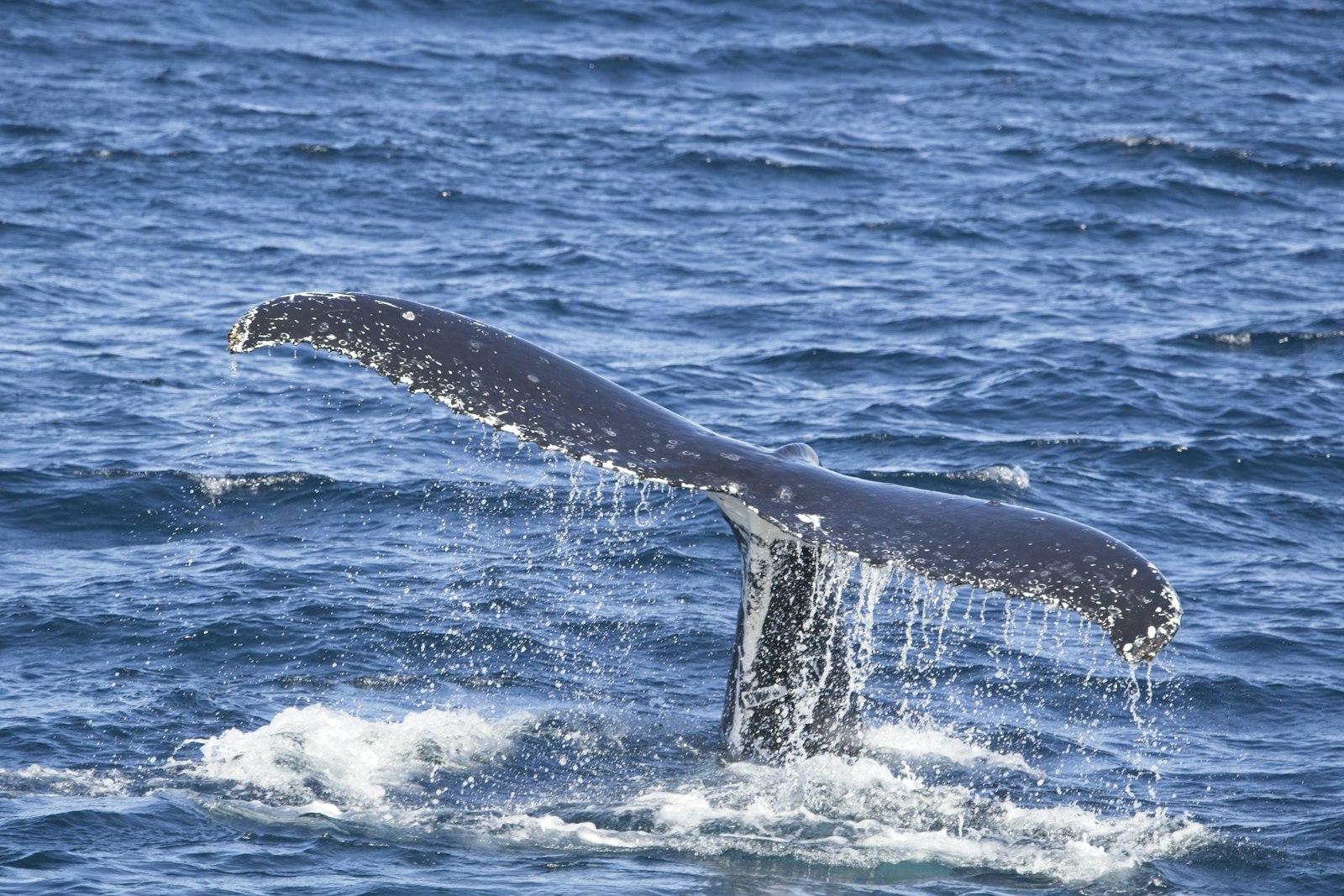
Visit Fraser Coast describes Hervey Bay as a temporary home for the whales from July to mid-October and calls September and October the last chance of the season. For a comparison with another southern-hemisphere whale coast in the same months, see our Hermanus whale season.
The Subtropical East Coast: Gold Coast, Byron Bay and Brisbane
This section covers the stretch from Brisbane south to Byron Bay, where September is mild, bright and quiet before the summer crowds. Brisbane averages about 24 °C, Byron Bay about 22 °C, and the sea in both places is about 22 °C.

The complete kit
Every country guide, every timing tool
All 24 When to Go country guides, the six Smart Timing tools and every 12-Month Map, with a Start Here that tells you what to open first.
See the kit · $127The five bundles cost $225 separately · Digital download · All sales final
That makes the Gold Coast a good September choice if you like long beach walks, surf lessons in a wetsuit and whale watching, and a mixed one if you want long, warm swims. Rain is moderate: about 30 mm over four days in Brisbane and about 45 mm over six days in Byron Bay. Queensland’s tourism site lists June to November as the best time for whale watching on the Gold Coast.

North of Brisbane, the Sunshine Coast follows a similar pattern. For warmer water on the same coast, carry on north past the Tropic of Capricorn, or fly straight to Cairns or the Whitsundays. For more warm-weather ideas outside Australia in September, see our September sun destinations.
Sydney and the South: Cool Water, Quiet Sand
This section is for travellers already in Sydney, Perth, Melbourne, Adelaide or Hobart in September. These beaches are worth visiting, but mostly on foot rather than in the water.
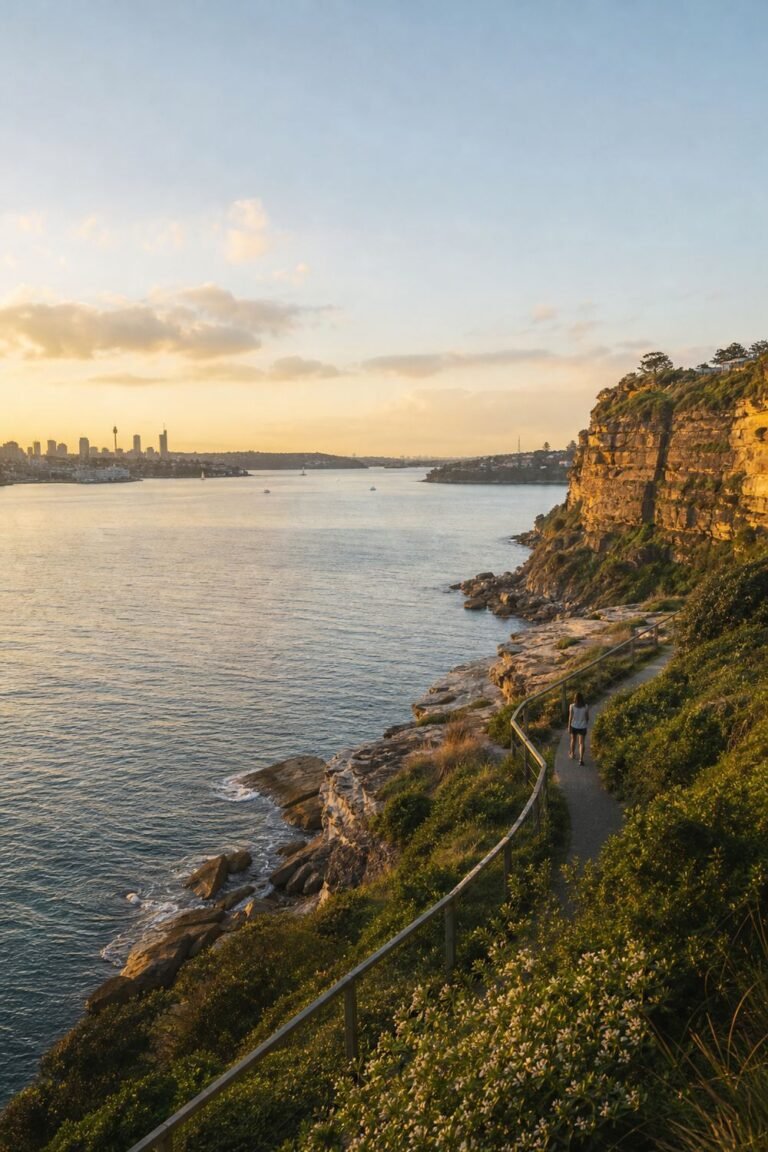
Sydney averages about 22 °C with sea at about 19 °C and roughly six rainy days. Clifftop walks such as Bondi to Coogee are at their most pleasant before the summer heat, and you’ll have plenty of space on the sand; our Bondi Beach travel guide covers the best months for the city’s most famous beach. In New South Wales, the volunteer lifesaving patrol season usually starts in late September and runs to late April, according to Surf Life Saving Australia. Before that, many beaches are unpatrolled.
Perth is mild at about 21 °C but has the most rain of the big beach cities in September, about 80 mm over eleven days, with sea at about 19 °C. Adelaide, Melbourne and Hobart are cooler still, with highs of about 16 to 19 °C and sea temperatures of 12 to 14 °C. Here the beach is a backdrop for wildflowers, coastal drives and seafood, not a swim. For the southern summer months, read Australia and New Zealand in February.
Beach Safety in September: Stingers, Crocodiles and Patrols
This section covers the safety rules that change from one coast to the next. Australia’s beaches are well run, but the hazards differ between the tropics and the south, and September sits at a turning point for both.
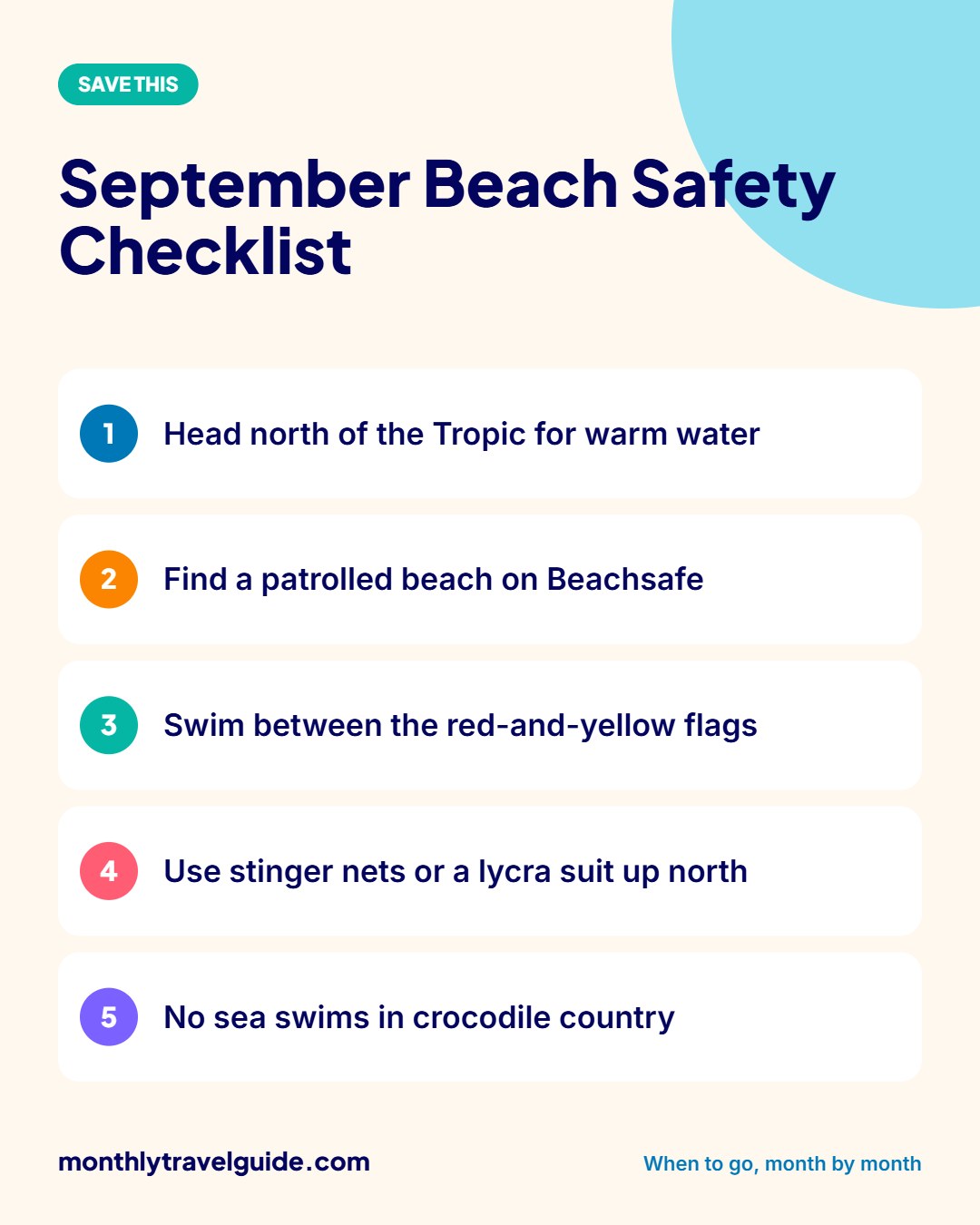
Find a patrolled beach
Use the official Beachsafe website or app, run by Surf Life Saving Australia, to see which beaches are patrolled and when.
Swim between the flags
The red-and-yellow flags mark the area lifeguards watch. Outside them, rips and currents are your problem alone.
Use nets and suits in the tropics
In Queensland, swim inside stinger nets where provided and consider a full-body lycra suit, all year.
Respect crocodile country
In the Northern Territory, any water in the saltwater crocodile’s range is unsafe to swim unless a sign says otherwise.
Know the vinegar rule
For a tropical jellyfish sting, pour vinegar on it and call Triple Zero (000).
Sources: Queensland Government for stinger advice, Be Crocwise, Northern Territory Government for crocodile safety, and Surf Life Saving Australia for patrol seasons.
Important
Darwin looks inviting in September, at about 33 °C with sea at 28 °C, but the Northern Territory Government says crocodiles are present in Top End waterways all year and that swimming in their range is never 100 percent safe. Use the signposted swimming spots and pools instead, and enjoy the sea from the shore at sunset.
When Not to Go to the Beach in September
This section is the honest part. September is a strong month in the north, but some plans don’t match it.
| Avoid | Why | Do this instead |
|---|---|---|
| A swimming holiday in Melbourne, Adelaide or Hobart | Sea at about 12 to 14 °C | Fly north to Cairns, the Whitsundays or Broome |
| Sea swimming around Darwin | Crocodiles and stingers in tropical waters | Use signposted swimming spots or go to Broome |
| Expecting full lifeguard cover in NSW early in the month | Patrols usually start late in the month | Pick a council-patrolled beach via Beachsafe |
| A Ningaloo whale shark trip | Whale shark swims usually end in early August | Go for humpback swims, or plan whale sharks earlier in the year |
| A Perth beach week on a fixed date | The wettest big city in September, about 11 rain days | Keep plans flexible or go further north to Broome |
Not sure about a different month? The free Best Month Finder rates any destination by month, and the When Not to Go checker flags the weeks to avoid.
Better Month If You Want Something Else
This section helps if September doesn’t quite fit what you want from an Australian beach trip.
If you want
Warm water in the south
Go in the southern summer, roughly December to March, when Sydney and the southern coasts warm up.
If you want
Whale sharks at Ningaloo
Go before the season ends in early August; September is humpback time.
If you want
The most whales in Hervey Bay
August to October is the official best window, so September sits in the middle of it.
If you want
Patrolled beaches in NSW
Go from late September onwards, once the volunteer patrol season has started.
To compare shoulder weeks across several destinations at once, try the free Shoulder Season Detector.
5 Common Mistakes on a September Beach Trip in Australia
1. Judging the beach by the air temperature
A 22 °C day in Sydney feels like beach weather, but the sea is about 19 °C. Check the water temperature before you book a beach-only holiday in the south.
2. Thinking stingers only matter in summer
The higher-risk season is November to May, but Queensland’s own advice says stingers are present in tropical waters all year. Swim in nets or wear a lycra suit in September too.
3. Swimming wherever the water looks calm in the Top End
Calm, clear water near Darwin is still crocodile country. Only swim where a sign says it’s allowed.
4. Booking Ningaloo for whale sharks
By September the whale shark swims have usually finished. Book a humpback swim instead, or move the trip earlier in the year.
5. Ignoring the flags
Rips catch visitors on calm-looking days. Swim between the red-and-yellow flags, and if a beach has no patrol, stay in your depth or don’t swim.
Australia Beaches in September FAQ
Q
Is September a good time to go to the beach in Australia?
Yes, in the north. Cairns, Townsville, the Whitsundays and Broome average about 28 to 32 °C with sea temperatures of 24 to 26 °C and very little rain. The south is mild but cool, with Sydney and Perth near 21 to 22 °C and sea around 19 °C, so it suits walks and whale watching more than long swims.
Q
Is it warm enough to swim in Sydney in September?
For most visitors, only briefly. Sydney’s sea averages about 18 to 19 °C in September, with day highs around 20 to 22 °C. Keen ocean swimmers and surfers in wetsuits will be fine, but a long, relaxed swim is more comfortable from December to March. Volunteer patrols in New South Wales usually start in late September.
Q
Is September stinger season in Queensland?
Not the peak. The Queensland Government says the risk of marine stingers is higher from November to May, but stingers are present in tropical waters all year. In September, swim at patrolled beaches between the flags, use stinger nets where provided, consider a full-body lycra suit, and if someone is stung, pour vinegar on the sting and call 000.
Q
Where is the warmest beach in Australia in September?
Broome and Darwin are the hottest, at about 32 to 33 °C, with sea temperatures of about 26 to 28 °C. Darwin’s waters carry crocodile and stinger risks, so Broome’s Cable Beach is the better warm swimming choice. On the east coast, Cairns and Townsville average about 28 to 29 °C, with sea temperatures of about 24 to 25 °C.
Q
Can you see whales in Australia in September?
Yes. Visit Fraser Coast says humpbacks are in Hervey Bay from July to mid-October, and Queensland’s tourism site lists August to October as the best time there. The Whitsundays season runs best from July to September, and the Gold Coast and Sunshine Coast from June to November. On the west coast, humpback swims run at Ningaloo through October.
Q
Is September a good time to visit the Great Barrier Reef?
Yes. September falls before the higher-risk stinger season, rain is low, and Cairns averages about 29 °C with sea at about 25 °C. Wear a lycra stinger suit on reef trips; it also protects against sunburn. The Whitsundays add the end of whale season. Wind can still affect boat days, so leave a spare day in your plan.
The Bottom Line
The best Australia beaches in September are in the tropical north, from Cairns and the Whitsundays to Broome, where the sea is warm and the days are dry; the south is for cool walks and whales. Follow the stinger, crocodile and flag rules wherever you swim. For more ideas, browse our September travel destinations.
Pick the right weeks, every trip
The Smart Timing Bundle
Beach trips go best when the weather, the crowds and the booking window all line up. The Smart Timing Bundle brings together the site’s timing tools in one set: the best and worst weeks to travel, when to book, and the shoulder weeks with the best balance, for Australia and wherever you go next.
See The Smart Timing Bundle →Digital download · All sales final
Free download
See the whole year before you book
Our free 12-Month Map puts every month for one country on four pages: when the weather works, when the crowds and prices peak, and the weeks to skip.
- 24 countries to choose from
- Region-by-region verdicts
- Printable PDF
Your download page opens as soon as you sign up. 24 countries available.