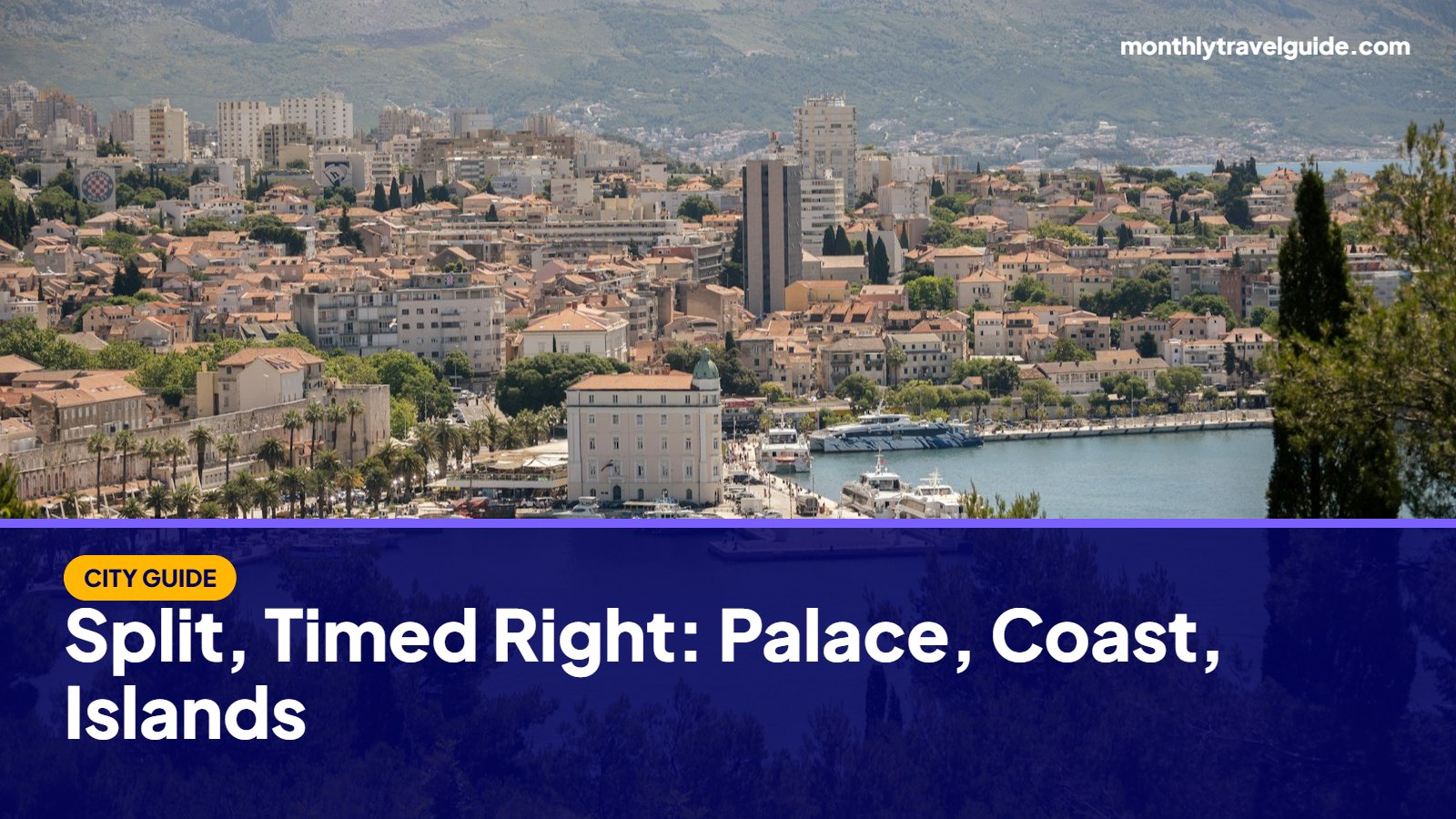
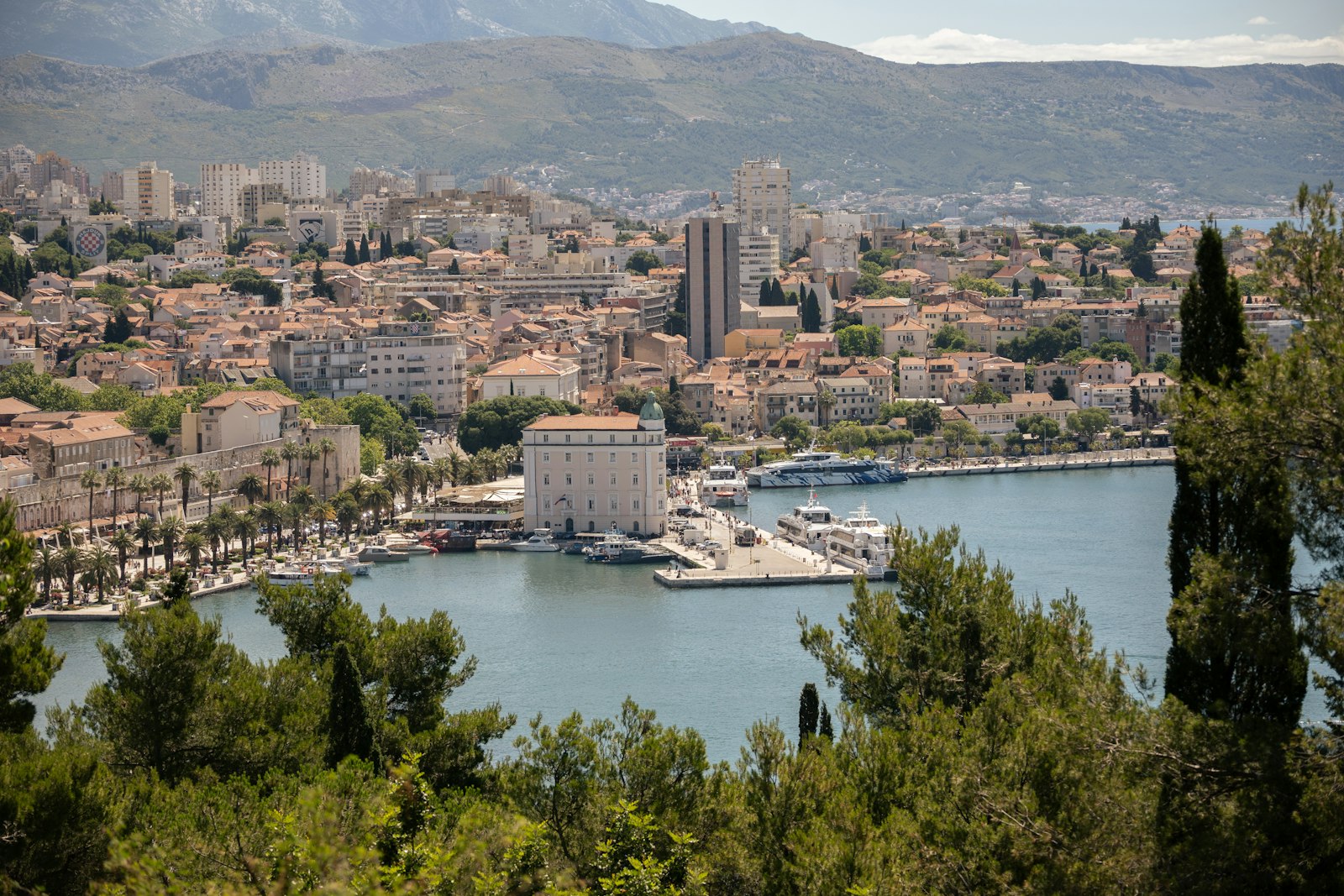
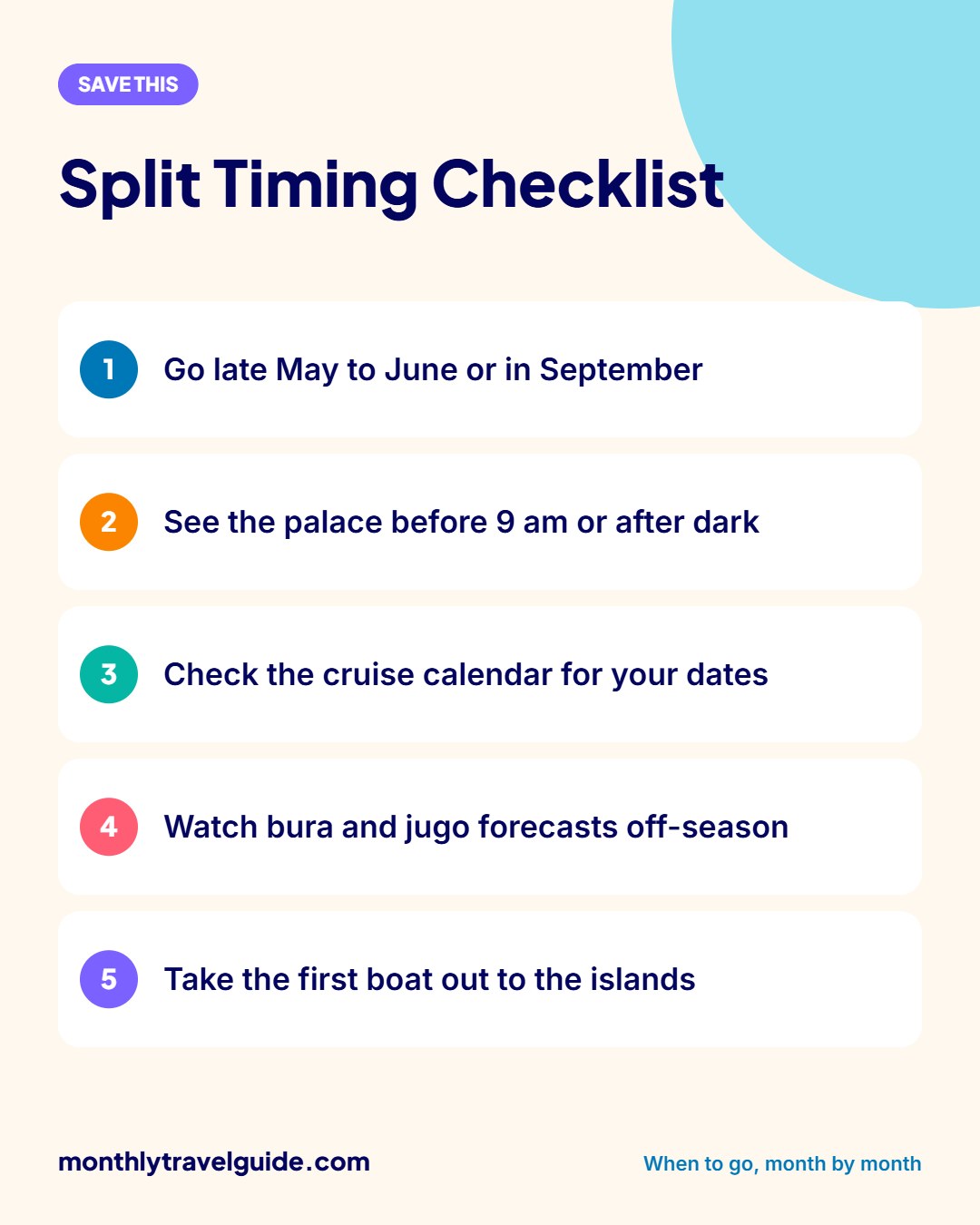
The best things to do in Split all hang on timing: the Roman palace at the heart of town, the Riva waterfront, the pine woods of Marjan hill and the ferries out to Brač, Hvar and Vis feel completely different in May than in August. Split is Croatia’s second city and the main ferry port of central Dalmatia, so it fills fast in high summer and on days when cruise ships call. The sweet spots are late May to June and September to early October, when the sea is warm enough to swim and the old town is easier to walk. This guide covers what to do, the best month for each thing, the cruise-ship days, the bura and jugo winds and island day trips by season.

When to Go guides
Choose your country, then your month
24 country guides, each about 100 pages: every month rated for weather, crowds and prices, region by region, with a 7-day booking plan. Six guides per region bundle.
Browse the 24 guides · $19 eachRegion bundles: Europe, Asia & Pacific, Sun Souks & Safari, Americas · $47 each
Quick answer
The best time to see Split is late May to June or September to early October. Days run about 21 to 25 °C, the sea sits around 18 to 22 °C and island ferries are still frequent. Walk the palace early, climb Marjan at sunset and take a boat to Brač or Hvar. August is hottest and busiest, and from November to March winds and rain can cancel small boats.
Key takeaways
Diocletian’s Palace is not a museum behind a fence: it is the old town itself, with shops, homes and cafes inside the Roman walls.
Split logs over 260 cruise calls a year, and recent counts show Friday and Saturday as the busiest ship days.
July and August are the driest and sunniest months, with the sea at about 24 °C, but August is the most crowded.
The bura is a cold, dry north-east wind and the jugo a warm, wet south-east one; both can stop catamarans.
Weather cancellations are mainly an autumn, winter and early spring problem and are uncommon from June to September.
November is the wettest month, with about 134 mm of rain, and many tours close for the season.
Things to Do in Split, Month by Month
This section rates every month for a city-and-islands trip to Split, using long-term averages from Weather2Travel and crowd notes from Bookiscout. The verdicts assume you want to sightsee, swim at least a little and take one or two boat trips, not just sit on a beach.
Split month verdicts
Air high / low °C · sea °C
Jan
8° / 1° · sea 14°
95 mm rain · Quiet palace, cold bura days
Go with careFeb
10° / 2° · sea 13°
86 mm rain · Coldest sea, low prices
Go with careMar
12° / 4° · sea 13°
89 mm rain · Mild walks, few boats
Go with careApr
16° / 8° · sea 14°
82 mm rain · City breaks, not crowded
GoMay
21° / 12° · sea 18°
69 mm rain · First swims, longer days
GoJun
25° / 15° · sea 21°
74 mm rain · Warm sea, crowds building
GoJul
28° / 17° · sea 24°
46 mm rain · Driest month, packed beaches
Go with careAug
28° / 17° · sea 24°
64 mm rain · Busiest month of the year
Go with careSep
25° / 14° · sea 22°
75 mm rain · Warm sea, crowds thin out
GoOct
19° / 10° · sea 20°
102 mm rain · Swim early in the month
GoNov
14° / 6° · sea 18°
134 mm rain · Wettest month, tours close
SkipDec
10° / 2° · sea 16°
127 mm rain · Advent stalls on the Riva
Go with careLong-term averages for Split from Weather2Travel. Every year differs.
The pattern is simple. Highs climb from about 8 °C in January to about 28 °C in July and August, and the sea lags behind, reaching about 24 °C only in high summer and holding about 22 °C in September and 20 °C in October. July is the driest month, with about 46 mm of rain, while November and December are the wettest, with about 134 mm and 127 mm. Bookiscout calls September arguably the best month of all, because the sea is still warm and the crowds have thinned.
Winter has its own appeal if you mainly want the palace and the food. Rooms are easier, locals have the cafes back, and the Advent market on the Riva brings December evenings to life. Just expect shorter boat timetables and some closed tours.
🧰 Try it while you read: a free tool for this trip
Free trip timing tool
What Kind of Traveller Are You?
Seven quick taps pick your travel type, then show the countries and months where it shines.
Loading the tool…
12 Things to Do in Split and the Best Time for Each
This section lists the core sights and activities, with the time of day and season that suit each one. Most of the city sits within a short walk of the harbour, so the timing of each stop matters more than the route.
| Thing to do | Best time | Avoid |
|---|---|---|
| Walk Diocletian’s Palace and the Peristyle | Before 9 am, or after 7 pm in summer | Late morning on cruise days |
| Climb the cathedral bell tower | Early morning, clear bura days for views | Midday heat in July and August |
| Stroll the Riva waterfront | Evening, any month; Advent in December | Nothing, but expect crowds in August |
| Hike or cycle Marjan hill | Spring, autumn, or sunset in summer | Midday in July and August |
| Swim at Bačvice or Kašjuni | June to September | Weekend afternoons in July and August |
| Browse the green and fish markets | Morning, Monday to Saturday | Late afternoon, when stalls clear |
| Visit Klis Fortress | Late afternoon in spring and autumn | Strong bura days, very exposed |
| Day trip to Trogir | Shoulder season, early start | August afternoons |
| Day trip to Krka National Park | May, June, September, October | Peak summer weekends |
| See the Roman ruins of Salona | Cool mornings, spring or autumn | Hot summer middays, little shade |
| Island day trip by ferry or boat | June to September for the full timetable | Windy days from autumn to spring |
| Evening in the Varoš lanes | Any season, after sunset | Nothing in particular |
🗓️ Free: a 12-Month Map for your country
Every month on one page: best weeks, shoulder weeks and the ones to skip. Print it or keep it on your phone.
Diocletian’s Palace, the Peristyle and the bell tower
Diocletian’s Palace was built for the Roman emperor Diocletian around the turn of the fourth century, and the historic core of Split, with the palace at its centre, is a UNESCO World Heritage Site (CruiseMapper). The surprise is that people still live and work inside the walls. Start at the Peristyle, the colonnaded square at the centre, then walk down into the vaulted cellars that run under the palace towards the sea. Climb the cathedral bell tower for the view over the red roofs to the islands.
Go early. The lanes are narrow, and on summer cruise days the Peristyle can feel like a queue. At about 8 am the stone is cool and the light is soft; by late morning, tour groups fill the square.

The Smart Timing Bundle
Pick the month, book in the right order, pack once
Six printable timing tools for any trip: the Trip Timing Planner, When to Book, When NOT to Go, the Shoulder Season Playbook, the family timing guide and the Packing by Season System.
See the bundle · $37Six products, $100 separately · Digital download · All sales final
Marjan hill, beaches and markets
Marjan is the forested hill on the peninsula west of the old town, laced with paths and viewpoints. Walk up through Varoš in the late afternoon for sunset over the islands, or rent a bike and follow the shore road in spring and autumn. In summer, Bačvice is the city beach next to the harbour, about 1.2 km from the cruise terminal, and the place to watch locals play picigin, a splashy ball game in the shallows. Kašjuni, below Marjan, is calmer. Bookiscout notes that both are packed in July.
For food, the open-air green market by the palace’s east side and the fish market on the west side are at their best in the morning. Buy figs, cheese and bread for a beach lunch.
Day trips on the mainland
Three short trips work well from Split. Klis Fortress guards the pass behind the city and gives wide views down to the sea; go late in the day and avoid strong bura days, when it feels exposed. Trogir is a small walled town on an islet to the west, best seen early before the coaches arrive. Krka National Park, with its waterfalls and wooden walkways, is a common full-day trip, and CruiseMapper lists it among the standard shore excursions. In the warm months, an early start is the single best trick for all three.

Cruise-Ship Days in Split: How to Dodge the Crowds
This section covers the days when cruise passengers flood the old town. Split is a busy cruise port as well as a ferry hub, and a few big ships in one day change how the palace feels.
260+
cruise calls a year
~130,000
cruise passengers a year
~1 km
terminal to the palace
Fri & Sat
busiest call days in recent counts
According to CruiseMapper, Split handles over 260 ship calls and around 130,000 cruise passengers a year. Smaller ships dock near the ferry port, while larger ones anchor in the harbour and send passengers ashore by tender. The palace is only about 1 km from the terminal, around a 10-minute walk, so almost every passenger heads straight into the old town.
Recent counts from Cruise Ship Tracking show the most calls in July, August and October, with Saturday and Friday the busiest days of the week and midweek the quietest. October surprises many people: the beaches empty out, but cruise traffic can stay high.
Check the port calendar
Look up your dates on a cruise port schedule before you plan the palace day.
Do the palace early
Be on the Peristyle before the first tenders land, or come back after dinner.
Flip your day on big-ship days
Take Marjan, a beach or a mainland trip while the ships are in, and do the old town in the evening.
Prefer midweek
If you have a choice, keep Tuesday to Thursday for the old town.
Tip
Most ship visitors are ashore during the day and back on board by evening. That makes sunset on the Riva and a late dinner inside the palace walls the calmest way to see the old town, even in August.
Bura, Jugo and Maestral: Split’s Winds Explained
This section explains the three winds that shape a Split trip. They decide whether the sea is flat, whether the islands look sharp on the horizon and, sometimes, whether your boat leaves at all.
| Wind | What it is | When | What it means for you |
|---|---|---|---|
| Bura (bora) | Cold, dry, gusty wind from the north-east, dropping off the coastal mountains | Mostly winter, but any time of year | Clear skies and sharp views, but icy gusts; small boats and catamarans may stay in port |
| Jugo | Warm, humid wind from the south-east | Any season; stormy spells most often in autumn and winter | Grey skies, rain, high waves; can flood the Riva and cancel sailings |
| Maestral | Steady north-west breeze on fine summer days | Summer afternoons | Cools the hottest days; choppy afternoons for small boats |
Sources: Ultra Sailing and Royal Dubrovnik. The bura can blow for days at a time in winter, and its strongest gusts can exceed 200 km/h. It’s dry and cool, so a sunny bura day can still feel freezing, but it also clears the haze so the islands look close enough to touch. The jugo usually lasts a few days, sometimes a week in winter, and brings the biggest waves in the Adriatic.
Warning
Weather disruption to ferries is mainly an autumn, winter and early spring issue and is uncommon from June to September. Catamarans and small fast boats are cancelled first; big car ferries usually keep sailing. Check the operator’s website on the morning you travel, and never plan a flight home from Split on the same day as a return boat from an island in the colder months.
Ferry operators usually announce weather cancellations ahead of time, and if a fast boat is cancelled you can often switch to a larger car ferry, since every island has at least one car ferry to the mainland (Croatia Ferries, Ferry Croatia).

The complete kit
Every country guide, every timing tool
All 24 When to Go country guides, the six Smart Timing tools and every 12-Month Map, with a Start Here that tells you what to open first.
See the kit · $127The five bundles cost $225 separately · Digital download · All sales final
Island Day Trips from Split by Season
This section matches each island trip to the season it suits. Split is the main ferry and catamaran hub for central Dalmatia, and the closest islands make easy day trips even outside summer.
Brač
GoClosest big island
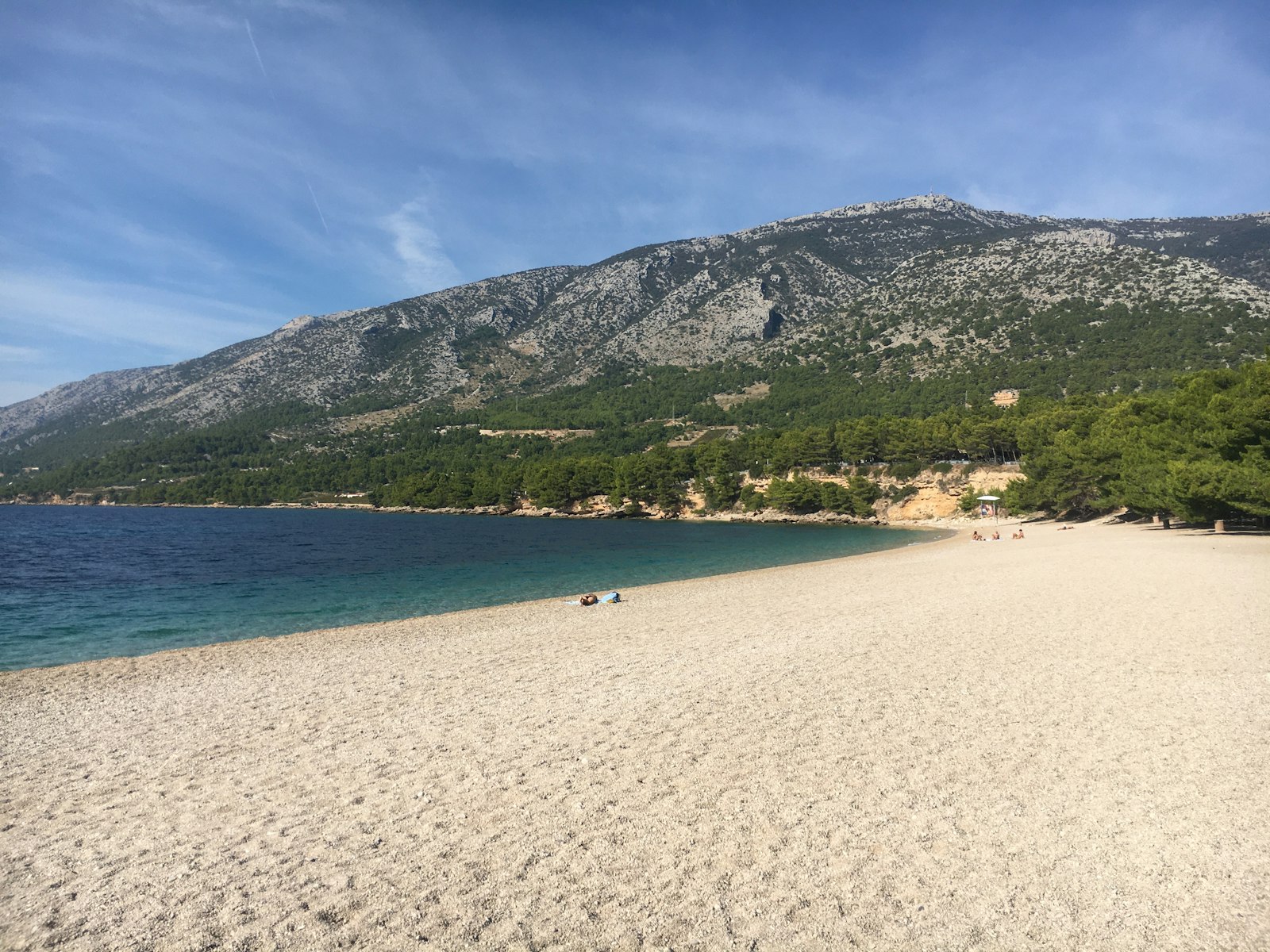
All year by car ferry to Supetar; summer for Bol and the Zlatni Rat beach
Šolta
GoSmall, quiet, close
Spring to autumn for walks, coves and village lunches
Hvar
Go with careHvar town and Stari Grad
May, June and September; July and August are crowded
Vis
Go with careFurthest, wildest
June to September; boat trips to caves need calm sea
Any island, Nov to Mar
SkipShort timetables
Car ferries only on many days; wind can stop fast boats
Brač is the easiest choice, with a frequent car ferry to Supetar and, in summer, buses or boats on to Bol and its famous pebble spit. Hvar is the classic: the harbour town for its square and fortress, Stari Grad for a calmer, older feel. Vis takes longer and rewards an overnight stay, especially if you want a boat trip to the sea caves, which run only when the sea is calm. Ferries run all year with a fuller timetable in summer (Ferry Croatia), so in winter, check return times before you go.
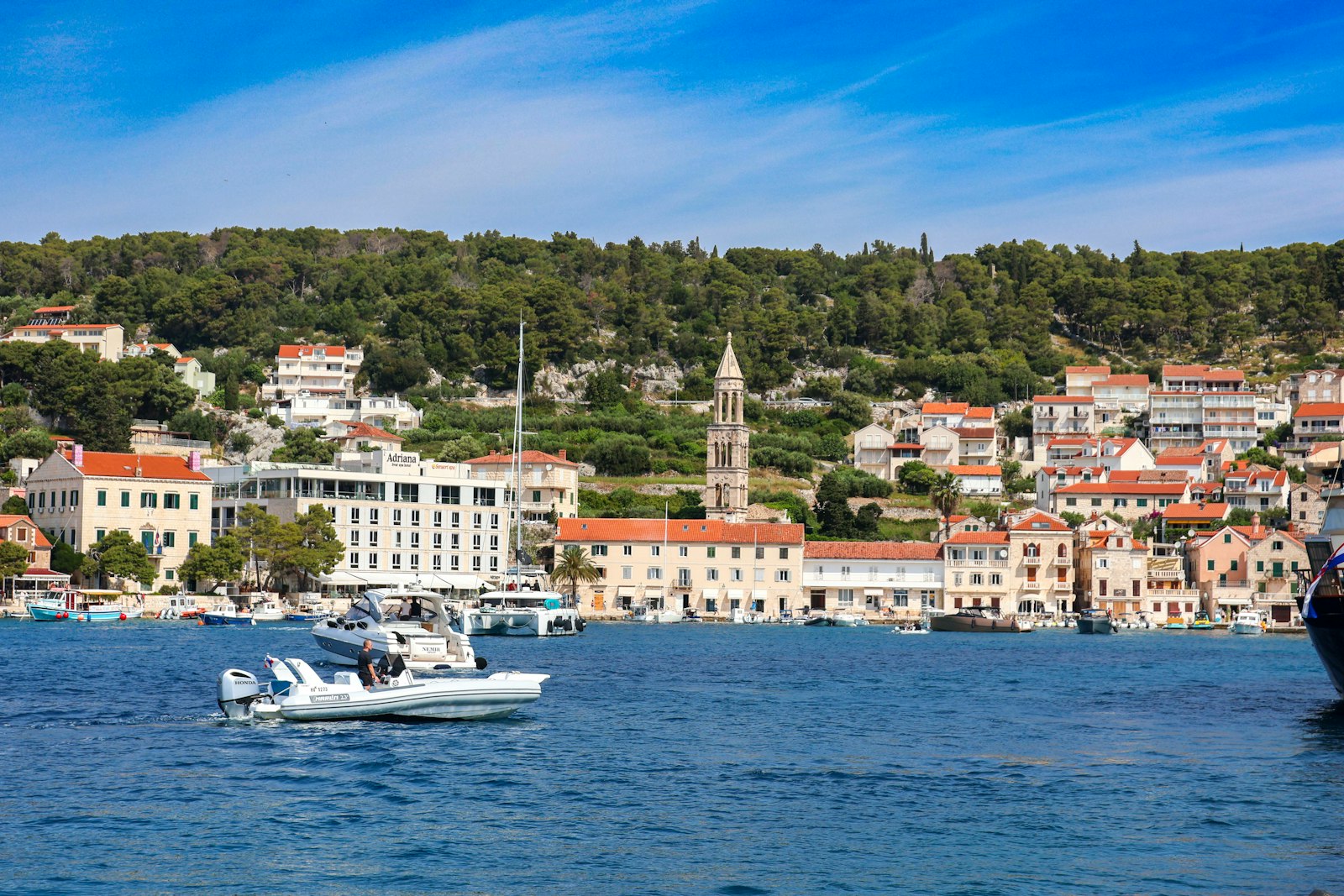
A simple rule works for every season: take the first boat out and a mid-afternoon boat back. You avoid the midday rush on the quay, and in the colder months you leave a margin if the wind rises during the day.
When Not to Go to Split
This section is the honest part. Split works in every month, but some weeks can spoil a short trip.
| Avoid | Why | Do this instead |
|---|---|---|
| August on a first visit | The busiest month of the year, with the highest prices | Go in June or September |
| Old town on big cruise days | Friday and Saturday crowds at the palace | Palace early or after dinner, midweek if you can |
| November for an island trip | The wettest month, with about 134 mm of rain, and many tours closed | Go in late September or October |
| A tight island return in winter | Bura and jugo can cancel fast boats | Use car ferries and keep a spare day |
| Beach plans in April | The sea is about 14 °C | Wait for June, or treat April as a city break |
Not sure about your dates? Run them through the free When Not to Go checker, or let the Shoulder Season Detector find the calmer weeks for you.
Better Month If You Want Something Else
This section helps if Split is one stop on a wider Adriatic or Europe trip with other priorities.
If you want
Warmest swimming
Go in July or August for the sea at about 24 °C, and start your days early.
If you want
Swimming without the crowds
Go in September. Compare other Mediterranean beaches in September.
If you want
A palace-and-food city break
Go in April or October, and pair Split with other European cities in September.
If you want
A full Croatia loop
Go in late May to June or September, and start with our Croatia travel guide.
Planning a bigger European summer? See Europe in May, Europe in July and Europe in September for the wider picture.
5 Common Mistakes When Planning Things to Do in Split
1. Seeing the palace at midday
Late morning is when tour groups and cruise passengers converge on the Peristyle. The same lanes are calm at 8 am and lovely after dark. Use the middle of the day for the beach, Marjan or a long lunch.
2. Treating Split as a one-night ferry stop
Many travellers land, sleep and sail on. You miss Marjan at sunset, the morning markets and a mainland trip to Trogir or Klis. Two or three nights let you see the city and still take a day trip to an island.
3. Ignoring the wind forecast in the colder months
A bura or jugo can stop catamarans, sometimes for days. From October to April, book car ferries where you can, keep a spare day before any flight and check the operator’s site on the morning you travel.
4. Expecting beach weather in spring
April and May can be warm on land, but the sea is only about 14 to 18 °C. If swimming matters, aim for June to September; if it doesn’t, spring is a fine time for walking and sightseeing.
5. Leaving island trips to the last minute in August
Summer boats to Hvar and Vis fill up, and queues on the quay can be long. Buy tickets ahead for fixed sailings, arrive early for car ferries and avoid the busiest weekend departures.
Things to Do in Split FAQ
What is the best month to visit Split?
September is the best all-round month for most travellers. Highs are about 25 °C, the sea is still about 22 °C, ferries keep their summer rhythm and crowds have thinned since August. Late May and June are close behind, with long days and a warming sea. August is the hottest and busiest month, and November is the wettest.
How many days do you need in Split?
Two to three days is the sweet spot. One day covers Diocletian’s Palace, the bell tower, the markets and the Riva; a second allows Marjan hill and a beach; a third gives you time for an island or a mainland trip to Trogir, Klis or Krka. In the colder months, add a spare day if you plan to visit the islands.
Is Split worth visiting?
Yes. Split combines a lived-in Roman palace, a lively waterfront, a forested hill for walks and easy ferries to several islands, all within a short distance. It is busy in high summer and on cruise days, so timing matters. Visit in the shoulder months or start your days early, and it rewards even a short stay.
What are the best day trips from Split?
The most popular day trips from Split are the islands of Brač and Hvar, the walled town of Trogir, Klis Fortress above the city and Krka National Park with its waterfalls. Brač is the easiest island by car ferry all year. Vis is further away and better with an overnight stay, especially if you want a calm-sea boat trip to the caves.
Are ferries from Split cancelled in winter?
Sometimes. Strong bura and jugo winds can cancel or delay sailings, mainly in autumn, winter and early spring, while disruption is uncommon from June to September. Catamarans and small fast boats are cancelled first; large car ferries usually keep running. Cancellations are often announced in advance, so check the operator’s website before you go.
When do cruise ships come to Split?
Cruise ships call at Split for most of the year, with the most calls in the summer months and October, according to recent port counts. Friday and Saturday were the busiest days of the week in those counts. The palace is about a 10-minute walk from the terminal, so plan the old town early in the morning or in the evening on busy ship days.
The Bottom Line
The best things to do in Split, from the palace to Marjan and the island boats, are at their best from late May to June and in September to early October. See the old town early or late, watch the cruise calendar and the wind forecast, and pick the island that suits the season. For more on the country, browse our Croatia travel guides.
Planning Croatia and beyond?
The Europe Bundle
Month-by-month timing for the big European trips in one set: when each country is at its best, when crowds and prices peak, and how to place a city, a coast and a few islands in the right weeks.
See The Europe Bundle →Digital download · All sales final
Free download
Which month for your country?
Get the free 12-Month Map: every month marked good, shoulder or avoid, region by region, on four printable pages.
- Greece to Japan, Morocco to Peru: 24 countries
- See the crowd and price peaks before you book
- Free, no purchase needed
Your download page opens as soon as you sign up. 24 countries available.