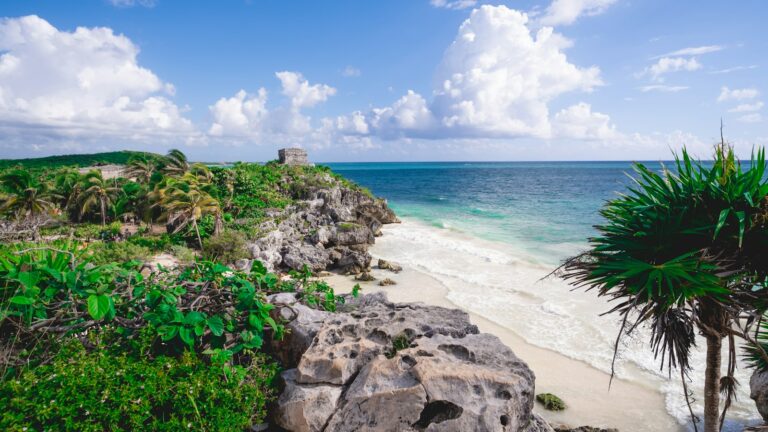
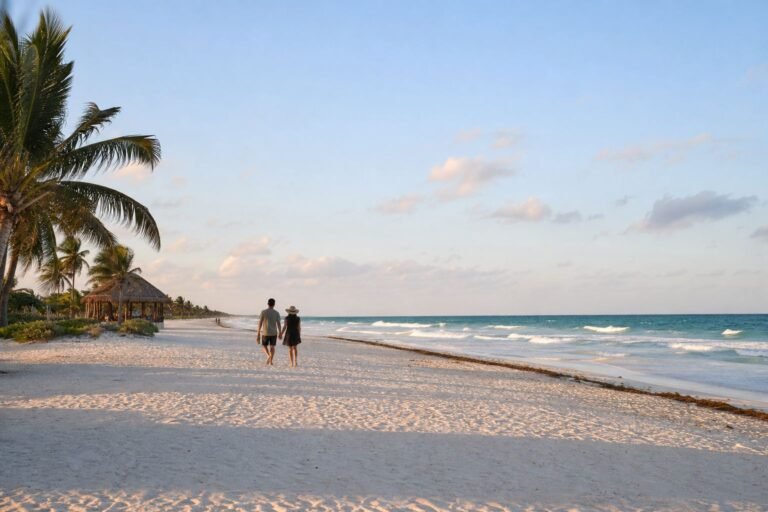
The best places to go in Cartagena are packed into a small area: the walled old town, the street-art lanes of Getsemaní, the San Felipe fortress on its hill and the islands a boat ride offshore. What changes from month to month is not the heat, which stays near 31 to 32 °C all year, but the rain, the sea and the crowds. December to April is the dry season, October is the wettest month, and the Christmas, New Year and Holy Week rushes fill the city fast. This guide pairs each place with the months and the hours when it works best.

When to Go guides
Choose your country, then your month
24 country guides, each about 100 pages: every month rated for weather, crowds and prices, region by region, with a 7-day booking plan. Six guides per region bundle.
Browse the 24 guides · $19 eachRegion bundles: Europe, Asia & Pacific, Sun Souks & Safari, Americas · $47 each
Quick answer
Start with the Walled City and its ramparts, Getsemaní, the Castillo San Felipe de Barajas, La Popa hill and a boat day to the Rosario Islands. Visit from December to April for dry weather, and choose February or March for the best balance of sun, calm seas and thinner crowds. Avoid Holy Week and the New Year peak unless you book early, and expect heavy afternoon rain in October.
Key takeaways
Heat is constant: highs sit around 31 to 32 °C in every month, with very high humidity and an extreme UV index.
Rain is the real variable: January to March see almost none, while October averages about 230 mm over 16 rainy days.
Sea trips to the islands run smoothest from January to March; swells build from July to October and some tours are cancelled.
Crowds peak from mid-December to March, with spikes at New Year and Holy Week.
The walk on the city walls is free and open to the public; plan it for early morning or sunset.

The Best Places to Go in Cartagena, Neighbourhood by Neighbourhood
This section lists the main places to go in Cartagena and the time of day when each one is at its best. In a city where the afternoon heat rarely lets up, the hour you choose matters almost as much as the month.
The Walled City (Centro Histórico)
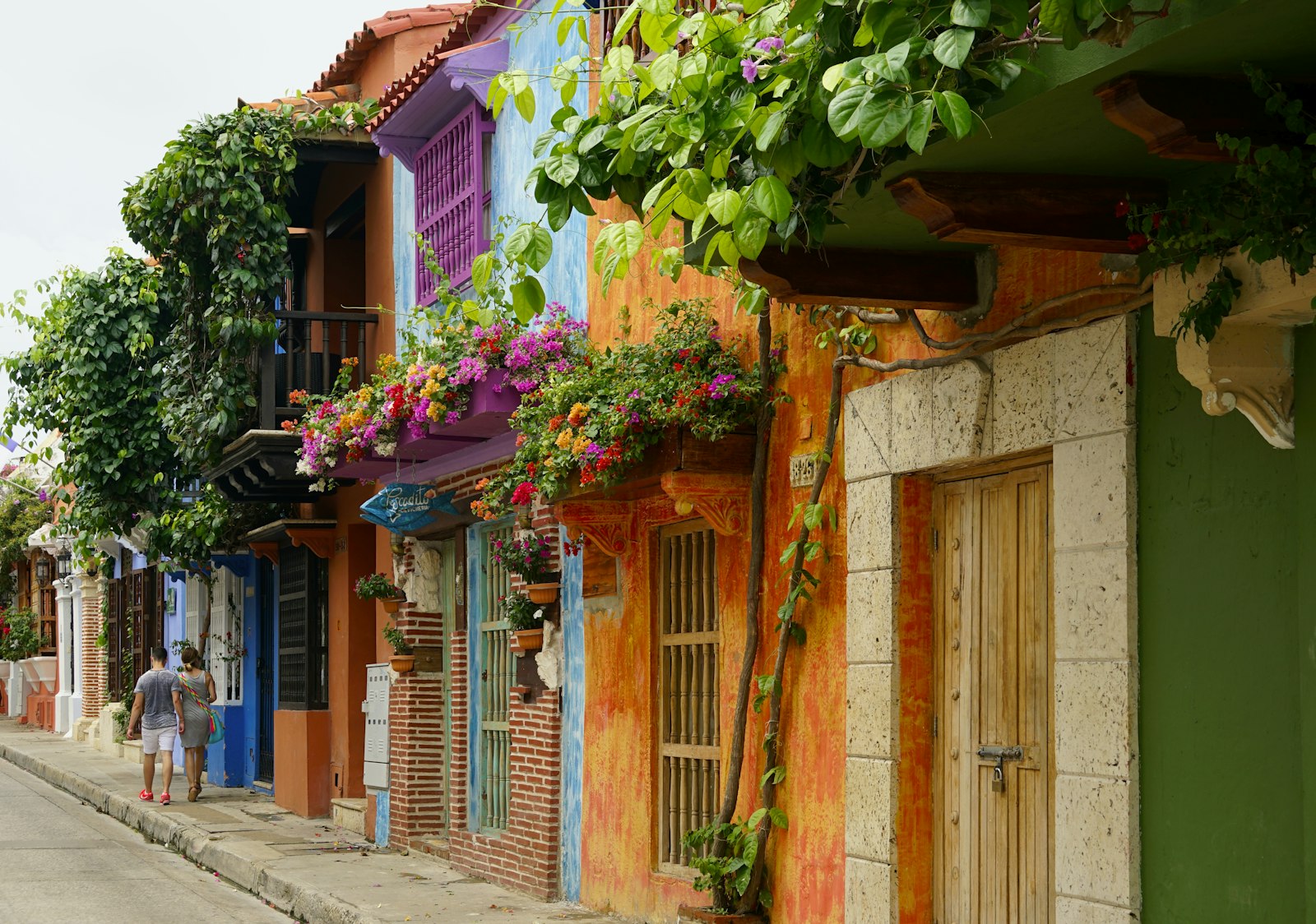
Best: Early morning or after 4 pmThe old town is the reason most visitors come: plazas, churches, balconies heavy with flowers and painted colonial houses inside the ramparts. The walls run about 11 km and took nearly two centuries to complete, according to Al Día News. Walk the plazas before the day-trip groups arrive, rest indoors at midday and come back when the light softens.
The city walls
Best: SunsetYou can walk along the top of the ramparts for long stretches. The Fortificaciones Cartagena de Indias team, which manages the fortifications, says the route along the walls is free and open to the public. Sunset is the classic time, with the sea on one side and the domes of the old town on the other.
Getsemaní
Best: Late afternoon into eveningJust outside the walls, Getsemaní is the old working-class quarter turned into the city’s liveliest neighbourhood, known for murals, small squares and street food. It feels best as the heat drops, when residents and visitors fill the plaza in front of the church.
Castillo San Felipe de Barajas
Best: At opening timeThe great fortress looms over the city from its hill, a short ride from the old town. UNESCO lists Cartagena’s port and fortifications as a World Heritage Site mainly for this kind of military architecture, notes World Heritage Sites, which also gives the castle’s hours as 8 am to 6 pm daily. There is little shade on the ramparts, so go at opening time.
La Popa hill
Best: Clear dry-season morningsThe convent on top of La Popa, the hill behind the city, gives the widest view over the bay, the old town and the towers of Bocagrande. Go by taxi on a clear morning; haze builds later in the day.
Bocagrande
Best: Dry-season morningsThe modern peninsula of high-rise hotels has the beach closest to the old town. It is handy for a swim, but the water is calmer and clearer on the islands.
The Rosario Islands and Barú
Best: January to MarchThe Rosario Islands, a coral archipelago off the coast, and the beaches of Barú, including Playa Blanca, are the classic boat day out. This is the one place on the list where the season really changes the trip, because the sea decides how comfortable the crossing is.
Day trips inland
Best: Any dry monthSan Basilio de Palenque, a village known for its Afro-Colombian music and traditions, and the Totumo mud volcano are the two most popular trips out of the city. Both are easier on dry roads.
🧰 Try it while you read: a free tool for this trip
Free trip timing tool
Beach Water Temperature Picker
Set the sea temperature you like; see which countries reach it in your month.
Loading the tool…
Best Months for the Places to Go in Cartagena
This section rates every month for a trip that mixes the old town with a day or two on the water. The ratings use long-term rainfall and rainy-day averages from Climates to Travel and crowd patterns from Nomado Travel.
Cartagena month verdicts
Rain · rainy days · verdict
Jan
4 mm · 1 rainy days
GoDry, sunny; New Year crowds early
Feb
1 mm · 0 rainy days
GoDriest month, steady breeze
Mar
2 mm · 1 rainy days
GoDry; Holy Week some years
Apr
25 mm · 3 rainy days
Go with careHoly Week some years; rain begins
May
115 mm · 10 rainy days
Go with careWet season starts
Jun
100 mm · 12 rainy days
Go with careAfternoon showers
Jul
110 mm · 10 rainy days
Go with careHolidays; swells build
Aug
125 mm · 13 rainy days
Go with careStorm season starts
Sep
135 mm · 14 rainy days
SkipWet, choppy seas
Oct
230 mm · 16 rainy days
SkipWettest month
Nov
140 mm · 11 rainy days
Go with careRain easing; quiet
Dec
35 mm · 3 rainy days
GoDry again; book Christmas early
Monthly averages from Climates to Travel. Highs stay near 31 to 32 °C all year, so the verdict is about rain, sea and crowds.
The pattern is simple. From December to April, rain almost disappears: about 1 to 4 mm a month from January to March. From May the wet season sets in, building to about 230 mm in October before easing to about 140 mm in November and 35 mm in December. Sunshine follows the same curve, from about 9 hours a day in January to about 5.5 hours in September and October. Sources: Climates to Travel and Weather2Travel.
Tip
If you can choose any month, pick February or March. They are among the driest months of the year, the trade winds are steady, prices ease after the January peak and the sea to the islands is usually at its calmest, according to Nomado Travel. Just check whether Holy Week falls in March that year.
Heat, Humidity and the Rainy Season
This section covers the three conditions that shape a day out in Cartagena: the heat, the rain and the storm season. None of them closes the city, but each changes how you plan your sightseeing.
| Condition | What the averages say | How to plan for it |
|---|---|---|
| Heat | Highs of about 31 to 32 °C and lows of about 24 to 26 °C in every month | Sightsee early and late; take a long indoor break at midday |
| Humidity and sun | Heat and humidity rated very high all year; UV index 11 or more in most months | Carry water, a hat and high-factor sun cream even on cloudy days |
| Wet season | May to November, peaking in October | Plan outdoor time for the morning; showers often come late in the day |
| Storm season | June to November, most likely August to October | Keep a spare day and flexible boat bookings |
| Sea | About 27 to 29 °C year round | Swimming is warm in every month; the question is how rough it is |
🗓️ Free: a 12-Month Map for your country
Every month on one page: best weeks, shoulder weeks and the ones to skip. Print it or keep it on your phone.
Sources: temperature, rain and storm timing from Climates to Travel; humidity and UV from Weather2Travel. Wet-season rain tends to fall in the late afternoon or evening, notes Shortform, which leaves the mornings usable even in the wettest months.
Hurricanes are a smaller risk than many visitors expect. Cartagena sits at the edge of the Atlantic hurricane zone and is rarely hit directly, according to Climates to Travel, but storms passing nearby can bring heavy rain and rough seas. The free Storm Season Check shows the storm window for any destination on your route.

The Smart Timing Bundle
Pick the month, book in the right order, pack once
Six printable timing tools for any trip: the Trip Timing Planner, When to Book, When NOT to Go, the Shoulder Season Playbook, the family timing guide and the Packing by Season System.
See the bundle · $37Six products, $100 separately · Digital download · All sales final
Warning
Heat is the most common problem for visitors, not rain. Highs barely move through the year and the humidity stays high, so the risk is constant. Drink more than you think you need, slow down in the early afternoon, and don’t plan a fortress climb and a long wall walk back to back in the midday sun.

The Rosario Islands and Barú: Timing the Sea
This section covers the island day trips, the one part of a Cartagena visit where the season can make or break the plan. Boats leave from the city in the morning and the crossing runs through open water.
From January to March, sea conditions are at their calmest and snorkelling visibility around the Rosario Islands is at its best, according to Nomado Travel. Between July and October, Caribbean swells increase, conditions can change quickly and some operators cancel or reschedule tours. If the islands are a main reason for your trip, put them early in your stay so you have spare days if a boat does not run.
| Season | Sea conditions | What it means for an island day |
|---|---|---|
| January to March | Calmest seas, steady trade winds, best visibility | The best window; book ahead around Holy Week |
| April to June | Generally workable; showers start in May | Go in the morning, return before afternoon storms |
| July to October | Swells build; tours may be cancelled | Keep two possible days and a flexible booking |
| November to December | Improving as the dry season returns | December is good but busy over the holidays |
Prices change; check before you book. For a broader comparison of Caribbean islands by season, see our guide to the best Caribbean islands to visit or our pick of lesser-known Caribbean islands.
Planning more of the Americas?
The Americas Bundle
Cartagena often sits on a longer route through South or Central America. The bundle brings together our month-by-month guides for the region, so you can see where the dry seasons, storm windows and holiday rushes fall before you fix the order of your stops.
See The Americas Bundle →Digital download · All sales final
Festivals and the Busiest Weeks in Cartagena
This section covers the dates that fill hotels and boats first. Cartagena draws domestic and foreign visitors at the same time, so national holidays matter as much as the weather.
Late Dec to Jan
Christmas and New Year
The annual peak. Occupancy is at its highest, the old town and beaches feel crowded, and Nomado Travel suggests booking six to eight weeks ahead.
Usually January
Music and literature
A classical music festival is usually held in early January, and the Hay Festival of literature usually takes place in late January, according to Shortform.
March or April
Holy Week (Semana Santa)
One of the busiest periods on Colombia’s Caribbean coast. Hotels, transport and boat trips to the islands can book out weeks ahead.
Usually March
International film festival
Often described as the oldest film festival in Latin America; dates move from year to year, so check the official programme.
Around 11 November
Independence festivities
Parades, music and dance mark the city’s independence. It lands in the wet season, so expect showers between the events.
Along the coast, the Barranquilla carnival, usually held in February, is one of the biggest folk celebrations in South America, according to Intrepid Travel. It pulls visitors through the whole region, so check its dates if you plan to combine the two cities. The free Festival Month Matcher lists major events by month.

How Many Days to Spend, and a Simple Three-Day Plan
This section turns the list of places into a plan. Three full days is a comfortable minimum: one for the old town, one for the forts and viewpoints, and one on the water.
Old town at 7 am, a shaded museum or café at midday, then the walls at sunset and dinner in Getsemaní.
San Felipe at opening time, La Popa before the haze, a rest in the afternoon, then the Getsemaní squares at dusk.
A morning boat to the Rosario Islands or Barú, back by late afternoon.
San Basilio de Palenque or the Totumo mud volcano, or a spare day in case the boat did not run.
The old town and Getsemaní are the most practical bases for sightseeing on foot, while Bocagrande suits travellers who want the beach on the doorstep. The walls start about 15 minutes by car from Rafael Núñez International Airport, according to Fortificaciones Cartagena de Indias, which makes even a short stay workable.

Staying Safe and Comfortable
This section covers safety in general terms only. Cartagena is generally considered safe for visitors in the main tourist areas, such as the old town, Getsemaní and Bocagrande, while some neighbourhoods and situations call for more care, notes Nomado Travel.
Use common city sense: keep valuables out of sight, use registered taxis or ride apps at night, agree tour details in advance and stay with the crowd after dark. Advice changes, so read your government’s official travel advice before you go, for example the UK Foreign Office advice for Colombia, and follow local guidance during your stay.

The complete kit
Every country guide, every timing tool
All 24 When to Go country guides, the six Smart Timing tools and every 12-Month Map, with a Start Here that tells you what to open first.
See the kit · $127The five bundles cost $225 separately · Digital download · All sales final
When Not to Go to Cartagena
This section is the honest part. Cartagena works in every month, but some weeks can spoil a short trip or one built around the islands.
| Avoid | Why | Go instead |
|---|---|---|
| October for an island-focused trip | The wettest month, about 230 mm of rain over 16 days, and swells can cancel boats | February or March |
| Late December to early January without a booking | Annual peak; the old town and beaches are crowded | Mid to late January or February |
| Holy Week at short notice | Transport, hotels and boats book out weeks ahead | The week before or after |
| Midday sightseeing in any month | Highs near 32 °C, very high humidity and extreme UV | Early morning and late afternoon |
| A fixed island day from August to October | Peak storm-risk window and rough seas | Keep two possible days |
Not sure about your dates? Run them through the free When Not to Go checker, or compare windows with the Best Month Finder.
Better Month If You Want Something Else
This section helps if Cartagena is one stop on a longer trip with other goals.
If you want
The calmest sea
Go from January to March for island days and snorkelling.
If you want
The fewest crowds
Go from September to November and accept the rain; mornings are usually dry. Our guide to the Caribbean in the off-season explains the trade-off.
If you want
Festivals
Go in January for music and literature, or around 11 November for the independence festivities.
If you want
A wider South America route
Compare South America in February with South America in September.
If you want
A beach-first trip
If you mainly want sand and calm water, read how to choose a Caribbean island before you settle on the Colombian coast.
For the rest of the country, from Bogotá to the coffee region, start with our Colombia travel page.
5 Common Mistakes When Visiting Cartagena
1. Sightseeing at midday
The walls, plazas and the fortress have little shade, and the heat peaks in the early afternoon. Do the outdoor sights early and late, and keep the middle of the day for museums, lunch and rest.
2. Leaving the island trip to the last day
Boats can be cancelled when the sea is rough, especially from July to October. Book the islands early in your stay so a cancelled trip can move to another day.
3. Treating the dry season as a quiet season
December to April has the best weather, so it also has the biggest crowds. Book the New Year and Holy Week weeks well ahead, or aim for February and early March outside the holiday.
4. Writing off the wet season
Showers tend to come late in the day, and the sea stays warm. May, June and November can work well for a city-focused trip with fewer visitors, as long as you keep plans flexible.
5. Underestimating sun and humidity
The UV index reaches the extreme range for most of the year. Pack light, loose clothing, a hat and high-factor sun cream, and drink water steadily rather than waiting until you’re thirsty.
Places to Go in Cartagena: FAQ
What is the best month to visit Cartagena?
February and March are the best months for most travellers. They are among the driest of the year, with almost no rain, steady trade winds and calm seas for island trips, while crowds ease after the New Year peak. December and January are also dry but busier. October is the wettest month, with about 230 mm of rain on average, and the sea is often rough.
What is the rainy season in Cartagena?
The wet season runs from May to November, according to long-term averages, with the most rain in October and a smaller peak in September and November. Showers often fall in the late afternoon or evening, so mornings usually stay usable for sightseeing. December to April is the dry season, when January to March see only a few millimetres of rain each month.
How hot does Cartagena get?
Cartagena is hot all year. Average highs sit at about 31 to 32 °C in every month and nights stay around 24 to 26 °C, with very high humidity. The UV index reaches the extreme range for most of the year, so plan outdoor sightseeing for early morning and late afternoon, carry water, and take a shaded or indoor break in the middle of the day.
What should you not miss in Cartagena?
Most visitors put the Walled City first, with a walk on the ramparts at sunset, then Getsemaní, the Castillo San Felipe de Barajas and the view from La Popa hill. Add a boat day to the Rosario Islands or Barú if the sea is calm. With more time, a day trip to San Basilio de Palenque or the Totumo mud volcano shows a different side of the region.
How many days do you need in Cartagena?
Three full days is a comfortable minimum. Spend one day on the old town and the walls, one on San Felipe, La Popa and Getsemaní, and one on the water at the Rosario Islands or Barú. Add a fourth day for Palenque or the mud volcano, or as a spare day in case rough seas cancel your boat trip.
Is Cartagena worth visiting in the rainy season?
Yes, if the city matters more to you than the beaches. Rain usually falls later in the day, the sea stays warm and crowds are lighter, especially from September to November. The trade-off is less sunshine and a higher chance of cancelled boat trips, particularly from July to October, when swells build and storms pass through the Caribbean.
The Bottom Line
The places to go in Cartagena are at their best from December to April, with February and March giving the best mix of dry weather, calm seas and manageable crowds. Whatever the month, see the old town and fortress early or late in the day and leave room for the islands. For more ideas across the continent, browse our South America travel guides.
Peak weeks fill first
When to Book
New Year and Holy Week in Cartagena sell out weeks ahead. When to Book sets out how far in advance to reserve flights, rooms and tours for peak, shoulder and low seasons, so you secure the dates that matter and stay flexible on the rest.
Digital download · All sales final
Free download
The 12-Month Map, free
The whole year for one country on four printable pages, so you can see the right months before you read anything else.
- Good, shoulder and avoid months at a glance
- Region by region, not one average for the whole country
- Prints cleanly on US Letter
Your download page opens as soon as you sign up. 24 countries available.