Summer queues at Europe’s headline sights can eat half a day, and the heat makes every minute of them longer. Visiting European landmarks in January changes the experience: cooler air, earlier sunsets and, once the holidays are over, noticeably more space around the things you came to see. The catch is that winter has its own rules (shorter hours, holiday closures, timed tickets you can’t be late for), so this guide gives you the verified January hours for eight icons, the days to avoid and a plan for fitting it all into short daylight.

When to Go guides
Choose your country, then your month
24 country guides, each about 100 pages: every month rated for weather, crowds and prices, region by region, with a 7-day booking plan. Six guides per region bundle.
Browse the 24 guides · $19 eachRegion bundles: Europe, Asia & Pacific, Sun Souks & Safari, Americas · $47 each
January is one of the calmest months to see Europe’s famous landmarks, as long as you skip the first week, when Christmas holidays and Epiphany on 6 January still bring crowds. Expect winter hours: the Colosseum closes at 4:30pm, the Acropolis at 5pm and Neuschwanstein at 4pm. Most sites close on 1 January. Book timed tickets anyway, go early in the day, and use late openings like the Louvre’s Wednesday and Friday evenings.
✅ Key takeaways
- ✓Travel from the second week of January; 1 January closes most landmarks, and 6 January closes the Vatican Museums.
- ✓Plan around winter closing times: outdoor sites like the Colosseum and Acropolis shut in the late afternoon, with last entry earlier still.
- ✓Still book timed tickets: the Alhambra, Sagrada Família and Neuschwanstein all sell entry by time slot, even in winter.
- ✓Treat free-entry days as busy days; they pull in the biggest crowds of the month.
- ✓Do outdoor sights in the morning and save museums and evening openings for after dark.
Why European Landmarks in January Feel Different (and the One Week That Doesn’t)
January sits between two busy seasons: the Christmas and New Year holidays, and the spring that starts filling Europe’s cities around Easter. Once schools and offices are back, usually after the first week of the month, the pressure on famous sights eases. That’s the window this guide is about.
The first week is different. In Italy and Spain, Epiphany on 6 January is a public holiday that rounds off the festive season, and family trips are still in full swing. Several landmarks shorten their hours or close on 1 and 6 January, so arriving on the 2nd and expecting quiet halls is the most common January mistake.
Weather varies more than people expect. Southern Europe stays mild by day, while central Europe hovers just above freezing. These are long-term January averages from national weather services, a planning baseline rather than a forecast:
Paris
8° / 3°C
avg high / low · 46° / 38°F
Rome
13° / 3°C
avg high / low · 55° / 38°F
Athens
13° / 7°C
avg high / low · 56° / 45°F
Barcelona
14° / 6°C
avg high / low · 57° / 42°F
Venice
8° / 0°C
avg high / low · 46° / 32°F
Paris also averages only about 59 hours of sunshine in January, so pack for grey and damp as well as cold. For more ways to make the low season pay, see our roundup of January low-season travel deals.
🧰 Try it while you read: a free tool for this trip
Free trip timing tool
Shoulder Season Detector
Find the months just before and after the peak: good weather, fewer people.
Loading the tool…
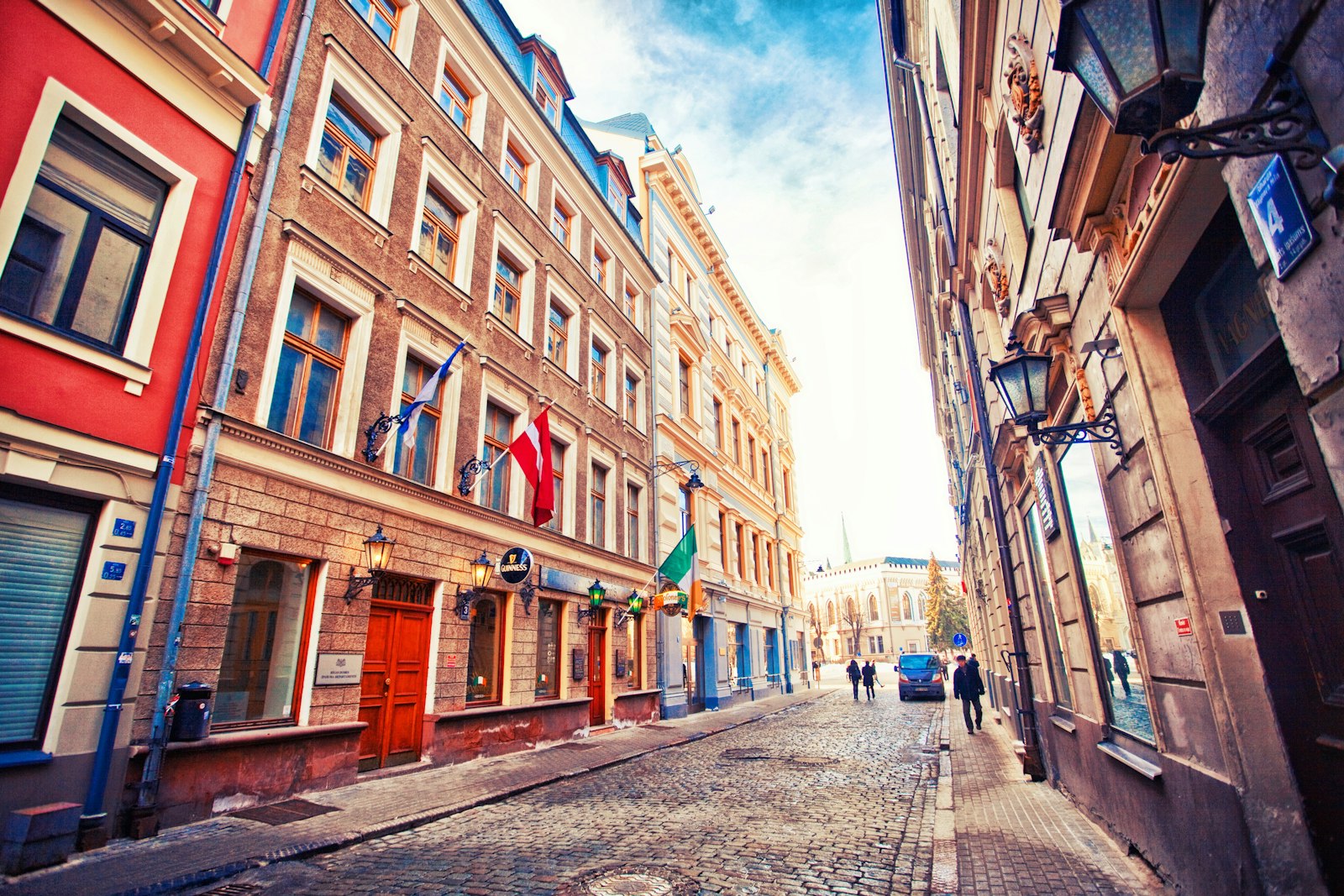
Paris: The Eiffel Tower After Dark, the Louvre on a Late Night
Paris rewards January visitors who flip the usual order: do the outdoor sights by day and save the big museum for the evening. Early sunsets work in your favour here.

The Smart Timing Bundle
Pick the month, book in the right order, pack once
Six printable timing tools for any trip: the Trip Timing Planner, When to Book, When NOT to Go, the Shoulder Season Playbook, the family timing guide and the Packing by Season System.
See the bundle · $37Six products, $100 separately · Digital download · All sales final
Eiffel Tower
The tower opens every day of the year, though it can close for exceptional reasons, so check the official site the morning you go. Book online ahead even in January; the ticket desk queue is still the slowest way up. After dark the tower sparkles for a few minutes on the hour, and because the sun sets early in January, you can catch the lights before dinner instead of waiting up. A cold, clear day gives the longest views from the top. On a foggy one, stay on the ground and enjoy the lights.
The Louvre
According to the Louvre’s official hours page, the museum is closed on Tuesdays and on 1 January, and opens late until 9pm on Wednesdays and Fridays. Last entry is an hour before closing. Those late evenings are your January advantage: after a day outside, you trade the cold for the galleries and keep your daylight hours for the sights that need them. Book a time slot online either way.
If it’s your first visit, our one-day Paris itinerary for first-timers strings the big sights together, and our guide to the lesser-known corners of Paris fills the gaps between them.
Rome: The Colosseum and Vatican Museums on Winter Hours
Rome in January is mild by day and short on daylight, and its two headline sights each have a winter rule that trips people up.
Colosseum: out by 4:30pm
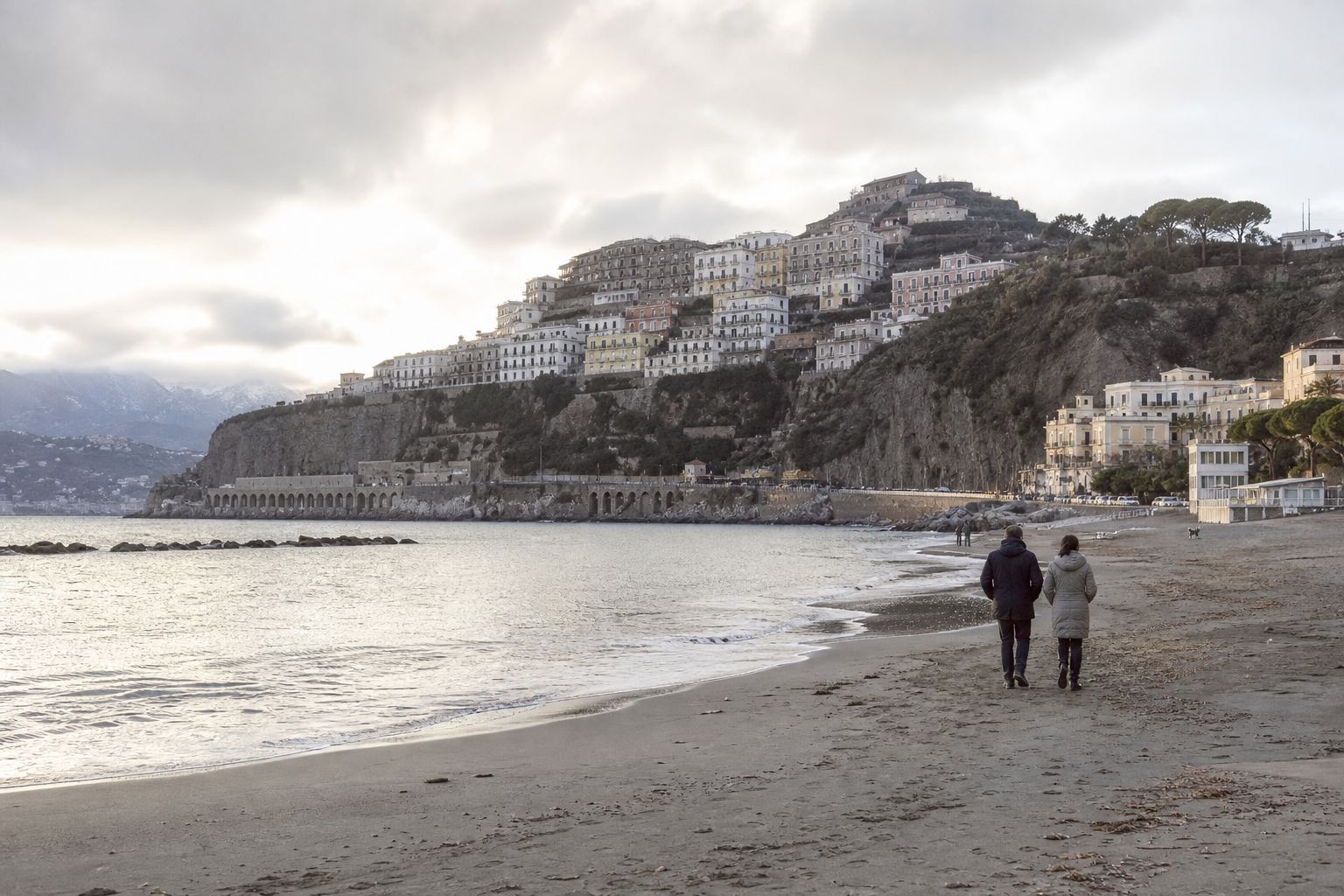
From the last Sunday of October to 15 February, the Colosseum runs on winter hours: 8:30am to 4:30pm, with last admission an hour before closing. It’s closed on 1 January and 25 December. If your ticket also covers the Roman Forum and Palatine Hill, start with the Colosseum in the morning, then walk the Forum while the low winter sun is still on the ruins. Leave it until after lunch and you’ll be rushing the last entry.
Vatican Museums: watch the Sundays and the 6th
The Vatican Museums open Monday to Saturday and close on Sundays, except for the last Sunday of the month, when entry is free for a shorter morning session. That free Sunday is one of the most crowded days of the month, quiet season or not. The museums are also closed on 1 and 6 January. Book a weekday morning slot in the second half of the month and you’ll see the Sistine Chapel at its least hurried.
The Shoulder Season Playbook
January’s quiet weeks are one kind of off-peak window. This playbook shows you how to find the others, the in-between weeks when famous places are open, the weather is fair and the crowds have thinned, and how to book them.
Want a quick answer first? Try the free Shoulder Season Detector.
See the Shoulder Season Playbook · $19 →Digital download · All sales final
Athens: The Acropolis When the Marble Isn’t Baking
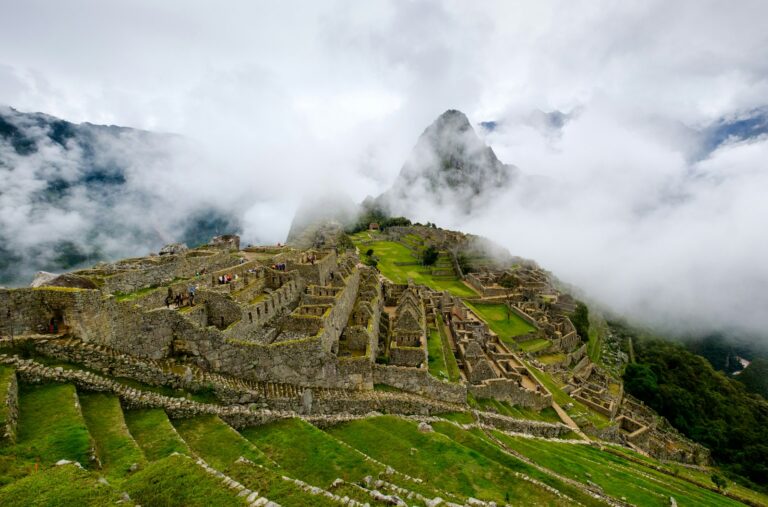
The Acropolis is the landmark that gains most from winter. The climb to the Parthenon is exposed, with little shade, and a 13 °C January day is a far easier walk than a summer afternoon.
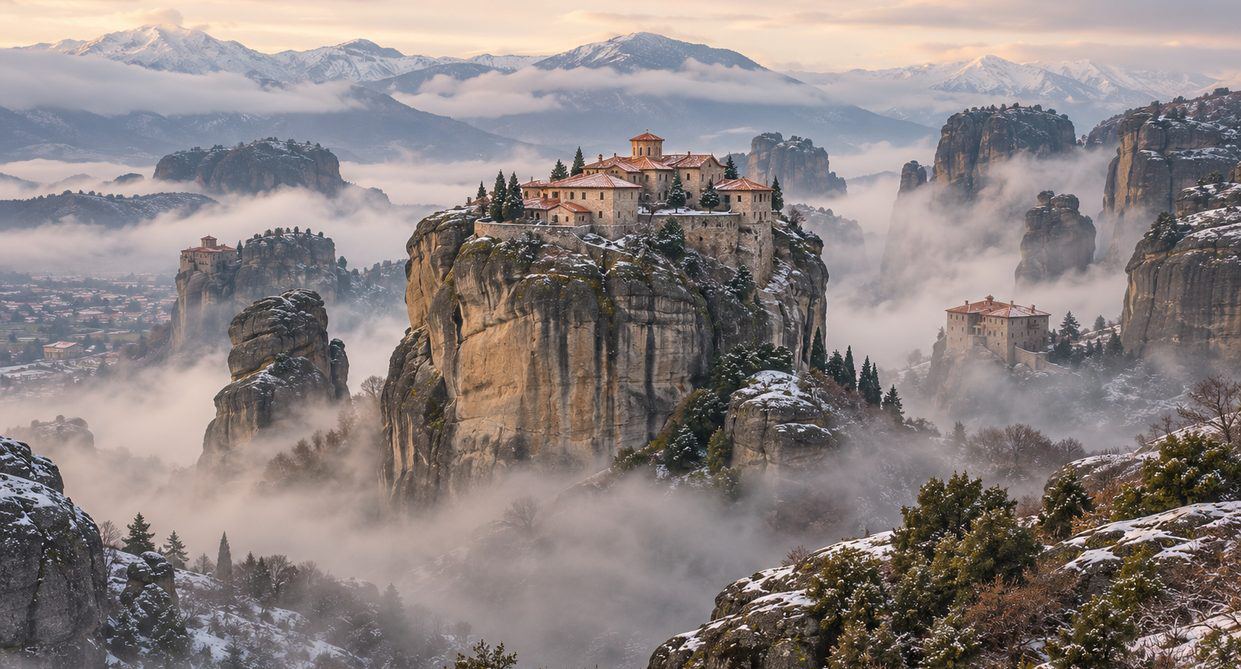
From 1 November to 31 March, the site keeps winter hours of 8am to 5pm, with last admission at 4:30pm. It’s closed on 1 January. Every first Sunday of the month from November to March is free, which makes those Sundays crowded; pick any other day. Online tickets reserve a time, so book the first slot of the morning and you’ll have soft light and room on the rock before the tour groups arrive.
The Acropolis Museum below the hill stays open later on Fridays and at weekends in winter, so you can split the day: the rock in the morning, the museum in the late afternoon once the site has closed.

The complete kit
Every country guide, every timing tool
All 24 When to Go country guides, the six Smart Timing tools and every 12-Month Map, with a Start Here that tells you what to open first.
See the kit · $127The five bundles cost $225 separately · Digital download · All sales final
Spain: Sagrada Família and the Alhambra With Room to Breathe
Spain’s two most-booked monuments are still timed-entry in January, but you’ll find slots far more easily, and southern Spain’s mild days make the walking pleasant.
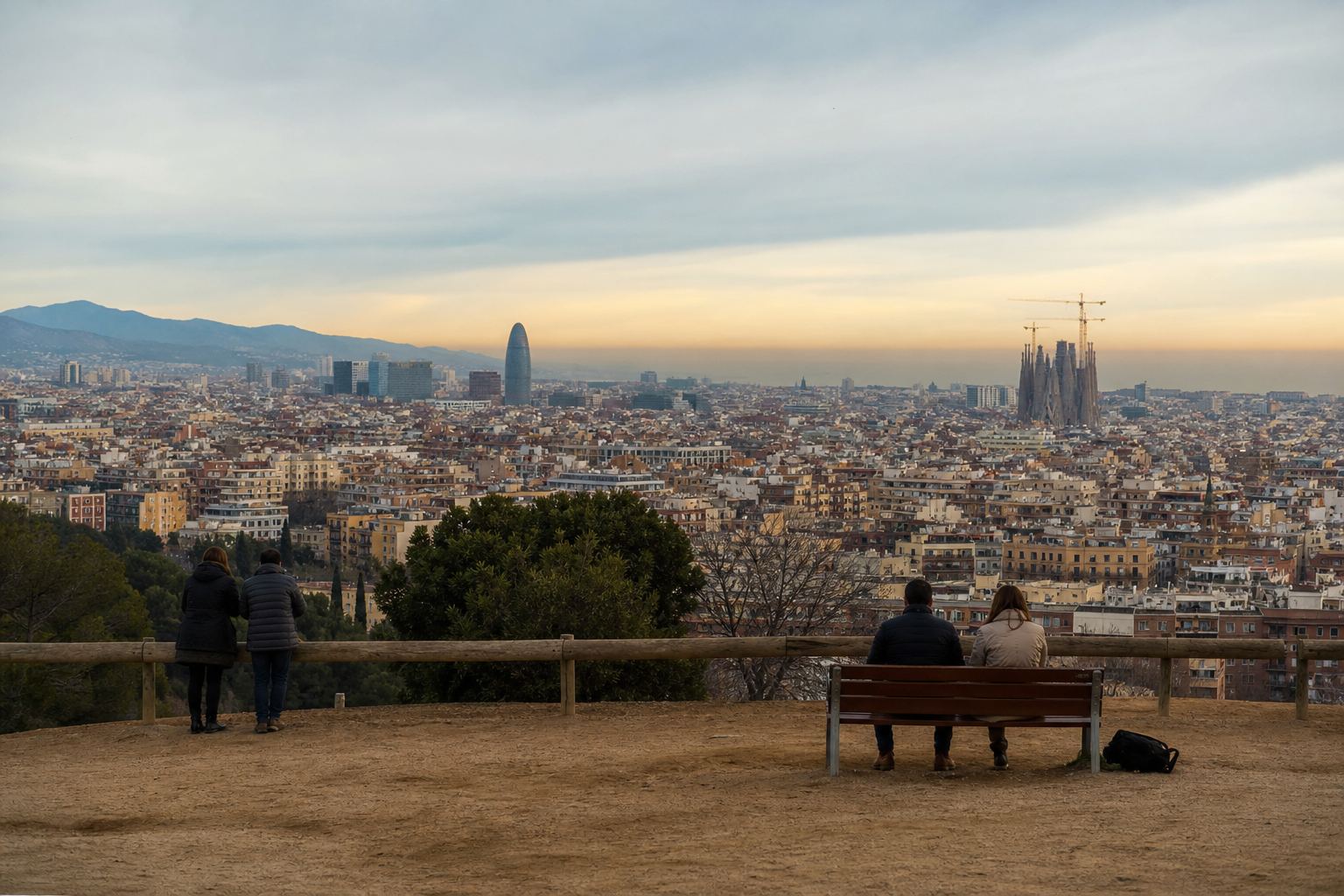
Sagrada Família, Barcelona
From November to February the basilica opens 9am to 6pm Monday to Saturday and 10:30am to 6pm on Sunday. On 1 and 6 January hours are cut to 9am to 2pm. Tickets are sold online only, so there’s no point turning up at the door. On a sunny winter morning, low sun through the stained glass is one of the best reasons to come at opening time.
The Alhambra, Granada
The Alhambra’s official visitor page lists winter daytime hours, from 15 October to 31 March, of 8:30am to 6pm, with night visits to the Nasrid Palaces on Friday and Saturday evenings. It’s closed on 1 January and 25 December. Your Nasrid Palaces entry is fixed to the time printed on your ticket, and you can’t get in if you miss it. Online sales close at midnight the day before. January is when you’re likeliest to find a slot a few days out, but buy as soon as your dates are set.
In January the queue gets shorter, but the clock gets stricter. Plan around the closing time and the quiet is yours.
Neuschwanstein and Venice: Winter Rewards, Winter Rules
These two look their most atmospheric in winter, and both come with conditions you need to plan around.
Neuschwanstein Castle, Bavaria
The castle’s official visitor information gives winter hours, from 16 October to late March, of 10am to 4pm. It’s closed on 1 January and on 24, 25 and 31 December. You can only see the interior on a guided or audio tour of about 30 minutes, at the exact time on your ticket, and tours start punctually, so late arrivals miss out. The Marienbrücke, the bridge with the classic view, may close in bad weather, but the path up to the castle and the tours aren’t affected.
Venice
Venice in January averages about 8 °C by day and around freezing at night, with mist that turns the lagoon silver. Two rules matter. Acqua alta, the high tides that flood low-lying squares, is most likely from autumn to early spring, so pack waterproof boots or be ready to buy over-shoes. And the day-tripper access fee applies only on selected peak days, mainly weekends and holidays in spring and early summer, so a January visit generally falls outside it. Check the city’s calendar for your dates.
If you’re combining a castle with an Alpine city, our three-day Salzburg itinerary works well alongside Bavaria. For something snowier and cosier, see our Scandinavian cabin retreats for January.
Your Plan for European Landmarks in January: Hours, Closures and Best Slots
Here’s everything above in one table to screenshot. Hours change, so confirm on each official site the week you travel.
| Landmark | January hours | Closed or shortened | Best slot |
|---|---|---|---|
| Eiffel Tower, Paris | Open daily | Exceptional closures possible | Clear morning for views; after dark for the lights |
| Louvre, Paris | Late until 9pm Wed and Fri | Tuesdays; 1 January | Wednesday or Friday evening |
| Colosseum, Rome | 8:30am–4:30pm (to 15 Feb) | 1 January | First entry, then the Forum |
| Vatican Museums, Rome | Monday to Saturday | Sundays (except last); 1 and 6 January | Weekday morning, mid to late January |
| Acropolis, Athens | 8am–5pm, last entry 4:30pm | 1 January; free first Sunday is busy | First slot of the day |
| Sagrada Família, Barcelona | 9am–6pm (Sun from 10:30am) | 9am–2pm on 1 and 6 January | Opening time on a sunny day |
| Alhambra, Granada | 8:30am–6pm; night visits Fri and Sat | 1 January | Morning, or a Nasrid night visit |
| Neuschwanstein, Bavaria | 10am–4pm | 1 January (and 24, 25, 31 December) | First tour; arrive early for security |
🗓️ Free: a 12-Month Map for your country
Every month on one page: best weeks, shoulder weeks and the ones to skip. Print it or keep it on your phone.
Morning: the outdoor landmark
Book the first or second slot at the Colosseum, Acropolis or Alhambra. The light is best and you’re nowhere near last entry.
Midday: a long, warm lunch
Eat when the day is at its warmest, ideally near your afternoon stop, so you aren’t crossing the city in the dark later.
Afternoon: the second outdoor sight, or a church
Keep it close by and finish by about 3:30pm, before winter last-entry times start to bite.
Evening: museums and lights
Use late openings (the Louvre on Wednesday and Friday, the Acropolis Museum on Friday and weekends) and see landmarks lit up after dark.
5 Mistakes That Waste a January Landmark Trip
1. Arriving in the first days of January
Between New Year’s Day closures and Epiphany on 6 January, the first week has the fewest open hours and some of the biggest holiday crowds. Start from the second week and the quiet season you came for has actually begun.
2. Using summer hours from an old guidebook
A Colosseum that “closes at 7pm” in a summer blog closes at 4:30pm in January, and last entry is an hour earlier. Always check the winter schedule on the official site, especially for outdoor sites.
3. Skipping booking because “it’s low season”
Fewer visitors doesn’t mean walk-up entry. The Sagrada Família sells online only, the Alhambra’s Nasrid Palaces and Neuschwanstein run fixed time slots, and popular morning slots still go first. Book as soon as your dates are firm.
4. Chasing free-entry days
Free first Sundays at the Acropolis and the free last Sunday at the Vatican Museums save money but bring crowds back, cancelling out the reason you came in January. Pay for a quiet weekday instead.
5. Packing for the daytime high only
A 13 °C afternoon in Rome or Granada can drop to near freezing by evening, and you’ll be standing still in queues and on viewpoints. Bring a warm layer, a hat and shoes that grip on wet stone.
January Landmark Questions Travellers Ask Most
European landmarks in January give you what summer rarely can: space to stand and look. The price is a stricter clock, so skip the first week, book timed slots, do the outdoor sights by mid-afternoon and save the evenings for museums and lights. For more ideas, browse our best travel destinations in January and Europe travel guides, look ahead to Europe in February, or plan the year with our month-by-month travel planner.
Free download
See the whole year before you book
Our free 12-Month Map puts every month for one country on four pages: when the weather works, when the crowds and prices peak, and the weeks to skip.
- 24 countries to choose from
- Region-by-region verdicts
- Printable PDF
Your download page opens as soon as you sign up. 24 countries available.
Compare the whole month
Where to go in January
Every destination rated for January on one page: weather, crowds and price level, with the places to skip.