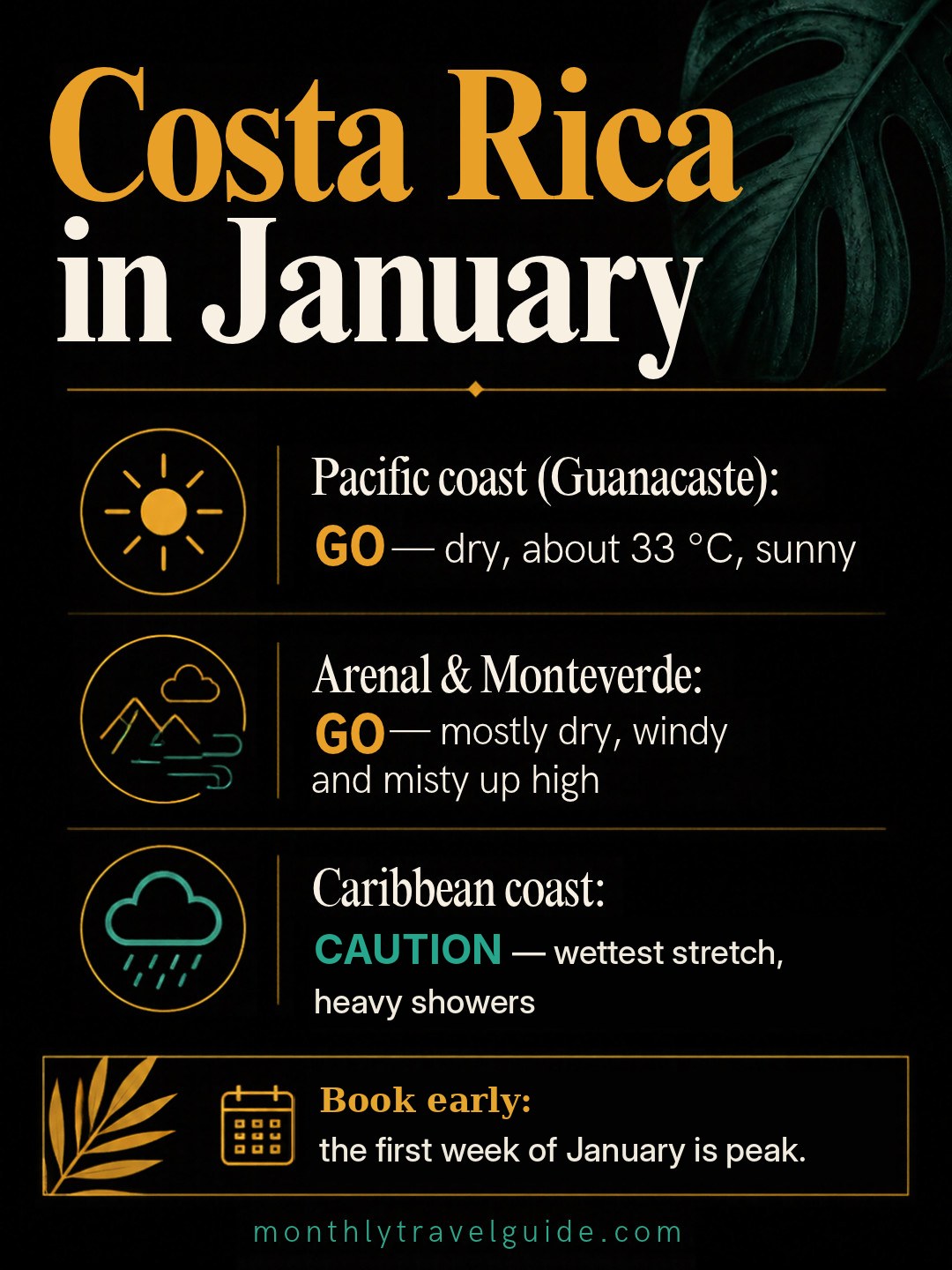
Costa Rica in January is the heart of the dry season on the Pacific side. Guanacaste and the Nicoya Peninsula are hot, sunny and almost rainless, the Central Valley is mild and bright, and the central and south Pacific have dried out after the long wet season. The Caribbean coast and the northern lowlands around Arenal still see frequent showers, and the first week of the month is one of the busiest and most expensive of the year.

Quick answer
Yes, go, especially to the Pacific side. Guanacaste averages about 33 °C with almost no rain, San José about 26 °C and the sea about 28 °C. The Caribbean coast stays showery and Monteverde is windy. Avoid the New Year week if you can, and book early either way.
Key facts
- Dry on the Pacific side: Liberia averages about 33.5 °C by day, close to 0 mm of rain and about ten hours of sun.
- Mild in the Central Valley: San José, at about 1,000 m, averages about 26 °C by day and 18 °C at night.
- Wet on the Caribbean: Limón averages about 320 mm of rain over 17 days, and Sixaola about 245 mm.
- Warm sea on both coasts: about 28 °C at Puntarenas, Quepos and Limón, and about 29 °C in the Golfo Dulce.
- Busiest at New Year: the first half of January is high season, with the holiday week the hardest to book.
Costa Rica in January: Weather, Crowds and Prices by Region
This section is the reference table. Costa Rica has two climates side by side. From about December to April, the Pacific slope and the Central Valley are in their dry season, while the north-east trade winds keep pushing moisture onto the Caribbean coast and the eastern slopes of the mountains.
| Region (station) | Day / night | Rain | Sea | Sun per day | Crowds | Price level |
|---|---|---|---|---|---|---|
| Guanacaste (Liberia) | About 33.5 °C / 21 °C | About 0 mm, 0 days | — | About 10 h | High | High |
| Nicoya Peninsula (Nicoya) | About 34 °C / 22.5 °C | Close to 0 mm, 2 days | About 28 °C | Sunny | High | High |
| Central Valley (San José, 995 m) | About 26 °C / 18 °C | About 15 mm, 2 days | — | About 7 h | Medium | Medium |
| Central Pacific (Quepos, Manuel Antonio) | About 31 °C / 22 °C | About 60 mm, 7 days | About 28 °C | About 7 h | High | High |
| South Pacific (Puerto Jiménez, Osa) | About 32.5 °C / 22 °C | About 55 mm, 12 days | About 29 °C | Variable | Medium | Medium to high |
| Monteverde (about 1,400 m) | About 22 °C / 15 °C | Under 60 mm, windy | — | Variable | High | Medium to high |
| Arenal area (Santa Clara, San Carlos plains) | About 29 °C / 20 °C | About 200 mm, 16 days | — | Variable | High | Medium to high |
| Caribbean north (Limón) | About 29 °C / 21 °C | About 320 mm, 17 days | About 28 °C | About 5 h | Medium | Medium |
| Caribbean south (Sixaola, near Puerto Viejo) | About 29.5 °C / 21 °C | About 245 mm, 19 days | About 28 °C | Variable | Medium | Medium |
| High volcanoes (Irazú, 3,060 m) | About 12.5 °C / 4 °C | About 110 mm, 17 days | — | Variable | Low to medium | — |
🗓️ Free: the 12-Month Map for Costa Rica
Every month on one page: best weeks, shoulder weeks and the ones to skip. Print it or keep it on your phone.
Temperatures, rain, sea and sunshine are long-term January averages from Climates to Travel, rounded. Monteverde has no station in that series, so its figures are typical values reported by local travel sources; Santa Clara is the nearest station to La Fortuna and Arenal. Rain days count any measurable rain, so many are short showers rather than wet days. Near the equator, daylight barely changes: about 11.5 hours all month, with sunset around 17:30. Crowd and price levels are the Monthly Travel Guide editorial team’s ratings, not statistics.
0 mm
average January rain in Liberia
10 h
of sun a day in Guanacaste
28 °C
sea on the Pacific and Caribbean
320 mm
of rain in Limón, the wettest coast
🧰 Try it while you read: a free tool for this trip
Free trip timing tool
Beach Water Temperature Picker
Set the sea temperature you like; see which countries reach it in your month.
Loading the tool…
Region by Region: Where to Go in Costa Rica in January
This section gives each main region a verdict and the details behind it. The rule of thumb: the further west and north-west you go on the Pacific side, the drier January becomes; the closer you get to the Caribbean or to the eastern slopes of the volcanoes, the more often it rains.
Guanacaste and the Nicoya Peninsula
The north-west is the driest corner of the country in January. Liberia averages about 33.5 °C in the afternoon with essentially no rain and about ten hours of sunshine, and Nicoya is a touch hotter. It is the most dependable beach weather of the month, with a sea of about 28 °C. The trade-off is heat and dust, so spend middays in the shade.
The Papagayo wind is the other feature of the season. It is a dry, sometimes strong north-easterly that blows across the north-west in the dry months, cooling the afternoons and drawing kitesurfers to Bahía Salinas. It can also stir up rougher water on north-facing beaches, so check conditions before boat trips and swims.
Central Pacific: Manuel Antonio, Jacó and Uvita
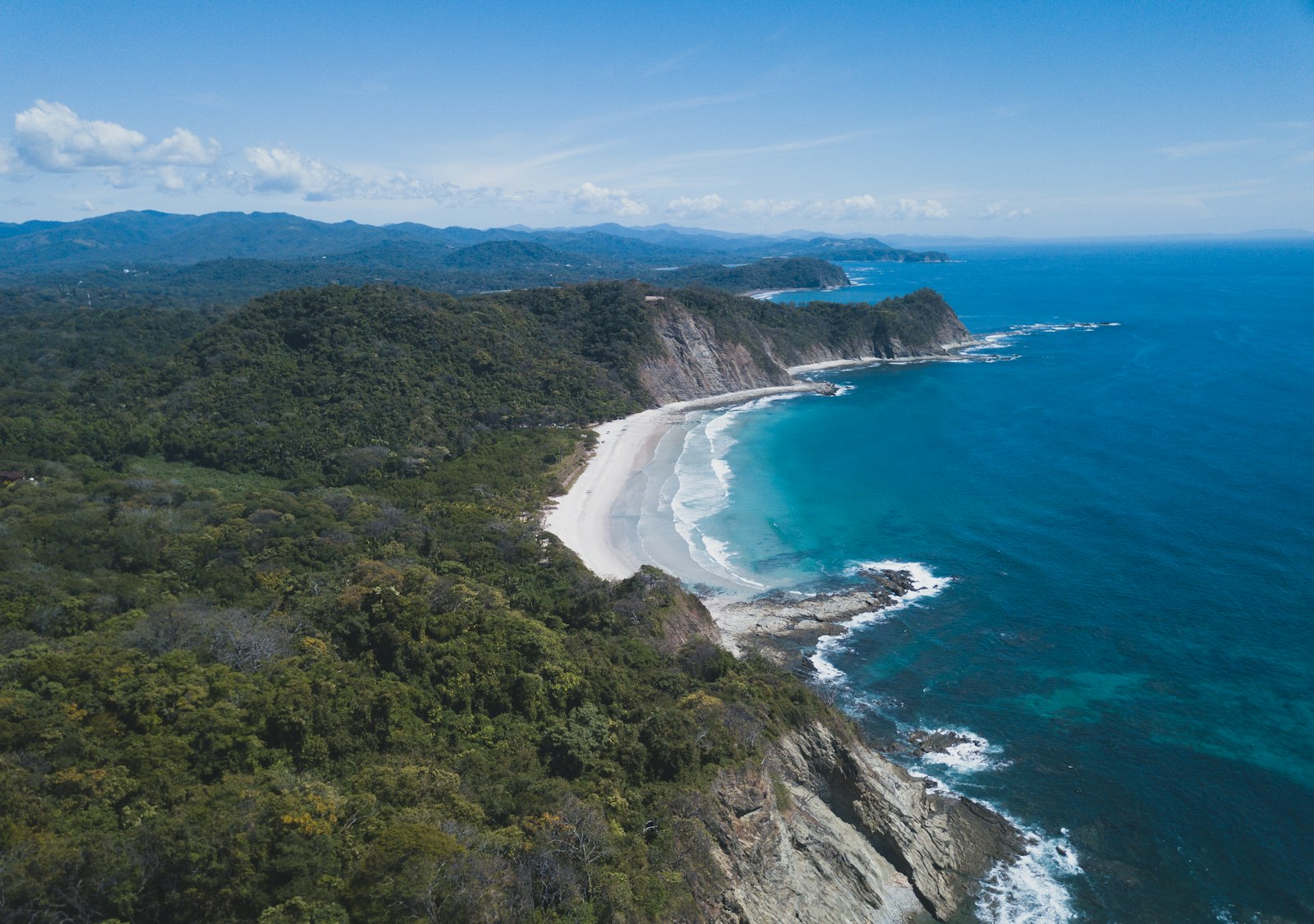
By January the central Pacific has left its wet season behind. Quepos, next to Manuel Antonio, averages about 31 °C with around 60 mm of rain over seven days, usually in short afternoon showers, and the sea is about 28 °C. It is greener than Guanacaste, with rainforest running down to the sand. Manuel Antonio works on timed, pre-booked entry, so reserve park tickets ahead and arrive early, when wildlife is most active and the trails are cooler.

The Smart Timing Bundle
Pick the month, book in the right order, pack once
Six printable timing tools for any trip: the Trip Timing Planner, When to Book, When NOT to Go, the Shoulder Season Playbook, the family timing guide and the Packing by Season System.
See the bundle · $37Six products, $100 separately · Digital download · All sales final
The Central Valley: San José and the coffee hills
The Central Valley has some of the most comfortable weather in the country in January. San José, at about 1,000 m, averages about 26 °C by day and 18 °C at night, with only about two rainy days. Visit the Poás crater early, before clouds build. Irazú, at about 3,060 m, is near 4 °C at night.
Monteverde and the cloud forest
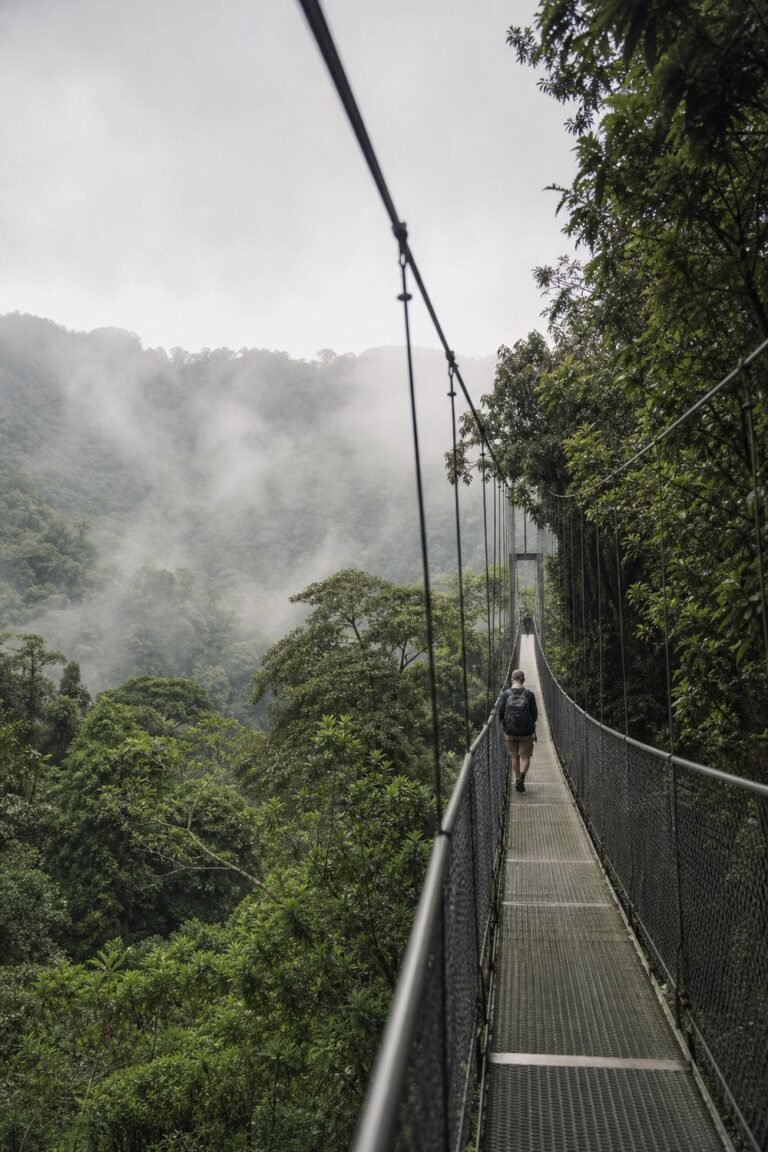
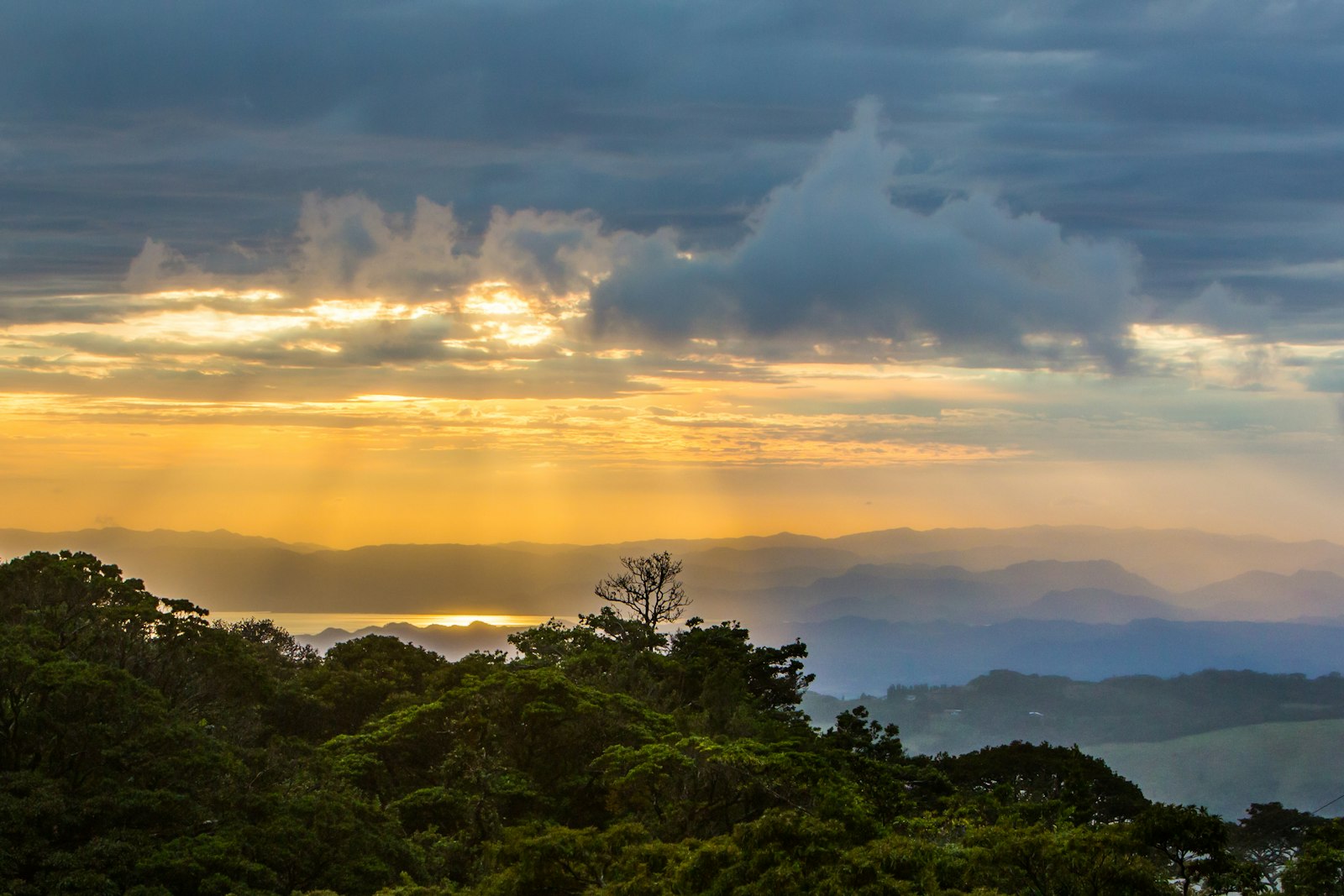
Monteverde sits on the continental divide at about 1,400 m, so it is far cooler than the coasts: afternoons are about 22 °C and nights about 15 °C. January is one of its drier months, but the dry season also brings the strongest trade winds. Gusts can pause canopy activities, and mist often drifts over the ridge even on sunny days. Pack a light rain jacket and a fleece.
Plan the other eleven months
When to Go: Costa Rica
January suits the Pacific side, but Costa Rica’s seasons pull in different directions: the Caribbean is often driest when the Pacific is at its wettest, turtle and whale seasons move through the calendar, and holiday weeks fill the coasts. When to Go: Costa Rica rates every month for each region, with rain, sea, crowd and price seasons, wildlife timing and the dates to avoid.
See When to Go: Costa RicaDigital download · All sales final
Arenal and La Fortuna
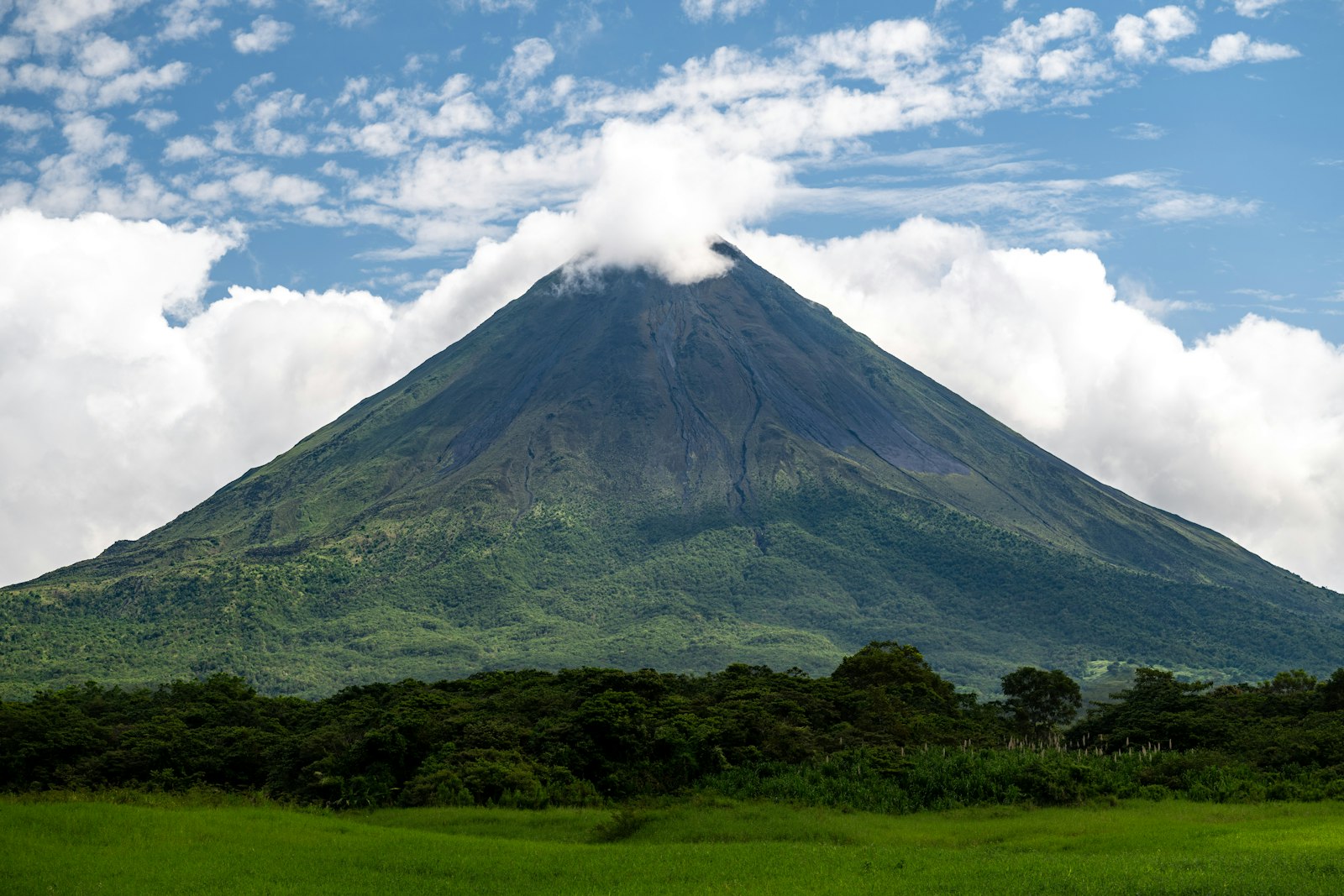
Arenal sits on the Caribbean-facing side of the mountains, so it does not share the Pacific dry season. Santa Clara, the nearest long-term station on the San Carlos plains, averages about 200 mm of rain over 16 days in January, usually as passing showers rather than all-day rain. Give the area two nights for a clear view of the cone.
The Osa Peninsula and Corcovado
The south Pacific is the last part of the Pacific side to dry out, and January is when it usually does. Puerto Jiménez averages about 55 mm over twelve days, far less than in the autumn, so trails in Corcovado are firmer and river crossings easier. Entry to Corcovado requires a licensed guide and pre-booked permits, and the ranger station lodges hold limited places, so book well ahead for high season. The Golfo Dulce has the warmest sea in the country, at about 29 °C.
The Caribbean coast: Tortuguero, Cahuita and Puerto Viejo
The Caribbean runs on its own calendar. Limón averages about 320 mm of rain over 17 days in January and Sixaola, near Puerto Viejo, about 245 mm over 19, with about five hours of sun a day. Rain usually comes in bursts, with dry spells in between, and the coast is quieter than the Pacific. Tortuguero’s green turtle nesting season runs from about July to October; read our guide to Tortuguero turtle season for the full calendar. On this coast, September and October are usually the driest months.
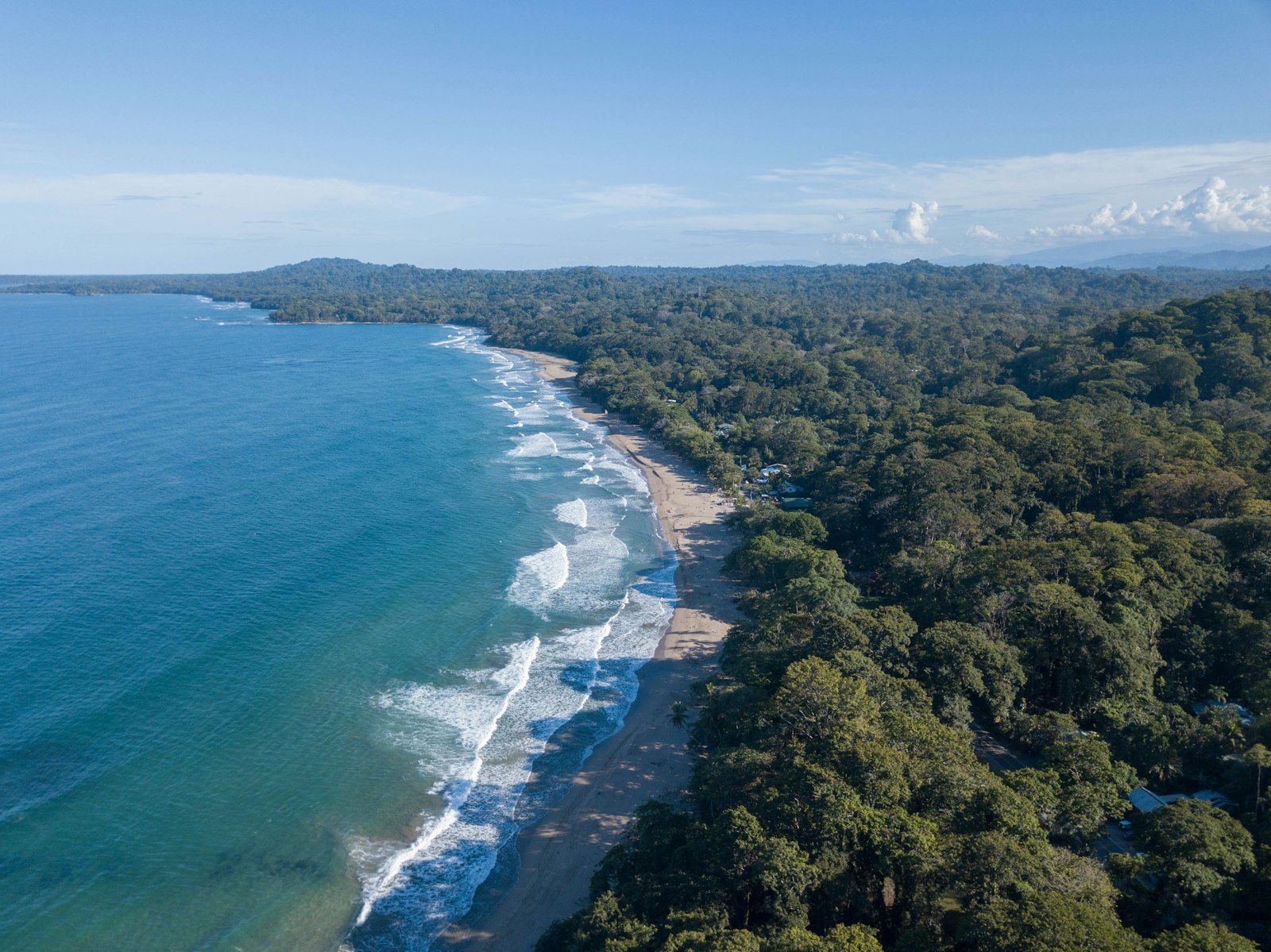
January Dates: New Year, School Holidays and Local Fiestas
This section shows how the month usually runs, because the week you travel matters as much as the region.
| Dates | What happens | Crowds | Price level |
|---|---|---|---|
| About 26 December to 4 January | Christmas and New Year week; beach hotels, rental cars and domestic flights at their fullest | Very high | Highest of the year |
| 1 January | New Year’s Day, a public holiday | Very high | High |
| About 5 to 15 January | Still high season; local school holidays | High | High |
| Usually mid to late January | Fiestas de Palmares, about twelve days of concerts, a horse parade and fairground events west of San José | High in Palmares | Medium |
| Usually mid-January | Fiestas de Santa Cruz in Guanacaste: horse parades, folk music and bull events | High in Santa Cruz | Medium |
| About 16 to 31 January | Usually calmer than the holiday weeks, still dry-season demand | Medium to high | Medium to high |
Costa Rican schools are on their long break in January, so beaches within reach of San José fill with families at weekends. Palmares, in Alajuela province, hosts the biggest event of the month. Both fiestas fix their dates each season, so check them for your year.
⚑ Timing tip
For the best mix of dry weather and availability, travel between about the second and the last week of January. If your dates include the New Year week, book beach hotels three to four months ahead and lock in rental cars and domestic flights first, as they are the first things to sell out.
For the month before, read Costa Rica in December, and to compare other places this winter, see where to go in January and where to go in February.
Wildlife in January: Whales, Turtles and Birds
This section is the short wildlife calendar. Dry trails on the Pacific side make animals easier to spot in January.

The complete kit
Every country guide, every timing tool
All 24 When to Go country guides, the six Smart Timing tools and every 12-Month Map, with a Start Here that tells you what to open first.
See the kit · $127The five bundles cost $225 separately · Digital download · All sales final
What you can usually see in January
- ✓Humpback whales from the north off Uvita, Marino Ballena and the Osa, from about late December to April
- ✓Leatherback turtles nesting at Playa Grande in Las Baulas National Park, in a season that typically runs from October to March
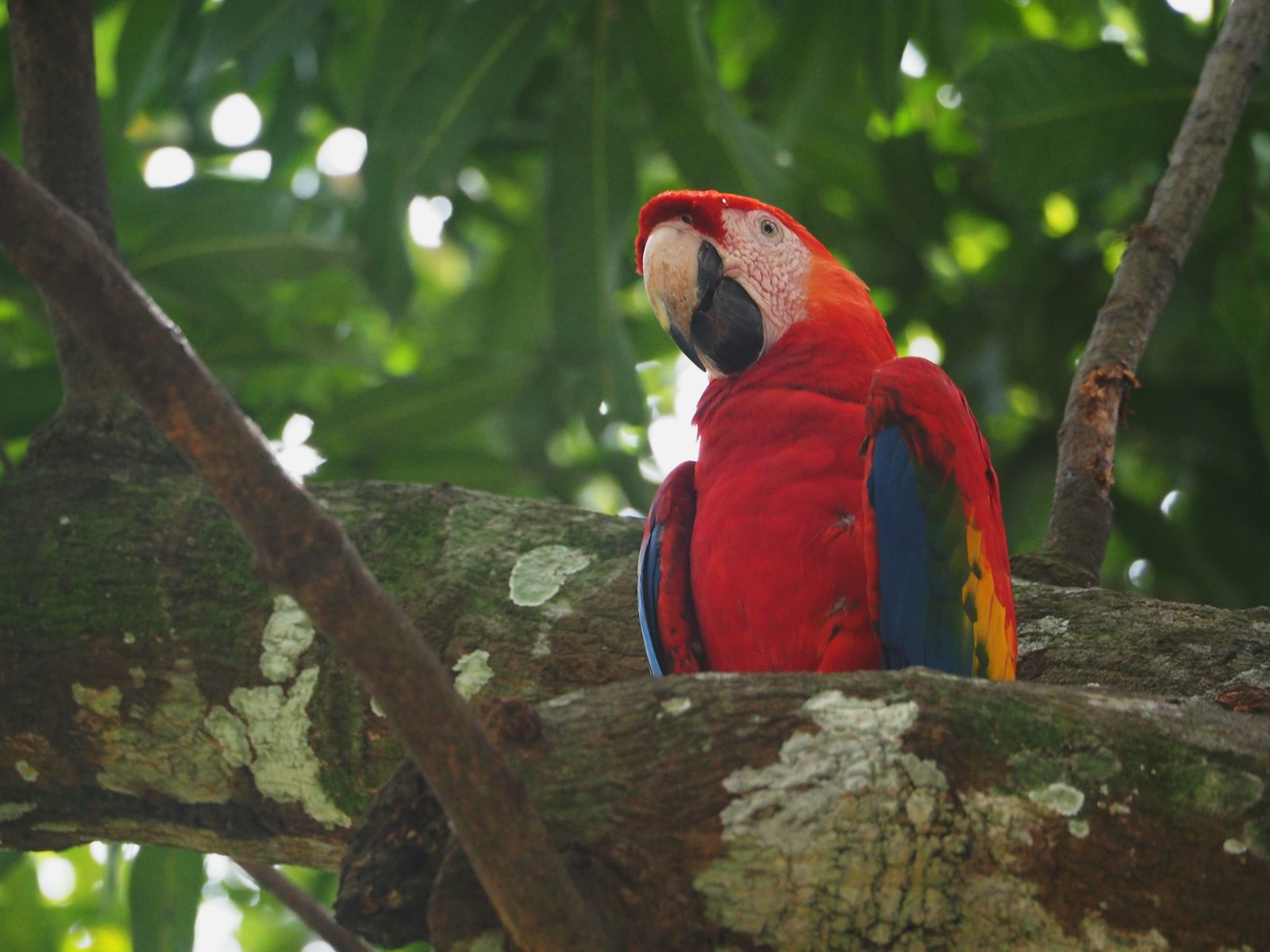
- ✓Scarlet macaws, monkeys and sloths in Corcovado, Manuel Antonio and Carara
- ✓Hummingbirds, tanagers and, with a good guide and some luck, quetzals in the highland cloud forests
- ✓Migratory birds from North America wintering across the country
Leatherback numbers at Playa Grande are low, so sightings on guided night tours are never certain.
Who Costa Rica in January Suits, and When Not to Go
This section is the honest one. January suits travellers who want sunshine and will book early and pay high-season rates:
Costa Rica in January is a good fit for
- ✓Beach holidays in Guanacaste, Nicoya and the central Pacific
- ✓Wildlife trips to Corcovado, Manuel Antonio and the cloud forest
- ✓Families on a northern winter break who can book early
- ✓Whale watching off the south Pacific coast
- ✓Road trips that combine the coast, the volcanoes and the highlands
A last-minute, low-cost trip
January is high season; the holiday week is the most expensive of the year.
Quiet beaches
The Pacific coast is at its busiest, with local school holidays on top.
Dry days on the Caribbean
Limón and Puerto Viejo average 17 to 19 rain days.
Green turtle nesting at Tortuguero
That season runs from about July to October.
Better month if you want…
Lower prices and fewer people
About May, or September to November inland
The sunniest Caribbean
Often September and October
Green turtles at Tortuguero
About July to October
Southern humpback whales
About August to October
Lush green Pacific views
About May to July
The driest Guanacaste
January to March
Comparing winter sun in the region? See Mexico in January or Hawaii in January.
Free download
The free 12-Month Map
See the best and the hardest months for a destination on one page: rain, heat, crowds and prices, month by month, so you can check January against the rest of the year before you book.
Get the free 12-Month MapWhat to Pack for Costa Rica in January
This section is the short list. Pack for strong sun on the coast, cool air in the highlands and showers on the Caribbean side and around Arenal.
Pack and book for Costa Rica in January
- ✓Reef-safe sunscreen, a sun hat and light long sleeves for Guanacaste
- ✓A fleece and a light rain jacket for Monteverde, Arenal and the volcano summits
- ✓Quick-dry clothes and walking shoes or sandals with grip for wet trails
- ✓Insect repellent for the Caribbean, Osa and evening walks
- ✓A warm layer for the Irazú and Poás craters in the early morning
- ✓Beach hotels, rental cars and Corcovado guides booked months ahead
Common Mistakes With a January Costa Rica Trip
1. Assuming the whole country is dry
The dry season covers the Pacific slope and the Central Valley. The Caribbean and Arenal keep getting showers, so plan them for nature and atmosphere rather than for sunbathing.
2. Booking the New Year week at the last minute
From about 26 December to 4 January, beach hotels, rental cars and domestic flights are at their fullest and their highest prices. If you cannot move your dates, book three to four months ahead, and expect minimum stays at many beach hotels.
3. Underestimating the drive times
Mountain roads are slow. Allow most of a day between Arenal and Monteverde or between Guanacaste and Manuel Antonio, avoid driving after dark, which falls around 17:30,.
4. Ignoring rip currents and the Papagayo wind
The UK travel advice notes that rip currents are very common and that many beaches have no lifeguards. Swim at patrolled beaches, ask locally about currents, and take extra care on windy days in the north-west.
Costa Rica in January: FAQ
Is January a good time to visit Costa Rica?
Yes, for most travellers. It is the heart of the dry season on the Pacific side, with hot, sunny days in Guanacaste, mild weather in San José and calmer trails in Corcovado. The Caribbean coast and Arenal still get frequent showers. The catch is demand: January is high season, and the New Year week is the busiest and most expensive time of the year.
Does it rain in Costa Rica in January?
It depends on the side of the country. Liberia, in Guanacaste, averages close to zero rain in January and San José only about two rainy days. The central and south Pacific get a few short showers. The Caribbean coast is wet, with about 320 mm over 17 days in Limón, and the Arenal area also sees regular passing showers.
How hot is Costa Rica in January?
On the Pacific coast, afternoons average about 31 to 34 °C, with nights near 21 to 22 °C, and the sea is about 28 °C. The Central Valley is milder at about 26 °C by day and 18 °C at night. Monteverde averages about 22 °C by day and 15 °C at night, and the high volcano summits can drop close to freezing.
Which coast is better in January, Pacific or Caribbean?
The Pacific, for most travellers. Guanacaste and the Nicoya Peninsula are at their driest and sunniest, and the central Pacific has settled into the dry season. The Caribbean coast stays showery and humid in January, though it is quieter and often cheaper. Travellers who want the Caribbean at its sunniest often prefer September and October, when the Pacific is wettest.
Is January expensive in Costa Rica?
Yes, it is one of the most expensive months. The days around New Year are the peak of the year for beach hotels, rental cars and domestic flights, and many hotels set minimum stays. Prices usually ease a little after the first week, but demand stays high all month. Booking three to four months ahead gives the widest choice.
Can you see whales or turtles in Costa Rica in January?
Yes, with some planning. Humpback whales from the northern hemisphere are usually seen off Uvita, Marino Ballena and the Osa Peninsula from about late December to April. Leatherback turtles nest at Playa Grande in Guanacaste in a season that typically runs from October to March, though numbers are low. Green turtle nesting at Tortuguero is a summer and autumn event.
Is Monteverde worth visiting in January?
Yes, if you pack for wind and cool air. January is one of Monteverde’s drier months, with afternoons of about 22 °C and nights near 15 °C, but the dry-season trade winds are strong on the ridge and mist often drifts through the forest. Some canopy activities pause in strong gusts, so plan two nights and keep one morning free.
The Bottom Line
Costa Rica in January delivers the classic dry-season trip: hot, sunny beaches in Guanacaste and Nicoya, a settled central Pacific, mild days in the Central Valley and the start of the best season in Corcovado. The Caribbean coast and Arenal remain showery, and Monteverde is windy. Your next step is to decide whether you can avoid the New Year week, then book beach hotels, rental cars and park permits first and build the route around the dry Pacific side.
Country guide
Time your whole Costa Rica trip
When to Go: Costa Rica covers all twelve months for the Pacific beaches, the Central Valley, the cloud forest, Arenal, the Osa and the Caribbean, with rain and sea seasons, whale and turtle timing, holiday weeks and the dates to avoid, so every stop on your route lands in its best season.
Digital download · All sales final
Free download
See the whole year before you book
Our free 12-Month Map puts every month for one country on four pages: when the weather works, when the crowds and prices peak, and the weeks to skip.
- 24 countries to choose from
- Region-by-region verdicts
- Printable PDF
Your download page opens as soon as you sign up. 24 countries available.