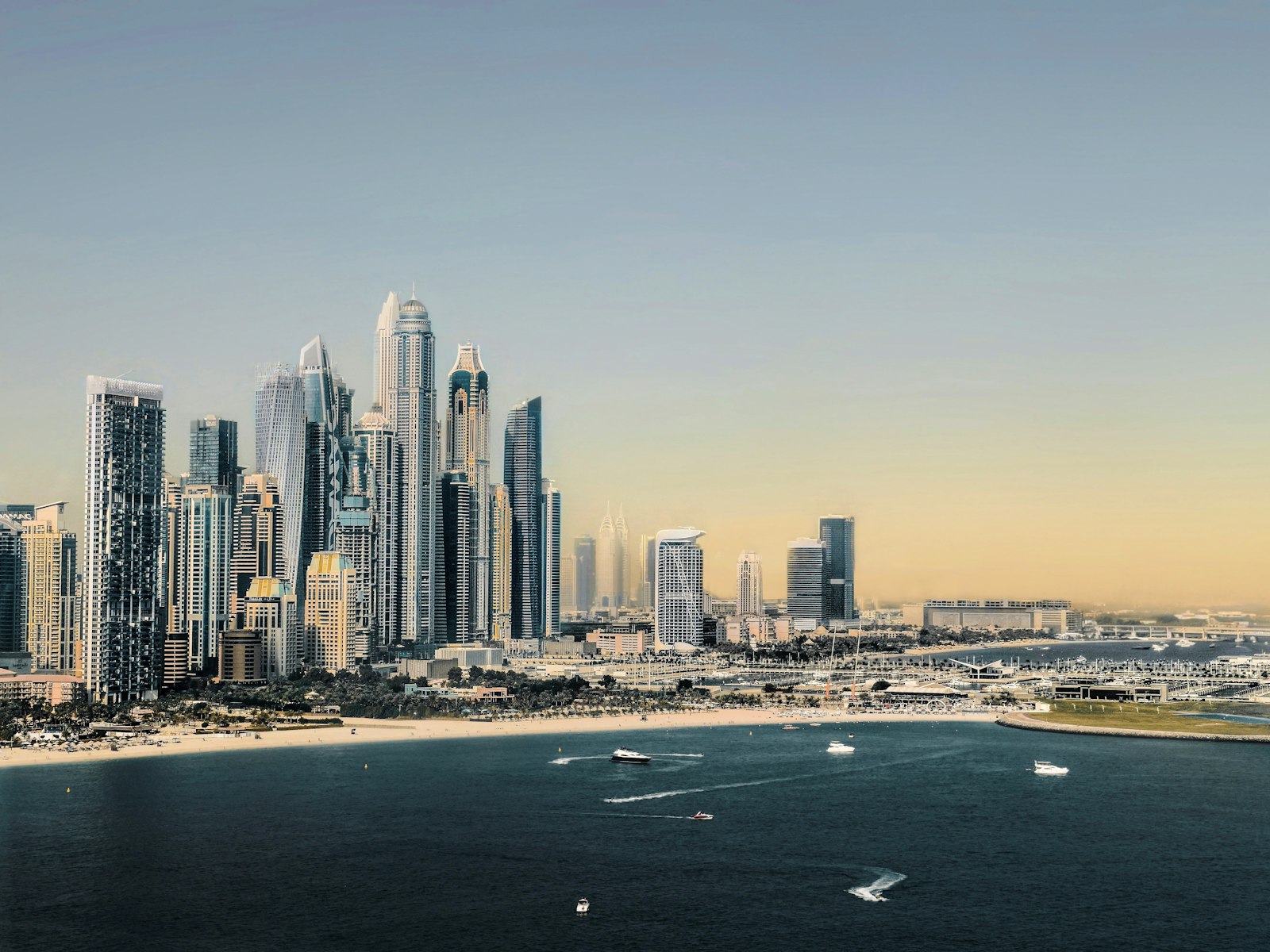
Dubai in January is the coolest, brightest stretch of the year: warm, dry afternoons around 24 °C, about eight hours of sun a day and evenings mild enough to eat outside. It is the one month when walking the Creek, hiking in the Hajar Mountains and sitting by a desert fire all feel natural. The trade-offs are a sea that some swimmers find cool, the odd grey or windy day, and high-season prices that peak around New Year. Pick the right week and pack one warm layer, and January is close to the best month of the year for Dubai.

Quick answer
Yes, go. Dubai in January averages about 24 °C by day and 15 °C at night, with around three rain days and eight hours of sun. The sea is about 23 °C, fine for a swim but not warm. Skip the New Year week if you want lower prices, and pack a layer for desert nights.
Key facts
- Warm, not hot: Dubai averages about 24 °C by day and 15 °C at night, the coolest month of the year.
- Dry and bright: about 20 mm of rain over roughly three days, and around eight hours of sunshine a day.
- A cool-ish sea: about 23 °C off Dubai and 22 °C off Abu Dhabi, a little warmer at about 24 °C off Fujairah on the east coast.
- Cold nights inland: the desert and the mountains are far colder than the coast after dark, so take a warm layer on any safari.
- Peak season: the Dubai Shopping Festival usually runs from early December to about mid-January, and the New Year week is the busiest of the winter.
Dubai in January: Weather, Sea and Sun by Place
This section is the reference table. The UAE is small, but January weather differs more than you might expect between the Gulf coast, the Gulf of Oman coast, the inland oases and the mountains. Read across for the place you plan to sleep.
| Place | Day / night | Rain | Sea | Sun per day | Crowds | Price level |
|---|---|---|---|---|---|---|
| Dubai (coast) | About 24 °C / 15 °C | About 3 days, 20 mm | About 23 °C | About 8 h | High | High, highest at New Year |
| Abu Dhabi | About 24.5 °C / 14 °C | About 3 days, 10 mm | About 22 °C | About 8 h | Medium to high | Medium to high |
| Al Ain (inland oasis, 265 m) | About 25 °C / 13 °C | About 3 days, 15 mm | — | About 9 h | Medium | Medium |
| Ras Al Khaimah (coast) | About 25 °C / 12 °C | About 4 days, 30 mm | — | About 8 h | Medium | Medium |
| Fujairah (east coast) | About 25 °C / 17 °C | About 4 days, 20 mm | About 24 °C | About 8 h | Medium | Medium |
| Hatta and the Hajar Mountains | Cooler than the coast | Occasional showers | — | Mostly sunny | Busy at weekends | Medium |
🗓️ Free: the 12-Month Map for Dubai & the UAE
Every month on one page: best weeks, shoulder weeks and the ones to skip. Print it or keep it on your phone.
Temperatures, rain and sea readings are long-term January averages from Climates to Travel, rounded; sunshine is its national figure of about eight hours a day, with Al Ain a little sunnier. There is no published station for Hatta, so that row is descriptive. Daylight lasts about 11 hours, with sunrise around 7:00 and sunset around 17:45. Crowd and price levels are the Monthly Travel Guide editorial team’s ratings, not statistics.
24 °C
average high in Dubai
23 °C
sea off Dubai
3 days
of rain in a typical January
8 h
of sunshine a day
🧰 Try it while you read: a free tool for this trip
Free trip timing tool
Best Month Finder
Pick a country and your priorities; get the three months that suit you best.
Loading the tool…
Beaches and Sea Temperature: Can You Swim in January?
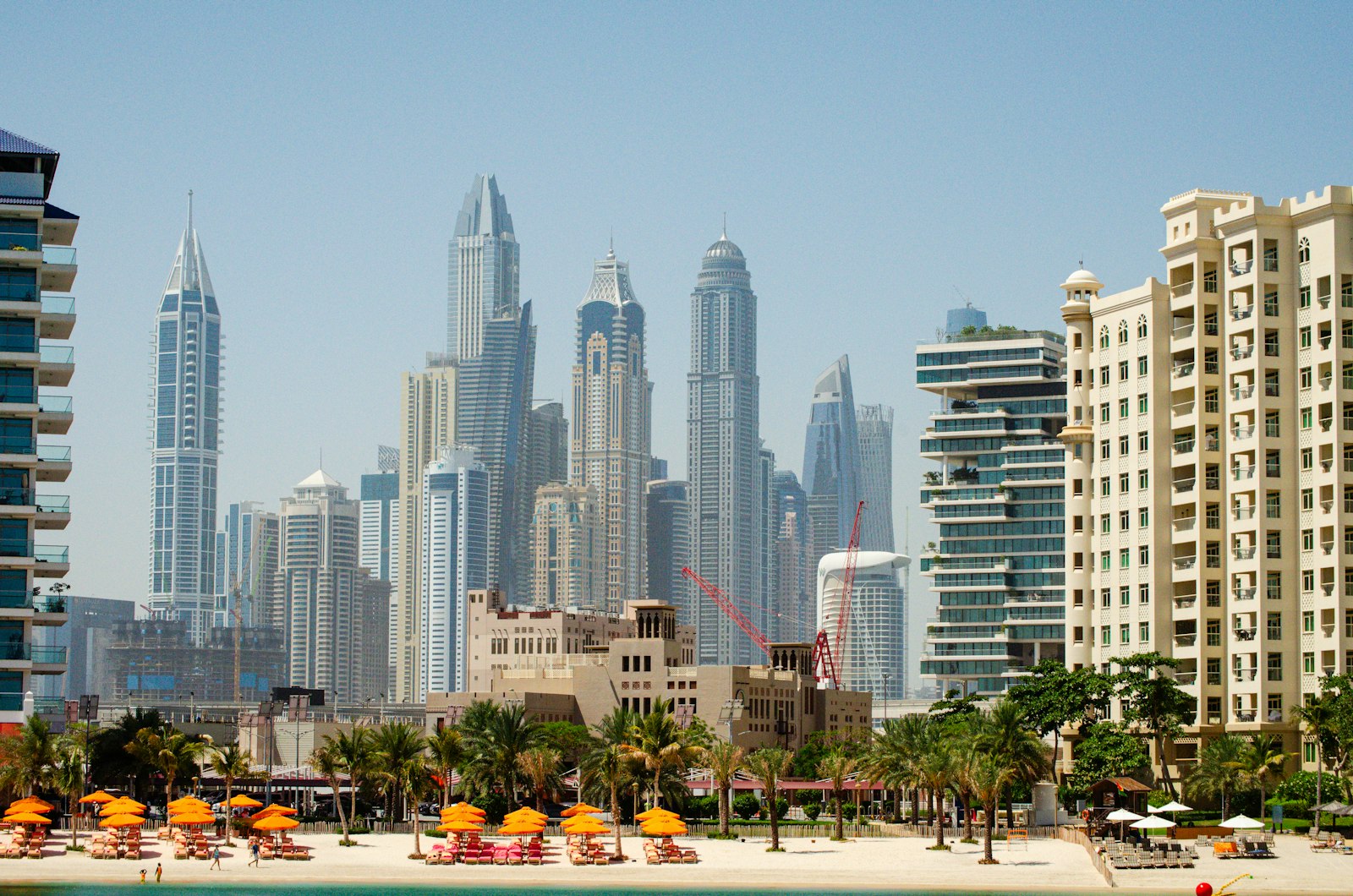
This section answers the question most beach-minded travellers ask. Yes, you can swim, and many people do, but the water is at its coolest of the year. At about 23 °C off Dubai, Climates to Travel describes the sea as barely acceptable for swimming, and Dubai Online notes that some visitors find it cool. Strong swimmers and anyone from northern Europe will usually be happy; people used to Thai or Caribbean water may only paddle.
Sand temperature is the January bonus: you can lie out at midday without the burning ground and glare of summer. Most beach hotels heat their pools in winter, and a heated pool beside a cool sea is a common way to spend the afternoon.
If warm water matters most, look east. Fujairah and Dibba, on the Gulf of Oman about two hours’ drive from Dubai, average a sea near 24 °C and slightly warmer nights, with mountains running down to the shore. It is also where most snorkelling and diving trips from Dubai head.
⚑ Good to know
A shamal, the north-westerly wind of the Gulf, can blow for a day or several, raising waves and sand and making beach days feel cool. Lifeguarded beaches fly flags when the sea is rough, so check them before you swim and keep a pool day in reserve.
Desert Nights and Safaris in January
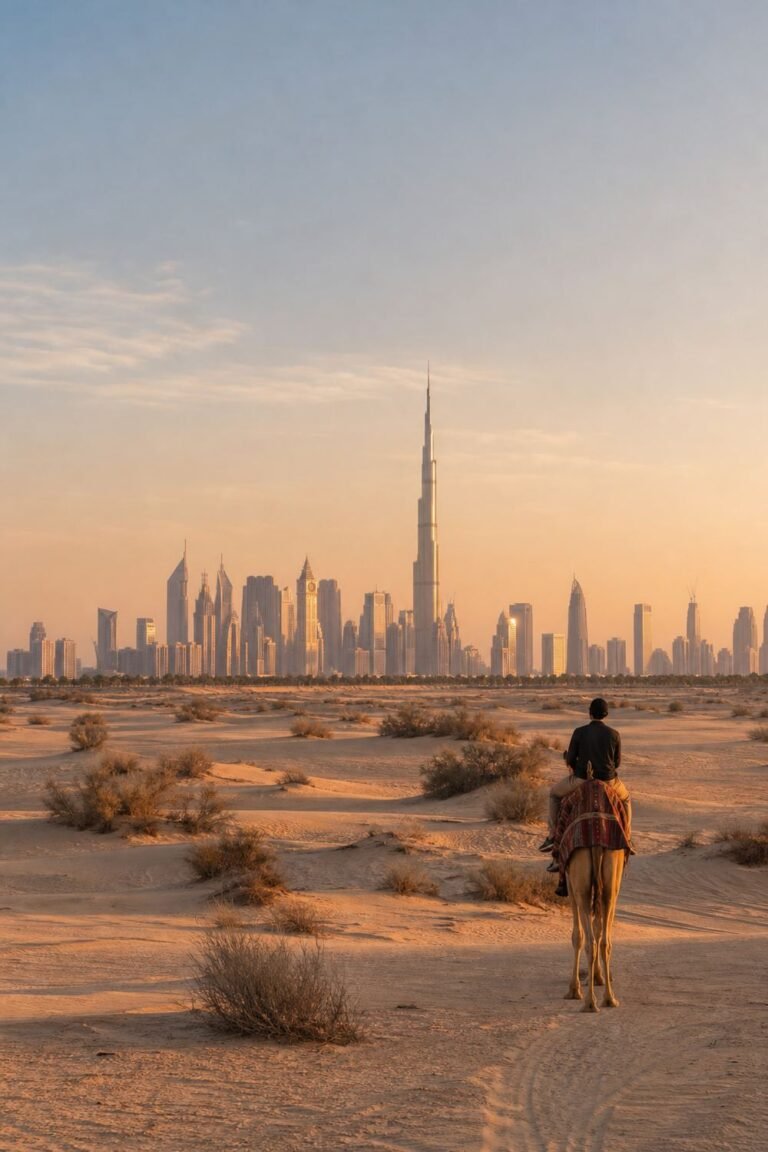
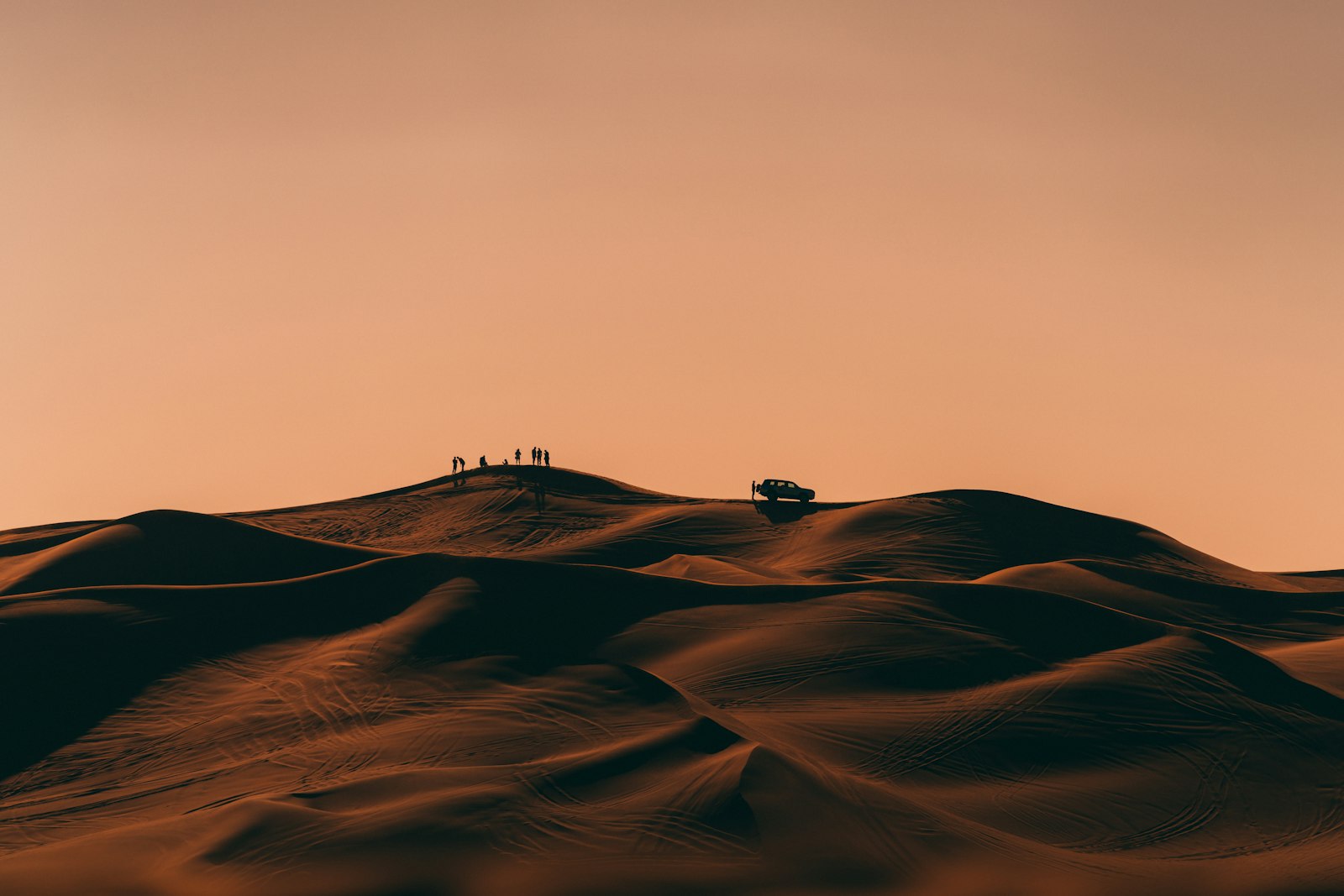
This section covers the classic Dubai excursion at its best time of year. January afternoons in the dunes are pleasant rather than punishing, which makes dune drives, sandboarding, camel rides and sunset walks comfortable. The catch comes after dark.

The Smart Timing Bundle
Pick the month, book in the right order, pack once
Six printable timing tools for any trip: the Trip Timing Planner, When to Book, When NOT to Go, the Shoulder Season Playbook, the family timing guide and the Packing by Season System.
See the bundle · $37Six products, $100 separately · Digital download · All sales final
Dry desert air loses heat fast once the sun sets. Al Ain, inland, averages a January low of about 13 °C, and during cool northerly spells nights across the country can drop to about 10 to 12 °C, according to Climates to Travel. Open dunes away from the city can feel colder still, and the National Center of Meteorology’s records show inland desert stations have dipped below freezing on the coldest winter nights.
In practice that means a long-sleeved top and a fleece for an evening safari, and proper warm layers if you book an overnight camp. Ask whether blankets or heaters are provided. Morning safaris are the alternative: cool, soft light and less wind, and you are back in the city for lunch.
⚑ Timing tip
Book the sunset slot. With sunset around 17:45 in January, a safari that leaves the city in mid-afternoon gives you the dunes in warm light and a dinner camp by dark, without the pre-dawn start of a sunrise trip.
The Outdoor Season: Parks, Hatta and the Hajar Mountains
This section covers the activities that only make sense in the cool months. January is the heart of the UAE’s outdoor season: walking trails, open-air markets and mountain resorts that scale back in summer run at full speed now.
In the city
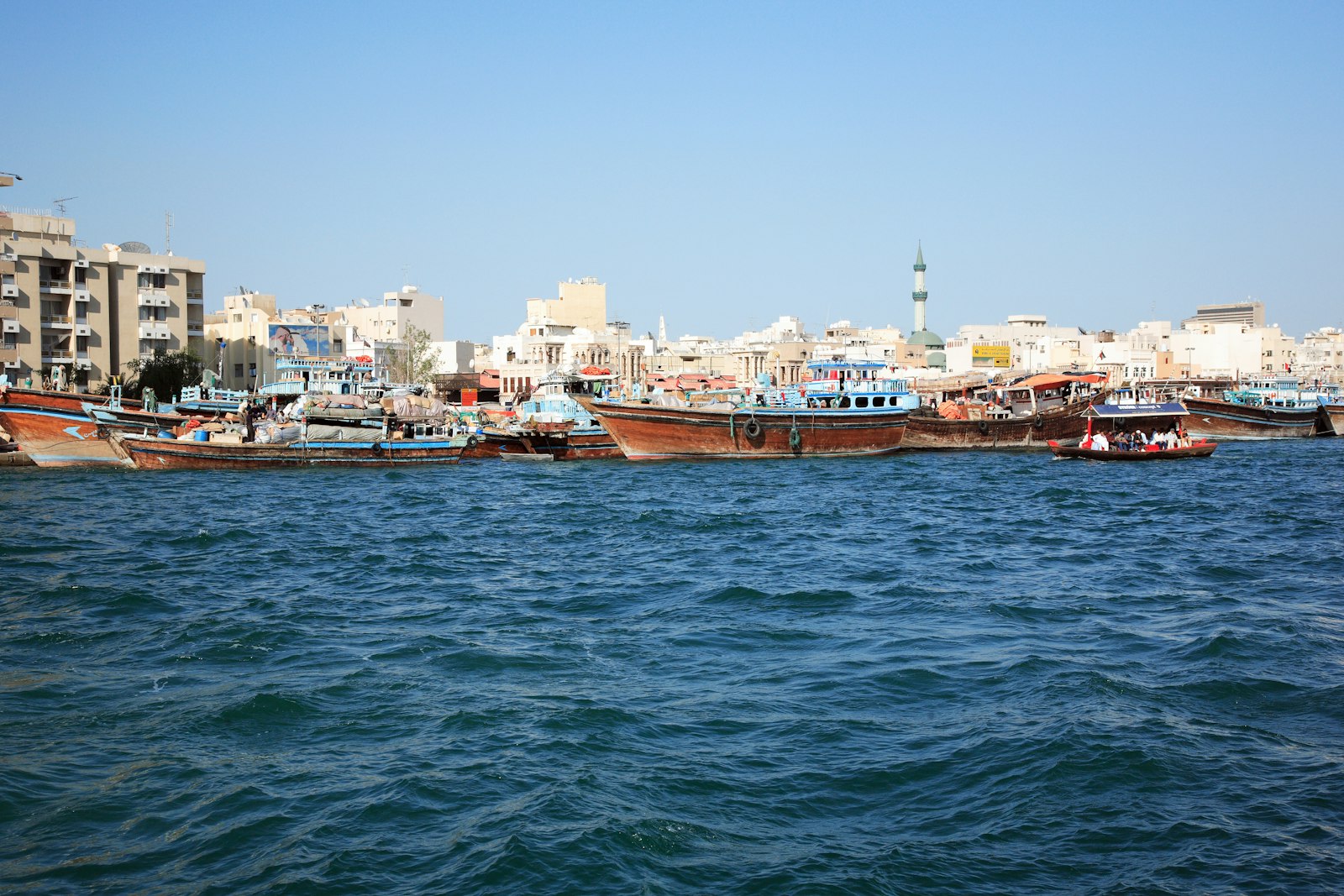
Old Dubai is at its best on foot. Walk the lanes of Al Fahidi, cross the Creek on an abra and wander the souks of Deira in the late afternoon, when the light softens. Outdoor spaces such as Expo City Dubai, the waterfront promenades and the big city parks are comfortable all day. Global Village, the seasonal open-air cultural fair, usually runs from about October to April, and January evenings suit it well.
Hatta
Hatta, Dubai’s mountain enclave on the Oman border, is the easiest escape from the city. The National puts it about 130 km south-east of Dubai, roughly 90 minutes by car. You can kayak on the turquoise Hatta Dam, ride the colour-coded trails of the mountain bike centre, walk the marked hiking routes and visit the restored Heritage Village. Hatta is a seasonal destination: Wadi Hub activities usually close from about May and reopen in October, so January catches everything open.
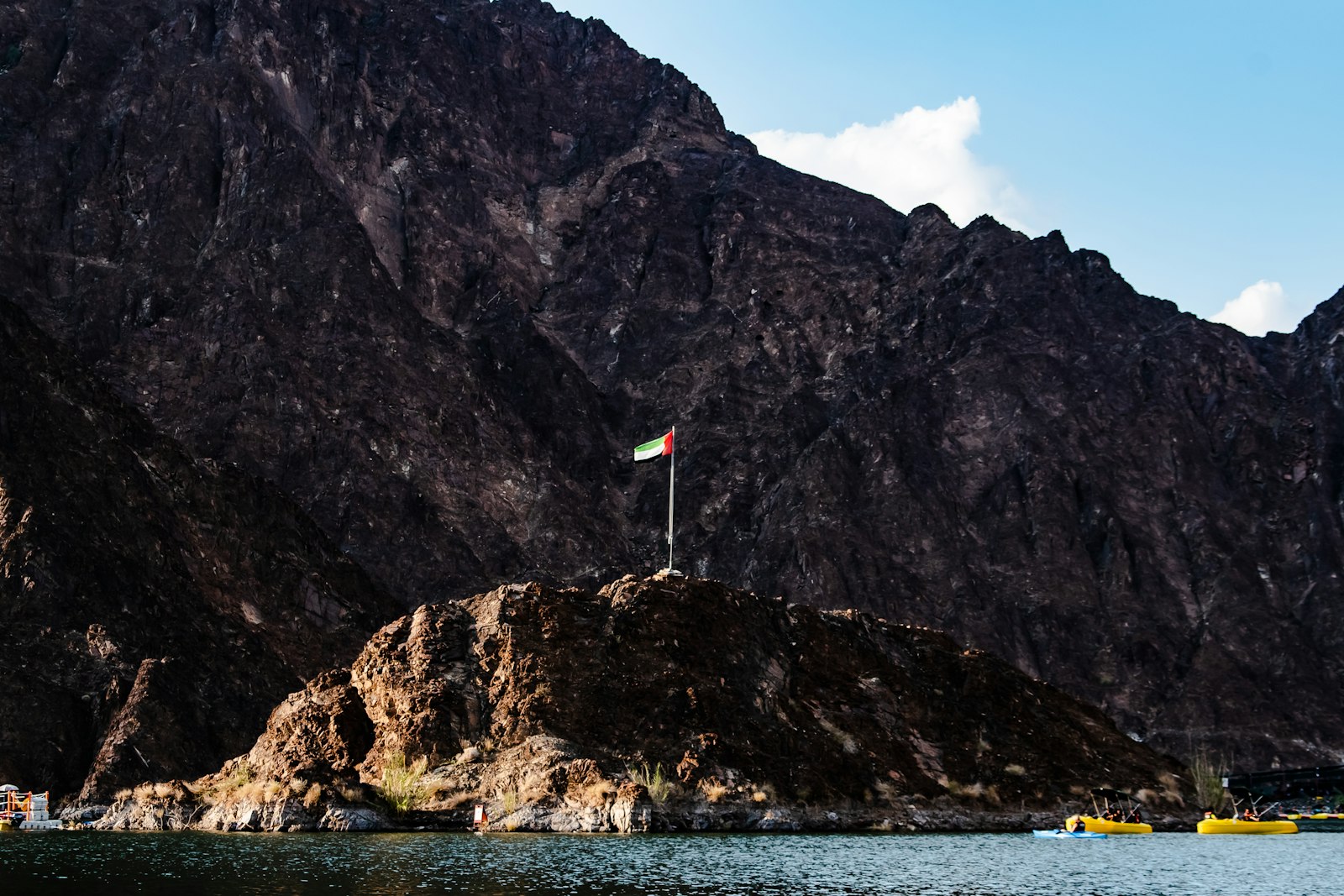
Jebel Jais and the high Hajar
Jebel Jais, in Ras Al Khaimah, is the UAE’s highest peak and its coldest place. Gulf News reports that it can fall close to or below freezing during cold spells, with a national record low of about −5.7 °C. Expect a real winter chill at the summit viewpoints, so bring a jacket, gloves and a hat even if Dubai was warm that morning. Start Hajar hikes early and carry water.
Plan the other eleven months
When to Go: Dubai & the UAE
January is the comfortable peak, but the UAE swings hard across the year: a long, hot summer, shoulder months that fit swimming better than hiking, and a festival and holiday calendar that moves prices. When to Go: Dubai & the UAE rates every month for the coast, the desert, the mountains and Abu Dhabi, with sea temperatures, crowd and price seasons and the weeks to avoid.
See When to Go: Dubai & the UAEDigital download · All sales final
An Abu Dhabi Day Trip in January
This section explains why January is one of the best months for the capital. Abu Dhabi has almost the same weather as Dubai, about 24.5 °C by day and 14 °C at night with a sea near 22 °C, so long walks between sights are easy. It is about an hour and a half by road from Dubai, depending on traffic and where you start.
The Sheikh Zayed Grand Mosque is the centrepiece. Its white marble courtyard is bright and pleasant in winter sun, and the reflecting pools glow at sunset. Visitors must wear long, loose clothing that covers arms and legs, and women need a headscarf. Opening hours shorten around Friday midday prayers, so check the mosque’s official website for current hours, booking and any entry fee before you go.
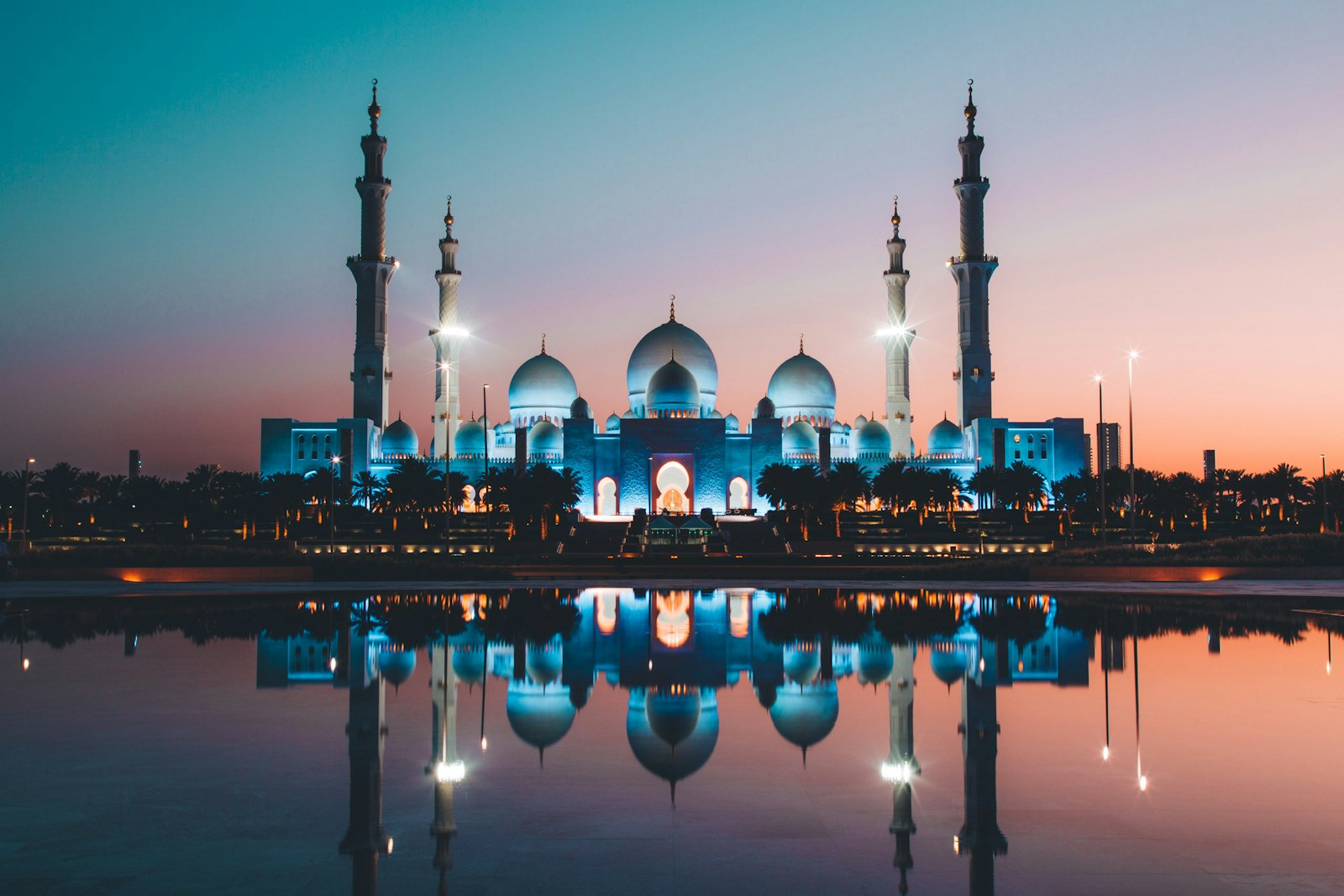
Round the day out with the Corniche promenade and a museum on Saadiyat Island. Go early: the mosque in the morning, museums and waterfront in the afternoon, the drive back after dark.

The complete kit
Every country guide, every timing tool
All 24 When to Go country guides, the six Smart Timing tools and every 12-Month Map, with a Start Here that tells you what to open first.
See the kit · $127The five bundles cost $225 separately · Digital download · All sales final
Crowds, Hotel Prices and the New Year Peak
This section shows how the month usually runs, because the week you choose inside January changes your bill more than the weather does. December and January are Dubai’s busiest months, and the first days of January carry the New Year premium.
| Dates | What happens | Crowds | Price level |
|---|---|---|---|
| 31 December and 1 January | New Year’s Eve fireworks; 1 January is a public holiday | Very high | Highest of the season |
| About 2 to 7 January | Holiday travellers still in town; school breaks end | High | High |
| About 8 to 15 January | The end of the Dubai Shopping Festival, usually around mid-January | Medium to high | Easing |
| About 16 to 31 January | Usually the calmest stretch of the winter season | Medium | Medium to high |
The Dubai Shopping Festival usually opens in early December and runs for about 38 days, according to Dubai’s Department of Economy and Tourism, so its last week or two falls in January, with retail offers and evening entertainment around the city. If you want those, aim for the first half of the month; if you want calmer streets and better room rates, aim for the second half.
Ramadan is the other date to check. It follows the lunar calendar and moves about 11 days earlier each year, so in some years it begins in January. Visiting during Ramadan is perfectly possible, with quieter days, festive evenings and shorter opening hours, but eating and drinking in public during daylight is discouraged.
⚑ Timing tip
If your dates are flexible, the strongest window is usually from about the second week of January to early February: the same weather as New Year, lower rates, and easier tables at outdoor restaurants.
Rain, Shamal Winds and Fog: The Rare Bad Days
This section is about the exceptions. January is part of the UAE’s short rainy season, but that still means only about three wet days in Dubai. Climates to Travel notes that rain is rare but comes as showers or downpours that can sometimes be intense; when a heavy one hits, roads and underpasses can flood briefly.
The more common nuisance is wind. The shamal, a strong north-westerly, brings cooler, dustier days and rough seas; on those days the beach feels chilly and desert views turn hazy. Then there is fog: winter mornings regularly bring thick fog inland and along the coast, sometimes with national weather alerts, lower speed limits and delayed flights. It usually burns off by mid-morning.
⚑ Watch out
On a fog alert morning, push early drives to Hatta, Jebel Jais or Abu Dhabi back by an hour or two and leave extra time for airport transfers. Check the National Center of Meteorology’s alerts before you set off.
What to Wear and What to Pack
This section keeps your bag simple. Dress for warm spring days and cool evenings, with one serious layer for the desert or the mountains. In malls, mosques, souks and other public places, modest clothing that covers shoulders and knees is the respectful norm; swimwear belongs on the beach and at the pool.
Pack for Dubai in January
- ✓Light layers and long trousers or skirts for town
- ✓A fleece or light jacket for evenings and desert trips
- ✓A warm hat and gloves if Jebel Jais is on the plan
- ✓Swimwear, sunglasses and sunscreen: the winter sun still burns
- ✓A long, loose outfit and a scarf for the Grand Mosque
- ✓Walking shoes for Hatta and the old town
When Not to Go to Dubai in January
This section is the honest one. January is a strong month for most trips, but it is the wrong choice if any of these is your priority:
Warm, bath-like sea water
The sea is at its coolest; it is far warmer from late spring to autumn.
The cheapest hotel rates
Winter is high season and New Year is the priciest week.
Guaranteed beach weather every day
Shamal winds and the odd shower can cut a beach day short.
Quiet sights and empty restaurants
Peak season brings crowds, especially at weekends.
Better month if you want…
A warmer sea with tolerable heat
About April or November
Lower hotel rates
Late spring, before the summer heat
Desert nights without a fleece
About March or November
The New Year fireworks
Late December
Comfortable hiking
December to February
The Shopping Festival
December into early January
For the month before, read Dubai in December. Comparing winter sun? See where to go in January, January winter sun destinations and Egypt in December, or browse mild winter escapes for the full list. Planning beyond Dubai? Look at the Middle East in February and January hiking trails, and use the free 12-Month Map to compare any destination month by month.
Common Mistakes With a January Dubai Trip
1. Packing only for the beach
Daytime in Dubai is warm, but desert camps, the mountains and even air-conditioned malls can feel cold. A fleece or light jacket earns its place, and Jebel Jais calls for proper winter layers.
2. Booking over New Year without checking prices
The first days of January carry the season’s highest rates and fullest restaurants. Moving a week-long trip back by seven to ten days usually gives the same weather for less.
3. Expecting a tropical sea
At about 23 °C, the Gulf is refreshing, not warm. If swimming is the main point of the trip, choose a hotel with a heated pool or add a few nights on the Fujairah coast, where the water is a little warmer.
4. Planning early drives on fog-prone mornings
Winter fog can close in at dawn and slow traffic and flights. Keep the first hour of the day flexible for long drives and airport runs, and check weather alerts the night before.
Dubai in January: FAQ
Is January a good time to visit Dubai?
Yes, it is one of the best. Dubai averages about 24 °C by day and 15 °C at night, with roughly three rain days and eight hours of sun. It is ideal for sightseeing, desert trips, Hatta and Abu Dhabi. The trade-offs are a cool-ish sea, high-season prices and crowds, especially in the first week after New Year.
Is it warm enough to swim in Dubai in January?
For most people, yes. The sea off Dubai averages about 23 °C, which feels refreshing rather than warm, and some visitors only paddle. Many beach hotels heat their pools in winter. For slightly warmer water, the Fujairah coast on the Gulf of Oman averages about 24 °C. Check the beach flags on windy shamal days.
How cold is the desert at night in January?
Colder than most visitors expect. The coast stays near 15 °C at night, but inland Al Ain averages about 13 °C, and cool spells can push nights across the country down to about 10 to 12 °C. Open dunes feel colder still. Bring a fleece for an evening safari and real warm layers for an overnight camp.
Does it rain in Dubai in January?
Rarely. Dubai averages about 20 mm of rain over roughly three days in January, part of a short winter rainy season. Showers can occasionally be heavy and cause brief local flooding. Wind and fog are more common nuisances: a shamal can make the beach feel chilly, and dense morning fog sometimes delays traffic and flights.
Is Dubai expensive in January?
It is high season, so expect strong demand. The New Year days are the priciest and busiest of the winter, and the Dubai Shopping Festival usually runs into mid-January. Rates and crowds usually ease from about the second week, when the weather is just as good. Book flights and beach hotels early for the first days of the month.
What should I wear in Dubai in January?
Light layers for warm days and a fleece or light jacket for evenings and desert trips. In malls, souks and public places, choose clothing that covers shoulders and knees. For the Sheikh Zayed Grand Mosque, wear long, loose clothes covering arms and legs, and women need a headscarf. Pack gloves and a hat for Jebel Jais.
Is January a good month for hiking near Dubai?
Yes, it is peak season. Hatta, about 90 minutes from Dubai, has marked hiking routes, mountain bike trails and kayaking on Hatta Dam, all running at full speed in winter. Jebel Jais in Ras Al Khaimah is colder and can approach freezing on cold spells. Start early, carry water and pack a warm layer for the summits.
The Bottom Line
Dubai in January gives you the year’s most comfortable weather: warm, sunny afternoons, cool evenings and outdoor season in full swing from the Creek to the dunes, Hatta and Abu Dhabi. Only the sea and the New Year prices hold it back. Your next step is to choose your week, ideally after the first days of the month, then book the flights, the beach hotel and a sunset desert trip, and pack one warm layer for the nights.
Country guide
Time your whole UAE trip
When to Go: Dubai & the UAE covers all twelve months for Dubai, Abu Dhabi, the desert, the east coast and the mountains, with sea temperatures, heat and humidity, Ramadan and festival timing, price seasons and the weeks to avoid, so every part of your trip lands in its best season.
Digital download · All sales final
Free download
See the whole year before you book
Our free 12-Month Map puts every month for one country on four pages: when the weather works, when the crowds and prices peak, and the weeks to skip.
- 24 countries to choose from
- Region-by-region verdicts
- Printable PDF
Your download page opens as soon as you sign up. 24 countries available.