February is one of the few months when you can choose a great safari on three continents. East Africa is in its short dry spell, the Indian subcontinent is in its cool, dry season, and Central America’s Pacific side is dry and green. But it’s also the height of the rains in much of southern Africa and South America, so some of the most famous names on old “best safari” lists are simply the wrong call this month. This guide picks the best wildlife safaris in February on land, explains why each one works now, and tells you what to book first.

When to Go guides
Choose your country, then your month
24 country guides, each about 100 pages: every month rated for weather, crowds and prices, region by region, with a 7-day booking plan. Six guides per region bundle.
Browse the 24 guides · $19 eachRegion bundles: Europe, Asia & Pacific, Sun Souks & Safari, Americas · $47 each
The best wildlife safaris in February are the calving season in Tanzania’s southern Serengeti, the dry-season Masai Mara and Amboseli in Kenya, gorilla and chimp trekking in Uganda, the zebra migration on Botswana’s Makgadikgadi and Nxai pans, tiger safaris in central India, rhino-tracking in Nepal’s Chitwan, leopard drives in Sri Lanka’s Yala and rainforest hikes in Costa Rica’s Corcovado. The Pantanal, Etosha and Zambia’s South Luangwa are better in other months.
✅ Key takeaways
- ✓For sheer numbers, nothing beats the southern Serengeti in February, when hundreds of thousands of wildebeest calves are born within a few weeks.
- ✓Uganda’s dry season makes February a strong month for gorilla trekking in Bwindi, but permits sell out in high season, so book them before flights.
- ✓Central India’s tiger reserves are open (core zones close only for the July–September monsoon), and February brings dry trails and cool early mornings.
- ✓In Sri Lanka, February opens Yala’s dry season, when animals gather at waterholes and leopard spotting is at its peak.
- ✓Skip the Pantanal, Etosha and Zambia’s South Luangwa in February: rain and floods disperse wildlife and many camps close.
Why February Splits the Safari World in Two
Wildlife viewing follows water. In the dry season, animals concentrate around rivers and waterholes and grass is shorter, so they’re easier to find. In the wet season, water is everywhere, animals spread out and some tracks become impassable. February falls on opposite sides of that line depending on where you are.
East Africa
short dry spell between the short and long rains
South Asia
cool, dry season: parks open and trails firm
Southern Africa
peak of the rains in many parks
Costa Rica
dry season (December–April) on the Pacific side
That’s why this list mixes continents. If you’ve only got February, the right question isn’t “where’s the best safari?” but “where is it the dry season right now?” Our sibling guide to safari in Africa in January covers the month before in more depth, and if you’d rather watch from a boat, see whale watching in February.
🧰 Try it while you read: a free tool for this trip
Free trip timing tool
What Kind of Traveller Are You?
Seven quick taps pick your travel type, then show the countries and months where it shines.
Loading the tool…
The Best Wildlife Safaris in February at a Glance
| Safari | Country | Star animals in February | Book first |
|---|---|---|---|
| Southern Serengeti & Ndutu | Tanzania | Wildebeest calving, lions, cheetahs, hyenas | Camps near Ndutu |
| Masai Mara & Amboseli | Kenya | Resident big cats; elephants under Kilimanjaro | Lodges (it’s high season) |
| Bwindi, Kibale & Queen Elizabeth | Uganda | Mountain gorillas, chimpanzees | Gorilla permits |
| Makgadikgadi & Nxai Pan | Botswana | Zebra migration, flamingos on flooded pans | Specialist camps |
| Kanha, Bandhavgarh, Ranthambore | India | Bengal tigers, deer, birds | Core-zone jeep permits |
| Chitwan | Nepal | Greater one-horned rhinos, birds | Lodge plus full-day jeep |
| Yala | Sri Lanka | Leopards, elephants, sloth bears | Morning and afternoon drives |
| Corcovado | Costa Rica | Baird’s tapir, four monkey species, scarlet macaws | Certified guide and Sirena stay |
🗓️ Free: a 12-Month Map for your country
Every month on one page: best weeks, shoulder weeks and the ones to skip. Print it or keep it on your phone.
1. Southern Serengeti, Tanzania: Calving Season on the Short-Grass Plains
This is the headline safari of February. Each year the great migration’s wildebeest and zebras gather on the short-grass plains of the southern Serengeti and around Lake Ndutu, a seasonal soda lake near Olduvai Gorge, between roughly January and March. Calving peaks around February, when about half a million wildebeest are born within two to three weeks. Predators follow: lions, cheetahs, spotted hyenas and leopards all hunt the herds.
Tanzania National Parks describes the Serengeti as a sanctuary for the last remaining annual mammal migration in the world, and you can read about the park on the official Tanzania National Parks website. Pair it with the Ngorongoro Crater, which keeps resident wildlife year-round, including a small black rhino population.
When to Go: Tanzania & Zanzibar
Planning around the calving season? This month-by-month guide shows where the herds usually are, when the long rains arrive, and the best weeks to add Zanzibar’s beaches, so you can time the whole trip, not just the safari. About 100 pages, $19.
See When to Go: Tanzania & Zanzibar →2. Masai Mara and Amboseli, Kenya: Dry Days and Resident Big Cats
Kenya is in its short dry season in February, between the short rains of November–December and the long rains that usually arrive in April. Days in the Masai Mara are typically warm, around the high 20s °C, with cooler mornings and evenings and only occasional light showers. SafariBookings rates Kenya as excellent for wildlife viewing in February, while warning that it’s high season and some parks get busy.

The Smart Timing Bundle
Pick the month, book in the right order, pack once
Six printable timing tools for any trip: the Trip Timing Planner, When to Book, When NOT to Go, the Shoulder Season Playbook, the family timing guide and the Packing by Season System.
See the bundle · $37Six products, $100 separately · Digital download · All sales final
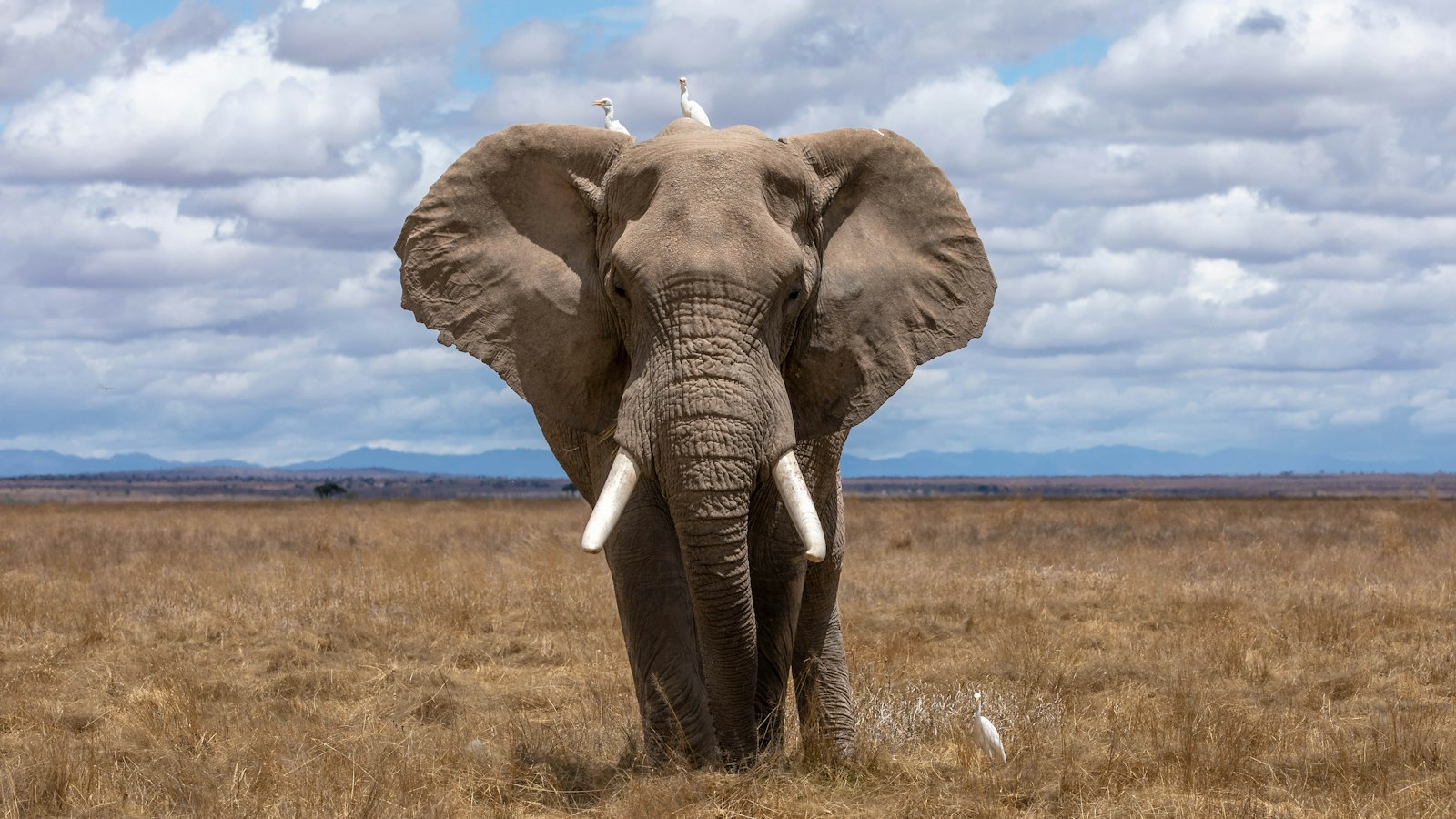
The migration herds are in Tanzania now, so the Mara belongs to its residents: lions, cheetahs, leopards and huge numbers of plains game, with fewer vehicles than in the July–October migration months. In Amboseli, green grass after the short rains draws big elephant herds, often photographed with Kilimanjaro behind them on clear mornings.
3. Uganda: Gorillas, Chimps and Savannah in the Dry Season
February sits inside Uganda’s December–February dry season, which SafariBookings describes as sunshine with little rain, and rates Bwindi, Kibale, Murchison Falls and Queen Elizabeth National Park as excellent for this month. Trails in Bwindi Impenetrable Forest are steep at any time, but they’re easier when they aren’t running with mud.
According to the Uganda Wildlife Authority, there are around 1,000 mountain gorillas in the wild, Uganda is home to more than half of them, and 27 gorilla families have been habituated for visits. Kibale adds chimpanzee trekking, and Queen Elizabeth adds a classic savannah safari.
4. Makgadikgadi and Nxai Pan, Botswana: The Wet-Season Zebra Migration
Most of Botswana is in its rainy season in February, which is why it doesn’t usually feature on February lists. The exception is the Kalahari’s salt-pan country. Rain fills the pans of Makgadikgadi and Nxai Pan, and grass grows on the surrounding plains. Zebra, wildebeest, elephant and buffalo move in, and flamingos can gather in large numbers on the flooded pans.
SafariBookings rates Nxai Pan National Park and the Central Kalahari as excellent in February and calls it the perfect time to see the annual zebra migration. Expect hot days and afternoon thunderstorms.
5. Central India: Tiger Safaris in the Cool, Dry Season
February is one of the most comfortable months for a tiger safari in India. In Madhya Pradesh, the core areas of Kanha, Bandhavgarh, Pench, Satpura, Panna and Sanjay-Dubri close on 1 July for the monsoon and reopen on 1 October, so by February every zone is open and the trails are dry. Ranthambore in Rajasthan, home to around 70 tigers in recent counts, is a popular alternative closer to Delhi and Jaipur.
Book core-zone permits early
Each zone admits a limited number of jeeps per drive, and the most famous zones go first. Reserve as soon as your dates are firm.
Plan several drives, not one
Tiger sightings are never guaranteed. Four to six drives over two or three days give you real odds.
Check the timings
In Kanha, February drives typically run about 06:30–11:30 and 15:00–18:15, and Madhya Pradesh core zones close on Wednesday evenings.
Dress for a cold start
Open jeeps at dawn are chilly in February. Bring a warm layer, hat and gloves you can peel off by mid-morning.
6. Chitwan, Nepal: Rhinos, Rivers and the Start of Bird Migration
Chitwan National Park is Nepal’s best-known safari, and it holds most of the country’s greater one-horned rhinos. The monsoon runs from mid-June to late September; by February, the park is in its dry winter, with averages of roughly 8 °C at night and 25 °C by day and little rain. Migratory birds start arriving from February to April, adding to an already rich bird list.
Expect a varied, slower safari than in Africa: jeep drives through tall grassland and sal forest, canoe trips on the Rapti river and guided walks. Tigers live here too, but sightings are infrequent, and full-day jeep safaris give you the best chance.
7. Yala, Sri Lanka: Leopard Season Begins
Yala National Park on Sri Lanka’s south-east coast is famous for one of the highest leopard densities in the world. February to June is its dry season, when water levels fall and animals come out to the waterholes, and specialist tour operators name February and March as peak leopard-spotting months. Elephants and the shy sloth bear complete the headline list.

The complete kit
Every country guide, every timing tool
All 24 When to Go country guides, the six Smart Timing tools and every 12-Month Map, with a Start Here that tells you what to open first.
See the kit · $127The five bundles cost $225 separately · Digital download · All sales final
The Sri Lankan embassy’s Yala guide gives the park’s daily hours as 6 a.m. to 6 p.m. Book both a morning and an afternoon drive, and if you can, a second day: leopards are about patience and luck, and more time in the park pays off.
8. Corcovado, Costa Rica: A Rainforest Safari on Foot
Costa Rica’s dry season runs from December to April, and on the Pacific side February is reliably dry. That matters most in Corcovado National Park on the Osa Peninsula, where the wet months bring river crossings and partial closures. Corcovado holds the endangered Baird’s tapir, all four of Costa Rica’s monkey species (squirrel, white-faced capuchin, howler and spider monkeys) and the country’s largest scarlet macaw population.
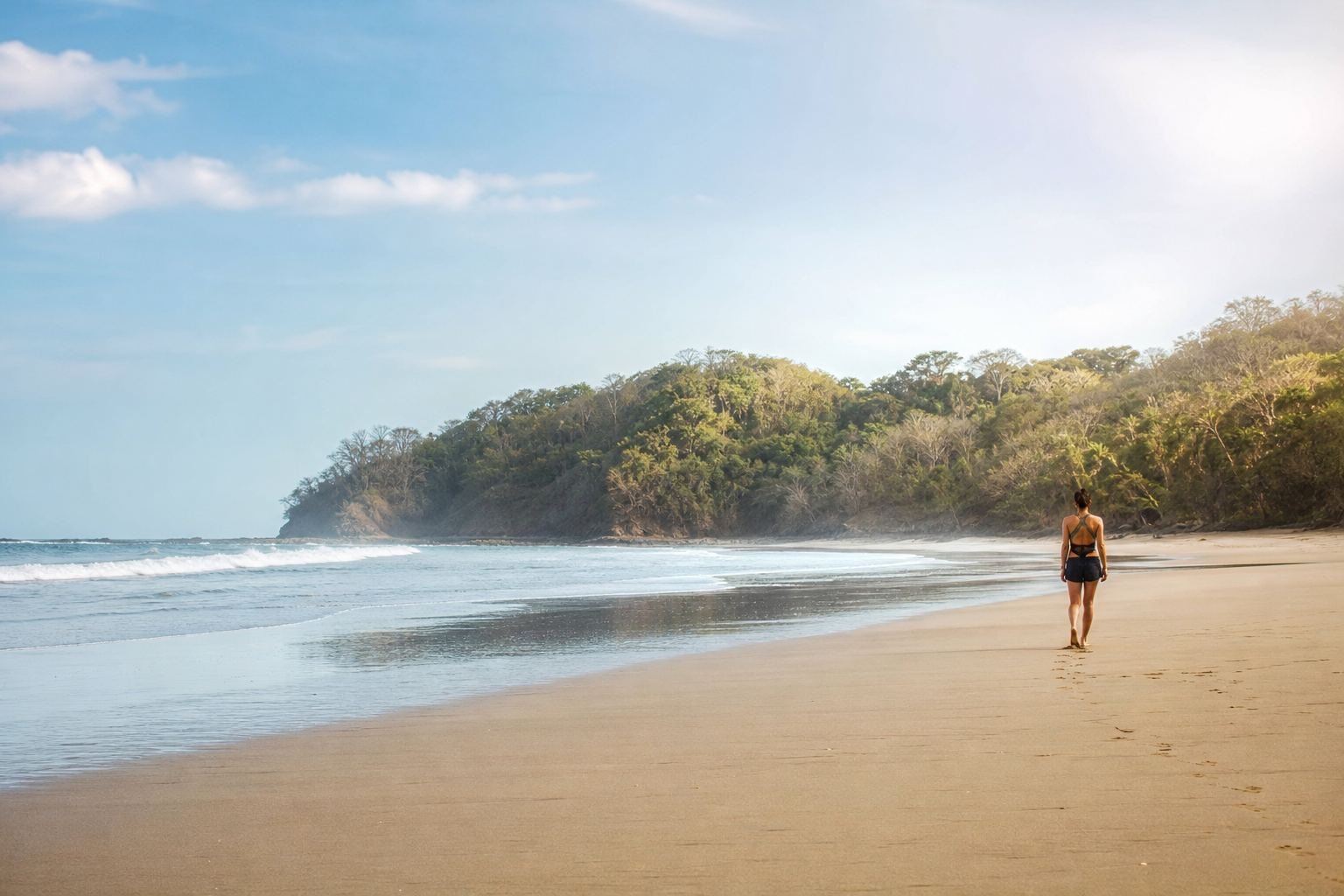
This is a walking safari. Every Corcovado visitor must be accompanied by a certified guide. Sirena Ranger Station, roughly in the middle of the coastal track, is one of the park’s overnight stations, and a night or two there puts you on the trails at dawn and dusk instead of spending the day walking in and out.
In February, the best safari isn’t a park. It’s wherever the dry season is right now.
3 Famous Safaris to Save for Another Month
These are wonderful parks, and they appear on many February lists. But February is close to their worst month for wildlife viewing, so most travellers should go at another time.
| Safari | What happens in February | Go instead |
|---|---|---|
| Pantanal, Brazil | Rain falls mainly November–March, January is the wettest month, and around 80% of the floodplain can be under water in the rainy season | The dry months, with June the driest |
| Etosha, Namibia | Rainy season: wildlife viewing is noticeably worse than in the dry season as animals spread out | The dry season |
| South Luangwa, Zambia | Many Zambian parks and lodges shut for the wet season; animals are hard to find | The dry season (a few camps stay open with low rates) |
Kruger in South Africa sits in between. It’s open, green and full of birds in February, but SafariBookings rates South Africa only fair for wildlife this month, because big-game viewing is better in the dry season. Go if the timing suits you; just don’t expect dry-season sightings.
How to Book the Best Wildlife Safaris in February in the Right Order
Secure the scarce permit or camp
Gorilla permits in Uganda, Ndutu camps in Tanzania, core-zone jeeps in India: book the bottleneck first.
Then book long-haul flights
Only once the permit or camp date is fixed. Our free When to Book Calculator shows how far ahead to buy.
Add buffer nights
Weather and road conditions shift. One spare night protects a once-only booking like a gorilla trek.
Pack for dawn cold and midday heat
Every safari here starts cold and ends hot. The Packing by Season Generator builds a layered list.
Common Mistakes When Planning a February Safari
Copying a “best safaris” list without checking the season
Many famous parks are in their wettest weeks in February. Check whether it’s dry where you’re going before you fall for the photos.
Expecting the river crossings in Kenya
The Mara River crossings happen roughly July–October. In February, the herds are calving in Tanzania.
Booking one game drive and hoping
Tigers, leopards and tapirs are about time in the field. Plan multiple drives or walks over at least two days.
Leaving permits until after flights
Gorilla permits and core-zone tiger permits are limited by design. Without them, the trip loses its centrepiece.
Underestimating cold mornings
Open vehicles at sunrise can be cold even in the tropics, especially in India and the Serengeti highlands.
Best Wildlife Safaris in February: Your Questions Answered
The best wildlife safaris in February all have one thing in common: they’re in the dry season, or in the one wet-season spectacle worth the rain. Pick the region, book the scarce permit, then build the trip around it. For more ideas, browse our best travel destinations in February and wildlife travel guides, see the best places for wildlife viewing in February, where to go in Africa in February, the February adventure destinations and wildlife watching in January, or plan another month from the month-by-month travel planner.
Free download
Which month for your country?
Get the free 12-Month Map: every month marked good, shoulder or avoid, region by region, on four printable pages.
- Greece to Japan, Morocco to Peru: 24 countries
- See the crowd and price peaks before you book
- Free, no purchase needed
Your download page opens as soon as you sign up. 24 countries available.
Compare the whole month
Where to go in February
Every destination rated for February on one page: weather, crowds and price level, with the places to skip.