Deciding where to stay in Kyushu comes down to one choice: one city base with day trips, or two or three short stays that move with you around the island. Fukuoka is the easiest single base, Kumamoto is the most central, and an onsen town such as Beppu, Yufuin or Kurokawa is where you sleep for the experience rather than the logistics. The right answer also depends on the month, because Japan’s holiday weeks fill rooms long before foreign visitors start looking. This guide sets out each base, the type of area to pick inside it, ryokan versus city hotel, and how far ahead to book.

Base finder
If you want this, sleep here
One base, lots of day trips
Fukuoka (Hakata)
Shinkansen, airport and highway buses all start here
Central loop with mountains
Kumamoto
Between Mt Aso and the Amakusa islands
Port city with evenings out
Nagasaki
Harbour views, trams and a compact centre
Hot spring nights
Beppu, Yufuin or Kurokawa
Sleep in the bath town, not next to it
The deep south
Kagoshima
Sakurajima views and the far end of the shinkansen
Bases summarised from the sections below. Train times from Ekitan, JRailPass and japan-guide.com.
Quick answer
For a first trip, stay near Hakata Station in Fukuoka for two or three nights, then add one night in an onsen town and one in Nagasaki or Kumamoto. Kumamoto is only about 33 minutes from Hakata by the fastest shinkansen. Book four to six months ahead for cherry blossom, about four for autumn leaves, and as early as you can for Golden Week, Obon and New Year.
Key takeaways
Fukuoka is the transport hub: the Kyushu Shinkansen, the airport and most highway buses start there.
Kumamoto sits in the middle of the island, about 32 to 35 minutes from Hakata on the Mizuho.
Hakata to Kagoshima-Chuo takes about 1 hour 15 minutes on the fastest train, so the far south works as a separate stay.
A ryokan night usually includes dinner and breakfast, so it is a different kind of booking from a city hotel.
Golden Week (late April to early May), Obon (mid-August) and New Year are the weeks that sell out first.
Fukuoka fills up for its own festivals and the November sumo tournament, not only for national holidays.
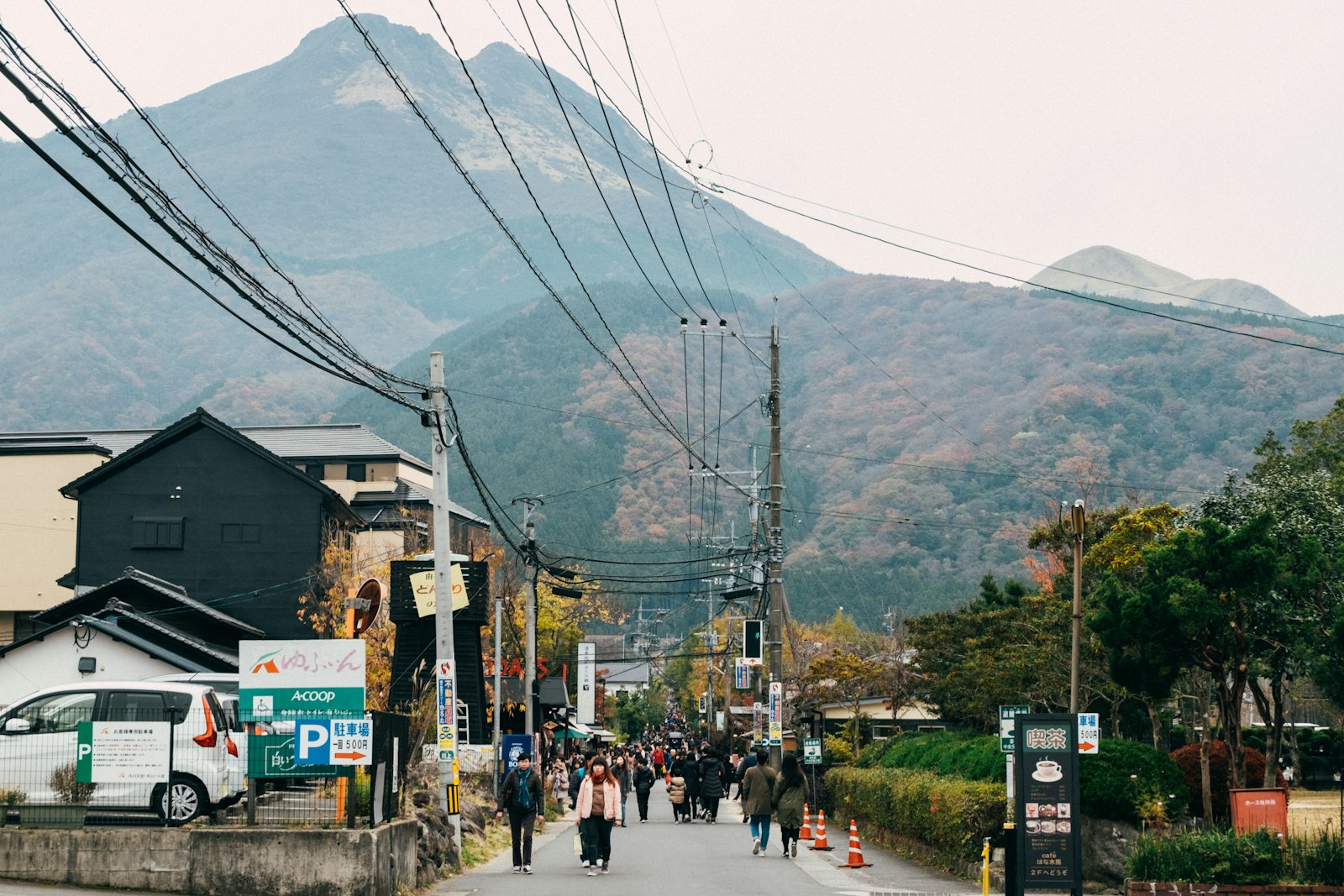
Where to Stay in Kyushu: One Base or Several?
This section explains the two ways to plan your nights, because the choice shapes every booking that follows. Kyushu is compact by Japanese standards, and the shinkansen runs down the west side of the island from Fukuoka to Kagoshima, but the east coast, the mountains and the onsen towns are slower to reach.
A single base works best for short trips of three to five nights, or for travellers who hate packing. Fukuoka is the natural choice: the guide at Journey Era calls it a central base with a well-connected airport, at the end of the bullet train line. From Hakata, Kumamoto is about 32 to 35 minutes away on the Mizuho, according to Ekitan, and Nagasaki is about 1.5 hours with one change at Takeo-Onsen, according to japan-guide.com.
Moving bases suits trips of a week or more. A loop of Fukuoka, Nagasaki, Kumamoto or Aso, an onsen town and back keeps travel days short and lets you wake up somewhere new. The cost is a check-out every second morning, so keep luggage light or send a big case ahead with a luggage-forwarding service, which hotels and ryokan front desks can usually arrange.
| Trip length | Suggested split | Why it works |
|---|---|---|
| 3 nights | 3 in Fukuoka | Day trips by train; no packing |
| 5 nights | 3 Fukuoka + 1 Nagasaki + 1 onsen town | One city, one port, one bath night |
| 7 nights | 2 Fukuoka + 2 Nagasaki + 2 Kumamoto or Aso + 1 onsen town | A loop with no long travel days |
| 10 nights | Add 2 nights in Kagoshima | The south needs its own stay, not a day trip |
🗓️ Free: the 12-Month Map for Japan
Every month on one page: best weeks, shoulder weeks and the ones to skip. Print it or keep it on your phone.
Once you have a split, check the dates against the holiday weeks below before you pay for anything. Our guide to what to book first explains which parts of a trip to lock in first.
🧰 Try it while you read: a free tool for this trip
Free trip timing tool
When to Book Calculator
Tells you how early to lock in flights and rooms for your month and country.
Loading the tool…
The Best Bases in Kyushu, One by One
This section covers each base in turn: what kind of area to pick inside it, the months it works best, and who should skip it. No single hotel is named, because rooms and standards change; the area matters more than the building.
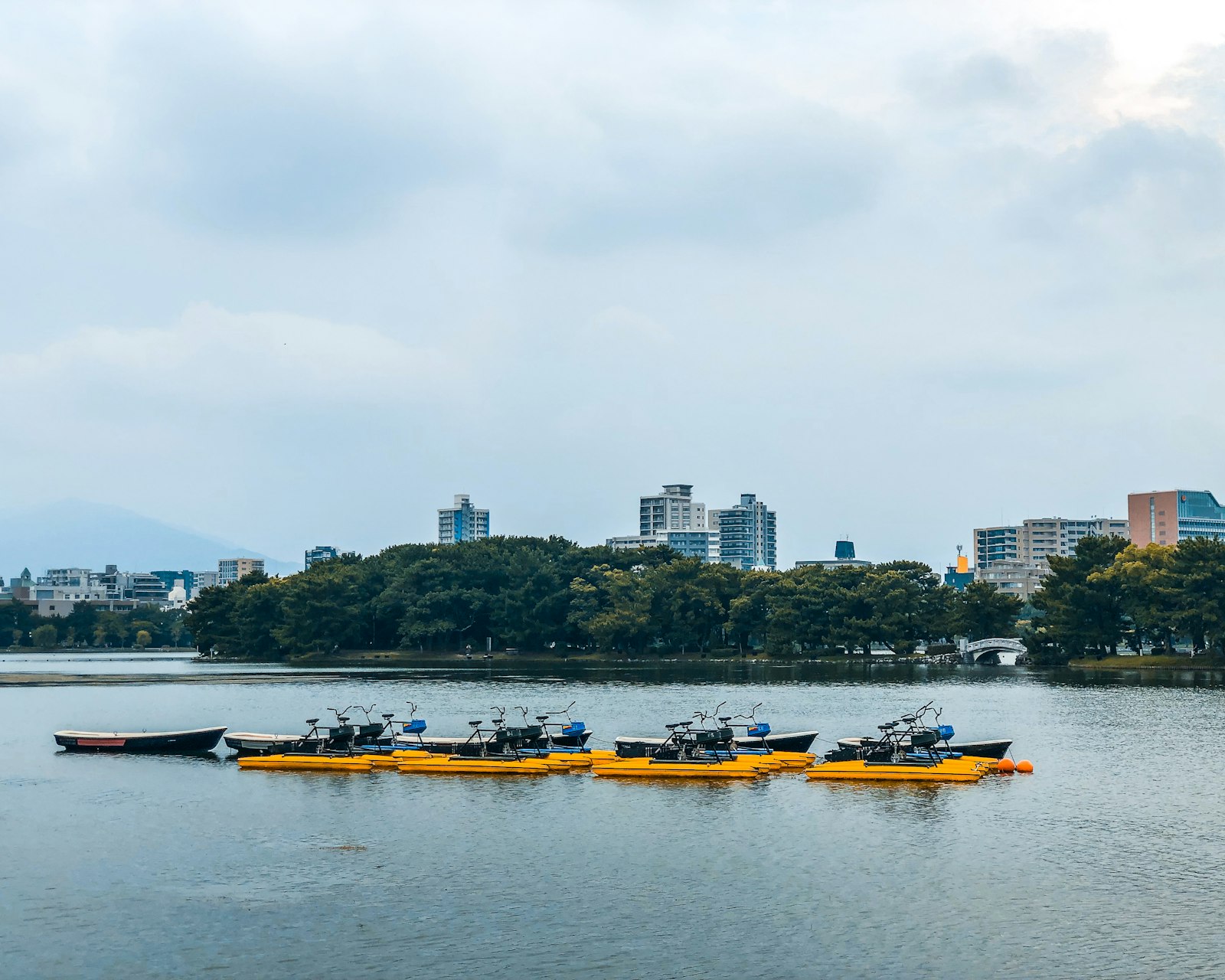
For neighbourhoods, food and day trips in more detail, read our Fukuoka travel guide.
When to Go: Japan
Blossom, autumn colour or quiet temples?
Every month across Japan rated for weather, crowds and prices, region by region, from Hokkaido to Okinawa, with a 7-day booking plan and the free 12-Month Map.
See the Japan guide · $19About 100 pages · PDF, US Letter and A4 · Digital download · All sales final
See our Kumamoto travel guide for the castle, the garden and the best months for the Aso highlands.
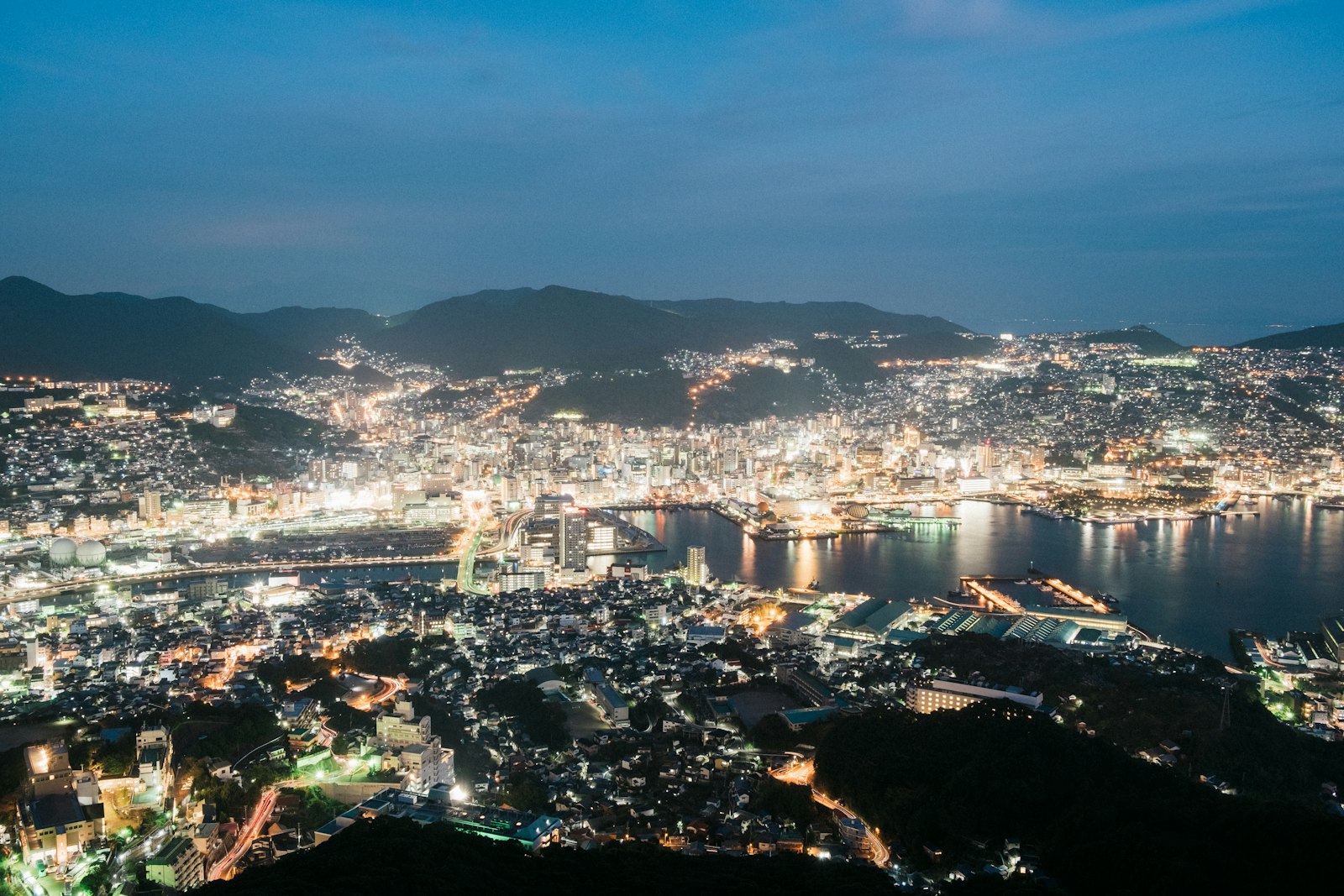
Our Nagasaki travel guide covers the districts and the night views.
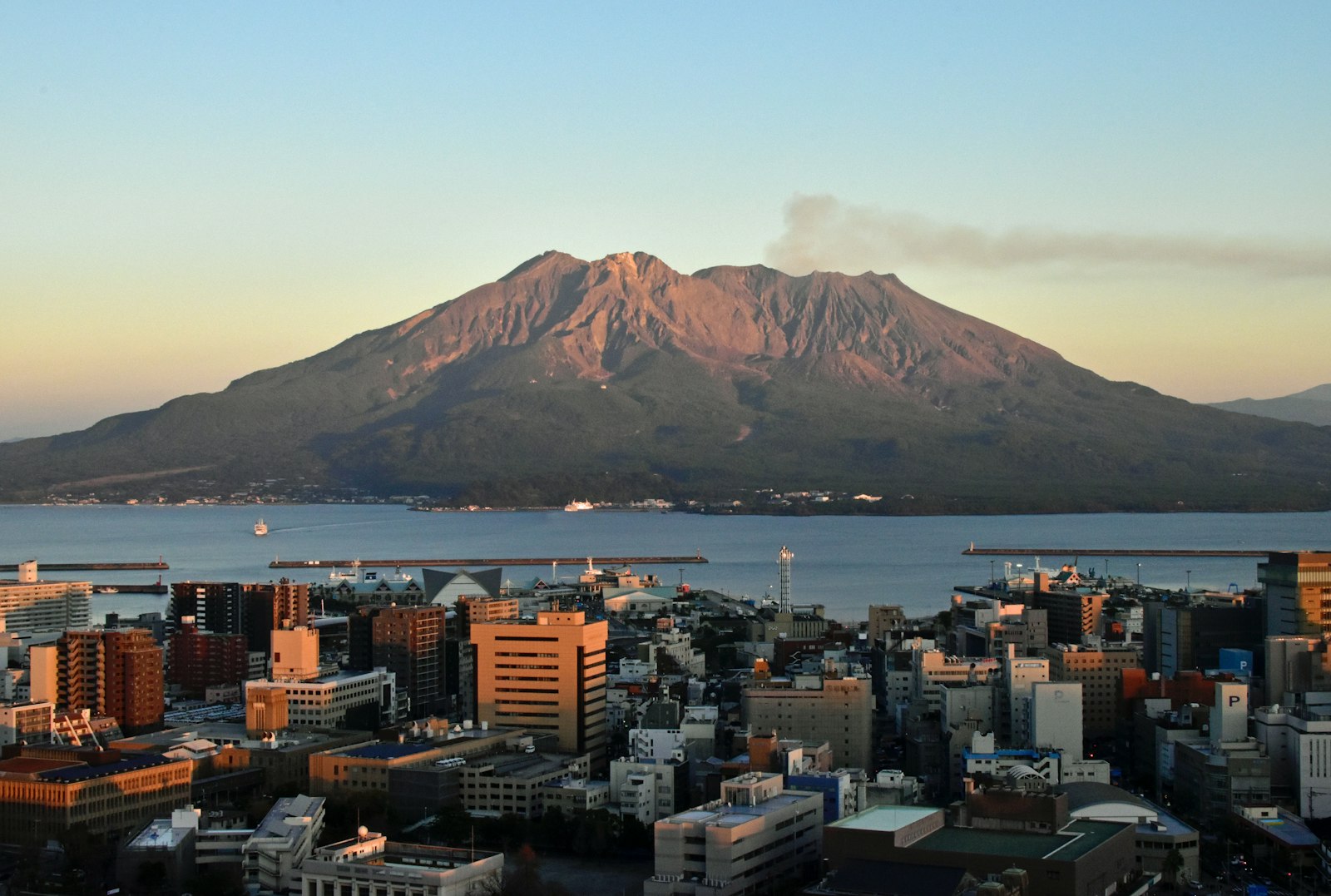
Onsen Towns: Beppu, Yufuin and Kurokawa
This section covers the bath towns, which are places to sleep in rather than visit for an hour. The evening bath, the dinner and the quiet morning are the point, and a day trip misses most of that.
| Town | Feel | Best for | Getting there |
|---|---|---|---|
| Beppu | Big, steamy, busy, many types of bath | Variety, the hells, sand baths | Sonic limited express from Hakata |
| Yufuin | Small, pretty, at the foot of a mountain | A relaxed night, walks, cafes | Train or bus from Fukuoka or Beppu |
| Kurokawa | Riverside village in the hills, outdoor baths | A classic ryokan night | Highway bus from Fukuoka, about 3 hours |
Beppu is the biggest of the three, with eight hot spring districts that each have their own feel; station-area hotels suit short stays, while the hillside districts suit a quieter night. Our Beppu travel guide compares the districts in detail.
Kurokawa is the one to plan carefully. A direct highway bus from Fukuoka takes about 3 hours and runs twice a day from Hakata Station, Tenjin Bus Center and Fukuoka Airport, according to japan-guide.com. The village sells a wooden tegata pass that lets you try the baths of three ryokan of your choice from over twenty taking part, and it stays valid for six months. Some ryokan sit 1 to 3 km out of the centre; staying guests can use pick-up services, while day visitors without a car may have to walk.
Tip
Book a ryokan with a private bath (often called a kashikiri or family bath) if you travel with children, have tattoos or simply prefer privacy. It’s easier than finding a public bath that fits everyone in the group.
For more bath towns by season, compare hot springs in October.
Ryokan or City Hotel: Which to Book Where
This section explains how the two types of stay differ, so you can book the right one in the right place. Most trips work best with city hotels in the big bases and one or two ryokan nights in an onsen town.
| Ryokan | City hotel | |
|---|---|---|
| Meals | Usually dinner and breakfast included | Room only or breakfast; eat out at night |
| Room | Tatami floor, futon, yukata | Beds, often small rooms |
| Bath | Hot spring bath on site, sometimes private | Shower or small tub |
| Timing | Arrive for the bath and the set dinner time | Arrive and leave when you like |
| Best place | Onsen towns, countryside | Fukuoka, Kumamoto, Nagasaki, Kagoshima |
| Booking pressure | Few rooms; Saturdays and holidays go first | More rooms; city events cause spikes |
A ryokan rate is usually half-board, meaning one dinner and one breakfast, and the dinner is often a seasonal multi-course meal, as Japan Ryokan Guide explains. That makes it poor value in a city with great restaurants and good value in a quiet village where there is little else to eat. Prices change; check before you book, and compare the total for the night, not the room alone.
Important
Ryokan dinners are served at set times, and late arrival can mean no meal. If your train or bus might run late, tell the ryokan your arrival time when you book, and leave a buffer on travel days in the rainy season and typhoon months.
Booking Windows Around Holiday Weeks
This section covers how far ahead to book, which matters more in Kyushu than many visitors expect. Domestic travel drives demand, so Japan’s holiday calendar decides when rooms vanish.

The Smart Timing Bundle
Pick the month, book in the right order, pack once
Six printable timing tools for any trip: the Trip Timing Planner, When to Book, When NOT to Go, the Shoulder Season Playbook, the family timing guide and the Packing by Season System.
See the bundle · $37Six products, $100 separately · Digital download · All sales final
| Period | Usual dates | Book this far ahead |
|---|---|---|
| Cherry blossom | Late March to early April | 4 to 6 months for ryokan |
| Golden Week | About 29 April to 5 May | As early as possible |
| Autumn leaves | Mid-October to mid-November | About 4 months; 3 to 4 for weekends |
| Obon | Around 13 to 15 August | About 3 months |
| New Year | About 29 December to 3 January | 10 to 12 weeks for ryokan |
| Summer, outside Obon | July and August | 2 to 3 weeks is often enough |
| Winter weekdays | January to February | 6 to 8 weeks |
Sources: Boutique Japan for holiday dates and the advice to book Golden Week, New Year and Silver Week as early as possible; Japan Ryokan Guide for ryokan lead times by season. In years when the September holidays line up, a five-day Silver Week also fills rooms.
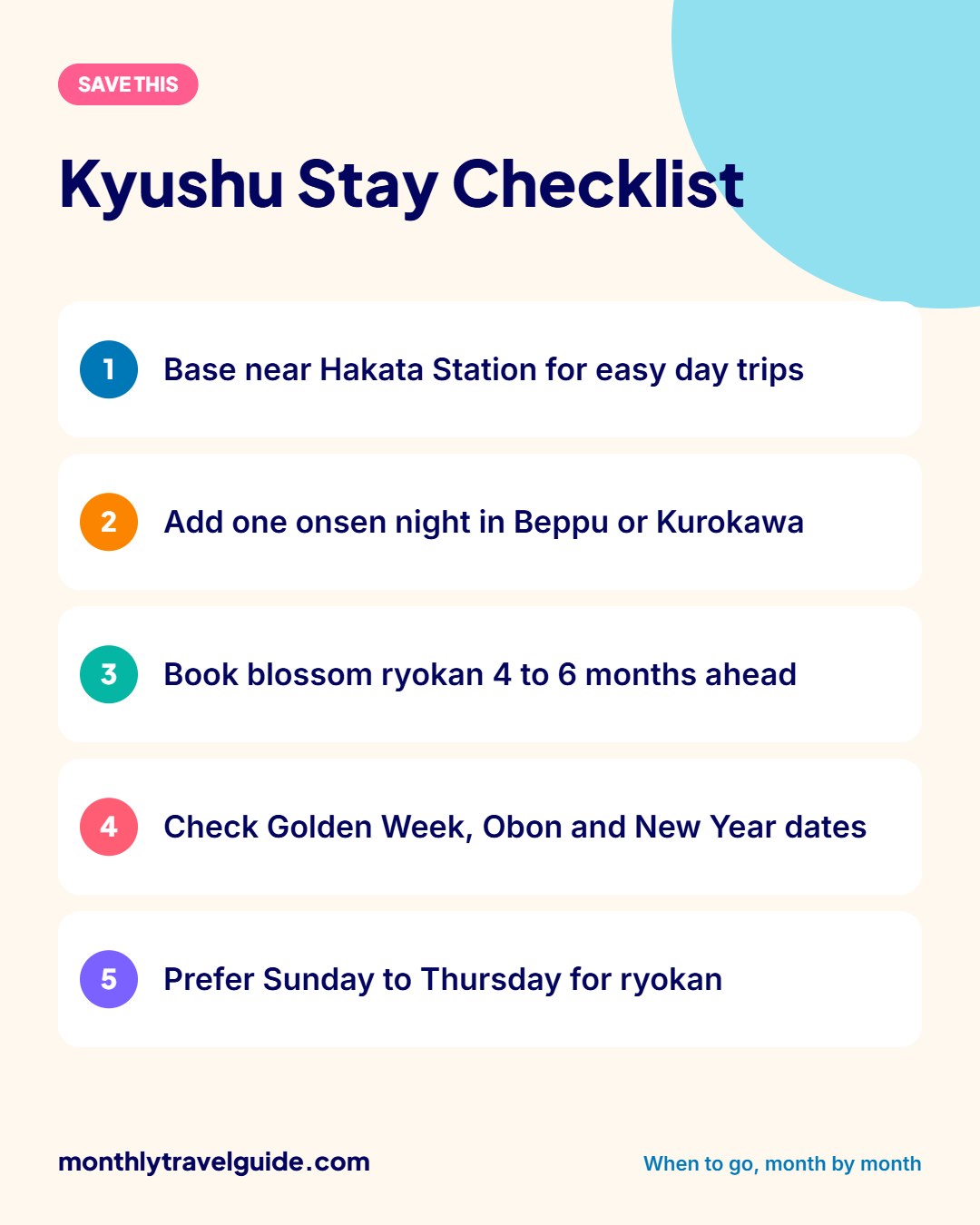
Saturday nights are the hardest to book in onsen towns, because weekenders from Fukuoka and the rest of Kyushu fill them. Sunday to Thursday is easier almost everywhere. To work out your own deadline, try the free When to Book calculator.
Warning
Golden Week travel is most congested at the start and end of the week, and the days around Obon are just as busy on trains as in hotels. If your dates are fixed, book rooms and seat reservations together.
Where to Stay in Kyushu by Season
This section rates each base by season, so you can see which stays work in your travel month. The verdicts weigh weather, crowds and booking pressure together.
Kyushu bases by season
Best overall: Oct to Nov
Fukuoka
Kumamoto
Nagasaki
Kagoshima
Beppu
Yufuin
Kurokawa
Aso area
Summer covers the rainy season (usually June to mid-July) and the start of typhoon season; holiday weeks in spring and autumn still need early booking.
Spring and autumn are the strongest seasons for every base, with mild days for walking between areas. Summer brings the rainy season and then humid heat, and the southern and eastern bases feel it most. Winter is quiet and cold in the hills, which makes it the best season for an onsen night and a fair one for the cities. Mountain roads in the Aso area run colder than the coast in winter, so check road conditions before you drive.
Festival Weeks That Fill City Hotels
This section lists the local events that fill rooms in specific cities. They matter as much as the national holidays if your dates overlap.
Usually 3 to 4 May
Hakata Dontaku, Fukuoka
A port festival across the city, inside Golden Week, so Fukuoka is doubly busy.
Usually 1 to 15 July
Hakata Gion Yamakasa, Fukuoka
Decorated floats and a dawn race on the final day; rooms near Hakata go fast for the last weekend.
Usually mid-September
Hojoya, Fukuoka
A week-long shrine festival at Hakozaki Shrine.
Usually 7 to 9 October
Nagasaki Kunchi
The city’s biggest festival, with dragon dances; central Nagasaki fills.
Usually mid- to late November
Grand Sumo tournament, Fukuoka
The year’s last sumo tournament is held in Fukuoka for about two weeks.
Chinese New Year, usually Jan or Feb
Nagasaki Lantern Festival
Lanterns light the centre; a busy time for city hotels.
Sources: the Go Fukuoka event calendar for Fukuoka dates, and Japan Kyushu Tourist for the Nagasaki festivals. Dates move a little from year to year, so confirm them before you book.
When Not to Book a Kyushu Stay
This section is the honest list of dates that make a short Kyushu trip harder or pricier. None of them close the island, but each one narrows your choice of area.
| Avoid | Why | Do this instead |
|---|---|---|
| Golden Week, unbooked | National holiday rush; trains and rooms sell out | Go in mid-April or mid-May |
| Obon week in onsen towns | Family travel peak in the hottest weeks | Go in late September or October |
| Fukuoka in mid-July or late November without a room | Yamakasa and the sumo tournament | Base in Kumamoto and visit Fukuoka for a day |
| Saturday night in a famous ryokan | Weekenders book early | Stay Sunday to Thursday |
| A tight schedule in typhoon season | Storms can stop trains and buses | Keep one spare night near a big station |
Run your dates through the free When Not to Go checker to see the risky weeks at a glance.
Better Month If You Want Something Else
This section helps if your main goal is more specific than a good base.
Autumn leaves
Go from late October to November and book about four months ahead. See autumn leaves in Japan.
Cherry blossom
Go in late March or early April, and book ryokan four to six months ahead.
Cheaper, quieter rooms
Go on winter weekdays in January or February, outside the New Year week.
Food trips
Go in spring or autumn, when walking between food areas is comfortable. Our Kyushu food guide covers what to order.
Festival nights
Pick one festival, book the room first, then plan the rest of the route around it.
5 Common Mistakes When Booking Kyushu Stays
1. Basing yourself in Fukuoka for the whole island
Fukuoka works for the north and the west, but Kagoshima, the Aso highlands and the onsen towns are long return trips. Add at least one night elsewhere if those places are on your list.
2. Treating an onsen town as a day trip
You can visit Beppu or Yufuin for an afternoon, but the evening bath, the ryokan dinner and the quiet morning are the point. One night changes the experience.

The complete kit
Every country guide, every timing tool
All 24 When to Go country guides, the six Smart Timing tools and every 12-Month Map, with a Start Here that tells you what to open first.
See the kit · $127The five bundles cost $225 separately · Digital download · All sales final
3. Booking a ryokan without checking the dinner time
Set meal times are common, and late arrival can mean a missed dinner. Tell the ryokan when you will arrive, and avoid tight connections on that day.
4. Forgetting Japanese holidays
Overseas travellers often check only their own school holidays. Golden Week, Obon and New Year matter far more in Kyushu, and rooms disappear months in advance.
5. Picking a hillside hotel without checking the walk
Nagasaki and some onsen towns are steep. Check the distance and the slope from the nearest tram stop, station or bus stop, especially with luggage.
Where to Stay in Kyushu FAQ
Where is the best place to stay in Kyushu?
For most first trips, Fukuoka is the best place to stay, ideally near Hakata Station. It has the airport, the start of the Kyushu Shinkansen and highway buses to the onsen towns, so day trips are simple. Kumamoto is a strong second choice if you want a central base for Mt Aso and Amakusa. Add one night in an onsen town for the full experience.
Is it better to stay in Fukuoka or Kumamoto?
Stay in Fukuoka if you want the easiest transport, a big-city evening and a short trip. Stay in Kumamoto if you plan to see Mt Aso, Kurokawa or the Amakusa islands, because it sits between them. The two cities are only about 32 to 35 minutes apart on the fastest shinkansen, so many travellers split their nights between both.
Is Hakata or Tenjin better to stay in?
Hakata is better if you will take the shinkansen or go to the airport often, because the station is the transport hub and early starts are easy. Tenjin is better for shopping, dining and evening life, and it is a short ride from Hakata. Light sleepers may prefer a quieter street a few minutes from either centre rather than one beside the busiest junctions.
Should I stay in a ryokan in Kyushu?
Yes, for at least one night in an onsen town such as Beppu, Yufuin or Kurokawa. A ryokan rate usually includes a seasonal dinner and breakfast, plus hot spring baths. It is less useful in big cities, where you will want to eat out. Check the dinner time, the bath rules and whether a private bath is available before you book.
How far in advance should I book hotels in Kyushu?
For cherry blossom, book ryokan about four to six months ahead, and about four months for autumn leaves. Book Golden Week, Obon and New Year as early as possible. For summer outside Obon, two to three weeks is often enough, and winter weekdays need about six to eight weeks. City festivals in Fukuoka and Nagasaki also need early booking.
How many nights should I spend in each Kyushu base?
Two or three nights in Fukuoka covers the city and a day trip or two. One or two nights each suits Nagasaki and Kumamoto, and one night is usually right for an onsen town. Kagoshima deserves two nights because it is far south. With a week, a loop of three or four bases avoids long travel days and repeated check-outs.
The Bottom Line
The simple answer to where to stay in Kyushu: sleep near Hakata Station in Fukuoka, add one onsen night and one or two nights in Nagasaki or Kumamoto, and book months ahead for blossom, autumn leaves and the big holiday weeks. Avoid Saturday nights in famous ryokan and keep a spare night in typhoon season. For more on the country, browse our Japan travel guides.
Plan the whole Japan trip
When to Go: Japan
The month-by-month guide to Japan: rainy season and typhoon timing, cherry blossom and autumn leaf windows, Golden Week and Obon peaks, and the best and worst weeks for each region, so your Kyushu bases fall in the right month.
Digital download · All sales final
Free download
See the whole year before you book
Our free 12-Month Map puts every month for one country on four pages: when the weather works, when the crowds and prices peak, and the weeks to skip.
- 24 countries to choose from
- Region-by-region verdicts
- Printable PDF
Your download page opens as soon as you sign up. 24 countries available.