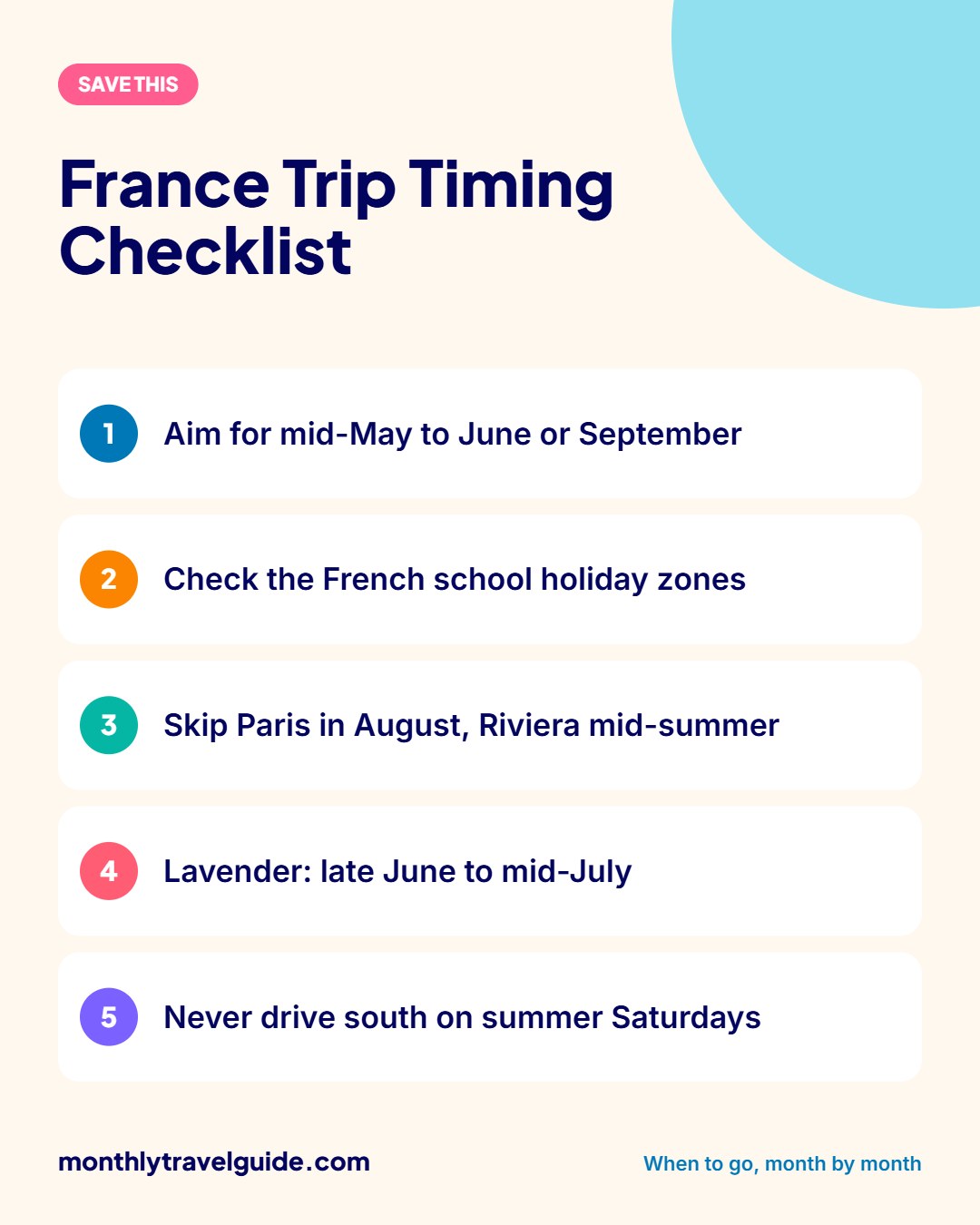
The best time to visit France for most trips is from mid-May to the end of June, or in September, when Paris sits around 20 to 24 °C, the Mediterranean is warm enough for a swim by June and the big summer crowds are either still to come or already gone. July and August bring the heat, the highest prices and packed beaches, and in August many city shops and restaurants close for the summer break. November is the grey, wet low point, while the Alps run their own calendar, with skiing from mid-December to the end of April. This guide sets out every month, the regions, the festivals and the weeks to avoid.

Quick answer
For cities, villages and the countryside, go from mid-May to June or in September. For a beach holiday on the Mediterranean, go in June or the first half of September, when the sea is about 20 to 22 °C without the August crush. For skiing, February and March give the best snow, but avoid the French school holiday weeks. Skip August for city trips and November for almost everything.
Key takeaways
01
France has several climates: oceanic in the north and west, semi-continental in the east, Mediterranean in the south and alpine in the mountains.
02
Paris averages about 20 °C in May and 24 to 26 °C from June to August, with occasional heat above 35 °C.
03
Nice reaches about 28 °C in July and August, and the sea there averages about 24 °C in August.
04
July and August are the most crowded and expensive months, and many French holidaymakers leave on the same weekends.
05
The ski season normally runs from mid-December to the end of April; February and March are the best months for snow.
06
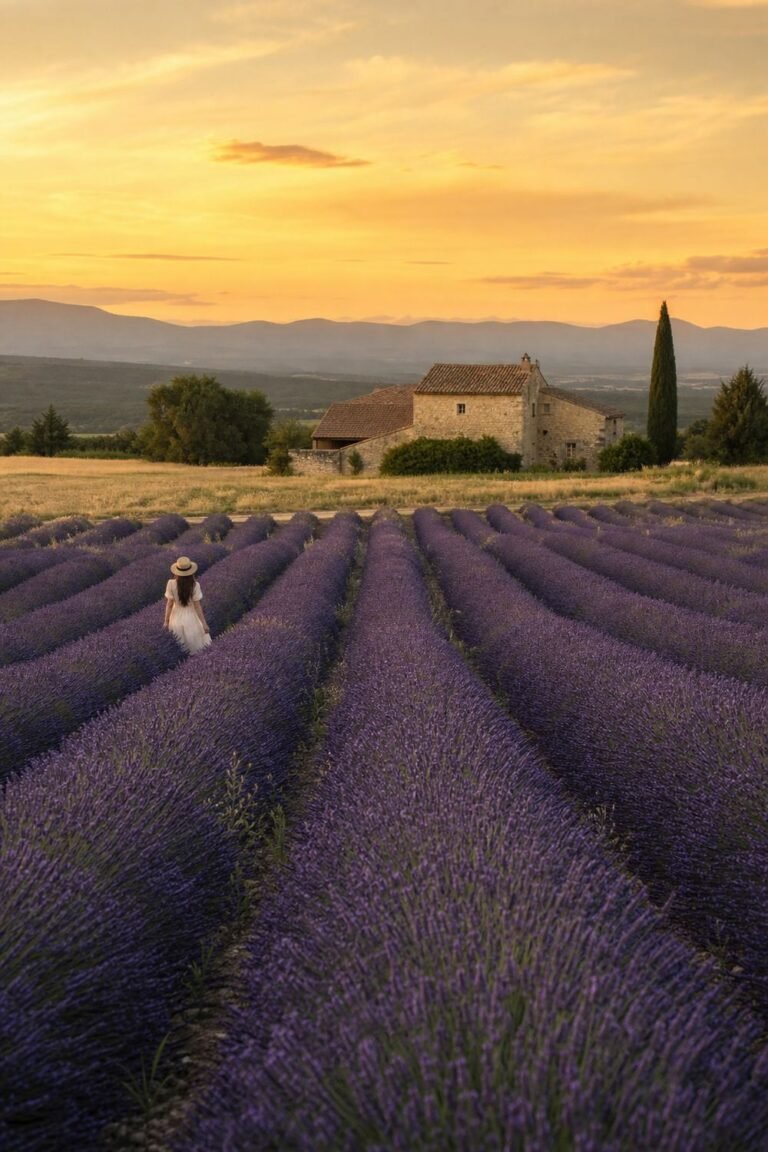
Lavender flowers from mid-June in the lowest areas to the end of July in the highest.
Best Time to Visit France: The 12-Month Table
This section rates every month for a general trip that mixes Paris, a region or two and some time outside the cities. The temperatures are long-term averages from Climates to Travel for Paris and Nice, the two places most first trips include, and the crowd notes come from Rough Guides.
| Month | Paris high / low | Nice high / low | Nice sea | Crowds | Verdict |
|---|---|---|---|---|---|
| January | 8 / 2 °C | 13 / 6 °C | 14 °C | Low in cities, high at ski resorts | Go with care |
| February | 9 / 2 °C | 14 / 6 °C | 13 °C | Ski break rush; Nice Carnival | Go with care |
| March | 13 / 4 °C | 15 / 8 °C | 14 °C | Quiet in cities; good skiing | Go with care |
| April | 17 / 6 °C | 17 / 11 °C | 14 °C | Easter and spring breaks | Go |
| May | 20 / 10 °C | 21 / 15 °C | 17 °C | Rising; public holidays | Go |
| June | 24 / 13 °C | 25 / 18 °C | 20 °C | Busier from mid-June | Go |
| July | 26 / 15 °C | 28 / 21 °C | 23 °C | Peak; summer holidays start | Go with care |
| August | 26 / 14 °C | 28 / 21 °C | 24 °C | Peak on coasts; cities half-closed | Skip |
| September | 22 / 11 °C | 25 / 18 °C | 22 °C | Falling fast after the first week | Go |
| October | 17 / 8 °C | 21 / 14 °C | 20 °C | Low, except the autumn school break | Go |
| November | 11 / 5 °C | 17 / 10 °C | 17 °C | Lowest of the year | Skip |
| December | 8 / 2 °C | 14 / 7 °C | 15 °C | Christmas markets and ski weeks | Go with care |
🗓️ Free: the 12-Month Map for France
Every month on one page: best weeks, shoulder weeks and the ones to skip. Print it or keep it on your phone.
Spring warms the south first, so Provence feels pleasant from April while Paris still needs a coat. Summer is warm everywhere and hot in the south. Autumn holds on longest by the Mediterranean, where the sea stays at about 20 °C into October. Winter is cold and often damp in the north and east, mild but rainy on the Riviera, and snowy in the mountains.
🧰 Try it while you read: a free tool for this trip
Free trip timing tool
Best Month Finder
Pick a country and your priorities; get the three months that suit you best.
Loading the tool…
France Month Verdicts by Region
This section splits the verdict by region, because a good month for Paris is not always a good month for the Alps or the Mediterranean coast. Each tile names the best window and the month to think twice about.
Where in France, and when
12 regions at a glance
Paris
Best: Mid-May to June, September
GoThink twice: August: closures and heat
Normandy and Brittany
Best: June to August
GoThink twice: Winter: wet and windy
Loire Valley
Best: May, June, September
GoThink twice: November to March: some sights on short hours
Provence
Best: May, June, September
GoThink twice: August: heat and full villages
French Riviera
Best: June, early September
GoThink twice: August: packed beaches
Corsica
Best: June, September
Go with careThink twice: August: peak summer crowds
Alsace
Best: May to June, December
GoThink twice: January: cold and quiet after the markets
Lyon and the Rhone
Best: May, June, September
GoThink twice: Early December: festival crowds
Bordeaux and the Atlantic
Best: June to September
GoThink twice: November: rain
French Alps, skiing
Best: February to March
Go with careThink twice: School holiday weeks
French Alps, hiking
Best: July to September
GoThink twice: Afternoon thunderstorms
Pyrenees
Best: June to September
Go with careThink twice: Snow on high passes into spring
Verdicts by the Monthly Travel Guide editorial team, based on Climates to Travel regional notes and the ski season dates from France Montagnes.
France Climate Zones: Why the Best Month Depends on the Region
This section explains the climate zones, which is where most timing mistakes start. France is large enough that you can have a cold drizzle in Lille and a sunny lunch outdoors in Nice on the same day.
| Zone | Typical places | What the weather does | Best window |
|---|---|---|---|
| Oceanic north | Normandy, Lille, Le Havre | Cool, wet and windy, especially in autumn and winter | June to August |
| Atlantic west | La Rochelle, Bordeaux, Biarritz | Milder and sunnier than the north | June to September |
| North-central | Paris, the Loire | Temperate and changeable; summer heat waves possible | Mid-May to June, September |
| Semi-continental east | Strasbourg, Alsace | Cold winters, warm summers with thunderstorms | May to June, September, December |
| Mediterranean | Marseille, Nice, Montpellier, Corsica | Mild, rainy winters; hot, dry, sunny summers | May, June, first half of September |
| Mountains | Chamonix, Briancon | Heavy winter snow; summer storms in the afternoon | Feb to Mar for skiing, Jul to Sep for hiking |
Source: Climates to Travel, which also notes that the La Rochelle area gets over 2,000 hours of sunshine a year.
Note
The mistral is the wind to know in the south. It is a dry, cold wind down the Rhone Valley that blows on about 100 days a year, at roughly 80 to 100 km/h. It clears the sky, which helps make Marseille one of the sunniest cities in France with about 2,860 hours of sun a year, but it can make a winter or spring day in Arles, Nimes or Marseille feel much colder than the thermometer suggests.
Month-by-Month Quick Notes for France
This section gives one honest line or two per month. Use it with the table above when you already have dates in mind.

The Smart Timing Bundle
Pick the month, book in the right order, pack once
Six printable timing tools for any trip: the Trip Timing Planner, When to Book, When NOT to Go, the Shoulder Season Playbook, the family timing guide and the Packing by Season System.
See the bundle · $37Six products, $100 separately · Digital download · All sales final
January
Cold and quiet in the cities, with short days. It’s the start of the main ski weeks in the Alps; the first days of the month are still festive and busy.
February
Mild by the Mediterranean, where the Menton Lemon Festival and the Nice Carnival are usually held. The winter school holidays fill ski resorts.
March
Paris reaches about 13 °C. Skiing is still good, and city sights are calm outside the weekends.
April
Spring arrives in the south. Easter and the spring school holidays make Paris busy, and Easter Monday is a public holiday.
May
One of the best months, with long days and about 20 to 21 °C in Paris and Nice. Watch for public holidays: 1 May, 8 May, Ascension and Whit Monday.
June
Warm, long evenings and the Fete de la Musique on 21 June. Lavender begins in the lowest areas from mid-June.
July
Hot in the south, summer holidays begin, and Bastille Day falls on 14 July. The Avignon Festival is usually held in July.
August
The French holiday month. Coasts are full, and some Paris shops and restaurants close for their annual break. 15 August is a public holiday.
September
The sea is still warm and the grape harvest is usually under way. Heritage Days, usually on the third weekend, open buildings that are normally closed.
October
Mild in the south, cooler in the north, with autumn colour. The Toussaint school break usually starts on the last weekend.
November
Rain becomes frequent and days are short. Beaujolais Nouveau is usually released in the third week.
December
Christmas markets in Strasbourg, Colmar and many other towns from late November, and the Lyon Festival of Lights around 8 December.
For more detail on single cities and seasons, see Lyon in December, Colmar in Alsace and European cities in September.
Festivals and Public Holidays in France
This section lists the events most likely to shape a trip, either because you want to be there or because they fill rooms and close sights. Dates move a little from year to year, so treat each one as usually in that month and check the organiser before you book.
February
Nice Carnival and Menton Lemon Festival
Parades and flower battles on the Riviera, usually over about two weeks in February.
May
Cannes Film Festival
Usually in mid to late May; rooms in Cannes are hard to find that fortnight.
21 June
Fete de la Musique
Free concerts in streets, squares and bars across the country.
July
Bastille Day and the Avignon Festival
Fireworks and closures on 14 July; Avignon’s theatre festival usually fills the city for much of the month.
September
Grape harvest and Heritage Days
Harvest and wine festivals across the wine regions; Heritage Days usually on the third weekend.
Late Nov to 24 Dec
Christmas markets
Strasbourg, Colmar and other towns in Alsace and beyond.
Around 8 Dec
Lyon Festival of Lights
Four evenings of light shows; Friday and Saturday are the busiest.
Sources: Rick Steves for the festival months, public holidays and Christmas markets; Rough Guides for the harvest and Beaujolais Nouveau. The same calendar notes that many sights and banks close on national holidays, which also include Easter Monday, Ascension, Whit Monday, 15 August and 1 November. To match a festival to your dates, try the free Festival Month Matcher.
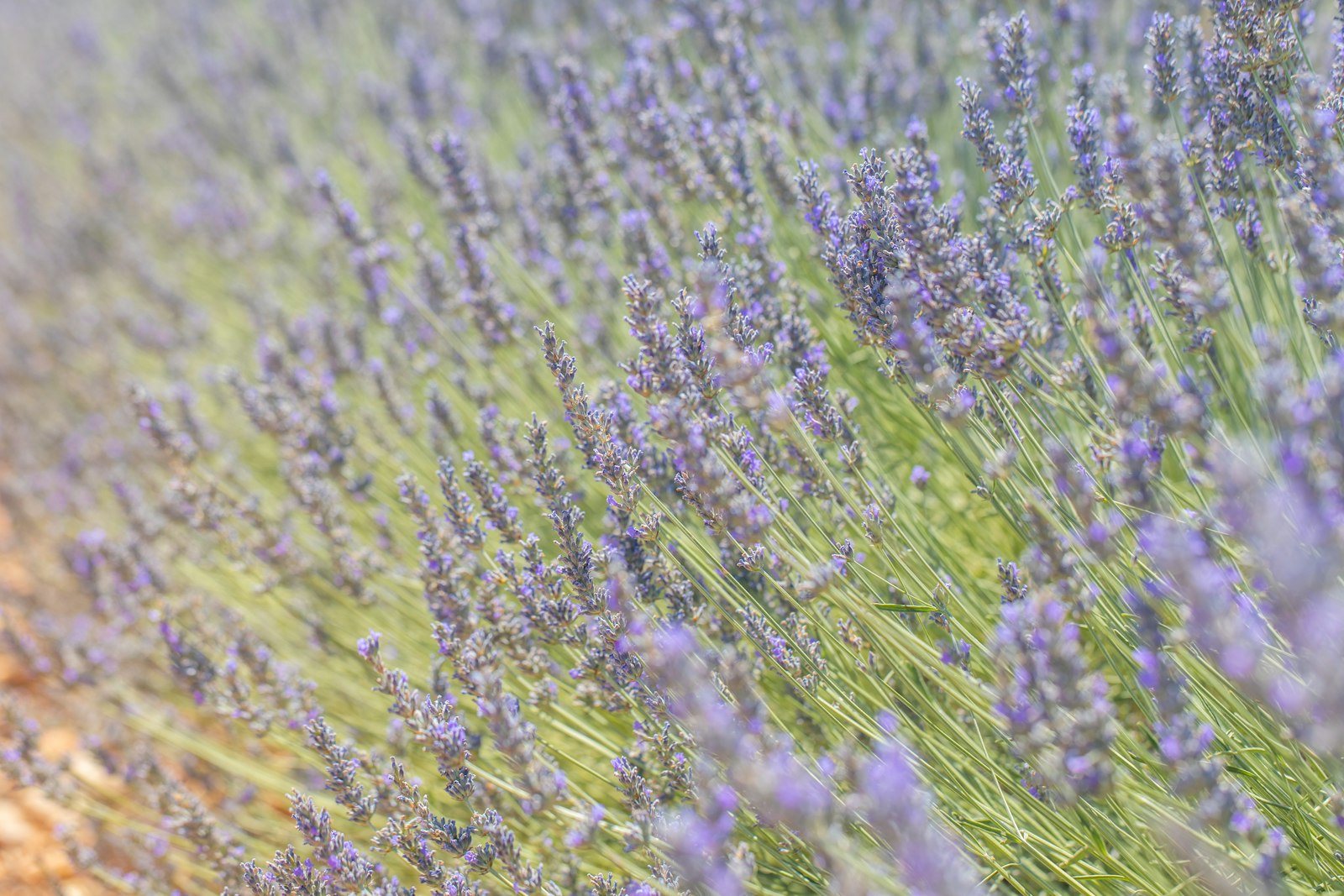
Lavender is the most common reason people move a Provence trip. According to Routes de la Lavande, the flowers open from mid-June in the lowest areas to the end of July in the highest, and the harvest starts from mid-July, so a late-July visit to low fields can mean cut rows. Early July is the safest bet for colour across most areas. For other flower seasons in Europe, read where to see spring blooms.
Month-by-month for every region
When to Go: France
If you are still choosing between Paris in May, Provence in June or the Alps in March, the guide lays out each month region by region: weather, crowd weeks, school holidays, festivals and what to book early, so your dates fit the trip you want.
Digital download · All sales final
Crowds, School Holidays and Summer Traffic in France
This section covers the weeks when France is busiest, which are driven mostly by French families rather than foreign visitors. Knowing the school calendar is the cheapest way to improve a trip.
| Period | What happens | What to do |
|---|---|---|
| Mid-February to early March | Winter school holidays, staggered by zone over about four weeks | Ski outside these weeks; avoid Paris over the break |
| Mid-April to early May | Spring school holidays, also staggered, plus Easter | Book Paris and the Loire early |
| Early July to early September | Summer holidays; peak from mid-July | Go in June or September instead |
| End of July, early August | Black Saturday: the densest traffic of the year | Never drive south on a Saturday then |
| Late October to early November | Toussaint school holidays, about two weeks | Expect busier family sights |
| Christmas to New Year | Two weeks of school holidays; ski peak | Book ski rooms well ahead |
Sources: French school holidays for the zones and dates; Rough Guides for the summer crowds. Black Saturday is the day the government traffic service marks black for extremely dense traffic, and it usually falls at the end of July, with the A6 motorway south from Paris among the worst roads (Wikipedia).
Tip
Prices change; check before you book. The free Shoulder Season Detector shows which weeks are quiet but still pleasant for any country, and the When to Book calculator suggests how far ahead to reserve.
Skiing and Winter in France
This section is for winter trips, which follow a different calendar from the rest of the country. According to France Montagnes, the French ski season normally runs from mid-December to the end of April, and resort tourist offices confirm exact dates each winter.
For snow, Climates to Travel recommends February and March. But February also carries the winter school holidays. Early to mid-January and the second half of March are the usual compromise: fewer families, reliable cover at height and calmer lift queues. Christmas and New Year are festive but the most expensive weeks in the mountains.
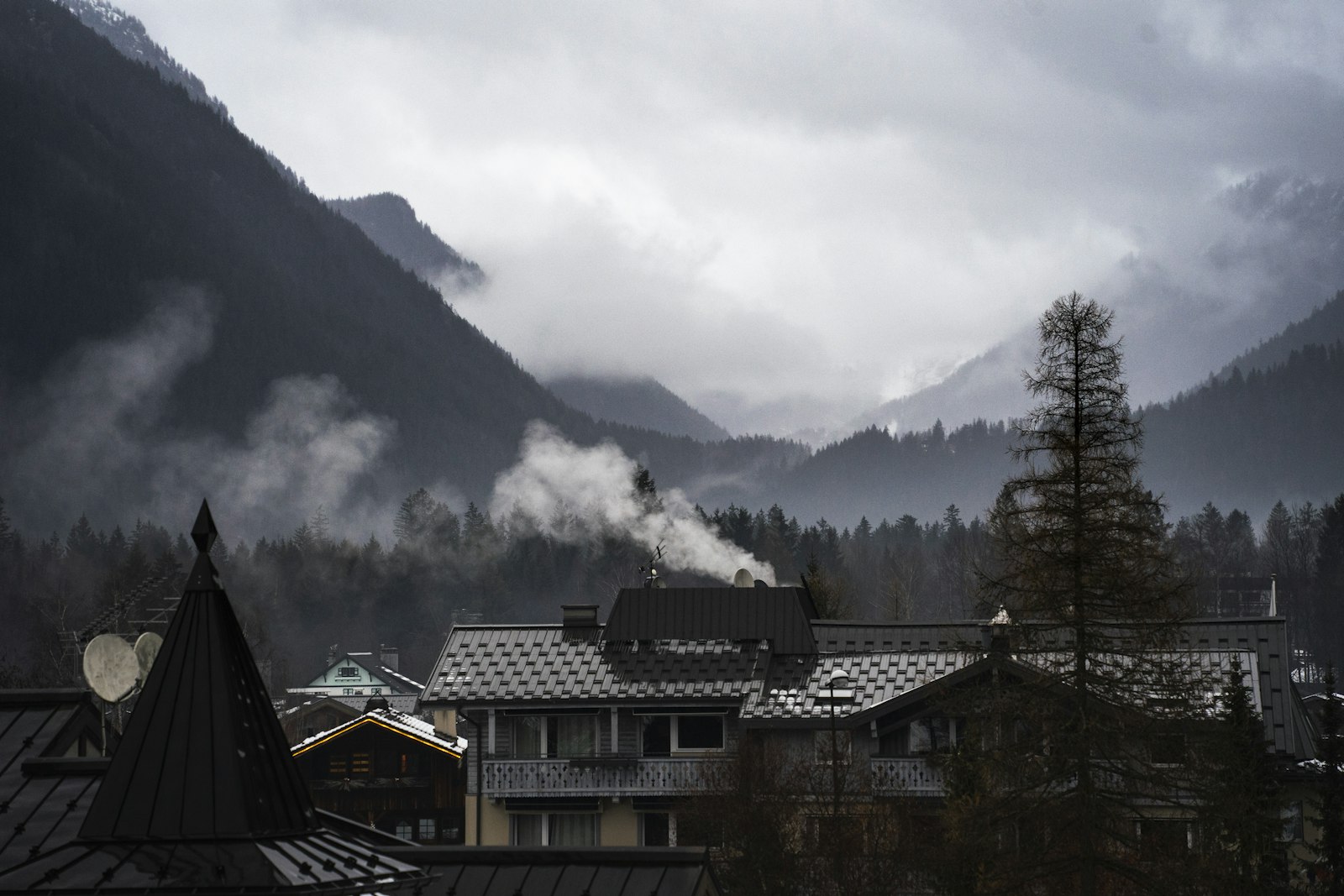
Off the slopes, winter is the quietest time for museums in Paris and Lyon, and the Riviera stays mild at about 13 to 14 °C. For a city trip in the cold months, see one day in Paris and Paris like a local.

The complete kit
Every country guide, every timing tool
All 24 When to Go country guides, the six Smart Timing tools and every 12-Month Map, with a Start Here that tells you what to open first.
See the kit · $127The five bundles cost $225 separately · Digital download · All sales final
When Not to Go to France
France works in every month, but these windows can spoil the wrong kind of trip.
| Avoid | Why | Better choice |
|---|---|---|
| Paris in August | Some shops and restaurants close; heat waves above 35 °C are possible | Paris in June or September |
| The Riviera from mid-July to mid-August | Full beaches, high prices, busy roads | June or the first half of September |
| Driving south on summer Saturdays | Black Saturday and holiday changeover traffic | Travel midweek, early morning |
| Ski resorts in the February break | French families fill slopes and rooms | Mid-January or late March |
| The north coast in November | Rain, wind and short days | Normandy and Brittany in June |
| Paris over Easter | Spring break crowds at the big sights | Late April or May, outside holidays |
If you’re unsure about your own dates, run them through the free When Not to Go checker.
Warning
Public holidays are easy to miss. On 1 May, 14 July, 15 August and other national holidays, many museums, banks and shops close or keep short hours, and long weekends called ponts can empty cities and fill the roads. Check the calendar before you fix a museum day.
Better Month for Your Travel Style
This section matches the month to the trip, because the best time to visit France changes with what you came for.
If you want
First visit and city sightseeing
Mid-May to June, or September. Add Paris at night on the long June evenings.
If you want
Mediterranean beaches
June or the first half of September; the sea is about 20 to 22 °C.
If you want
Lavender in Provence
Late June to mid-July, before the harvest.
If you want
Wine regions
September and early October for the harvest season.
If you want
Skiing
February to March for snow, mid-January or late March for space.
If you want
Mountain hiking
July to September, with an early start to beat afternoon storms.
If you want
Low prices and fewer people
Late January to early February, or November outside Toussaint, accepting grey weather.
If you want
Christmas lights
Early December for Alsace markets and the Lyon Festival of Lights.
Not sure which month suits your trip? The free Best Month Finder narrows it down in a few clicks.
5 Common Timing Mistakes on a France Trip
1. Treating France as one climate
A sunny forecast for Nice says nothing about Brittany or Strasbourg. Check each region on your route.
2. Booking August for a Paris city break
August looks ideal on paper, but it is the month when many Parisians leave and some neighbourhood shops and restaurants close for their annual break. June and September give you the same long days with the city fully open.
3. Ignoring the French school calendar
The winter and spring holidays move by zone and cover several weeks. Ski resorts, Paris attractions and family sights fill fast, so check the dates before you choose a week.
4. Arriving for lavender after the harvest
Lavender flowers from mid-June to the end of July depending on altitude, and harvesting starts from mid-July. A trip planned for early August can miss the colour entirely in the lower fields.
5. Forgetting public holidays and ponts
Bastille Day, 15 August, 1 May and the spring holidays close many sights, and a holiday on a Thursday or Tuesday often turns into a four-day weekend. Plan museum days around them.
Best Time to Visit France: FAQ
What is the best month to visit France?
June and September are the best all-round months. Paris averages about 22 to 24 °C, the Mediterranean is warm enough to swim, days are long and the peak summer crowds are either not yet here or already gone. May is a close third, though its public holidays can fill trains and close some sights. For skiing, February and March give the best snow.
What is the cheapest time to go to France?
The quietest and usually cheapest months are November, January and early February, outside the Christmas and school holiday weeks. Rough Guides notes smaller crowds and lower lodging costs in November and calls winter the off-season. Expect grey, cool weather in the north and short days. Prices change, so check current rates before you book anything.
Is it a good idea to visit France in August?
It depends on the trip. August is the warmest beach month, with the sea at Nice around 24 °C, but it is also the busiest and most expensive time on the coasts. In Paris, some shops and restaurants close for the summer break, and traffic peaks at the end of July and early August. City travellers do better in June or September.
When is the rainy season in France?
France has no single rainy season. In the north and west, rain is spread through the year but autumn and winter are wetter and windier. On the Mediterranean coast, summers are dry and most rain falls in autumn and winter. Rough Guides describes November as usually frequently rainy and December as cold and rainy across much of the country.
What is the best time to visit Paris and the south of France on one trip?
Go from mid-May to the end of June, or in September. In those windows Paris is mild at about 20 to 24 °C, and Provence and the Riviera are warm without the July and August crowds. Climates to Travel names May, June and the first half of September as the best time for the Mediterranean, and mid-May to mid-June or September for Paris.
When is ski season in France?
The French ski season normally runs from mid-December to the end of April, according to France Montagnes. February and March usually have the best snow, but February also carries the French winter school holidays, so slopes and rooms fill up. Mid-January and late March are the usual compromise for good snow with fewer people. Christmas and New Year are the priciest weeks.
The Bottom Line
The best time to visit France is mid-May to June or September for most trips, with February and March for skiing and early July for lavender. Avoid August in Paris, the February school break in the Alps and November on the north coast. For more on the country, browse our France travel guides.
France plus the rest of Europe
Time a multi-country Europe trip
The Europe Bundle brings the European country guides together, so you can line up France with its neighbours month by month and see where the weather, crowd weeks and school holidays line up for one route.
Digital download · All sales final
Free download
The 12-Month Map, free
The whole year for one country on four printable pages, so you can see the right months before you read anything else.
- Good, shoulder and avoid months at a glance
- Region by region, not one average for the whole country
- Prints cleanly on US Letter
Your download page opens as soon as you sign up. 24 countries available.