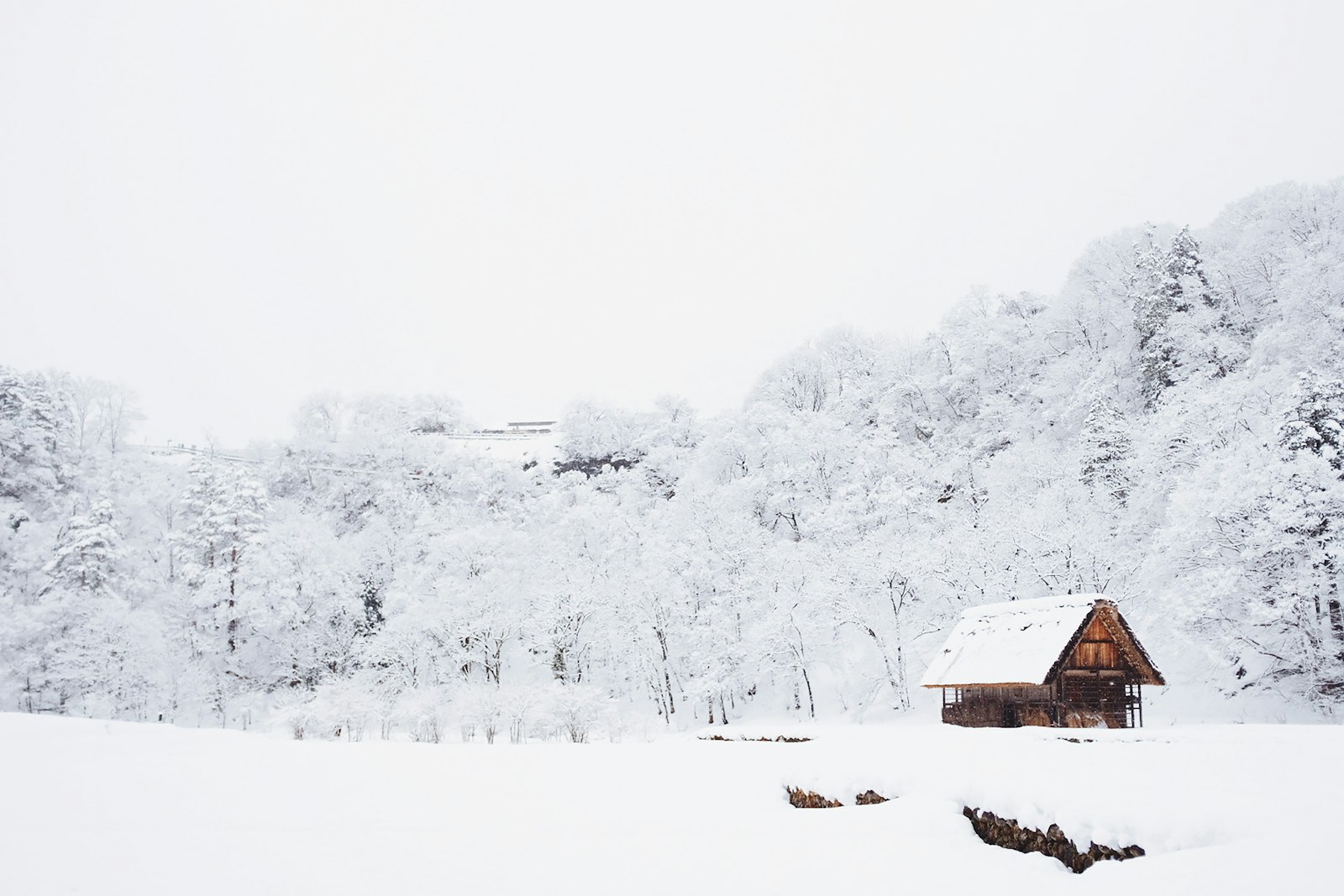
Japan in January is two countries at once: the Pacific side, from Tokyo to Osaka and Kyoto, is dry, cold and sunny, while the Sea of Japan side, Hokkaido and the mountains of central Honshu sit under some of the deepest snow on earth. Add mild Okinawa in the far south, and one trip can combine powder snow, onsen and quiet temples. The catch is the New Year holiday at the start, when offices shut and trains fill. Once that week is over, January becomes one of the calmest and best-value months of the year.

Quick answer
Yes, go, after the New Year week. Tokyo, Kyoto and Osaka are cold but sunny and quiet, Hokkaido and the Alps have deep snow for skiing and onsen, and Okinawa is mild. Arrive after about 4 January, pack proper winter layers and book ski and snow-village trips early.
Key facts
- Dry and sunny Pacific side: Tokyo averages about 193 hours of sunshine and only about 5 days with rain.
- Deep snow in the north and west: Sapporo averages about 137 cm of snowfall in January, with snow on most days.
- Cold but rarely freezing by day in the big cities: highs near 10 °C in Tokyo, Kyoto and Osaka, lows of 1 to 3 °C.
- Mild south: Naha in Okinawa averages about 20 °C by day, and the first cherry blossoms usually open from mid to late January.
- Holiday peak first: the Shōgatsu New Year break, roughly 29 December to 3 January, brings closures and full trains.
Japan in January: Weather, Crowds and Prices by Region
This section is the reference table. In winter a cold north-west wind blows from Siberia across the Sea of Japan, picks up moisture and drops it as snow on Hokkaido, the Japan Sea coast and the mountains of central Honshu. Beyond the mountains the air is dry, so Tokyo and Osaka are sunny while Sapporo and Kanazawa see snow or rain on most days.
| Region (station) | Day / night | Rain or snow | Sea | Daylight | Crowds | Price level |
|---|---|---|---|---|---|---|
| Hokkaido (Sapporo) | About -0.5 °C / -6.5 °C | About 22 days, 108 mm; about 137 cm of snow | About 5 °C | About 9.5 h | High at ski resorts | High at ski resorts |
| Inland Hokkaido (Asahikawa) | About -3 °C / -12 °C | About 17 days, 65 mm | — | About 9.5 h | Low | Medium |
| Japanese Alps (Nagano) | About 4 °C / -4 °C | About 13 days, 55 mm; about 63 cm of snow | — | About 10 h | Medium | Medium to high at ski resorts |
| Japan Sea coast (Kanazawa) | About 7 °C / 1 °C | About 25 days, 270 mm | About 12 °C | About 10 h | Low | Low to medium |
| Tokyo and Kanto (Tokyo) | About 10 °C / 1 °C | About 5 days, 60 mm | About 17 °C | About 10 h | Medium | Medium |
| Kyoto | About 9 °C / 1.5 °C | About 8 days, 53 mm | — | About 10 h | Low to medium | Low to medium |
| Osaka and Nara (Osaka) | About 10 °C / 3 °C | About 6 days, 47 mm | About 16 °C | About 10 h | Low to medium | Low to medium |
| Northern Kyushu (Fukuoka) | About 10 °C / 4 °C | About 11 days, 74 mm | About 17 °C | About 10 h | Low | Low to medium |
| Southern Kyushu (Kagoshima) | About 13 °C / 5 °C | About 10 days, 80 mm | About 20 °C | About 10.5 h | Low | Low |
| Okinawa (Naha) | About 20 °C / 15 °C | About 12 days, 102 mm | About 23 °C | About 11 h | Medium | Medium |
🗓️ Free: the 12-Month Map for Japan
Every month on one page: best weeks, shoulder weeks and the ones to skip. Print it or keep it on your phone.
Temperatures, rain, snow and sunshine for Sapporo, Nagano, Tokyo, Kyoto, Osaka, Fukuoka and Naha are the Japan Meteorological Agency’s long-term January normals, rounded; Asahikawa, Kanazawa, Kagoshima and all sea temperatures come from Climates to Travel. Rain days count days with meaningful precipitation, rain or snow. Daylight is rounded for the latitude. Crowd and price levels are the Monthly Travel Guide editorial team’s ratings, not statistics; they peak over the New Year week and at the big ski resorts.
193 h
of January sunshine in Tokyo
137 cm
of January snowfall in Sapporo
5 days
with rain in Tokyo, the driest big city
20 °C
average afternoon in Naha, Okinawa
🧰 Try it while you read: a free tool for this trip
Free trip timing tool
Best Month Finder
Pick a country and your priorities; get the three months that suit you best.
Loading the tool…
Region by Region: Where to Go in Japan in January
This section gives each main travel region a verdict and the details behind it. The simplest January route pairs one sunny region, the Pacific cities for temples and food, with one snow region, Hokkaido or the Alps.
Hokkaido: Sapporo, Niseko, Otaru and the Okhotsk coast
Hokkaido is Japan’s snow island. Sapporo averages a high just below freezing and a low of about -6.5 °C, with snow falling on almost every day and around 137 cm settling over the month. Inland, Asahikawa is colder still, with nights near -12 °C. That is what draws skiers: January is the heart of the powder season at Niseko, Furano and Rusutsu. It also means short, grey days, with about 90 hours of sunshine in Sapporo.
For non-skiers, Otaru’s canal and old warehouses are at their most atmospheric under snow. On the Sea of Okhotsk coast, drift ice usually reaches the shore around Abashiri in mid to late January; sightseeing boats usually start sailing from around 20 January. Heavy snow can delay flights and close mountain roads, so keep spare days.
The Japanese Alps: Nagano, Hakuba and Shirakawa-go
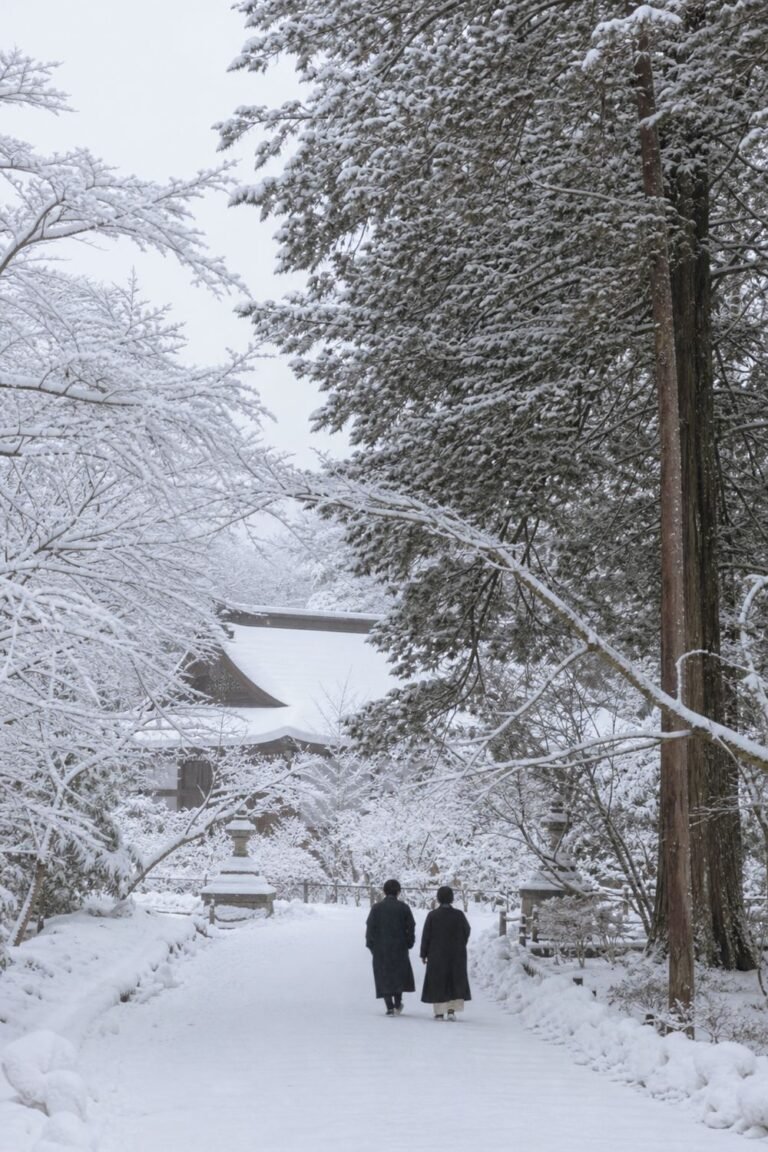
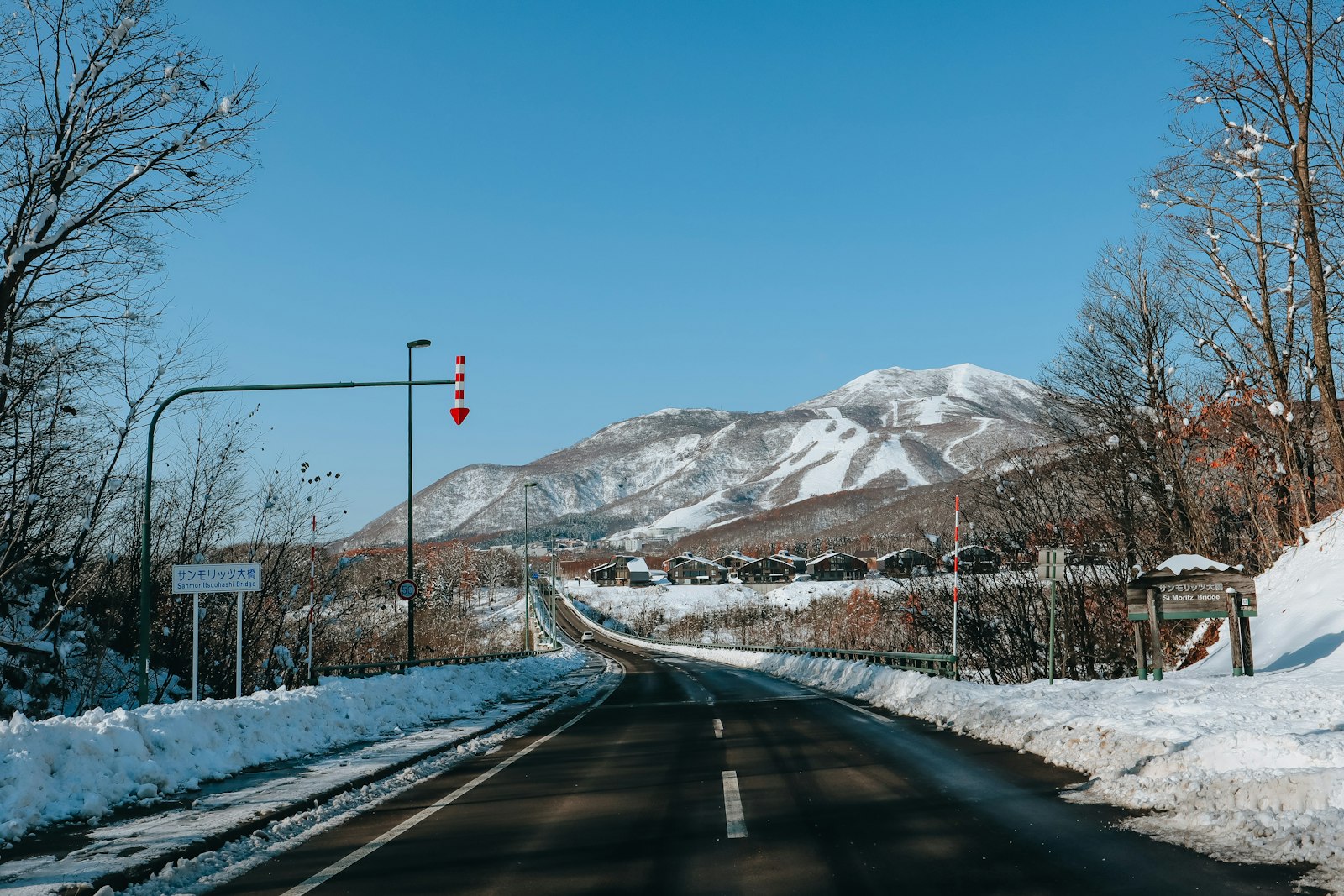
The mountains of central Honshu are Japan’s “snow country”. Nagano city averages about 4 °C by day and -4 °C at night, with snow on around 24 days and about 63 cm of snowfall, and the resorts above it at Hakuba and Nozawa Onsen get far more. Come for skiing close to Tokyo, onsen towns such as Shibu and the snow monkeys of Jigokudani.
When to Go: Japan
Blossom, autumn colour or quiet temples?
Every month across Japan rated for weather, crowds and prices, region by region, from Hokkaido to Okinawa, with a 7-day booking plan and the free 12-Month Map.
See the Japan guide · $19About 100 pages · PDF, US Letter and A4 · Digital download · All sales final
Shirakawa-go, the UNESCO-listed village of steep thatched farmhouses, is the classic January image. According to japan-guide.com, the village is usually covered by one to two metres of snow at the peak of the season, and it holds evening light-ups on selected dates in January and February that need an advance reservation. The Japan Sea gateway of Kanazawa is wet and grey in January, with around 270 mm of rain or snow, so pack waterproofs as well as warm layers.
Tokyo, Kanto and Mount Fuji
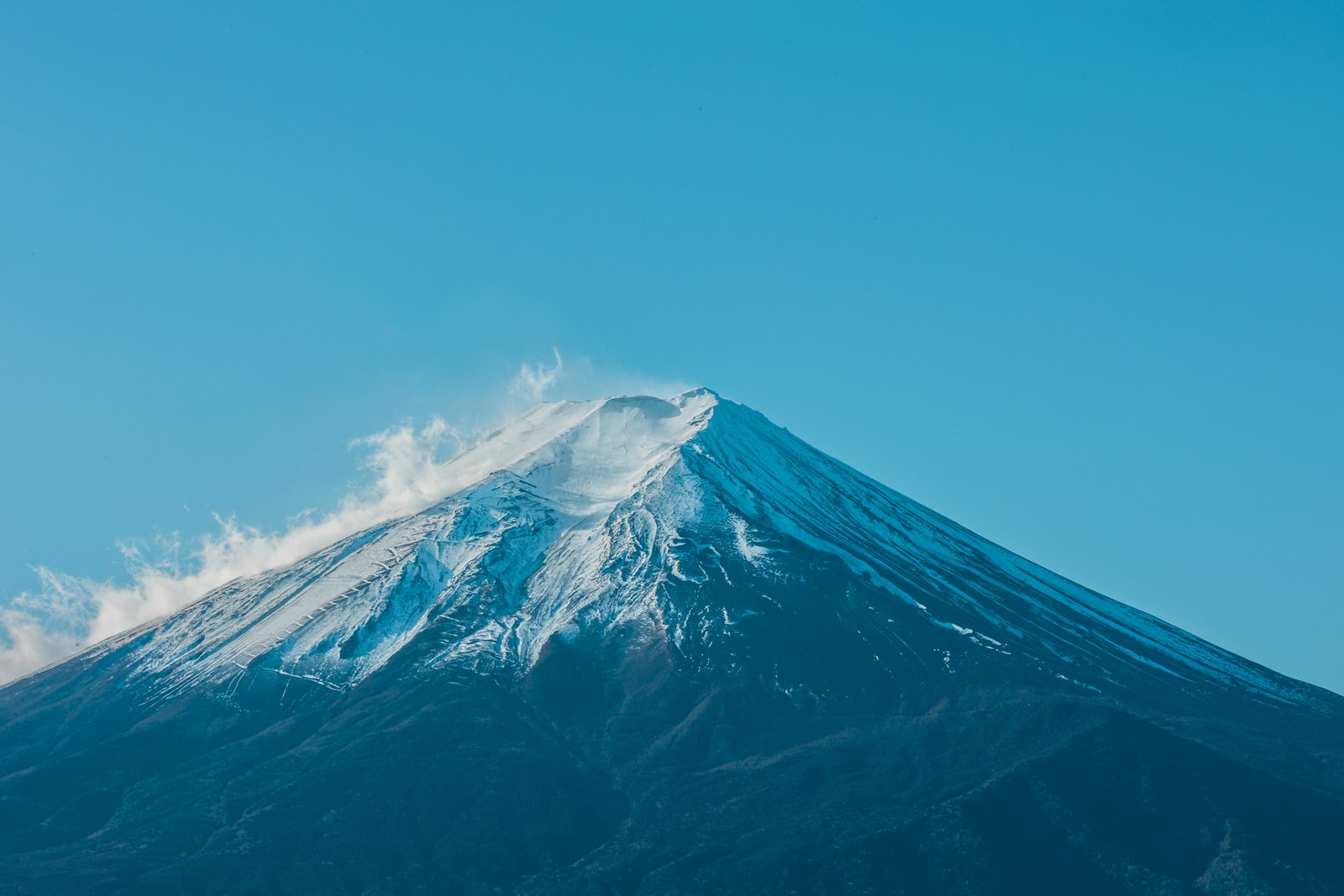
Tokyo in January is cold, dry and bright. Afternoons reach about 10 °C, nights fall to about 1 °C, and the city averages only about five days with rain and around 193 hours of sunshine, more than in many summer months. Snow is rare. The dry air gives the clearest Mount Fuji views of the year, from Hakone, the Fuji Five Lakes and, on clear mornings, Tokyo itself.
The first three days of the year are a special case: offices close, many families leave the city, and the famous shrines are crowded with hatsumōde, the first visit of the year. From around 4 January, Tokyo returns to normal and is calmer than in spring or autumn.
Kyoto, Osaka and Nara
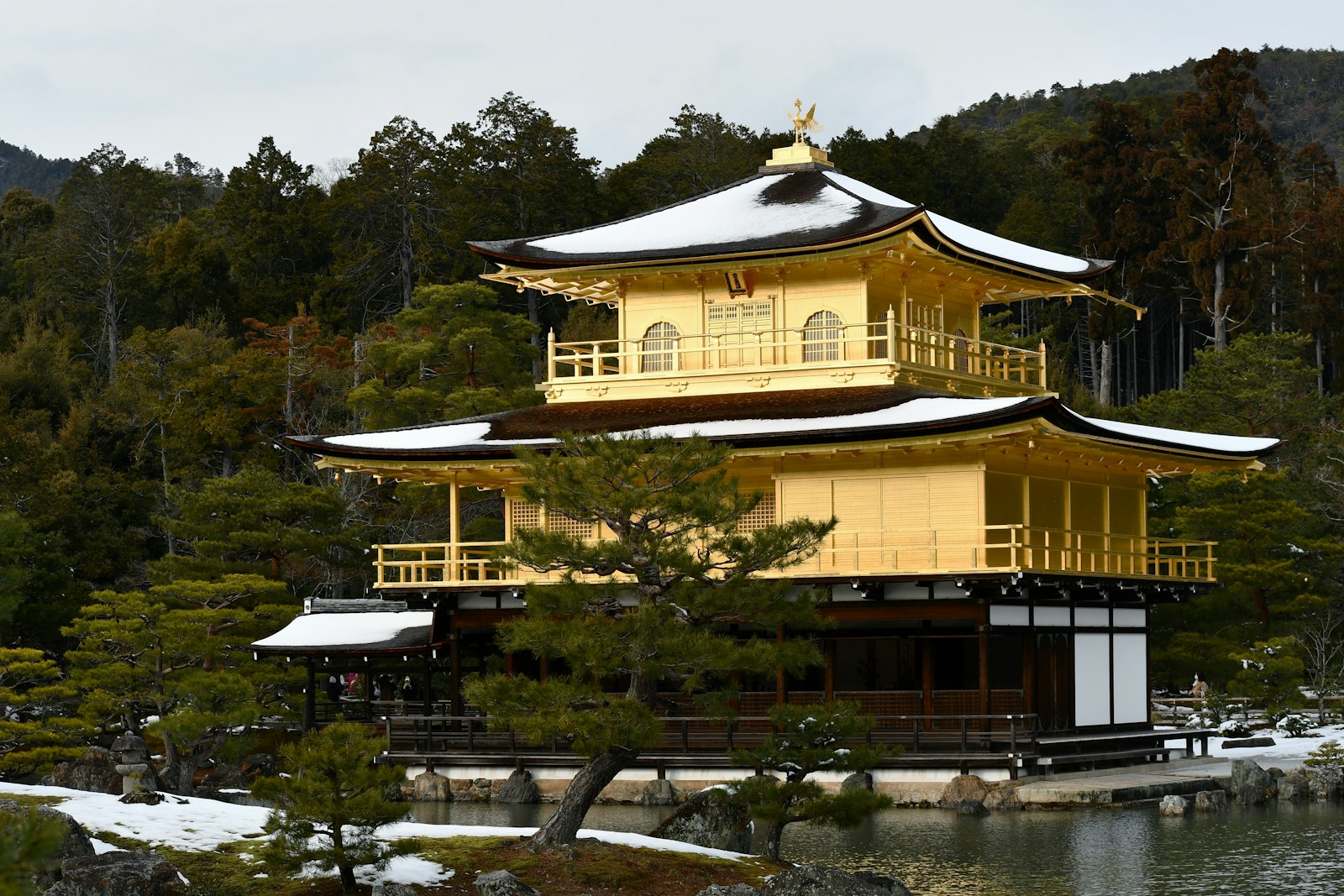
Kansai is the value story of Japan in January. Kyoto averages about 9 °C by day and 1.5 °C at night, with about eight wet days and about 5 cm of snowfall over the month, so a light dusting on temple roofs is possible but cannot be counted on. Osaka is a little milder and drier. After the New Year rush, Kyoto’s temples, gardens and lanes are quieter than at almost any other time of year, and hotel rates are usually well below the blossom and leaf peaks.
The cold is real: temples are unheated and many halls require you to remove your shoes, so warm socks matter as much as a coat. Start early at Fushimi Inari and Kiyomizu-dera, and keep Osaka’s covered arcades for cold evenings.
Plan the other eleven months
When to Go: Japan
Blossom and leaf peaks, the rainy season, typhoons and holiday weeks fall differently on each island. When to Go: Japan rates every month region by region, with weather, crowds, prices and the dates to avoid.
See When to Go: JapanDigital download · All sales final
Kyushu
Kyushu is mild by Japanese winter standards. Fukuoka averages about 10 °C by day and 4 °C at night, and Kagoshima in the south reaches about 13 °C. The north faces the Sea of Japan, so Fukuoka sees more grey days than Tokyo, about 11 wet days and roughly 104 hours of sunshine, while the south is brighter. It is a good month for the onsen towns of Beppu and Yufuin, where hot springs feel their best in cold air.
Okinawa and the southern islands
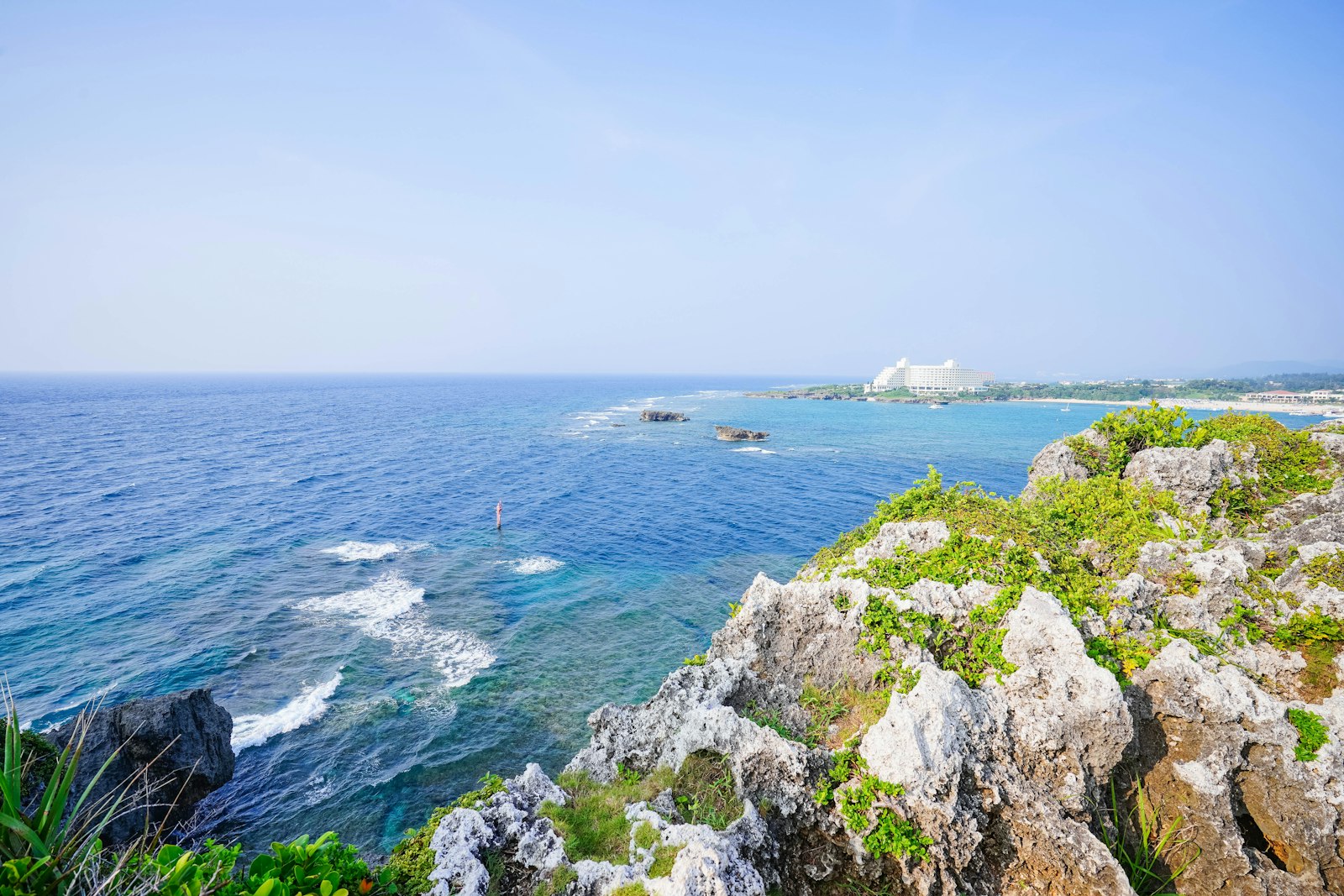
Okinawa is Japan’s mild escape. Naha averages about 20 °C by day and 15 °C at night, and Ishigaki further south is a little warmer. It is not tropical beach weather: expect frequent cloud, about 12 wet days, about 93 hours of sunshine in Naha and a sea of about 23 to 24 °C that feels cool to many swimmers. The real draw is the early cherry blossom. Okinawa’s deep-pink hikanzakura usually begin to open from mid to late January, starting in the north of the main island around Motobu and Nago, weeks before the mainland blossom.
Snow Monkeys, Drift Ice and Snow Villages: The January Specials
This section covers three winter-only experiences. All depend on cold and snow, and all reward advance planning.
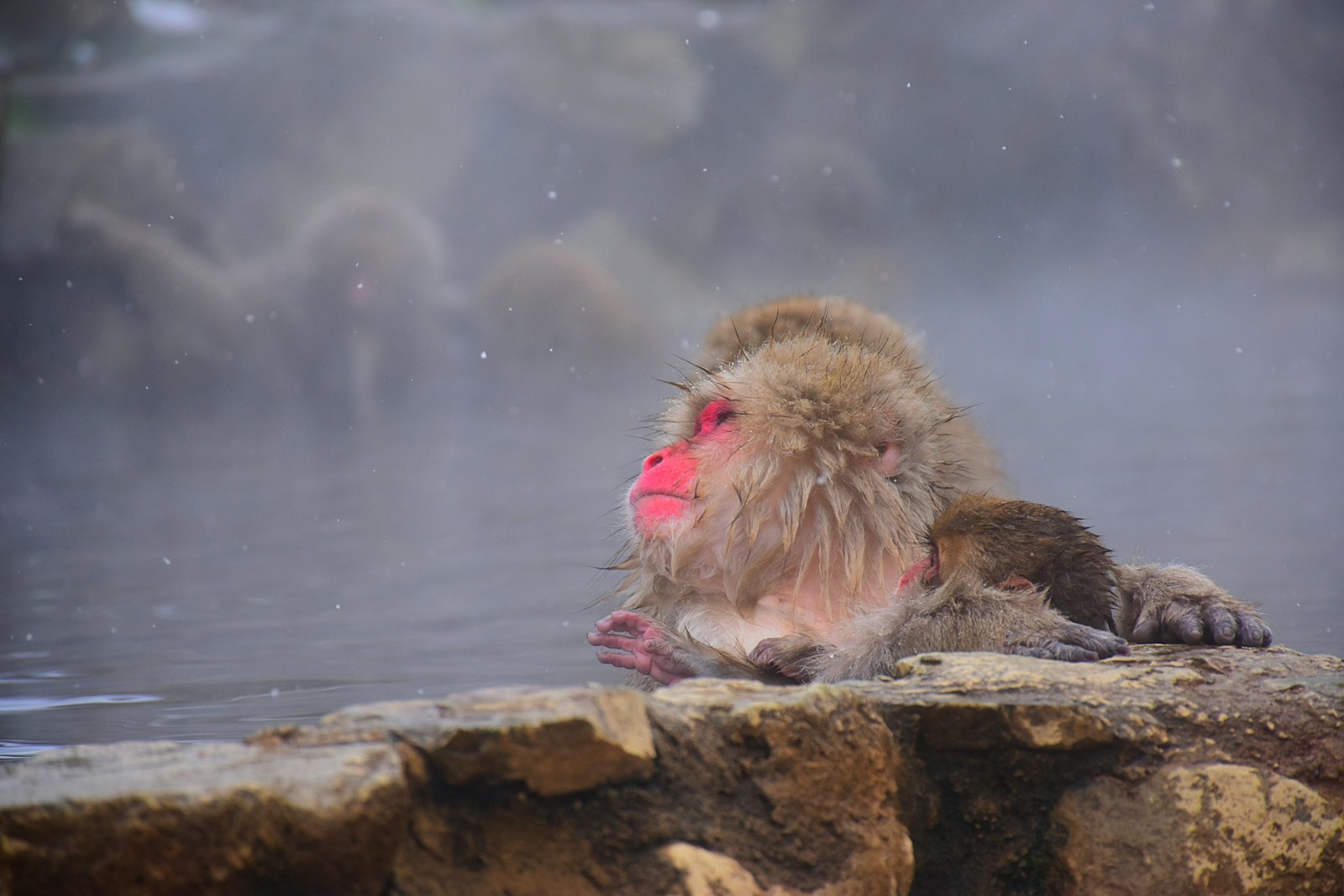
Snow monkeys at Jigokudani
In the valley above Yudanaka in Nagano Prefecture, wild Japanese macaques bathe in a hot spring pool through the winter. According to Snow Monkey Resorts, the monkeys spend hours soaking when heavy snow covers the valley, and January and February are the coldest months. The walk in is about 1.6 km each way, and in winter the path is icy, so wear shoes with good grip or spikes.

The Smart Timing Bundle
Pick the month, book in the right order, pack once
Six printable timing tools for any trip: the Trip Timing Planner, When to Book, When NOT to Go, the Shoulder Season Playbook, the family timing guide and the Packing by Season System.
See the bundle · $37Six products, $100 separately · Digital download · All sales final
Drift ice on the Sea of Okhotsk
Sea ice from the Sea of Okhotsk usually reaches the coast around Abashiri and the Shiretoko Peninsula in mid to late January. The arrival date varies from winter to winter, and offshore winds can keep the ice away for days, so January is the start of the season rather than its peak.
Shirakawa-go and the snow villages
Day visits to Shirakawa-go are easy by bus from Takayama or Kanazawa, but light-up evenings cap visitor numbers and require reservations. Without a place, a daytime visit and a night in Takayama works well.
⚑ Timing tip
Pair the specials only if your route allows: the snow monkeys and Shirakawa-go both sit in central Honshu and fit a Nagano to Kanazawa loop, while the drift ice is a separate trip to eastern Hokkaido. For more ideas on hot springs and snow trips, see the best hot springs for January and the best ski resorts in January.
January Dates: Shōgatsu, Coming-of-Age Day and the Quiet Weeks
This section shows how the month runs, because the dates inside January matter almost as much as the region you choose.
| Dates | What happens | Crowds | Price level |
|---|---|---|---|
| About 29 December to 3 January | Shōgatsu, the New Year holiday: offices close, families travel home, many businesses shut from 1 to 3 January | Very high on trains and at shrines | Highest |
| 1 to 3 January | Hatsumōde, the first shrine and temple visit of the year; the most popular shrines receive millions of visitors | Very high at shrines | High |
| Second Monday of January | Coming-of-Age Day, a national holiday; twenty-year-olds attend ceremonies, many in formal kimono; a long weekend | Busier for the weekend | Medium |
| Mid to late January | Usually the quietest stretch of the winter in the cities; drift ice and Okinawa blossoms begin | Low in cities, high at ski resorts | Low to medium |
| Late January in some years | Lunar New Year can bring extra visitors from elsewhere in Asia; the date moves between late January and mid-February | Rising in popular cities | Rising |
Shōgatsu is the one period to plan around. Most businesses shut from 1 to 3 January, many museums and smaller restaurants close for a few days, and trains are full in both directions. The stretch from around Coming-of-Age Day to the end of the month is usually the calmest and best-value part of the Japanese winter, except at the ski resorts, which stay busy.
When Not to Go to Japan in January
This section is the honest one. January suits many trips, but it is the wrong choice if any of these is your priority:
Cherry blossom on the mainland
Tokyo and Kyoto blossom usually arrives from late March into early April; only Okinawa blooms in January.
Climbing Mount Fuji or hiking the Alps
Summit trails are closed in winter; the climbing season is in summer.
A tropical beach holiday
Okinawa is mild but often cloudy and breezy; summer is the beach season.
A New Year trip with everything open
Many businesses close from 1 to 3 January, and trains are full.
Long days for sightseeing
Daylight is about 10 hours in Tokyo and less in Hokkaido.
Better month if you want…
Mainland cherry blossom
Usually late March to early April
Autumn leaves in Kyoto
Usually mid to late November
The Sapporo Snow Festival
Usually in February
Peak drift ice
Usually the second half of February
Mount Fuji climbs
July to early September
Warmer city walking
May or late October
Planning autumn instead? Read our guide to timing Japan’s autumn leaves. For more January ideas, browse winter wonderland destinations, places with crisp, clear winter skies and early spring blooms in January, and use the free 12-Month Map to compare any destination month by month.
Pack and book for Japan in January
- ✓A warm coat, hat, gloves and thermal layers for the north and the mountains
- ✓Shoes with good grip, and slip-on spikes for icy paths and Jigokudani
- ✓Warm socks for unheated temples where you remove your shoes
- ✓Ski lodging, Shirakawa-go light-up places and drift ice boats booked early
- ✓Arrival after about 4 January to avoid the New Year rush
Common Mistakes With a January Japan Trip
1. Arriving during the New Year week
From about 29 December to 3 January, trains are full, shrines are packed and many businesses close. Arriving after about 4 January gives you the same weather with everything open.
2. Packing for one Japan when there are two
Tokyo to Hokkaido runs from sunny 10 °C afternoons to highs below freezing. Pack layers for both, plus waterproofs for the Japan Sea coast.
3. Leaving ski and snow trips until the last minute
Niseko, Hakuba and Nozawa Onsen are at their busiest in January, and the Shirakawa-go light-ups cap visitor numbers. Book as soon as your dates are fixed.
4. Expecting Okinawa to be a tropical beach
Okinawa is mild, not hot. Expect around 20 °C, frequent cloud and a cool sea. Go for the early blossoms and keep beach plans flexible.
5. Building a tight schedule around snow country
Heavy snow can delay flights into Hokkaido and close mountain roads in the Alps. Leave a spare day before your flight home.

The complete kit
Every country guide, every timing tool
All 24 When to Go country guides, the six Smart Timing tools and every 12-Month Map, with a Start Here that tells you what to open first.
See the kit · $127The five bundles cost $225 separately · Digital download · All sales final
Japan in January: FAQ
Is January a good time to visit Japan?
Yes, especially after the New Year week. The Pacific side, including Tokyo, Kyoto and Osaka, is cold but dry and sunny, the cities are quieter than in spring or autumn, and prices are usually lower. Hokkaido and the Alps offer some of the world’s most reliable snow, and Okinawa is mild. The trade-offs are short days, real cold and the Shōgatsu closures.
How cold is Tokyo in January?
Tokyo averages about 10 °C in the afternoon and about 1 °C at night, so it is cold but rarely freezing during the day. It is also one of the sunniest months, with around 193 hours of sunshine and only about five days with rain. Snow is rare in the city. Bring a warm coat, a hat and gloves for evenings and early mornings.
Does it snow in Kyoto in January?
Sometimes, but not much. Kyoto averages about 5 cm of snowfall in January, so a light dusting on temple roofs is possible on a few days and rarely lasts. Days are around 9 °C and nights close to freezing. If snow is the point of your trip, add Shirakawa-go, the Nagano mountains or Hokkaido, where deep snow is the norm.
What is closed in Japan over New Year?
Shōgatsu is Japan’s most important holiday. Most businesses shut from 1 to 3 January, and many museums, smaller restaurants and some sights close for a few days around the turn of the year. Convenience shops, many department stores and major transport keep running, but trains and flights are very busy. Shrines are crowded with first visits of the year.
Where is the warmest place in Japan in January?
Okinawa and the southern islands. Naha averages about 20 °C by day and 15 °C at night, and Ishigaki is a little warmer, with sea temperatures of about 23 to 24 °C. On the main islands, southern Kyushu is the mildest, with Kagoshima averaging about 13 °C by day. Expect cloud and wind in Okinawa rather than steady tropical sun.
Can you see cherry blossoms in Japan in January?
Only in Okinawa. Its deep-pink hikanzakura usually start to open from mid to late January, beginning in the north of the main island around Motobu and Nago, and continue into February. On the mainland, Tokyo and Kyoto blossom usually arrives from late March into early April, so a January trip to Honshu will not see them in bloom.
Is January a good month for skiing in Japan?
Yes. January is the heart of the powder season in Hokkaido and the Japanese Alps. Sapporo alone averages about 137 cm of snowfall in January, and resorts such as Niseko, Furano, Hakuba and Nozawa Onsen sit higher and colder, with frequent storms. It is also the busiest ski month, so book lodging and transfers well ahead, especially around the holiday weekends.
The Bottom Line
Japan in January rewards travellers who plan around the New Year and dress for the cold. The Pacific cities are sunny, calm and good value, Hokkaido and the Alps are deep in powder, onsen and snow villages are at their most atmospheric, and Okinawa offers mild days and the first cherry blossoms. Your next step is to set your arrival after about 4 January, then book the snow parts of your trip first: ski lodging, light-up reservations and any drift ice cruise.
Country guide
Time your whole Japan trip
When to Go: Japan covers all twelve months for every region, from Hokkaido to Okinawa, with snow, blossom, leaf and typhoon seasons, holiday weeks and the dates to avoid.
Digital download · All sales final
Free download
Which month for your country?
Get the free 12-Month Map: every month marked good, shoulder or avoid, region by region, on four printable pages.
- Greece to Japan, Morocco to Peru: 24 countries
- See the crowd and price peaks before you book
- Free, no purchase needed
Your download page opens as soon as you sign up. 24 countries available.
Compare the whole month
Where to go in January
Every destination rated for January on one page: weather, crowds and price level, with the places to skip.