Vietnam in January is three climates in one month: the south is in the heart of its dry season, with hot sun in Ho Chi Minh City and warm water around Phu Quoc and Con Dao; the centre still sees regular showers after its rainy season; and the north is cool, grey and damp, with cold nights around Sapa. The other variable is Tết, the Lunar New Year, which usually falls in late January or February and reshapes transport, prices and opening hours around it. Choose the right region and week, and January is one of the best months for Vietnam.

Quick answer
Yes, go, but go south first. January is dry and sunny in Ho Chi Minh City, the Mekong Delta, Phu Quoc, Con Dao and Da Lat. Hoi An and Hue still get showers, Hanoi is cool and grey, and Sapa is cold. Check where Tết falls before you book transport.
Key facts
- Dry south: Ho Chi Minh City, Can Tho and Con Dao average about two rain days.
- Warm sea in the south: about 28 °C off Phu Quoc and 26 °C around Con Dao, against about 21 °C in the Gulf of Tonkin.
- Cool, grey north: Hanoi averages about 20 °C by day and 14 °C at night, with around ten drizzly days and little sun.
- Wet tail in the centre: Hue averages about 125 mm and 14 rain days, Da Nang about 85 mm and 12 days.
- Tết usually falls in late January or February: book transport around it early and expect closures.
Vietnam in January: Weather, Crowds and Prices by Region
This section is the reference table. In January the winter monsoon divides Vietnam cleanly: cool, cloudy air in the north, a damp transition in the centre and dry heat in the south. Read across for the place you plan to sleep; Sapa and Da Lat sit at about 1,500 m, so their nights are far colder.
| Region (station) | Day / night | Rain | Sea | Sun per day | Crowds | Price level |
|---|---|---|---|---|---|---|
| Hanoi | About 20 °C / 14 °C | About 10 days, 20 mm | — | About 2 to 2.5 h | Medium | Medium |
| Ha Long Bay area (Hai Phong) | About 20 °C / 15 °C | About 8 days, 25 mm | About 21 °C | About 3 h | Medium | Medium |
| Northern mountains (Sapa, 1,500 m) | About 12.5 °C / 6 °C | About 15 days, 65 mm | — | About 4 h | Low | Low to medium |
| Hue | About 24 °C / 17 °C | About 14 days, 125 mm | About 24 °C | About 4 h | Low to medium | Medium |
| Da Nang and Hoi An | About 25 °C / 19 °C | About 12 days, 85 mm | About 24 °C | About 4 to 4.5 h | Medium | Medium |
| Nha Trang | About 27 °C / 22 °C | About 8 days, 40 mm | About 25 °C | About 6 h | Medium | Medium |
| Central Highlands (Da Lat, 1,500 m) | About 22 °C / 11 °C | About 2 days, 15 mm | — | About 8 h | Medium | Medium |
| Ho Chi Minh City | About 32 °C / 22 °C | About 2 days, 15 mm | About 25 °C (nearest coast) | About 8 h | Medium to high | Medium |
| Mekong Delta (Can Tho) | About 30 °C / 22 °C | About 2 days, 10 mm | — | Sunny | Medium | Low to medium |
| Phu Quoc | About 31 °C / 24 °C | About 5 days, 35 mm | About 28 °C | Sunny | High | High |
| Con Dao (Con Son) | About 28 °C / 24 °C | About 2 days, 10 mm | About 26 °C | About 7 h | Medium | Medium to high |
🗓️ Free: the 12-Month Map for Vietnam
Every month on one page: best weeks, shoulder weeks and the ones to skip. Print it or keep it on your phone.
Temperatures, rain and sea readings are long-term January averages from Climates to Travel, rounded; sunshine hours come from the same source. In Hanoi, rain days are mostly light drizzle. Daylight is about 11 hours in the north and 11.5 in the south. Crowd and price levels are the Monthly Travel Guide editorial team’s ratings, not statistics; around Tết they rise sharply everywhere.
28 °C
sea around Phu Quoc
2 days
of rain in Ho Chi Minh City and Da Lat
125 mm
of rain in Hue, the wettest city
6 °C
average January low in Sapa
🧰 Try it while you read: a free tool for this trip
Free trip timing tool
Best Month Finder
Pick a country and your priorities; get the three months that suit you best.
Loading the tool…
Region by Region: Where to Go in Vietnam in January
This section gives each main region a verdict and the details behind it. The further south you travel, the drier, sunnier and hotter January becomes. The winter monsoon is dry when it leaves the Asian mainland but picks up moisture over the Gulf of Tonkin, so the north sits under low, compact cloud while the south enjoys its driest weeks.
Phu Quoc, Con Dao and the southern beaches
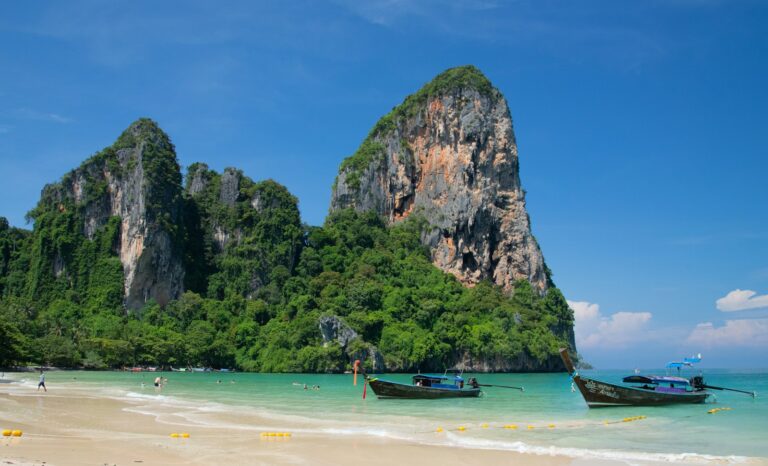
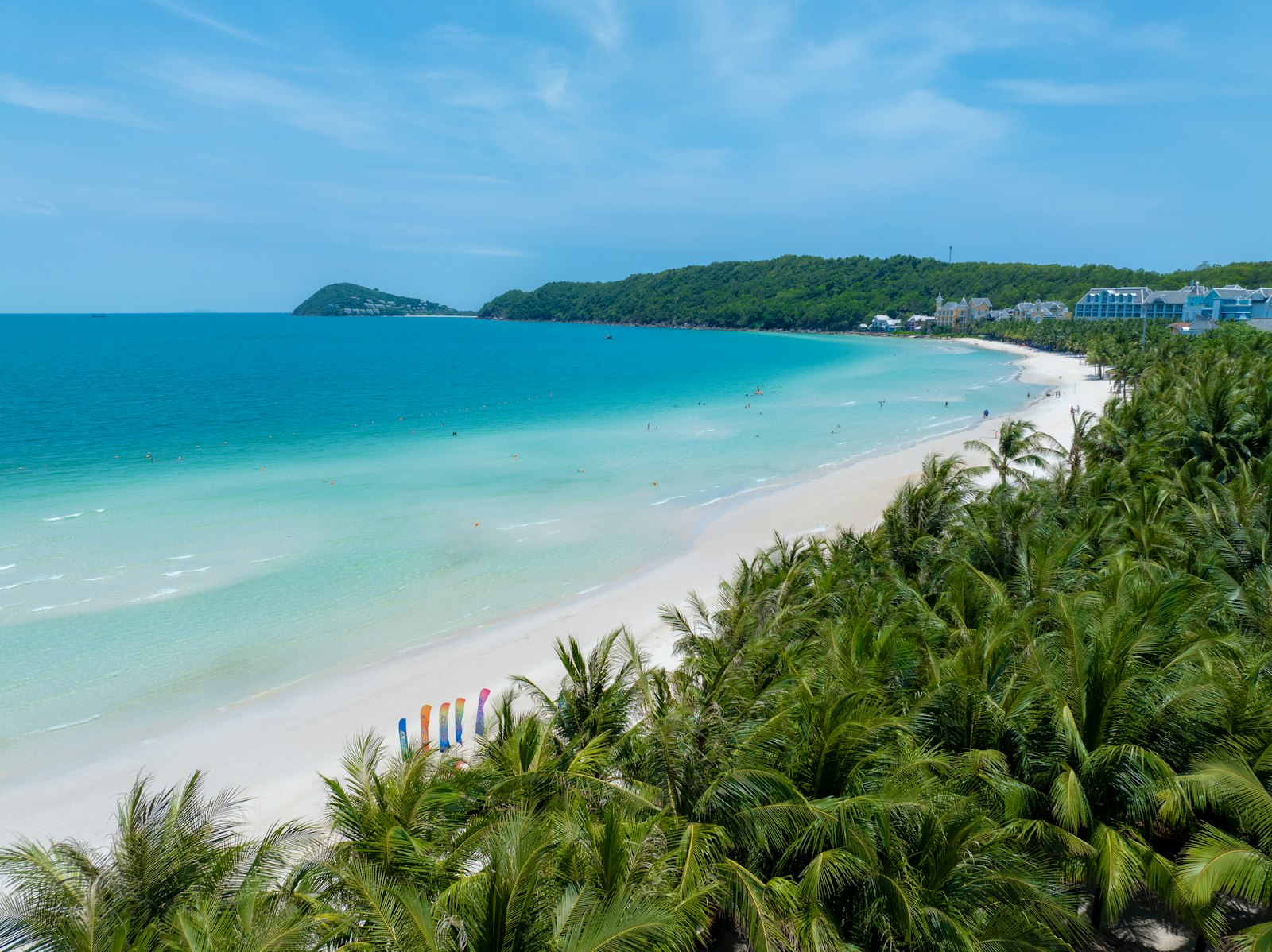
Phu Quoc, in the Gulf of Thailand, averages about 31 °C by day and 24 °C at night, with around five rain days and a sea near 28 °C, the warmest water in the country. Con Dao is a little milder at about 28 °C, with a sea of about 26 °C, around seven hours of sun a day and roughly two rain days, a quieter choice for clear-water swimming and national park walks.
Ho Chi Minh City and the Mekong Delta
January is the dry season in the south. Ho Chi Minh City averages about 32 °C in the afternoon and 22 °C at night, with only about two rain days and eight hours of sun, so evenings are warm. The Mekong Delta, around Can Tho, is similar: about 30 °C, around 10 mm of rain and dry, bright days that suit early boat trips, orchards and cycling.
Sightsee in the morning and late afternoon. Around Tết, Ho Chi Minh City empties as residents head to their home provinces, and roads into the delta are at their busiest.

The Smart Timing Bundle
Pick the month, book in the right order, pack once
Six printable timing tools for any trip: the Trip Timing Planner, When to Book, When NOT to Go, the Shoulder Season Playbook, the family timing guide and the Packing by Season System.
See the bundle · $37Six products, $100 separately · Digital download · All sales final
Da Lat and the Central Highlands
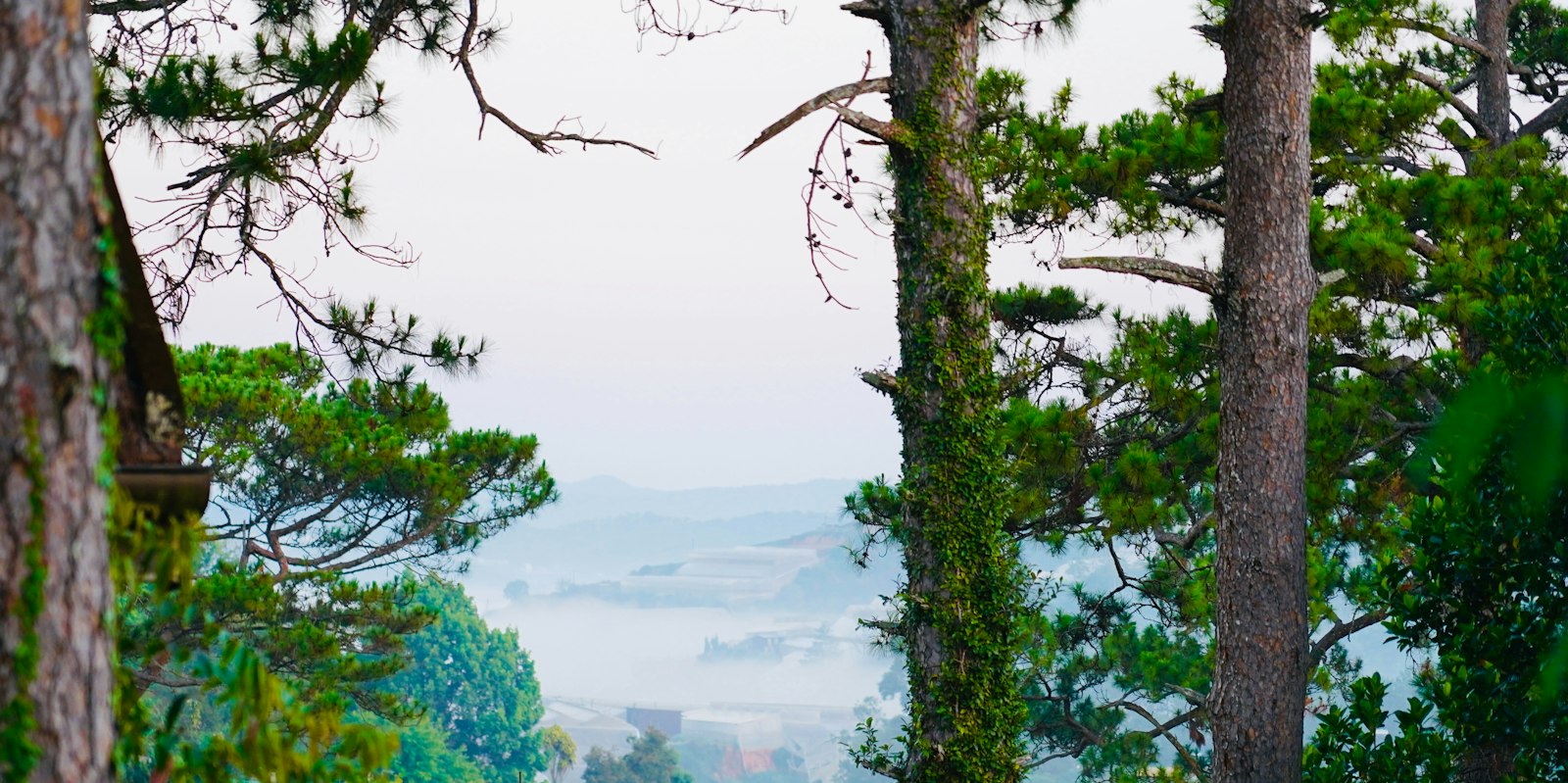
Da Lat, at about 1,500 m, is one of the surprises of the month. Days are sunny and comfortable at about 22 °C, with around eight hours of sun and only two rain days, but nights fall to about 11 °C, so pack a warm layer. Buon Ma Thuot and Pleiku are also bright. It is a fine month for pine-forest walks, coffee farms and waterfalls, and a cool break between Ho Chi Minh City and the beaches.
Nha Trang and the south-central coast
Nha Trang is on the edge between the wet centre and the dry south. It averages about 27 °C, a sea near 25 °C and about six hours of sun, but still has around eight rain days and 40 mm of rain in January, and Climates to Travel notes that its long sunny stretch runs from February to August. Phan Thiet and Mui Ne are sunnier. For a beach week, the southern islands are the safer bet.
Hoi An, Da Nang and Hue
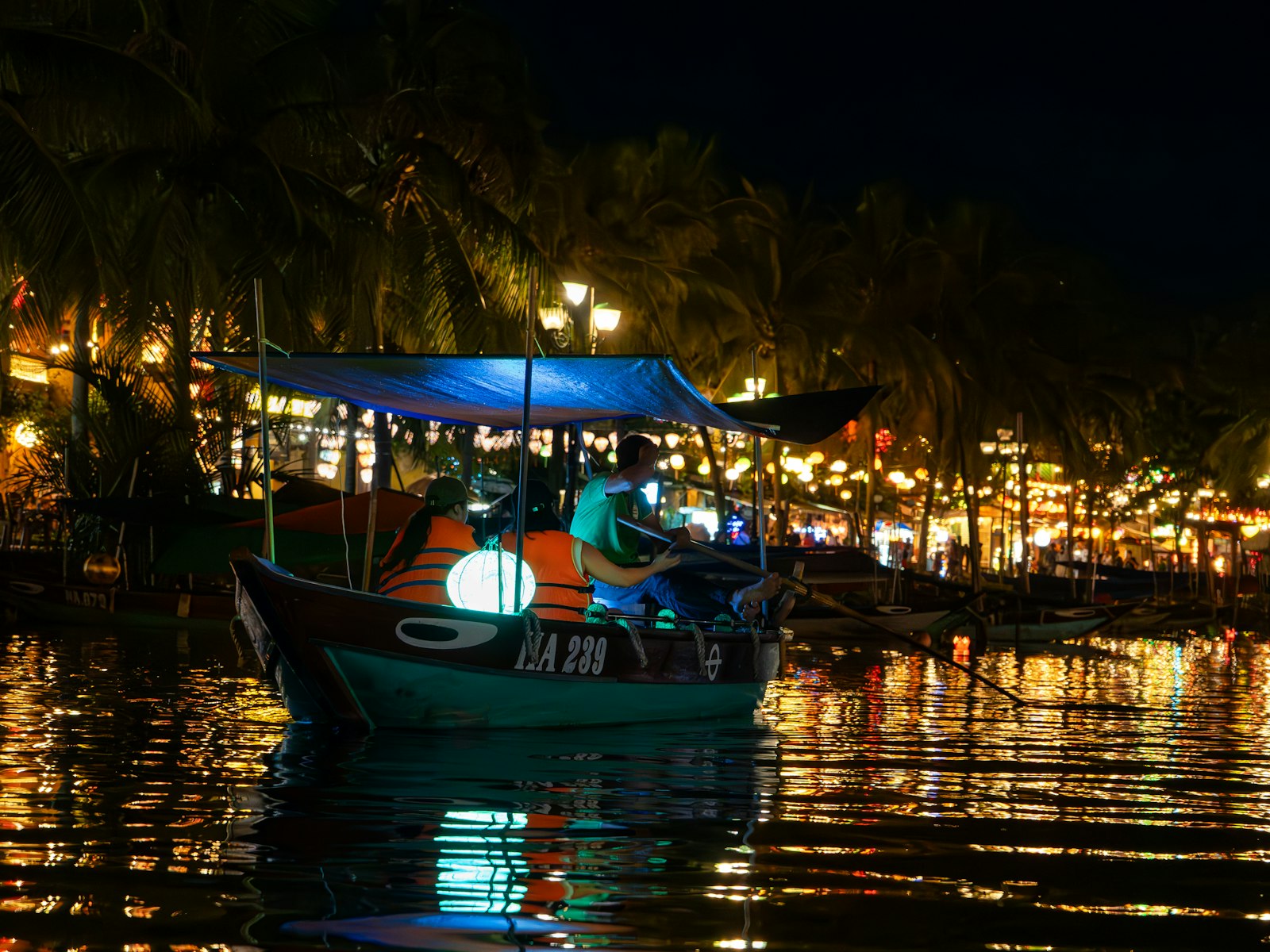
The central coast’s rainy season runs from September to December, and in the northern part of the region, from Ha Tinh to Da Nang, it can stretch into January. The worst of it is over, but the month is still damp: Hue averages about 125 mm and 14 rain days, Da Nang about 85 mm and 12 days, and both see only about four hours of sun a day. Mild temperatures keep walks around Hue’s citadel and Hoi An’s old town comfortable between showers.
The sea is about 24 °C, but grey skies make January a culture month here rather than a beach month. Hoi An follows the Da Nang pattern. Carry a light rain jacket and keep a flexible day for the Hai Van Pass, where views depend on the cloud.
Plan the other eleven months
When to Go: Vietnam
January suits the south, but Vietnam’s seasons never line up: the centre is wettest in autumn, the north hottest in summer, and the typhoon months and Tết move the picture again. When to Go: Vietnam rates every month for each region, with weather, sea, crowd and price seasons, festival weeks and the dates to avoid.
See When to Go: VietnamDigital download · All sales final
Hanoi and Ha Long Bay
Hanoi in January is cool and often grey: about 20 °C by day and 14 °C at night, with only about 20 mm of rain but light drizzle on around ten days. Sun is scarce, about two hours a day, and many small hotels are not heated, so pack a sweater and a light waterproof.
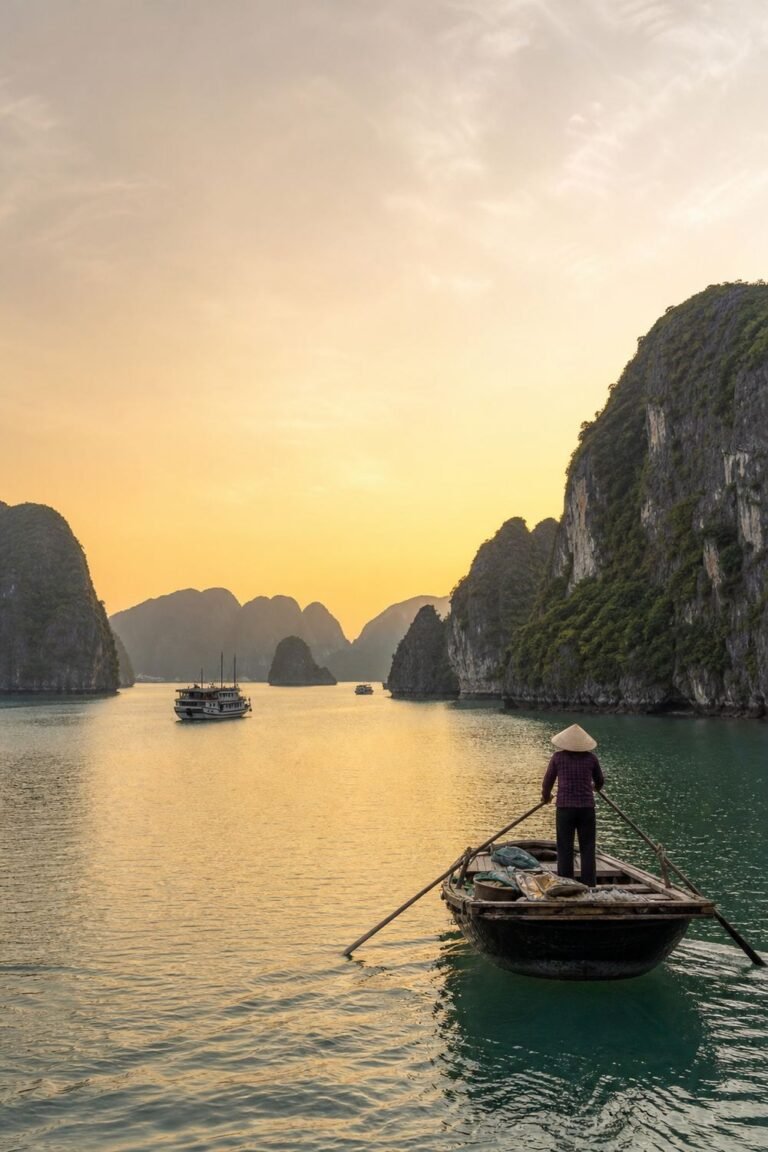
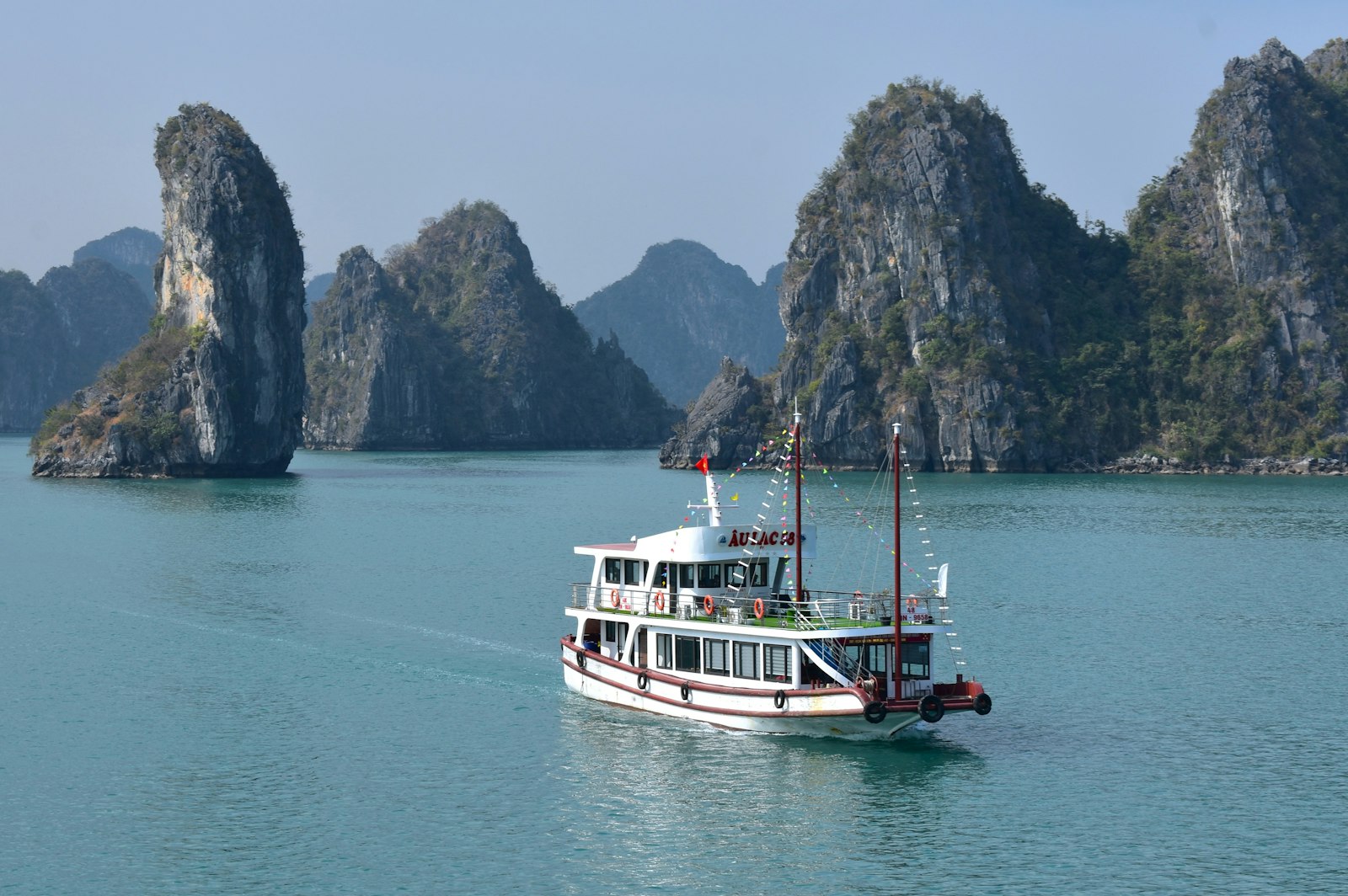
Ha Long Bay cruises run all winter and the karsts are dramatic in any weather, but low cloud often softens the views. The sea is about 21 °C, and Climates to Travel notes that the cool, cloudy conditions from January to March make swimming in the north uninviting, so treat kayaking and caves as the highlights. Ninh Binh has the same weather and karst scenery on land.
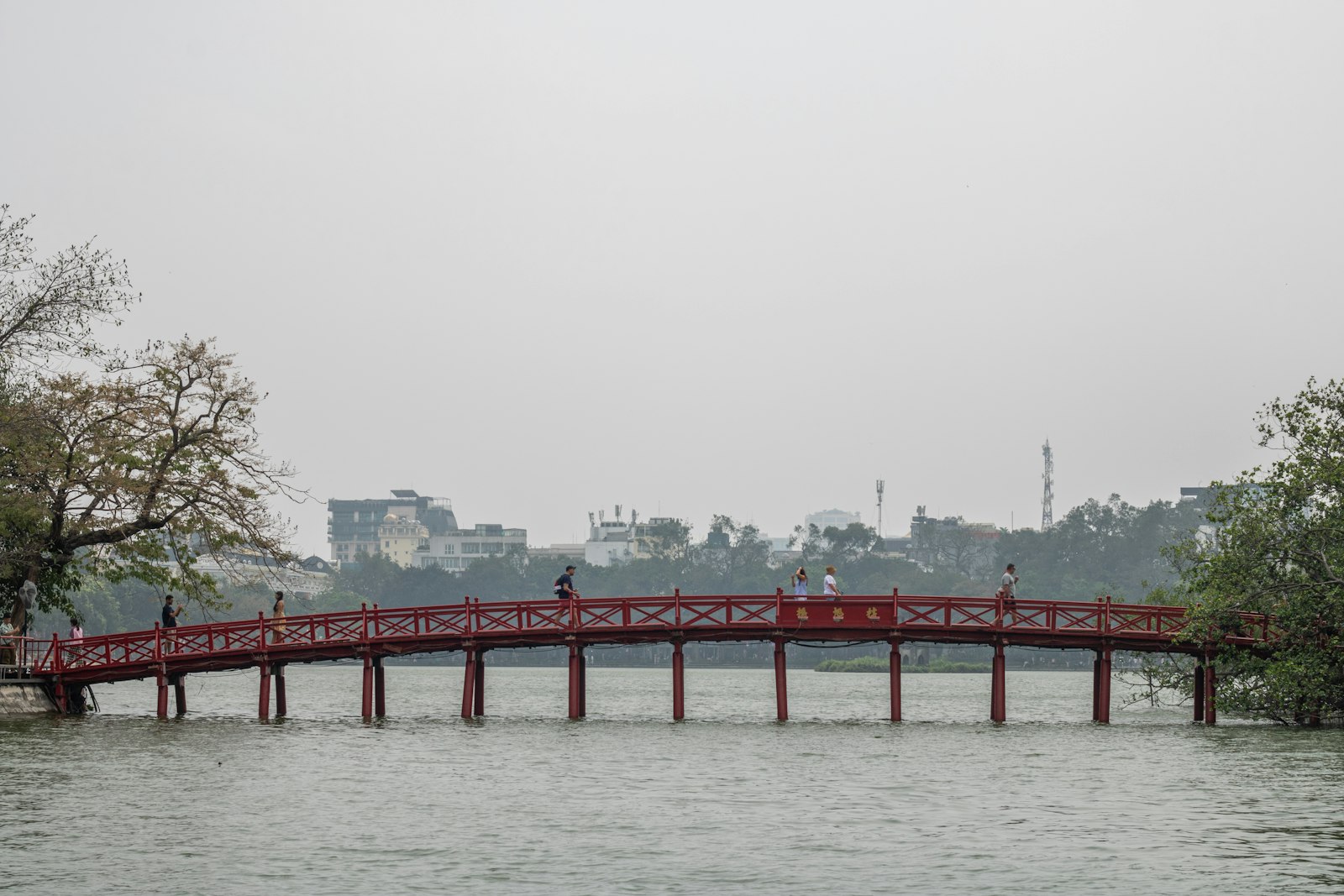
Sapa and the northern mountains
Leave this region for another month if views and trekking are the goal. Sapa, at about 1,500 m, averages only about 12.5 °C by day and 6 °C at night, with around 15 rain days and 65 mm of rain. Some winter days stay below 5 °C, the summit of Fansipan can see snow, and cloud often settles over the valleys for days at a time. The rice terraces are bare outside the growing season. Spring and autumn are far better for Sapa and Ha Giang.
Tết and Vietnam in January: What Changes for Travellers
This section covers the biggest planning factor of the season. Tết Nguyên Đán, the Lunar New Year, is Vietnam’s most important holiday, and its lunar date moves every year. According to Wikipedia’s Tết entry, Tết usually falls between late January and about 20 February. Check the date for your travel year before booking.
People travel home for Tết, with the rush building from Kitchen Gods’ Day, about a week before. Viet Nam News reports buses, trains and flights selling out weeks ahead and bus fares rising well above normal.

The complete kit
Every country guide, every timing tool
All 24 When to Go country guides, the six Smart Timing tools and every 12-Month Map, with a Start Here that tells you what to open first.
See the kit · $127The five bundles cost $225 separately · Digital download · All sales final
| Period | What happens | Transport | Opening hours | Price level |
|---|---|---|---|---|
| About 2 to 3 weeks before Tết | Shopping rush, flower markets, decorations go up | Seats start to sell out | Normal | Rising |
| About a week before (Kitchen Gods’ Day) | The great journey home begins | Very busy; long-distance seats scarce | Normal, long hours | High |
| New Year’s Eve and the first three days | Family time, temple visits, fireworks at midnight | Few buses and drivers; ride-hailing waits longer | Many shops, restaurants and tailors closed | Highest |
| About days 4 to 7 | Gradual return; some upscale restaurants reopen later | Return rush on roads and flights | Reopening steadily | High |
| About a week after onwards | Back to normal life | Normal | Normal | Easing |
Reporting by VnExpress International describes travellers caught out: in Hoi An many restaurants and tailors closed on New Year’s Eve, some higher-end Ho Chi Minh City restaurants stayed shut until about the sixth day, and ride-hailing waits stretched as drivers took a break. Hotels, temples and many cafés in tourist areas stay open.
⚑ Timing tip
If Tết falls inside your January dates, stay put for the holiday itself: base yourself in one city or beach hotel for the eve and the first three days, book all long-distance transport before and after it as early as you can, and keep cash for small purchases in case your usual places are closed.
January Dates: New Year, the Quiet Middle and the Tết Run-Up
This section shows how the month usually runs, because the week you travel inside January matters as much as the region.
| Dates | What happens | Crowds | Price level |
|---|---|---|---|
| 1 January | International New Year’s Day, a public holiday; countdown events in the big cities | High in cities | High |
| About 2 to 7 January | Year-end holiday travellers still at the southern beaches | High on Phu Quoc | High |
| About 8 to 20 January | Usually the calmest stretch of the dry season in the south | Medium | Medium |
| Late January | In years when Tết falls early, the travel rush and closures begin | Rising sharply | Rising |
When Tết falls in February, all of January after the first week is strong; when it falls in late January, the first three weeks are the window. For the month before, read Vietnam in December.
When Not to Go to Vietnam in January
This section is the honest one. January is a strong month for the south, but it is the wrong choice if any of these is your priority:
Trekking around Sapa
Cold, cloud and bare fields; spring and autumn are better.
Sunny beach days in Hoi An and Da Nang
The centre is still showery; its beaches are best in spring.
Swimming in Ha Long Bay
The northern sea is cool and skies are often grey.
Easy, cheap transport whenever you like
Around Tết, seats sell out and fares rise.
Warm evenings in Hanoi
Nights drop to about 14 °C and the city is damp.
Better month if you want…
Central beaches at their best
About March to May
Sapa and the northern terraces
Spring or autumn
Swimming in Ha Long Bay
Summer
Southern beaches with fewer people
Late February to April
Milder Hanoi weather
Spring or autumn
The Tết atmosphere
Late January or February, depending on the year
Comparing Asian winter trips? See Thailand in January, Bali in December or our Southeast Asia budget guide. For more January ideas, browse January winter sun destinations or the Canary Islands in January, and use the free 12-Month Map to compare any destination month by month.
Pack and book for Vietnam in January
- ✓A warm layer and light waterproof for the north and Da Lat
- ✓Light clothes, a hat and sunscreen for the south
- ✓A compact umbrella for Hue and Hoi An
- ✓The Tết date checked before booking
- ✓Transport and island hotels booked early
Common Mistakes With a January Vietnam Trip
1. Packing only for the tropics
Hanoi, Ha Long Bay, Da Lat and above all Sapa are cool to cold at night in January. A fleece or light down jacket and a waterproof layer are essential if your route includes the north or the highlands.
2. Ignoring the date of Tết
Tết usually falls in late January or February, and its date changes every year. Booking long-distance trains, buses or flights for the days around it at the last minute often means no seats or high fares.
3. Planning a beach week in Hoi An or Da Nang
The centre is at the tail end of its rainy season, with about 12 to 14 rain days and only four hours of sun a day. Save the central beaches for spring and swim in the south in January.
4. Booking southern islands too late
Phu Quoc and Con Dao are in high season, and Con Dao has few rooms and flights. Book early, especially for the first week of the month and the days around Tết.
Vietnam in January: FAQ
Is January a good time to visit Vietnam?
Yes, especially for the south. Ho Chi Minh City, the Mekong Delta, Da Lat, Phu Quoc and Con Dao are dry and sunny, with about two to five rain days. The centre is still showery and the north is cool and grey. Also check Tết, which usually falls in late January or February.
Where is the best weather in Vietnam in January?
The south has the best weather. Ho Chi Minh City averages about 32 °C with around two rain days and eight hours of sun, Phu Quoc about 31 °C with a sea near 28 °C, and Con Dao about 28 °C with seven hours of sun. Da Lat is sunny by day, with nights near 11 °C.
Is it cold in Hanoi in January?
It is cool rather than freezing. Hanoi averages about 20 °C in the afternoon and 14 °C at night, but the damp air, frequent drizzle and only about two hours of sun a day make it feel colder, and many small hotels have no heating. Bring a sweater and a light waterproof. Sapa is much colder, with nights near 6 °C.
Is it rainy in Hoi An in January?
It is still showery. The central coast’s rainy season runs from September to December and can stretch into January from Ha Tinh to Da Nang. Da Nang, next to Hoi An, averages about 85 mm of rain over 12 days, with mild temperatures around 25 °C by day. Expect grey skies and short showers rather than storms.
When is Tết, and should I avoid it?
Tết follows the lunar calendar and usually falls in late January or February. You need not avoid it, but plan around it: transport sells out before and after, fares rise, and many shops, restaurants and tailors close on New Year’s Eve and the first days. Hotels and temples stay open.
Is January an expensive time to visit Vietnam?
It depends on the week and the place. The first week of January and the days around Tết are the busiest and most expensive, especially for flights, trains and beach hotels on Phu Quoc and Con Dao. Mid-January, when Tết falls in February, is usually calmer and better value, and the cities and the delta cost less than the islands.
The Bottom Line
Vietnam in January rewards travellers who go south: dry, hot days in Ho Chi Minh City and the Mekong Delta, sunny highland weather in Da Lat and warm, clear water around Phu Quoc and Con Dao. The centre is mild but showery, the north is cool and grey, and the mountains are cold. Your next step is to check the date of Tết for your travel year, then book flights, trains and island hotels first, and shape the route from north to south so that the trip ends in the sun.
Country guide
Time your whole Vietnam trip
When to Go: Vietnam covers all twelve months for the north, the central coast, the highlands and the south, with the dry and rainy seasons, typhoon months, sea temperatures, Tết and festival timing and the weeks to avoid, so every stop on your route lands in its best season.
Digital download · All sales final
Free download
The 12-Month Map, free
The whole year for one country on four printable pages, so you can see the right months before you read anything else.
- Good, shoulder and avoid months at a glance
- Region by region, not one average for the whole country
- Prints cleanly on US Letter
Your download page opens as soon as you sign up. 24 countries available.
Compare the whole month
Where to go in January
Every destination rated for January on one page: weather, crowds and price level, with the places to skip.