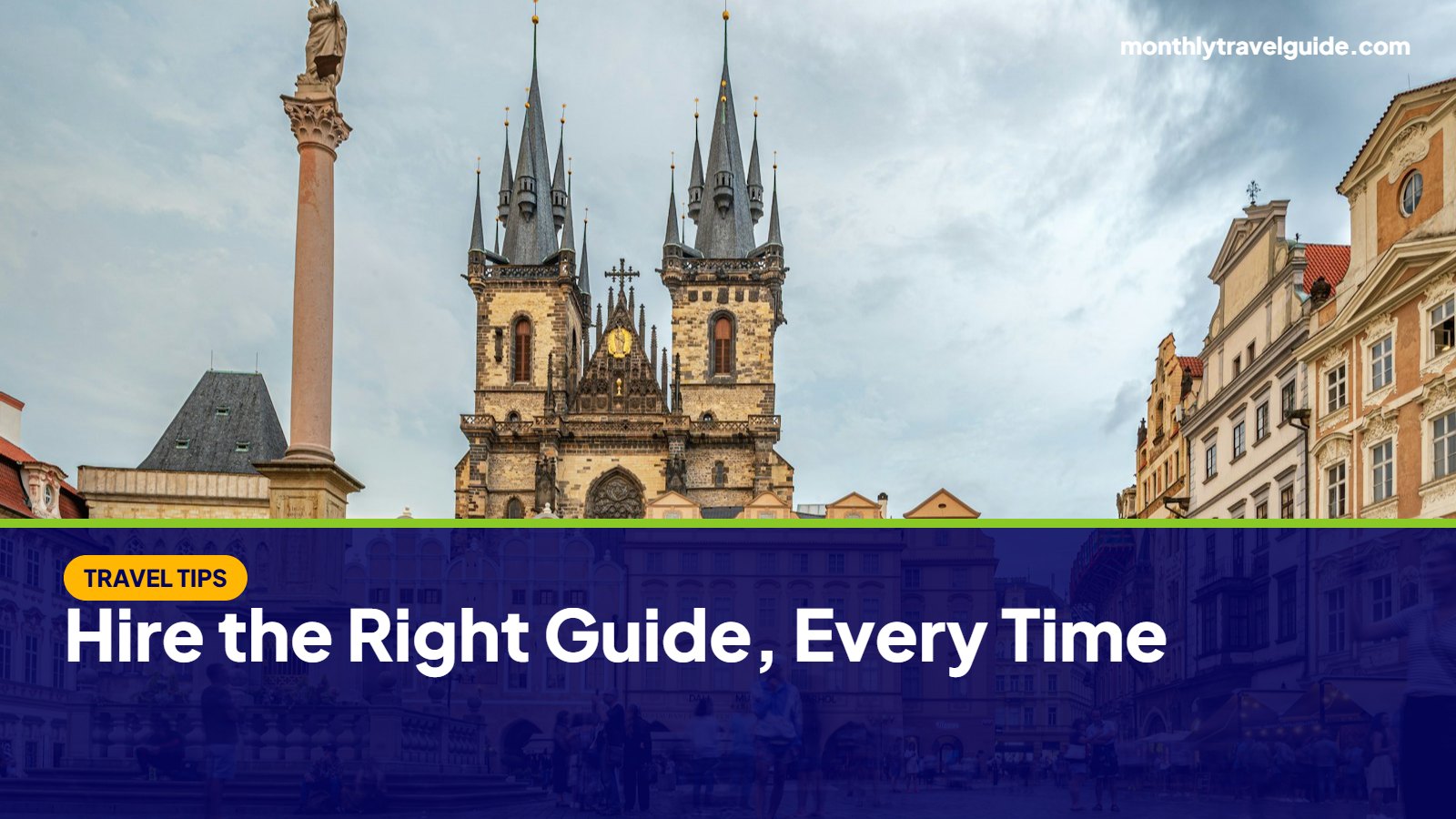
Knowing how to choose a tour guide is the difference between a day that explains a place and a day spent in a souvenir shop you never asked to visit. The good news is that the checks are simple: confirm the guide is qualified where qualifications exist, ask a handful of direct questions, book early enough for the season, and walk away from a few classic warning signs. This guide covers each step in order, with the timing rules that matter most in peak months. It’s written for travellers hiring a guide for a city, a heritage site or a trek, alone or with family.

When to Go guides
Choose your country, then your month
24 country guides, each about 100 pages: every month rated for weather, crowds and prices, region by region, with a 7-day booking plan. Six guides per region bundle.
Browse the 24 guides · $19 eachRegion bundles: Europe, Asia & Pacific, Sun Souks & Safari, Americas · $47 each
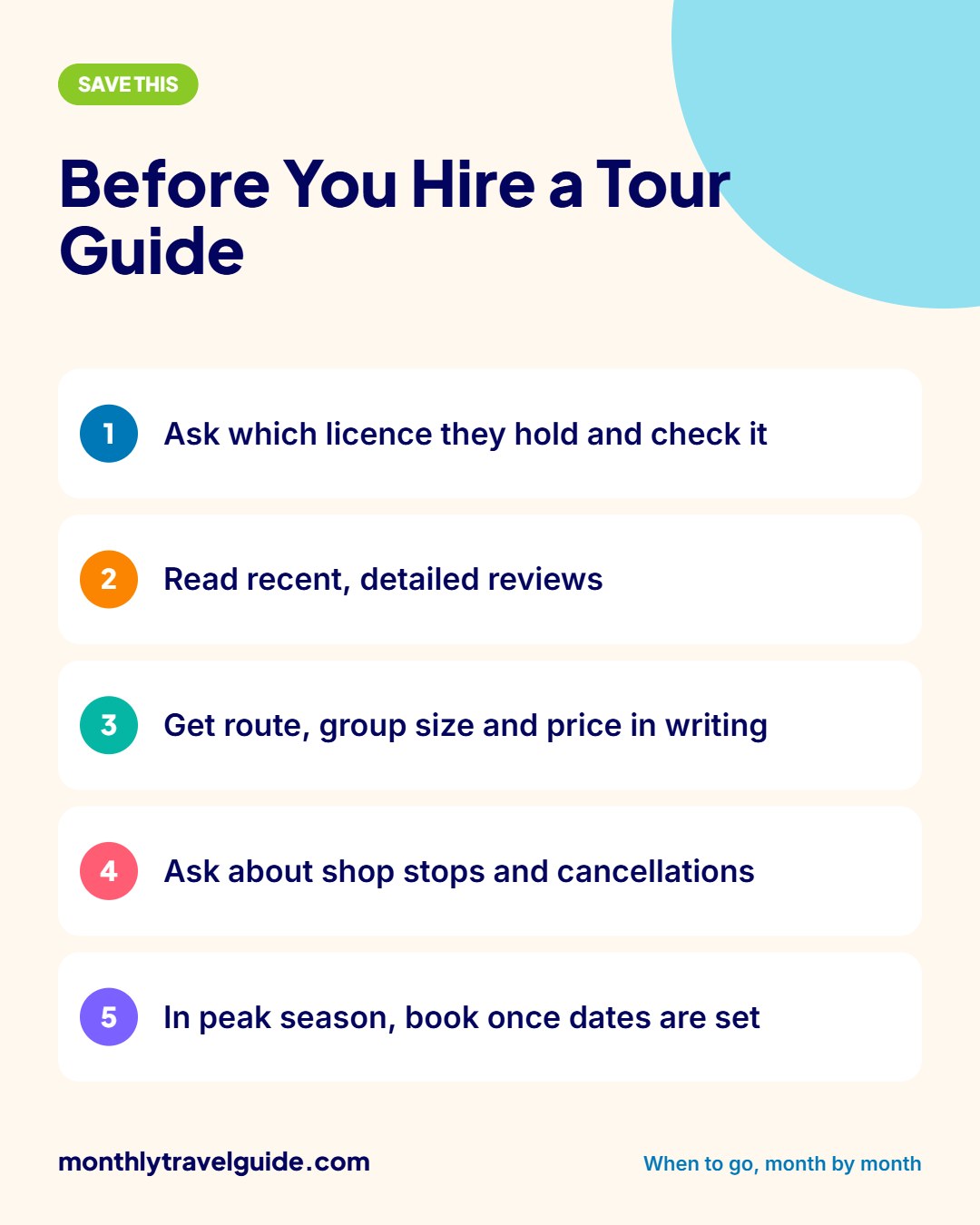
Five checks before you pay
Choosing a guide in five steps
1
Know the role
Guide, tour manager or escort?
2
Check credentials
Licence, badge or association
3
Ask the questions
Route, group size, cancellations
4
Book for the season
Peak months fill first
5
Watch for red flags
Touts, cash up front, detours
Short answer
Choose a guide who holds the local licence or badge where one exists, has a track record you can check in recent reviews, and answers plain questions about the route, group size, what is included and the cancellation terms. Book through a traceable channel, never with a stranger who approaches you at the gate. In peak season, book as soon as your dates are fixed, because good guides fill first.
Key takeaways
A tourist guide interprets a place; a tour manager runs the itinerary. Know which one you need.
Many destinations license guides by area, so ask which licence the guide holds and check it.
Some routes, such as the Inca Trail, can only be walked with a guide, so the choice is not optional there.
For most places, a month ahead is enough; in peak season, book as soon as your dates are set.
Unsolicited offers at a site entrance, cash-only deposits and surprise shop stops are the classic warning signs.

How to Choose a Tour Guide: Start With the Kind of Help You Need
This section sorts out who does what, because many bad bookings start with hiring the wrong role. The European standard on tourism terminology, EN 13809, separates three jobs, as set out by the Federation of European Tourist Guide Associations:
| Role | What they do | Hire one when |
|---|---|---|
| Tourist guide | Guides visitors in their language and interprets the cultural and natural heritage of an area; normally holds an area-specific qualification | You want a museum, old town, ruin or landscape explained in depth |
| Tour manager | Manages the itinerary for a tour operator and makes sure the trip runs as described | You’re on a multi-day coach or rail tour and want logistics handled |
| Tour escort | Represents the tour operator and gives basic help to travellers | You only need someone to meet you, count heads and solve small problems |
🗓️ Free: a 12-Month Map for your country
Every month on one page: best weeks, shoulder weeks and the ones to skip. Print it or keep it on your phone.
The difference matters on the ground. A tour manager may be excellent company for ten days but is not necessarily qualified to explain a cathedral, and in some places they can’t legally guide inside certain sites. If your priority is understanding a place, you’re looking for a tourist guide with local credentials.
Next, choose the format. A private guide costs more but adapts the pace, the route and the depth to you. A scheduled small-group tour shares the cost and suits solo travellers who want company; our solo travel guide and solo travel tips for women cover that side of it. A free or tip-based walking tour is a decent introduction to a city’s layout, but group sizes can be large and the depth varies. For a full trip, a tour company that vets its own local guides takes the checking off your hands, which Fodor’s lists as a sensible alternative to hiring independently.
Tip
Write one sentence before you search: what you want to understand, how long you have and who is coming. “Three hours on the old town’s history with a ten-year-old” leads to a very different guide than “a full day of street food”. Send that sentence to every guide you contact, and compare how specifically they answer it.
🧰 Try it while you read: a free tool for this trip
Free trip timing tool
Shoulder Season Detector
Find the months just before and after the peak: good weather, fewer people.
Loading the tool…
Licences, Badges and Credentials: What to Check
This section covers qualifications in general terms, because the rules differ by country, region and even by site. Under EN 13809, a tourist guide normally holds an area-specific qualification, usually issued or recognised by the appropriate authority. In plain words: in many destinations, guiding is a licensed job, and the licence covers a particular city, region or country.
A well-known example is the UK’s Blue Badge. According to Guide London, Blue Badge Tourist Guides train intensively for two years and pass the highest tourist guiding qualification in the UK, and guides who work in a foreign language are examined separately in that language. Other countries run their own schemes, often through a tourism ministry, a regional authority or a national guides’ association.
Ask which licence they hold
A qualified guide will name the scheme and the area it covers without hesitation. Vague answers such as “I’m certified” are not enough.
Ask to see the card
Licensed guides usually carry a badge or ID card while working. Check that the name and photo match the person in front of you.
Check the association
Many guides belong to a local or national guides’ association with a public member list. Search the name there.
Ask the tourism office
The official tourist office, or your hotel, can usually tell you whether a licence is needed and where to find qualified guides.
Match the credential to the site
A licence for one city may not cover a national park or a heritage site elsewhere in the country.
Credentials aren’t the whole story. Fodor’s also suggests reading reviews, checking how long a guide has been working, and favouring referrals from people you trust, such as a travel adviser, hotel staff or the local tourism board. A licence tells you the guide passed an exam; recent, detailed reviews tell you how they guide now.

The Smart Timing Bundle
Pick the month, book in the right order, pack once
Six printable timing tools for any trip: the Trip Timing Planner, When to Book, When NOT to Go, the Shoulder Season Playbook, the family timing guide and the Packing by Season System.
See the bundle · $37Six products, $100 separately · Digital download · All sales final
Important
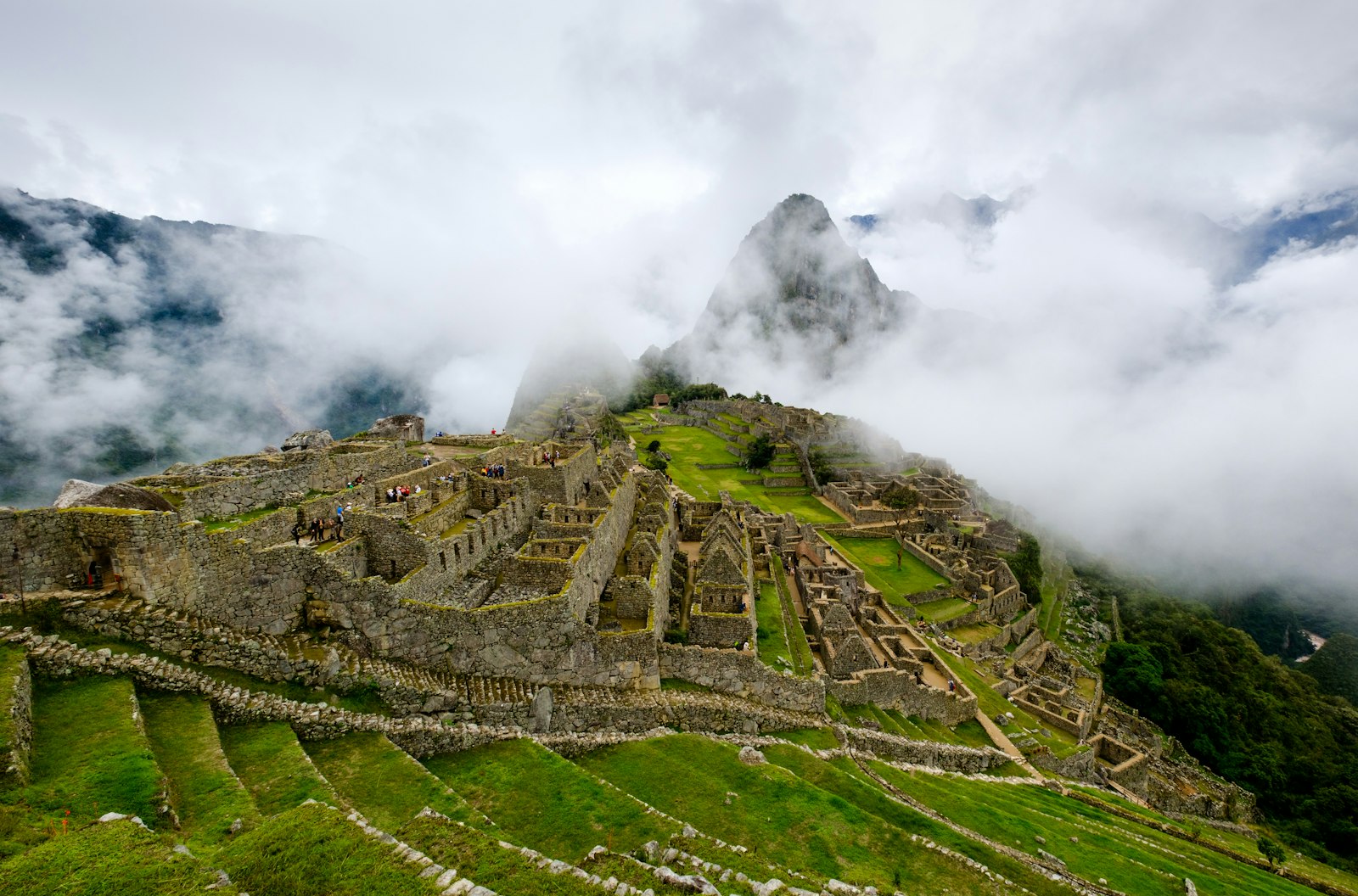
In some places a guide isn’t optional. At Machu Picchu in Peru, How to Peru notes that guides remain obligatory on the Inca Trail, and rules for the citadel itself have changed more than once. Wherever a guide is required, book a licensed one through an authorised operator, and confirm the current rule with the official site before you travel.
Questions to Ask Before You Book a Tour Guide
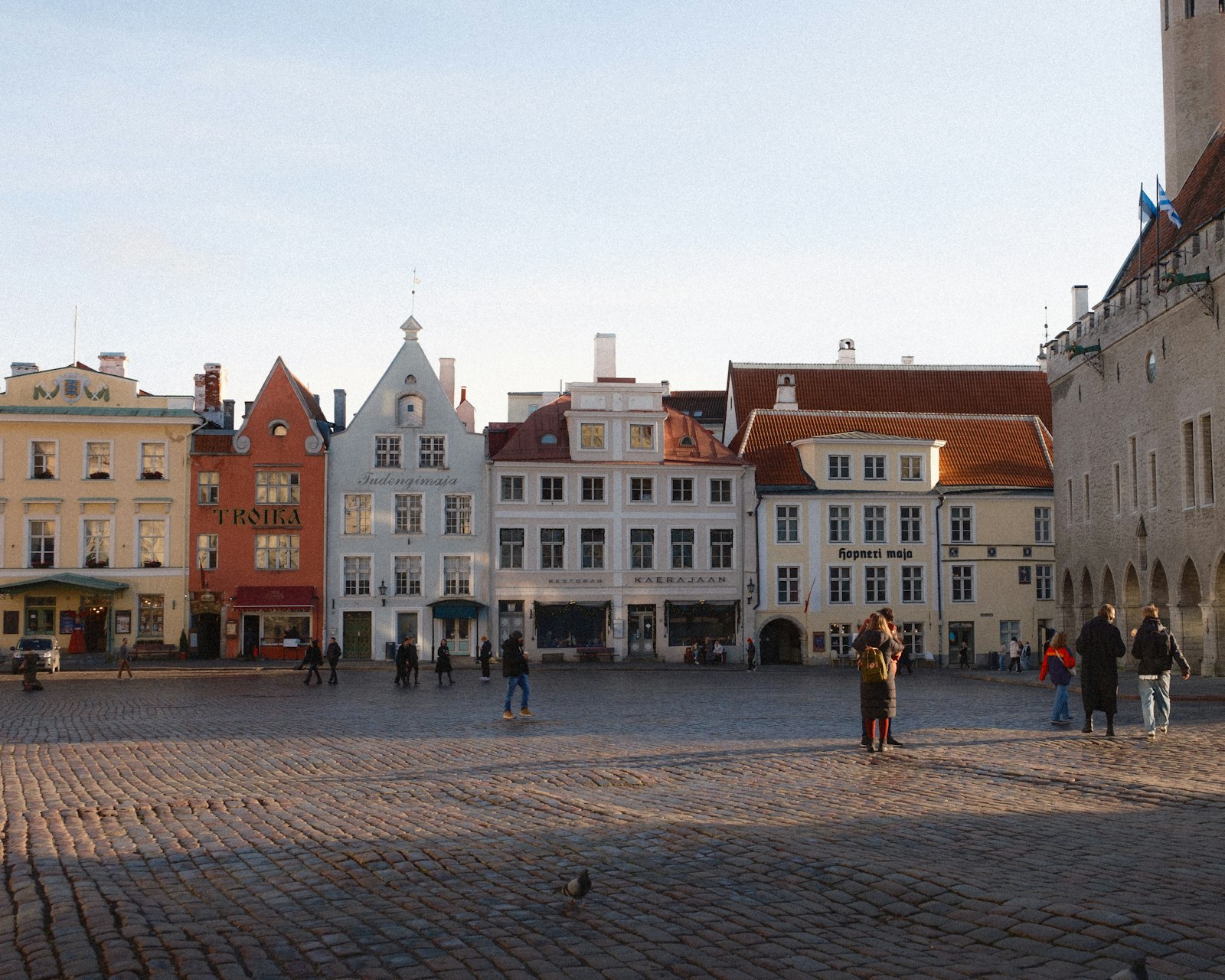
This section is the checklist to send before you pay anything. A good guide should be open about experience and happy to answer concerns, a point Fodor’s makes plainly. How a guide replies to these questions is itself the test: specific, prompt answers are a strong sign; evasive or copy-pasted ones are not.
Experience
How long have you guided here, and which sites or routes do you know best?
Language
Which languages do you guide in, and is my language your working language?
Route
What exactly will we see, in what order, and how long at each stop?
Group size
Is this private? If not, what is the maximum group size?
What’s included
Are entry tickets, transport, water or meals included, or extra?
Pace and access
How far will we walk, and are there steps, hills or long standing times?
Shops
Are there any shop, workshop or restaurant stops? Can we skip them?
Cancellation
What happens if I cancel, if you cancel, or if the weather turns?
Payment
How do I pay, and do I get a written confirmation with your full name?
Meeting point
Where exactly do we meet, and how do I reach you on the day?
Three of these questions do most of the work. The route question shows whether the guide plans around you or runs the same loop for everyone. The shop question flushes out commission stops early. And the cancellation question protects you in the months when storms, heat or strikes are most likely to disrupt a day. Prices change; check before you book, and get the final figure and what it covers in writing.
Note
If you’re travelling with children or someone with limited mobility, say so in your first message. A guide who adapts the route, adds breaks and knows where the lifts and shade are is worth more than one with a longer list of sights. For language basics on the road, our guide on saying “I don’t know” in Spanish shows how a few words help on any tour.
When to Book a Guide: Peak Season Timing
This section covers timing, which is where the site’s month-by-month approach pays off. The best guides in popular places are booked by the people who plan early, so the season you travel in decides how far ahead you should commit.
The private-guide platform ToursByLocals puts it simply: book as soon as you have your dates. For most places, at least a month ahead is enough, but dates are snatched up quickly in high season, and some travellers book a specific guide more than a year out. It names cruise days, Japan, the Dutch tulip season and Alaska’s summer cruise season among the cases that call for the earliest booking.
How far ahead to book a guide
Verdict by season
Peak summer in Europe
Book earlyLong school holidays and full cruise schedules fill the best guides first.
Cruise port days
Book earlyThousands of passengers want the same few hours in port.
Short bloom or festival windows
Book earlyBlossom, tulip and festival weeks compress demand into days.
Machu Picchu, June to October
Book earlyHigh season; plan tickets and guides months ahead.
Shoulder season
Book aheadA few weeks is usually enough, with more choice of guide.
National holiday weeks
Book aheadLocal travellers fill domestic tours and transport.
Low season in a big city
FlexibleMany guides have open days; a week ahead often works.
Weekday mornings off-peak
FlexibleThe easiest slot to book late, and the quietest at sites.
Based on booking guidance from ToursByLocals and seasonal notes from How to Peru. Demand varies by destination.
Peru is a good illustration of how site rules and season interact. How to Peru describes Machu Picchu’s high season as roughly late June to early November, plus some holidays, and advises planning months ahead for June to October. If a guide or permit is needed and the season is high, the guide and the ticket should be booked together, not one after the other.
There’s a fair counterpoint: in low season, or for simple city walks, booking on arrival can work and lets you meet a guide’s style first. The risk is all on the peak side. To see which side of that line your dates fall on, run them through the free When to Book Calculator and Shoulder Season Detector, and read our peak season travel tips for the wider picture of crowded months.
Guides, permits, rooms: what goes first?
When to Book
A guide booked late in peak season is often the second choice. When to Book sets out the booking order for a trip, how far ahead each piece usually needs to be locked in by season, and the weeks when waiting costs you choice, so guides and timed tickets are secured before they go.
Digital download · All sales final
Red Flags: When Not to Hire a Guide
This section is the honest list of situations to walk away from. Most guides are professionals who live on their reputation, but a few patterns appear again and again at busy sites, and Islands sums up the main ones.
| Red flag | What it looks like | What to do |
|---|---|---|
| Unsolicited approach | Someone offers to guide you at a monument gate or station exit | Decline politely and book through a traceable channel |
| No checkable credentials | No licence, no badge, no reviews, no business presence | Ask for the licence; check it with the association or tourist office |
| “It’s closed today” | A claim that the site is shut, followed by a detour to a shop | Check opening hours yourself; walk away from unplanned stops |
| Pressure to pay up front | Cash or card details to an unverifiable contact, or invented fees | Pay only through a confirmed booking with a named guide |
| Vague or crammed itinerary | “Great views” with no detail, or four cities in five days | Ask for the route in writing; choose fewer stops |
A deal that looks far cheaper than every other option deserves the same caution: professional-looking websites, confirmations and photos can be faked. Before a trip, it’s also worth sharing your tour details with someone at home; our guide to travel safety and location sharing covers the basics.
Warning
Never hand over your passport, bank card or phone to a guide, and don’t agree to change the route into a part of town you didn’t plan to visit. If a guide becomes pushy about a shop or a “special price”, end the tour, pay for the time you’ve had if that was agreed, and leave.
Better Option If You Want Something Else
This section helps if a classic private guide isn’t the right fit for your trip, your budget or your season.

The complete kit
Every country guide, every timing tool
All 24 When to Go country guides, the six Smart Timing tools and every 12-Month Map, with a Start Here that tells you what to open first.
See the kit · $127The five bundles cost $225 separately · Digital download · All sales final
If you want
A cheaper introduction
Join a scheduled small-group walk on your first morning, then hire a private guide only for the one site that matters most.
If you want
Total flexibility
Use an official audio guide or the site’s own app, and book a human guide only where it’s required.
If you want
No planning at all
Choose a tour company that vets its own guides and handles tickets, transport and timing.
If you want
Quieter sites
Travel in shoulder season, book the first entry slot and ask the guide for the reverse route.
If you want
Booking order for a whole trip
Read our notes on what to book first when planning a trip before you commit to any single tour.
For the bigger picture of why bookings go wrong, from fixed dates to stacked deposits, see our piece on travel booking and planning.
How to Choose a Tour Guide for Treks and Outdoor Trips
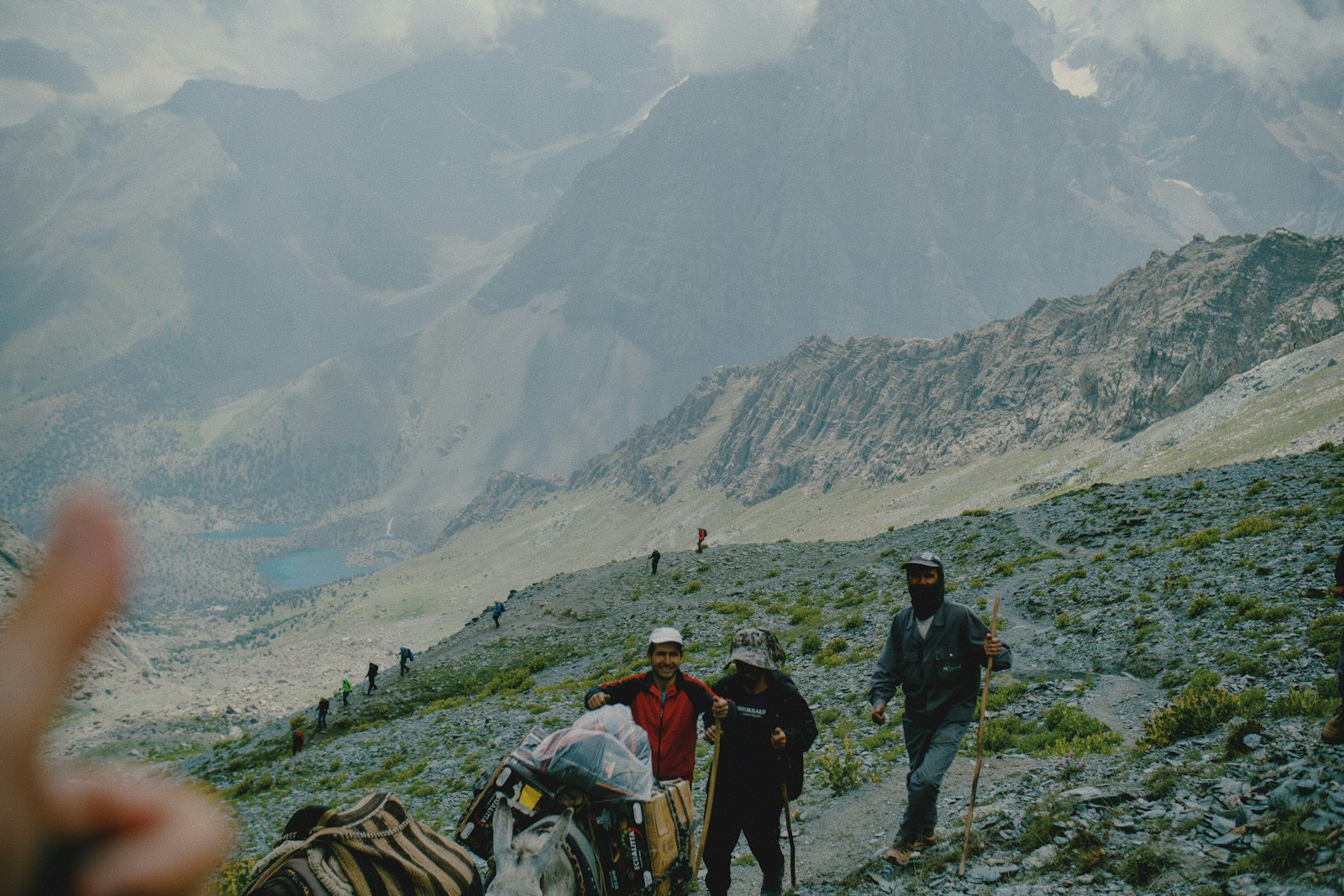
This section covers guides for hikes, treks, wildlife and water, where the stakes are higher than on a city walk. Here the guide isn’t only an interpreter; they make the safety calls, read the weather and decide when to turn back.
| Ask about | Why it matters | A good answer sounds like |
|---|---|---|
| First aid and emergency plan | Help can be hours away on a trail | Named first-aid training, a phone or radio, a clear evacuation plan |
| Permits and local rules | Some routes need permits or registered guides | The guide names the permit and who arranges it |
| Group size and ratio | Small groups move safely and stay together | A firm maximum and a second guide or assistant on bigger groups |
| Weather calls | Storm, heat and monsoon months change the risk | A stated rule for delays or a backup day |
| Fitness and gear | A mismatch ruins the day for everyone | Honest distances, climbs and a kit list sent ahead |
Season matters even more outdoors. A trek that’s comfortable in the dry months can be slippery, cloudy or closed in the wet season, and wildlife guides time their trips around migrations and breeding periods. Ask the guide which months they recommend for the route and why. A guide who says every month is perfect is telling you something about their honesty.
On the Day: Getting the Most From Your Guide
This section covers the small things that make a booked tour go well. Arrive a few minutes early at the agreed meeting point, with water, sun protection and shoes for the terrain, and carry your confirmation with the guide’s full name.
Tell the guide in the first five minutes what you most want from the day. Good guides adjust, but they can’t read minds. Ask questions as you go; a guide who welcomes them is doing the job well. If something in the plan changes, such as a closed room or a crowded viewpoint, ask for the alternative rather than accepting a shop stop in its place.
Tipping customs vary widely between countries, so check the local norm before you travel instead of guessing on the spot. Afterwards, a specific review naming the route and pace helps the next traveller choose well.
5 Common Mistakes When Hiring a Tour Guide
1. Accepting an offer at the entrance
The person who approaches you at a gate may be licensed, but you have no way to check in the moment. Book in advance through a traceable channel, or go to the official ticket office and ask there for a registered guide.
2. Booking the role, not the person
A company name on a website doesn’t tell you who will turn up. Ask for the guide’s name in writing, check their reviews, and confirm the language they’ll guide in.
3. Leaving it too late in peak season
In high season the best guides are booked first, and what’s left is often a large group. Lock in the guide as soon as your dates are fixed, together with any timed ticket.
4. Skipping the cancellation question
Weather, strikes and illness happen. Without clear terms in writing, a cancelled day can mean a lost deposit. Ask what happens if either side cancels before you pay.
5. Ignoring the season for outdoor trips
Booking a trek or boat trip in the wrong month puts even a good guide in a hard spot. Check the weather pattern for your dates first, then choose the guide.
How to Choose a Tour Guide: FAQ
How do I know if a tour guide is legit?
Ask which licence or badge they hold and which area it covers, then check the name with the local guides’ association or the official tourist office. Look for recent, detailed reviews and a traceable booking channel with a written confirmation. Be wary of anyone who approaches you unasked at a site entrance, insists on cash up front or can’t name their qualification clearly.
What questions should I ask a tour guide before booking?
Ask how long they’ve guided in the area, which languages they work in, and what the exact route and timing will be. Confirm the group size, what’s included, how far you’ll walk, whether there are shop stops and what happens if either side cancels. A good guide answers specifically and quickly; vague or copied replies are a warning sign.
How far in advance should you book a private tour guide?
For most destinations, about a month ahead is enough. In high season, book as soon as your dates are fixed, because popular guides fill first. Cruise port days, short bloom or festival windows and famous sites in their peak months need the earliest booking. In low season or for simple city walks, a week ahead often works, and some travellers book on arrival.
Is it better to book a tour guide in advance or on arrival?
In peak season, book in advance, because the best guides and timed tickets go first. In low season, booking on arrival can work and lets you meet the guide before committing. The safest middle route is to book the one guided visit that matters most ahead of time and keep the rest of the trip flexible for decisions on the spot.
Do tour guides need a licence?
It depends on the country and often on the site. Many destinations license guides by city or region, and some routes, such as the Inca Trail in Peru, can only be walked with a guide. Under the European definition, a tourist guide normally holds an area-specific qualification recognised by the appropriate authority. Check the local rule with the official tourist office before you book.
What are the signs of a bad tour guide?
Common warning signs are an unsolicited approach at a monument, no checkable licence or reviews, a claim that a site is closed followed by a detour to a shop, and pressure to pay up front through an unverifiable contact. A vague itinerary, or one that crams too many places into too few days, is another sign that the day will be rushed.
The Bottom Line
The core of how to choose a tour guide is simple: hire the right role, check the credential where one exists, ask direct questions in writing and book early when the season is busy. Walk away from offers at the gate and from anyone who pushes a shop stop. For more planning advice, browse our travel tips.
Free download
See the whole year before you book
Our free 12-Month Map puts every month for one country on four pages: when the weather works, when the crowds and prices peak, and the weeks to skip.
- 24 countries to choose from
- Region-by-region verdicts
- Printable PDF
Your download page opens as soon as you sign up. 24 countries available.