India in January is two countries at once. The south and the west coast are in their dry, sunny peak, with beach weather in Goa, Kerala and the Andaman Islands; Rajasthan has clear, mild days and cold nights; and the northern plains around Delhi, Agra and Varanasi are cool and often foggy at dawn. The Himalaya is in deep winter. Pick the right half of the map and January is one of the best months to go.

When to Go guides
Choose your country, then your month
24 country guides, each about 100 pages: every month rated for weather, crowds and prices, region by region, with a 7-day booking plan. Six guides per region bundle.
Browse the 24 guides · $19 eachRegion bundles: Europe, Asia & Pacific, Sun Souks & Safari, Americas · $47 each
Quick answer
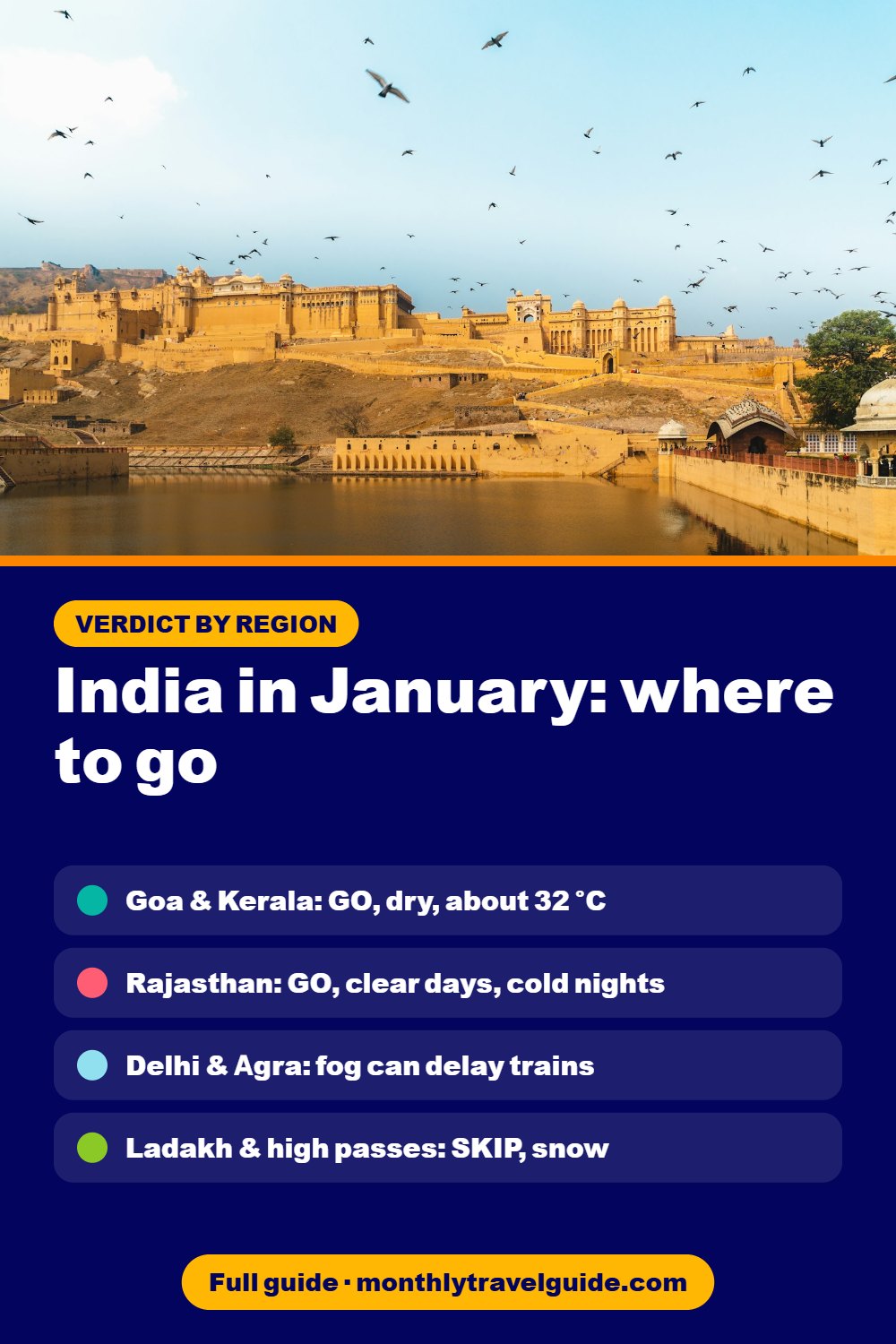
Yes, for most trips. Goa, Kerala and the Andamans are dry and near 30 °C, and Rajasthan has sunny days around 23 to 26 °C. Delhi, Agra and Varanasi are cool, near 8 °C at night, with dense morning fog that delays trains and flights. Ladakh and the high passes are for winter specialists only.
Key facts
- Beach season in the south: Panaji in Goa averages about 32.5 °C with no rain, and the sea is about 28 °C in Goa, Kerala and the Andamans.
- Bright, cool Rajasthan: Jaipur averages about 23 °C by day and 9 °C at night, Jaisalmer about 24 °C and 9 °C, with almost no rain.
- Cold, foggy north plains: New Delhi averages about 20.5 °C by day and 7.5 °C at night, and the official winter fog window runs from about 10 December to 10 February.
- Deep winter in Ladakh: Leh averages about −0.5 °C by day and −11 °C at night, and the road from Manali is closed for the winter.
- Festival weeks: Makar Sankranti, Pongal and Gujarat’s kite festival usually fall around 13 to 16 January, and Republic Day is 26 January.
India in January: Weather, Crowds and Prices by Region
This section is the reference table. In January, dry north-east winds cover most of the country, so rain is rare except in the far north and the hills. Read across for the place where you plan to sleep.
| Region (station) | Day / night | Rain | Sea | Crowds | Price level |
|---|---|---|---|---|---|
| Delhi (New Delhi) | About 20.5 °C / 7.5 °C | About 2 days, 20 mm | — | Medium | Medium |
| Agra and the Ganges plain (Lucknow) | About 22 °C / 8 °C | About 1 day, 15 mm | — | Medium to high at the Taj | Medium |
| Varanasi area (Patna) | About 21.5 °C / 9 °C | About 1 day, 10 mm | — | Medium | Medium |
| Jaipur | About 23 °C / 8.5 °C | About 1 day, 5 mm | — | High | Medium to high |
| Jodhpur | About 25.5 °C / 10 °C | Almost none | — | Medium to high | Medium |
| Jaisalmer | About 24 °C / 9 °C | None on average | — | Medium to high | Medium |
| Gujarat (Ahmedabad) | About 28 °C / 12 °C | None on average | — | High in kite week | Medium |
| Mumbai | About 31 °C / 17 °C | None on average | About 25 °C | Medium | Medium to high |
| Goa (Panaji) | About 32.5 °C / 20 °C | None on average | About 28 °C | High | High |
| Kerala (Kochi) | About 32 °C / 23 °C | About 1 day, 25 mm | About 28 °C | High | High |
| Tamil Nadu (Chennai) | About 30 °C / 20.5 °C | About 3 days, 25 mm | About 26 °C | Medium | Medium |
| Andaman Islands (Port Blair) | About 30 °C / 23 °C | About 3 days, 35 mm | About 28 °C | High | High |
| Kashmir (Srinagar, 1,600 m) | About 7.5 °C / −2.5 °C | About 8 days, 75 mm | — | Medium in ski areas | Medium |
| Ladakh (Leh, 3,500 m) | About −0.5 °C / −11 °C | About 1 day, 10 mm | — | Very low | Low |
🗓️ Free: a 12-Month Map for your country
Every month on one page: best weeks, shoulder weeks and the ones to skip. Print it or keep it on your phone.
Temperatures, rain and sea are long-term January averages from Climates to Travel, rounded. Lucknow and Patna stand in for Agra and Varanasi, which have no station in that series. Crowd and price levels are the Monthly Travel Guide editorial team’s ratings, not statistics.
32.5 °C
average afternoon in Goa
28 °C
sea in Goa, Kerala and the Andamans
7.5 °C
average low in New Delhi
−11 °C
average low in Leh
🧰 Try it while you read: a free tool for this trip
Loading the month picker…
Region by Region: Where to Go in India in January
This section gives each main region a verdict. The rule of thumb: the further south and the closer to the sea, the easier January becomes; the further north and the higher, the more you plan around cold, fog and snow.
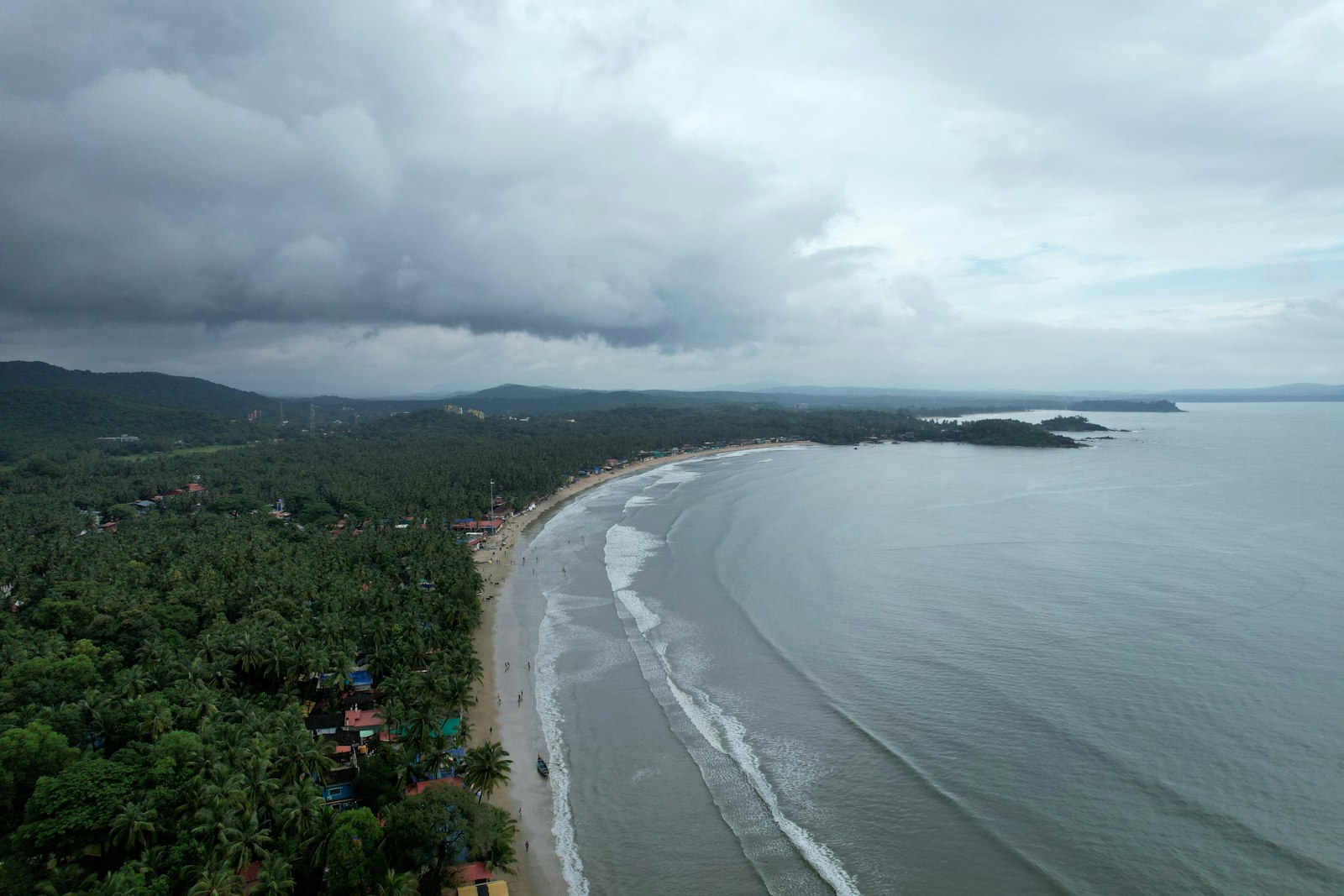
Goa and the Konkan coast
January is the heart of Goa’s dry season. Panaji averages about 32.5 °C in the afternoon and 20 °C at night with no rain on average, and the sea is about 28 °C, warm enough for long swims. The catch is demand: the New Year weeks are the busiest and most expensive of the year.
From about the second week of January, rates usually ease and beaches thin out; Palolem and Agonda in the south are calmer than Baga and Anjuna.
Kerala: Kochi, the backwaters and the beaches
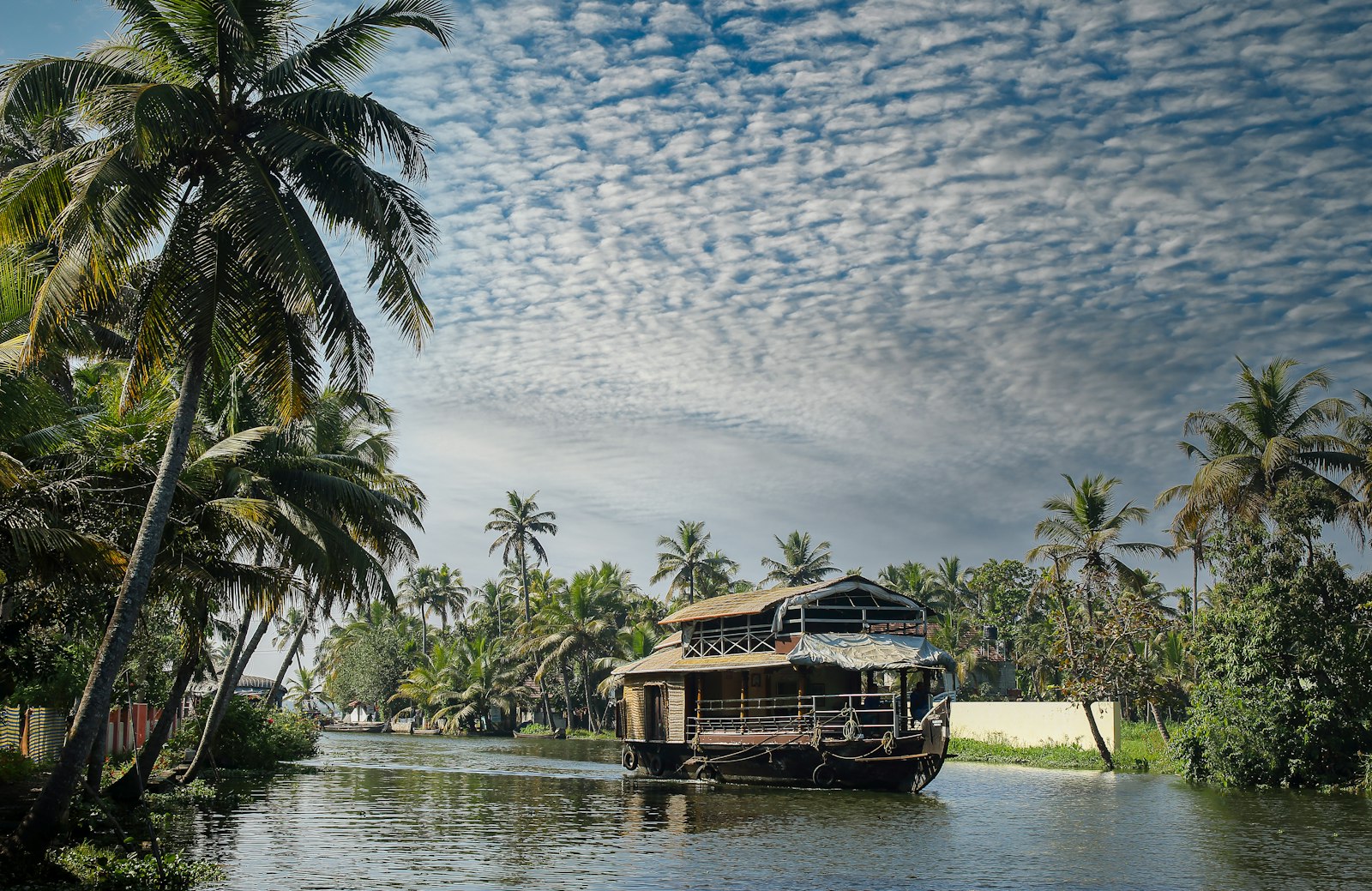
Kerala is at its most comfortable in January. Kochi averages about 32 °C by day and 23 °C at night, with about one rain day and a sea of about 28 °C. Humidity is lower than in the months either side, good for an overnight houseboat on the backwaters and for swimming at Varkala and Kovalam.

The Smart Timing Bundle
Pick the month, book in the right order, pack once
Six printable timing tools for any trip: the Trip Timing Planner, When to Book, When NOT to Go, the Shoulder Season Playbook, the family timing guide and the Packing by Season System.
See the bundle · $37Six products, $100 separately · Digital download · All sales final
Houseboats and beach hotels around New Year book out first, so secure those before anything else.
Rajasthan: Jaipur, Jodhpur, Udaipur and Jaisalmer
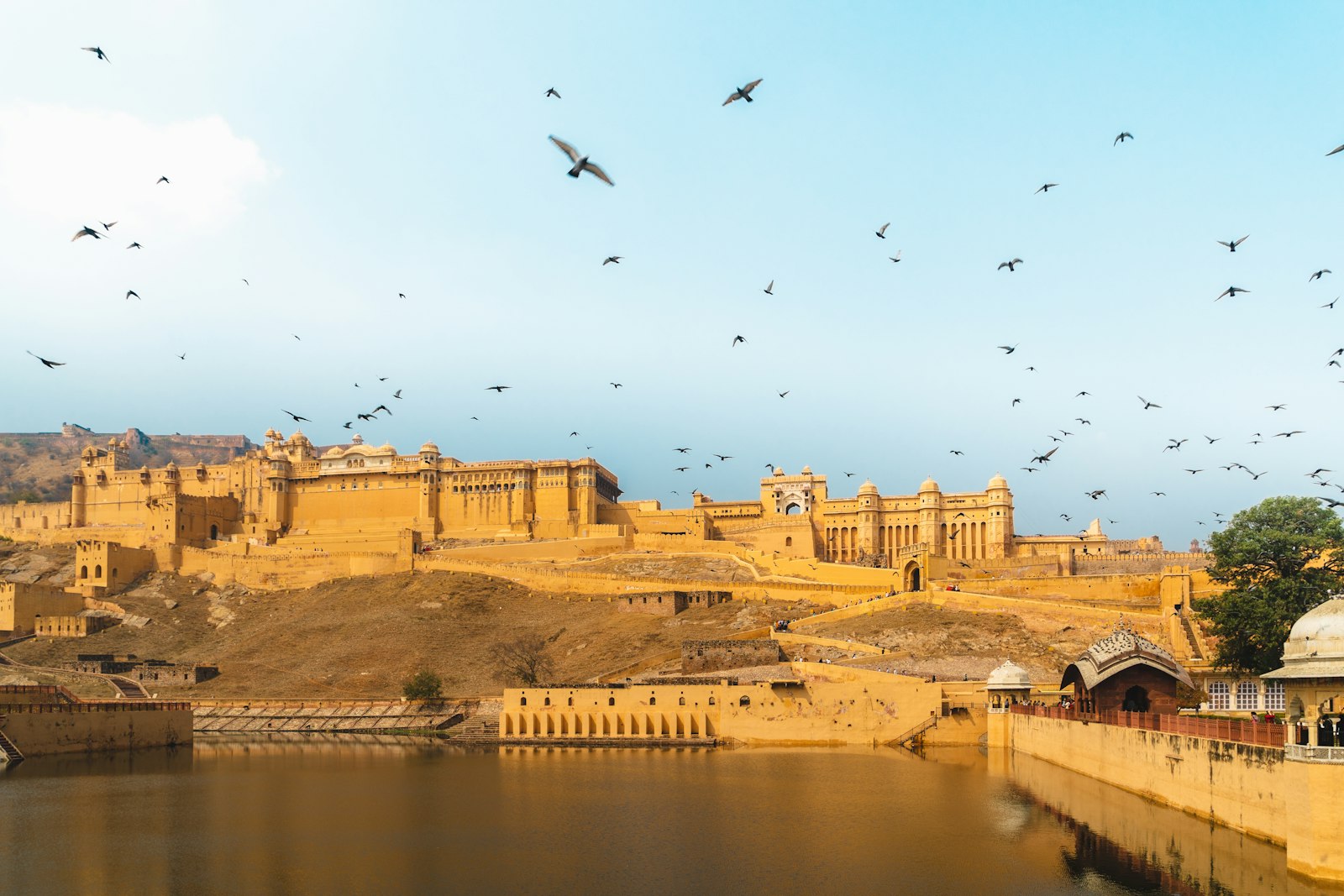
January is one of the best months for Rajasthan. Jaipur averages about 23 °C by day and 8.5 °C at night, Jodhpur about 25.5 °C and 10 °C, and Jaisalmer about 24 °C and 9 °C, with almost no rain. A desert camp near Jaisalmer can drop close to freezing on a clear night.
It is also high season, and Jaipur is the busiest city on the circuit, with extra demand in late January when the Jaipur Literature Festival is usually held. Heritage hotels and the best Thar camps fill early.
Delhi, Agra and Varanasi
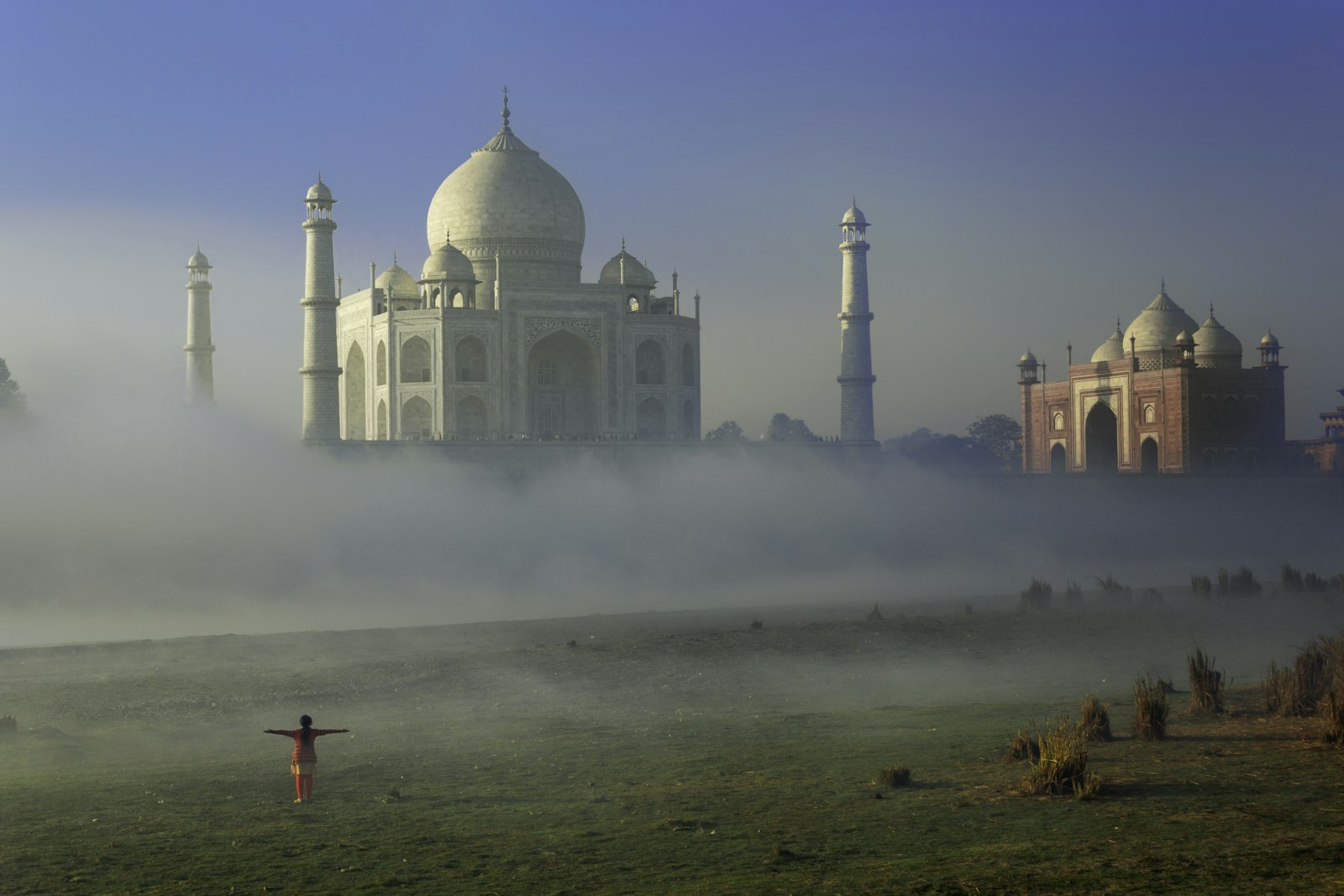
The northern plains are the trickiest part of January. New Delhi averages about 20.5 °C by day and 7.5 °C at night, and Lucknow and Patna, the nearest stations to Agra and Varanasi, are similar. Many days bring clear, crisp afternoons; on others, radiation fog forms at night and sits over the plain until late morning or all day.
India’s aviation regulator treats about 10 December to 10 February as the winter fog window, and dense fog regularly delays and cancels flights and trains across the north. Air quality in Delhi and across the plains is also often poor in winter, which matters for anyone with asthma or a heart condition.
None of this rules the region out; the Taj Mahal in morning mist is a classic January sight. It simply calls for a looser plan: no tight connections, a spare day before a flight home, and afternoon slots for anything that needs a view.
The Himalaya: Himachal, Kashmir, Uttarakhand and Sikkim
January is deep winter in the Himalaya. Srinagar, at about 1,600 m, averages about 7.5 °C by day and −2.5 °C at night, with around eight wet days that often fall as snow; Gangtok in Sikkim is milder at about 13 °C and 6 °C. Snow is the attraction: Gulmarg and Auli are India’s main ski areas, and Shimla and Manali often see snowfall.
The cost is access: Rohtang Pass above Manali usually closes to traffic from about mid-November, and high roads in north Sikkim and towards Ladakh are often snowbound. Plan a few relaxed days in one place.
Ladakh
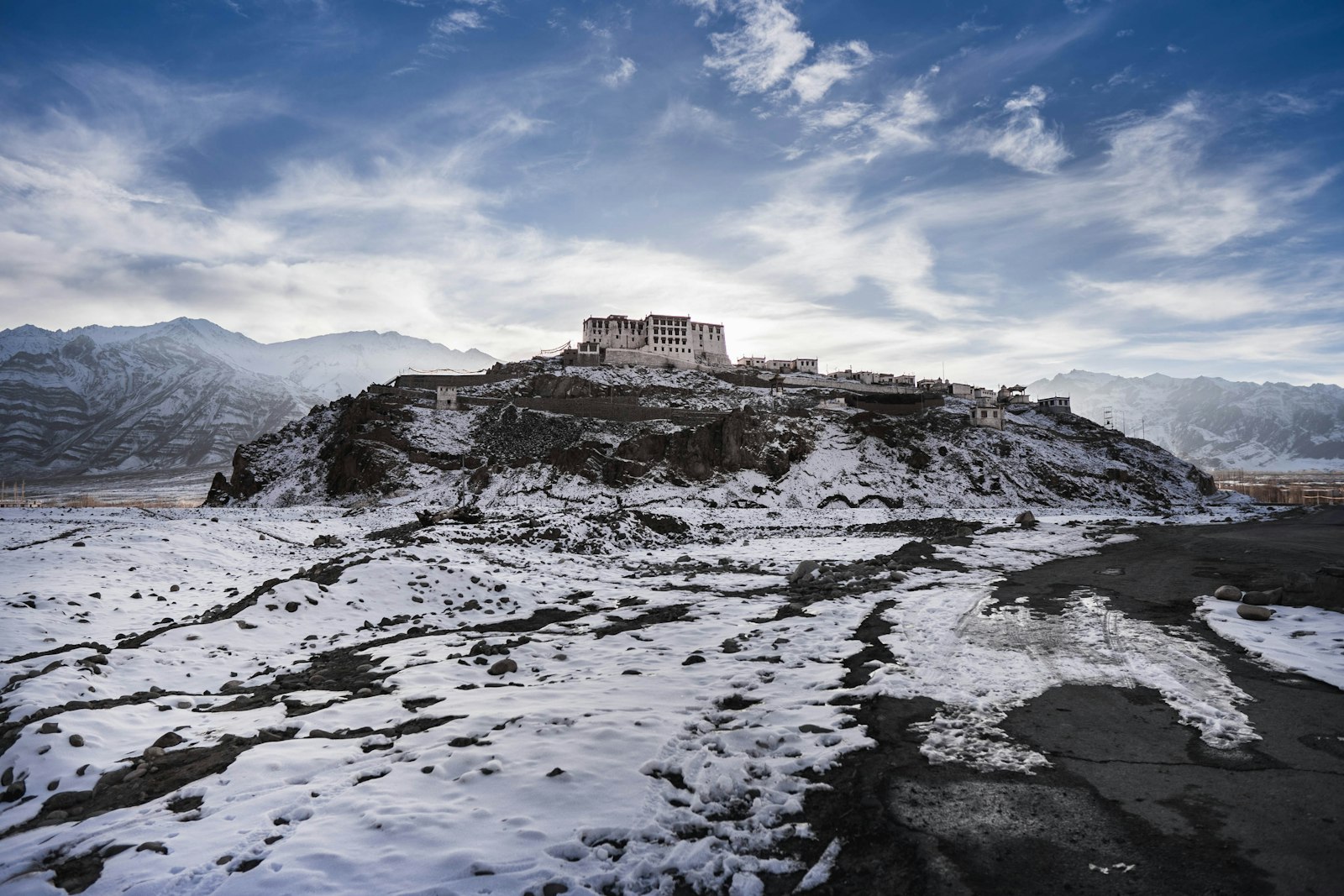
Ladakh in January is for winter specialists. Leh, at about 3,500 m, averages about −0.5 °C by day and −11 °C at night. The road from Manali closes for the winter and the Srinagar route over the Zoji La is often shut too, so most visitors fly in, and many guesthouses close. The draws are snowy valleys and the Chadar trek on the frozen Zanskar, usually from about January to February when the ice allows.

The complete kit
Every country guide, every timing tool
All 24 When to Go country guides, the six Smart Timing tools and every 12-Month Map, with a Start Here that tells you what to open first.
See the kit · $127The five bundles cost $225 separately · Digital download · All sales final
Flying in from sea level, allow two or three days in Leh to acclimatise. For a general Ladakh trip with open passes, plan for about June to September instead.
Tamil Nadu, Mumbai and the rest of the south
The rest of the south and west is warm and mostly dry. Chennai averages about 30 °C by day and 20.5 °C at night with around three light rain days, Madurai about 32.5 °C and Mumbai about 31 °C, with evenings near 17 °C.
Before you book India
When NOT to Go
January in India is easy to get right once you know which regions to skip. When NOT to Go covers the seasons, weeks and conditions that spoil a trip, from monsoon and peak heat to fog and holiday crowds.
See When NOT to GoDigital download · All sales final
The Andaman Islands
The Andamans move into their dry season in January. Port Blair averages about 30 °C by day and 23 °C at night with around three rain days, and the sea is about 28 °C. Showers can linger into early January, so the second half is usually more reliable. Book inter-island ferries as soon as your flights are fixed.
January Dates: Festivals, Republic Day and the Quiet Weeks
This section shows how the month usually runs, because the week you travel matters as much as the region.
| Dates | What happens | Crowds | Price level |
|---|---|---|---|
| About 28 December to 5 January | New Year holidays; Goa, Kerala, Rajasthan and the hill stations at their fullest | High | High |
| Usually 13 January | Lohri, the Punjabi winter bonfire festival, in Punjab and Delhi | Local | Medium |
| Usually 13 to 16 January | Pongal in Tamil Nadu: four days, from Bhogi to Kaanum Pongal | High in Tamil Nadu | Medium |
| Usually 14 to 15 January | Makar Sankranti across India and Uttarayan, Gujarat’s kite festival | High in Gujarat | Medium to high |
| About 6 to 25 January | Usually the calmest stretch on the beaches after the holidays | Medium | Medium |
| 26 January | Republic Day parade on Kartavya Path in New Delhi, a national holiday | Very high in central Delhi | Medium |
| 29 January | Beating Retreat ceremony at Vijay Chowk, Delhi, closing the Republic Day events | High in central Delhi | Medium |
Gujarat’s International Kite Festival is held on 14 and 15 January each year, centred on Ahmedabad and the Sabarmati riverfront. In Kutch, the Rann Utsav tent city at Dhordo on the White Rann usually runs from about November to February or early March, and full-moon nights are the most popular.
⚑ Watch out
In the days before Republic Day on 26 January, roads around Kartavya Path and India Gate close for rehearsals and the President’s estate usually closes to visitors in the last week of the month. Watching the parade needs a ticket bought in advance; otherwise see central Delhi earlier in the month.
⚑ Timing tip
For the best mix of weather and value, travel between about 6 and 25 January, and keep at least one buffer day in any plan that crosses the northern plains.
To compare other countries, see where to go in January, or where to go in February if your dates slip later. For more on the north-west, read the forts of Rajasthan, and for the hot season, India in May.
Who India in January Suits, and When Not to Go
This section is the honest one. January suits travellers who want dry weather and bright days and will plan around the cold and fog of the north:
India in January is a good fit for
- ✓Beach trips to Goa, Kerala and the Andamans
- ✓Rajasthan forts, palaces and desert camps
- ✓First trips that combine the south with Rajasthan
- ✓Snow trips to Gulmarg, Auli and the Himachal hill towns
A tight Golden Triangle schedule
Winter fog regularly delays trains and flights in the north.
A road trip into Ladakh
The Manali road and the high passes are closed for the winter.
Cheap beaches over New Year
The holiday weeks are the priciest of the season.
Clean air in Delhi
Winter is often the worst season for air quality on the plains.
Better month if you want…
Ladakh, Spiti and the high passes
About June to September
Warm days in Delhi, Agra and Varanasi without fog
About late February to March, or October to November
Holi festival colours
Usually in March
Kerala’s green monsoon and Ayurveda season
About June to August
Himalayan trekking in the lower ranges
About March to May or October to November
Desert camps without cold nights
About February to March or November
Comparing winter sun in Asia and the Gulf? See Thailand in January, Vietnam in January or Dubai in January, and use the when not to go hub to rule out the wrong weeks anywhere.
Free download
The 12-Month Map
One page per country with every month rated go, go with care or skip, so you can see the best and worst weeks at a glance before you book.
What to Pack for India in January
This section is the short list. A north-and-south trip covers tropical beaches and near-freezing nights, so pack in layers.
Pack and book for India in January
- ✓Light clothes and swimwear for the south and the islands
- ✓A warm jacket, fleece, hat and scarf for Rajasthan and the north
- ✓Thermal layers and winter boots for the Himalaya
- ✓Clothes that cover shoulders and knees for temples and mosques
- ✓New Year beach stays, heritage hotels and ferries booked early
Common Mistakes With a January India Trip
1. Packing only for the tropics
Goa and Kerala are hot, but Delhi averages about 7.5 °C at night and Jaipur about 8.5 °C, and hotels in the north are often lightly heated. A route that adds Rajasthan or the Golden Triangle needs a real warm layer.
2. Building a tight schedule across the northern plains
Winter fog can delay morning trains by hours and cancel flights. Keep connections loose and leave a buffer day in Delhi before an international flight home.
3. Booking Goa or Kerala for New Year at the last minute
The holiday weeks are the most expensive of the beach season. Book months ahead or move the beach part of the trip to after about 6 January.
4. Planning a road trip to Ladakh
The Manali road and the high passes are closed in winter and Leh is reached by air. January Ladakh is a specialist winter journey, not a summer route with fewer people.
India in January: FAQ
Is January a good time to visit India?
Yes, for most of the country. Goa, Kerala, Tamil Nadu and the Andamans are dry and warm, and Rajasthan has sunny days and cold nights. The northern plains around Delhi, Agra and Varanasi are cool and often foggy in the morning, which can delay trains and flights. Ladakh and the high Himalaya are in deep winter and suit specialists only.
How cold is Delhi in January?
New Delhi averages about 20.5 °C in the afternoon and 7.5 °C at night, and cold spells can push nights lower. Dense fog often forms overnight and can last until late morning, keeping some days grey and chilly throughout. Pack a warm jacket, a fleece and a scarf, and expect homes and small hotels to feel cool inside after dark.
Is Goa good in January?
Yes, January is one of Goa’s best months for weather. Panaji averages about 32.5 °C by day and 20 °C at night with no rain on average, and the sea is about 28 °C. The trade-off is demand: the New Year week is the most expensive of the season, so book early or travel from about the second week of January.
Does fog affect travel in India in January?
Yes, in the north. India’s aviation regulator treats about 10 December to 10 February as the winter fog window, and dense fog regularly delays and cancels trains and flights across Delhi and the plains. Delhi airport can land aircraft in very low visibility, but departures and smaller airports are slower. Build buffer time into any northern route.
Can you visit Ladakh in January?
Yes, but only as a winter specialist trip. Leh averages about −0.5 °C by day and −11 °C at night, the road from Manali is closed for the winter and most visitors fly in. Many guesthouses close. The draws are snowy valleys, monastery festivals and the Chadar trek on the frozen Zanskar, which depends on ice conditions each year.
Which festivals take place in India in January?
Makar Sankranti usually falls around 14 January, with Gujarat’s kite festival on 14 and 15 January and Lohri in Punjab usually the evening before. Pongal in Tamil Nadu usually runs from about 13 to 16 January. Republic Day is 26 January, with the main parade in New Delhi, and the Rann Utsav in Kutch is usually open all month.
Where is the warmest place in India in January?
The south and the coasts are warmest. Goa and Kochi in Kerala average about 32 °C by day, Madurai about 32.5 °C, and the Andaman Islands about 30 °C, with warm nights above 20 °C and seas of about 26 to 28 °C. Mumbai is also warm, at about 31 °C by day, with cooler, pleasant evenings around 17 °C.
The Bottom Line
India in January rewards travellers who choose their half of the map: the south, the west coast and the Andamans are dry and warm, Rajasthan pairs bright days with cold nights, the northern plains are cool and foggy, and the high Himalaya is deep in winter. Your next step is to fix the regions, book beach stays, heritage hotels and ferries first, and leave buffer days wherever your route crosses the fog belt.
Timing guide
Rule out the wrong dates first
When NOT to Go shows the months, weeks and conditions to avoid across popular destinations, so you rule out the wrong dates before you pay for flights and hotels.
Digital download · All sales final
Free download
Which month for your country?
Get the free 12-Month Map: every month marked good, shoulder or avoid, region by region, on four printable pages.
- Greece to Japan, Morocco to Peru: 24 countries
- See the crowd and price peaks before you book
- Free, no purchase needed
Your download page opens as soon as you sign up. 24 countries available.