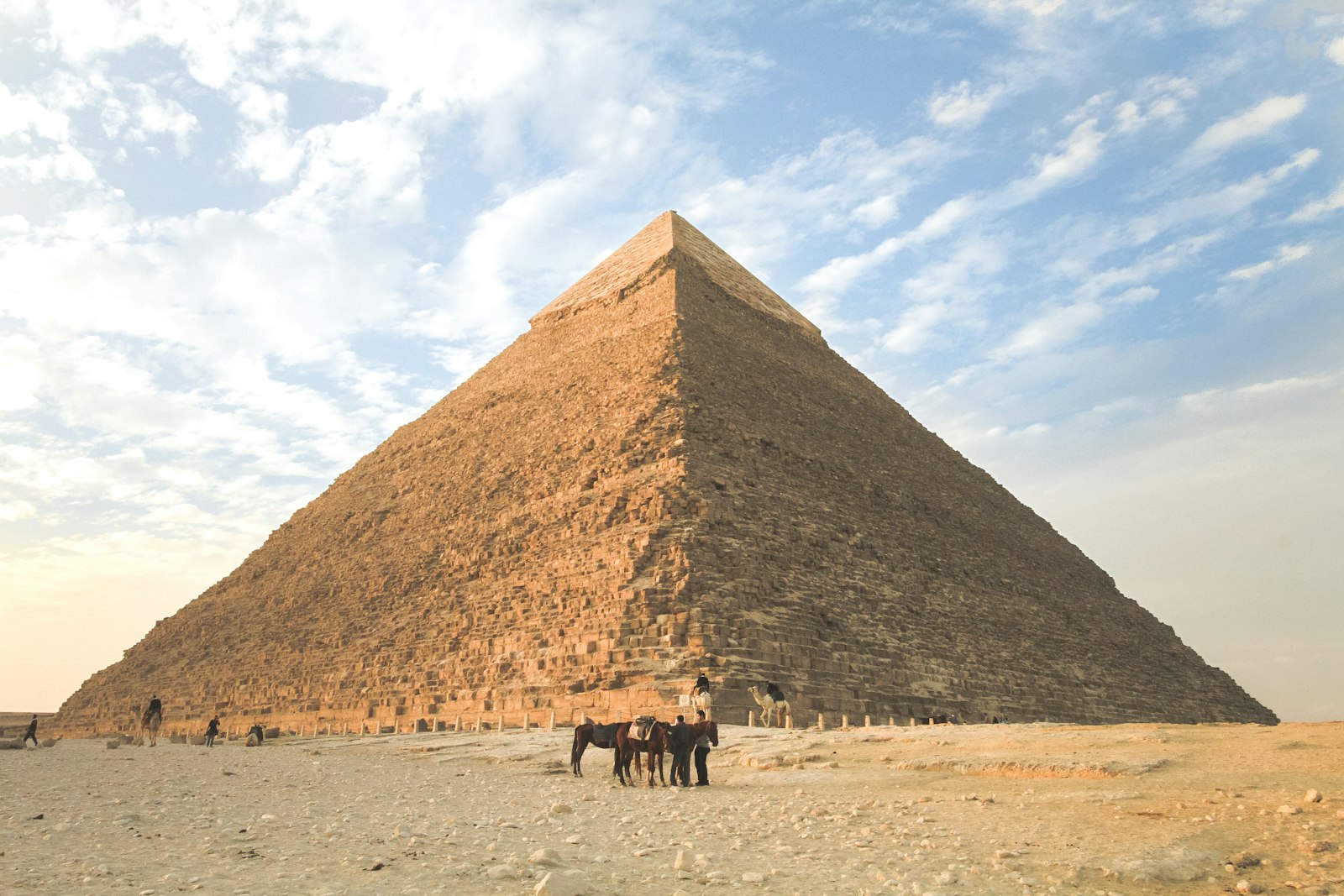
Egypt in January is the heart of the classic touring season: dry, sunny days of about 19 °C in Cairo and 23 °C in Luxor and Aswan, cool to cold nights, and almost no rain away from the Mediterranean coast. It is the month when walking around temples at noon is comfortable rather than punishing. The trade-offs are a Red Sea that is a little cool for long swims, desert nights that can approach freezing, and high-season prices, especially in the first week. Here is what each region is really like, and how to time the month.

Quick answer
Yes, go. January is one of the best months for sightseeing in Egypt: Cairo, Luxor, Aswan and Abu Simbel are dry, sunny and mild by day. Pack layers for cold nights, expect a cool Red Sea near 22 °C, and avoid the New Year week if you want lower prices.
Key facts
- Dry and mild on the Nile: Luxor and Aswan average about 23 °C by day, with no measurable rain in a typical January.
- Cold nights: Luxor averages about 7 °C at dawn, Cairo about 10 °C, and desert camps can approach freezing.
- A cool Red Sea: about 22 °C at Hurghada and Sharm El Sheikh and 23 °C at Marsa Alam, with steady northerly wind.
- Short days: about 10.5 hours of daylight, so start sightseeing early; the sun sets at about 5 to 5.30 pm.
- Peak prices in the first week: the Christmas and New Year holidays and Coptic Christmas, usually 7 January, are the busiest days.
Egypt in January: Weather, Sea, Crowds and Prices by Region
This section is the reference table. In January almost all of Egypt is dry, and the real differences are between hot days and cold nights. Inland, away from the sea, the gap between afternoon and dawn is often 13 to 16 degrees.
| Region (station) | Day / night | Rain | Sea | Sun per day | Crowds | Price level |
|---|---|---|---|---|---|---|
| Cairo and Giza | About 19 °C / 10 °C | About 3 days, 5 mm | — | About 7 h | High | High |
| Alexandria | About 18.5 °C / 9 °C | About 9 days, 70 mm | About 18 °C | About 6 h | Low to medium | Medium |
| Luxor | About 23 °C / 7 °C | None | — | About 7 h | High | High |
| Aswan | About 23 °C / 10 °C | None | — | About 10 h | High | High |
| Abu Simbel | About 23 °C / 9.5 °C | None | — | Sunny | Medium | High |
| Hurghada | About 22 °C / 11.5 °C | None | About 22 °C | About 9 h | Medium to high | Medium |
| Sharm El Sheikh (also a guide for Dahab) | About 22 °C / 14 °C | None | About 22 °C | About 8 h | Medium to high | Medium to high |
| Marsa Alam | About 23 °C / 13 °C | None | About 23 °C | About 9 h | Medium | Medium |
| Siwa Oasis | About 19 °C / 6.5 °C | None | — | About 7 h | Low | Medium |
| Bahariya (base for the White Desert) | About 20.5 °C / 6.5 °C | None | — | Sunny | Low | Low to medium |
🗓️ Free: the 12-Month Map for Egypt
Every month on one page: best weeks, shoulder weeks and the ones to skip. Print it or keep it on your phone.
Temperatures, rain and sea readings are long-term January averages from Climates to Travel, rounded; daily sunshine comes from the same source. Dahab has no station of its own, so Sharm El Sheikh, about 90 km south by road, stands in for it. Daylight is about 10.5 hours in Cairo and a little longer in Aswan. Crowd and price levels are the Monthly Travel Guide editorial team’s ratings, not statistics.
23 °C
afternoons in Luxor and Aswan
7 °C
average dawn low in Luxor
22 °C
sea at Hurghada and Sharm
10 h
of sun a day in Aswan
🧰 Try it while you read: a free tool for this trip
Free trip timing tool
Best Month Finder
Pick a country and your priorities; get the three months that suit you best.
Loading the tool…
Region by Region: Where to Go in Egypt in January
This section gives each region a verdict and the numbers behind it. The rule of thumb is simple: the further south you go along the Nile, the warmer and sunnier the days, but the colder the nights in the open desert. The Red Sea coast is milder at night because the water holds its heat.
Cairo and Giza
Cairo averages about 19 °C in the afternoon and 10 °C at night, with around five millimetres of rain spread over a few days. Most days are clear and pleasant for the Giza plateau, where there’s no shade and summer heat is brutal. Climates to Travel notes that cold, cloudy days can still occur between December and February, so a sweater and a light jacket belong in your bag.
Go to the pyramids at opening time. By mid-morning in high season, tour coaches arrive in waves. The Grand Egyptian Museum sells timed tickets online; book a slot for the first days of your trip, before the Nile leg.
Luxor and the Nile Valley
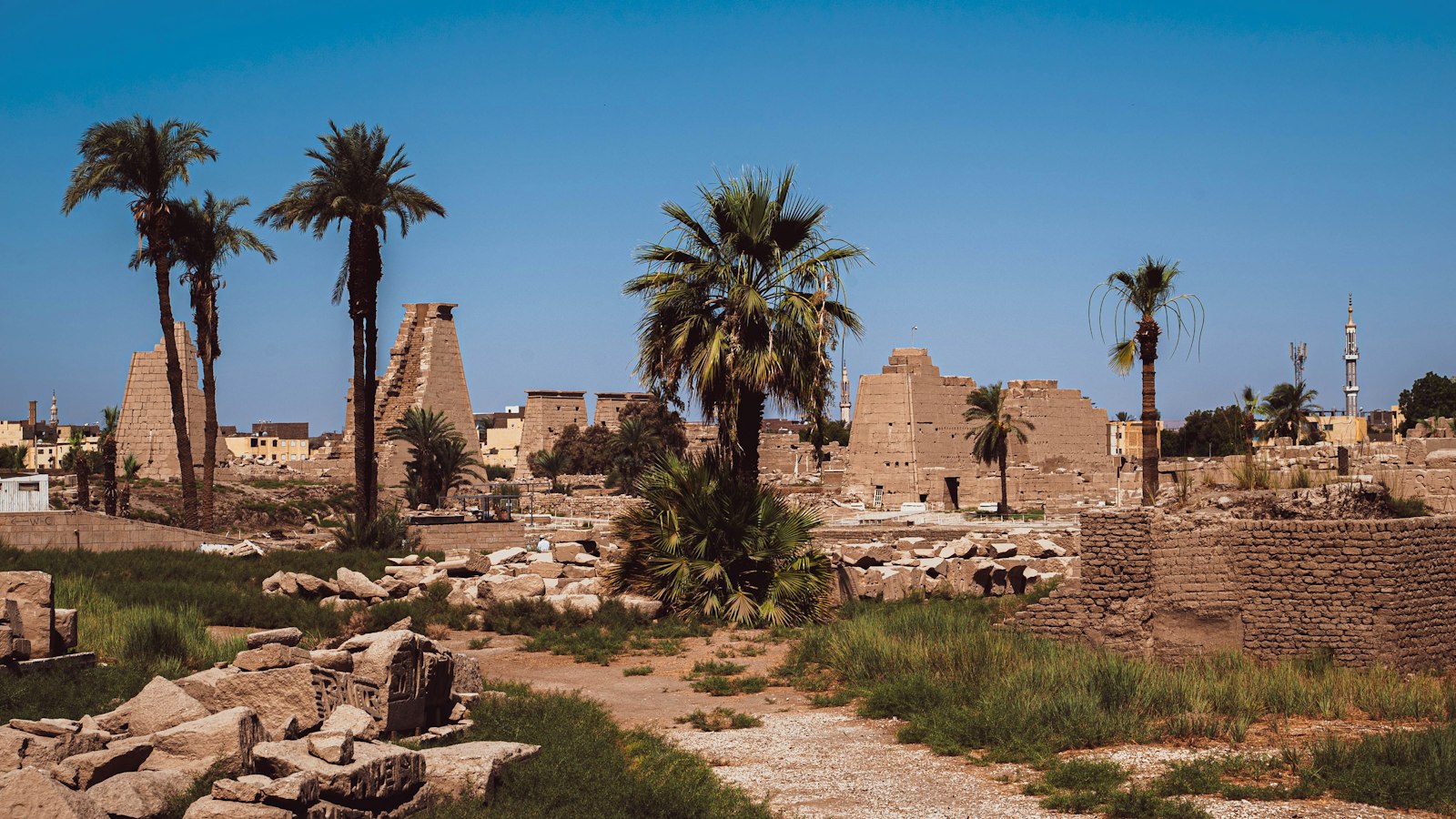
Luxor is the reason January is so good. Afternoons average about 23 °C, it essentially never rains, and the tombs of the West Bank are bearable even at midday. The catch is the dawn chill: the average low is about 7 °C, and the record low in the long-term table is just below freezing. Hot-air balloon flights take off before sunrise, when it is at its coldest, so wear a warm layer and a hat.

The Smart Timing Bundle
Pick the month, book in the right order, pack once
Six printable timing tools for any trip: the Trip Timing Planner, When to Book, When NOT to Go, the Shoulder Season Playbook, the family timing guide and the Packing by Season System.
See the bundle · $37Six products, $100 separately · Digital download · All sales final
Visit Karnak at opening time or in the last two hours before closing, when the light is warm and the crowds thin. Valley of the Kings tours usually start early; going in the early afternoon often means shorter queues at the most popular tombs.
Aswan, Abu Simbel and Lake Nasser
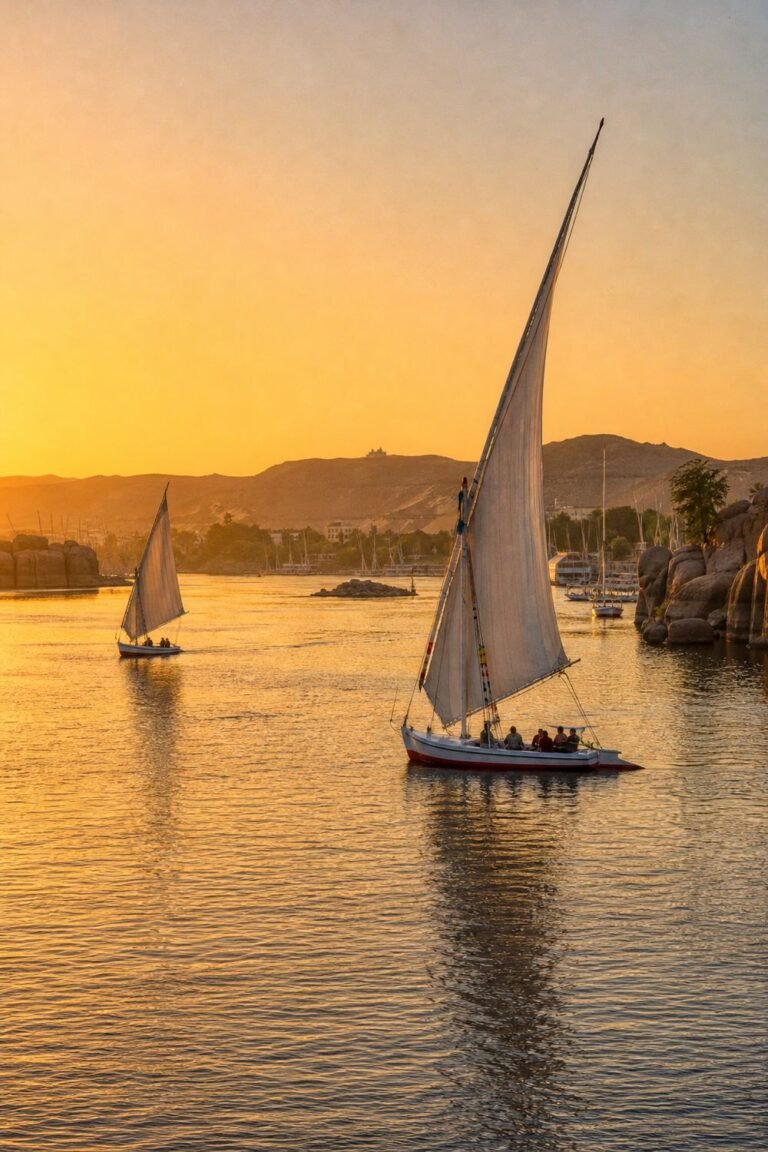
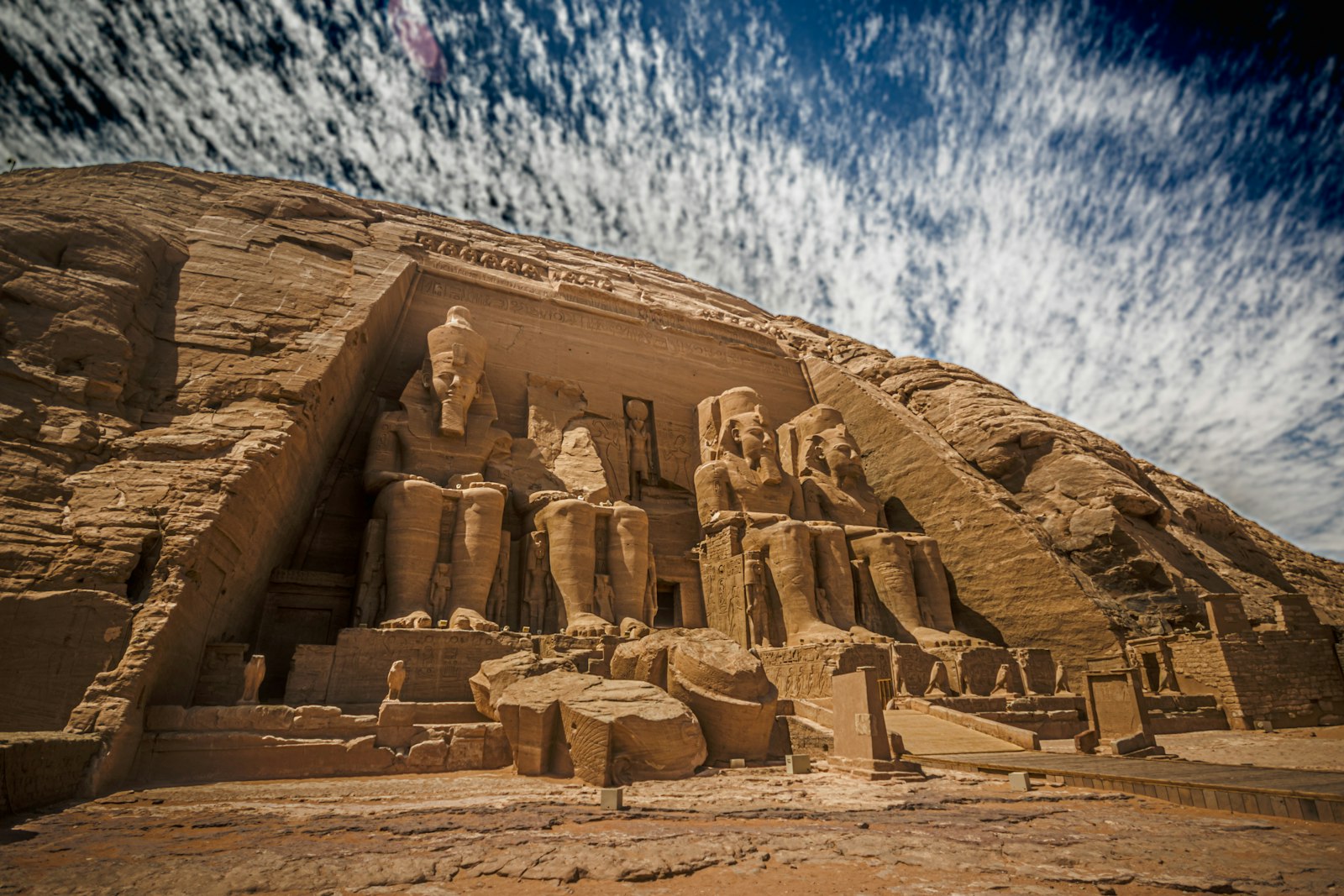
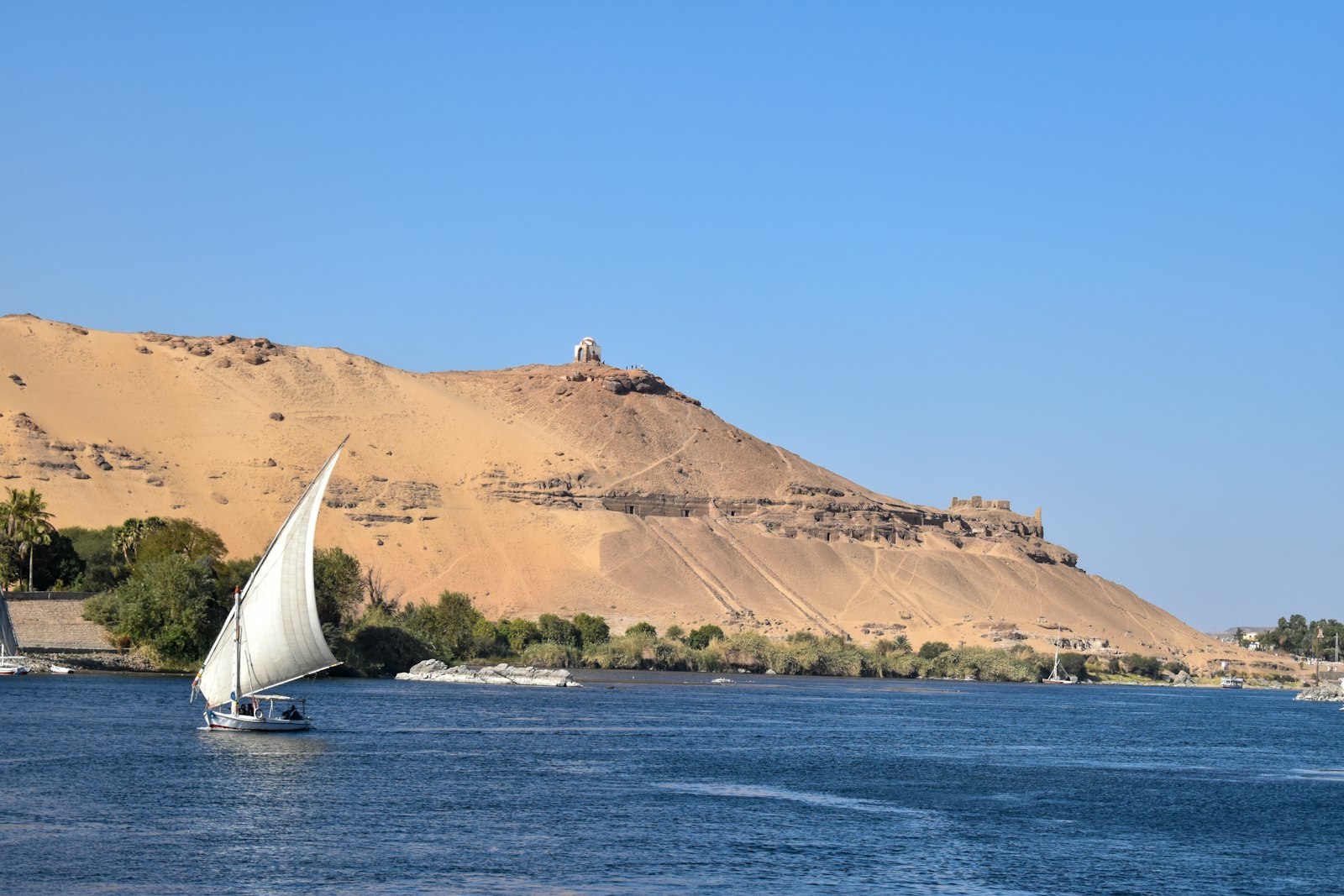
Aswan is the sunniest place on this list in January, with about ten hours of sun a day, afternoons around 23 °C and nights near 10 °C. It’s the best spot in Egypt for a slow felucca sail at sunset, but once the sun drops, the breeze over the water feels cold. Abu Simbel, about 280 km to the south by road, has almost identical figures, around 23 °C by day and 9.5 °C at night.
Most visitors reach Abu Simbel by road convoy or a short flight, arriving soon after dawn. In January that means stepping out of the car into air of about 10 °C. The famous solar alignment inside the Great Temple usually happens around 22 February and 22 October, not in January, so plan for the temples themselves rather than the event.
The Nile cruise between Luxor and Aswan
January is close to perfect for the cruise itself. Temple stops at Edfu and Kom Ombo are comfortable in the afternoon, and the sun deck is pleasant from late morning until about 4 pm. After dark, the open deck gets cold quickly, so bring a fleece. Smaller sailing dahabiyas depend partly on the wind and run slower, longer itineraries. Cruises between Christmas and the first days of January are the busiest and most expensive sailings of the winter, so book these dates months ahead.
Plan the other eleven months
When to Go: Egypt
January suits the Nile, but Egypt’s seasons pull in different directions: the Red Sea is warmest in late summer, the desert is gentlest in spring and autumn, and Ramadan and the big holidays move the crowds. When to Go: Egypt rates every month for each region, with heat, sea, crowd and price seasons, festival weeks and the dates to avoid.
See When to Go: EgyptDigital download · All sales final
The Red Sea: Hurghada, Marsa Alam, Sharm El Sheikh and Dahab
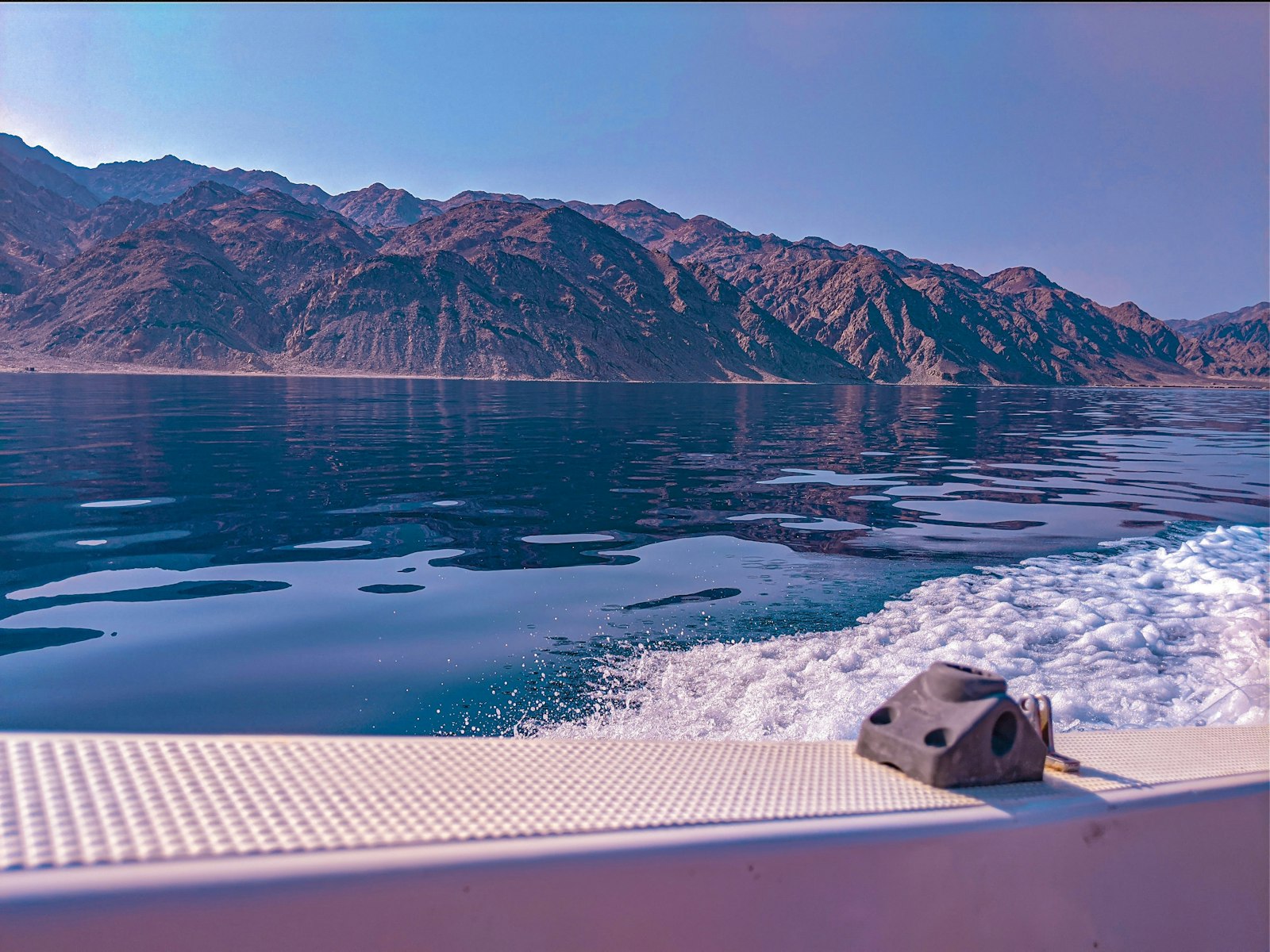
The Red Sea coast is sunny and dry in January, but it’s winter-sun weather rather than beach-holiday heat. Hurghada and Sharm El Sheikh average about 22 °C by day, with the sea also around 22 °C; Marsa Alam, further south, is a degree warmer in both. Climates to Travel describes the north-central Red Sea as a bit cool for swimming from January to March.
The bigger factor is the wind. The coast is exposed to a prevailing northerly breeze all year: Windfinder’s long-term records for Hurghada show a north-north-westerly averaging about 12 knots, which is why the area is a kitesurfing centre. On a breezy afternoon, a wet swimsuit and 22 °C air feel distinctly cool, and boat trips can be choppy. Sheltered bays and the lee side of the boat make a real difference.
Dahab, on the Gulf of Aqaba, follows the Sharm pattern: mild days, a sea near 22 °C and steady wind. That suits windsurfers and kitesurfers, and the shore-entry reefs are still excellent for divers in a full wetsuit. For warmer water, choose Marsa Alam.
⚑ Good to know
For diving and long snorkels in January, a full 5 mm wetsuit is the comfortable choice for most people; a 3 mm suit with a hooded vest is the minimum. Visibility is usually good in winter, and the reefs are less crowded than in the summer holidays.
The Western Desert: Siwa, Bahariya and the White Desert
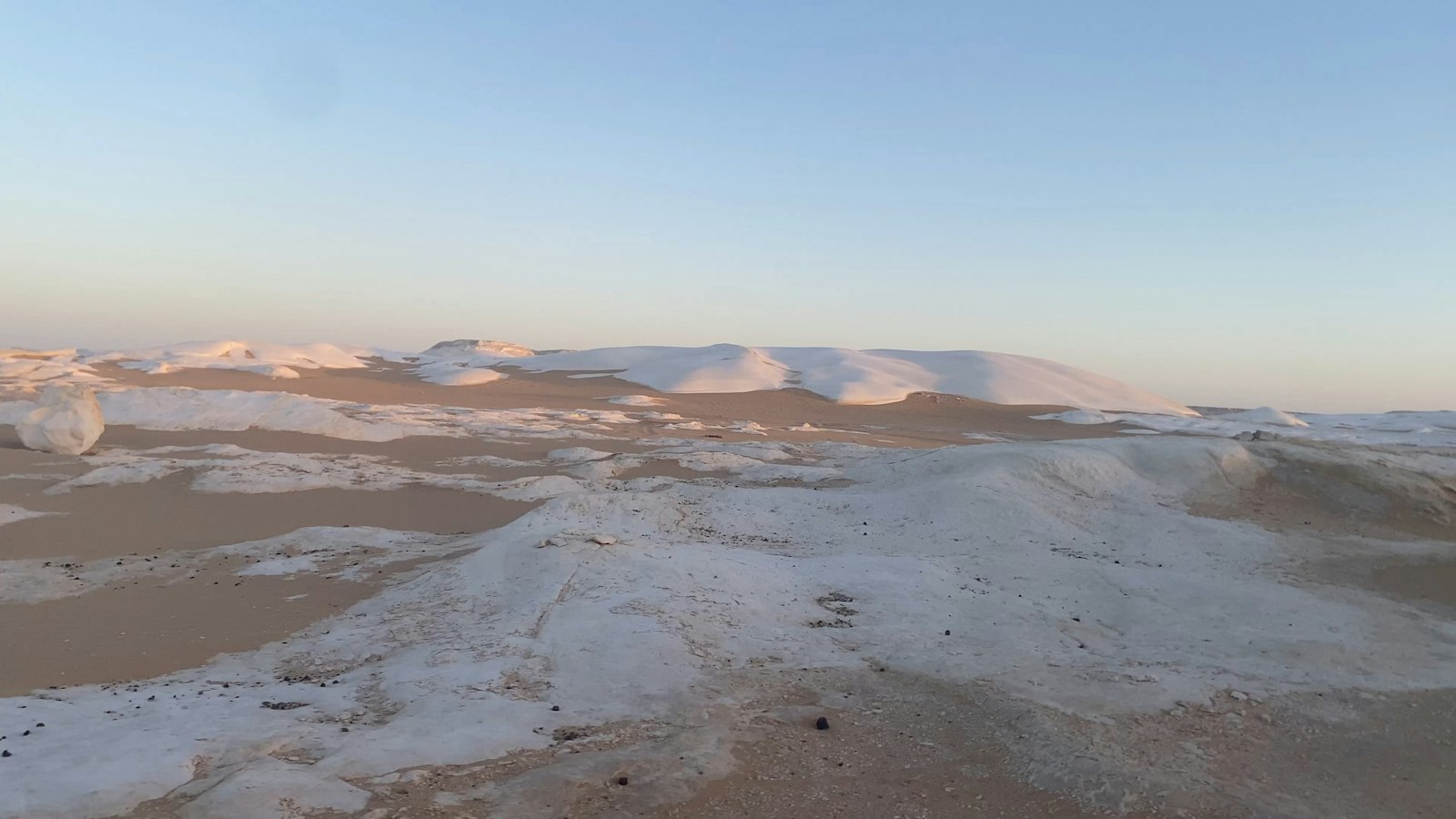
The desert is beautiful in January: clear air, gentle midday warmth and some of the darkest night skies in the country. Siwa averages about 19 °C by day and 6.5 °C at night, and Bahariya, the usual base for trips to the White Desert, is almost the same. Out in the open desert, away from the oasis towns, the coldest nights can approach 0 °C.
If you sleep in a White Desert camp, plan for a cold night: a proper sleeping bag, a hat, gloves and thermal layers matter more than anything else on the packing list. Ask your operator what bedding is included.

The complete kit
Every country guide, every timing tool
All 24 When to Go country guides, the six Smart Timing tools and every 12-Month Map, with a Start Here that tells you what to open first.
See the kit · $127The five bundles cost $225 separately · Digital download · All sales final
Alexandria and the Mediterranean coast
Alexandria is the one place in Egypt where January rain matters. The city averages about 70 mm over nine rain days, against about 5 mm in Cairo, with a sea of about 18 °C and frequent wind. It’s fine for museums, the library and the Corniche cafés on a day trip from Cairo, but not for a beach stay.
January Dates: Holidays, Crowds and the Best Weeks
This section shows how the month usually runs, because the week you choose shapes prices and crowds more than the weather does.
| Dates | What happens | Crowds | Price level |
|---|---|---|---|
| About 28 December to 3 January | Christmas and New Year holidays; Nile cruises and Red Sea resorts at their fullest | Very high | Highest |
| Usually 6 to 7 January | Coptic Christmas: Christmas Eve services, then a public holiday on 7 January | High | High |
| About 8 to 20 January | Usually the calmest part of the high season | Medium | Medium to high |
| Late January | Steady high-season touring with clear, dry weather | Medium to high | High |
Rough Guides describes Coptic Christmas on 7 January as a special cultural experience. Services in Coptic Cairo, around the Hanging Church, are held on the night of 6 January; visitors are welcome if they dress modestly and keep a respectful distance. Expect some offices and Christian-run businesses to close on the day itself, while sites and hotels stay open.
⚑ Timing tip
The sweet spot is usually from about 8 to 20 January: the holiday crowds have gone home, cruise and hotel prices ease, and the weather is identical. Book Nile cruises for those dates two to three months ahead, and flights from Europe and the Gulf as early as possible.
⚑ Watch out
Ramadan moves about 11 days earlier each year and, in some years, overlaps January. During Ramadan, sites stay open but hours can be shorter, restaurants outside hotels may close in the daytime, and evenings are lively. Check the dates for your travel year before booking.
For the month before, read Egypt in December. For the whole country in one place, see our Egypt travel guide.
When Not to Go to Egypt in January
This section is the honest one. January is excellent for sightseeing, but it’s the wrong month if any of these is your priority:
A hot beach holiday
The Red Sea is about 22 °C, the wind is steady, and evenings are cool.
The lowest prices
January is high season; summer is far cheaper, though very hot inland.
Warm nights in the desert
Camps in the White Desert can approach freezing after dark.
The Abu Simbel sun alignment
It usually happens around 22 February and 22 October.
A seaside stay in Alexandria
It’s the wettest month on the Mediterranean coast.
Better month if you want…
Warm Red Sea swimming
About June to October
Mild desert nights
March or November
Lower prices with good Nile weather
Late February or November
The Abu Simbel sun festival
Around 22 February or 22 October
Fewer crowds at the pyramids
Mid-January or the shoulder months
Hot sun on the beaches of Sinai
Late spring or autumn
Comparing winter-sun trips? See the Canary Islands in January or the January winter sun destinations, and browse where to go in January for the full shortlist. Divers can compare reefs in our diving and snorkelling guide, and the free 12-Month Map rates any destination month by month.
Pack and book for Egypt in January
- ✓A warm fleece or light down jacket for dawns, cruise decks and the desert
- ✓Light layers, a sun hat, sunglasses and sunscreen for the afternoons
- ✓Comfortable closed shoes for tombs, temples and uneven ground
- ✓Modest clothing that covers shoulders and knees for mosques and churches
- ✓A thermal layer, hat and gloves if you’ll camp in the desert
- ✓Nile cruise, Abu Simbel transport and museum tickets booked early
Common Mistakes With a January Egypt Trip
1. Packing only for heat
Egypt’s reputation is heat, but January mornings in Luxor average about 7 °C, Cairo nights about 10 °C, and desert camps can approach freezing. Balloon flights, Abu Simbel and the cruise deck after dark are all cold. One warm layer saves several mornings.
2. Booking the cruise for New Year without checking prices
The sailings between Christmas and the first days of January are the most expensive of the winter. If your dates are flexible, moving the cruise a week later usually costs less and the temples are calmer.
3. Expecting summer beach weather on the Red Sea
With a sea near 22 °C and a steady northerly breeze, Hurghada and Sharm in January suit diving, snorkelling in a wetsuit and kitesurfing better than long beach days. For the warmest water and air, go south to Marsa Alam.
4. Starting sightseeing too late
With about 10.5 hours of daylight, the sun sets at about 5 to 5.30 pm, and many sites close at or soon after sunset. Start at opening time, and save the late-afternoon light for Karnak or Philae.
Egypt in January: FAQ
Is January a good time to visit Egypt?
Yes, it’s one of the best months for sightseeing. Luxor and Aswan average about 23 °C in the afternoon with no rain, and Cairo is around 19 °C. The downsides are cold mornings, a Red Sea of about 22 °C that is cool for long swims, and high-season prices, especially from Christmas to the first days of January.
How cold is Egypt in January?
Days are mild and nights are cold. Cairo averages about 10 °C at night, Luxor about 7 °C at dawn, and Siwa and Bahariya about 6.5 °C. Out in the open desert, the coldest nights can approach freezing. Pack a fleece or light down jacket, and thermal layers if you plan to sleep in a desert camp.
Can you swim in the Red Sea in January?
Yes, but it’s cool. The sea is about 22 °C at Hurghada and Sharm El Sheikh and about 23 °C at Marsa Alam, and a steady northerly wind makes the air feel cooler after a swim. For diving, a full 5 mm wetsuit is the comfortable choice. Marsa Alam is the warmest choice on the coast for swimming.
Is January a good month for a Nile cruise?
Yes. Afternoons of about 22 to 23 °C make temple stops at Edfu and Kom Ombo comfortable, rain is almost unknown, and the sun deck is pleasant through the middle of the day. Evenings on deck are cold. Sailings between Christmas and early January are the busiest and most expensive, so book those dates months ahead.
Does it rain in Egypt in January?
Hardly anywhere except the north coast. Luxor, Aswan and Abu Simbel average no measurable rain, and Cairo gets about 5 mm over a few days. Alexandria is the exception, with about 70 mm over nine days in a typical January. An umbrella is only worth packing if Alexandria or the Mediterranean coast is on your route.
When is Coptic Christmas in Egypt?
Coptic Christmas is usually on 7 January, with the main church services on the night of 6 January. It is a public holiday, so some offices and Christian-run businesses close, while sites, hotels and most restaurants stay open. Services in Coptic Cairo welcome respectful visitors who dress modestly and keep a quiet distance from worshippers.
Is January an expensive time to visit Egypt?
Yes, January is high season. The most expensive stretch runs from Christmas to the first days of January, when cruises, Red Sea resorts and flights fill up. From about 8 to 20 January prices usually ease a little while the weather stays the same. Book cruises and Abu Simbel transport two to three months in advance.
The Bottom Line
Egypt in January is a sightseeing month at its best: dry, sunny and mild in Cairo, Luxor, Aswan and Abu Simbel, with temples that are comfortable to explore all day. Pack for cold dawns and desert nights, treat the Red Sea as a diving and wind coast rather than a hot beach, and leave Alexandria for another season. Your next step is to choose your week, ideally after the New Year rush, then book the Nile cruise and Abu Simbel transport first and build the rest of the route around them.
Country guide
Time your whole Egypt trip
When to Go: Egypt covers all twelve months for Cairo, the Nile Valley, Aswan and Nubia, the Red Sea and the desert, with heat and sea temperatures, wind, crowd and price seasons, holiday and festival timing and the weeks to avoid, so every stop on your route lands in its best season.
Digital download · All sales final
Free download
Which month for your country?
Get the free 12-Month Map: every month marked good, shoulder or avoid, region by region, on four printable pages.
- Greece to Japan, Morocco to Peru: 24 countries
- See the crowd and price peaks before you book
- Free, no purchase needed
Your download page opens as soon as you sign up. 24 countries available.