The best time to visit Italy is from mid-April to early June and again from early September to mid-October, when the cities are warm but not hot, the sea in the south is swimmable by late May, and the countryside is green or golden. July and August bring heat waves of 35 °C or more inland and the national holiday rush around 15 August. November is the rainiest month in Rome and the peak of high tides in Venice. This guide covers every month, the climate zones from the Alps to Sicily, the festivals that move crowds, and the weeks to avoid.
Quick answer
For most trips, go in May or September. Rome averages about 23 °C in May and 26.5 °C in September, Milan about 24 and 25 °C, and Palermo has a sea of about 25 °C in September. Spring suits cities and gardens; September suits a mix of cities and beaches. Skip mid-August for crowds and closures, and November if Venice or a wet week would spoil the trip.
Key takeaways
Italy runs from Alpine peaks to Mediterranean islands, so the north and the south need different months.
Spring is the best season for the main cities; July and August are the best months for a beach holiday in the north and centre.
Autumn is Italy’s rainiest season; Rome gets about 110 mm in November against 20 mm in July.
High tides of 110 cm or more in Venice are most frequent in November, then December and October.
Italians take their main holiday around Ferragosto on 15 August; beaches fill and some businesses close for days.
For skiing, February and the first half of March almost always have enough snow in the Alps.
Best Time to Visit Italy: The 12-Month Table
This section rates every month of the year for a first or second trip to Italy, combining long-term weather averages with the crowd pattern. Temperatures are average daily highs for Milan in the north, Rome in the centre and Palermo in Sicily, from the long-term normals published by Climates to Travel; rainfall is for Rome.
| Month | Highs °C (Milan / Rome / Palermo) | Rain (Rome) | Crowds | Verdict |
|---|---|---|---|---|
| Jan | 7 / 12 / 15 | 65 mm | Low, except New Year and 6 Jan | Go with care |
| Feb | 10 / 13 / 15 | 65 mm | Low; Venice busy at Carnival | Go with care |
| Mar | 16 / 16 / 17 | 60 mm | Rising; Easter can fall late in the month | Go |
| Apr | 19 / 19 / 19 | 70 mm | Busy at Easter and 25 April | Go |
| May | 24 / 23 / 23 | 55 mm | Busy but manageable; 1 May holiday | Go |
| Jun | 28 / 28 / 27 | 30 mm | High from mid-month; 2 June holiday | Go |
| Jul | 31 / 31 / 29.5 | 20 mm | Peak; heat in cities | Go with care |
| Aug | 30 / 31 / 30 | 30 mm | Peak at the coast; Ferragosto week | Skip |
| Sep | 25 / 26.5 / 27 | 65 mm | High early, easing late | Go |
| Oct | 19 / 22 / 24 | 90 mm | Moderate; harvest weekends | Go |
| Nov | 12 / 17 / 20 | 110 mm | Low; 1 November holiday | Go with care |
| Dec | 8 / 13 / 17 | 100 mm | Low until Christmas week | Go with care |
🗓️ Free: the 12-Month Map for Italy
Every month on one page: best weeks, shoulder weeks and the ones to skip. Print it or keep it on your phone.
Italy month verdicts
For a mixed cities and countryside trip
Jan
Go with careFeb
Go with careMar
GoApr
GoMay
GoJun
GoJul
Go with careAug
SkipSep
GoOct
GoNov
Go with careDec
Go with careVerdicts by the Monthly Travel Guide editorial team, based on Climates to Travel normals and the national holiday calendar. August suits a beach-only trip; every year differs.
Read the table as a curve. The north swings hardest: Milan averages about 7 °C in January and about 31 °C in July, while Palermo moves only from about 15 °C to about 30 °C. Rome sits in between, with a dry summer (about 20 mm in July) and a wet late autumn (about 110 mm in November and 100 mm in December). In other words, the further south you go, the longer the good season lasts, and the later in autumn it holds.
Crowds follow a different curve from the weather. Easter, the long weekends around 25 April, 1 May and 2 June, and the whole of August fill trains and hotels, while January, February and November are quiet almost everywhere except the ski resorts and Venice during Carnival.
🧰 Try it while you read: a free tool for this trip
Free trip timing tool
Best Month Finder
Pick a country and your priorities; get the three months that suit you best.
Loading the tool…
Italy’s Climate Zones: Alps, North, Centre, South and Islands
This section explains why one month can be perfect in Sicily and grey in Milan. Italy’s climate varies with latitude, altitude and distance from the sea, and the country runs from the Alps almost to the coast of Africa. Climates to Travel splits it into five broad zones.
| Zone | What the weather does | Best months |
|---|---|---|
| Alps and Dolomites | Cold, snowy winters; mild summers with afternoon thunderstorms | Late June to mid-September for hiking; February to mid-March for skiing |
| Po Valley and the north (Milan, Verona, Bologna) | Cold, often cloudy winters with fog; humid, hot summers with little wind | May, June and September |
| Lakes and Ligurian coast | Milder winters, especially on the western Riviera; hot, sunny summers | April to June, September |
| Central Italy (Rome, Florence, Tuscany) | Transitional; cool, wet winters, hot dry summers, rainy autumn | Mid-April to early June, September to mid-October |
| South, Sicily and Sardinia | Mild winters on the coast, long hot summers, sirocco heat waves | May to June, September to October |
Sources: Climates to Travel for the zones, fog, sirocco and snow; World Travel Guide for the seasonal ranges.
Two winds matter for timing. The sirocco is a hot wind from Africa that can carry dust to the far south and, in late spring and summer, push heat waves to around 40 °C, especially in Sicily and Puglia. Summer hot spells also reach 36 to 38 °C in Florence, and Rome sometimes passes 35 °C. In winter, fog can settle over the Po Valley, especially in the west, until a northerly wind clears it.

The Smart Timing Bundle
Pick the month, book in the right order, pack once
Six printable timing tools for any trip: the Trip Timing Planner, When to Book, When NOT to Go, the Shoulder Season Playbook, the family timing guide and the Packing by Season System.
See the bundle · $37Six products, $100 separately · Digital download · All sales final
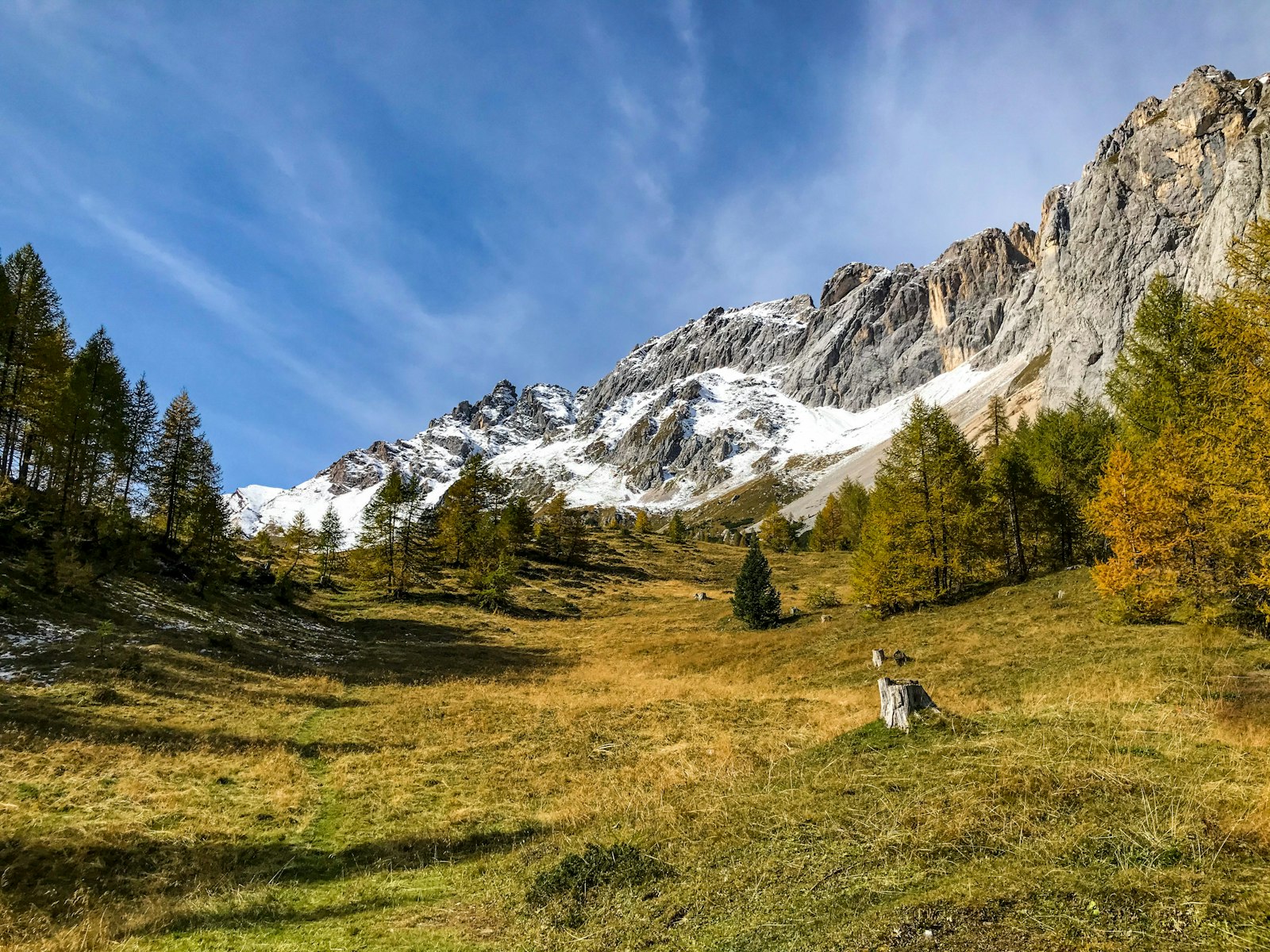
Altitude changes everything. The Alpine snowline sits around 3,000 m, Mount Etna gets snow in winter, and a mountain town can be 10 °C cooler than the coast an hour’s drive away. If your summer trip feels too hot, the hills are the release valve, not a different month.
Festivals and Holidays That Shape Your Dates
This section lists the events that change prices and crowds, so you can aim for them or around them. Dates move from year to year, and Rick Steves’ festival page warns that organisers often publish them late, so treat these as usual timings and confirm before you book.
Late Jan to Feb
Venice Carnival
Usually runs for about two and a half weeks before Lent. Weekends are by far the busiest; the first week is quieter.
March or April
Easter
Processions on Good Friday, the Scoppio del Carro in Florence on Easter Sunday, and closures on Easter Monday. Rome fills for Holy Week.
25 Apr, 1 May, 2 Jun
National holidays
Liberation Day, Labour Day and Republic Day. Some sights close, and a holiday near a weekend becomes a long weekend for Italian travellers.
Mid-July
Redentore, Venice
Usually on the third weekend of July, with a floating bridge to the Giudecca and fireworks on the Saturday night.
2 Jul and 16 Aug
Palio di Siena
The bareback horse race around the Piazza del Campo, held twice each summer. The town is packed on race days.
15 August
Ferragosto
The peak of Italy’s own holiday season. Beaches and islands fill, and some shops and restaurants in the cities close for several days.
Early September
Regata Storica, Venice
A historic boat procession and races on the Grand Canal, usually on the first Sunday of September.
Oct to early Dec
Alba White Truffle Fair
Weekends of truffle markets and food events in Piedmont, usually from early October.
8 Dec to 6 Jan
Christmas season
Markets in the north, nativity scenes in Naples, and closures on 8, 25 and 26 December, 1 and 6 January.
Sources: Rick Steves for festival timings and national holiday closures; Romewise for the Ferragosto pattern. To check your own dates against festivals, run them through the free Festival Month Matcher.
Tip
State museums and archaeological sites in Italy are free on the first Sunday of every month, under the national Domenica al museo scheme listed by the Ministry of Culture. That is good news for your budget and bad news for queues: if you want the Colosseum or the Uffizi in peace, pick another day.
Month-by-Month Quick Notes for Italy
This section gives one honest paragraph per season of months, so you can see what each part of the year is really like on the ground.
January and February: quiet cities, snow in the Alps
Winter is the cheapest-feeling and calmest time in Rome, Florence and Naples, with highs of about 12 to 13 °C in Rome and frequent sunny days between rain. The north is cold, about 7 to 10 °C in Milan, and the Po Valley can sit under fog. This is ski season: resorts run from December, and February is the most reliable month for snow. Venice changes character at Carnival, usually in February, when weekends are crowded.
March to May: the classic window
Spring warms quickly. Rome climbs from about 16 °C in March to about 23 °C in May, and rain stays moderate. Gardens, wisteria and green hills make this the best season for the cities and Tuscany. The catches are Easter week and the long weekends of late April and early May, when Italian travellers fill the art cities. Mid-May is often the sweet spot.
June: long days and the start of beach season
Early June is one of the best weeks of the year: highs around 27 to 28 °C, very little rain in Rome (about 30 mm), and a sea of about 22 °C around Palermo and Venice. From mid-June schools close and the coast gets busier. The Alpine hiking season begins as snow clears from the high trails.
July and August: heat and holidays
High summer brings averages above 30 °C in Milan, Rome and Palermo, with heat waves reaching 35 to 40 °C, and the sea at its warmest, about 25 to 26 °C. That makes it the best time for a pure beach trip in the north and centre, and the hardest time for sightseeing in Rome or Florence. Around Ferragosto on 15 August, Italians take a week or more off; beaches and islands are at their fullest, and some city businesses close.
September and October: the second best season
September keeps the summer sea (about 23 °C in Venice and 25 °C in Palermo) with fewer crowds than August, and Rome cools to about 26.5 °C. Late September and October bring the grape harvest in Tuscany, which Visit Tuscany says runs through September and October depending on the weather. October is milder but wetter, with about 90 mm of rain in Rome; the south holds warmth longest. High Dolomite huts start closing in the second half of September, according to Hut to Hut Hiking Dolomites.

The complete kit
Every country guide, every timing tool
All 24 When to Go country guides, the six Smart Timing tools and every 12-Month Map, with a Start Here that tells you what to open first.
See the kit · $127The five bundles cost $225 separately · Digital download · All sales final
November and December: rain, tides and Christmas
November is the wettest month in Rome (about 110 mm) and the low point for crowds outside the 1 November holiday. In Venice, the city’s tide office reports that most high tides of 110 cm or more fall in November, then December and October. December turns festive from the 8th, with Christmas markets in the north and nativity scenes in Naples, and quiet streets until Christmas week. For a winter trip, read our guide to Italy in December and Trieste in December.
When Not to Go to Italy
This section covers the weeks that can spoil a trip. Italy has no truly closed season, but some dates cost you heat, rain, crowds or closed doors.
| Avoid | Why | Go instead |
|---|---|---|
| Rome, Florence or Naples in August | Averages above 30 °C, heat waves over 35 °C, and some local businesses closed around Ferragosto | Late May, early June or September |
| The coast and islands around 15 August | Italy’s own holiday peak; beaches and ferries at their fullest | Late June or the first half of September |
| Venice in November | The month with the most high tides of 110 cm or more, plus short, damp days | April to mid-June or September |
| Easter week in Rome | Holy Week brings the biggest spring crowds and Easter Monday closures | The week after Easter, or mid-May |
| The Dolomites in late October and November | Between seasons: most huts and many lifts closed, snow not yet reliable | Late June to mid-September, or February |
| Venice Carnival weekends on a tight plan | The busiest days of the winter in a small city | The first week of Carnival, or a weekday |
Warning
High tides in Venice, known as acqua alta, are a mostly autumn and winter event and most often come in the morning. The City of Venice tide office explains that about 70 per cent of tides of 110 cm or more happen in October, November and December. Pack waterproof shoes for those months and check the tide forecast before you walk to St Mark’s Square.
Not sure your dates are safe? The free When Not to Go checker flags the weeks to avoid for any destination, and the Shoulder Season Detector finds the quieter weeks either side of the peak.
Best Time to Visit Italy by Travel Style
This section matches the month to the kind of trip you want, because a ski week, a Tuscan road trip and a Sicilian beach holiday each have their own best weeks.
Art cities (Rome, Florence, Venice)
Mid-April to early June, or mid-September to October. For quiet streets and short queues, try late January to February outside Carnival.
Beaches in the north and centre
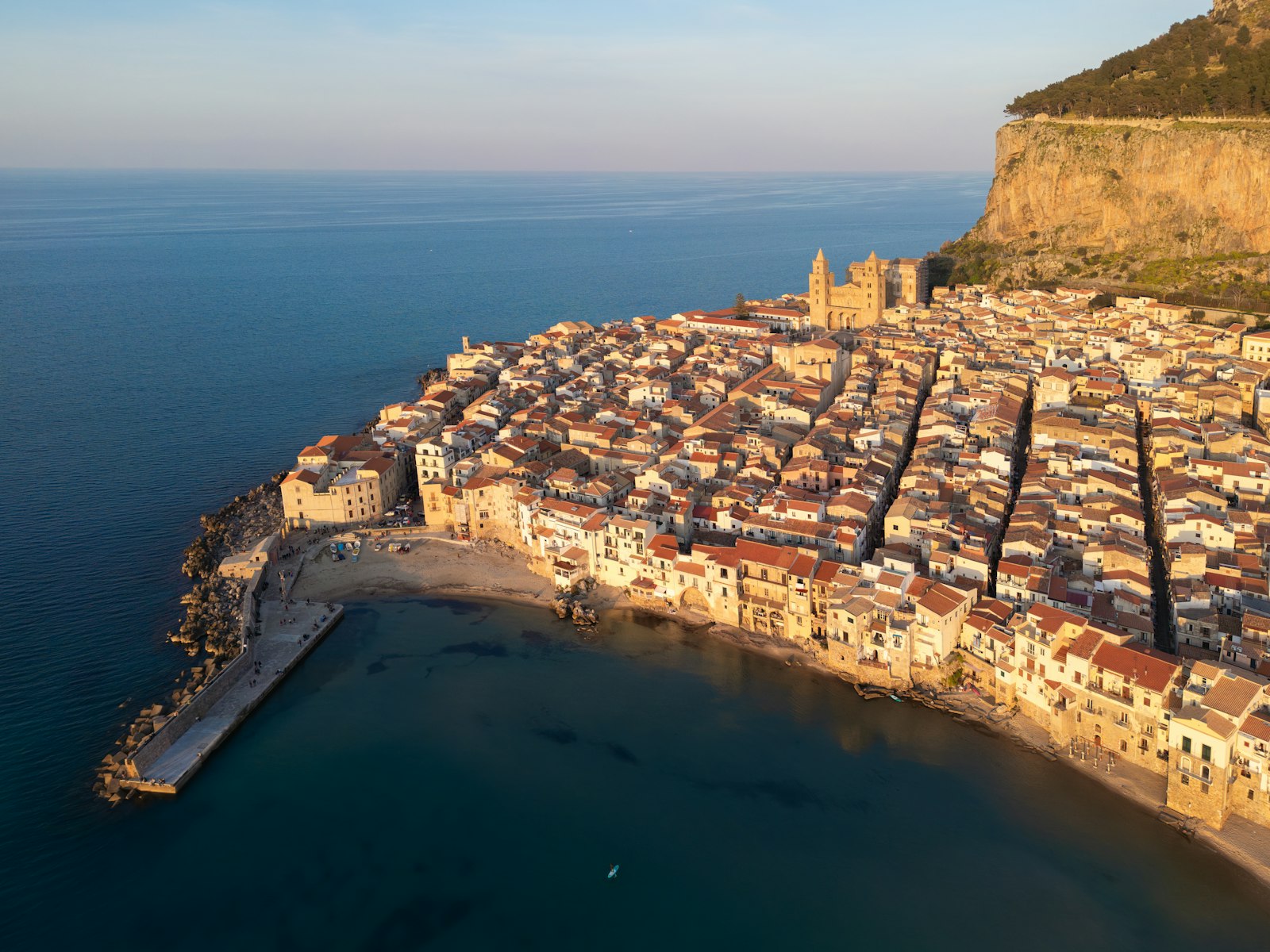
July and August are the warmest, but late June and early September give you a sea of about 22 to 23 °C with far fewer people.
Sicily, Puglia and the far south
May to June and September to mid-October. The sea around Palermo stays at about 22.5 °C into October.
Hiking in the Dolomites and Alps
Late June to mid-September, when the high trails and huts are open. Expect afternoon thunderstorms in summer.
Skiing
February and the first half of March for the most reliable snow; Christmas and New Year are the busiest weeks.
Food and wine
September and October for the harvest in Tuscany and Piedmont, and truffle weekends in Alba from early October.
If September is your month, our guide to Italy in September goes week by week, and the Amalfi Coast in September covers the coast road in the same month. For a route that links the regions, see the two-week Italy road trip, or slow down in the south with our Matera travel guide. In Venice, the outer lagoon is a quieter alternative; read Venice lagoon islands.
Travelling with children? School holidays across Europe cluster in July and August, which is exactly when Italy is hottest and fullest. If your dates are flexible, the half-term weeks of late May or late October usually give you warm weather and calmer sites. The free Best Month Finder helps you compare months for any destination.
5 Common Mistakes When Timing an Italy Trip
1. Treating Italy as one climate
A week that is perfect in Palermo can be foggy in Milan and snowy in the Dolomites. Plan north and south separately, and put the south later in autumn and earlier in spring.
2. Booking the art cities in August
August is the hottest month in Rome and Florence, and the Ferragosto week shuts some smaller businesses. Save August for the coast or the mountains, and do the cities in spring or autumn.
3. Forgetting Italian holidays
Easter, 25 April, 1 May, 2 June and 15 August fill trains, hotels and the main sights with domestic travellers. Check the calendar before you fix dates, especially when a holiday touches a weekend.
4. Assuming autumn is dry
Autumn is Italy’s rainiest season. October and November bring about 90 to 110 mm in Rome, and Venice’s high tides peak in November. Pack a rain layer and keep indoor plans for wet afternoons.
5. Missing the shoulder weeks
The difference between the first and the third week of June, or between early and late September, can be huge for crowds. Aim for the edges of the peak, not the middle of it.
Best Time to Visit Italy FAQ
What is the best month to visit Italy?
May and September are the best months for most travellers. Rome averages about 23 °C in May and 26.5 °C in September, rain is moderate, and the long days suit both cities and countryside. September adds a warm sea, about 25 °C around Palermo. Avoid Easter week and the 15 August holiday period if you want calmer sights and easier bookings.
What is the cheapest time to visit Italy?
The quietest months are usually January, February and November, outside the Christmas, New Year and Carnival weeks. Demand is lowest then, so rooms are easier to find, though prices change and you should check before you book. Expect shorter days, cold mornings in the north and rain in November, and plan museums and food for the wet afternoons.
Is it too hot to visit Italy in summer?
It can be for sightseeing. Rome, Milan and Palermo all average above 30 °C in July and August, and heat waves can reach 35 to 40 °C, especially inland and in the south. Summer is still the best time for beaches in the north and centre. If you want cities in summer, go in early June, sightsee early and rest at midday.
When is the rainy season in Italy?
Italy has no single rainy season, but autumn is the wettest time of year. Rome gets about 90 mm in October and 110 mm in November, compared with about 20 mm in July. Milan sees about 100 mm in both months. Summers are dry in the centre and south. Venice also has its highest tides in November, then December and October.
Is October a good time to visit Italy?
Yes, especially in the first half of the month. Rome averages about 22 °C, Palermo about 24 °C with a sea of about 22.5 °C, and the grape harvest and truffle season make it a strong month for food. Rain rises through the month, to about 90 mm in Rome, so leave room for a wet day and favour the south late in October.
When should you not go to Italy?
Avoid the art cities in August, when heat and the Ferragosto holiday combine, and avoid Venice in November, the month with the most high tides. Easter week brings the biggest spring crowds to Rome. The Dolomites are between seasons from late October to early December. Outside those weeks, Italy works well almost all year, region by region.
The Bottom Line
The best time to visit Italy is mid-April to early June or early September to mid-October, with August kept for the beach and February for the slopes. Plan the north and south separately and steer around the big holiday weeks. For more ideas, browse our Italy travel guides.
Italy plus the rest of Europe
Time a multi-country Europe trip
If Italy is one stop on a longer route, The Europe Bundle puts the month-by-month timing guides for several European countries side by side, so you can line up the best weeks for each and avoid the holiday peaks of each country.
See The Europe Bundle →Digital download · All sales final
Free download
See the whole year before you book
Our free 12-Month Map puts every month for one country on four pages: when the weather works, when the crowds and prices peak, and the weeks to skip.
- 24 countries to choose from
- Region-by-region verdicts
- Printable PDF
Your download page opens as soon as you sign up. 24 countries available.