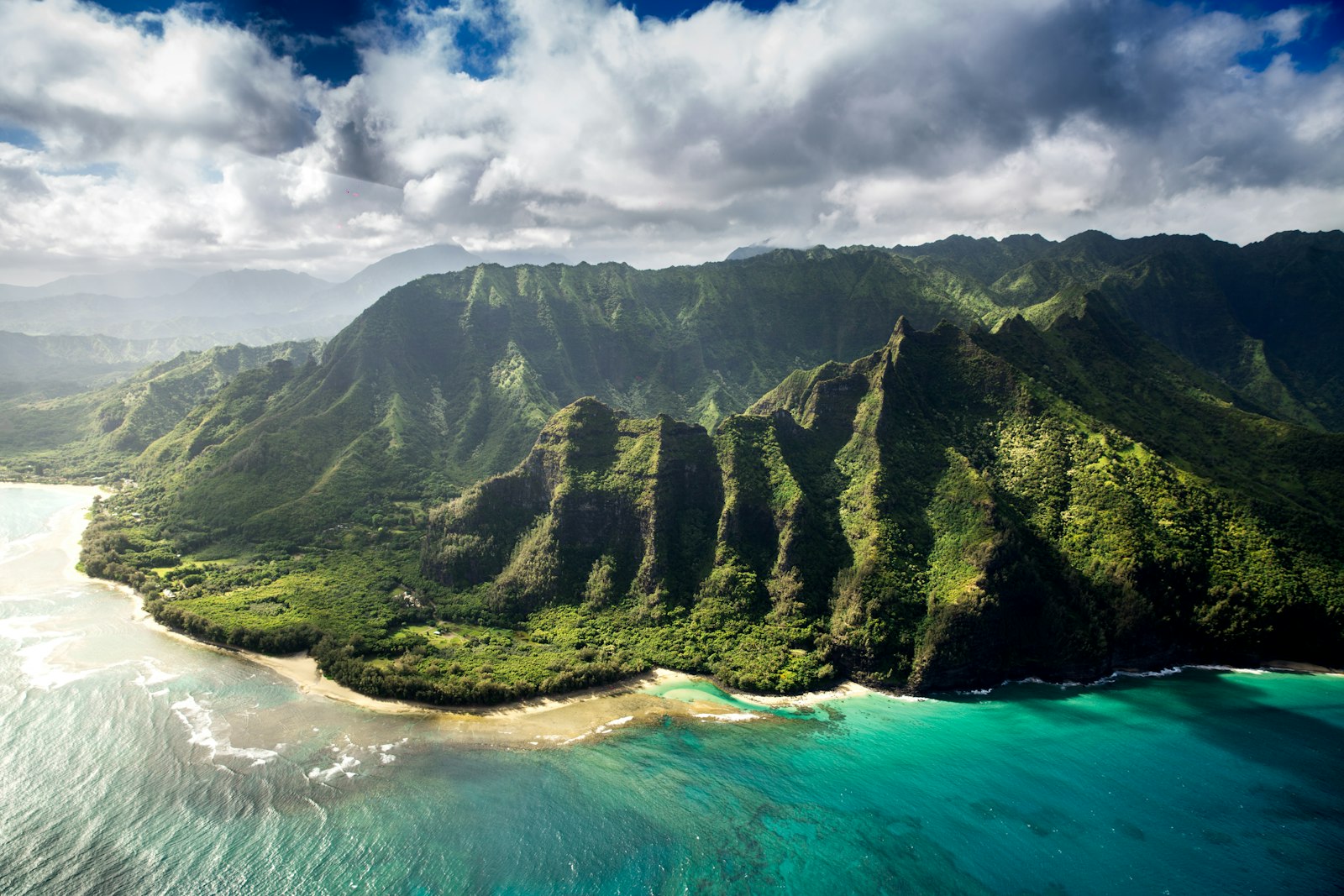
Hawaii in January sits in the middle of winter, the season locals call the wet season, yet most beach days are still warm and bright. Leeward coasts such as Waikīkī, West Maui and Kona stay largely dry, while windward slopes collect passing showers. January is also the heart of humpback whale season and the month of the biggest North Shore surf. The holiday rush fills the first few days; after that, the islands grow noticeably calmer.

Quick answer
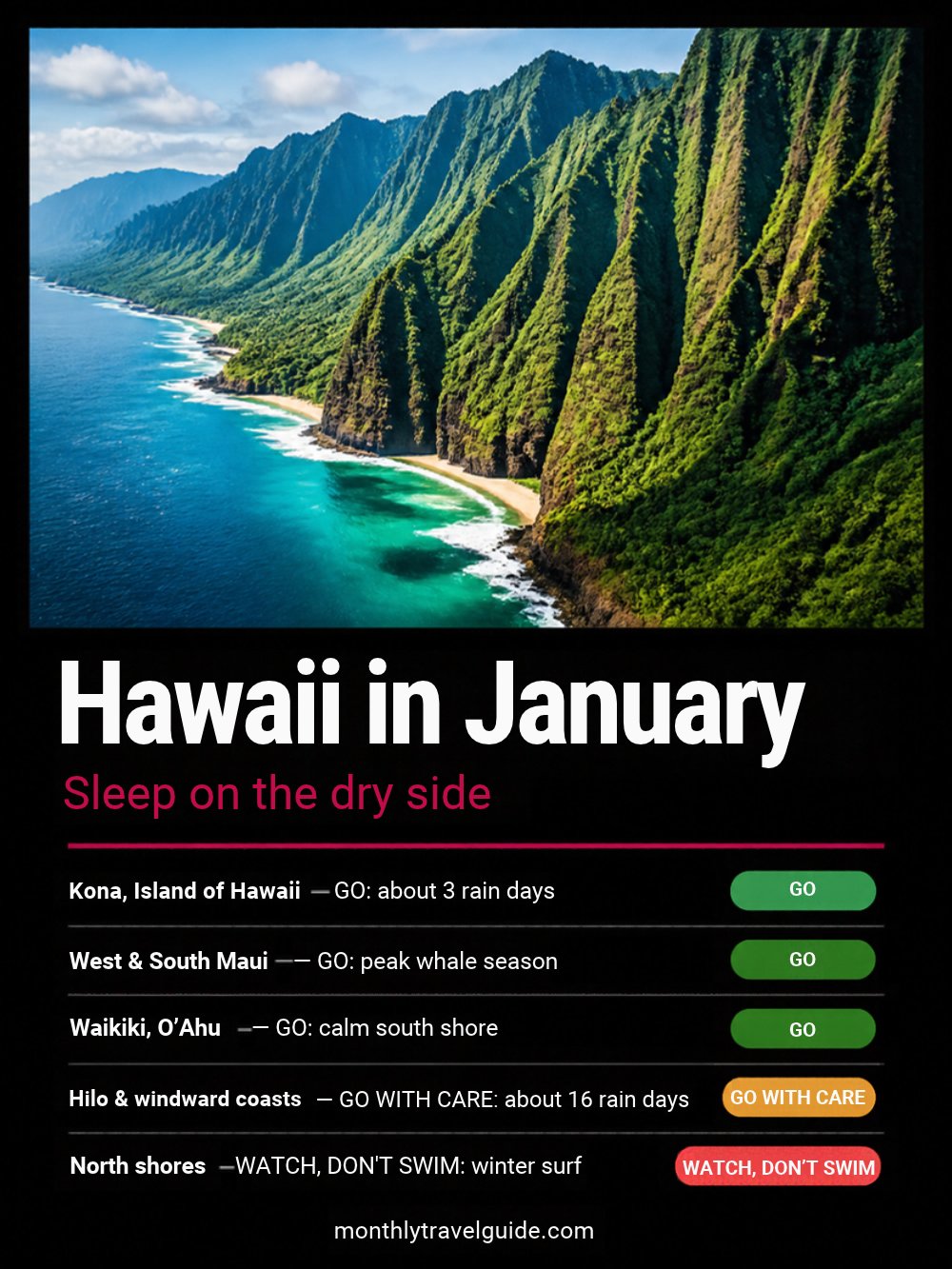
Yes, go, and choose the dry side of each island. Base yourself in Waikīkī, West or South Maui, or Kona, where January rain is light. It is peak humpback season, the North Shore is for watching rather than swimming, and the calmer weeks start after the first few days of the month.
Key facts
- Warm days everywhere: highs of about 26 to 28 °C (79 to 82 °F) at the main airports, nights around 18 to 20 °C.
- Two sides to every island: Kona averages about 3 rain days and Hilo about 16 in January.
- Sea around 25 °C (77 °F) on most resort coasts, warm enough for long swims on sheltered shores.
- Peak whale season: NOAA names January to March as the height of the humpback season.
- Holiday peak first: the first few days are busy and expensive; most of the rest of the month is calmer.
Hawaii in January: Weather, Sea and Crowds by Island
This section is the reference table. In Hawaii, where you stay on an island matters more than which island you pick. The trade winds blow from the north-east, so clouds stack up against the windward mountains and drop their rain there, while the leeward coasts in the rain shadow stay sunny. The airport stations below show the contrast clearly: Kona and Honolulu on the dry sides, Hilo and Līhuʻe on the wetter windward sides.
| Station (island, side) | Day / night | Rain | Sea | Daylight | Crowds | Price level |
|---|---|---|---|---|---|---|
| Honolulu (Oʻahu, leeward) | About 27 °C / 19 °C (81 / 67 °F) | About 8 days, 47 mm | About 25 °C | About 11 h | High | High |
| Kahului (Maui, central valley) | About 28 °C / 18 °C (82 / 64 °F) | About 8 days, 61 mm | About 25 °C (Kāʻanapali) | About 11 h | High | Very high |
| Kona (Hawaiʻi Island, leeward) | About 27 °C / 20 °C (81 / 69 °F) | About 3 days, 34 mm | About 25 °C | About 11 h | Medium to high | High |
| Hilo (Hawaiʻi Island, windward) | About 26 °C / 18 °C (79 / 64 °F) | About 16 days, 200 mm | About 25 °C | About 11 h | Low to medium | Medium |
| Līhuʻe (Kauaʻi, windward) | About 26 °C / 19 °C (79 / 66 °F) | About 12 days, 71 mm | About 24 to 25 °C | About 11 h | Medium | High |
| Haleakalā summit area (Maui, 2,969 m) | Often 4 to 9 °C by day (the 40s °F) | Variable | — | About 11 h | High at sunrise | Reservation needed |
| Maunakea Visitor Station (Hawaiʻi Island, 2,800 m) | Cold; freezing at the summit | Snow possible higher up | — | About 11 h | Medium | — |
🗓️ Free: the 12-Month Map for Hawaii
Every month on one page: best weeks, shoulder weeks and the ones to skip. Print it or keep it on your phone.
Air temperatures, rain and rain days are long-term January airport normals from the US National Weather Service, as published in the climate tables on Wikipedia; rain days count days with at least 0.25 mm. Sea temperatures are rounded January averages from Sea Temperature Info and Wikipedia; Haleakalā readings are from the Hawaii Tourism Authority. Crowd and price levels are the Monthly Travel Guide editorial team’s ratings, not statistics.
3 days
of rain at Kona, the driest base
16 days
of rain at Hilo, on the same island
25 °C
sea off Waikīkī, West Maui and Kona
Jan–Mar
peak humpback whale season
🧰 Try it while you read: a free tool for this trip
Free trip timing tool
Best Month Finder
Pick a country and your priorities; get the three months that suit you best.
Loading the tool…
Island by Island: Where to Stay in Hawaii in January
This section gives each main island a verdict and the details behind it. The winter pattern is steady trade winds, short windward showers and swells from storms far to the north. Now and then the pattern breaks: a cold front can bring a day or two of rain and gusty wind, and the rarer Kona storm, a low-pressure system that reverses the usual winds, can soak the normally dry leeward coasts for several days.
Oʻahu: Waikīkī, Honolulu and the North Shore
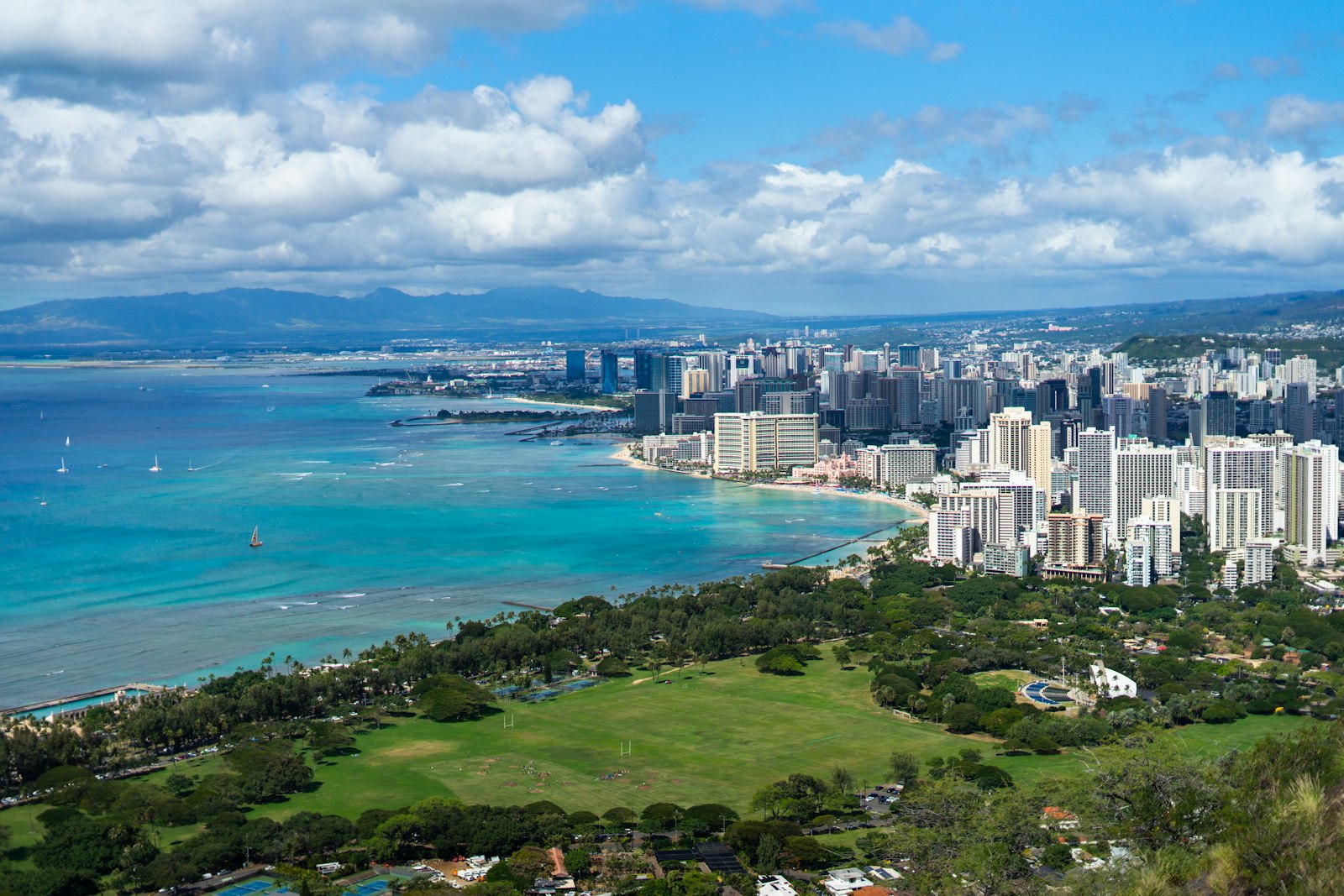
Honolulu averages about 27 °C by day and 19 °C at night, with around eight rain days that are mostly brief showers rather than grey days. The south shore, from Ala Moana through Waikīkī to Diamond Head, is the calm side in winter: Hawaiʻi Ocean Safety describes south-shore surf at this time of year as usually flat to small, which makes Waikīkī the easiest place in the state for gentle swims and first surf lessons. Ko Olina’s sheltered lagoons on the leeward west side are another calm option.
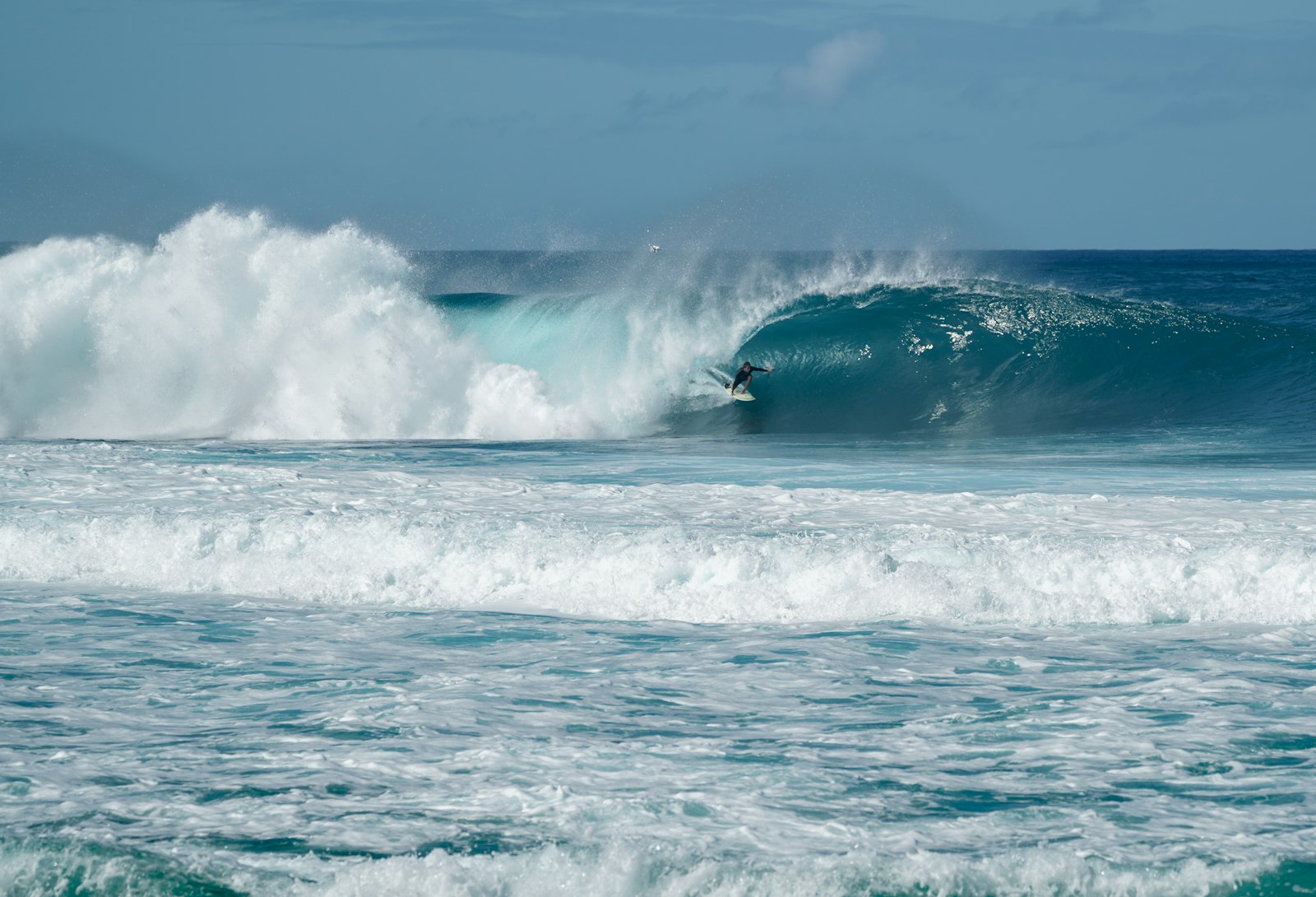
The North Shore is a different coast in January. The surf season runs from November to April, and storms in the North Pacific send what Ocean Safety calls consistent huge and dangerous swells onto north-facing beaches such as Waimea Bay, ʻEhukai and Sunset Beach. On big days the waves are a spectacle best watched from the sand, well back from the wet line. Inexperienced swimmers should stay out of the water there during high surf; on flat days, swim only at lifeguarded beaches and ask the guards first.
Maui: whales, Haleakalā and the dry west
Maui is the strongest single island for a January trip. Kahului, in the central valley, averages about 28 °C by day, with around eight rain days and 61 mm of rain; the resort coasts of Kāʻanapali in the west and Kīhei and Wailea in the south sit in the lee of the mountains and are usually sunnier still. The sea off West Maui averages about 25 °C. The Hāna coast on the windward north-east is lush and showery, with waterfalls at their fullest, so drive it on a dry-looking morning and allow a full day.

The Smart Timing Bundle
Pick the month, book in the right order, pack once
Six printable timing tools for any trip: the Trip Timing Planner, When to Book, When NOT to Go, the Shoulder Season Playbook, the family timing guide and the Packing by Season System.
See the bundle · $37Six products, $100 separately · Digital download · All sales final
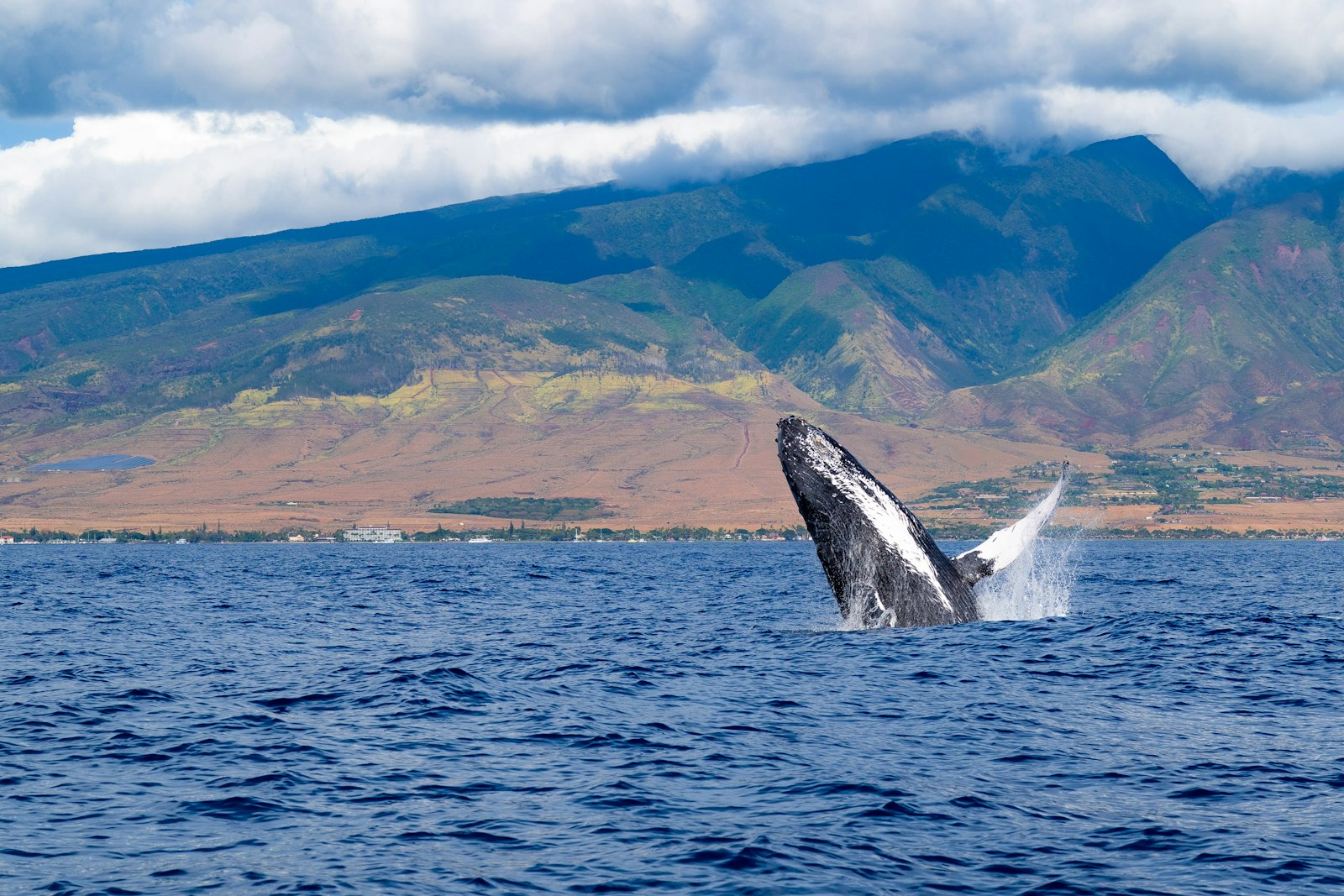
Maui Nui, the channel waters between Maui, Lānaʻi, Molokaʻi and Kahoʻolawe, is one of the main areas of the Hawaiian Islands Humpback Whale National Marine Sanctuary. Whales can often be seen from the shore along the west and south coasts, and boat tours run from Kāʻanapali, Māʻalaea and Kīhei. Up on Haleakalā, the visitor center sits at about 2,969 m (9,740 ft); the Hawaii Tourism Authority notes it is roughly 30 °F colder than the coast, often in the 40s °F, so bring long trousers, closed shoes and warm layers, plus food, water and a full tank, since none are sold in the park. Sunrise visits need a vehicle reservation for the 3 a.m. to 7 a.m. window, bookable up to 60 days ahead.
Plan the other eleven months
When to Go: Hawaii
January favours the leeward coasts, but every month shifts the picture: summer surf moves to the south shores, rain patterns change island by island, and holiday weeks push prices up. When to Go: Hawaii rates every island month by month, so you can match the right coast to your dates before you book.
- A 3-minute quiz that shows which months fit your kind of trip
- The year at a glance, with every month scored out of 10
- 12 month chapters on weather, ocean, crowds and prices
- A 7-day plan, a cheat sheet and a printable trip checklist
PDF guide, 114 pages · Digital download · All sales final
Island of Hawaiʻi: dry Kona, wet Hilo, snowy summits
No island shows the two-sided climate better. Kona, on the leeward west coast, averages about 27 °C by day and 20 °C at night with only about three rain days and 34 mm of rain in January, making it the driest major base in the state. Hilo, on the windward east coast, has about 16 rain days and roughly 200 mm, nearly six times as much. The sea off both coasts averages about 25 °C.
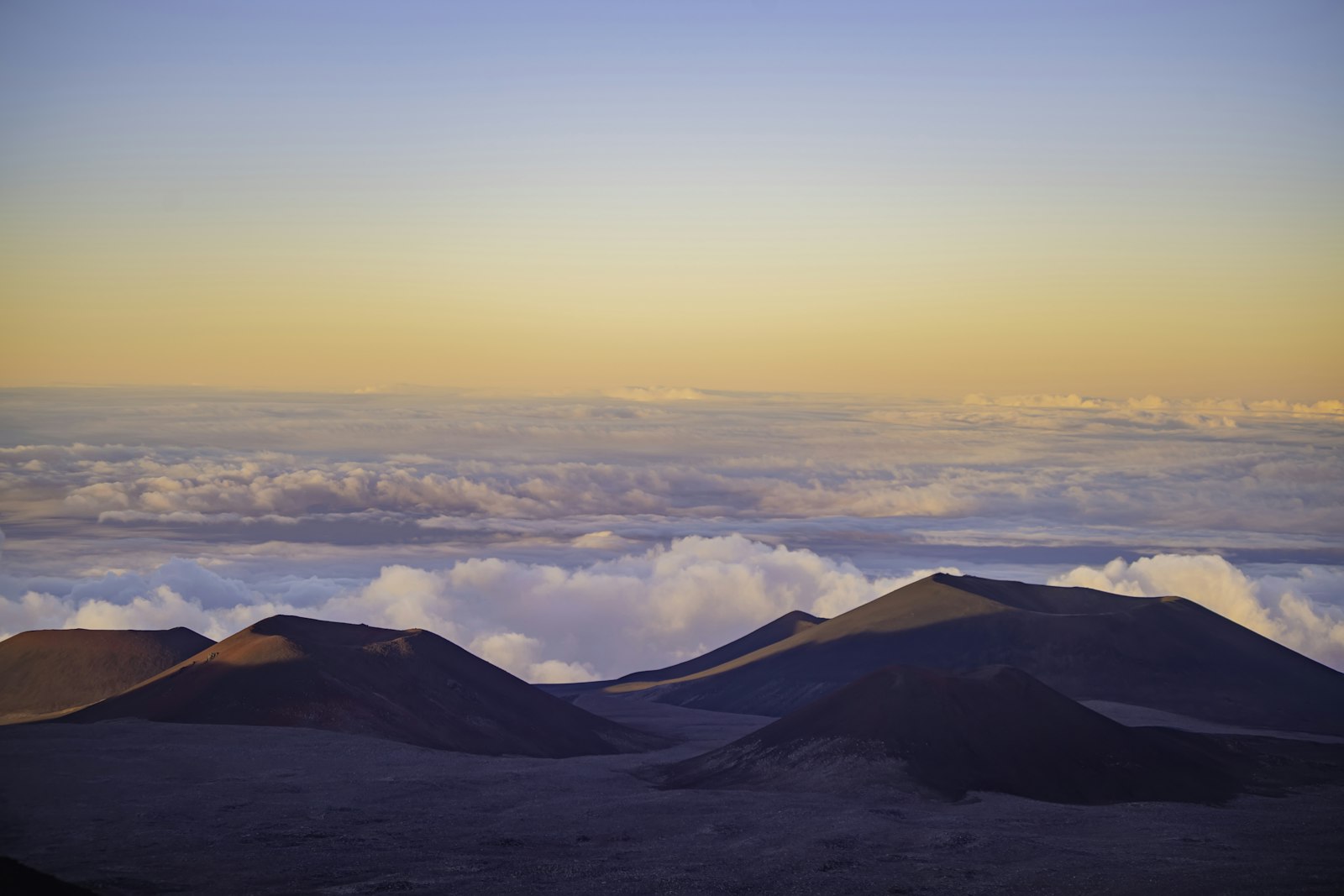
Hilo still deserves a day for its full waterfalls. Volcano and Hawaiʻi Volcanoes National Park sit at altitude, so evenings there are cool and damp; pack a rain jacket and a warm layer. Maunakea is colder still. The Visitor Information Station stands at about 2,800 m and the summit at about 4,205 m, and the University of Hawaiʻi notes that only four-wheel-drive vehicles may continue above the station, that visitors should acclimatise there for at least 30 minutes, and that children under 13 should go no higher. Winter storms can bring snow and ice that close the summit road for days, so treat a summit visit as weather-dependent.
Kauaʻi: green, showery and dramatic
Kauaʻi is the wettest of the main resort islands in winter. Līhuʻe, on the east coast, averages about 12 rain days and 71 mm in January, and the north shore around Hanalei and Princeville is wetter and faces the full winter swell. Poʻipū on the south shore is the sunnier, calmer base, with the most dependable beach weather on the island.
The Nā Pali coast is where winter bites. Kayaking along Nā Pali is permitted only in summer, from 15 May to 7 September, according to Hawaiʻi State Parks, because sea conditions are unpredictable the rest of the year. Boat tours still run in January from the south and west of the island, but trips depend on swell: smaller boats often pause, while larger catamarans go out when the sea allows. Expect the Kalalau Trail to be muddy and harder going after rain.
Whale Season: Humpbacks in Hawaii in January
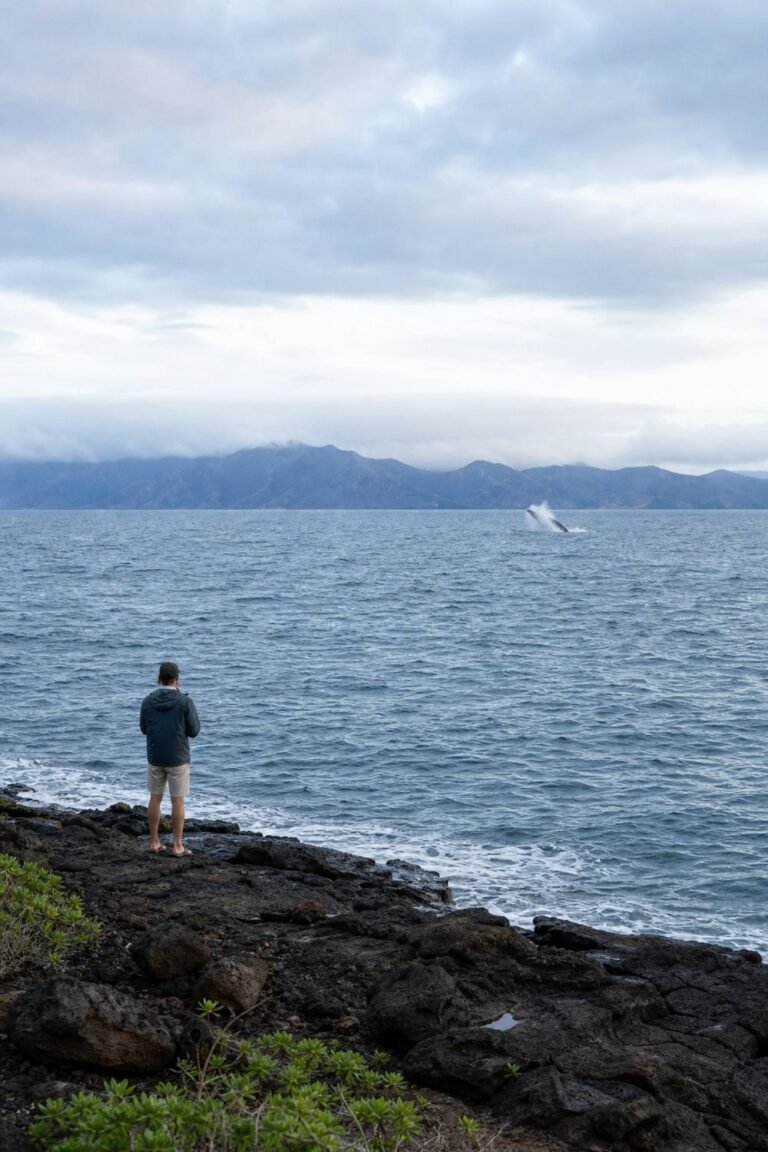
This section covers the wildlife event that defines winter in the islands. According to NOAA’s Hawaiian Islands Humpback Whale National Marine Sanctuary, humpback whales are generally seen in Hawaiʻi from November through April, with the peak from January to March. They come to the shallow, warm waters around the islands to mate, give birth and nurse their calves.
The sanctuary lists the main areas as Penguin Bank, the Maui Nui waters, the seas around Kauaʻi and Niʻihau, Hawaiʻi Island and Oʻahu. In practice, West and South Maui give the most reliable sightings, and the Kohala Coast is also strong. Federal rules forbid approaching humpbacks within 100 yards (about 90 m) by any means, including swimming, paddleboarding, kayaking, boats and drones, and within 1,000 ft (300 m) by aircraft. Choose an operator that follows these rules, and expect the most surface activity from mid-January onward.
⚑ Timing tip
Pair whales with the sunniest coast: a base in Kāʻanapali, Kīhei or Wailea puts you beside the busiest whale waters and on the driest side of Maui. Book one boat trip early in your stay and spend the other mornings watching from the shore with binoculars.
January Dates: Holiday Week, MLK Weekend and the Quiet Weeks
This section shows how the month runs, because the dates inside January matter almost as much as the island.
| Dates | What happens | Crowds | Price level |
|---|---|---|---|
| 31 December to 1 January | New Year’s Eve fireworks on most islands; resorts and flights fully booked | Very high | Highest |
| About 2 to 5 January | Holiday visitors heading home; flights still full | High | High |
| About 6 January to MLK weekend | Usually the calmest stretch of the winter season | Medium | Easing |
| Martin Luther King Jr. Day weekend (third Monday) | US long weekend; a short rise in arrivals | High for the weekend | Higher |
| After MLK weekend to the end of January | Steady winter season, peak whale watching | Medium | Medium to high |
Go Visit Hawaii notes that the first few days of January stay slightly crowded as the holiday season finishes, that hotel rates are well above average immediately after New Year’s Day and then settle to slightly above average, and that crowds are low for most of the rest of the month, apart from the busier MLK weekend. Hawaii-Guide describes mid-January to early February as a post-holiday lull, especially for flights. For the month before, with the holiday peak and the start of whale season, read Hawaii in December.

The complete kit
Every country guide, every timing tool
All 24 When to Go country guides, the six Smart Timing tools and every 12-Month Map, with a Start Here that tells you what to open first.
See the kit · $127The five bundles cost $225 separately · Digital download · All sales final
When Not to Go to Hawaii in January
This section is the honest one. January is a strong month for most trips, but it is the wrong choice if any of these is your priority:
Snorkelling and swimming on north shores
Hanalei, the North Shore of Oʻahu and other north-facing coasts take the winter swell; summer is when they turn calm.
Nā Pali by kayak or sea-cave tours
Kayaking is summer-only, and winter swell limits boat routes along the cliffs.
A guaranteed rain-free week
Windward coasts see frequent showers, and a Kona storm can soak even the dry sides.
Low prices in the first week
Rates stay at holiday levels right after New Year; arrive after the first few days.
Warm summit sunrises
Haleakalā and Maunakea are cold, and snow can close the Maunakea summit road.
Better month if you want…
Calm north-shore snorkelling
Summer, about May to September
Nā Pali kayaking
15 May to 7 September
Big North Shore surf to watch
Winter, November to April
Humpback whales
January to March
Fewer holiday crowds
After the first week of January
The festive season
Mid to late December
Comparing winter sun closer to Europe? See the Canary Islands in January or Madeira in January. For more January ideas, browse January winter sun destinations and winter wildlife trips in January, and use the free 12-Month Map to compare any destination month by month. Surfers planning ahead can read the best September surf spots in Hawaii.
Pack and book for Hawaii in January
- ✓A light rain jacket for windward showers and Kona storm days
- ✓Warm layers, long trousers and closed shoes for Haleakalā and Maunakea
- ✓Reef-safe sunscreen, a hat and a rash guard for the leeward beaches
- ✓A Haleakalā sunrise reservation, booked as soon as your dates are set
- ✓Whale and Nā Pali boat trips booked for the start of your stay, with spare days
Common Mistakes With a January Hawaii Trip
1. Booking a north-shore hotel for beach days
In winter the north-facing coasts of Oʻahu and Kauaʻi take the big swell. They are worth a visit to watch the surf, but for daily swimming, stay on the south or west side.
2. Swimming where the surf looks manageable
Winter waves arrive in sets, and a calm few minutes can be followed by much larger waves. Swim at lifeguarded beaches, ask the guards about conditions, and stay well back from the wet sand on big days.
3. Going up Haleakalā or Maunakea in beach clothes
Both summits are cold in January, and Maunakea can have snow and ice. Bring warm layers, and check road and weather conditions on the morning you go.
4. Leaving whale and boat trips to the last day
Swell and wind cancel boat trips in winter, especially along Nā Pali. Book early in your stay so a cancelled trip can move to another day.
Hawaii in January: FAQ
Is January a good time to visit Hawaii?
Yes, especially if you stay on the leeward coasts. Kona averages about three rain days and Honolulu about eight, mostly short showers, with highs near 27 °C. January is peak humpback whale season and the month of the biggest North Shore surf. The trade-offs are wetter windward coasts, rough north-shore water and holiday prices in the first few days.
Which Hawaiian island is best in January?
Maui is the strongest all-round choice, with dry, sunny resort coasts in the west and south and the densest whale waters in the state. The Island of Hawaiʻi is best for the driest weather, with Kona averaging about three rain days. Oʻahu suits city and beach trips based in Waikīkī, while Kauaʻi is greener and showery, best from a Poʻipū base.
Does it rain a lot in Hawaii in January?
It depends on the side of the island. January falls in the winter wet season, but the rain falls mainly on the windward slopes: Hilo averages about 16 rain days and 200 mm. Leeward coasts are much drier, with Kona at about three rain days and 34 mm. Occasional Kona storms, usually two or three a year between October and April, can bring heavier rain anywhere.
Can you swim in Hawaii in January?
Yes, on sheltered shores. The sea averages about 25 °C off Waikīkī, West Maui and Kona, and south and west-facing beaches are usually calm. North shores are different: winter swells from November to April make them dangerous for swimmers on high-surf days. Choose lifeguarded beaches, check the daily surf report and ask the lifeguards before you go in.
When is the best time to see whales in Hawaii?
January to March is the peak of the humpback season, according to NOAA, and whales are generally present from November to April. Maui Nui, the waters between Maui, Lānaʻi and Molokaʻi, gives the most dependable sightings, and the Kohala Coast is also strong. Federal rules keep swimmers, boats and drones at least 100 yards (about 90 m) away.
Is January an expensive time to go to Hawaii?
The first few days are among the most expensive of the year, because the Christmas and New Year holidays run into early January. After that, hotel rates settle closer to average and crowds thin, with a short rise over Martin Luther King Jr. Day weekend in mid-January. Mid-January to early February is often good value, especially for flights.
Does it snow in Hawaii in January?
Yes, but only on the highest summits. Maunakea, which rises to about 4,205 m on the Island of Hawaiʻi, can get snow and ice in winter storms, and the summit road sometimes closes for days. Mauna Loa can also turn white. Haleakalā on Maui is not a snow destination but is cold, often in the 40s °F at the visitor center.
The Bottom Line
Hawaii in January rewards travellers who choose the right side of each island: dry, warm leeward coasts in Waikīkī, West and South Maui and Kona, the peak of whale season, and the biggest surf of the year to watch on the North Shore. Plan around windward showers, cold summits and the holiday rush. Your next step is to set your dates after the first few days of January, book a leeward base and your Haleakalā sunrise permit, then add whale trips early in your stay.
Country guide
Time your whole Hawaii trip
When to Go: Hawaii covers all twelve months across Oʻahu, Maui, the Island of Hawaiʻi and Kauaʻi: weather, ocean, crowds, prices and events, with each island rated month by month, so every part of your trip lands in its best season.
Inside: 3-minute timing quiz · year at a glance · 12 month chapters · cheat sheet · 7-day and 30-day plans · printable trip checklist · free 12-Month Map for Hawaii as a bonus
PDF, 114 pages · US Letter and A4
Digital download · All sales final
Free download
Which month for your country?
Get the free 12-Month Map: every month marked good, shoulder or avoid, region by region, on four printable pages.
- Greece to Japan, Morocco to Peru: 24 countries
- See the crowd and price peaks before you book
- Free, no purchase needed
Your download page opens as soon as you sign up. 24 countries available.
Compare the whole month
Where to go in January
Every destination rated for January on one page: weather, crowds and price level, with the places to skip.