Peru in January splits cleanly in two. The Pacific coast is in the middle of its dry, sunny summer, with Lima, Paracas, Nazca and the northern beaches warm and almost rainless. The Andes and the Amazon are in the heart of the rainy season: Cusco averages about 19 days with some rain, and the lowland rainforest gets heavy downpours. January also brings the last open weeks of the Inca Trail before its February closure. Your base decides whether the month works.
Quick answer
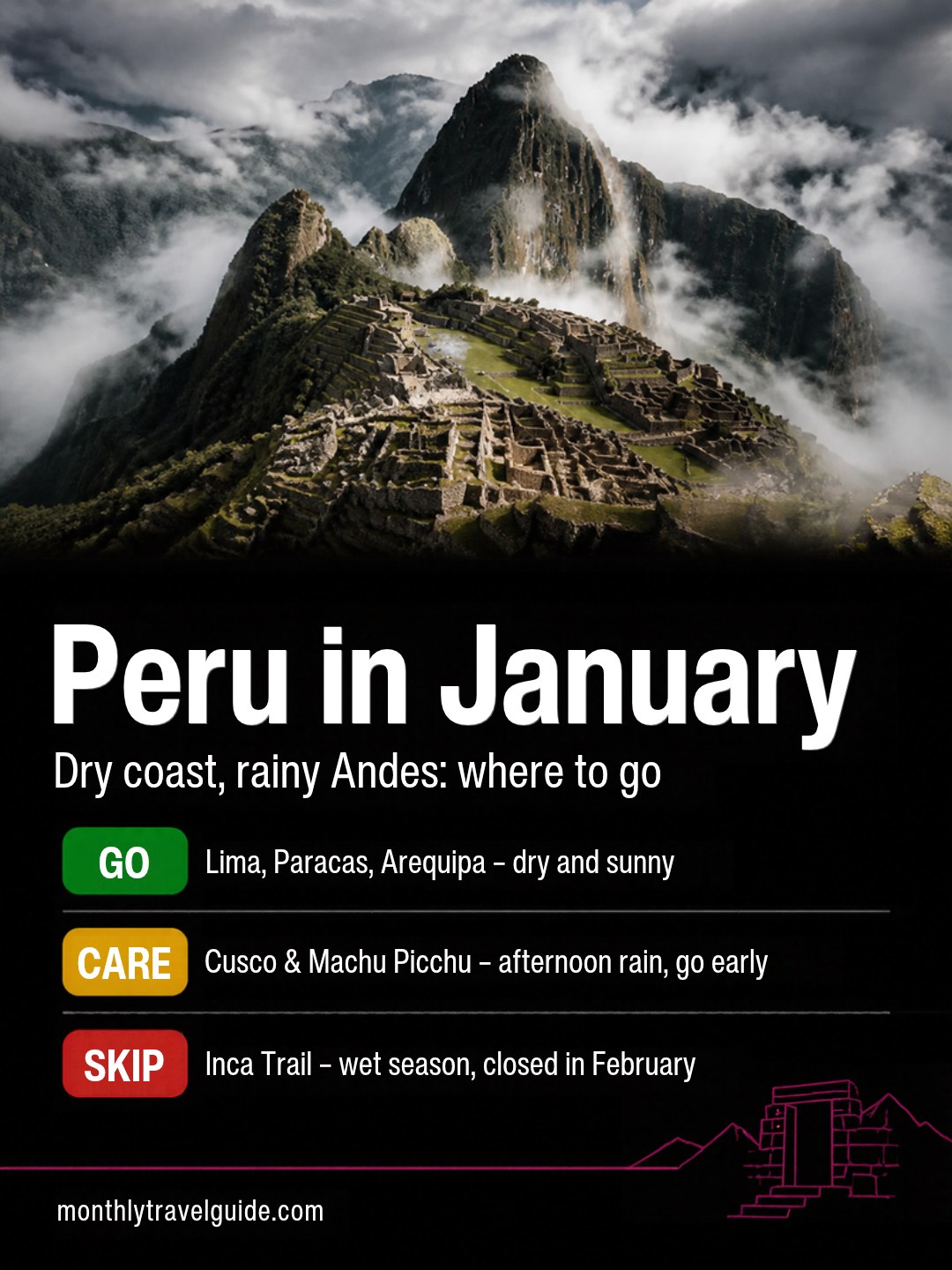
Go with care. The coast is at its best: Lima is dry at about 26.5 °C, and the north beaches reach about 31 to 33 °C. Cusco and Machu Picchu are green but wet, with showers on most days and frequent cloud. The Inca Trail is open but muddy, and it closes in February. The Amazon is very wet.
Key facts
- Dry, warm coast: Lima averages about 26.5 °C by day and 20 °C at night with no measurable rain, and the sea is about 22 °C.
- Peak rains in the Andes: Cusco averages about 160 mm of rain over 19 days, and Juliaca near Lake Titicaca about 135 mm over 13 days.
- Inca Trail timing: the classic trail stays open in January, then usually closes for the whole of February for maintenance.
- Very wet Amazon: Puerto Maldonado averages about 345 mm of rain over 18 days, and Iquitos about 255 mm over 17 days.
- Long days: Lima and Cusco get close to 13 hours of daylight, the most of the year.
What Is the Weather Like in Peru in January?
Peru in January is warm and dry on the coast and wet in the mountains and the jungle. The Andes split the weather: the Pacific side is desert, while the eastern slopes and the Amazon take the summer rains.
| Region (station) | Day / night | Rain | Sea | Crowds | Price level |
|---|---|---|---|---|---|
| Lima | About 26.5 °C / 20 °C | About 1 day, 0 mm | About 22 °C | Medium | Medium |
| Paracas area (Pisco) | About 28 °C / 19.5 °C | None on average | About 22 °C | High at weekends | Medium to high |
| Nazca (565 m) | About 33.5 °C / 18.5 °C | None on average | — | Medium | Medium |
| Máncora area (Talara) | About 31 °C / 22.5 °C | About 1 day, 10 mm | About 23 °C | High | High |
| Far north (Tumbes) | About 31 °C / 22.5 °C | About 8 days, 60 mm | About 24 °C | Medium to high | Medium to high |
| Arequipa (2,300 m) | About 21 °C / 10.5 °C | About 8 days, 30 mm | — | Low to medium | Medium |
| Cusco (3,300 m) | About 20.5 °C / 8 °C | About 19 days, 160 mm | — | Low to medium | Low to medium |
| Lake Titicaca (Juliaca, 3,800 m) | About 18 °C / 4.5 °C | About 13 days, 135 mm | — | Low | Low |
| Iquitos | About 32.5 °C / 22.5 °C | About 17 days, 255 mm | — | Low | Medium |
| Puerto Maldonado (200 m) | About 31.5 °C / 22.5 °C | About 18 days, 345 mm | — | Low | Low to medium |
🗓️ Free: the 12-Month Map for Peru
Every month on one page: best weeks, shoulder weeks and the ones to skip. Print it or keep it on your phone.
Temperatures, rain and sea are long-term January averages from Climates to Travel, rounded; Peru’s national weather service, SENAMHI, publishes the official station records. Pisco stands in for Paracas, Talara for Máncora and Juliaca for Puno. A rain day is a day with some rain, often a single shower. Crowd and price levels are the Monthly Travel Guide editorial team’s ratings, not statistics.
0 mm
average January rain in Lima
19 days
with some rain in Cusco
345 mm
of rain in Puerto Maldonado
4.5 °C
average night near Lake Titicaca
⚑ Good to know
Andean rain usually follows a daily rhythm: a bright morning, cloud by midday and showers in the afternoon. In El Niño years the north coast, up to about Lambayeque, turns hotter and wetter, so check the outlook before booking a beach trip there.
🧰 Try it while you read: a free tool for this trip
Free trip timing tool
Rainy Season Risk
Check how wet a month usually is, with rainfall and rain days by month.
Loading the tool…
Region by Region: Where to Go in Peru in January
Each main region gets a verdict below. The closer you stay to the Pacific, the drier the trip; the higher and further east you go, the more you plan around rain and mud.
Lima and the central coast
January is the heart of Lima’s summer. The city averages about 26.5 °C in the afternoon and 20 °C at night, with no measurable rain, and the grey coastal cloud that covers it for much of the year usually gives way to sunshine. The sea is about 22 °C, and beaches south of the city fill at weekends. It is the easiest month to give the capital proper time: markets, restaurants and clifftop sunsets.
Paracas, Huacachina and Nazca
The southern desert coast is reliably dry in January. Pisco, the nearest station to Paracas, averages about 28 °C by day with no rain, and Nazca, a little inland at about 565 m, about 33.5 °C. Take the Ballestas Islands boat in the calm morning, the Huacachina dunes in late afternoon and Nazca flights early, when the air is steadier.
The north coast beaches: Máncora and around
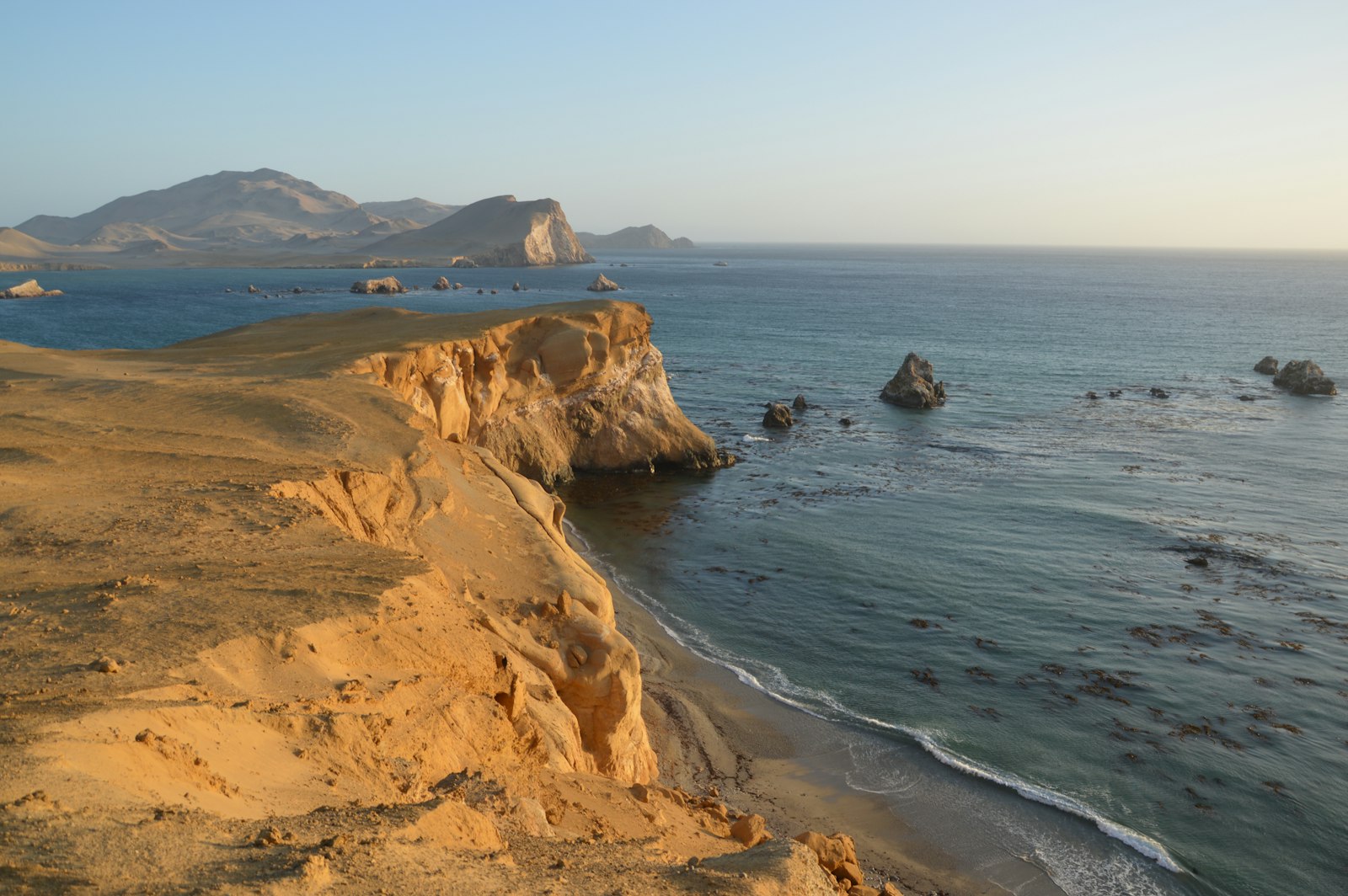
January is high season on the north coast, where Peru gets its warmest sea. Talara, the nearest station to Máncora, averages about 31 °C by day and 22.5 °C at night with about one rain day, and the water is around 23 °C. Tumbes, in the far north, averages about eight wet days, so it is less reliable.

The Smart Timing Bundle
Pick the month, book in the right order, pack once
Six printable timing tools for any trip: the Trip Timing Planner, When to Book, When NOT to Go, the Shoulder Season Playbook, the family timing guide and the Packing by Season System.
See the bundle · $37Six products, $100 separately · Digital download · All sales final
Peru’s school summer holidays usually start in late December or early January, and the beaches fill with Peruvian families, especially at weekends. Book rooms in Máncora and Punta Sal early. Trujillo and Huanchaco are cooler, at about 25.5 °C.
Arequipa and the Colca Canyon
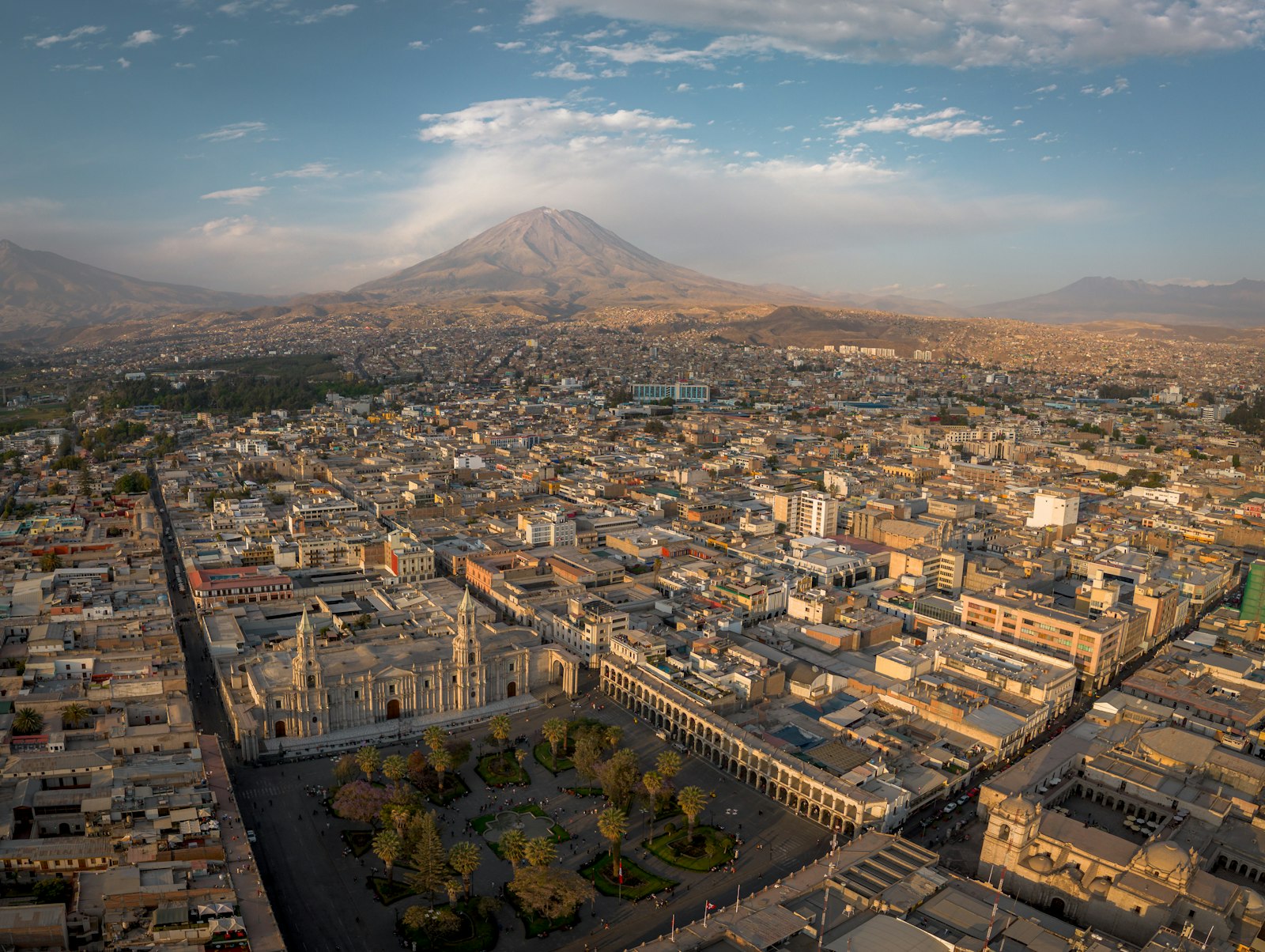
Arequipa is one of Peru’s driest cities, but January is its wettest month. It averages about 21 °C by day and 10.5 °C at night, with about 30 mm of rain over eight days, mostly as afternoon showers. It remains a good place to adjust to altitude.
The Colca Canyon is the bigger question. The road crosses passes above 4,000 m that see cloud and sleet, and condor viewing depends on the weather. Go with a spare day.
Cusco and the Sacred Valley
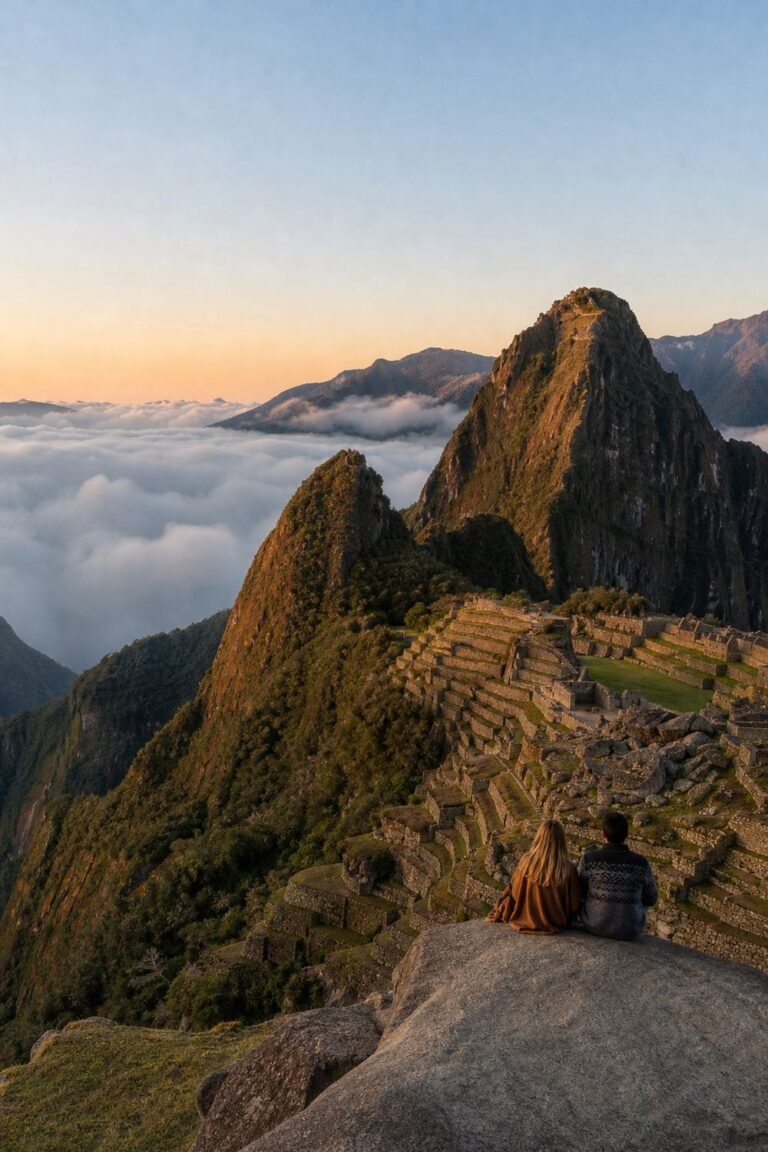
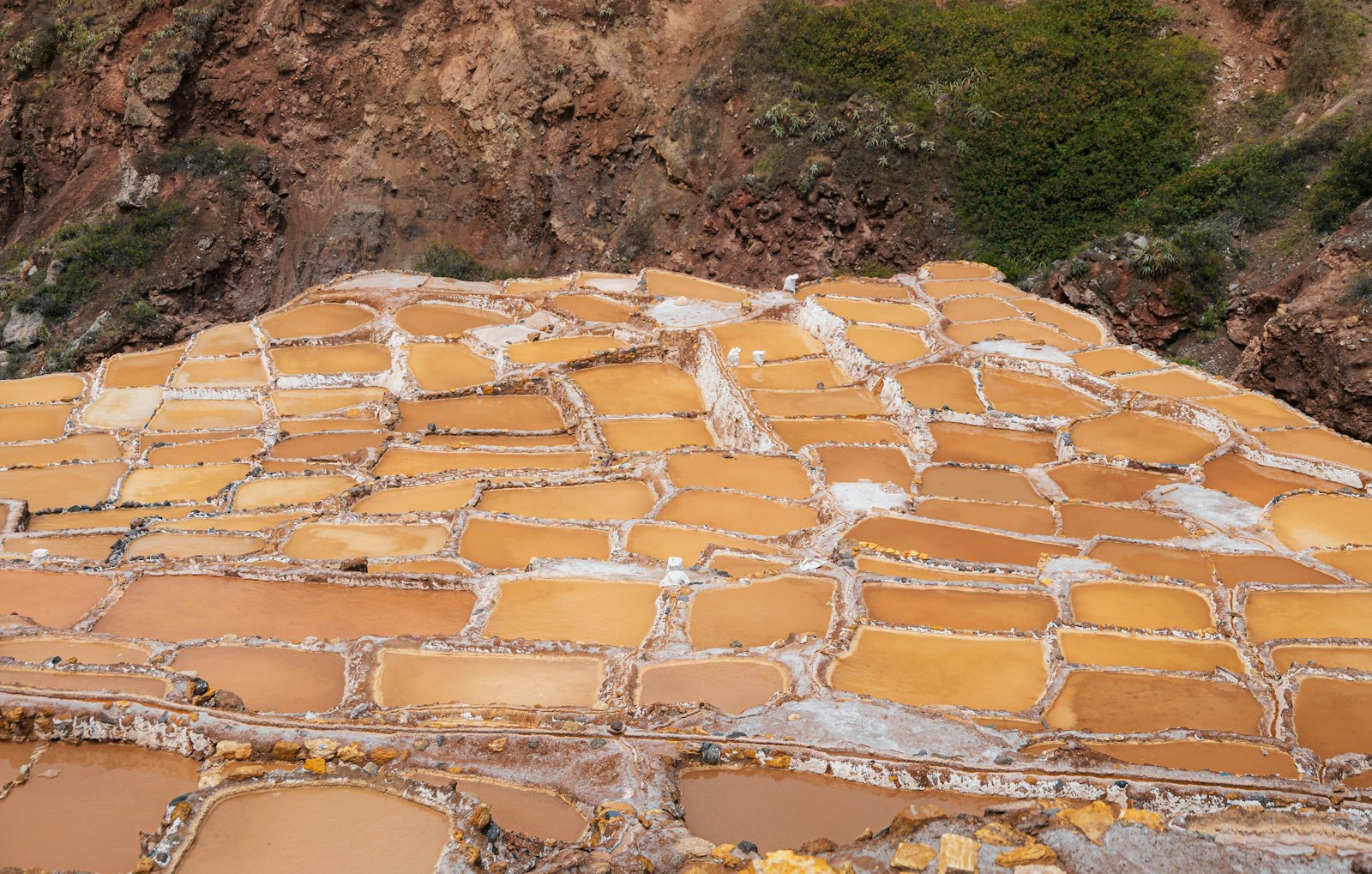
January is the wettest stretch of Cusco’s year. The city averages about 20.5 °C in the afternoon and 8 °C at night, with about 160 mm of rain over 19 days. Mornings are often the brightest part of the day, and the valleys are deep green, with fields and terraces at their most vivid. Visitor numbers are well below the dry-season peak.
See the Sacred Valley ruins in the morning and keep museums and markets for the afternoons; small landslides can close roads for a few hours.
Machu Picchu
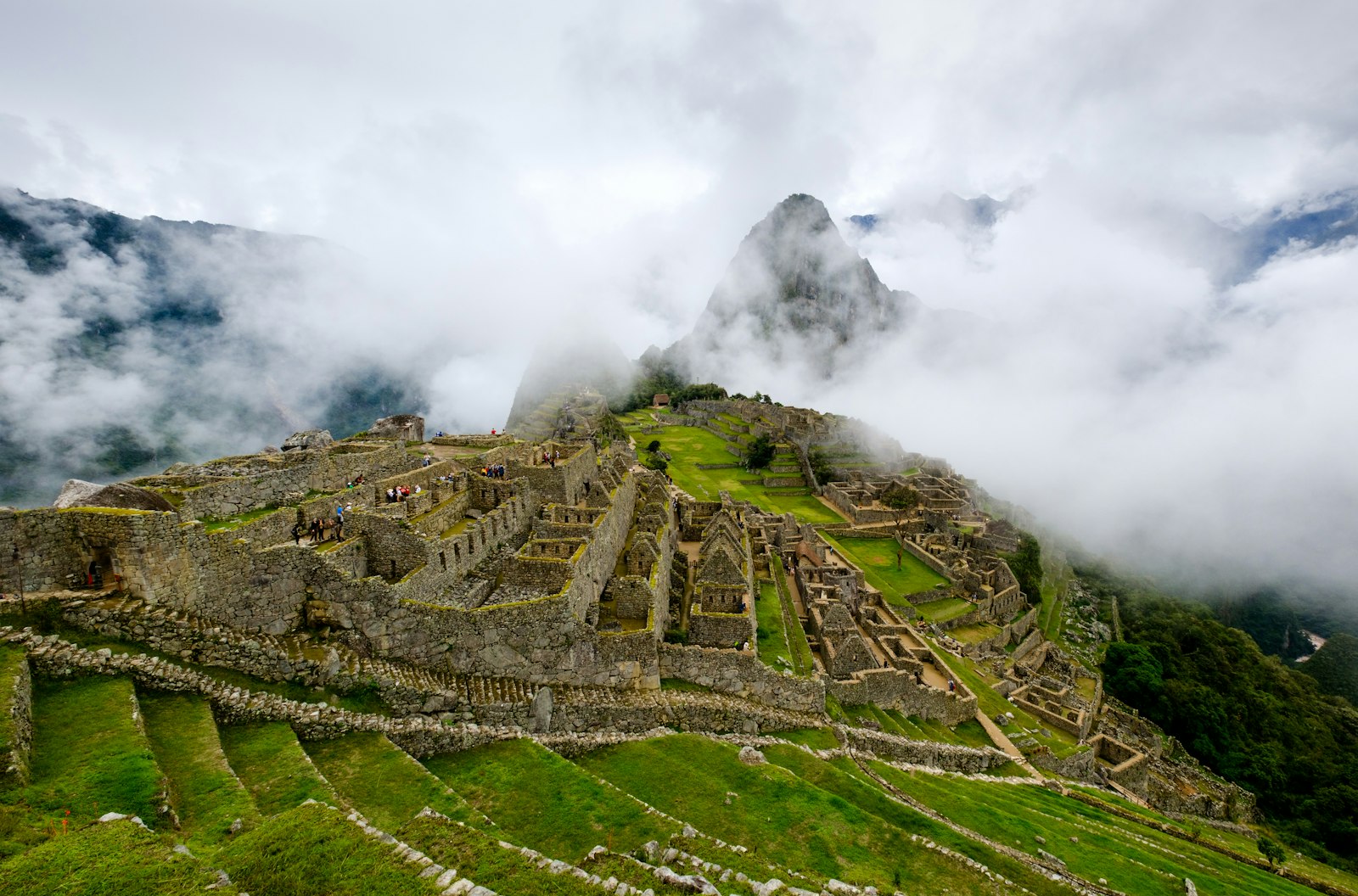
Machu Picchu stays open in January. The citadel sits lower than Cusco, at about 2,500 m, on the forested edge of the Andes, where rainy-season cloud forms and clears through the day. You may wait for the ruins to appear out of the mist; early mornings are often the cloudiest.
Entry uses timed tickets for set circuits, sold on the Ministry of Culture’s official ticket site. Buy them before the train, and consider a late-morning slot. Heavy rain can cause landslides that suspend or reroute train services in the rainy season, so sleep a night in Aguas Calientes or keep a spare day before any onward flight.
The Inca Trail
January is the last month to walk the classic Inca Trail before its annual break. According to Peru’s state news agency, the trail network usually closes for the whole of February for maintenance and to let the ecosystem recover, and reopens on 1 March; in at least one very wet year the closure ran on to late March. In January the trail is open but wet: stone steps are slick, camps are damp and the high passes can disappear in cloud.
Places are limited and sold only through licensed operators, so book as soon as your dates are fixed. For clear panoramas, trek in about May to September instead.

The complete kit
Every country guide, every timing tool
All 24 When to Go country guides, the six Smart Timing tools and every 12-Month Map, with a Start Here that tells you what to open first.
See the kit · $127The five bundles cost $225 separately · Digital download · All sales final
Lake Titicaca and Puno
At about 3,800 m, Lake Titicaca is the highest stop on most Peru routes. Juliaca, the nearest long-term station, averages about 18 °C by day and 4.5 °C at night in January, with about 135 mm of rain over 13 days. Boat trips usually run in the calmer mornings, and island homestays are cold at night.
January is quiet on the lake. Puno’s Fiesta de la Candelaria is usually held in February, when rooms fill and prices rise.
⚑ Good to know
The UK government’s Peru travel health advice lists altitude sickness as a serious risk in Cusco, Puno and the Colca Canyon. Climb gradually and rest on arrival.
Before you book Peru
When to Go: Peru
Peru’s seasons pull in different directions: the coast is dry from about December to April, the Andes from about May to September. When to Go: Peru rates every month for each region, with rain, crowd and price seasons, festival weeks and the dates to avoid.
See When to Go: PeruDigital download · All sales final
The Amazon: Iquitos, Puerto Maldonado and Tambopata
January is a hot, muggy and rainy month in the Peruvian Amazon. Iquitos averages about 32.5 °C by day with about 255 mm of rain over 17 days; Puerto Maldonado gets about 345 mm over 18 days. Rivers are high, which suits boat trips into flooded forest around Iquitos.
Around Tambopata, trails turn to deep mud and storms delay boat transfers. For jungle walking, the south is better from about May to October.
How Busy Is Peru in January?
Peru is moderately busy in January, with crowds in different places from the dry-season peak. The coast fills with Peruvian holidaymakers; the Andes are far quieter than in about June to August.
| Dates | What happens | Crowds | Price level |
|---|---|---|---|
| About 1 to 6 January | Holiday week; Lima’s beaches, Paracas and Máncora at their fullest | High on the coast | High on the coast |
| About 7 to 31 January | Quietest Andean weeks; Cusco and the Sacred Valley calm between showers | Low to medium | Low to medium |
| 18 January | Lima’s founding anniversary; events usually around the third week of January | Medium in central Lima | Medium |
| Late January | Last weeks of the Inca Trail before the February closure | Medium on the trail | Medium |
| Usually in February | Fiesta de la Candelaria in Puno; Inca Trail closed | Very high in Puno | High in Puno |
⚑ Timing tip
For the best mix of weather and value, travel from about the second week of January: the holiday rush on the coast eases midweek, and the Andes are at their quietest. Do the Andes first and end on the coast.
Comparing countries for the same weeks? See where to go in January, or where to go in February if your dates slip. See also Peru in December, Costa Rica in January, Mexico in January and January hiking trails.
Who Is Peru in January Right For, and When Should You Not Go?
Peru in January suits travellers who want coastal sun and accept mountain rain.
Peru in January is a good fit for
- ✓Food-led trips to Lima with long, sunny afternoons
- ✓Beach time on the north coast with Peru’s warmest sea
- ✓Desert trips to Paracas, Huacachina and the Nazca Lines
- ✓Green, quieter visits to Cusco and Machu Picchu with flexible days
- ✓Amazon river cruises from Iquitos on high water
Classic clear-sky photos of Machu Picchu
Cloud and rain are likely on most days in January.
High-altitude treks such as Salkantay or Ausangate
Passes are wet, cold and often in cloud; snow and hail are possible.
Wildlife walking in Tambopata or Manu
Trails are muddy and the southern Amazon is at its wettest.
A tight schedule with no spare days
Landslides can close roads and pause trains in the rainy season.
Better month if you want…
Dry Andes and clear Machu Picchu views
About May to September
The Inca Trail with the best odds of dry weather
About May to September; never in February
Amazon walking in Tambopata and Manu
About May to October
Lima and the coast with fewer holiday crowds
About March to April
Puno’s Candelaria festival
Usually in February
Still weighing the risks? The when not to go hub sets out the months, weeks and conditions to rule out first, anywhere in the world.
Free download
The 12-Month Map
One page per country with every month rated go, go with care or skip, so you can see the best and worst weeks at a glance before you book.
What Is a Good Peru Itinerary for January?
A good January itinerary puts the Andes in the middle with spare days and ends on the dry coast. These three sample routes are built around the month’s weather; adjust the nights to your pace.
Classic Peru with a rain buffer
12 daysLima
2 nights
Cusco
3 nights, acclimatise
Sacred Valley
2 nights
Aguas Calientes
1 night, Machu Picchu
Cusco
1 spare night
Lima
3 nights, coast
The spare night absorbs a cancelled train or a cloudy first visit.
Desert coast and the white city
10 daysLima
3 nights
Paracas
2 nights
Huacachina
1 night
Nazca
1 night
Arequipa
3 nights
The driest route in January; add Colca only with a spare day.
Beaches and food in the north
10 daysLima
3 nights
Trujillo and Huanchaco
2 nights
Máncora or Punta Sal
5 nights
Sun nearly every day; book early for the school holidays.
What Should You Pack for Peru in January?
Pack for two climates: hot, sunny coast and cold, wet mountains.
Pack and book for Peru in January
- ✓A real waterproof jacket and quick-dry trousers for the Andes
- ✓Waterproof walking shoes with grip, and gaiters for the Inca Trail
- ✓A warm fleece, hat and gloves for Cusco nights and Lake Titicaca
- ✓High-factor sunscreen, sunglasses and a hat; the sun is strong at altitude and on the coast
- ✓Light clothes and swimwear for Lima, Paracas and the north beaches
- ✓Machu Picchu tickets, trains and Inca Trail permits booked before anything else
Common Mistakes With a January Peru Trip
1. Planning Machu Picchu as the last stop before flying home
Rain can close roads and pause trains between Cusco and Machu Picchu. Visit the citadel early in the route and keep at least one spare day between the site and any international flight.
2. Leaving the Inca Trail to the end of the month
The trail closes for February, so a trek planned for the final days of January has no fallback dates. Start in the first half of the month.
3. Packing only for the beach
Lima is warm, but Cusco averages about 8 °C at night and the shores of Lake Titicaca about 4.5 °C. Carry a warm layer and waterproofs.
4. Flying straight to high altitude and rushing
Cusco is at about 3,300 m and Puno at about 3,800 m. Start lower, in Arequipa or the Sacred Valley, take two or three easy days, and leave strenuous hikes until you have adjusted.
Peru in January: FAQ
Is January a good time to visit Peru?
It depends on the region. January is excellent on the coast, with Lima, Paracas, Nazca and the north beaches dry and sunny. It is the rainy season in the Andes and the Amazon, so Cusco, Machu Picchu and Lake Titicaca see frequent showers and cloud. Plan the mountains with spare days and end the trip on the coast.
Does it rain at Machu Picchu in January?
Yes, often. January is in the middle of the Andean rainy season, and Cusco averages about 19 days with some rain. At Machu Picchu, cloud forms and clears through the day, and showers are common. The site stays open, but trains can be disrupted by landslides, so keep a spare day before any onward flight.
Is the Inca Trail open in January?
Yes. The classic Inca Trail is open in January, but it is wet and slippery, and views from the passes are often lost in cloud. The trail usually closes for the whole of February for maintenance and reopens on 1 March. Permits are limited and sold only through licensed operators, so book early.
What is the weather like in Lima in January?
Lima is warm, dry and usually sunny in January. The city averages about 26.5 °C by day and 20 °C at night, with no measurable rain, and the sea is about 22 °C. It is the heart of the coastal summer, so beaches south of the city are busy at weekends with local families.
Is January a good time for the Amazon in Peru?
Only for boat-based trips. The Amazon is hot and very wet in January, with about 255 mm of rain in Iquitos and about 345 mm in Puerto Maldonado. High rivers suit cruises and canoe trips around Iquitos, but trails in Tambopata and Manu are muddy. For jungle walking, about May to October is better.
How cold is Cusco in January?
Cusco is mild by day and cold at night in January. The city averages about 20.5 °C in the afternoon and 8 °C after dark, and rain showers feel colder at 3,300 m. Lake Titicaca is colder still, near 4.5 °C at night. Pack a warm fleece, a waterproof jacket, a hat and gloves.
The Bottom Line
Peru in January rewards travellers who build the trip around the coast and treat the mountains as a wet-season visit. The coast is dry and sunny, Cusco and Machu Picchu are green and showery, the Inca Trail is open until February and the Amazon is very wet. Book Machu Picchu tickets, trains and permits first, then put the Andes early in the route.
The country guide
Pick the right month for Peru
When to Go: Peru covers all twelve months for Lima and the coast, Cusco, Machu Picchu and the Inca Trail, Lake Titicaca, Arequipa and Colca, the north beaches and the Amazon, with the rainy and dry seasons, holiday peaks and the weeks to avoid.
Digital download · All sales final
Free download
Which month for your country?
Get the free 12-Month Map: every month marked good, shoulder or avoid, region by region, on four printable pages.
- Greece to Japan, Morocco to Peru: 24 countries
- See the crowd and price peaks before you book
- Free, no purchase needed
Your download page opens as soon as you sign up. 24 countries available.