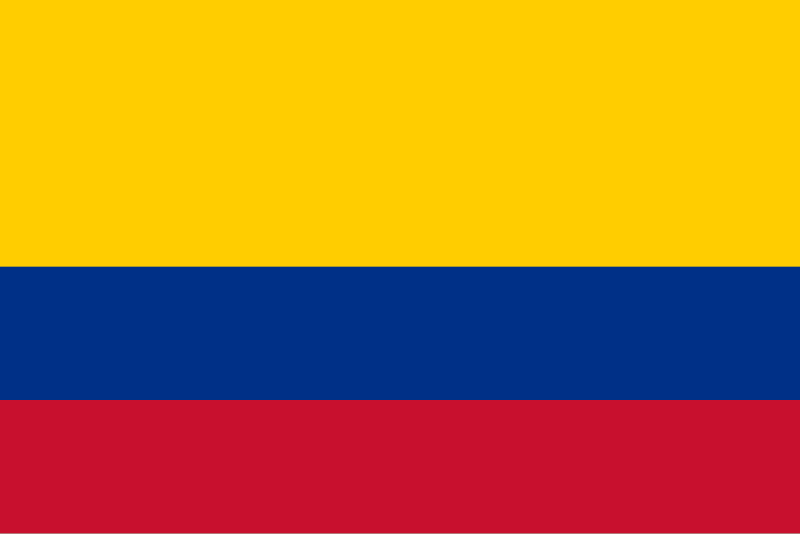
Colombia, often referred to as the gateway to South America, is a country rich in culture, history, and natural beauty. From the Caribbean beaches and Amazon rainforests to the Andean mountains and bustling cities, Colombia offers a diverse range of experiences for travelers. This article provides an overview of Colombia, covering its history, culture, top destinations, and practical travel tips.
When to Go guides
Choose your country, then your month
24 country guides, each about 100 pages: every month rated for weather, crowds and prices, region by region, with a 7-day booking plan. Six guides per region bundle.
Browse the 24 guides · $19 eachRegion bundles: Europe, Asia & Pacific, Sun Souks & Safari, Americas · $47 each
1. A Glimpse into Colombia’s History
Colombia’s history is a fascinating tapestry woven from Indigenous cultures, Spanish colonization, and modern development.
- Pre-Columbian Era: Before the arrival of the Spanish, Colombia was home to various Indigenous cultures, including the Muisca, Tairona, and Quimbaya. These societies were known for their advanced knowledge of agriculture, goldsmithing, and architecture. The famous Ciudad Perdida (Lost City), an ancient city hidden in the Sierra Nevada mountains, stands as a testament to these early civilizations.
- Colonial Period: In 1499, the Spanish arrived in Colombia, leading to centuries of colonization. The Spanish established cities such as Cartagena and Bogotá, which became key centers of trade and administration in the New World. The country’s rich resources, particularly gold, attracted European interest, leading to the exploitation of Indigenous populations and the importation of African slaves.
- Independence and Modern Era: Colombia gained independence from Spain in 1819, becoming part of Gran Colombia, a union that included present-day Venezuela, Ecuador, and Panama. After the dissolution of Gran Colombia, the Republic of Colombia was established. The 20th century was marked by periods of political instability and conflict, including the infamous drug trade and guerrilla warfare. However, in recent years, Colombia has made significant strides in achieving peace and fostering economic growth, becoming a popular destination for tourists.
🧰 Try it while you read: a free tool for this trip
Free trip timing tool
Beach Water Temperature Picker
Set the sea temperature you like; see which countries reach it in your month.
Loading the tool…
2. Colombia’s Rich Cultural Heritage
Colombia’s culture is a vibrant blend of Indigenous, African, and Spanish influences, reflected in its music, dance, art, and traditions.
Choosing a month is the decision that shapes the whole trip. The Smart Timing Bundle walks you through it: rule out the wrong months, find the shoulder window, book in the right order and pack for the weather you will actually get.
See the Smart Timing Bundle →- Language: Spanish is the official language of Colombia, spoken by the vast majority of the population. There are also numerous Indigenous languages still spoken in various regions, particularly in the Amazon and the Andes.
- Religion: Colombia is predominantly Roman Catholic, a legacy of Spanish colonization. Religious festivals and traditions play an important role in Colombian life, with events like Semana Santa (Holy Week) being widely celebrated across the country.
- Music and Dance: Colombia is famous for its diverse music and dance styles, each region offering something unique. Cumbia and Vallenato are popular along the Caribbean coast, while Salsa is the heartbeat of cities like Cali. The annual Barranquilla Carnival is one of the most significant cultural events, showcasing a vibrant mix of music, dance, and colorful parades.
- Cuisine: Colombian cuisine is a reflection of the country’s diverse geography and cultural heritage. Staples include arepas (corn cakes), bandeja paisa (a hearty platter with beans, rice, meat, and plantain), and ajiaco (a chicken and potato soup). Each region has its specialties, such as the sancocho stews of the coast and the lecherita sweets of the Andean highlands.
3. Currency and Practical Information
The official currency of Colombia is the Colombian Peso (COP). Credit cards are widely accepted in cities and tourist areas, but it’s advisable to carry cash, especially in rural areas. ATMs are readily available throughout the country.
4. Best Time to Visit Colombia
Colombia’s equatorial location means it has a tropical climate, with variations depending on the region and altitude.
- Dry Season (December to March, July to August): The dry season is the best time to visit most of Colombia, with less rain and more sunshine, making it ideal for exploring cities, beaches, and national parks.
- Wet Season (April to June, September to November): The wet season sees more rainfall, particularly in the Amazon and Pacific coast regions. However, this is also when the landscapes are lush and green, making it a good time for nature lovers.
5. Top 5 Destinations in Colombia
Colombia is a country of stunning diversity, offering everything from colonial cities to tropical rainforests.
1. Cartagena
Cartagena is a beautiful coastal city known for its well-preserved colonial architecture, vibrant culture, and Caribbean beaches. The Walled City, a UNESCO World Heritage site, is a maze of cobblestone streets, colorful buildings, and historic churches. Nearby, the Rosario Islands offer crystal-clear waters and coral reefs for snorkeling and diving.
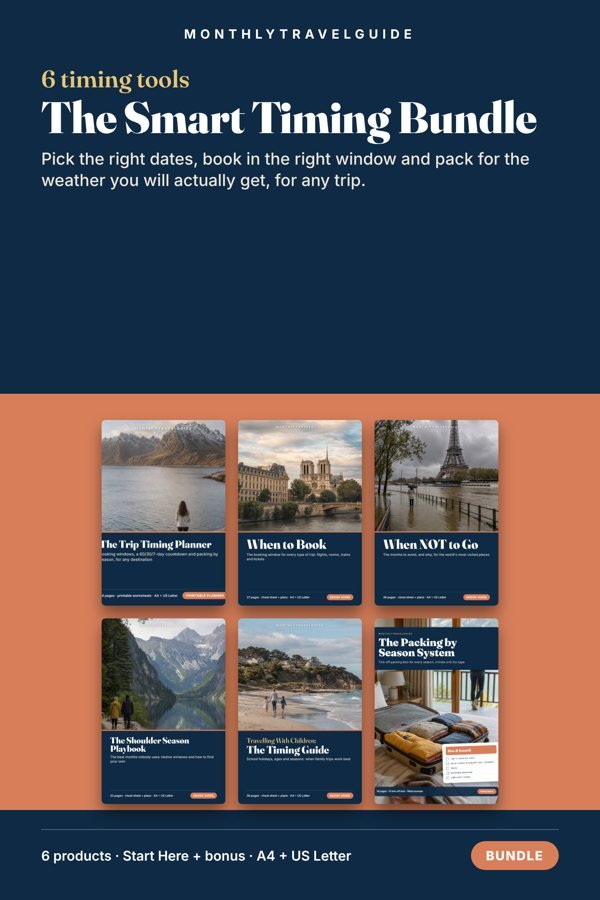
The Smart Timing Bundle
Pick the month, book in the right order, pack once
Six printable timing tools for any trip: the Trip Timing Planner, When to Book, When NOT to Go, the Shoulder Season Playbook, the family timing guide and the Packing by Season System.
See the bundle · $37Six products, $100 separately · Digital download · All sales final
2. Bogotá
Bogotá, the capital of Colombia, is a bustling metropolis with a rich cultural scene. The La Candelaria district is the city’s historic heart, featuring colonial buildings, museums, and churches. The Gold Museum is a must-visit, showcasing an extensive collection of pre-Columbian gold artifacts. Don’t miss a trip to Monserrate, a mountain offering panoramic views of the city.
3. Medellín
Once known for its turbulent past, Medellín has reinvented itself as a model of innovation and urban renewal. The city’s pleasant climate has earned it the nickname “City of Eternal Spring.” Explore the Comuna 13 district to see vibrant street art, ride the Metrocable for stunning views, and visit the Botero Plaza to admire the sculptures of renowned artist Fernando Botero.
4. Coffee Triangle
The Coffee Triangle (Eje Cafetero) is Colombia’s coffee-growing region, offering lush landscapes, charming towns, and coffee farms. Visit the town of Salento, known for its colorful houses and access to the Cocora Valley, where you can hike among the towering wax palms. Coffee tours provide insight into the cultivation and production of some of the world’s best coffee.
5. Tayrona National Park
Tayrona National Park, located on Colombia’s northern coast, is a paradise of palm-fringed beaches, tropical forests, and Indigenous culture. The park offers hiking trails that lead to secluded beaches, such as Cabo San Juan, and the opportunity to visit ancient Indigenous sites like Pueblito.
6. Things to Do in Colombia
Colombia offers a diverse range of activities for all types of travelers.
- Explore Colonial Towns: Colombia’s colonial towns, such as Villa de Leyva and Barichara, are perfect for those who love history and architecture. Wander through cobblestone streets, visit centuries-old churches, and immerse yourself in the colonial charm.
- Hike in the Andes: The Andes Mountains offer some of the best hiking in South America. Trek to Ciudad Perdida (The Lost City) in the Sierra Nevada de Santa Marta or explore the Los Nevados National Park, home to snow-capped peaks and diverse wildlife.
- Experience Indigenous Culture: Colombia’s Indigenous heritage is still very much alive. Visit Indigenous communities in the Amazon or the Sierra Nevada de Santa Marta to learn about their traditions, crafts, and way of life.
- Relax on Caribbean Beaches: Colombia’s Caribbean coast is lined with beautiful beaches, from the popular Playa Blanca to the remote coves of Tayrona National Park. These are perfect for sunbathing, swimming, and snorkeling.
- Discover Modern Art: Colombia’s cities are home to thriving contemporary art scenes. Visit the Museum of Modern Art in Bogotá or the Museum of Antioquia in Medellín to see works by Colombia’s most famous artists, including Fernando Botero.
7. Practical Tips for Travelers
- Visas: Many travelers can enter Colombia without a visa for stays of up to 90 days, but it’s always best to check the latest entry requirements before you travel.
- Transportation: Colombia has a well-developed transport network, with domestic flights connecting major cities and buses serving rural areas. In cities like Bogotá and Medellín, public transport is efficient and affordable.
- Health and Safety: Colombia is generally safe for travelers, but it’s wise to stay informed about any regional advisories. Tap water is safe to drink in most cities, but it’s advisable to stick to bottled water in rural areas.
8. Why Colombia Should Be on Your Travel List
Colombia is a country that offers a perfect blend of culture, history, and natural beauty. Whether you’re exploring the colonial streets of Cartagena, sipping coffee in the lush highlands, or hiking through the Amazon rainforest, Colombia promises a travel experience that is both exciting and enriching. Its diverse landscapes, warm people, and vibrant culture make it a must-visit destination for any traveler.
📘 Monthly Travel Guide
Time your next trip properly
The Smart Timing Bundle gathers our six timing tools: the Trip Timing Planner, When to Book, When NOT to Go, the Shoulder Season Playbook, the family timing guide and the Packing by Season System.
See the Smart Timing Bundle · $37Already know the country? Each of our 24 When to Go guides rates every month for weather, crowds and prices.
Digital download · All sales final
Free download
Which month for your country?
Get the free 12-Month Map: every month marked good, shoulder or avoid, region by region, on four printable pages.
- Greece to Japan, Morocco to Peru: 24 countries
- See the crowd and price peaks before you book
- Free, no purchase needed
Your download page opens as soon as you sign up. 24 countries available.