Umbria is a region in the deep green heart of Italy that is known for its medieval towns, rolling hills, and food traditions that have been around for hundreds of years. One of its most prized possessions is the old art of truffle hunting. In Umbria small farms, truffle hunting is still real, personal, and deeply connected to rural life, unlike in commercialized areas where truffles have become tourist traps. These farms, which have been run by the same family for generations, use tried-and-true methods to find some of the best Italian truffles in the world.
This guide gives you a timeless, thorough look at truffle hunting in Umbria, including how it works, what to expect, the seasonal rhythms, expert advice, and why these experiences are still valuable no matter what the trends are. This resource will give you lasting insights into one of Italy’s most famous traditions, whether you are a traveler, a foodie, or someone who loves to learn about other cultures.
1. How to Understand Truffle Hunting in Umbria
1.1 What Makes Umbria a Great Place for Truffles?
Umbria is one of the best places in Italy to grow truffles because of its thick forests, fertile soil, and mild, balanced climate. Umbrian truffle zones are protected, unlike industrial truffle areas. There are strict rules in place to protect forests and make sure that harvesting is done in a way that doesn’t harm the environment.
Some important things are:
- Forests with a lot of different kinds of plants and animals: Oak, hazelnut, beech, poplar, and pine are all great places for truffles to grow.
- Nature that is clean and preserved: Many Umbrian forests are still untouched by mass tourism or too much farming.
- Long-standing expertise: Families have passed down the knowledge of how to hunt truffles for generations, usually from father to son.
This makes the perfect setting for truffle hunting in Umbria that feels like real rural life instead of something made for tourists.


2. Different kinds of truffles that grow in Umbria
Umbria is home to many highly sought-after types of truffles. Each one has its own taste, smell, and time of year. Travelers can better appreciate the skill it takes to find and pick these underground gems if they know how they work.
2.1 The Black Winter Truffle (Tuber Melanosporum)
This is one of the most valuable truffles in the world and is often called the “black diamond.” It has a strong, rich smell that goes well with pasta, meat, and risotto. You can find it mostly around Norcia, Spoleto, and Valnerina.
2.2 The Black Summer Truffle (Tuber Aestivum)
The summer truffle grows from late spring to early autumn and is less strong than the winter truffle. Umbrian cooks use it a lot on salads and eggs.
2.3 White Truffle (Tuber Magnatum Pico)
Umbria is not usually known for its white truffles, but it does grow some great ones, especially near Città di Castello and in the Tiber Valley.
2.4 The “Bianchetto” White Spring Truffle (Tuber Borchii)
This early-season white truffle has a stronger flavor and is often used in hearty Umbrian dishes. It is available from January to April.
2.5 The Black Autumn Truffle (Tuber Uncinatum)
It has a stronger flavor than the summer truffle and goes great with fresh pasta. It is in season in October and November.
Knowing about these different types helps travelers figure out the best time to visit and makes the whole experience on Umbria farms better.
3. The Role of Small Farms in the Truffle Ecosystem of Umbria
Small farms in Umbria are very important for protecting traditional truffle hunting, unlike big agricultural producers. These farms:
- Keep the woods healthy
- Keep old hunting paths safe
- Teach dogs to find truffles
- Grow areas with lots of truffles in a way that is good for the environment
- Offer eco-friendly travel choices
Most of the things to do in Umbria are at these small family farms, where visitors learn from locals who have been hunting truffles for generations.
4. How to hunt truffles in Umbria
4.1 The History of Truffle Dogs
In Umbria, people use dogs, not pigs, to hunt truffles. Italian truffle dogs learn to smell mature truffles when they are very young.
Some popular breeds are:
- Lagotto Romagnolo (the most well-known dog for truffles)
- Pointer
- Springer Spaniel
- Mixed breeds that have a strong sense of smell
It can take years to train a truffle dog, and farm families treat their dogs like they are very important. For sustainable harvesting, it is important that they can find ripe truffles without harming the soil.
4.2 The Outing: What Visitors Typically Experience
A normal truffle hunt on a small farm in Umbria includes:
- A look at the farm and its past
- Take a walk on forest trails
- Showing how to train a dog
- Searching for and digging up truffles in real time
- Learning about rules and how to be more environmentally friendly
- After the hunt, taste fresh truffle dishes
These experiences are immersive, slow-paced, and in line with the rhythms of rural life rather than those of commercial tourism.
4.3 Harvesting: A Careful and Exact Method
After the dog marks a spot:
- The hunter uses a special tool called a vanghetto.
- Soil is moved carefully so that roots aren’t disturbed.
- The truffle is carefully taken out and looked at.
- The hole is filled again to keep the forest floor safe.
This method has been used for hundreds of years and hasn’t changed.
5. The Seasonal Calendar for Truffle Hunting in Umbria
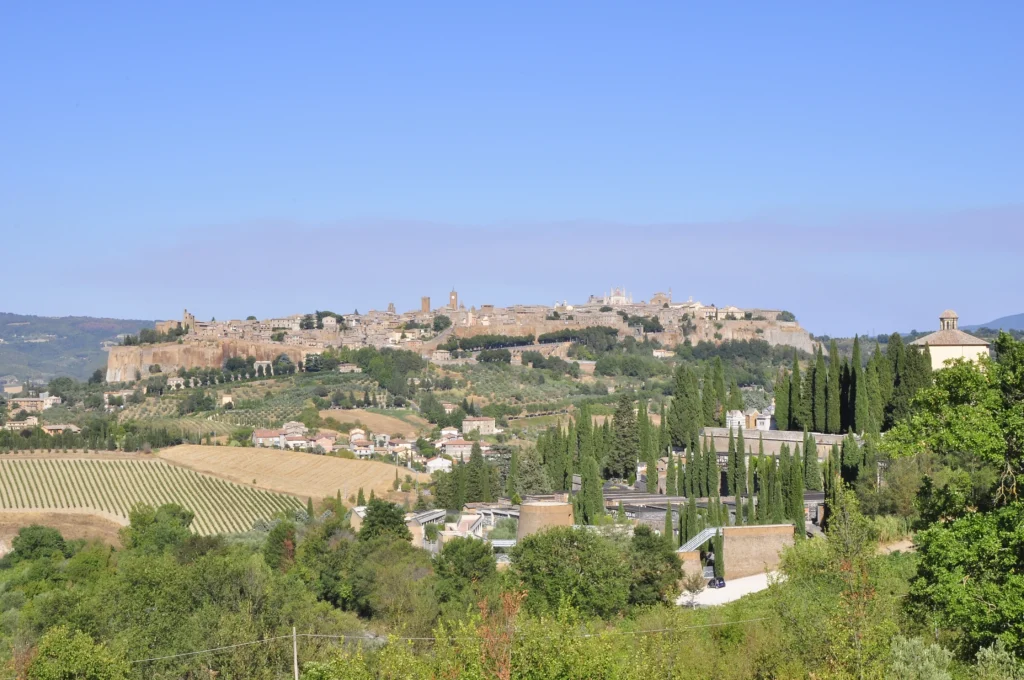
There are different times of year when different types of truffles grow. A timeline that never changes for visitors:
January to April
- Bianchetto white spring truffles
- Black winter truffles (best time to buy)
May to August
- Truffles in the summer
- The best time for cooking classes
From September to November
- Black truffles in the fall
- Great for country fairs and food festivals
October to December
- Truffles that are white
- Very valuable for fine dining
You can always go truffle hunting in Umbria, but the type of truffle you find will change.
6. The Best Places in Umbria for Real Truffle Hunts
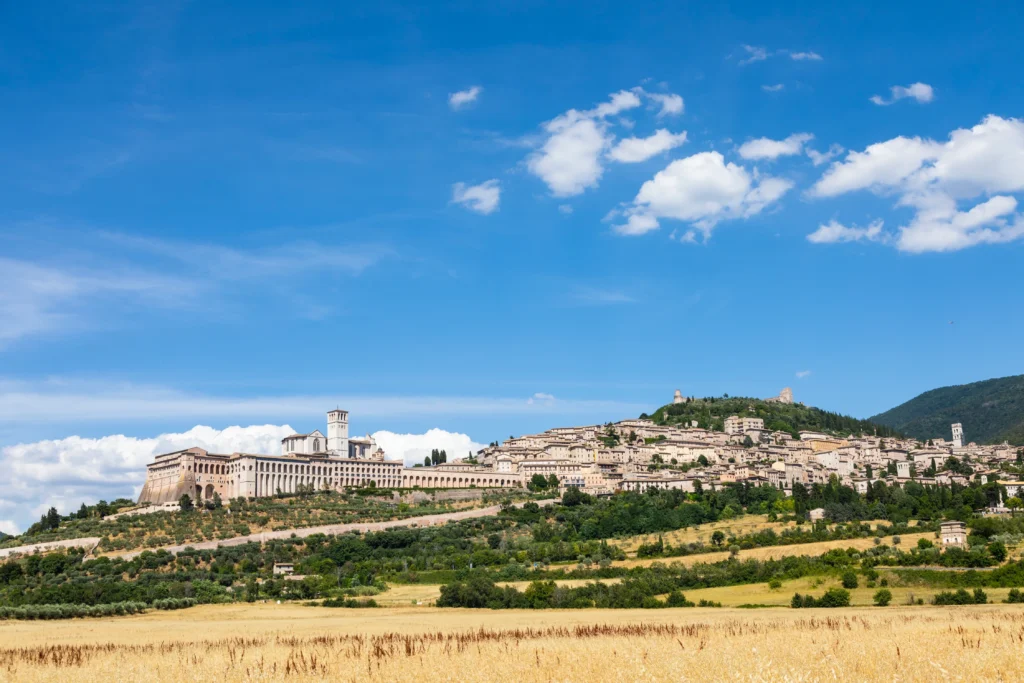
Truffles can grow all over the region, but some areas have always been known for having a lot of them and being very good. These areas also have a lot of traditional small farms where you can get hands-on experience.
6.1 Norcia and Valnerina
This mountainous area is known for black winter truffles and is often thought of as the heartland of Umbrian truffles. The farms there are very traditional.
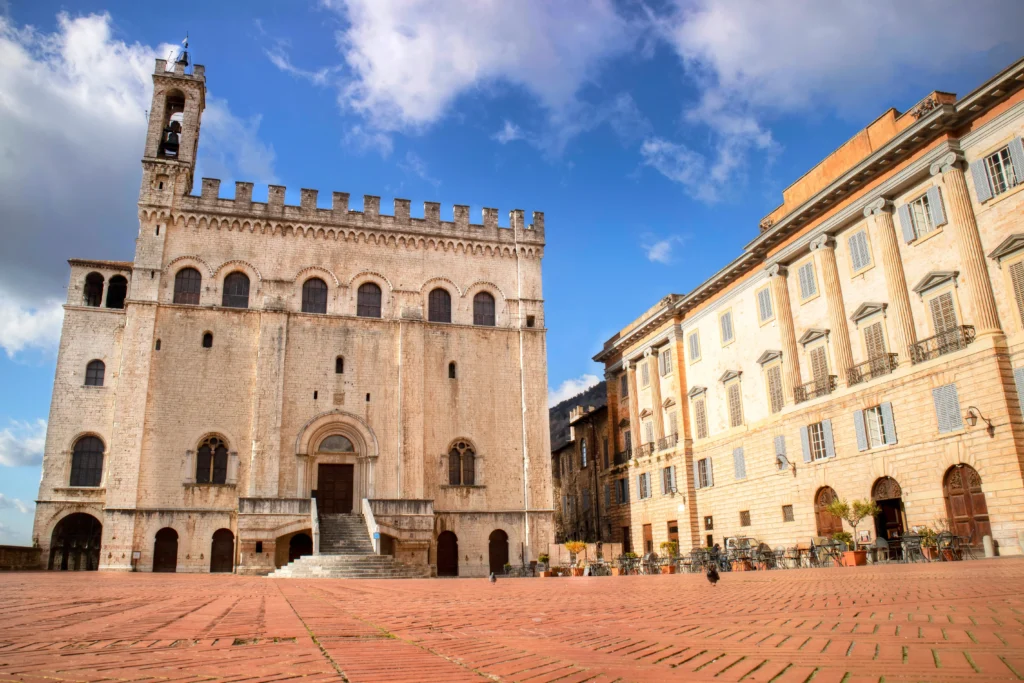
6.2 Gubbio and Città di Castello
The best place for both black and white types. Local forests are still wild, which makes for a truly rustic hunting experience.
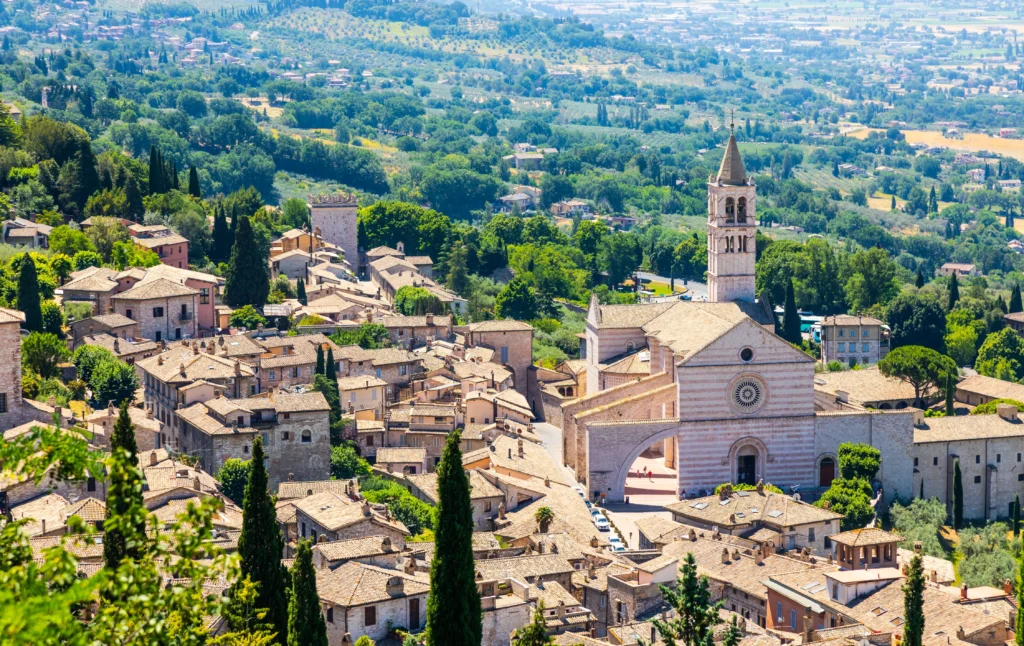
6.3 Assisi and Monte Subasio
These areas are known for having milder climates and fertile woods, which makes them great places to find summer and fall truffles.
6.4 Todi and Orvieto
This area is great for fall truffles because of its rolling hills and oak-rich forests.
6.5 Trevi and Spoleto
Many small farms that offer tours and tastings are in well-kept wooded areas.
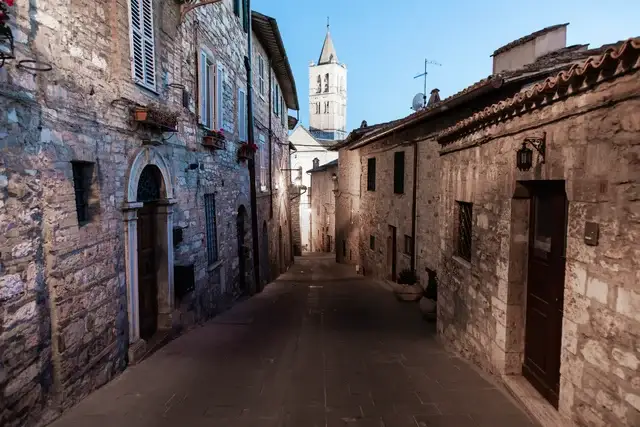
These places have a lot of history, natural beauty, and strong rural culture, making them great for travelers who want to have meaningful experiences in Umbria.
7. What Makes Small Farm Truffle Experiences Different
7.1 Personal Link
Visitors on small farms can talk to local families directly. Hunters tell stories, show guests how to do things, and often get them involved in the process.
7.2 Practices that are good for the environment
Small farms put the most importance on:
- Keeping the soil healthy
- The health of dogs
- Taking care of harvesting
- Keeping the woods safe
Their methods are meant to keep truffle ecosystems safe for future generations.
7.3 Authenticity is more important than making money
To keep quality high, many farms limit the number of people in a group. There are no fake truffle smells or pre-planted truffles; everything is real and natural.
7.4 Cooking Together
People who come to see often like:
- Tasting fresh truffles
- Pasta with shaved truffles
- Truffle eggs
- Wines from the area
- Olive oil made at home
This farm-to-table style shows how closely food and land are linked in Umbria.
8. A Look at How Truffle Dogs Are Trained Behind the Scenes
Early training starts:
Step 1: Getting Used to the Smell
The puppies are given small pieces of truffles so they can learn to connect the smell with rewards.
Step 2: Search Drills
To improve accuracy, truffles are hidden in controlled settings.
Step 3: Practicing in the Woods
Dogs train in real woods, where they learn to stay focused and stay away from roots.
Step 4: Hunting Without Lead
Skilled dogs can move around freely and make their own decisions based on years of instinct training.
This long, careful process is why people value and respect truffle dogs so much.
9. Truffle tourism that is responsible
Sustainability is very important as truffle hunting becomes more popular around the world. When you pick a truffle experience:
Find farms that:
- Follow the laws in your area about harvesting
- Limit damage to forests
- Instead of tools that hurt the soil, use trained dogs.
- Help out your local communities
- Give people chances to learn
Stay away from things that:
- Use fake smells
- Too much harvesting of forests
- Put a lot of tourists in small wooded areas
- Only think about fun
Supporting responsible farms helps keep truffle ecosystems healthy for many years.
10. Food traditions that go along with truffle hunting in Umbria
Umbria’s truffle dishes are simple, classic, and meant to bring out the truffle’s natural flavor.
10.1 Traditional Umbrian Truffle Recipes
- Tagliatelle al Tartufo Nero: Fresh pasta with shavings of black truffle
- Uova al Tartufo: scrambled eggs with either black or white truffles
- Crostini al Tartufo: Toasted bread with truffle oil or spreads
- Carpaccio di Manzo al Tartufo: Beef sliced very thin and topped with truffle
- Risotto al Tartufo: Creamy risotto with fresh truffle flavor
These meals usually only need a few ingredients, like olive oil, salt, and sometimes butter. The truffle always speaks for itself in Umbrian food.
11. How to Store and Use Truffles at Home
People who travel often buy truffles after they hunt. To keep them safe:
Tips for storage
- Wrap each truffle in a paper towel.
- Put it in a container that won’t let air in.
- Change the paper every day and keep it in the fridge.
- For the best flavor, use within 3 to 7 days.
How to Use
- Add truffles at the end; never cook them for too long.
- Use sparingly; a little goes a long way.
- Combine with mild, neutral foods like eggs, butter, potatoes, or pasta.
- Mix with good olive oil to make the smell stronger.
These classic methods work no matter what the latest cooking trends are.
12. What Experts Say About Picking the Best Truffle Hunting Experience
Experts say that to have the most real experience, you should look for:
- Farms run by families
- Small Groups
- Clear Ways of Doing Things
- Aligning with the seasons
- Food Part
- Certifications of Ethics
Choosing farms with these qualities makes sure that your experience is both real and good for the environment.
13. Example Umbrian Farms Famous for Real Truffle Hunts
Here are some general types of farms that always provide great experiences, without relying on trends or promotional listings:
- Family-owned farms near Norcia and Spoleto that grow black winter truffles
- Hillside farms near Gubbio that offer mixed-season hunts
- Agriturismos near Assisi that offer both truffle hunts and cooking classes where you make your own food
- Farm estates near Città di Castello that are known for having white truffles
- Properties in the country near Todi and Orvieto that focus on fall truffles
These farms have long kept the tradition of growing truffles, and people in the area know about them—not because of marketing trends, but because of their reputation in the community.
14. The Cultural Importance of Truffle Hunting in Umbria
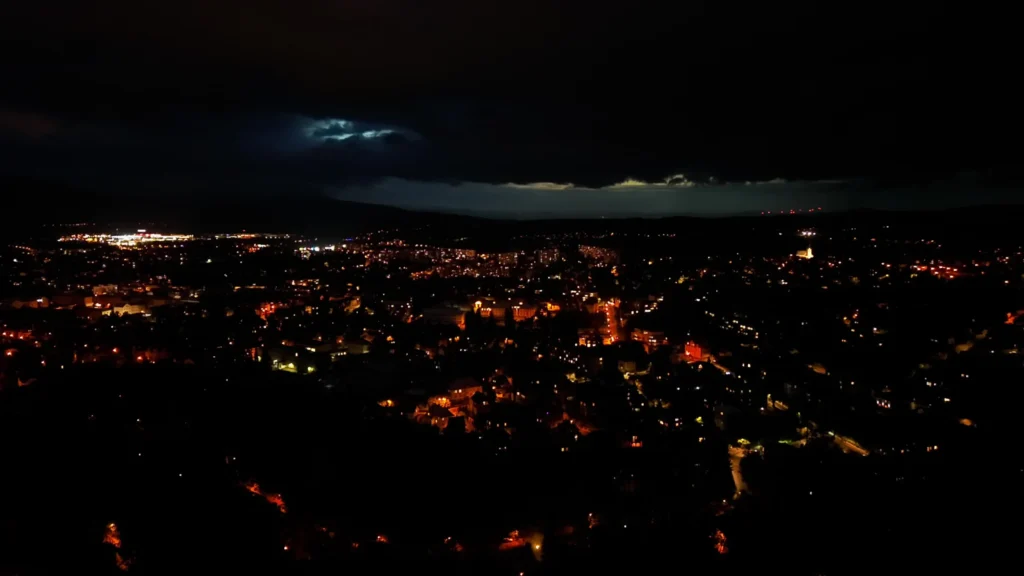
Truffle hunting is more than just a fun thing to do; it’s a part of who you are. For hundreds of years, Umbrians have seen truffles as symbols of:
- Wealth in the countryside
- Respect for the environment
- A strong bond with family
- Knowledge and skills passed down through the years
- Living by the seasons
When people hunt, they usually do so in silence, and hunters and dogs move almost as one. It is a meditative practice that shows how well you get along with the land.
Truffle hunting umbria is still based on heritage, patience, and caring for the environment, even though modern farming is changing the landscapes of Europe.
15. Why Truffle Hunting in Umbria Will Always Be Popular
- You can’t hurry nature.
- Skills Are Passed Down, Not Made
- The Tradition Values Taking It Slow
- Umbria Takes Care of Its Forests
- Culinary Relevance Never Goes Away
These things together make sure that truffle hunting will always be a cultural, natural, and culinary experience.
16. Helpful Advice for Visitors
Clothes
In the cooler months, wear shoes that are comfortable, layers that let air in, and gear that is waterproof.
When
Dogs do better in cooler weather, so early morning hunts are best.
Level of Fitness
Most hunts require a moderate amount of walking, and sometimes going up hills.
Respect
Always be kind to dogs and don’t dig in the ground unless you’re told to.
Buying Truffles
Buy directly from the farm to make sure it’s fresh and real.
17. Questions that are often asked
Can people who are new to truffle hunting do it?
Yes, for sure. You don’t need any experience; the dogs and hunters will show you what to do.
Are kids allowed to hunt for truffles?
Most farms are happy to have families visit, especially those that have educational activities.
How long does it take to find a truffle?
Usually, it takes between one and three hours, depending on the time of year and the type of ground.
Do I always find truffles?
Not guaranteed, but trained dogs make it much more likely. Real farms never plant truffles in a way that isn’t real.
Are there hunts all year long?
Yes, but the kind of truffle changes with the seasons.
In conclusion, truffle hunting on small farms in Umbria is still magical.
Truffle hunting on small farms in Umbria is one of the most real, timeless, and meaningful rural experiences in Italy. These experiences are not affected by trends or modernization because they combine nature, culinary heritage, and knowledge that has been passed down through the generations. People who go on these hunts learn about Umbrian culture, taste some of the best Italian truffles in the world, and take part in a tradition that has been passed down through the generations.
Truffle hunting in Umbria is an experience that will be valuable for years to come, whether you want to learn about the culture, try new foods, or just connect with nature. Umbria makes sure that its truffle legacy continues to inspire visitors from all over the world today, tomorrow, and far into the future by using sustainable methods, caring for the land, and having a deep respect for it.