Iceland in January is not a summer trip with a coat on. You get about four hours of daylight at the start of the month, roads that can close in an afternoon, and nights long enough to hunt the aurora without staying up until 2 a.m. Plan around those three facts and the trip works beautifully; ignore them and you spend it in a rental car in the dark. This guide gives you the real numbers, a day structure that fits the light, the driving rules, what to book ahead and a five-day route that respects the season.

Quick answer
What is Iceland like in January?
Iceland in January is a quiet winter trip with only 4 to 6 hours of daylight, snowy landscapes, glacier hikes, ice caves and long nights for the northern lights. Crowds are smaller than in summer and off-season flights and lodging are often cheaper. Rent a 4×4 with winter tires and check road conditions.
Key facts
- January in Iceland has about 4 to 6 hours of daylight.
- Guided glacier hikes run on Sólheimajökull and Vatnajökull with crampons and ice axes.
- Ice caves in Vatnajökull form from meltwater and shift from year to year.
- An evening Blue Lagoon visit gives a chance to see the northern lights; reservations are required.
- Check Vedur.is for weather and road conditions before driving.
- A 5-day plan covers Reykjavík, the Golden Circle, a glacier day, the south coast and the Blue Lagoon.
Iceland in January means roughly 4 to 7 hours of daylight in Reykjavík, average temperatures around 3 °C by day and −2 °C at night, frequent wind and precipitation, and long, dark nights that suit northern lights viewing. Stay on the South Coast and the Golden Circle, drive only with winter tyres after checking road and weather reports each morning, book ice caves, glacier hikes and lagoons ahead, and keep one spare day for weather.
✅ Key takeaways
- ✓Daylight grows fast through the month, from about 4½ hours on 1 January to about 7 hours by the 31st, so late January gives you noticeably more sightseeing time.
- ✓Check road conditions and the weather forecast every morning before you drive; a 4×4 helps on snow but does not stop you skidding on ice.
- ✓Natural ice caves only open in winter and only with a certified glacier guide, so book the tour before your flights are even final.
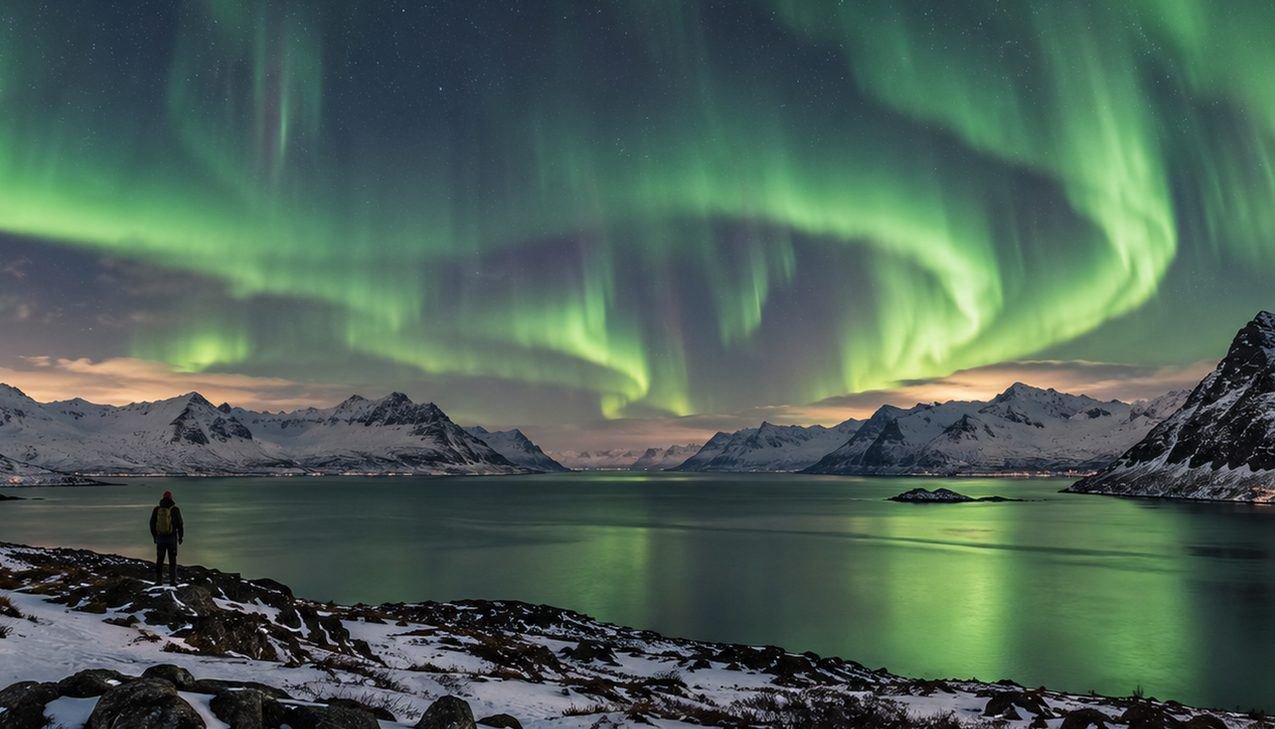
- ✓Aurora hunting comes down to darkness plus clear sky: use the Icelandic Met Office cloud-cover map, not just the activity number.
- ✓Build one empty buffer day into any itinerary, because a single storm can close the Ring Road for a day.
What Iceland in January Really Feels Like: Light, Cold and Wind
January is mid-winter in Iceland, but it’s damp and windy rather than brutally frozen near the coast. Reykjavík’s long-term January averages, from Icelandic Met Office normals, are a daytime high of 3.2 °C and a night-time low of −1.7 °C. That’s milder than many people expect. The catch is everything around the thermometer reading: wind, sleet, very short days and very little sun.
4h 24m
daylight in Reykjavík on 1 January
≈7h
daylight by 31 January
3° / −2°C
Reykjavík avg high / low · 38° / 29°F
≈23 hrs
of sunshine in the whole month, on average
Read those numbers together. Reykjavík averages around 15 days in January with at least a millimetre of rain or snow, and only about 23 hours of sunshine across the entire month. So “daylight” usually means a soft, low, blue-grey light rather than bright sunshine. It’s beautiful for photography, and it’s the reason you can’t plan a January day the way you’d plan a June one.
The north is colder. Akureyri, about 390 km from Reykjavík by the Ring Road, averages 2.7 °C by day and −3.5 °C at night in January, and the interior highlands are colder still. Wind is the multiplier everywhere: 0 °C with a strong gust off the sea feels far harsher than a still −5 °C.
🧰 Try it while you read: a free tool for this trip
Free trip timing tool
Northern Lights Window
Check whether your month falls in the aurora season our guides describe.
Loading the tool…
How to Plan a Day Around 4 to 7 Hours of Light
The trick is to drive in the dark and sightsee in the light. On 1 January the sun rises in Reykjavík at about 11:19 and sets at about 15:44. By 31 January it’s up around 10:10 and down around 17:10. Twilight adds usable light on either side, but the window for waterfalls, black beaches and glacier walks is still short.
| Date (Reykjavík) | Sunrise | Sunset | Daylight | What fits |
|---|---|---|---|---|
| 1 January | ≈11:19 | ≈15:44 | ≈4h 24m | One major area: two or three stops close together |
| 31 January | ≈10:10 | ≈17:10 | ≈7h | A fuller day: a glacier walk plus two or three sights |
🗓️ Free: the 12-Month Map for Iceland
Every month on one page: best weeks, shoulder weeks and the ones to skip. Print it or keep it on your phone.
08:30–10:30 · Breakfast, then drive in the dark
Use the pre-dawn hours to cover distance, after checking roads and weather. Aim to arrive at your first stop as the sky brightens.
Daylight · Outdoor highlights only
Spend every light hour outside: waterfalls, beaches, glacier walks. Eat a packed lunch in the car rather than losing an hour at a sit-down meal.
After sunset · Pools, museums, dinner
Late afternoon is for indoor plans and geothermal pools. Be at your night’s accommodation before the roads get busy with darkness and freezing spray.
21:00 onwards · Aurora watch
If the sky is clear, step outside away from lights. Staying somewhere rural means you can watch from the door rather than driving on icy roads at night.
Driving in Iceland in January: The Rules That Keep You Moving
You can self-drive in January, but only if you treat the road report as part of breakfast. Iceland’s official safety site, SafeTravel’s winter driving page, is blunt: strong winds, snow, rain and drifting snow make driving difficult, braking distances grow on ice, and a 4×4 “does not eliminate the risk of skidding on ice”. It also reminds drivers that front and rear lights must be on at all times, day and night.

The Smart Timing Bundle
Pick the month, book in the right order, pack once
Six printable timing tools for any trip: the Trip Timing Planner, When to Book, When NOT to Go, the Shoulder Season Playbook, the family timing guide and the Packing by Season System.
See the bundle · $37Six products, $100 separately · Digital download · All sales final
Here’s the morning routine that works. Check the official road map at umferdin.is (the Icelandic Road and Coastal Administration’s traffic site, with a traffic service line on 1777), then the forecast and alerts on vedur.is and safetravel.is. If a road is marked closed or impassable, it is closed. Driving on a closed road can mean fines and towing costs that insurance won’t cover.
| Area | January reality | Our call |
|---|---|---|
| Reykjavík and the Golden Circle | Main roads cleared most often; busiest winter routes | Fine for first-time winter drivers, with daily checks |
| South Coast to Vík | Paved Ring Road, exposed to strong wind in places | Good self-drive option; allow extra time |
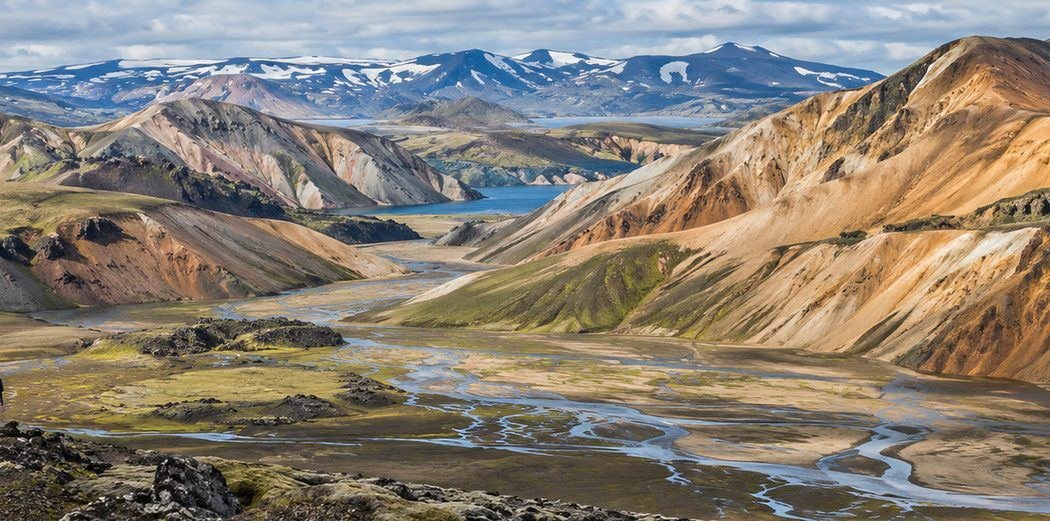
| Vík to Jökulsárlón | Long, remote stretches; fuel is scarce east of Kirkjubæjarklaustur | Doable with a full tank and a fixed overnight stop |
| North and East Iceland | Colder, more snow, mountain passes can close | Fly or join tours unless you’re experienced on snow |
| Westfjords | Many parts hard or impossible to reach | Skip in January |
| Highlands (F-roads) | Blocked by snow | Not an option for a regular rental car |
Not confident on ice? There’s no shame in skipping the car. Base yourself in Reykjavík and use small-group day tours for the Golden Circle and South Coast; the driver handles the roads and you watch the scenery. Our round-up of travel apps for a January adventure covers the weather and navigation tools worth having on your phone either way.
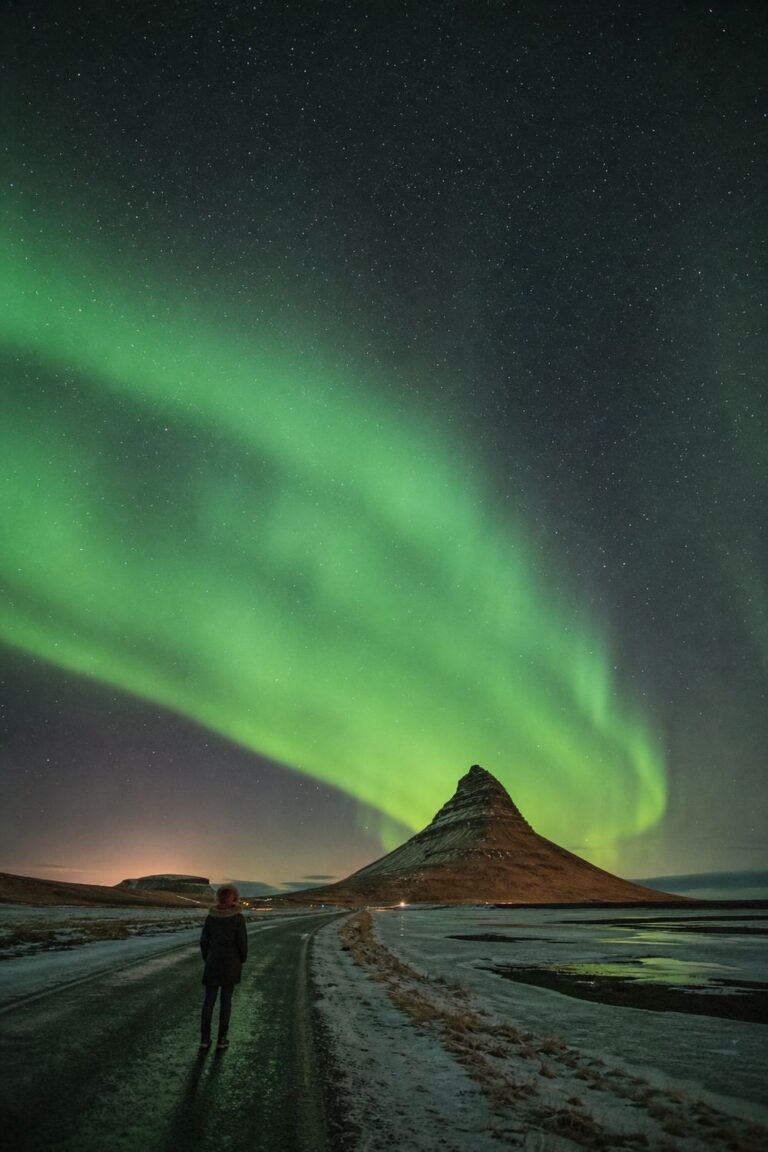
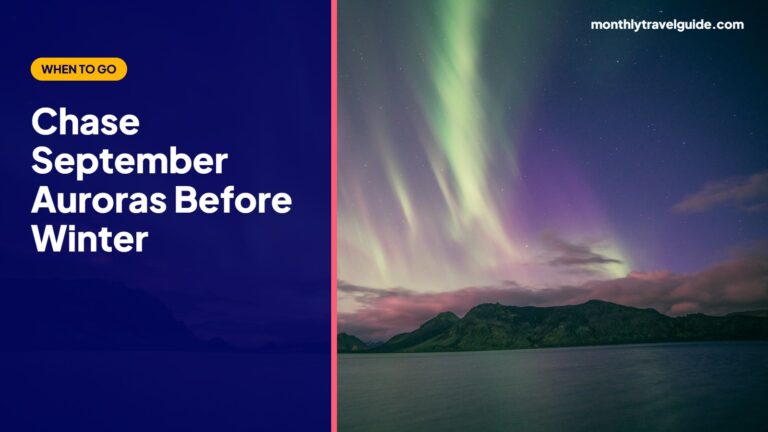
Northern Lights in January: Better Odds Come From Planning, Not Luck
January’s long nights give you many hours of darkness to work with, but darkness is only half the recipe. The Icelandic Met Office puts it simply: the aurora “requires dark and partly clear skies”. In a cloudy, wet month, the cloud forecast matters more than anything else.
The Icelandic Met Office aurora forecast shows two things you should read together: a 0–9 activity number for midnight and a cloud-cover map of the whole country, where green means cloud and white means clear. A modest activity level under a clear sky beats a high number under thick cloud every time.
Check the cloud map at dinner
Look for white (clear) patches near you for the hours between about 21:00 and 1:00. If your area is solid green, an early night is the smart call.
Get away from lights, not far away
Ten minutes outside a town is usually dark enough. Park only in proper pull-outs, never on the road edge.
Give it time and warm layers
Displays come and go. Dress for an hour of standing still, bring a flask, and let your eyes adjust for a few minutes away from your phone screen.
Want a quick read on how January compares with other months? Our free Northern Lights Odds tool helps you compare months, and if you’re weighing a later trip, see what changes with northern lights in March, when nights are shorter but the days are much kinder for sightseeing.
When to Go: Iceland
Still deciding between January and another month? This guide takes you through Iceland month by month: daylight, weather, roads, crowds and what each season is best for, so you pick dates that match the trip you actually want.
See When to Go: Iceland · $19 →Digital download · All sales final
What to Book Before You Fly (and What to Leave Flexible)
Book the things that are guided, capped or weather-limited; keep loose the things you can do on a whim. Small-group winter tours and popular lagoons fill well ahead, and nothing stings like reaching Jökulsárlón to find the ice-cave tours sold out.
Ice caves: winter-only, guide-only
Natural ice caves in the Vatnajökull glacier are generally accessible from November and usually through March, depending on the weather. The Visit Vatnajökull regional travel site is clear that they should never be entered without a glacier guide and safety gear; operators supply helmets and crampons. The caves change every winter, as guides scout new ones each autumn, and warm spells with rain can flood them. So book a tour that departs from near Jökulsárlón, and accept that the operator may switch caves or cancel for safety.
| Experience | Book ahead? | Why |
|---|---|---|
| Natural ice cave tour | Yes, first | Winter-only, guide-only, small groups |
| Glacier hike (e.g. Sólheimajökull) | Yes | Guided with crampons and axes; limited daylight slots |
| Blue Lagoon and other big lagoons | Yes | Timed-entry tickets that often sell out |
| Rental car with winter tyres | Yes | Pick a 4×4 if leaving the Golden Circle |
| Rooms along the South Coast | Yes | Few options in small villages; you need a fixed bed before dark |
| Northern lights tour | Leave flexible | Book on the day the cloud map looks good |
| Local swimming pools, museums | No | Easy bad-weather backups |
Prefer a soak somewhere less busy? Our guide to the best destinations for soaking in hot springs in January helps you weigh the options.
In January, Iceland gives you the light in small doses. Book the guided things early, and keep the evenings free for the sky.
A 5-Day Iceland in January Route That Respects the Dark
This route covers the Golden Circle and the South Coast as far as Jökulsárlón, with short driving days and one spare day. Distances from Reykjavík are about 120 km to Seljalandsfoss, 150 km to Skógafoss, 187 km to Vík and 370 km to Jökulsárlón (around four and a half hours in good conditions, longer in winter).

The complete kit
Every country guide, every timing tool
All 24 When to Go country guides, the six Smart Timing tools and every 12-Month Map, with a Start Here that tells you what to open first.
See the kit · $127The five bundles cost $225 separately · Digital download · All sales final
Day 1 · Reykjavík
Land, collect the car, walk the centre in the afternoon light, and swim in a local geothermal pool. Early night: tomorrow starts in the dark.
Day 2 · Golden Circle
Þingvellir at first light, then Geysir and Gullfoss. Sleep in the countryside rather than returning to the city, for darker skies and a head start south.
Day 3 · South Coast to Vík
Seljalandsfoss, Skógafoss and a guided glacier hike on Sólheimajökull, then Reynisfjara before sunset if the beach status allows. Overnight in or near Vík.
Day 4 · Jökulsárlón and the ice cave
Fill the tank before leaving Kirkjubæjarklaustur. Ice cave tour at midday, icebergs at the lagoon and the beach opposite, then sleep nearby.
Day 5 · Drive back (or use it as the buffer)
A long return to Reykjavík. If a storm closed the road on any earlier day, this is where you catch up. Add a sixth day if you can; January rewards slack in the plan.
Midwinter Traditions Worth Timing Your Trip Around
January isn’t empty of events. It’s just quieter and more local than the December holidays. Three traditions shape the month:
- Þrettándinn, on 6 January: the “thirteenth” night that closes the Icelandic Christmas season, usually marked with bonfires in Reykjavík and around the country.
- Þorrablót season, usually from mid- or late January: the old month of Þorri runs roughly from mid-January to mid-February, and midwinter feasts of traditional Icelandic foods take place across it. Many of these foods also turn up in supermarkets in January and February, which is the easiest way for a visitor to try them.
- Dark Music Days, usually in January: a contemporary music festival at Harpa concert hall in Reykjavík, a good evening plan when the weather closes in.
Comparing Iceland with other winter festivals on the continent? Our pick of winter festivals in Europe in January lays out the alternatives, and our winter packing list covers the layer system you’ll need here too: a merino base, a fleece and a fully waterproof, windproof shell, plus boots with real grip and microspikes for icy car parks.
5 Iceland in January Mistakes That Cost People Whole Days
1. Planning the full Ring Road in a week
The Ring Road loop works in summer with 20 hours of light. In January, with closures possible on north and east passes and five or six hours of usable daylight, it turns into a week of night driving. Pick one region and see it properly.
2. Reading the aurora number and ignoring the cloud map
A high activity number feels exciting, but under full cloud you’ll see nothing. Read the cloud-cover map first, then the activity level, then decide where to go.
3. Booking non-refundable rooms in a fixed line
If every night is prepaid in a different town, one closed road breaks the whole chain. Use flexible rates where you can, or base yourself in two places and do day trips from each.
4. Trusting a 4×4 to handle anything
Four-wheel drive helps you get going in snow. It doesn’t help you stop on ice, and it doesn’t open a closed road. Drive slowly, keep long gaps and turn back early.
5. Turning up for an ice cave without a tour
Ice caves are not a roadside stop. They’re guide-only for safety, and the best slots go early. Book first, then build the rest of the South Coast days around the tour time.
Iceland in January: Questions Travellers Ask Most
Iceland in January rewards one simple habit: let the light and the road report set the plan, not the other way round. Do that, keep a buffer day, and the short days become part of the appeal. For more cold-season ideas, browse our best travel destinations in January, read more Iceland travel guides, compare winter wonderland destinations for January, or plan any other month from the month-by-month travel planner.
Free download
See the whole year before you book
Our free 12-Month Map puts every month for one country on four pages: when the weather works, when the crowds and prices peak, and the weeks to skip.
- 24 countries to choose from
- Region-by-region verdicts
- Printable PDF
Your download page opens as soon as you sign up. 24 countries available.
Compare the whole month
Where to go in January
Every destination rated for January on one page: weather, crowds and price level, with the places to skip.