Agruturismo Puglia stays offer one of the best ways to experience Italy’s Valle d’Itria, a region known for its ancient olive groves, trulli stone houses, whitewashed villages, warm hospitality, and deep agricultural traditions.
Puglia has become more popular in recent years, but the Valle d’Itria still has the same authentic country feel. Visitors can enjoy a slow-travel experience focused on food, nature, landscapes, and cultural immersion.
This long guide gives you a detailed look at the best agriturismo stays in Puglia’s Valle d’Itria. It talks about what makes the area special, what to expect from a farm stay, expert recommendations, and detailed highlights of some of the best properties. The goal is to give readers a resource that will always be useful, no matter what the latest travel trends or hotel styles are.
1. Why You Should Stay at an Agriturismo in Puglia
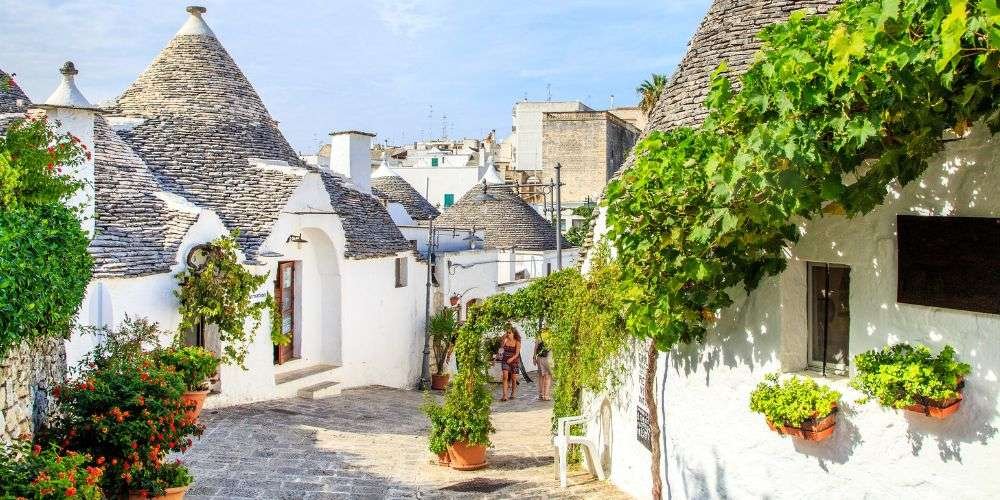
Italy came up with the agriturismo model, which is farm-based hospitality, to help local farms make more money and give travelers a more authentic cultural experience. This tradition is still strong in Puglia because the region’s farming has been going on for thousands of years. Family-run olive mills, vineyards, almond groves, fruit orchards, and small-scale livestock farming are still at its heart.
Important reasons why travelers choose an agriturismo Puglia experience:
1. Real connection to life in the area
Guests stay with families that have kept traditions alive for a long time. You can learn how to press olives, make pasta, harvest grapes, or raise local animals like Apulian donkeys or Podolica cows. This level of immersion makes traveling more interesting and meaningful than staying in city hotels.

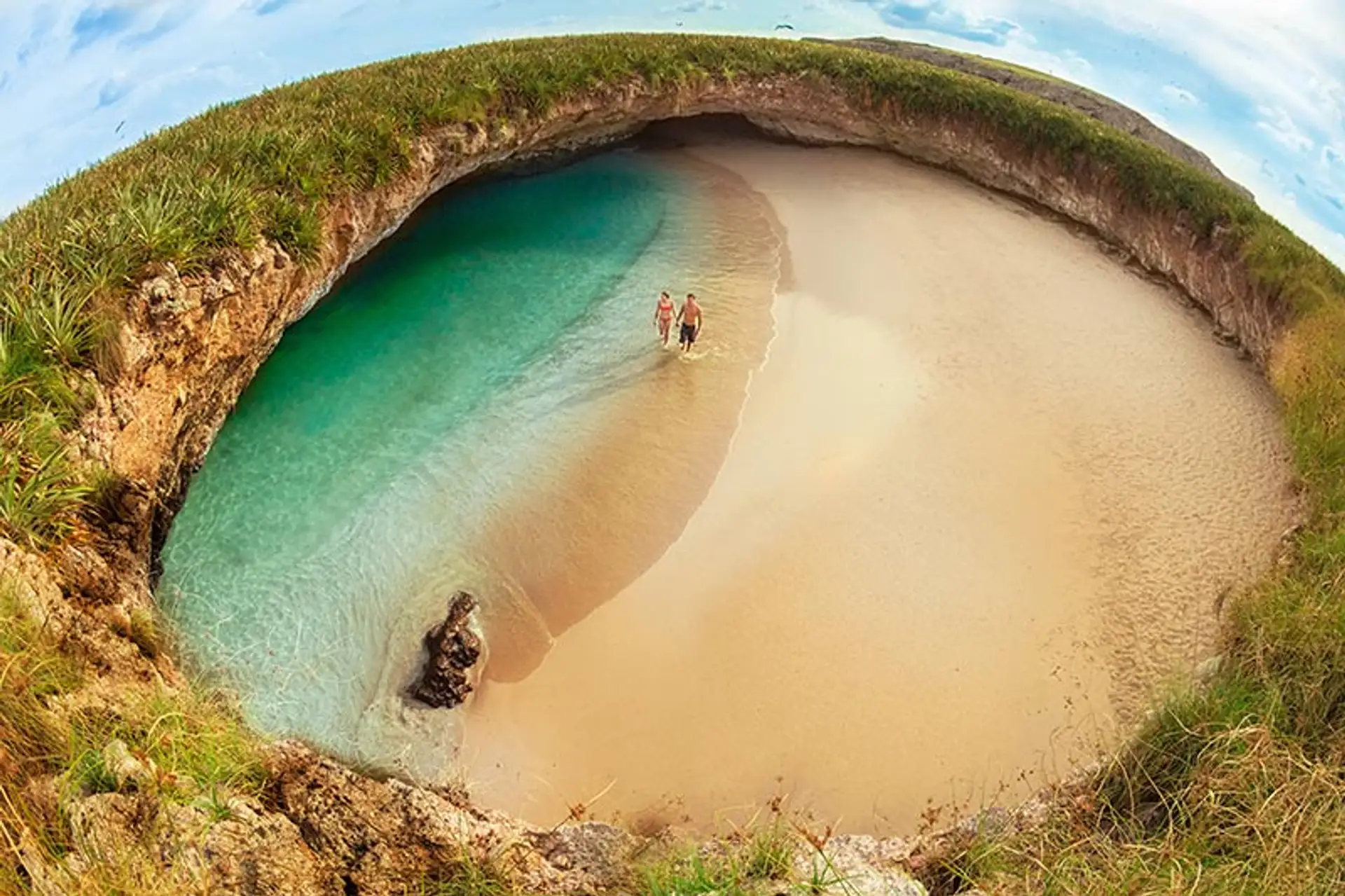

2. Traveling slowly through a landscape that never changes
Valle d’Itria feels like real rural Italy, with rolling hills, dry-stone walls, trulli, and vineyards. It’s not too busy or overdeveloped. Agriturismi are located in some of the most beautiful parts of the area, where they are surrounded by nature.
3. The Best of Farm-to-Table Food
Many agriturismi grow their own food and use family recipes that have been passed down for generations.
Expect:
- handmade orecchiette
- seasonal vegetables
- fresh cheeses
- herbs from the garden
- local meat
- famous olive oil
4. Tourism that is good for the environment and lasts
Farm stays help small farmers and protect traditional methods. Many agriturismi use solar power, protect biodiversity, and minimize waste.
5. Quiet, Space, and Privacy
Agriturismi usually have big private estates, gardens, orchards, and swimming pools.
2. Getting to Know the Valle d’Itria: A Timeless Rural Area
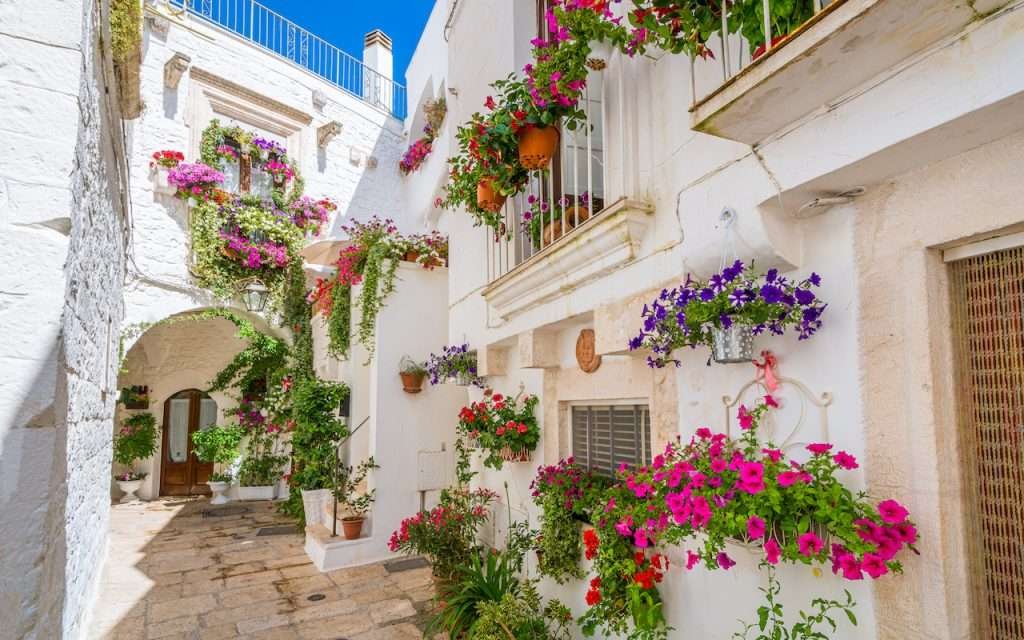
The Valle d’Itria is in central Puglia, between Bari, Brindisi, and Taranto. It’s known for its fertile farmland, iconic trulli, and beautiful hill towns.
The Most Famous Towns in Valle d’Itria
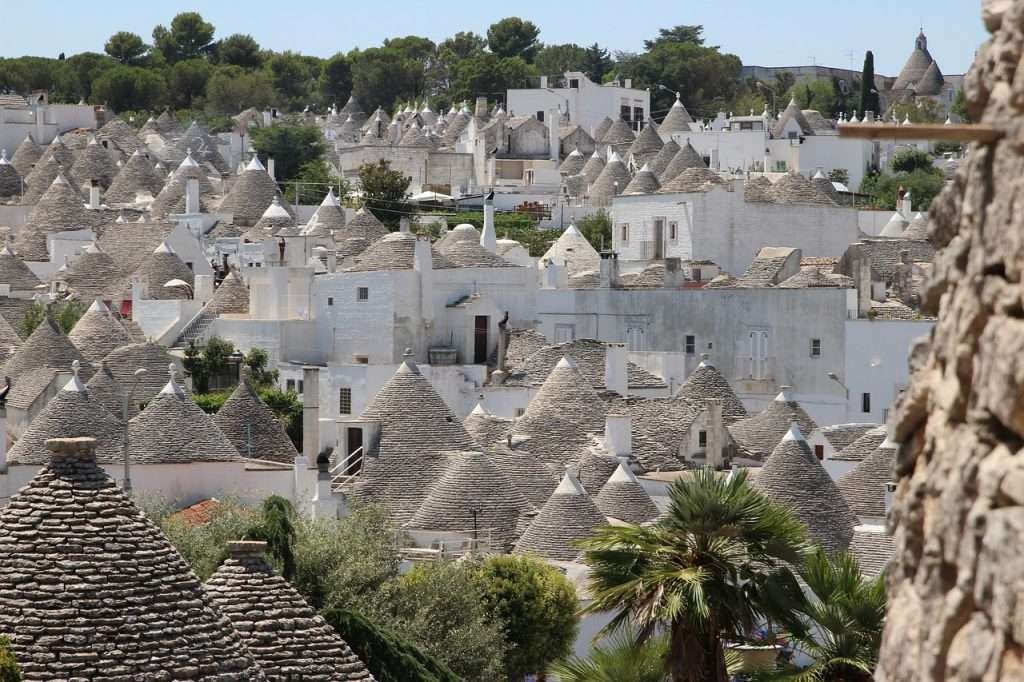
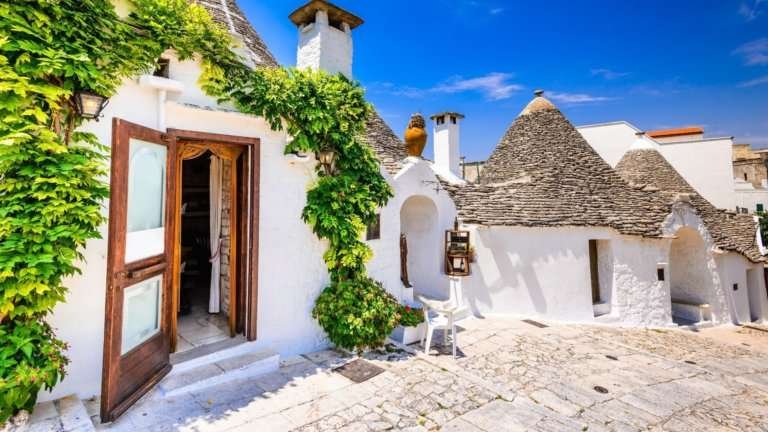
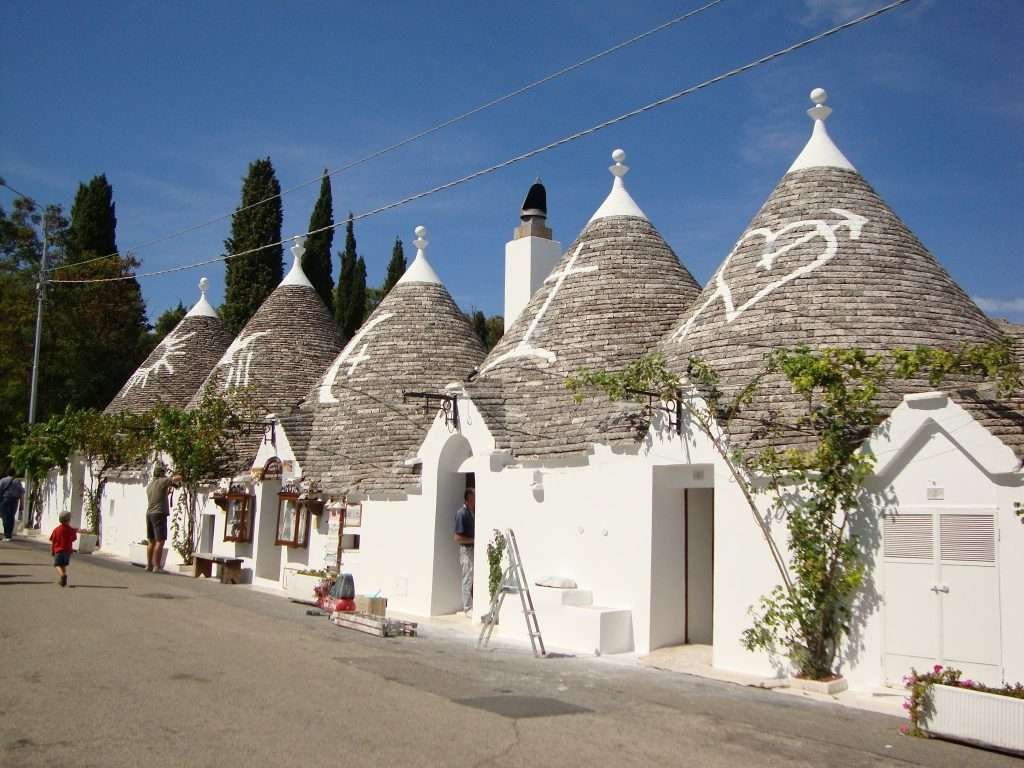
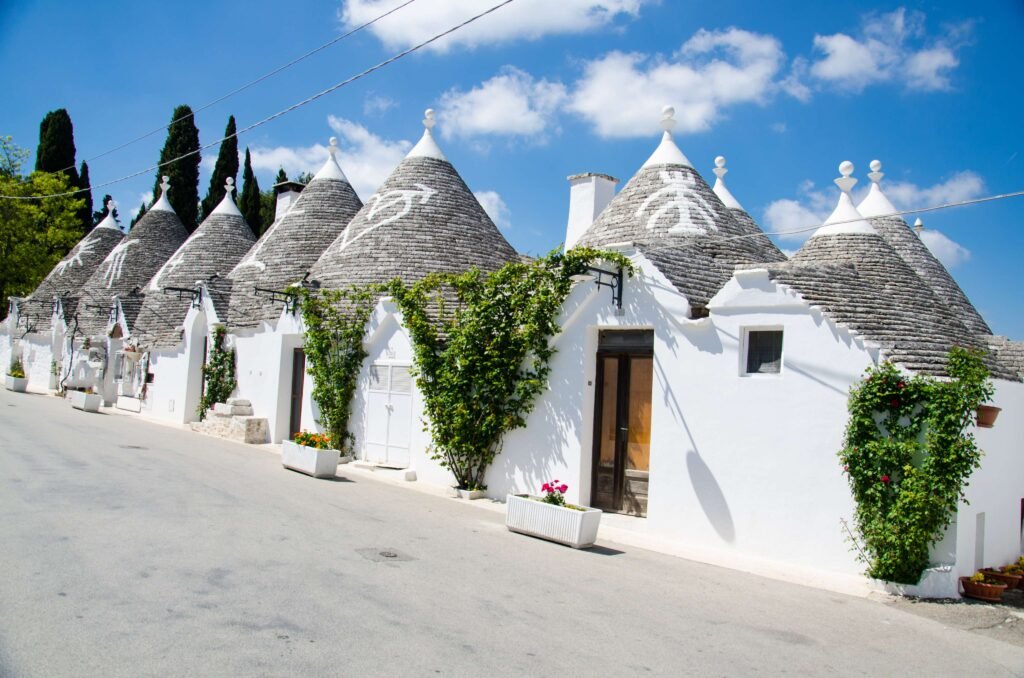
- Alberobello – UNESCO World Heritage Site known for its trulli
- Ostuni – the “White City”
- Locorotondo – circular village famous for white wine
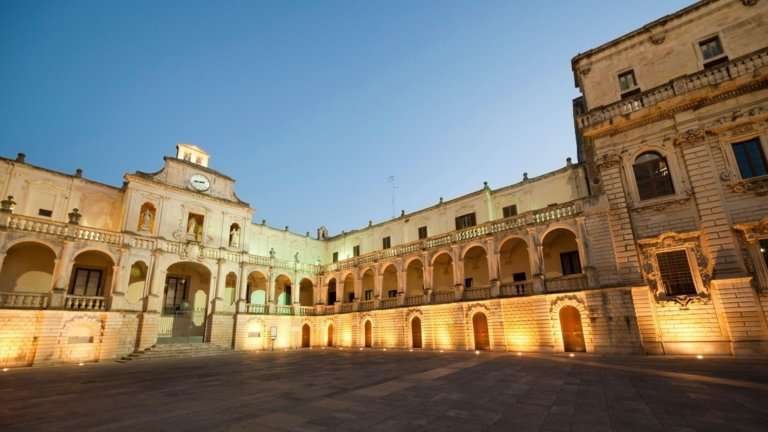
- Martina Franca – Baroque architecture
- Cisternino – known for “fornelli pronti”
- Fasano – masserie, olive groves, countryside estates
The countryside around these towns is filled with small farms, vineyards, and restored country homes that have become agriturismi and masserie.
3. What You Can Expect from a Farm Stay in Puglia
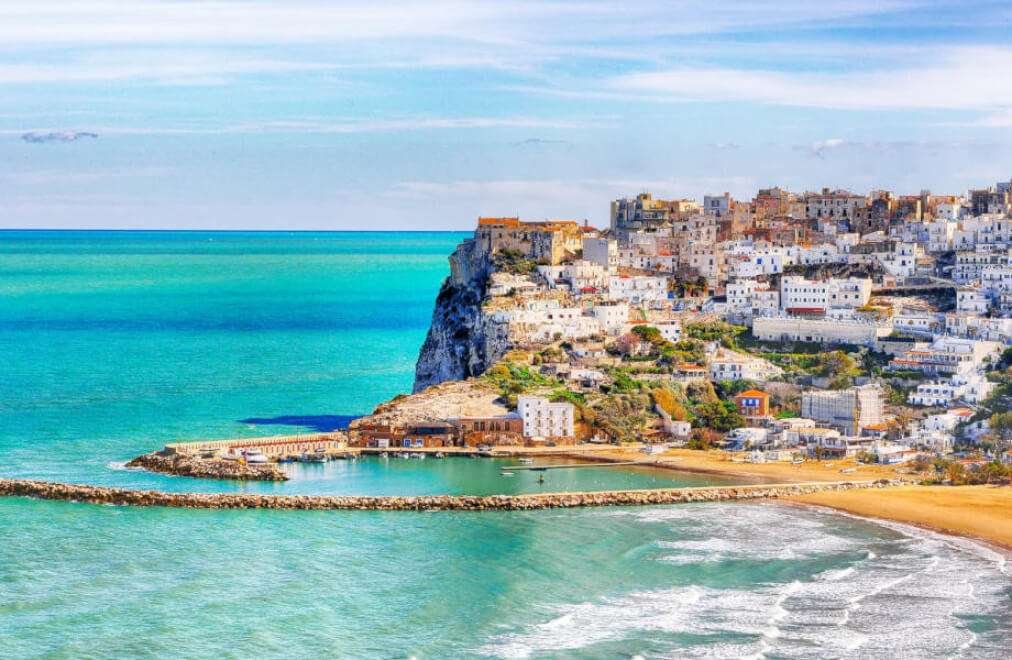
Staying at an agriturismo Puglia property is personal, connected to the land, and rooted in local rhythms.
Common traits of agriturismi in the Valle d’Itria:
A. A Place to Stay with Character
Rooms are often in historic buildings such as:
- masserie (fortified farmhouses)
- trulli
- lamia with vaulted ceilings
- farmhouses in olive groves
Expect rustic charm: stone floors, ceramics, iron beds, thick walls.
B. Food from the Past
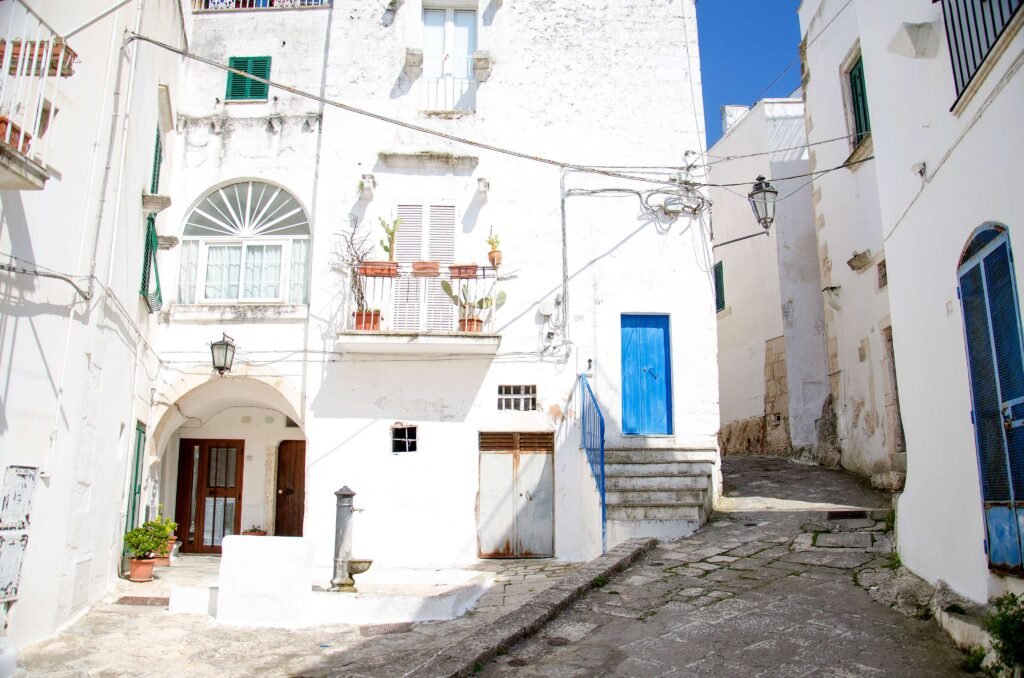
Meals often include:
- fresh cheeses
- hand-rolled pasta
- vegetables from the garden
- olive oil from estate trees
- almond cakes and fig jam
- Primitivo, Verdeca, and Negroamaro wines
Cooking classes, olive oil tastings, and wine tastings are common.
C. Calm Natural Environment
Expect birdsong, wind through olive groves, and vineyard views.
D. Hosts Who Make You Feel Like Family
Owners often live on site and share local knowledge.
E. Activities Based on the Land
Depending on the estate:
- olive grove walks
- countryside biking
- olive oil or wine tasting
- foraging
- seasonal harvests
- bread or cheese workshops
4. The Best Agriturismo Stays in Puglia’s Valle d’Itria
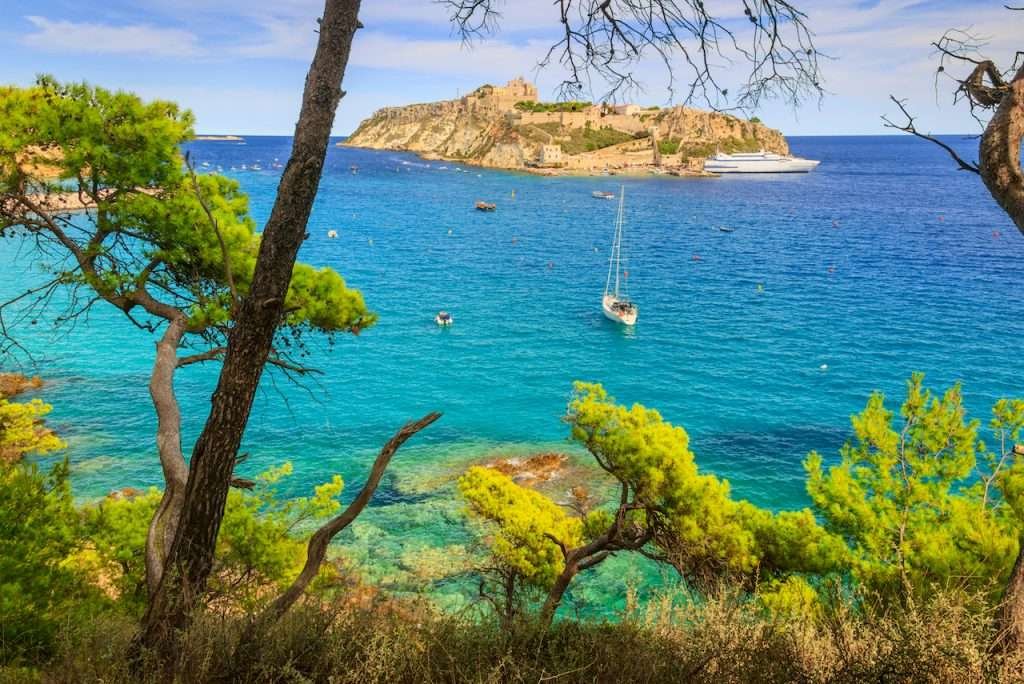
These agriturismi offer authenticity, comfort, and timeless charm.
1. Masseria Cervarolo (Ostuni)
What Makes It Unique
- real trulli rooms
- on-site seasonal restaurant
- stone-built pool area
- close to Ostuni
- eco-friendly farming
2. Agriturismo Masseria Salinola (Ostuni)
Main Points
- Puglian cooking classes
- large suites
- slow-paced setting
- homegrown ingredients
3. Agriturismo Le Valle d’Itria (Martina Franca)
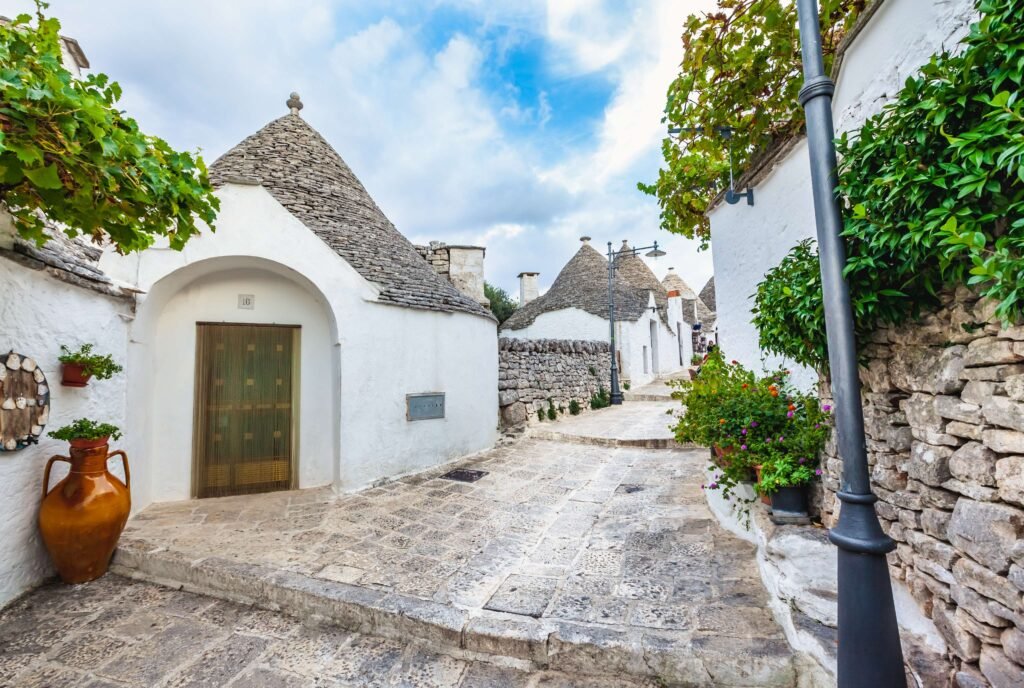
What Makes It Unique
- quiet panoramic location
- farm activities like fruit and olive picking
- family-run
- local ingredients
4. Agriturismo Il Portico (Fasano)
Important Parts
- olive groves & orchards
- fresh farm meals
- traditional rooms
- cozy family atmosphere
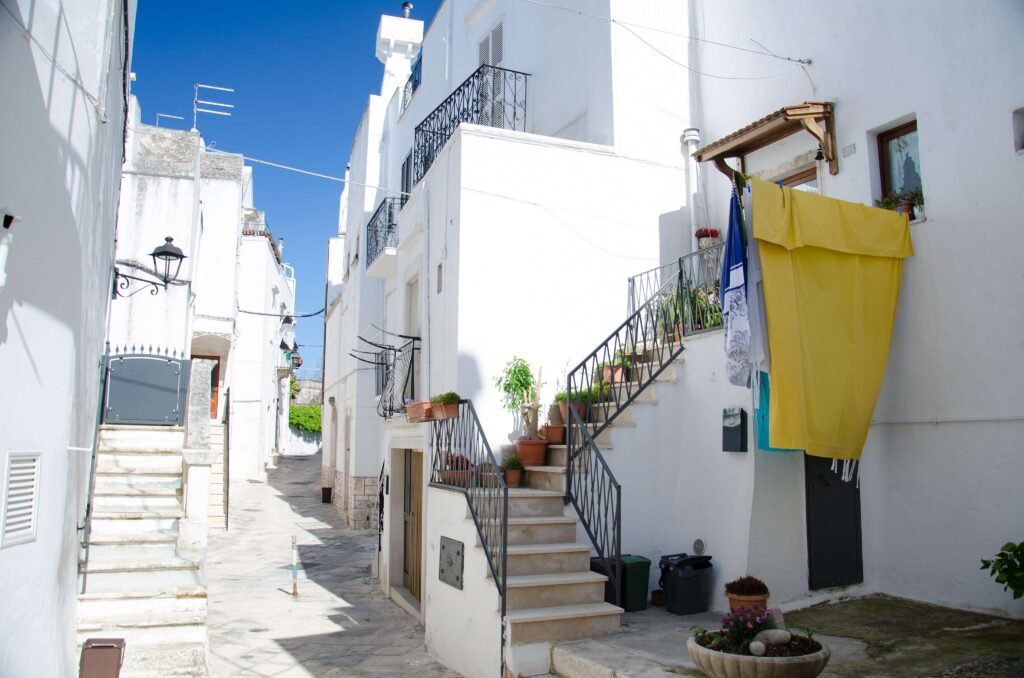
5. Agriturismo Masseria Aprile (Locorotondo)
What Guests Like
- working vineyard
- trulli accommodations
- homemade jams and cheeses
- vineyard views
6. Masseria Narducci (Fasano)
Unique Features
- organic garden
- on-site olive mill
- country-style rooms
- large outdoor spaces
7. Masseria Serralta Agriturismo (Locorotondo)
What Makes It Great
- beautifully restored trulli
- peaceful setting
- countryside views
- romantic atmosphere
5. The Best Places in the Valle d’Itria to Stay in an Agriturismo
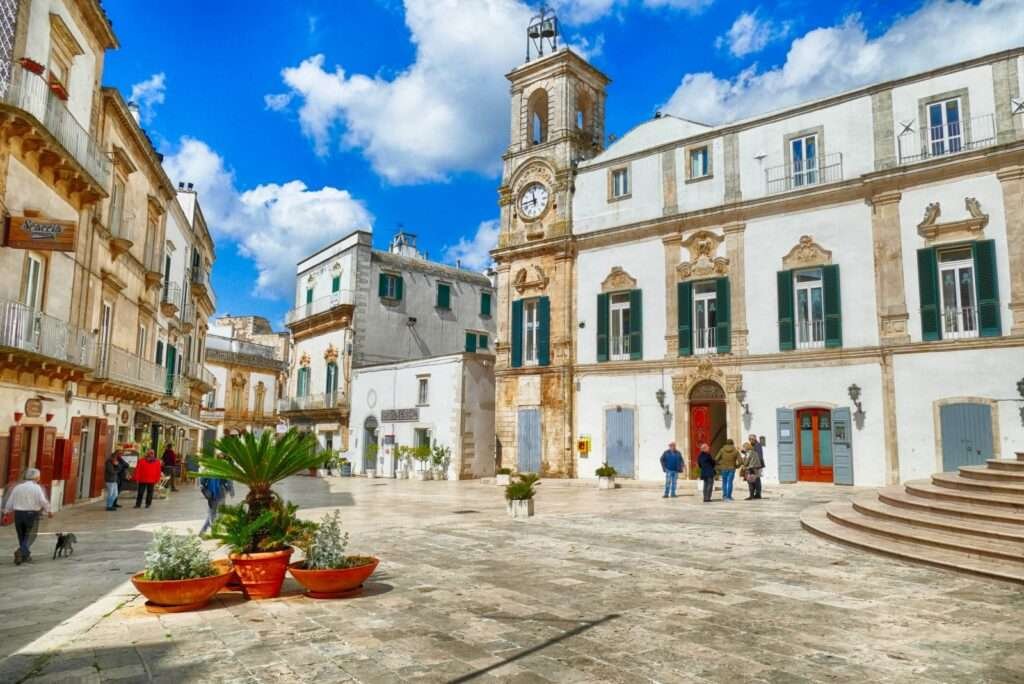
A. Ostuni
Great for:
- architecture
- beaches
- nature & city mix
B. Countryside between Locorotondo & Martina Franca
Best for:
- wine lovers
- rural roads
- panoramic views
C. Cisternino
Good for:
- food lovers
- rural simplicity
- walking trails
D. Fasano
Great for:
- large estates
- countryside + beach access
- families and couples
6. Things to Think About When Picking an Agriturismo in Puglia
1. Realness
Look for:
- family-run stays
- historic buildings
- active farms
- local ingredients
2. Food Quality
Important factors:
- homegrown produce
- seasonal menus
- in-house wine or olive oil
- traditional cooking
3. Location & Landscape
Choose based on:
- hill views
- vineyards
- olive groves
- proximity to towns
4. Accommodation Type
- Trulli
- Lamia
- Masserie
5. Activities
Look for:
- tastings
- cooking classes
- farm activities
- workshops
- bikes
6. Sustainability
Consider:
- organic methods
- renewable energy
- traditional farming
- biodiversity
7. How to Plan a Trip to Valle d’Itria Agriturismo
A. Visit in the shoulder seasons
- April–June
- September–October
B. Renting a car is essential
Makes it easier to explore.
C. Book early
Especially for summer and holidays.
D. Plan a slow-travel itinerary
Include:
- exploring towns
- long lunches
- countryside walks
- relaxation time
E. Embrace local food culture
Try:
- orecchiette with turnip greens
- caciocavallo
- herb frittatas
- local meats
- vegetable focaccia
8. A Sample 4-Day Itinerary for an Agriturismo Stay
Day 1: Arrival
- check in
- welcome tasting
- property walk
- dinner
Day 2: Ostuni
- old town
- cathedral
- olive valley drive
- cooking class
Day 3: Alberobello & Locorotondo
- Locorotondo walk
- vineyards
- Alberobello visit
- dinner at masseria
Day 4: Martina Franca
- baroque center
- wine tasting
- relaxation
- final dinner
9. Why Valle d’Itria’s Agriturismo Is a Timeless Travel Choice
The region remains deeply connected to tradition.
Agriturismi offer:
- timeless experiences
- unchanged landscapes
- traditional food
- slow travel
- authentic hospitality
In Conclusion
When you choose to stay at an agriturismo in Puglia’s Valle d’Itria, you’re embracing a way of traveling that values authenticity, nature, food, and connection. The region’s scenery, masserie, artisan food, and hospitality make it one of Italy’s best countryside destinations.
This guide offers timeless insights and expert advice to help travelers find rewarding experiences in the Valle d’Itria.